
OPS & TRAINING
SAF SERVICEMEN'S HEALTH AND SAFETY OF UTMOST IMPORTANCE: DR MALIKI
28 Jun 2013
The Singapore Armed Forces (SAF) has lifted training restrictions now that the haze situation has improved, said Senior Parliamentary Secretary for Defence and National Development Dr Mohamad Maliki Bin Osman.
But one thing was for sure, the health and safety of SAF personnel would not be compromised, he stressed.
Physical and outdoor training was reduced last week as the Pollutant Standards Index (PSI) had reached very unhealthy and hazardous levels.
"We'll never know when the situation will be coming back again and we'll continue to monitor and adjust accordingly," Dr Maliki added.
He was speaking at the sidelines of an Advisory Council on Community Relations in Defence (ACCORD) visit to Jurong Island on 28 Jun.
For example, Operationally Ready National Servicemen who had been scheduled for their IPPT (Individual Physical Proficiency Test) and could not take the test because of the haze may see their IPPT window extended.
"This is a test of our nimbleness at different levels, whether it's the training of our recruits or our units. As we make adjustments based on the (changing) conditions, what's more important is to look at the training cycle in the long term."
"We will make up (for) the extra requirements and make sure (the soldiers' training) is up to speed," said Dr Maliki, when asked if these adjustments would disrupt the soldiers' training.
The SAF has in place a set of PSI-Activities Guidelines that help commanders adjust the nature and intensity of outdoor activities and training according to the PSI readings.
These SAF-specific guidelines take into account the medical fitness of SAF personnel and are in line with the National Environment Agency's health advisories on PSI readings.
Dr Maliki also emphasised that despite these precautionary measures, the SAF stood ready at all times to protect and defend Singapore.
Citing the example of SAF troops who continued to do their work of patrolling Jurong Island despite the high haze levels last week, Dr Maliki said: "We made adjustments to the way we deployed the personnel but we did not compromise the nature of the security that we put in place."
"We appreciate our servicemen for doing excellent work and showing their readiness and commitment."
Jurong Island is a major petrochemical hub and the SAF patrols the area regularly together with partners from the Jurong Town Corporation and the auxiliary police.
Lieutenant Colonel (LTC) Fredie Tan, whose men from 3rd Battalion, Singapore Guards (3 Gds) took over the patrolling of the Jurong Island area this week, said that the 24-hour PSI readings were monitored hourly.
If the 24-hour PSI reading exceeds 200 and falls into the very unhealthy range, those on duty would have to wear their N95 masks.
If the reading rises above 300, which means the air quality is hazardous; servicemen will be rotated more frequently during their shift to reduce prolonged exposure to the haze.
"But even when the PSI levels are normal, there is always medical assistance ready if the soldiers are not feeling well," said the battalion's Commanding Officer.

ALSO READ IN OPS & TRAINING
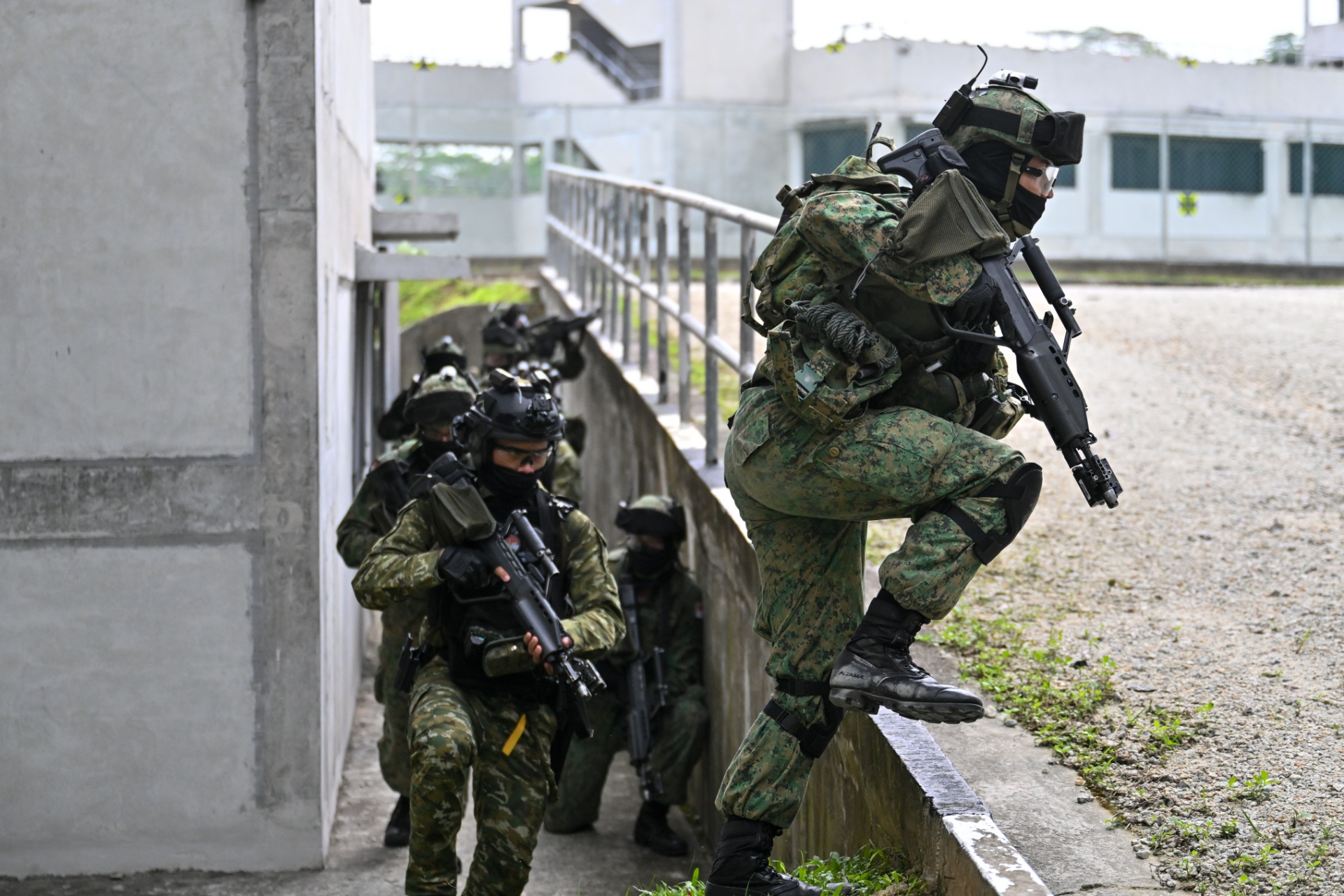
S’pore commandos, Indonesia special forces train & strengthen ties at Ex Chandrapura
08 Jul 2026
From conducting tactical airborne jumps to a coordinated urban raid, soldiers from Singapore and Indonesia deepened their decades-long partnership in this bilateral army exercise.
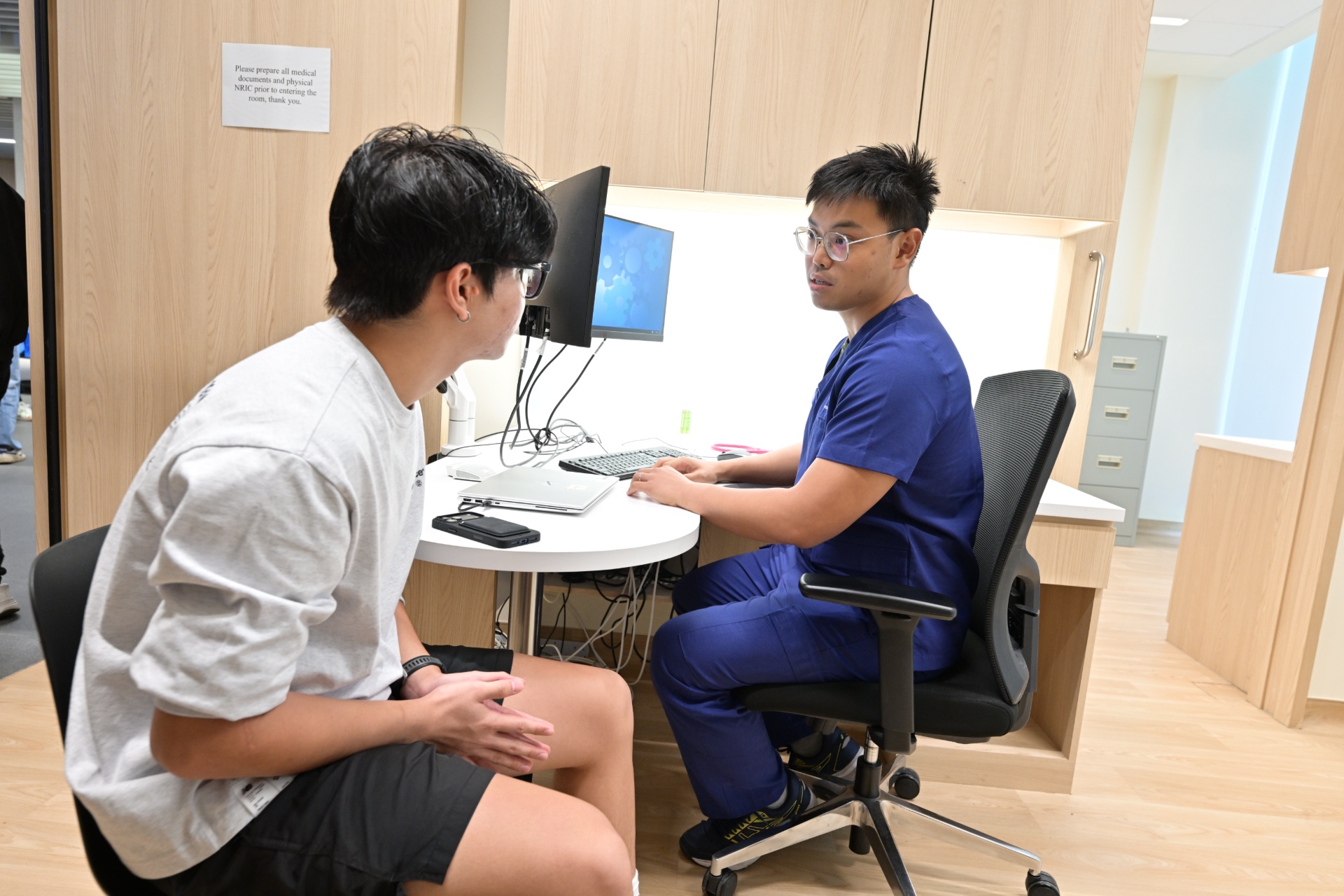
SAF & Home Team to refresh Medical Classification System
13 Apr 2026
The refreshed system will allow about 1,200 servicemen annually to be deployed for vocations and roles they were ineligible for previously.
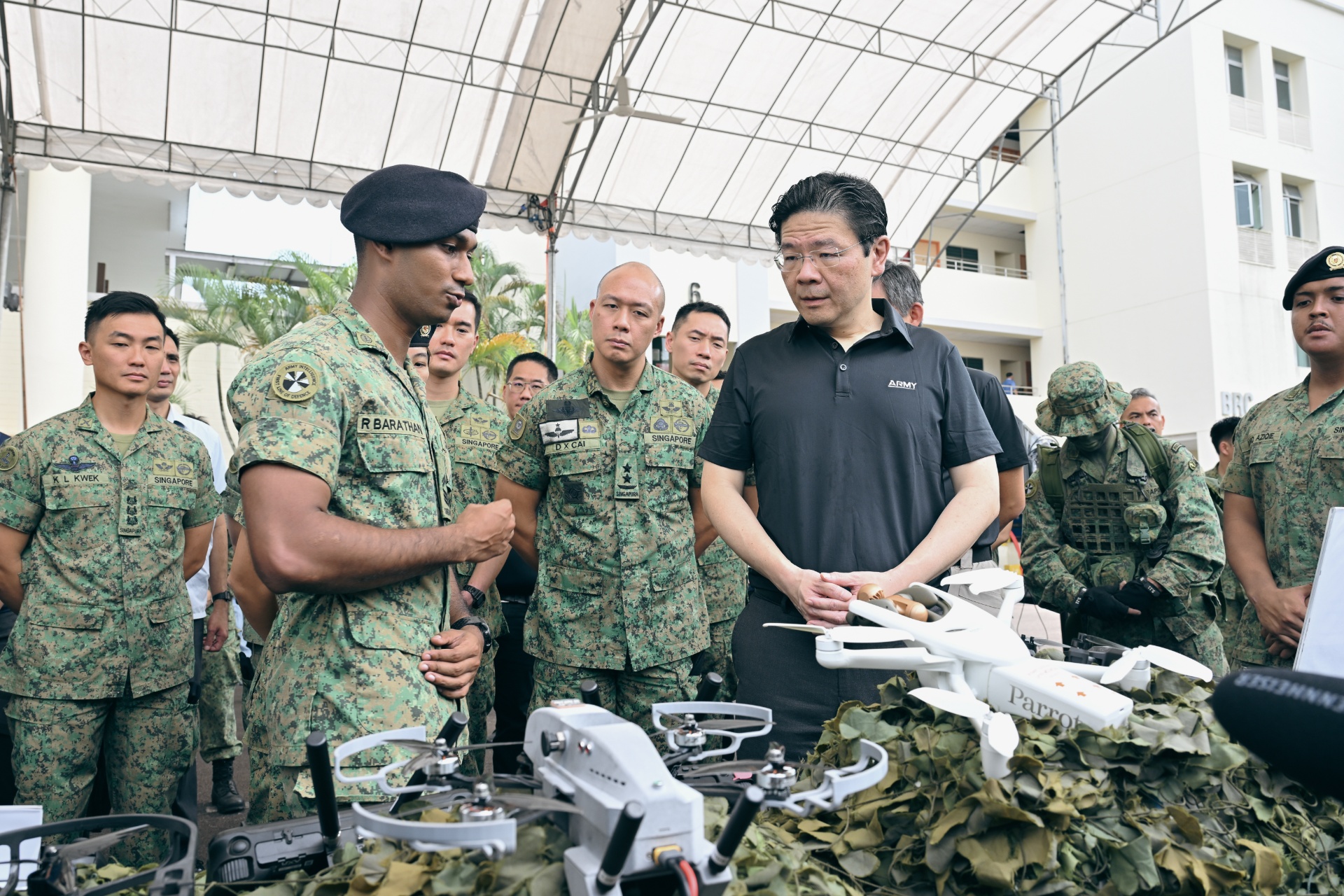
Prime Minister Lawrence Wong observes SAF’s sense-strike integrated capabilities
09 Apr 2026
He witnessed the SAF’s ongoing efforts in leveraging advanced robotics and cross-Service integration to secure Singapore’s interests in an increasingly volatile world.