
OPS & TRAINING
19 countries come together for Exercise Trident Resolve
23 Sep 2026
This exercise marks the largest ADMM-Plus exercise in a decade, involving 2,200 personnel from the militaries of all 19 ADMM-Plus countries and civilian agencies.
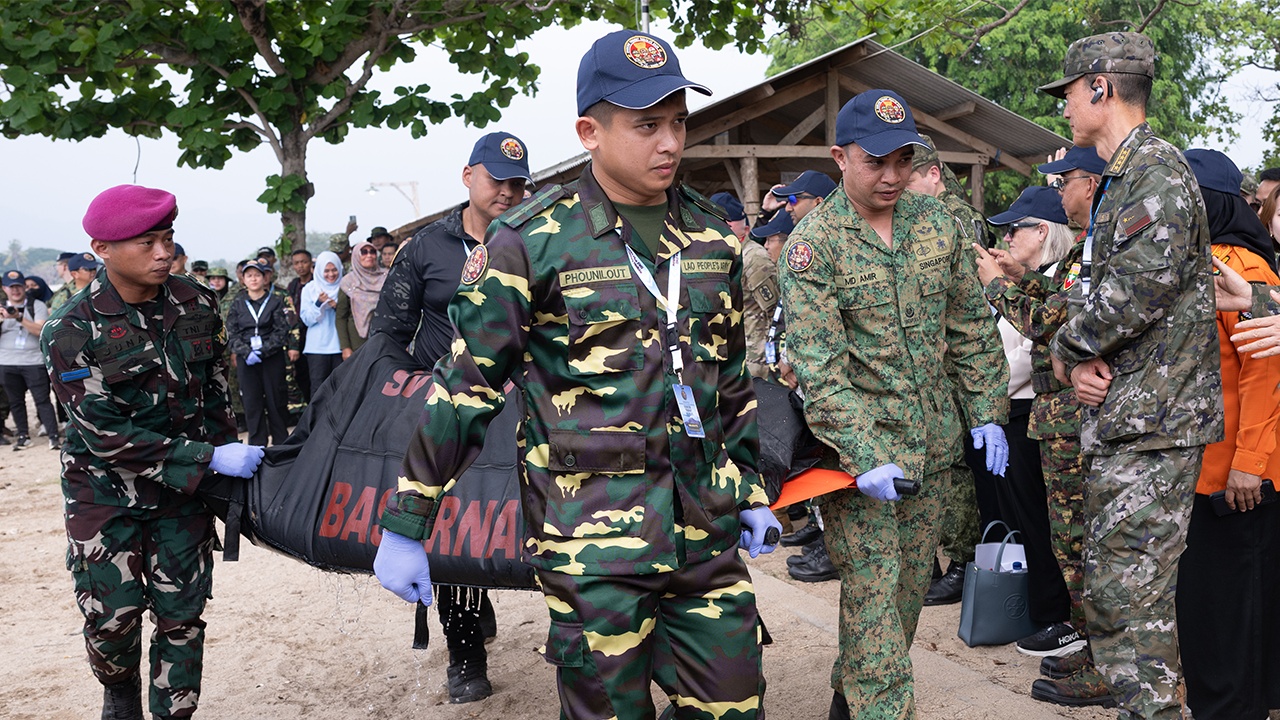
What happens when a large-scale disaster strikes? Military and civilian personnel from 19 countries spring into action, working together to mount a swift and coordinated response.
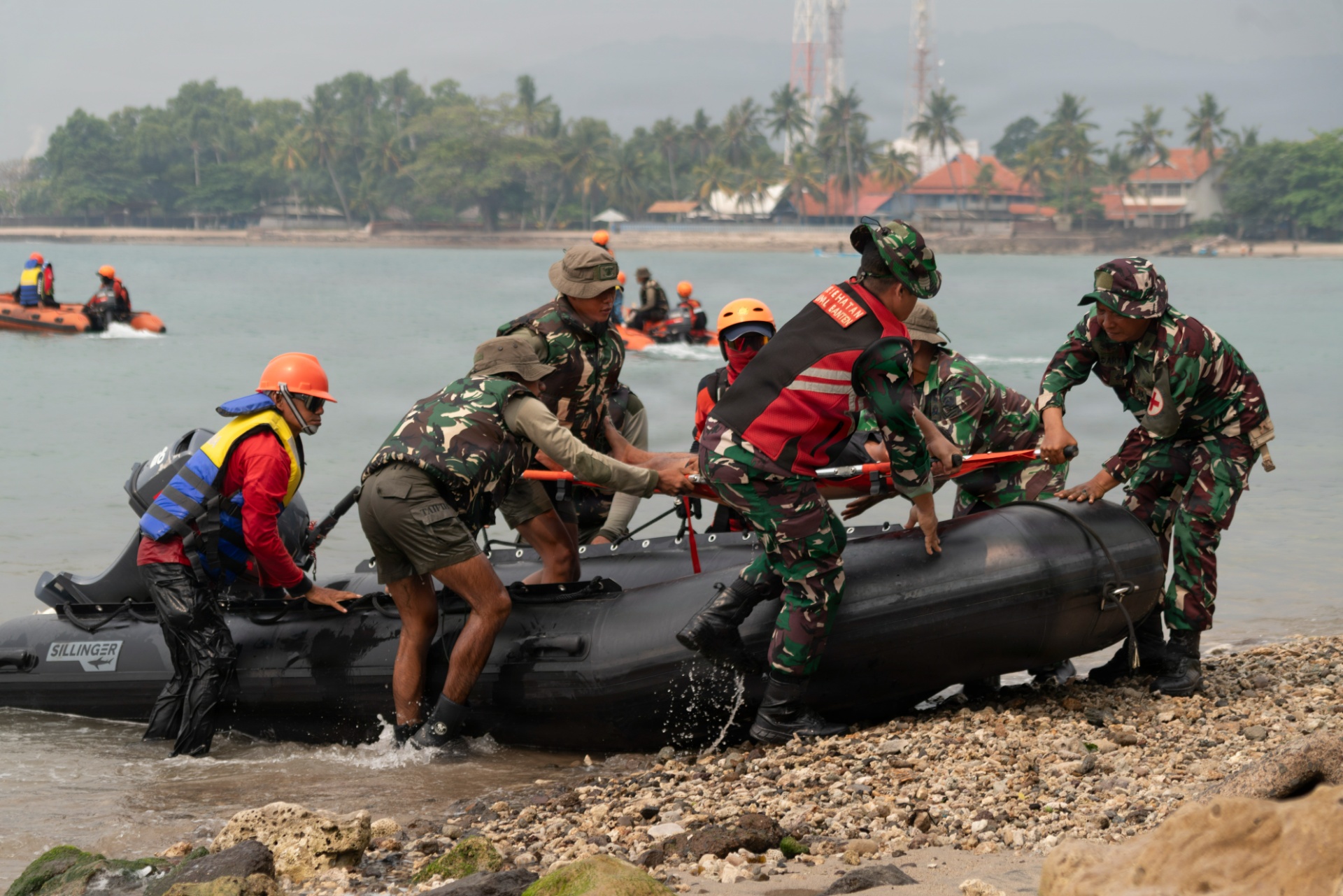
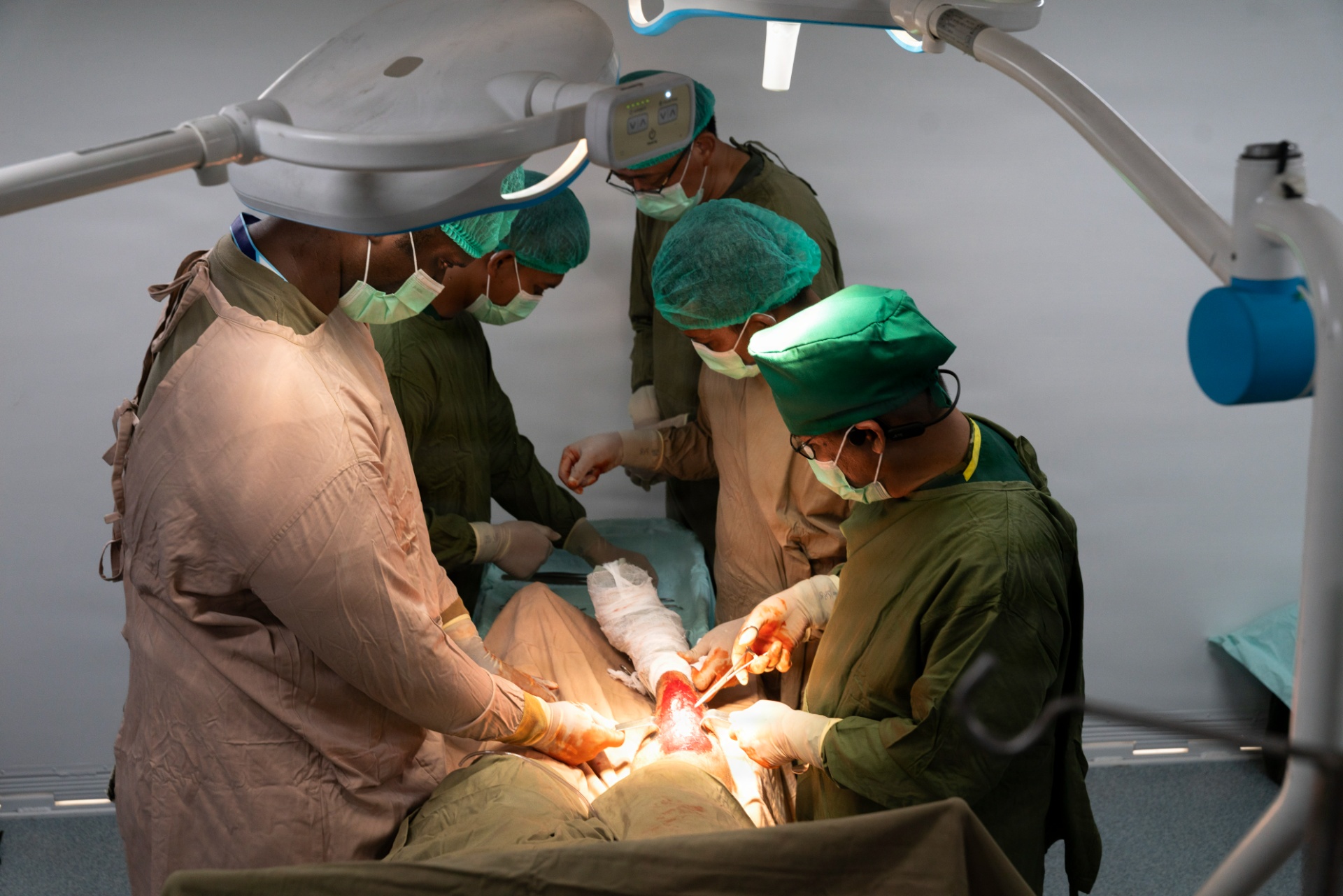
They must carry out multiple missions across land and at sea – from search-and-rescue operations to medical evacuations and the treatment of casualties, to chemical, biological and radiological operations.
These capabilities were put to the test at Exercise Trident Resolve (XTR), the largest ADMM (ASEAN Defence Ministers’ Meeting)-Plus exercise in a decade by number of participants.
The exercise is being held from 20 to 26 Sep in Banten, Indonesia.
Responding across land & sea
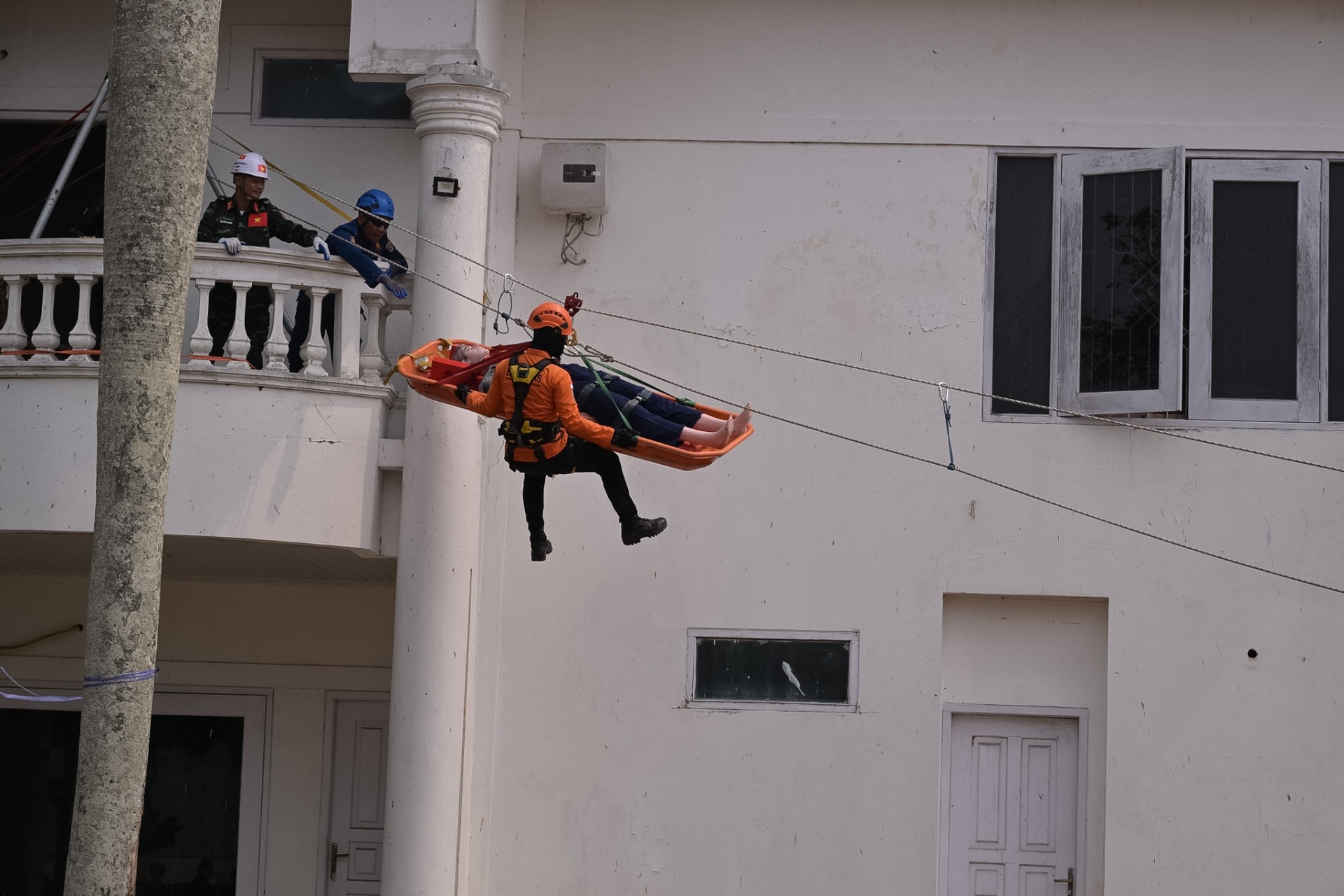
Conducted across seven distributed sites and at sea, XTR puts participating militaries and civilian agencies through a series of disaster-response activities.
These are designed to strengthen coordination in a complex, large-scale crisis.
Scenarios range from search and rescue to infrastructure repair to medical evacuation and treatment.
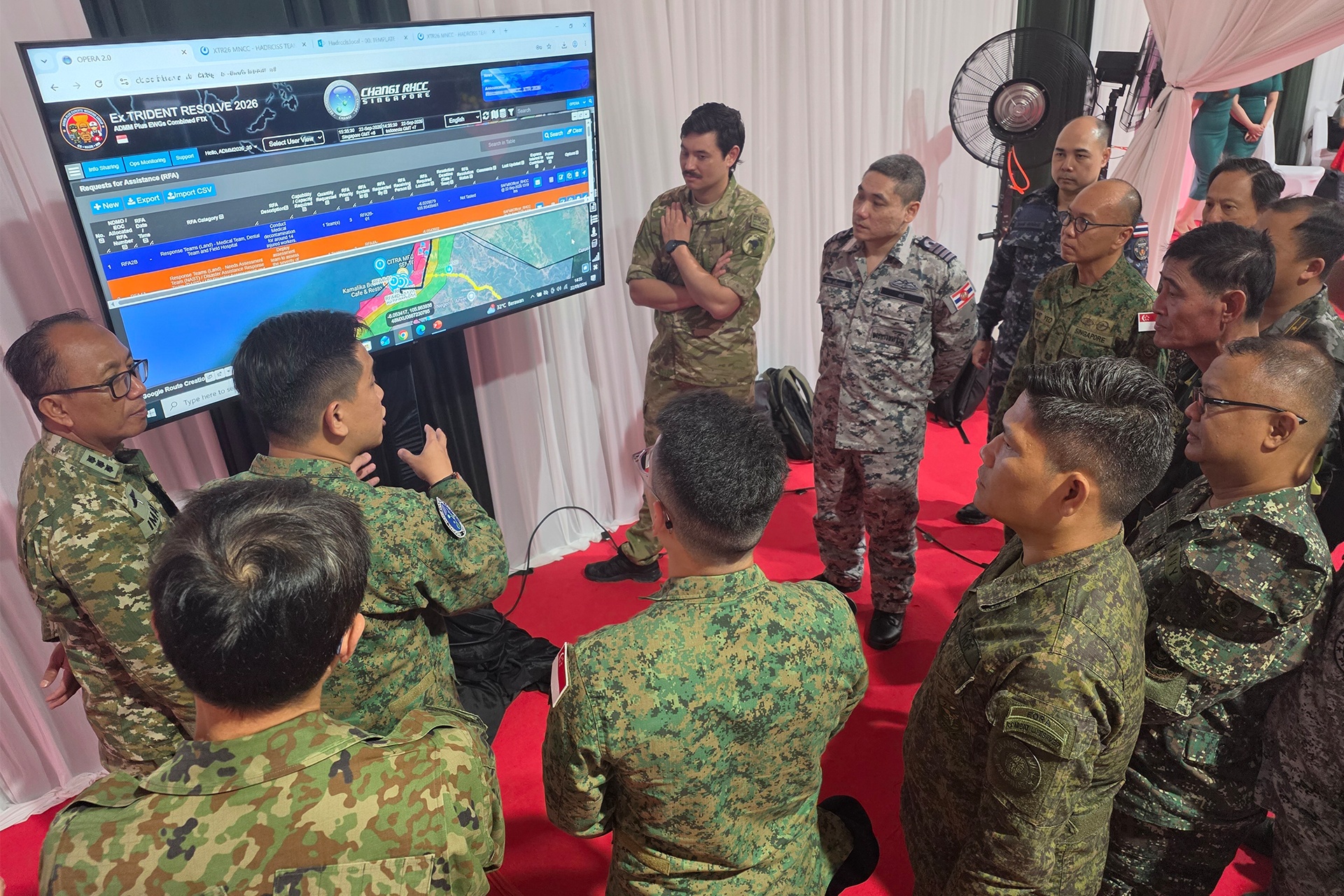
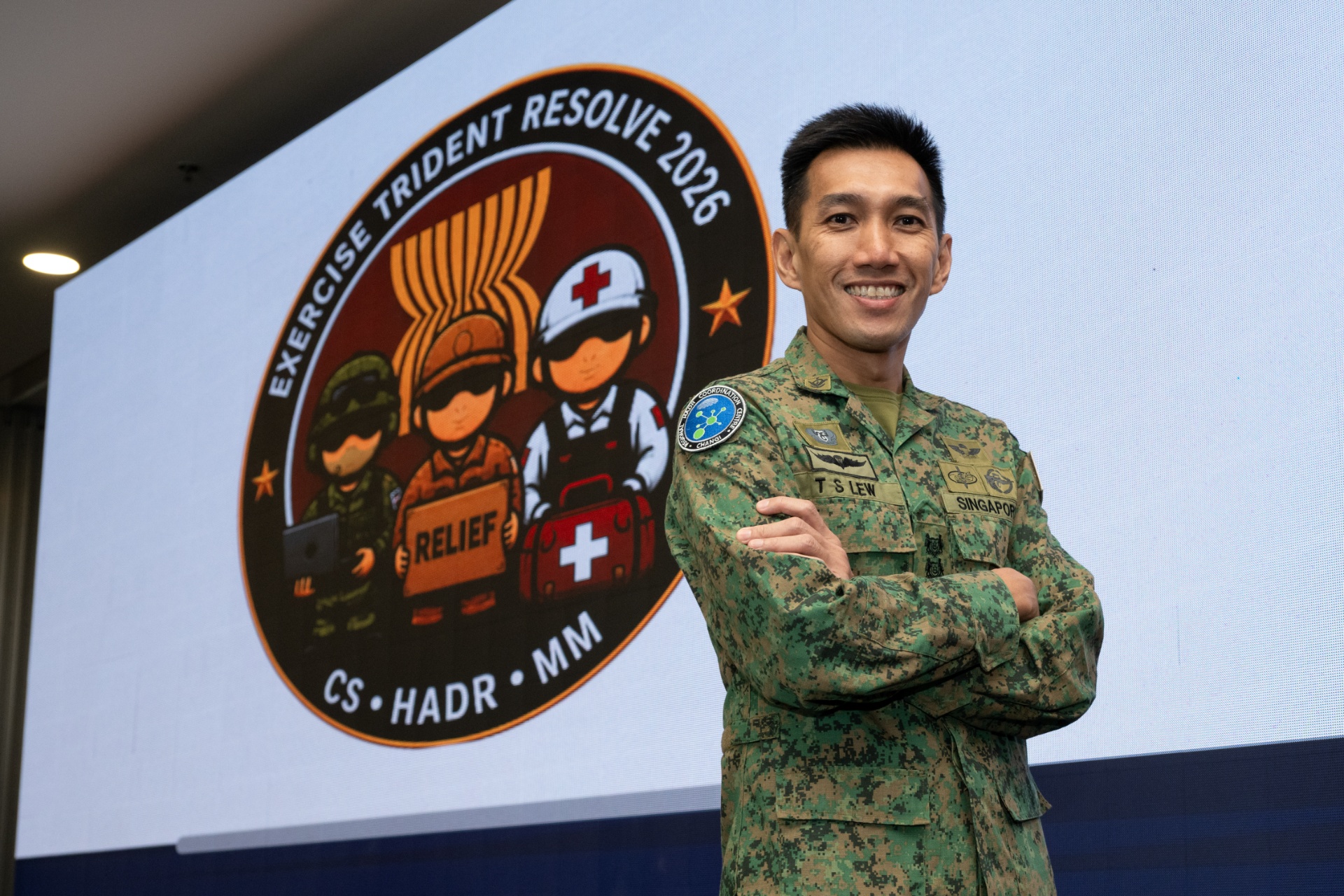
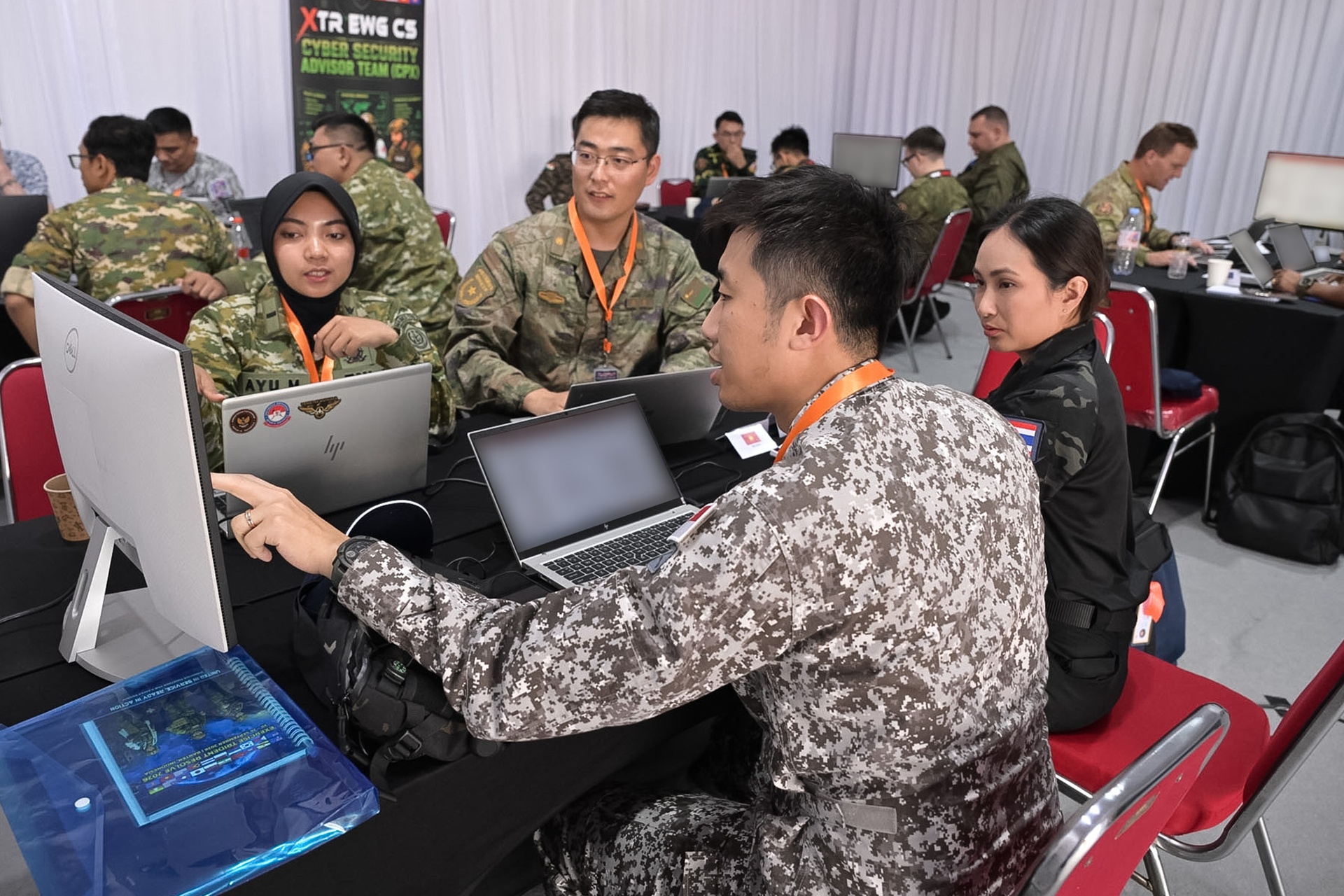
Colonel (COL) Lew Tze Soon noted that this is the first time that Cyber Security, Humanitarian Assistance and Disaster Relief (HADR) and Military Medicine Experts’ Working Groups have come together in a single combined field training exercise.
Co-Chair of the HADR Experts’ Working Group and Director of the Regional HADR Coordination Centre, he added: “This matters because (a natural) disaster doesn’t stop at one domain or international border.
“Search and rescue, casualty evacuation and emergency medical response all have to work together across different militaries and civilian agencies.”
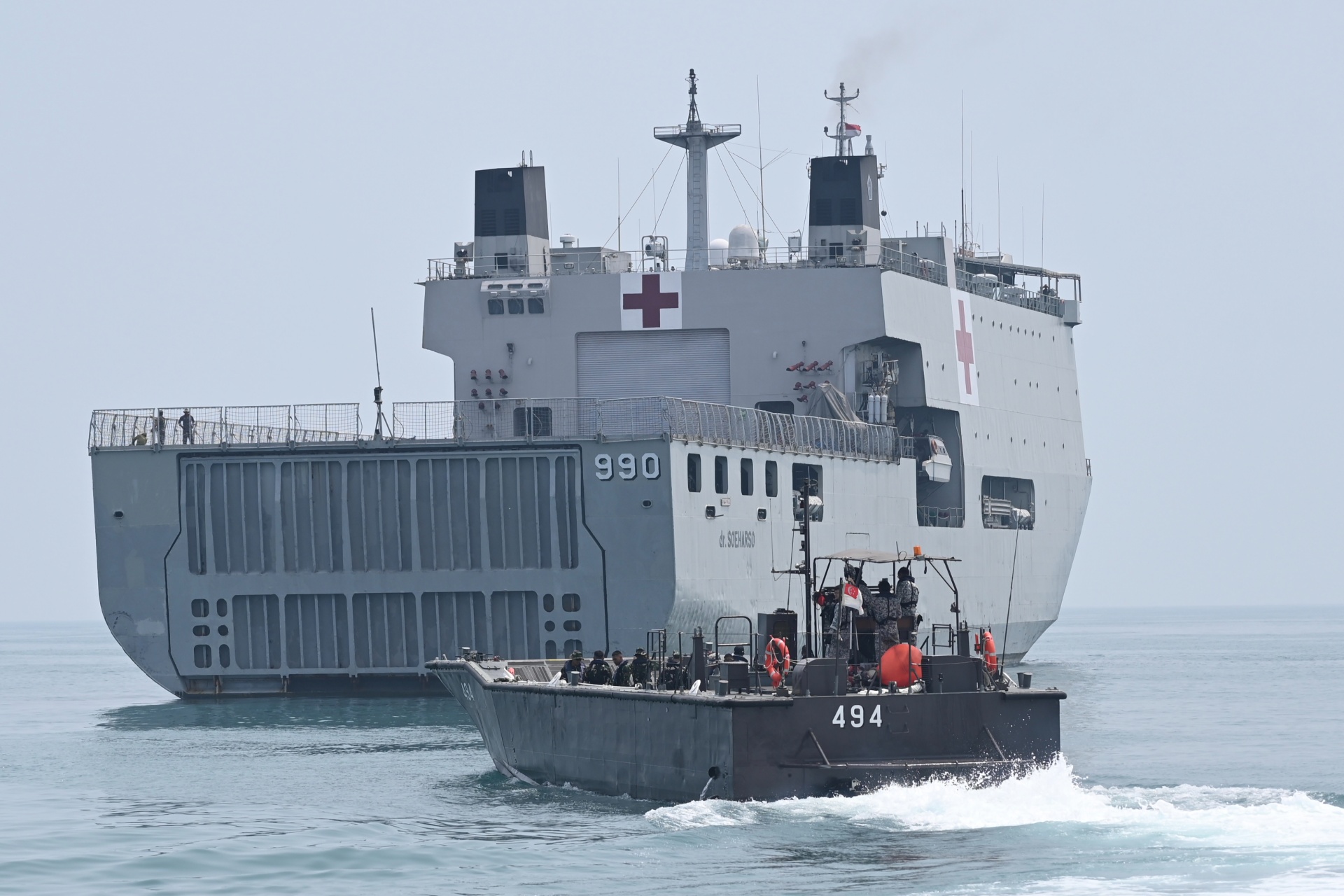
The exercise also has a maritime component that brings together medical capabilities on shore and at sea.
Operating alongside Indonesia’s hospital ship, KRI dr. Soeharso, the Republic of Singapore Navy’s (RSN’s) Landing Ship Tank, RSS Endeavour, provides surgical capabilities on board its Rapidly Deployable Maritime Container (RDMC).
These complement the shore-based medical facilities, expanding the range of medical facilities available to treat simulated causalities during the exercise.
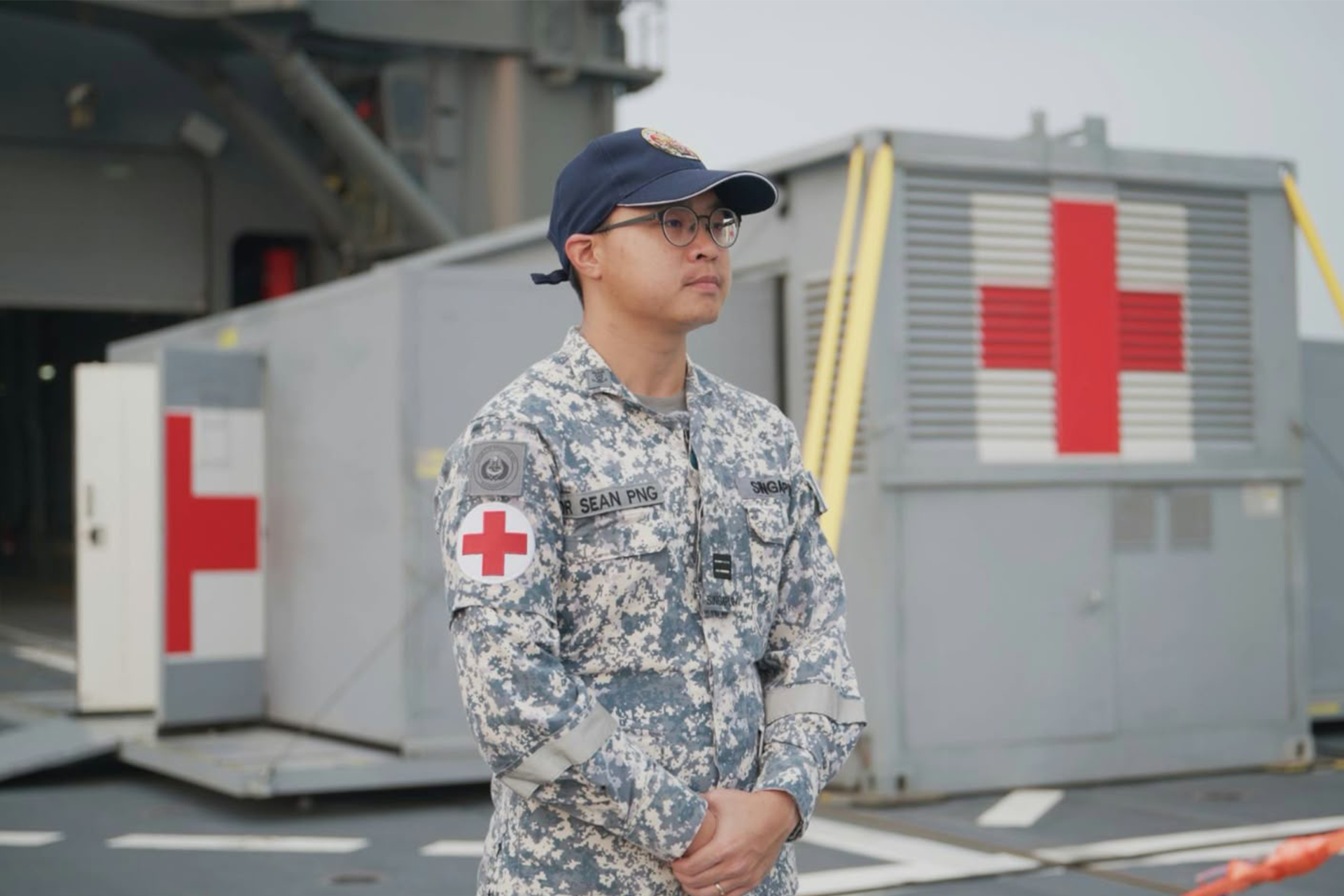
“The RDMC provides a practical platform to demonstrate how the RSN’s maritime and medical capabilities can contribute to a wider multinational HADR response,” said Captain (CPT) Sean Png Yipin, a Medical Officer from the RSN.
“This is important in disaster relief, particularly in coastal areas, where shore infrastructure and access may be damaged and disrupted.”
Strengthening ties beyond the exercise
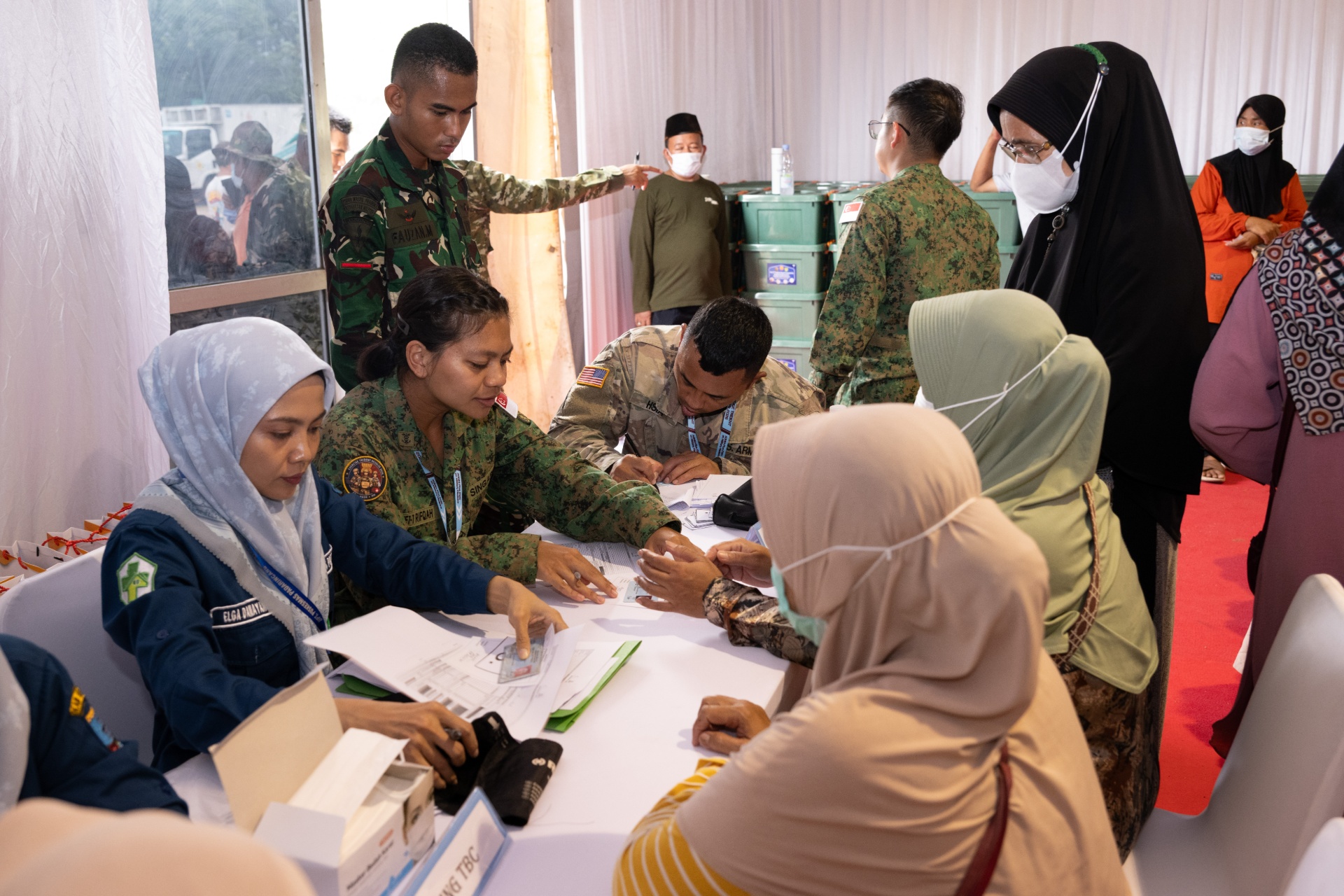
Beyond the exercise sites, participating militaries and civilian agencies are also supporting local communities in Banten through selected medical, public health and infrastructure activities.
These activities are led by Indonesian authorities and local partners.
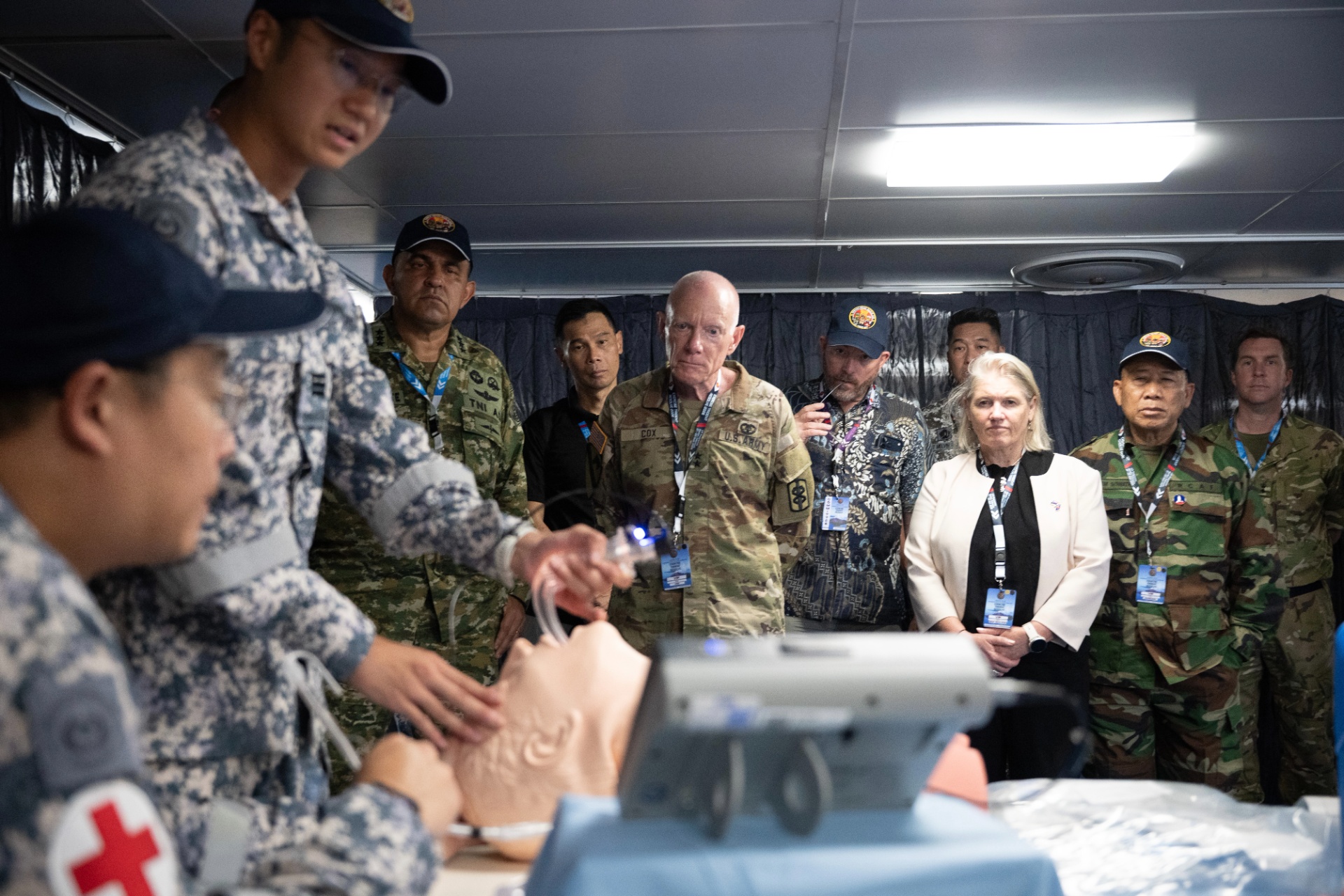
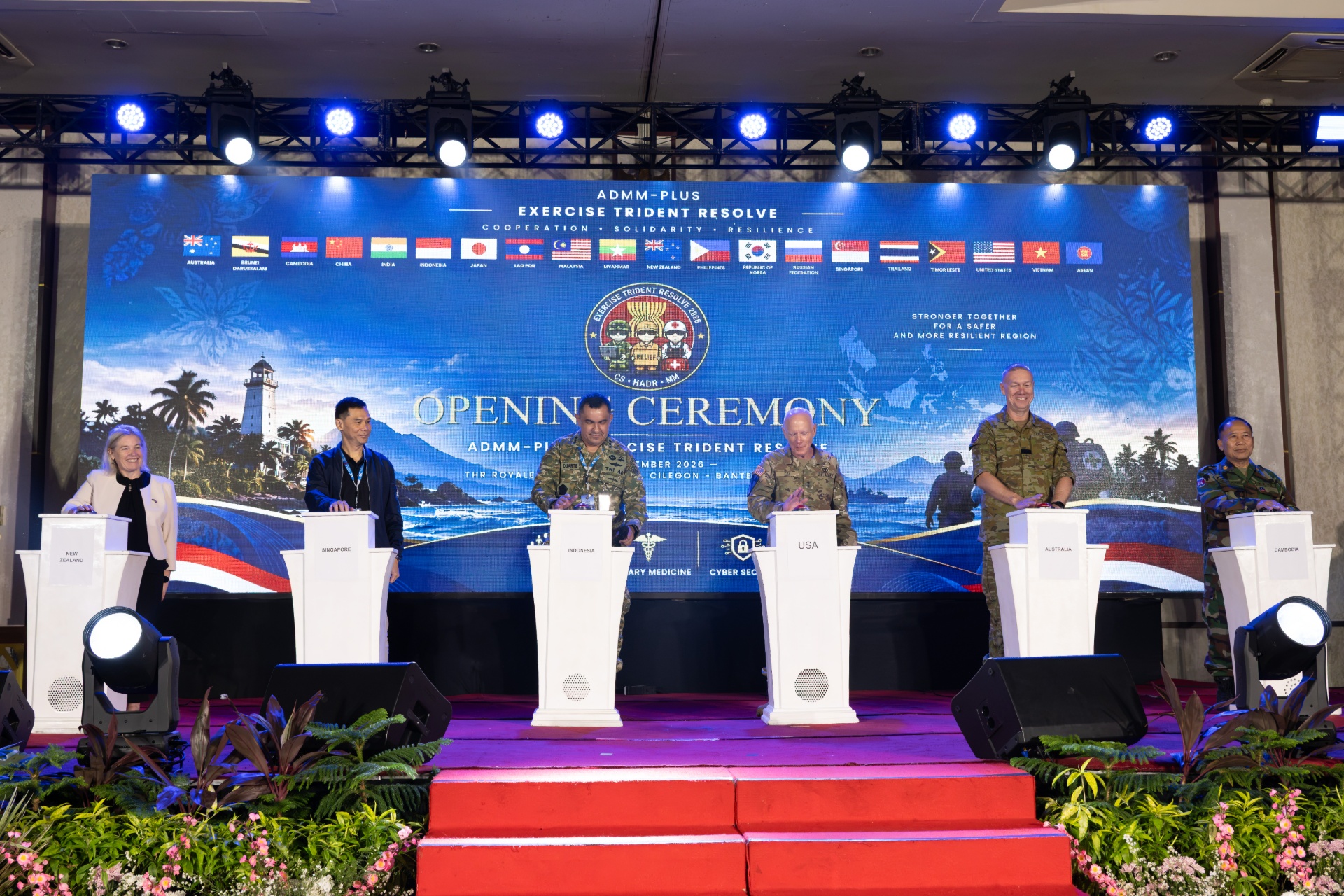
On 22 Sep, ADSOM Leaders and senior defence officials from participating countries visited XTR to observe the exercise activities and interact with personnel.
Lieutenant General Rui F.G.P. Duarte, Inspector General of the Ministry of Defence of the Republic of Indonesia, said that XTR represents an important milestone in practical cooperation between the ASEAN and Plus countries under the ADMM-Plus framework.
“Beyond its operational objectives, this exercise also strengthens trust and friendship amongst participating countries.”
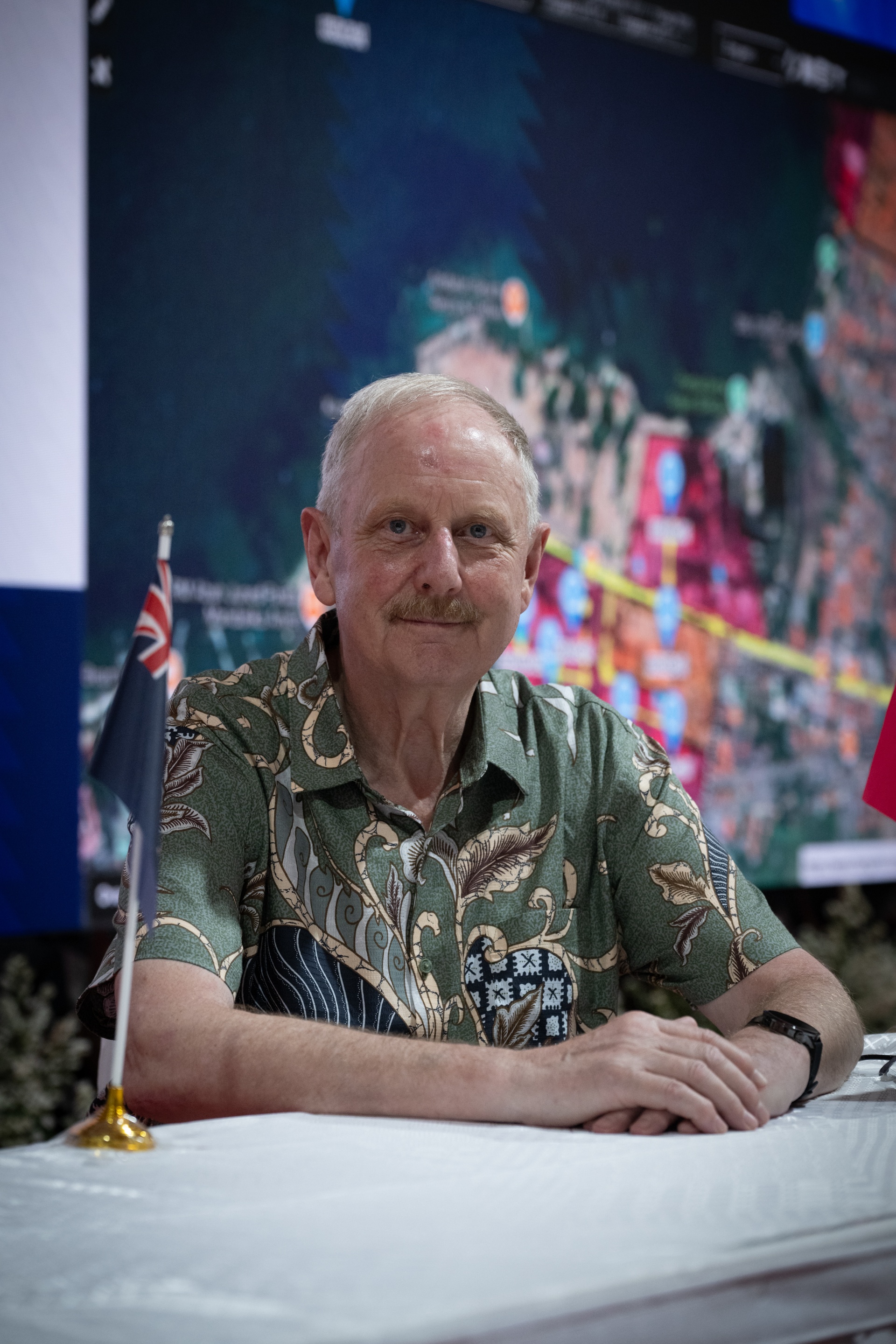
Mr Mike Thompson, Director, International Branch, of New Zealand’s Ministry of Defence, added: “(The frequent occurrence of natural disasters in the region) means that we need to coordinate our resources across ASEAN and the Plus countries to get a coordinated and good response when and if disasters occur.”
The exercise is hosted by Indonesia, and organised by the co-chairs of the three ADMM-Plus Experts’ Working Groups – Australia and Cambodia for cyber security, Singapore and New Zealand for HADR, and Indonesia and the United States for military medicine.

ALSO READ IN OPS & TRAINING
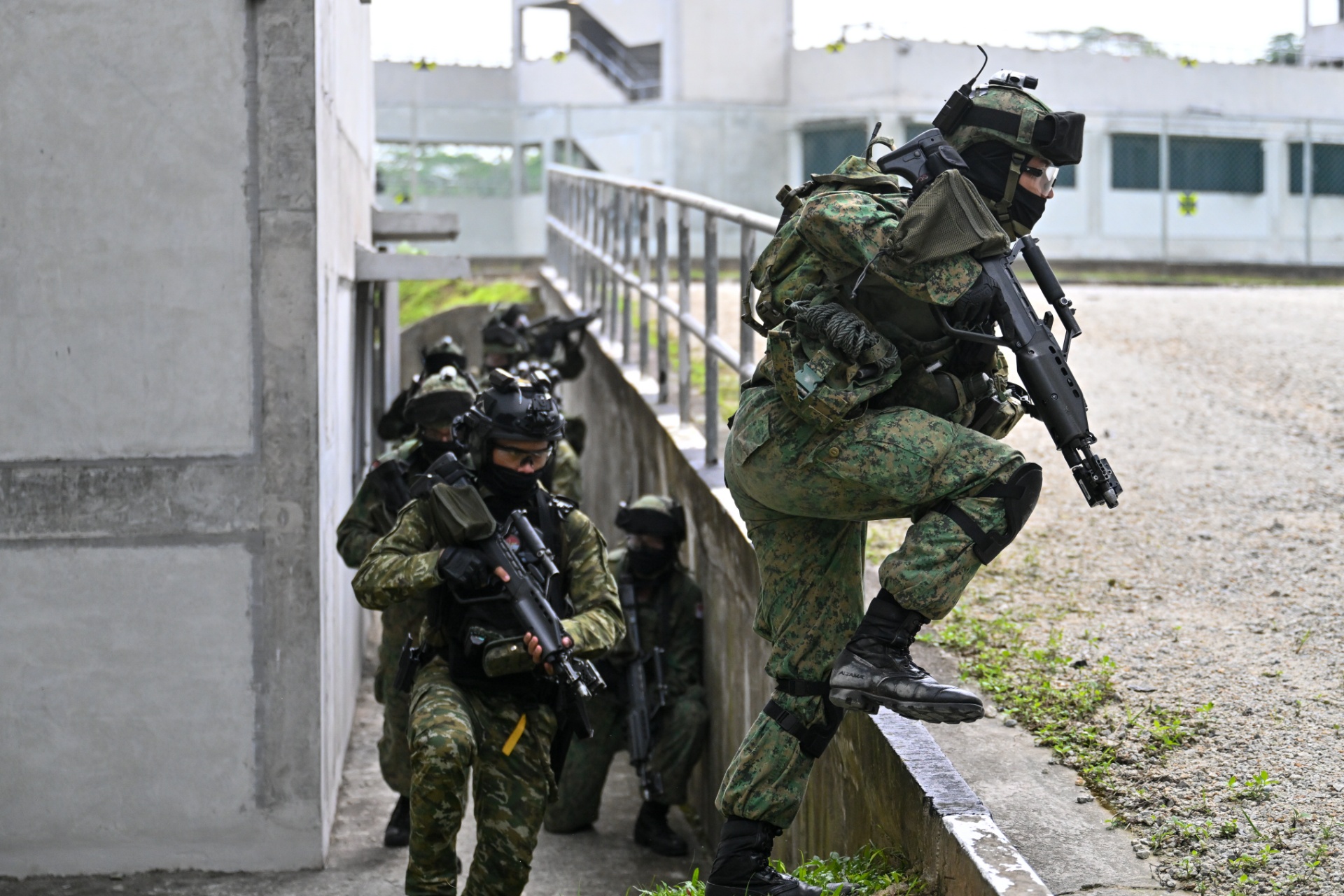
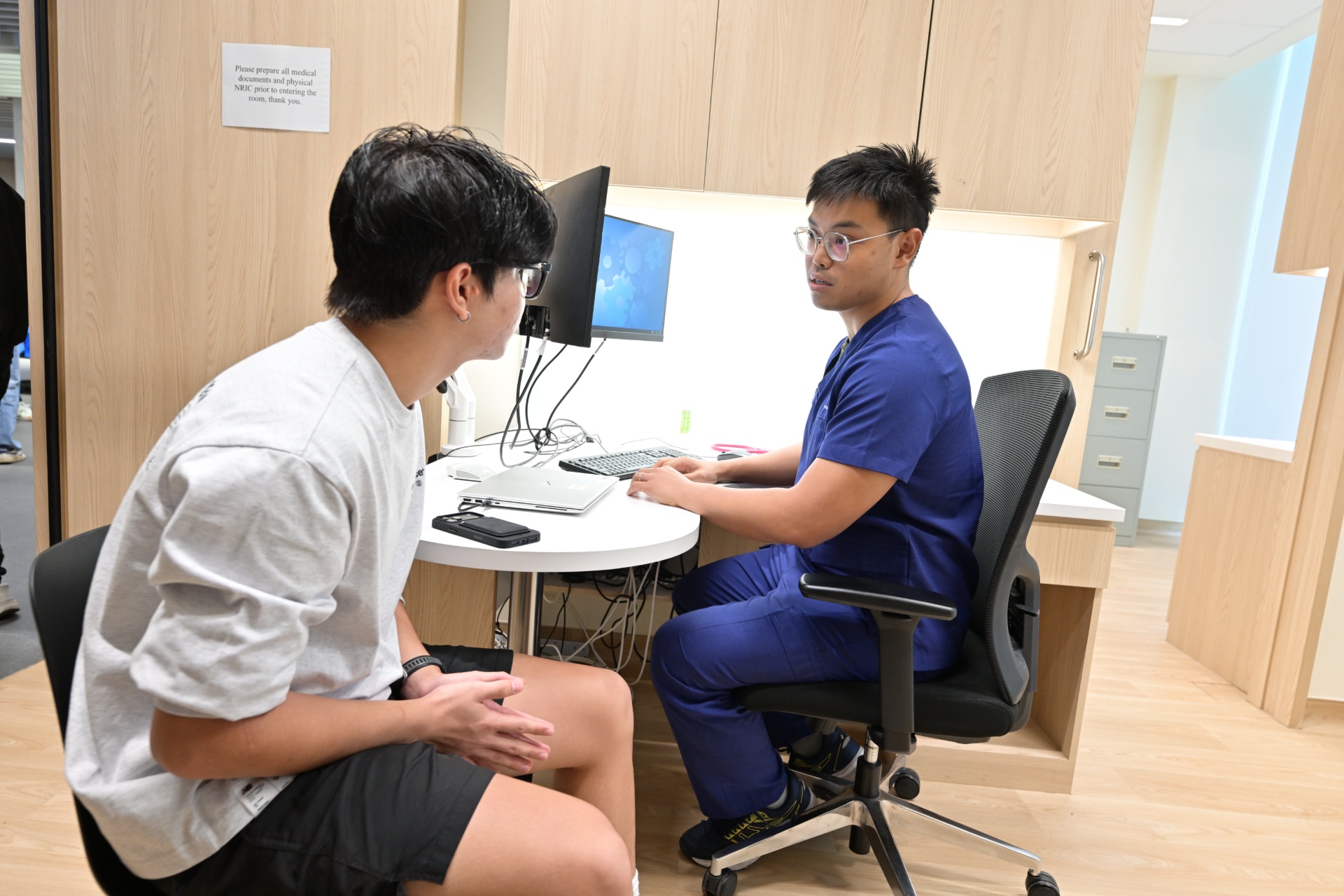
SAF & Home Team to refresh Medical Classification System
13 Apr 2026
The refreshed system will allow about 1,200 servicemen annually to be deployed for vocations and roles they were ineligible for previously.
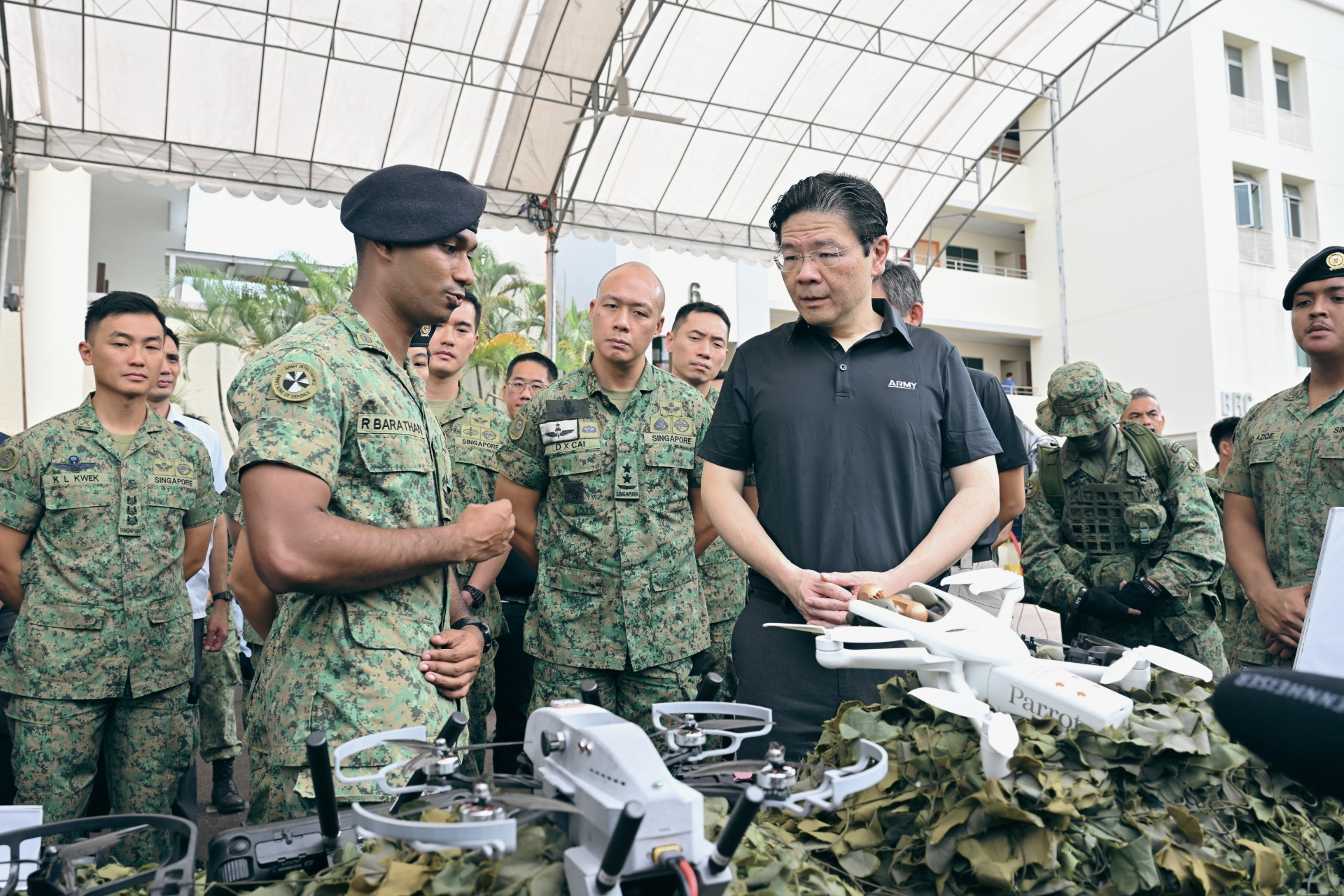
Prime Minister Lawrence Wong observes SAF’s sense-strike integrated capabilities
09 Apr 2026
He witnessed the SAF’s ongoing efforts in leveraging advanced robotics and cross-Service integration to secure Singapore’s interests in an increasingly volatile world.
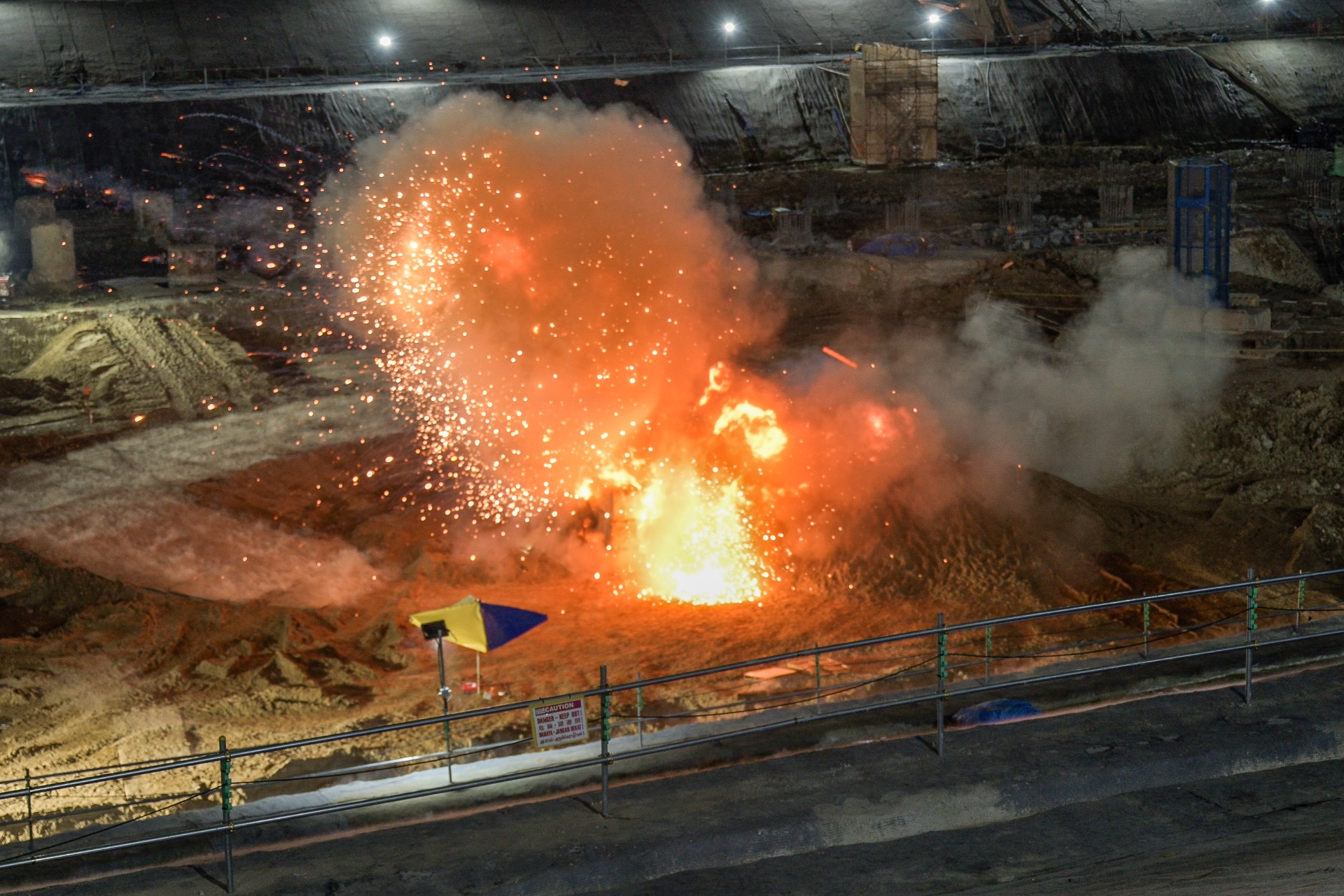
SAF detonates 250kg WWII bomb uncovered at Tanah Merah Coast Road
02 Apr 2026
On 2 Apr, the SAF’s Explosive Ordnance Disposal (EOD) team successfully disposed of an unexploded war relic found at Tanah Merah Coast Road.