
OPS & TRAINING
SAF & Home Team to refresh Medical Classification System
13 Apr 2026
The refreshed system will allow about 1,200 servicemen annually to be deployed for vocations and roles they were ineligible for previously.
Physical Employment Standard (PES) statuses will soon be a thing of the past.
Pre-enlistees enlisting in the Singapore Armed Forces (SAF) after October 2027 and Home Team after November 2027 will no longer be assigned a PES status.
Instead, they will be graded under a refreshed Medical Classification System (MCS), which will provide a more precise characterisation of their medical fitness and functional abilities.
This will allow an annual estimate of 1,200 servicemen to be eligible to be deployed for vocations they were ineligible for previously.
The refreshed MCS was announced by Minister for Defence Chan Chun Sing during his visit to the Medical Classification Centre (MCC) at Central Manpower Base (CMPB) today.
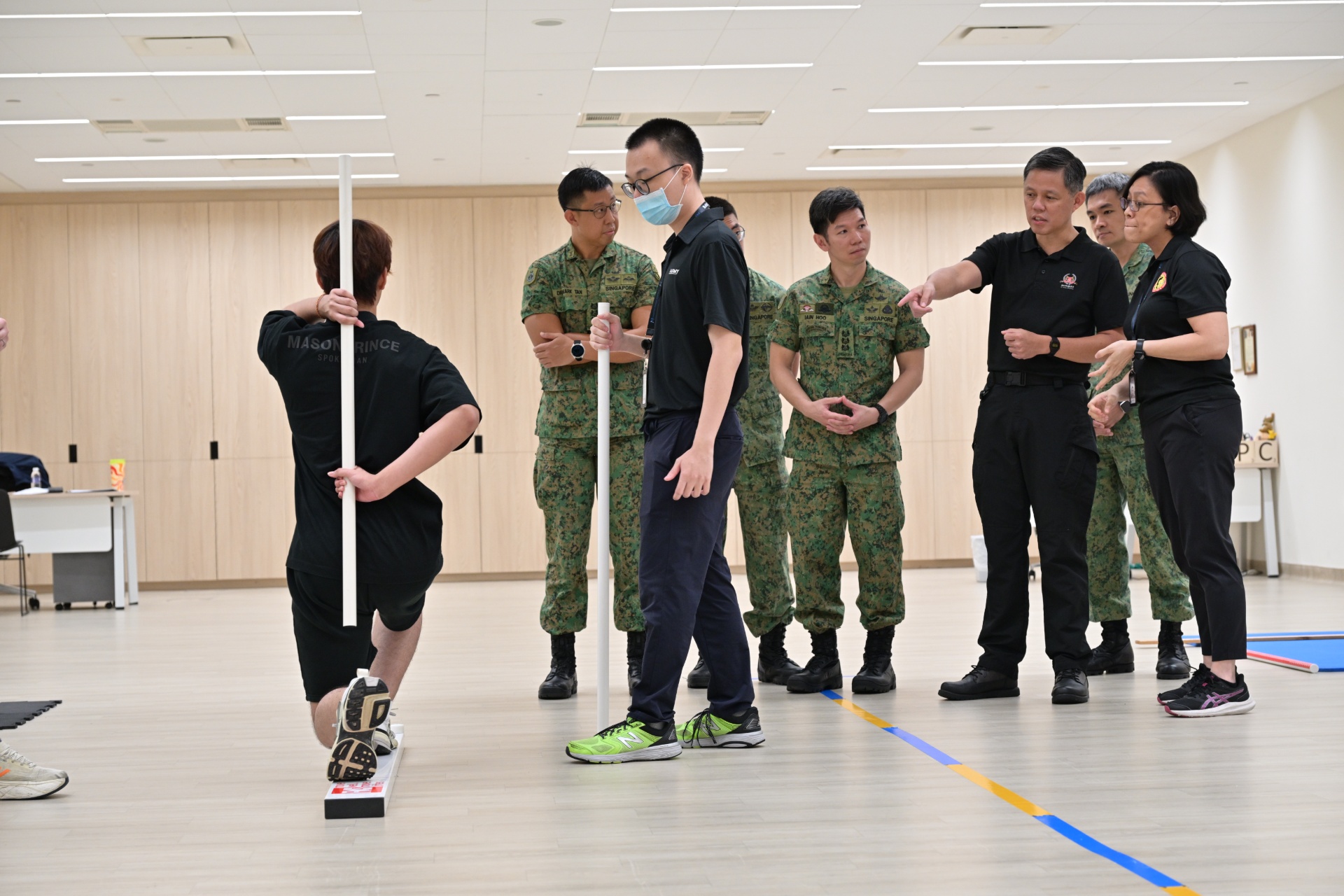
Noting that definitions of combat fitness have evolved beyond the purely physical, Mr Chan highlighted that the MCS refresh aims to allow servicemen to contribute more during National Service (NS).
“Technology has enabled many of our people to do more and to do better, (allowing them) to fulfill their potential and to do what they are most suited for.”
Changes to the MCS
The refreshed MCS will be in place for those undergoing pre-enlistment medical screening from end-June 2026.
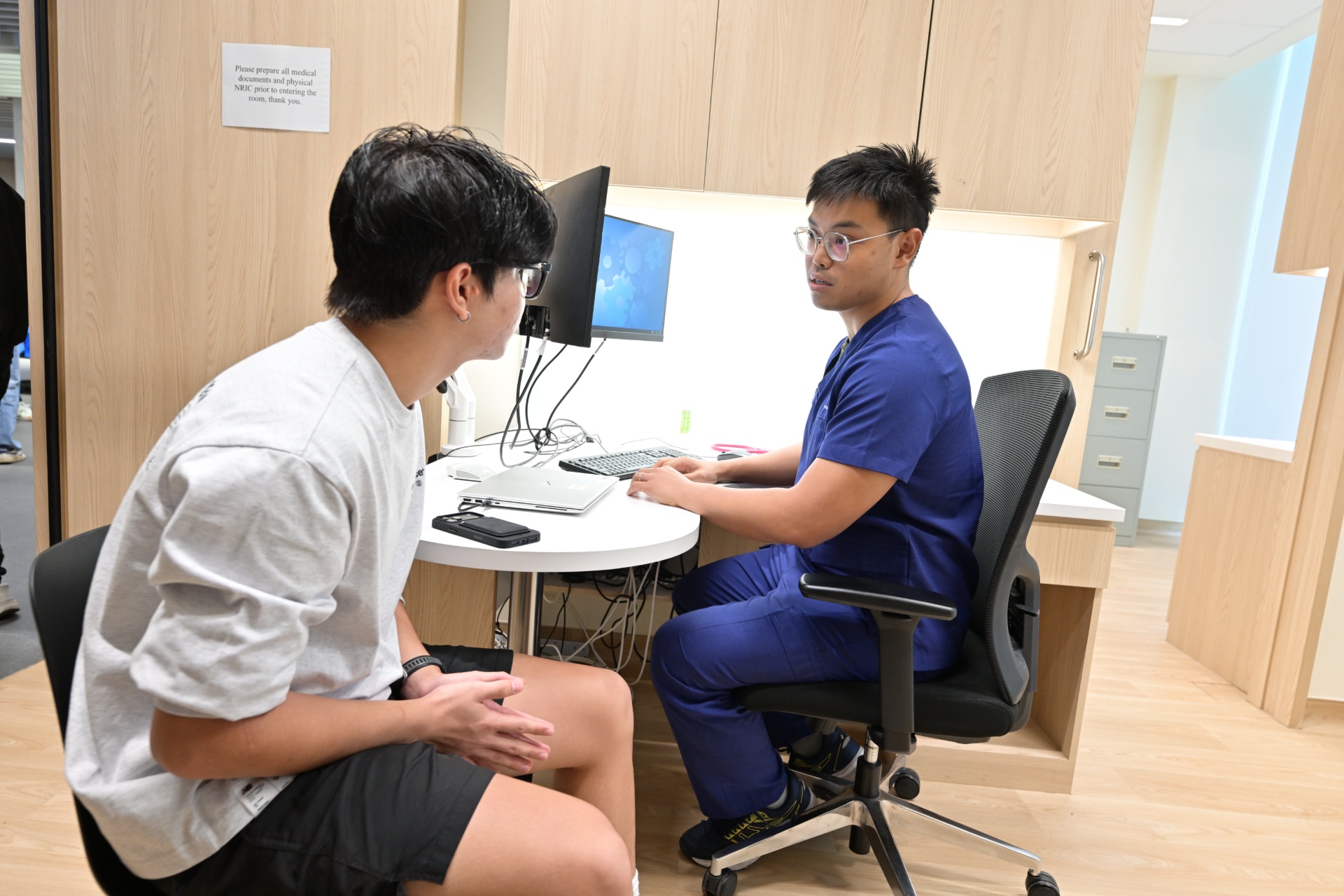
The medical screening process will remain largely unchanged – pre-enlistees will continue to go through comprehensive tests such as medical consultations, physical assessments, and relevant tests like blood tests, x-rays and electrocardiograms.
However, they will now also undergo functional testing focusing on musculoskeletal conditions related to the knee and spine, to assess their mobility, strength and range of motion.
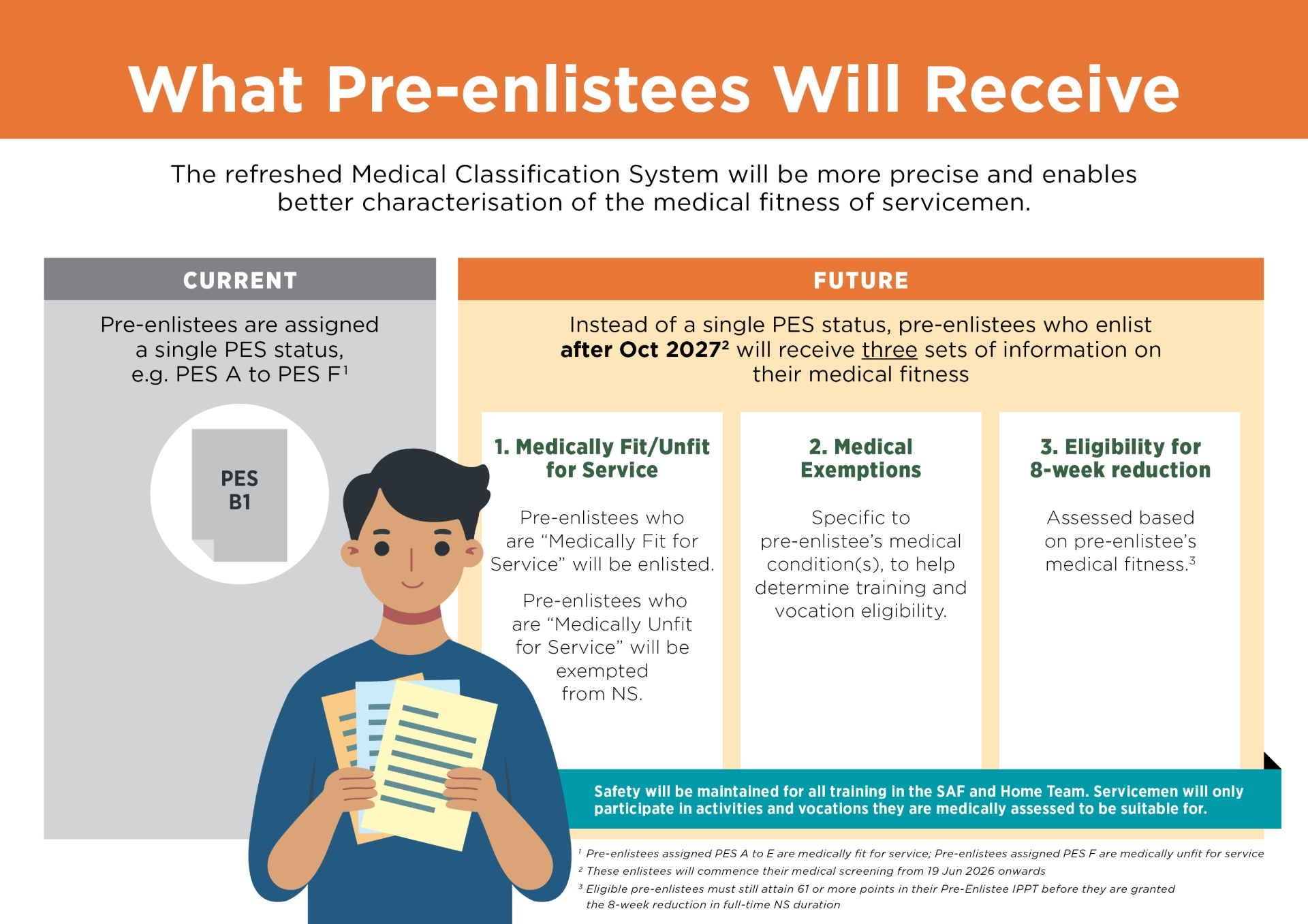
In place of a single PES status (which ranges from PES A to PES F), they will receive three sets of information.
The first is whether they are medically fit or unfit for National Service (NS). This is similar to the current PES system, where those who are medically fit are classified between PES A to PES E based on their degree of fitness, and those unfit for service are classified as PES F.
The second is a list of their specific medical exemptions, based on their medical history and current conditions. This will determine their training and vocation eligibility.
The third informs them of whether they are eligible for an eight-week reduction of service, provided they attain 61 or more points in their Pre-Enlistee Individual Physical Proficiency Test.
New BMT programmes based on medical exemptions
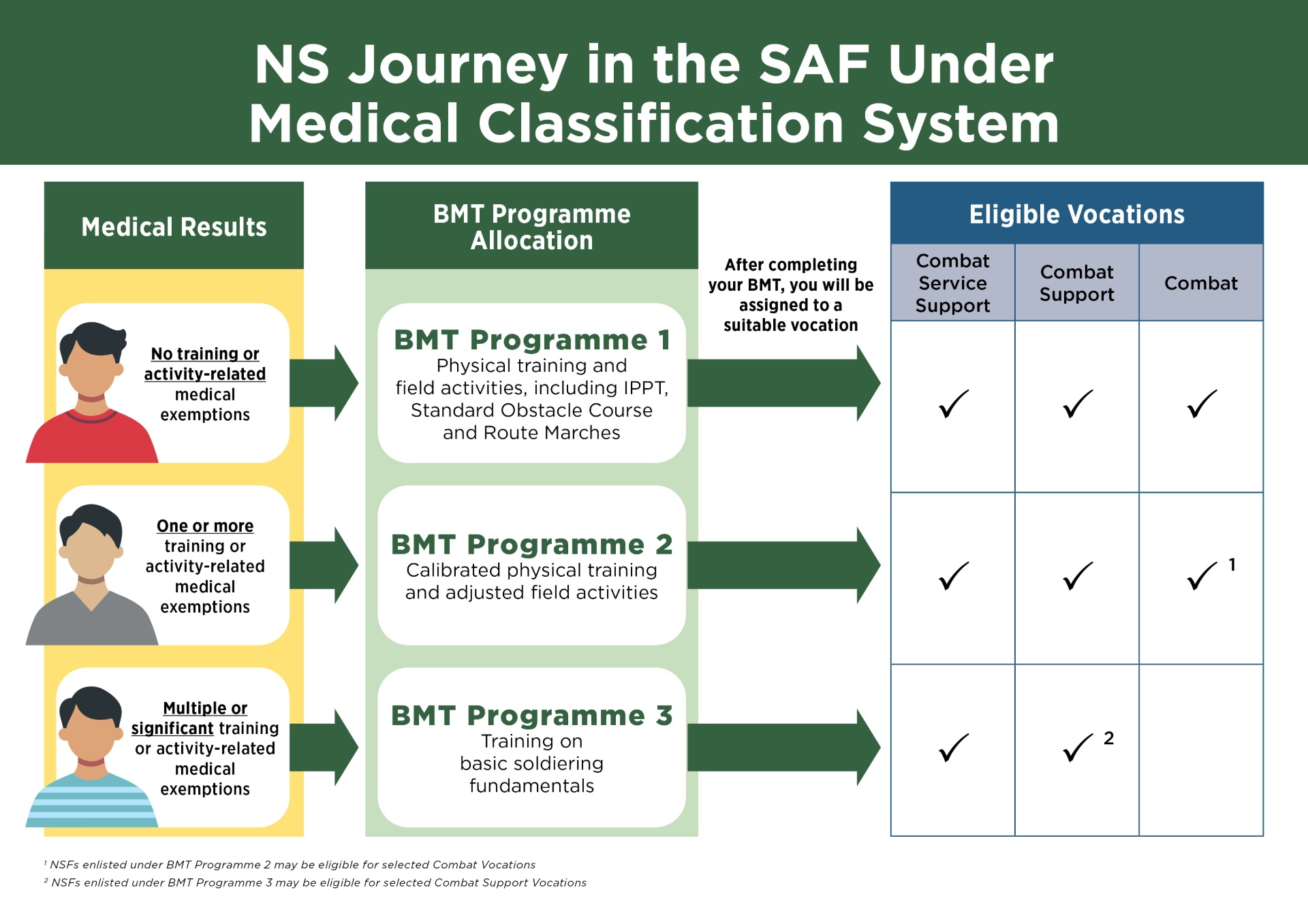
Based on their medical exemptions, enlistees in the SAF will be posted to one of three Basic Military Training (BMT) programmes.
Pre-enlistees with no exemptions will undergo the full Programme 1, which lasts about 17 weeks. They will be eligible for all vocations in the SAF.
Pre-enlistees with medical exemptions will be posted to Programmes 2 or 3, where they will undergo training calibrated to their medical conditions, in line with their functional abilities. Both programmes will last nine weeks.
Servicemen in Programme 2 can be deployed in Combat Service Support, Combat Support or selected Combat vocations.
Those in Programme 3 will be eligible for selected Combat Service Support and some Combat Support vocations.
Preparing trainers for calibrated training
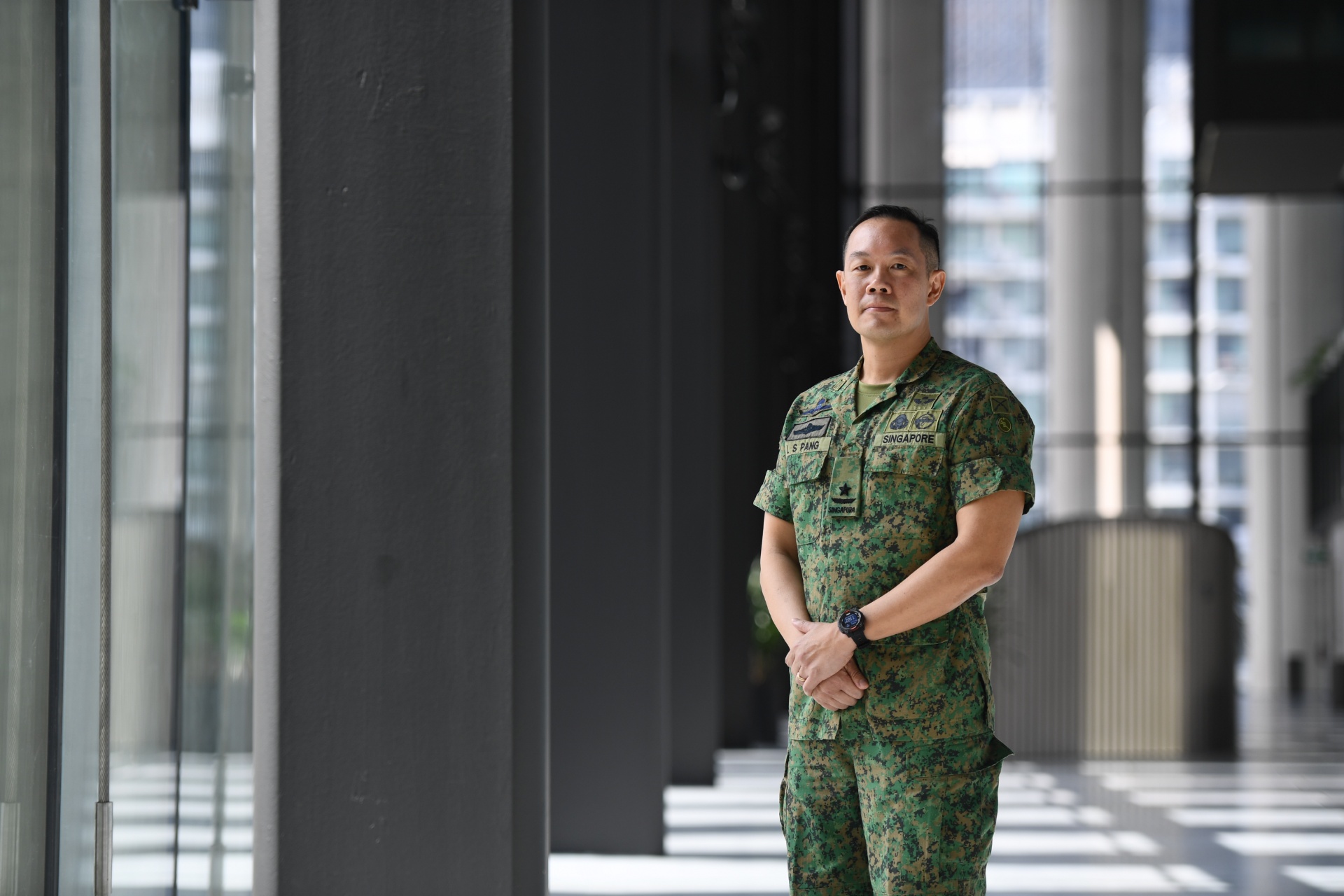
From now till October 2027, the SAF will embark on a series of efforts to better prepare trainers in using medical exemptions as a training guide, said Brigadier-General (BG) Pang Lead Shuan, 47, Commander Army Training and Doctrine Command (TRADOC).
These include sessions like town hall meetings and train-the-trainer programmes. Training will be guided by a standardised list of medical exemptions, with clear guidelines on activities that servicemen can and cannot perform.
“Safety continues to be a top priority when it comes to training of our servicemen,” BG Pang reiterated, adding that trainers and commanders had given feedback that they were confident of using medical exemptions to guide and conduct training.
Ground trials had already been conducted in 2023 and 2024 in Basic Military Training Centre and various units across the Army, to evaluate if training and other activities could be conducted safely and effectively without relying on PES grades.
Enhancing the NS experience
The Ministry of Defence reported that in 2025, three out of four of the appeals by pre-enlistees to review their PES status were to upgrade their PES. This statistic included pre-enlistees who would be serving in either the SAF or the Home Team.
“This speaks well of the fighting spirit of our people,” said Mr Chan. “They want to make a contribution in the area that they desire. And I think this bodes well for our NS system.”
3rd Sergeant (3SG) Benjamin Malcolm Mahadevan is one such Full-time National Serviceman who requested for a PES review.
The 19-year-old’s dreams of entering Officer Cadet School were crushed when he was initially assigned PES B4 due to a shoulder dislocation and meniscus tear from playing basketball.
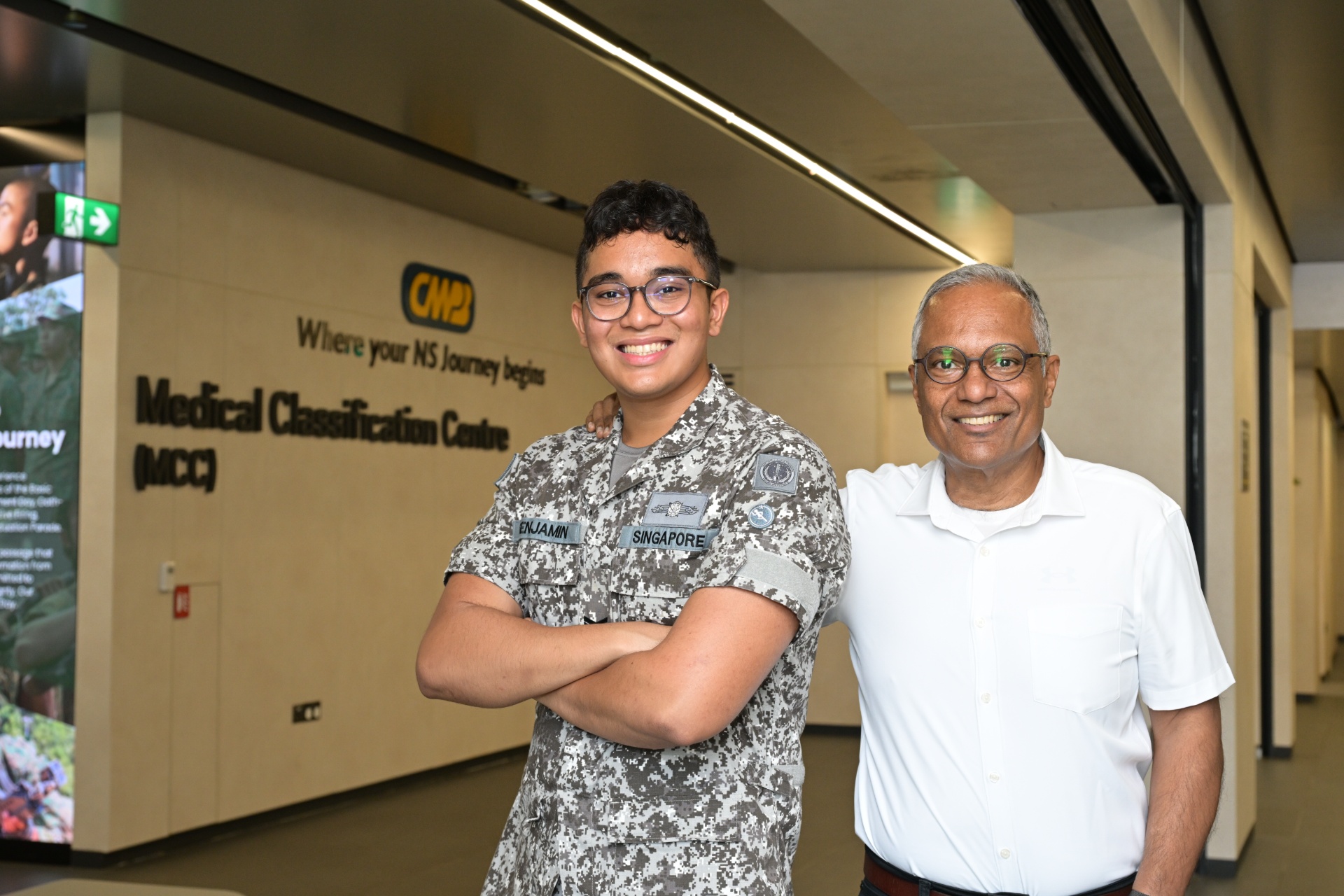
However, after enlisting in January 2025, he successfully got his PES reviewed to a higher PES of B2 in May 2025. This allowed him to serve in an outfield capacity while retaining his role as a Systems Specialist in Headquarters Joint Intelligence Command under the Digital and Intelligence Service.
“I'd always looked forward to contribute in a more outfield capacity in NS, because I've always loved sports, and I've always loved pushing myself physically,” said 3SG Benjamin.
“That’s why I was happy to hear that my unit was supportive and encouraged us (who had to down-PES) to have an avenue to up-PES and contribute outfield.”
His father, Adjunct Professor Malcolm Mahadevan, 61, was supportive of his decision to upgrade his PES status and serve in a new role, as he trusted that the SAF would safeguard his safety and health.
“We knew the SAF will look after him well and that they would do the necessary checks before reviewing his PES.”
“Under the old system, it was quite hard to change your PES, but with the refreshed system there is more leeway for adjustments to be made, which better capitalises on each person's physical capabilities,” he added.

ALSO READ IN OPS & TRAINING
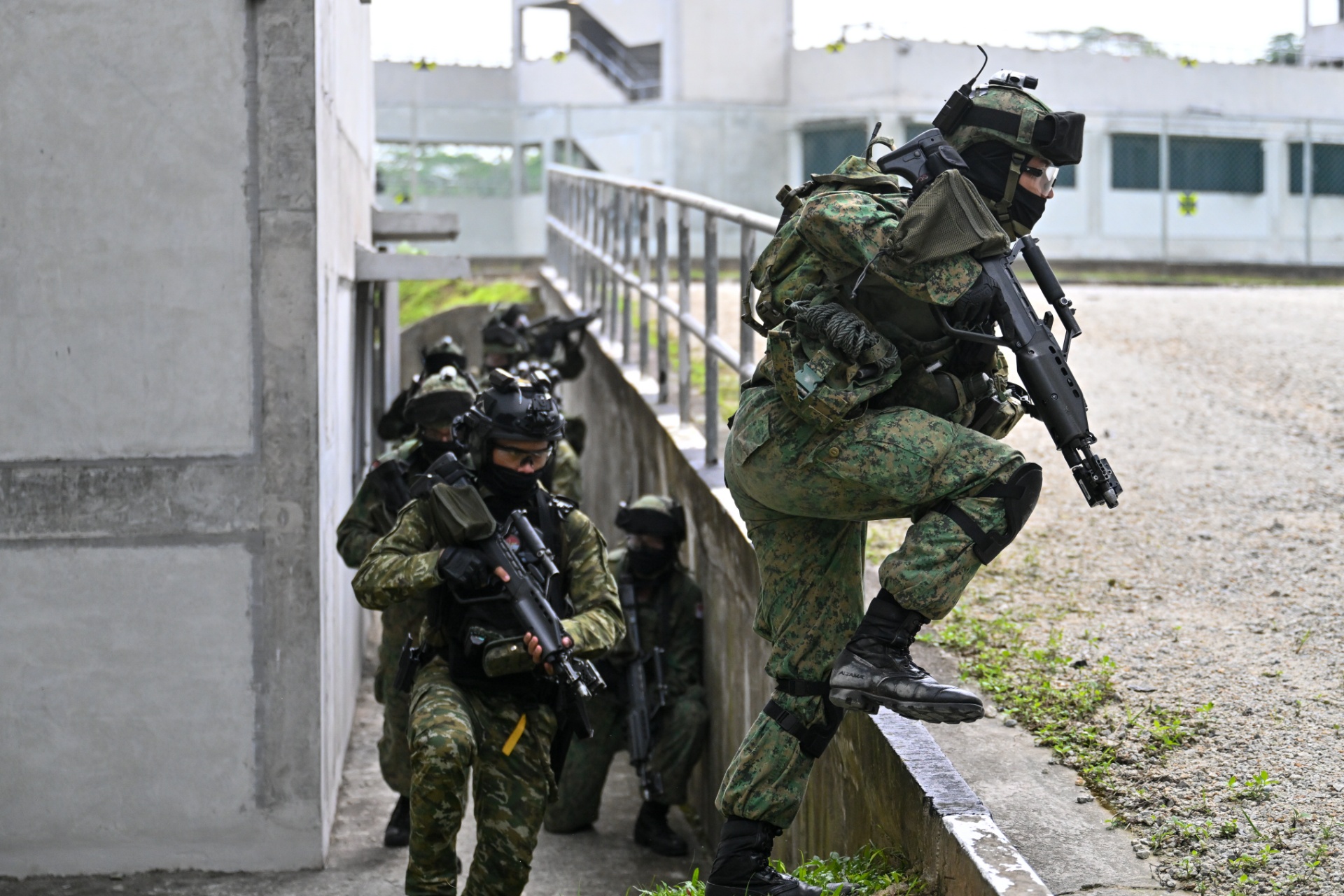
S’pore commandos, Indonesia special forces train & strengthen ties at Ex Chandrapura
08 Jul 2026
From conducting tactical airborne jumps to a coordinated urban raid, soldiers from Singapore and Indonesia deepened their decades-long partnership in this bilateral army exercise.
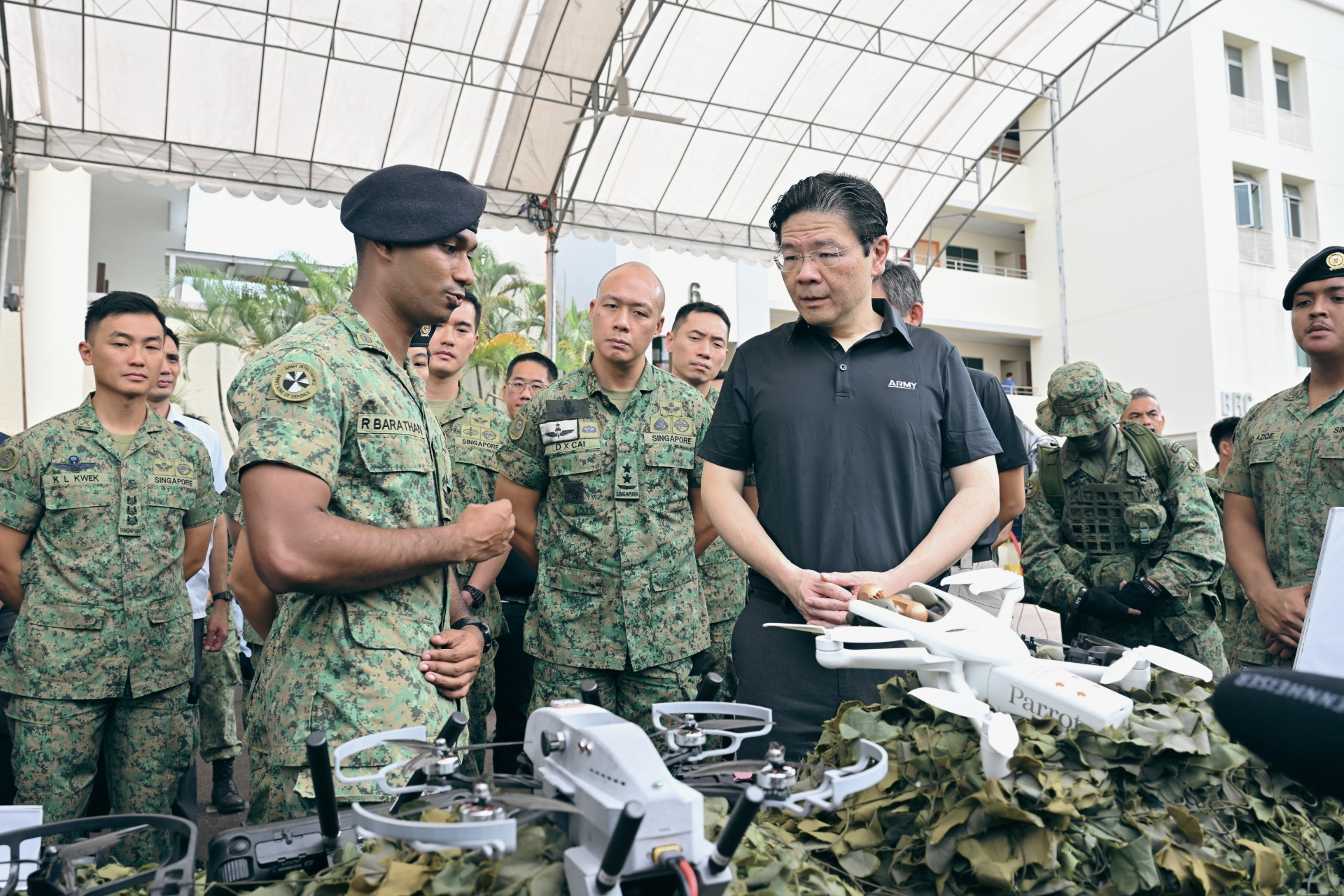
Prime Minister Lawrence Wong observes SAF’s sense-strike integrated capabilities
09 Apr 2026
He witnessed the SAF’s ongoing efforts in leveraging advanced robotics and cross-Service integration to secure Singapore’s interests in an increasingly volatile world.
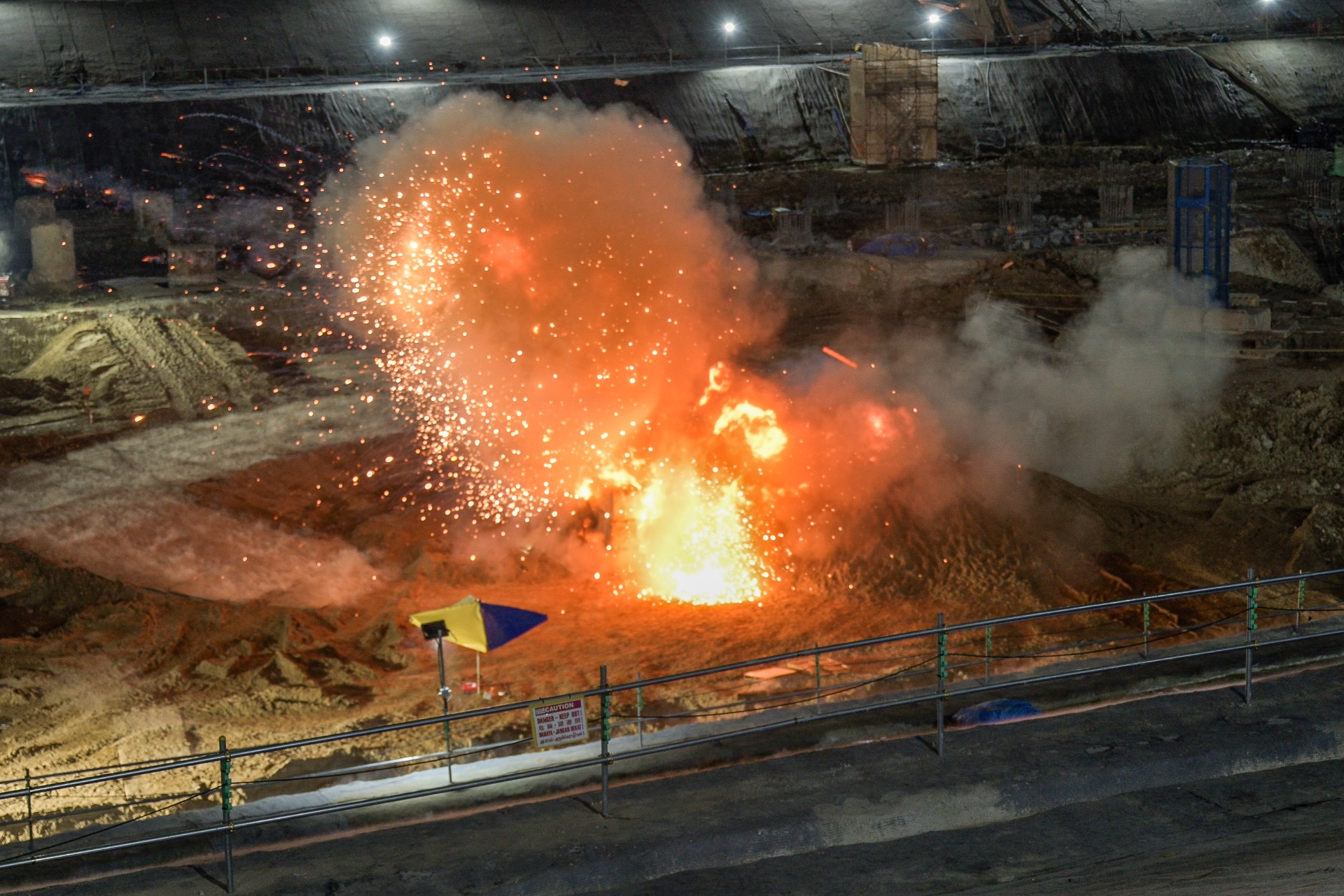
SAF detonates 250kg WWII bomb uncovered at Tanah Merah Coast Road
02 Apr 2026
On 2 Apr, the SAF’s Explosive Ordnance Disposal (EOD) team successfully disposed of an unexploded war relic found at Tanah Merah Coast Road.