
OPS & TRAINING
INTERNATIONAL OPS-TECH INTEGRATION TO COMBAT EVOLVING THREATS
28 Nov 2006
Pointing out two recent flashpoints - the uncovered plot to detonate liquid explosives in transatlantic flights and the potential of a world-wide pandemic from the current outbreaks of Avian Flu - Minister for Defence Teo Chee Hean said the international community must collaborate to share the know-how on how to defuse such situations.
"We need to be prepared at all times for catastrophic events which may lead to mass casualties and major disruptions, whether these are caused by an act of terrorism or a natural disaster," Mr Teo said.
"The CBRE (Chemical, Biological, Radiological and Explosive) threat requires a cooperative and integrated response, and in a time of crisis, timely and appropriate assistance from partners whom we are familiar with could make a crucial difference."
He said this during the opening address of the 5th Singapore International Symposium for Protection Against Toxic Substances (SISPAT), held in conjunction with the 1st International Chemical, Biological, Radiological and Explosives Operations Conference (ICOC), on 27 Nov.
Organised by DSO National Laboratories, the Joint SISPAT-ICOC looks to expand its scope to include public health issues, on top of its traditional focus on CBRE threats.
Given the magnitude of the prevalent threats, Singapore has sought to work closely with international partners such as the US, UK Sweden, France, Germany and Australia, revealed Mr Teo.
One example is the collaborative efforts with Australia in toxin countermeasure research - a joint antibody library for developing detection and diagnostic capabilities against the ricin toxin has since been created.
Besides bilateral efforts, Mr Teo said international conferences are also useful platforms to share knowledge and facilitate collaboration.
"It is at conferences like this that the exchange of knowledge, both scientific and operational, takes place; and where contacts and links are established that will help all of us build up a network which we can call upon should the need arise."
This year, for the very first time, scientists as well as civil and military personnel from 35 countries have gathered for an Operations-Technical (Ops-Tech) Forum, to help facilitate scientific knowledge to be translated into operational tools to deal with unconventional threats.
Over the five-day event, about 450 conference participants will go through more than 110 presentations in diverse technical areas ranging from medical countermeasures, detection and modelling, physical protection, decontamination, homeland security and bio-surveillance of emerging diseases.
Fifteen operations presentations from various international armed forces have also been lined up.
One of the upcoming highlights of the conference is the field demonstration of CBRE response capabilities of the Singapore Armed Forces and Australian Defence Force on 29 Nov.

ALSO READ IN OPS & TRAINING
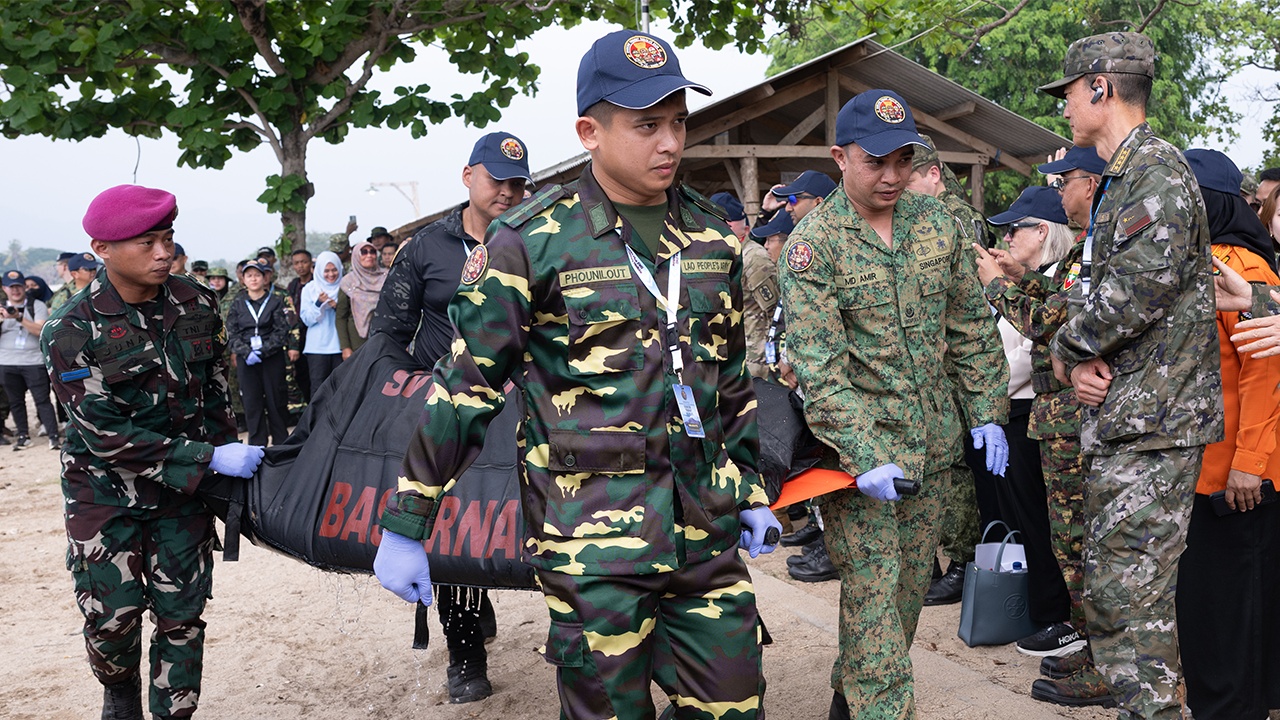
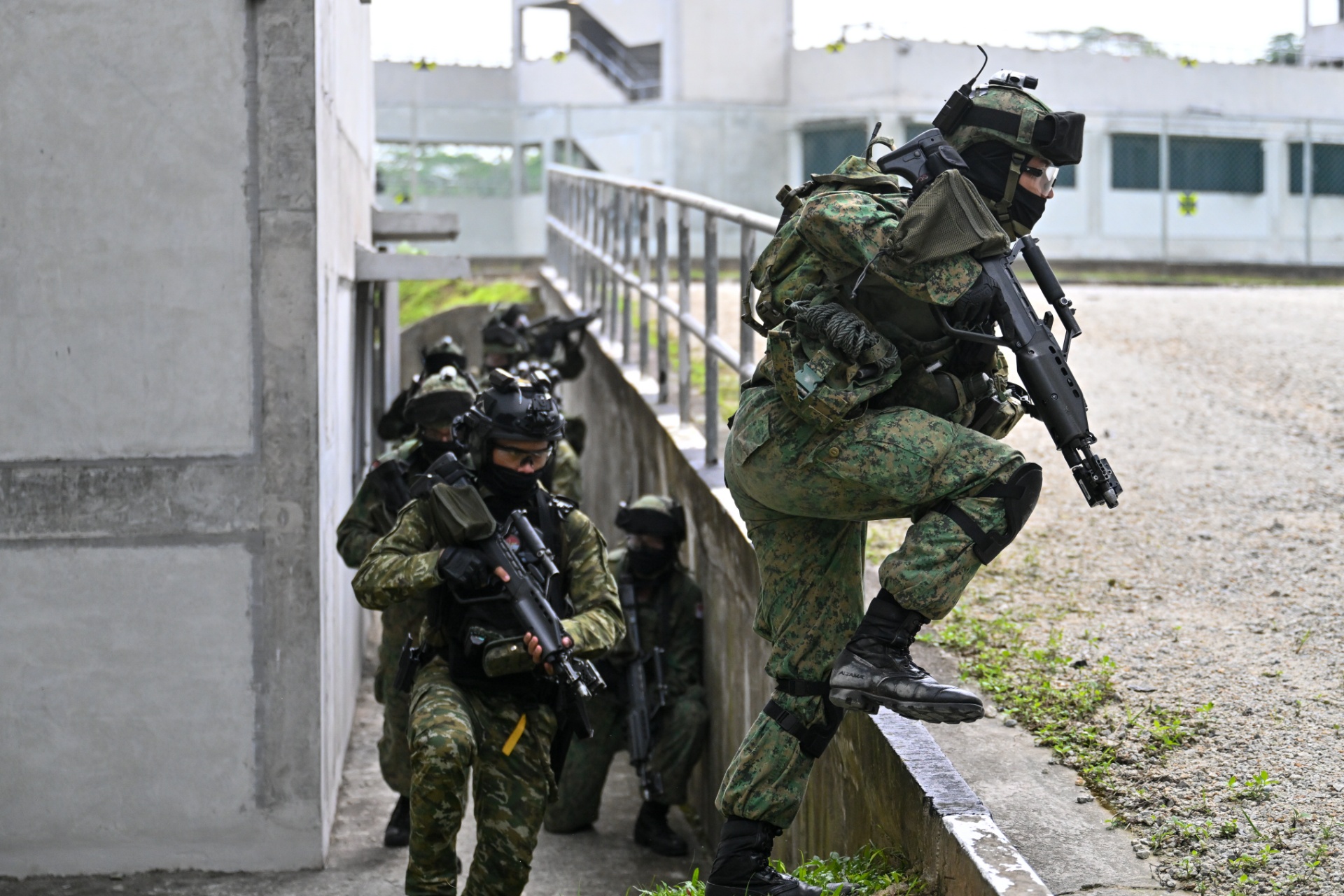
S’pore commandos, Indonesia special forces train & strengthen ties at Ex Chandrapura
08 Jul 2026
From conducting tactical airborne jumps to a coordinated urban raid, soldiers from Singapore and Indonesia deepened their decades-long partnership in this bilateral army exercise.
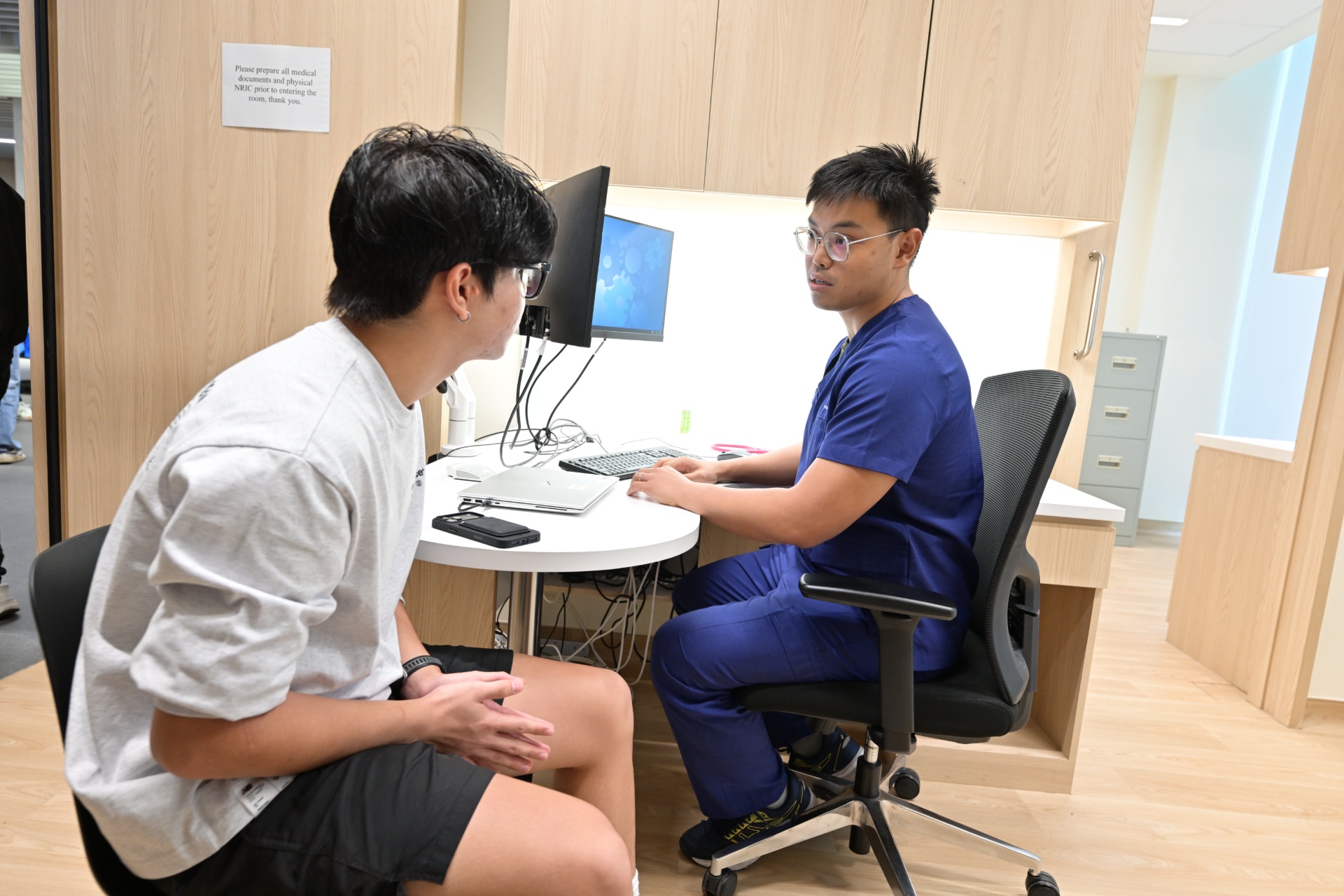
SAF & Home Team to refresh Medical Classification System
13 Apr 2026
The refreshed system will allow about 1,200 servicemen annually to be deployed for vocations and roles they were ineligible for previously.
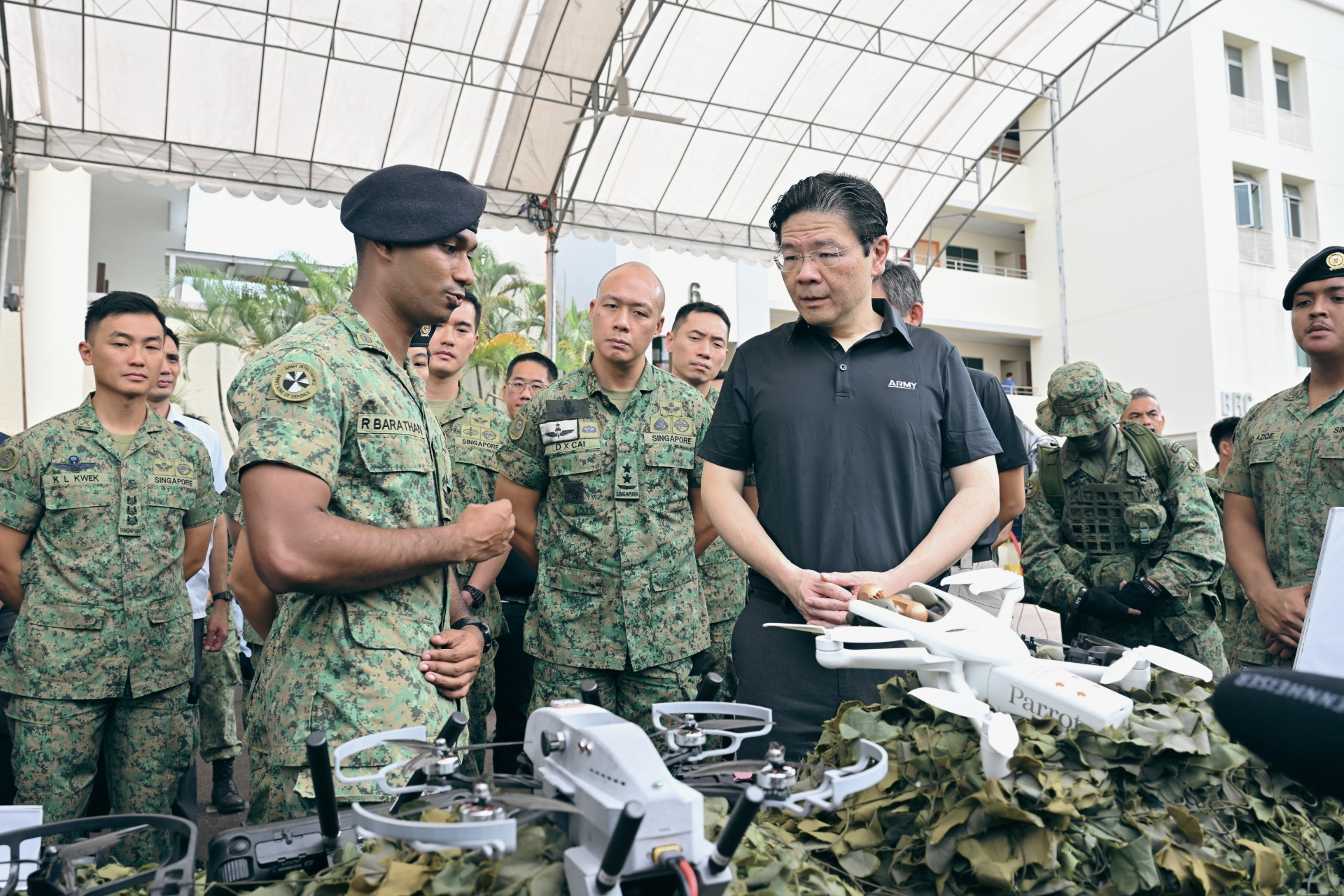
Prime Minister Lawrence Wong observes SAF’s sense-strike integrated capabilities
09 Apr 2026
He witnessed the SAF’s ongoing efforts in leveraging advanced robotics and cross-Service integration to secure Singapore’s interests in an increasingly volatile world.