
OPS & TRAINING
Flying into the unknown: Inside RSAF’s mission to bring S’poreans home from Middle East
28 Mar 2026
Despite the risks and complex challenges of flying in a conflict zone, the men and women of the RSAF pulled off a successful mission through careful planning and hard work.
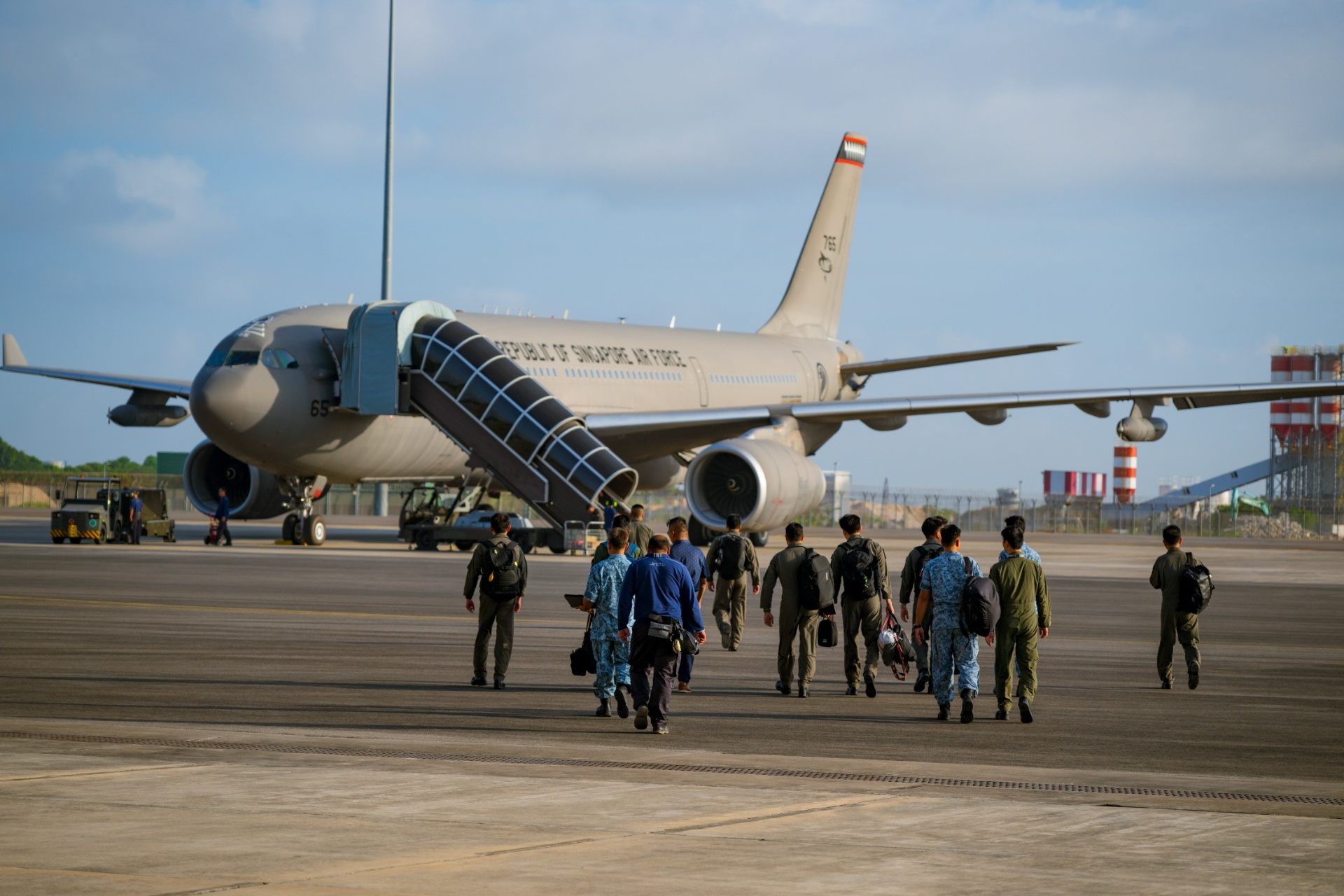
The risk of encountering projectiles. Complex logistical coordination. Tight timelines.
These were just some of the challenges that the servicemen and women of the Republic of Singapore Air Force (RSAF) had to overcome in order to safely bring home 299 Singaporeans and their dependents from the Middle East.
Stretching about 36 flight hours over a total distance of more than 29,600km, the two Multi-Role Tanker Transport (MRTT) repatriation flights – which took place on 10 and 12 Mar – saw the RSAF personnel working almost round the clock to prepare for and complete each flight.
Staying calm amid the chaos
As their flight path passed close to an active conflict zone, there was the very real risk of encountering stray projectiles and GPS (Global Positioning System) jamming.
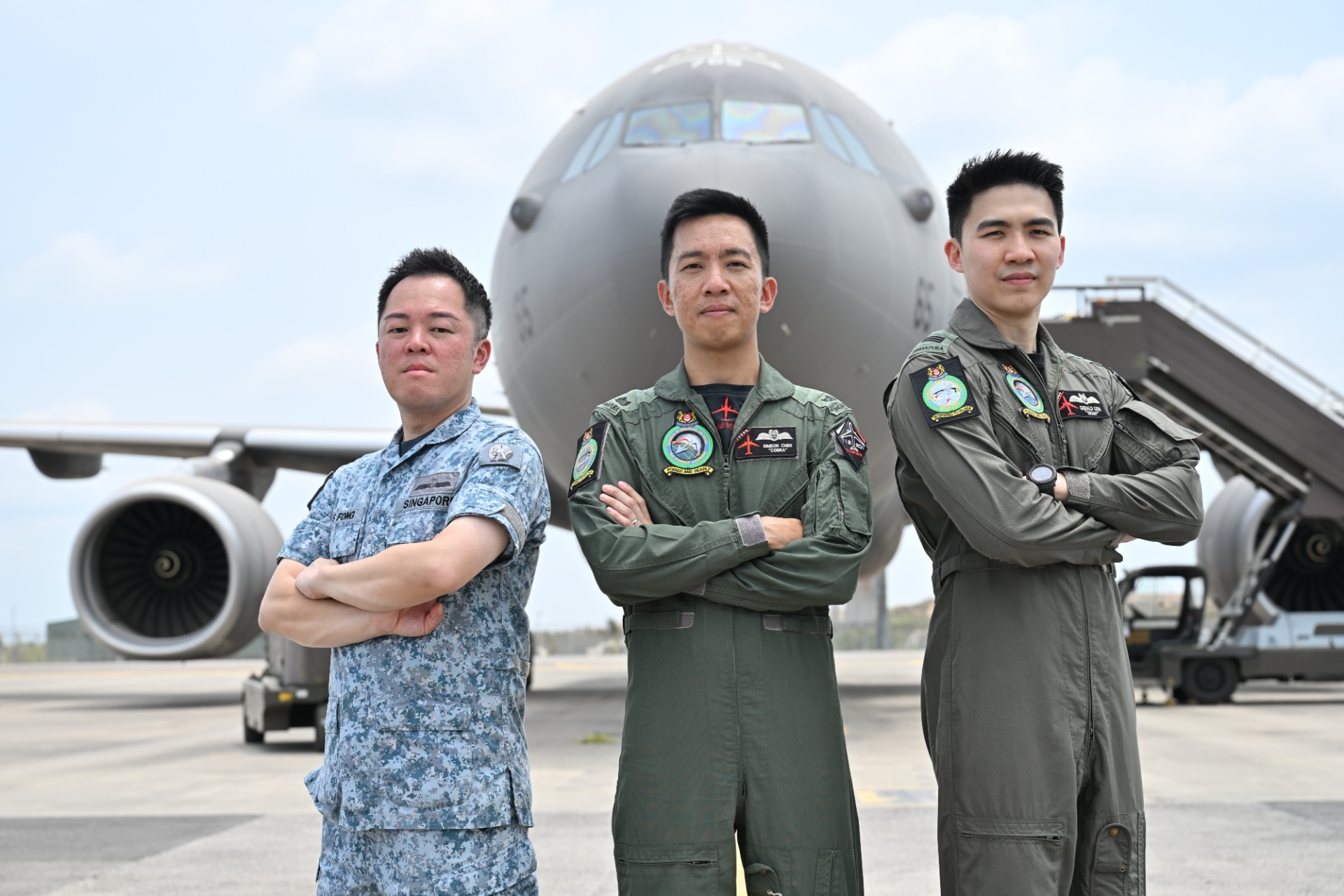
In fact, pilot Captain (CPT) Gerald Goh spotted a projectile during the first repatriation flight back from Riyadh, Saudi Arabia on 10 Mar.
“I saw the projectile a distance away at night and initially I was quite shocked! The crew immediately went through an assessment of whether the projectile posed a danger to us.
“We came to the conclusion that there was no risk to our flight path, and that it was safe to continue our mission back home as long as we maintained vigilance.”
For the personnel involved in this mission, dealing with uncertainties began even before the MRTT took off.
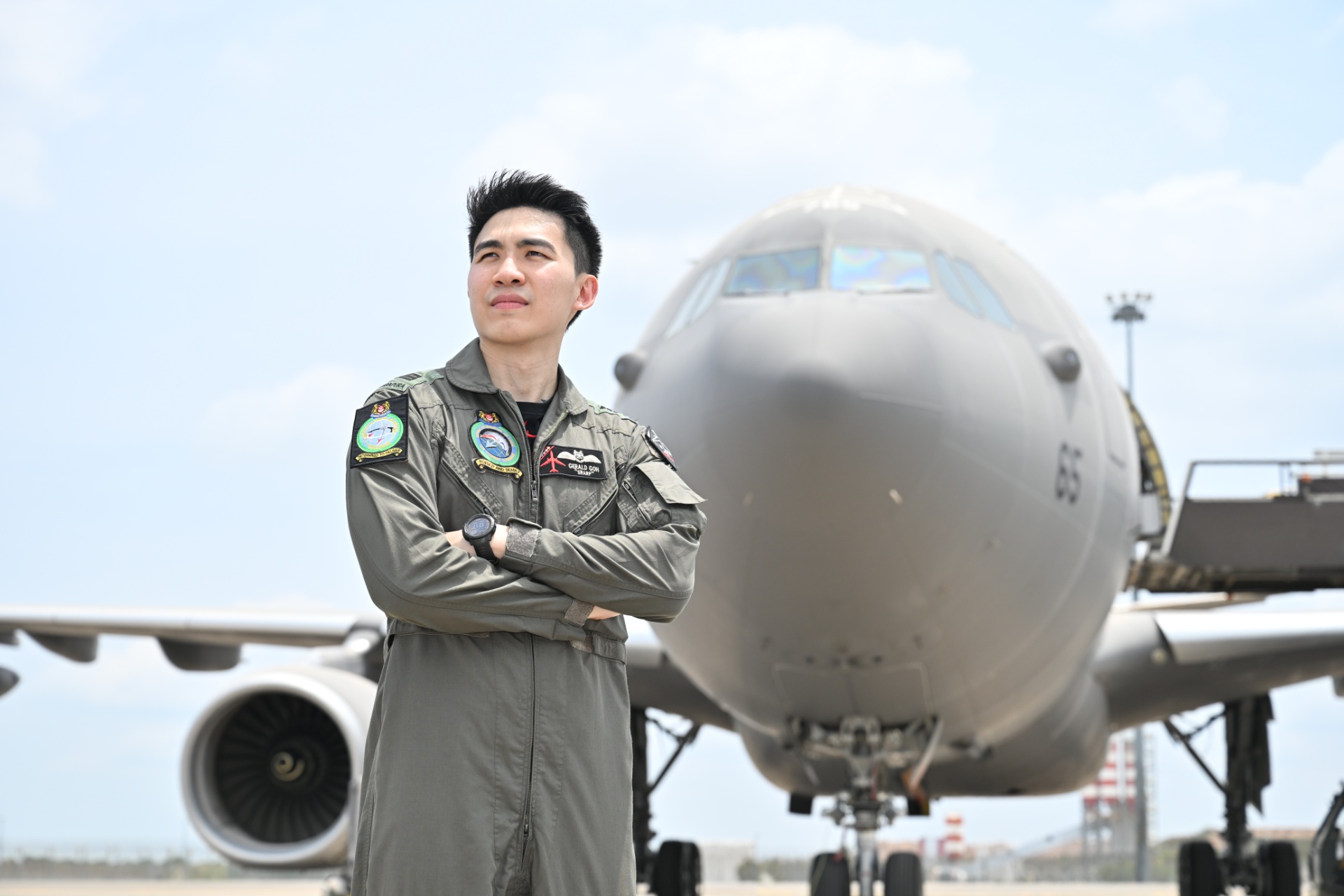
Mission Commander MAJ Simeon Chen explained: “Usually when we deploy for missions, we have information to plan and coordinate beforehand. (But for these flights), many factors – such as the number of passengers – were unknown.”
The 38-year-old Deputy Commander of 112 Squadron added: “This was quite unnerving to the crew, and we had to create plans that would be adaptable (in the face of) uncertainties, depending on how the situation unfolded on the ground.”
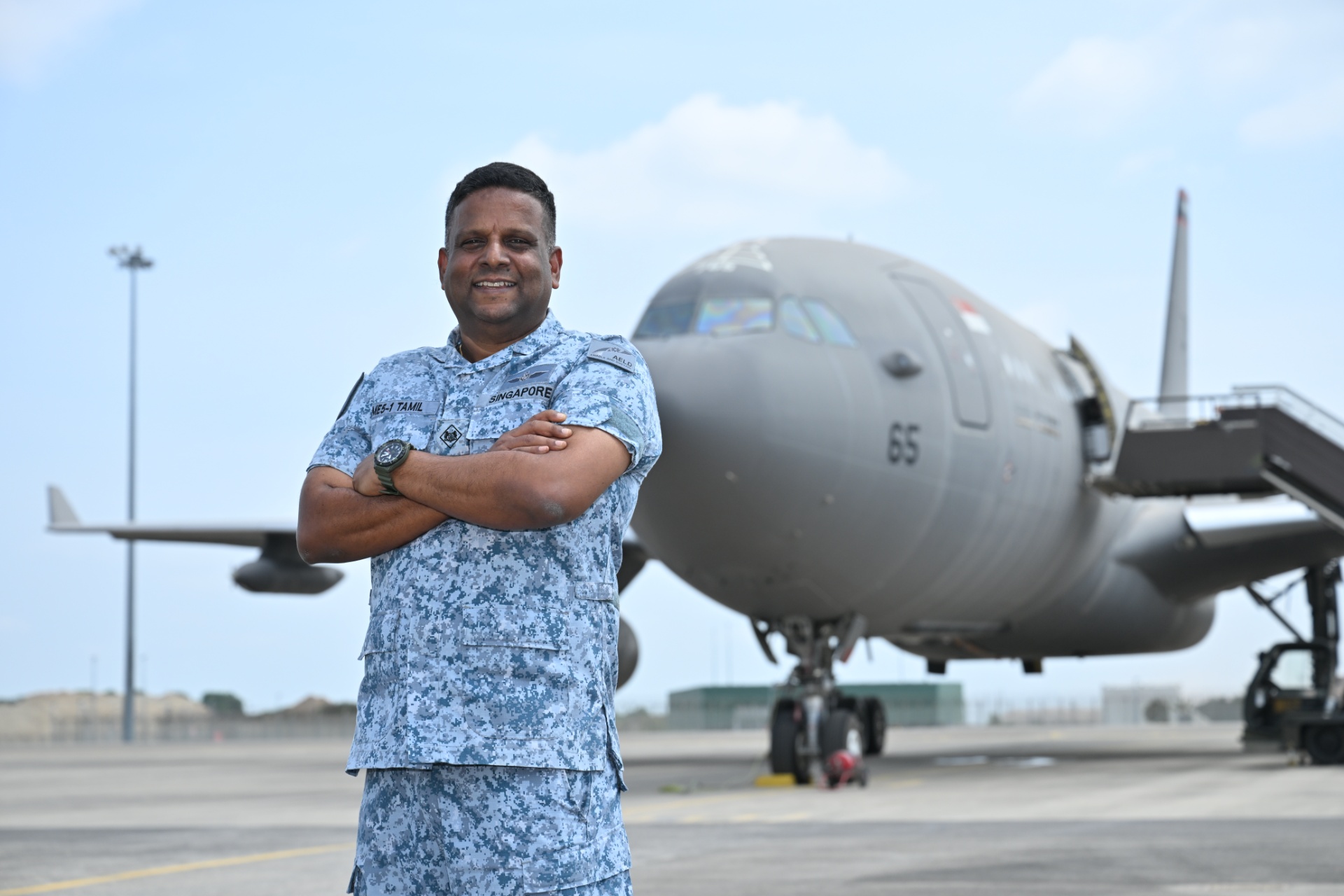
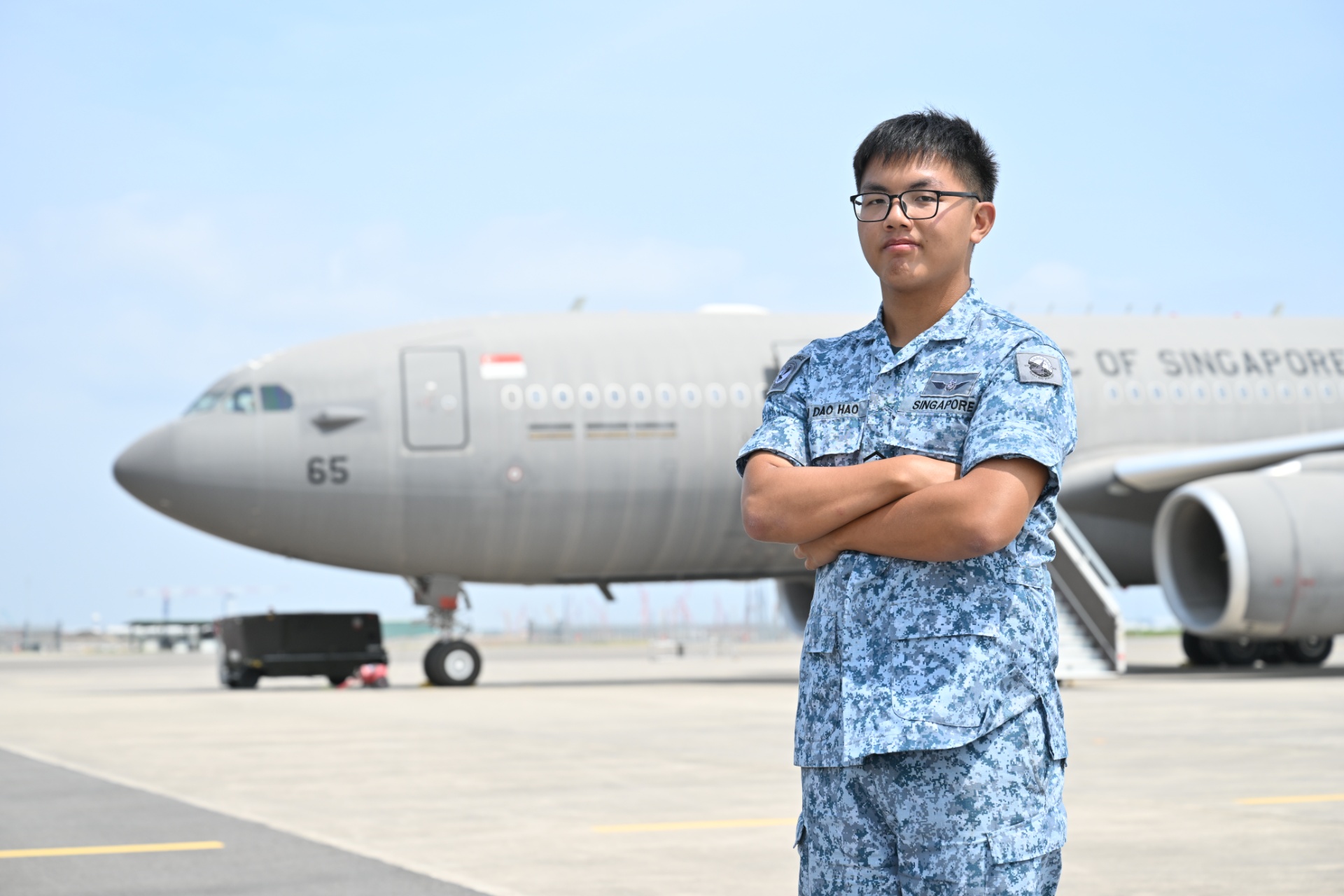
Similarly, Military Expert (ME) 5 Tamilselvan – the mission’s Logistics Support Planner – and his team found themselves in the thick of a logistics scramble and had to adjust their plans on the fly as there was no advance party on the ground to give them the information they needed.
Although it was a no-frills military flight, he tried to put himself in the passengers’ shoes and think of things that he would need for a comfortable flight back home, such as having a hot meal and refreshments.
One of the most unexpected challenges he faced?
“This was my first time having to supply bassinets on an RSAF mission!” said the 54-year-old with a laugh.
Going the extra mile
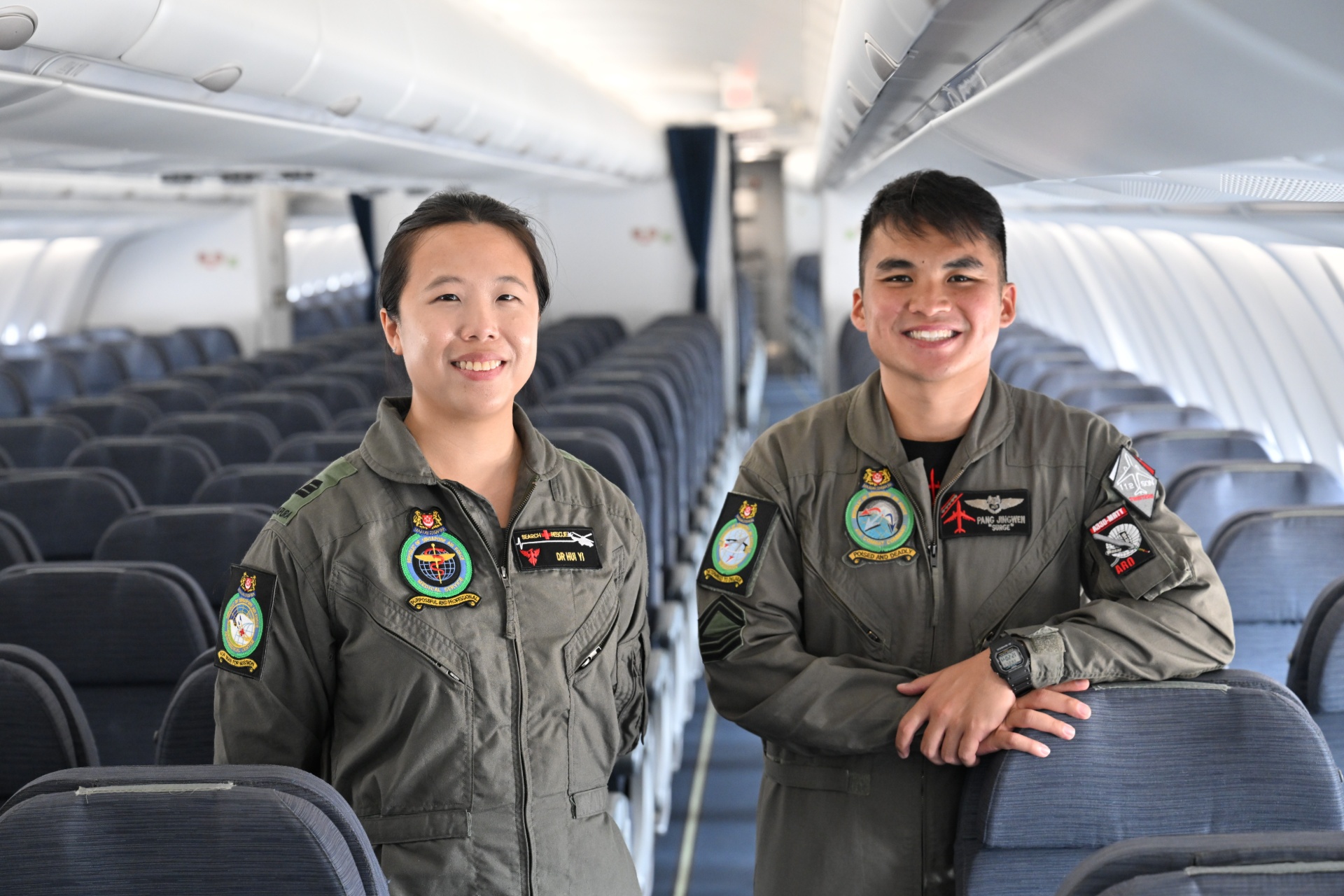
As the Aviation Medical Officer on board, CPT (Dr) Chia Hui Yi had to ensure the health and safety of both the passengers and crew.
In addition to conducting pre-flight medical screenings for the passengers, she and her team took the extra step of reassuring them that there would be a medical team accompanying them on the MRTT.
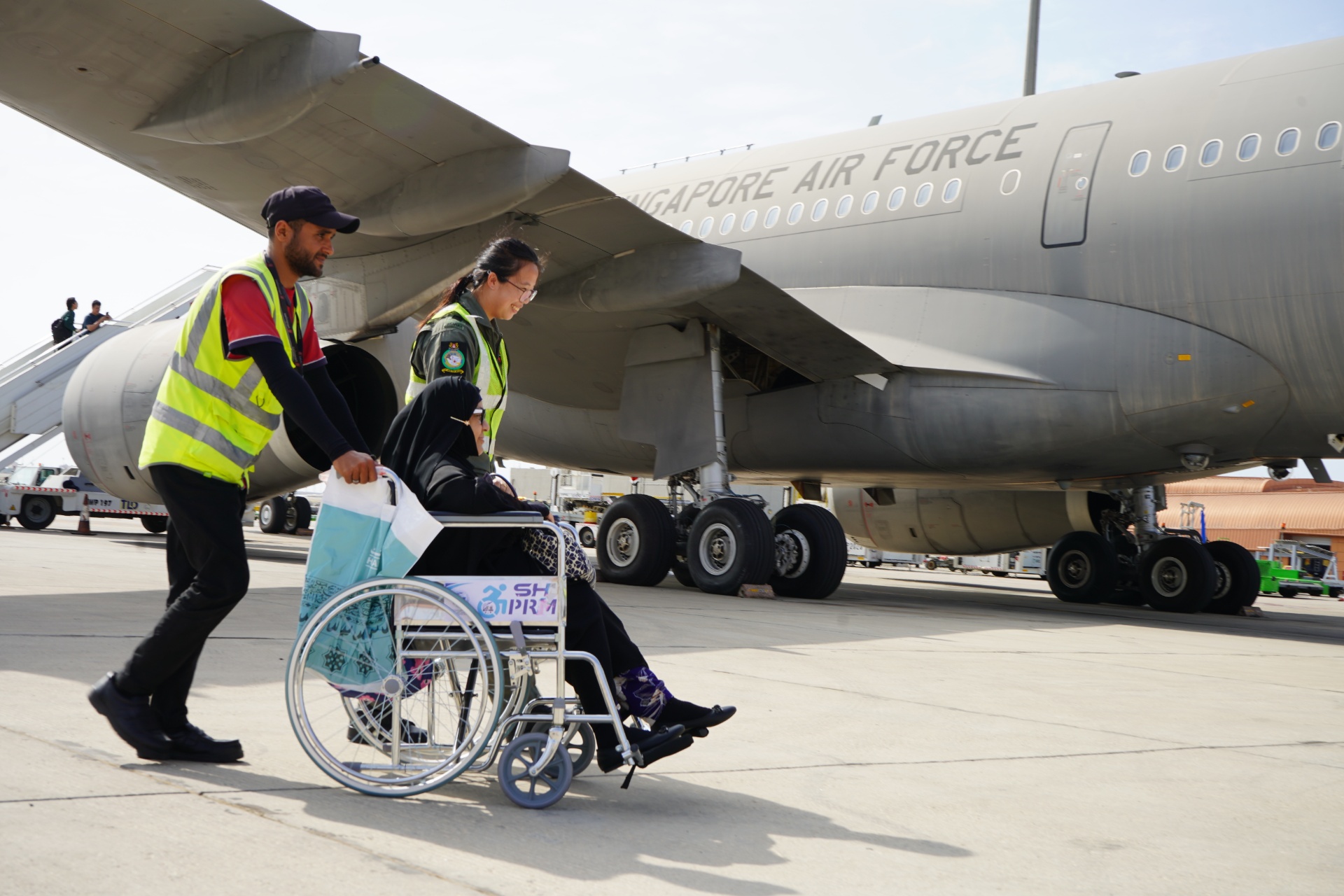
She also monitored the fatigue levels of the air crew, who had to take on a work cycle of over 24 hours due to the compressed timeline for the MRTT repatriation flights.
Speaking about how her team managed the crew’s fatigue levels, she said: “(Before the flight,) we mapped out the flight duty periods and recommended rest periods for the crew, and briefed the crew to follow them.”
If any crew member reported signs of fatigue during the flight, CPT (Dr) Chia and her team would remind them to rest and adjust their work-rest cycles.
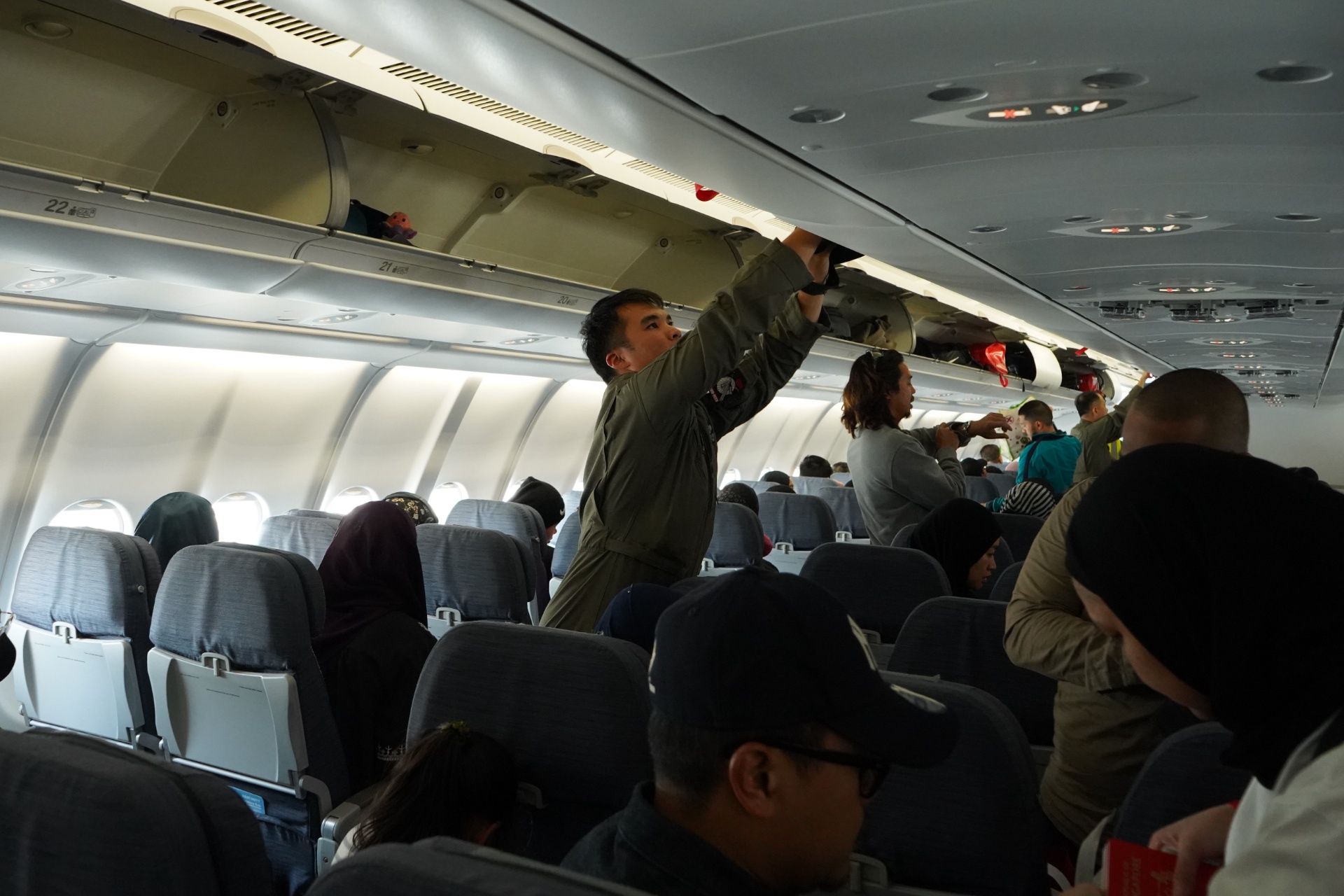
A “cabin crew” in military uniform serving food and helping passengers? That may have been 1st Sergeant (1SG) Pang Jingwen.
Even though the Air Crew Specialist is trained to handle emergencies such as fire or smoke in the cabin, he had no experience in performing cabin services like serving meals.
“But it was all human instinct (because) we wanted to make our fellow Singaporeans’ lives as comfortable as possible on board the MRTT.”
Even though the 26-year-old has been part of other cargo-based humanitarian aid deployments, this was the first operation that saw him interacting with passengers on the MRTT.
“It was really meaningful for me – seeing them board the aircraft and thanking the crew gave me a sense of satisfaction and fulfillment.”
He recalled a passenger on the Jeddah flight back to Singapore who gave him a box of chocolates to be shared among the crew as an extension of her gratitude.
“It was a really touching moment (that made all our efforts feel) really worthwhile, and it drove me and the whole team (in our mission) to bring them back safely.”

ALSO READ IN OPS & TRAINING
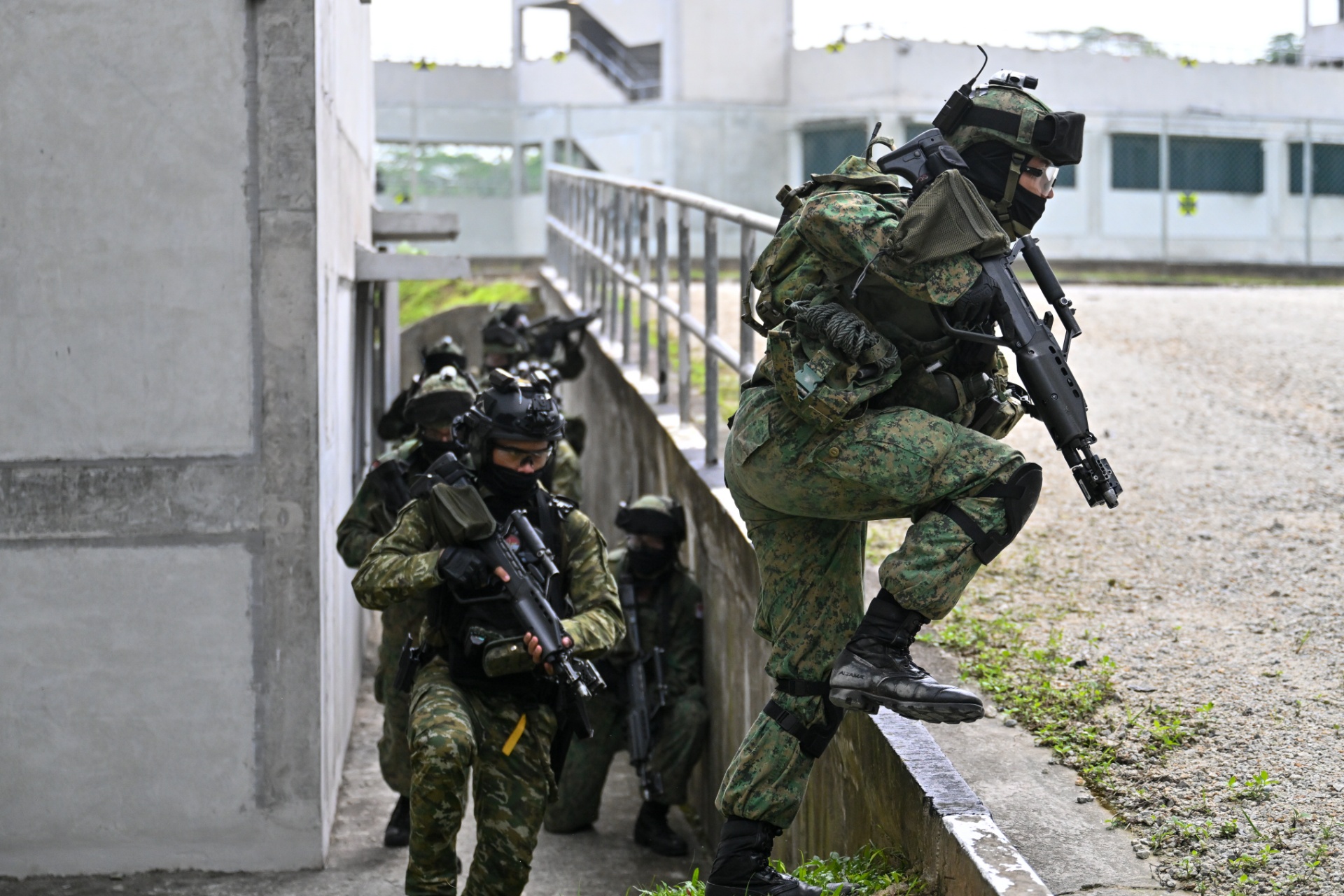
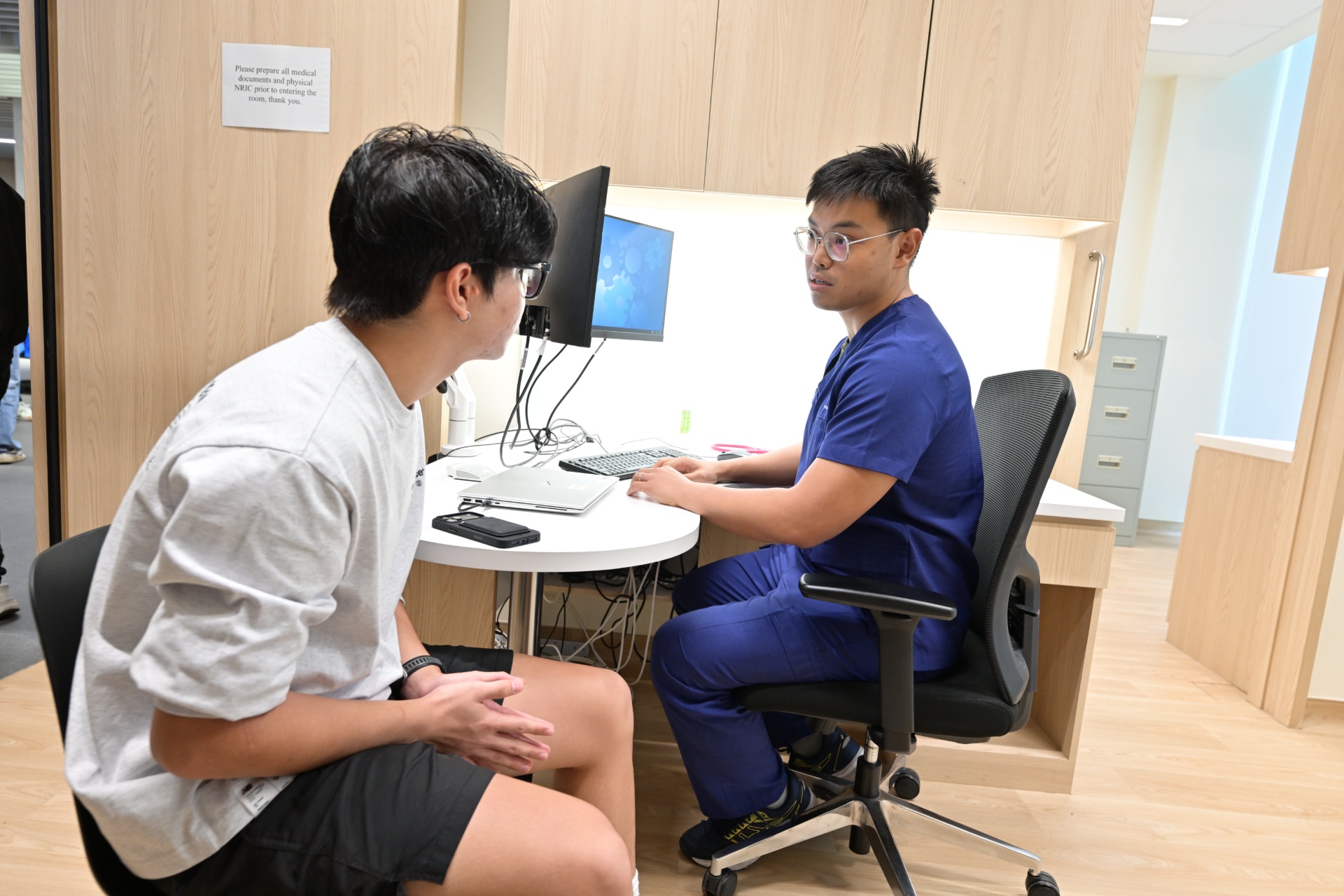
SAF & Home Team to refresh Medical Classification System
13 Apr 2026
The refreshed system will allow about 1,200 servicemen annually to be deployed for vocations and roles they were ineligible for previously.
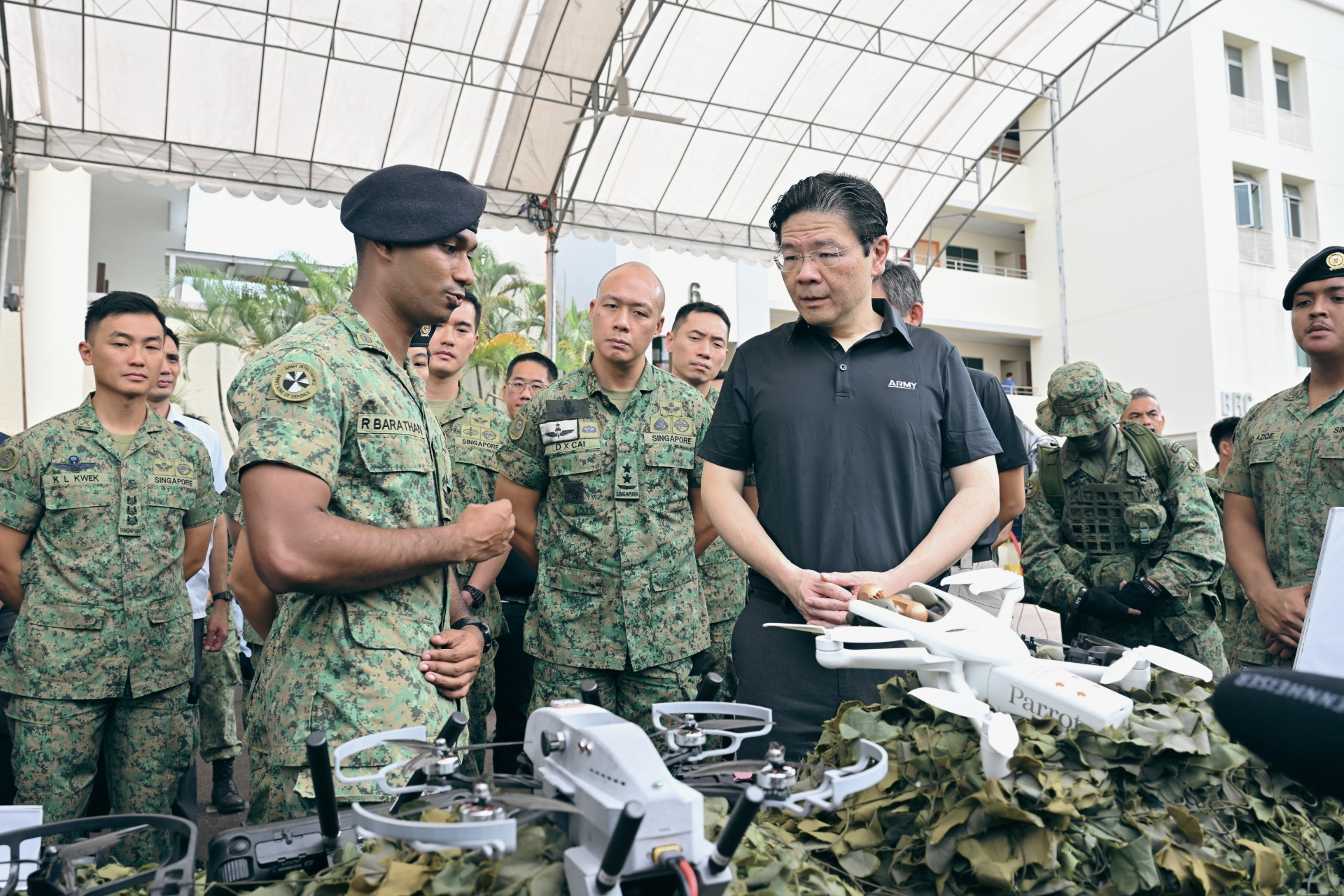
Prime Minister Lawrence Wong observes SAF’s sense-strike integrated capabilities
09 Apr 2026
He witnessed the SAF’s ongoing efforts in leveraging advanced robotics and cross-Service integration to secure Singapore’s interests in an increasingly volatile world.
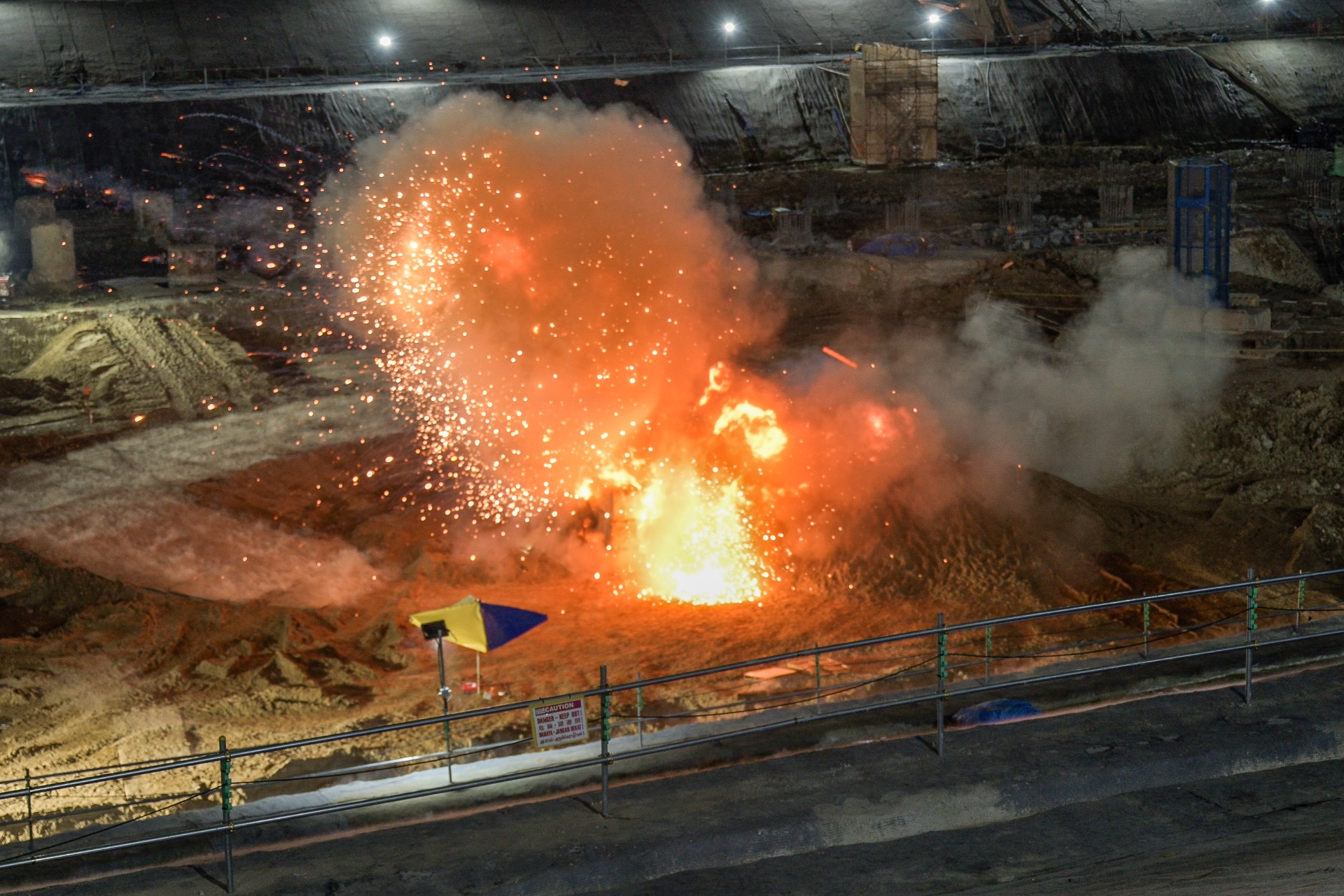
SAF detonates 250kg WWII bomb uncovered at Tanah Merah Coast Road
02 Apr 2026
On 2 Apr, the SAF’s Explosive Ordnance Disposal (EOD) team successfully disposed of an unexploded war relic found at Tanah Merah Coast Road.