
OPS & TRAINING
INNOVATIONS RECOGNISED AT SAF LEARNING SYMPOSIUM
14 Jun 2013
When a ship wants to "talk" to another ship with just flags, there is a particular process to follow.
Within this process are steps which vary with the situation and message. There are nine basic steps and ship's communications specialist must know how and when to use each one.
But learning the steps and their correct usage can be challenging.
Enter the Flag Hoist application, which allows trainees to go through the steps as many times as they want on tablet computers and to practise applying the correct processes in scenario-based exercises. Immediate feedback is provided so that trainees can learn from their mistakes instantly.
Military Expert (ME) 2-2 Chua Yee Wah explained that the benefits of the app include allowing trainees to train at their own time and pace.
"When the trainee is able to complete all the exercises (in the module) without making any mistake, it means that he is ready for deployment on board the ships," said the communications instructor of the Institute of Maritime Operations and Systems.
ME2-2 Chua's team was one of 12 teams that received the inaugural Singapore Armed Forces (SAF) Learning Innovation Award from Chief of Defence Force Major-General (MG) Ng Chee Meng on 13 Jun.
The awards were given out as part of the second SAF Learning Symposium, held at SAFTI Military Institute (SAFTI MI).
In his opening address, Commandant SAFTI MI Brigadier-General (BG) Benedict Lim said that the new award recognises teams that used creative ways to make learning and training more effective. "It is these small but significant ground-up efforts that drive the spirit of innovation and creativity to successfully transform the SAF s learning landscape."
MG Ng was the keynote speaker at this year's symposium, themed Transforming the SAF's Learning Landscape. Held for the second time since it was started last year, the two-day event featured a series of presentations, plenary sessions and exhibitions on the future of training and learning relevant to the SAF.
Speaking to more than 600 attendees, who come from the SAF's training units, schools and institutes, MG Ng said that the SAF must be ready with innovative learning solutions and must make use of existing opportunities to learn.
He cited the SAF's experience in Afghanistan as an example of how lessons picked up during such missions can and should be taught in the training schools. He added: "We should also establish linkages with other armed forces so that we can learn from their experiences in their missions."
"Collectively, this knowledge will give the SAF the added competitive edge in ops missions, improve our human performance at all levels of command, raise our professional excellence and maintain our warfighting edge."
Like the first symposium, this year's line-up of speakers included local and overseas experts. They are from places such as the US' Florida State University, the National Institute of Education and the Institute of Adult Learning. They will speak on topics such as games-based and workplace learning, and changes in military education.
Second-time symposium attendee Captain Tan Song Nee said that he had already gathered several ideas that he could apply in his work.
The staff officer at Headquarters Training Command who facilitates the design of some of the Navy's training courseware said: "CDF shared about SAF's learning landscape. When this is supplemented by what the other experts are saying, you can see that the SAF is moving forward in the right direction when it comes to the way we learn."

ALSO READ IN OPS & TRAINING
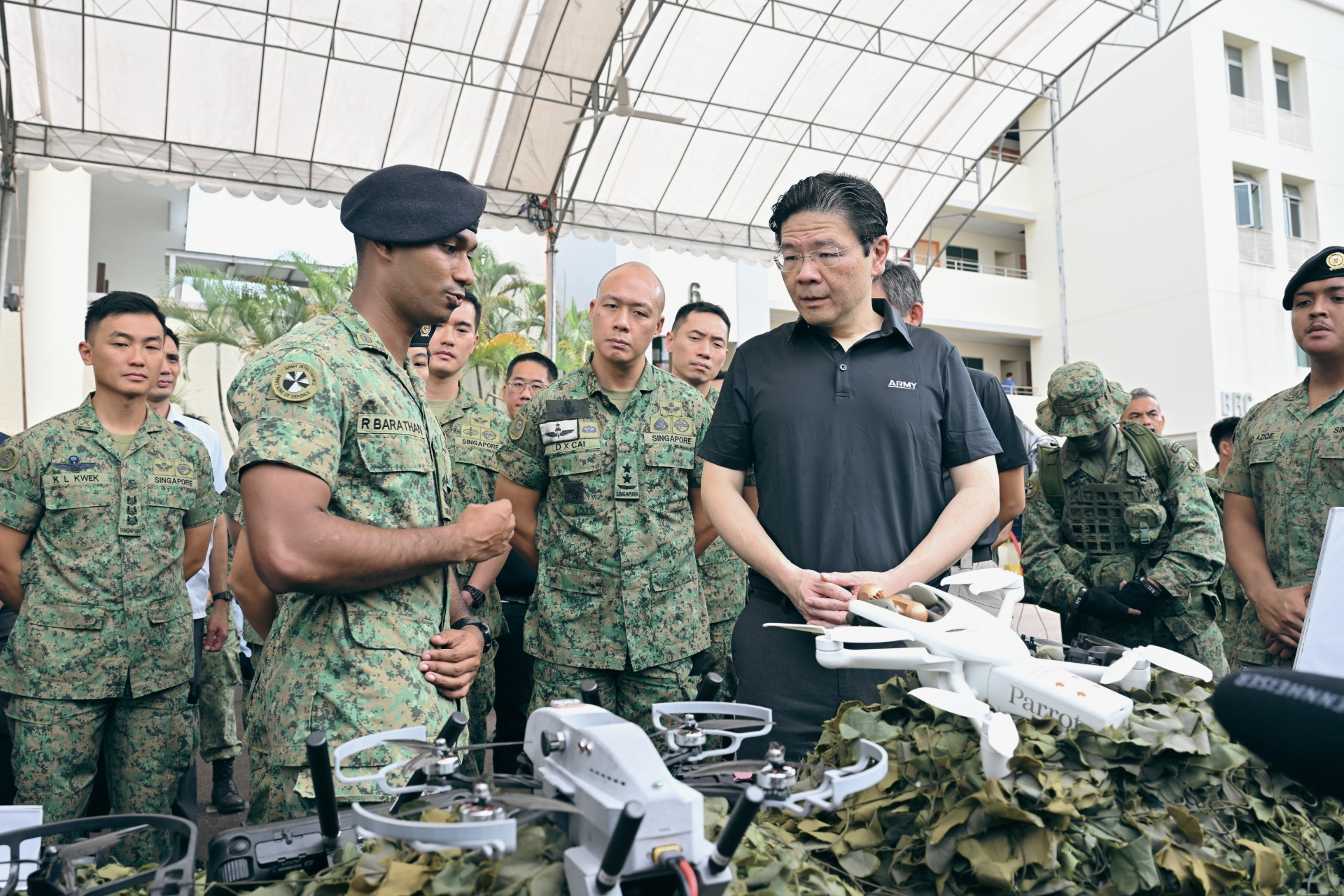
Prime Minister Lawrence Wong observes SAF’s sense-strike integrated capabilities
09 Apr 2026
He witnessed the SAF’s ongoing efforts in leveraging advanced robotics and cross-Service integration to secure Singapore’s interests in an increasingly volatile world.
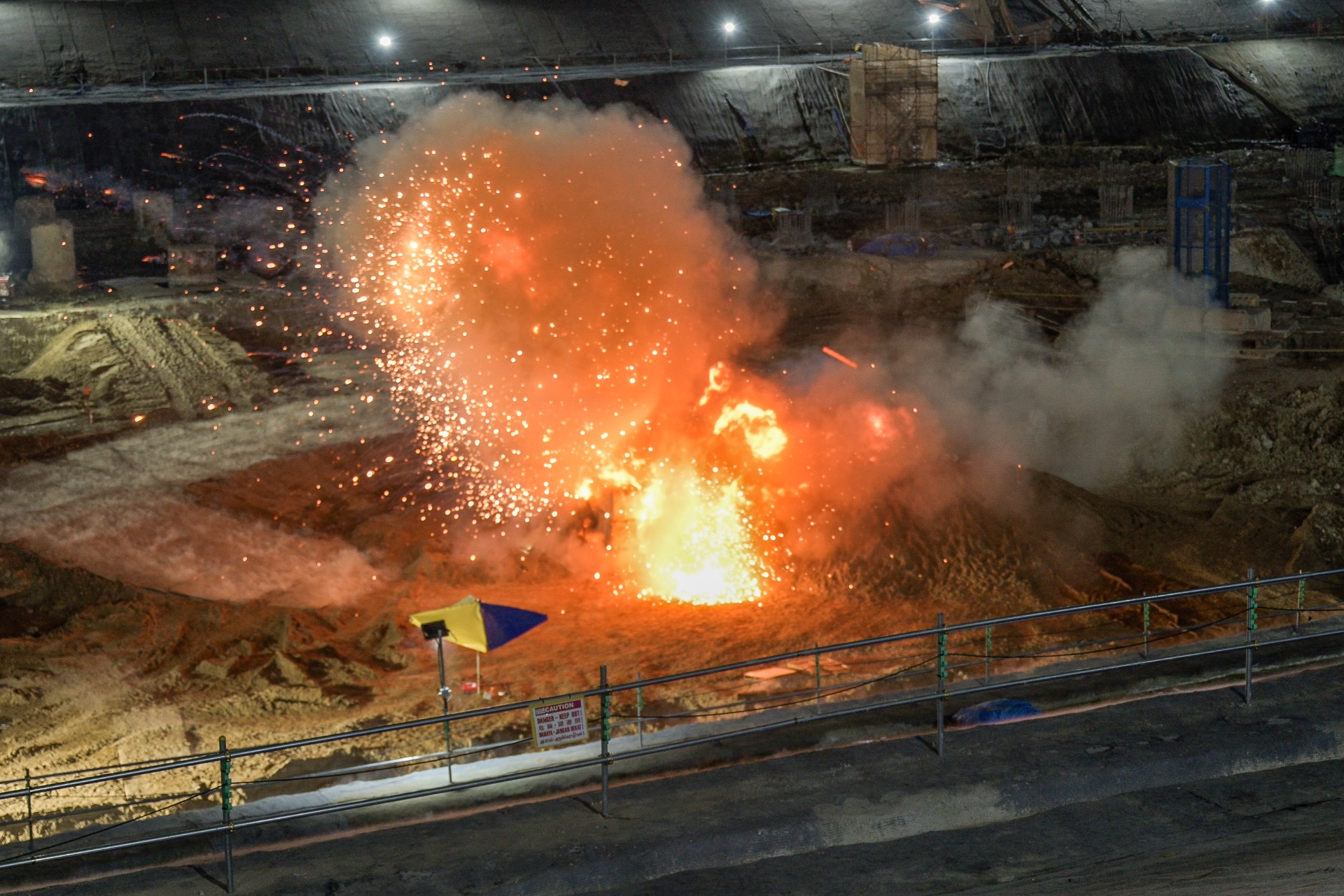
SAF detonates 250kg WWII bomb uncovered at Tanah Merah Coast Road
02 Apr 2026
On 2 Apr, the SAF’s Explosive Ordnance Disposal (EOD) team successfully disposed of an unexploded war relic found at Tanah Merah Coast Road.
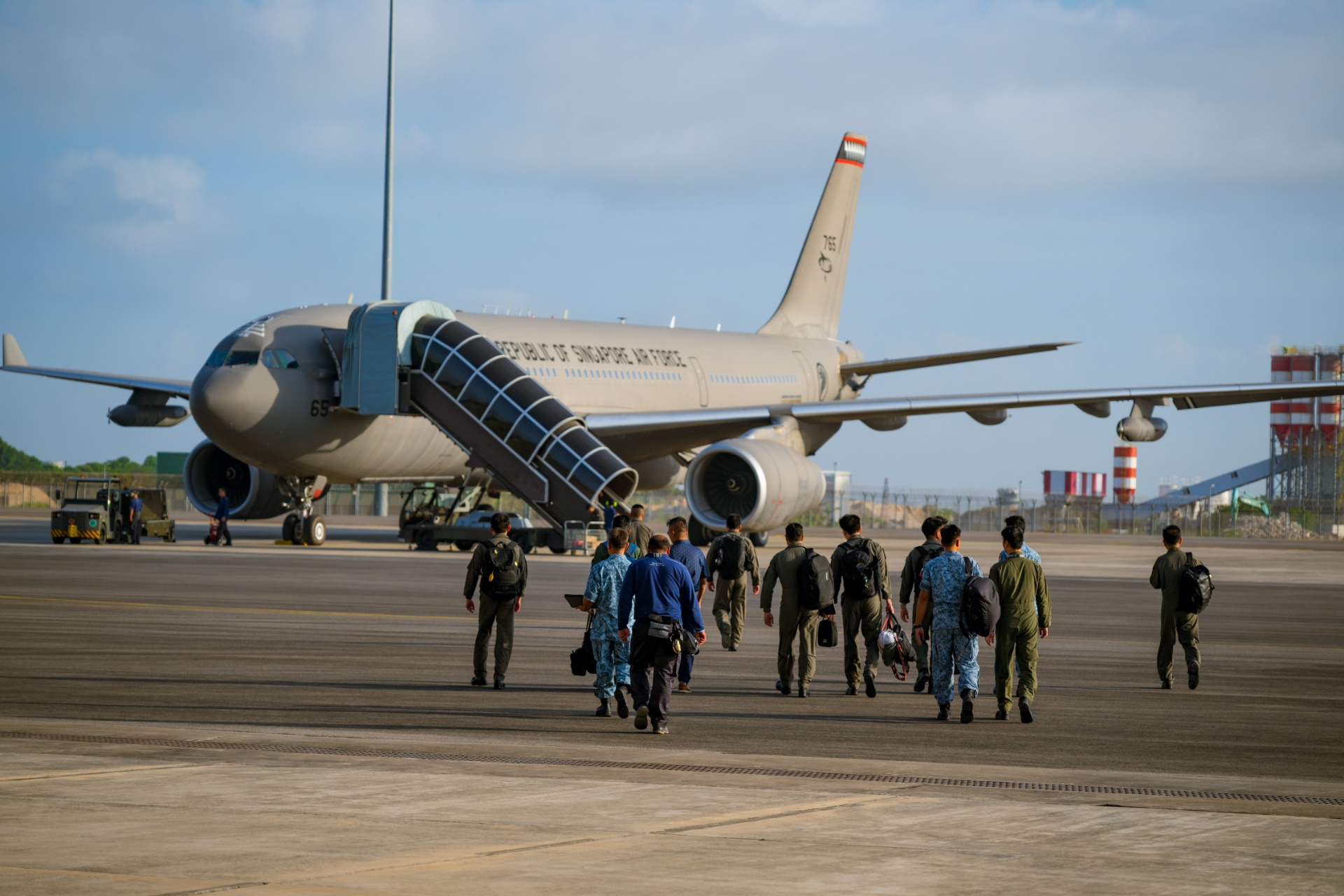
Flying into the unknown: Inside RSAF’s mission to bring S’poreans home from Middle East
28 Mar 2026
Despite the risks and complex challenges of flying in a conflict zone, the men and women of the RSAF pulled off a successful mission through careful planning and hard work.