
OPS & TRAINING
HONING THEIR MEDICAL SKILLS IN THE FIELD
02 Mar 2010
To many people, their impressions of a doctor would be someone dressed in a pristine white coat with a stethoscope slung around his neck, examining patients in the comfort of his air-conditioned clinic.
But a group of 40 doctors braved the great outdoors and roughed it out in the field during the recently-concluded Medical Officers Cadet Course (MOCC), which was conducted from 2 Nov last year to 20 Feb.
The course, spanning 17 weeks, trained cadets in areas of military leadership, medical support planning, civilian-military relations, urban combat and live firing. Various exercises, including evacuating casualties on helicopters, were also conducted for cadets to put into practice what they have learnt.
Said Major Daniel Chia, Head of the Centre for Military Medicine, who is also the course commander: "This intensive training is aimed at preparing cadets for their eventual roles as commanders of Battalion Casualty Stations (BCSs), leaders of medical personnel and medical centres, and staff officers who advise unit commanders on areas pertaining to mental and physical health."
"The 69th batch of MOCC cadets was also the first to undergo training with 3rd Generation medical equipment such as automated ventilators to assist patients in breathing and patient monitors to keep track on patients' vital signs," said Platoon Commander, Captain (CPT) (Dr) Kim Guowei.
The cadets also tried their hands on operating the new five-tonner BCS, a vehicle which expands out from the sides to form a shelter that is equipped with state-of-the-art medical equipment. The BCS provides the facilities of an Accident and Emergency (A&E) room near the frontline for injured casualties to be treated.
"The use of more advanced medical equipment helps to increase the standard of healthcare especially in a combat setting. The new BCS offers more space to do life-saving procedures, compared to its predecessor, which was a tent," said CPT (Dr) Kim.
Besides military training, cadets were also exposed to various professional medical courses, such as Advanced Trauma Life Support (ATLS) and Advanced Cardiac Life Support.
Said OCT (Dr) Boon Jiabin, who shared about how he benefited from the ATLS: "The best part of the course was having hands-on practice on performing surgical procedures such as inserting chest tubes and drips, and also being able to learn from experienced surgeons through demonstrations."
For most of the cadets, the toughest part of the MOCC was the physical training, that came in the form of route marches and Individual Physical Proficiency Test (IPPT) training.
Explaining to cyberpioneer why this is so, OCT (Dr) Sivaraj Gunasekaran said: "Many of us did our BMT (Basic Military Training) before we disrupted our NS (National Service) to study in medical school. So it's about six years spent outside of the Army studying and then working in hospitals. That's why initially I found it very hard to adjust to the regimentation and fitness level required of me."
"But as the whole course is geared towards building us up slowly, we just went through route marches after route marches. Now I believe our fitness levels have improved by a lot, and that helps us function better as military doctors," he added.
While the physical training was tough, some cadets like OCT (Dr) Koh Ye Xin who was the Best Cadet for the course felt it helped to bring out the best in them and their course mates.
"I enjoyed the tougher activities, because that's when you can see the true character of a person."
He elaborated: "For example, I fell down during one of the 5km route marches, and one of my course mates just helped me to carry my field pack. Even during the 10km, 16km and 24km route marches, there were always people helping to carry someone else's load."
He concluded by saying: "What I feel really proud of at the end of MOCC is how we helped to make up for each other's inadequacies without any complaints - that is what real friends do."

ALSO READ IN OPS & TRAINING
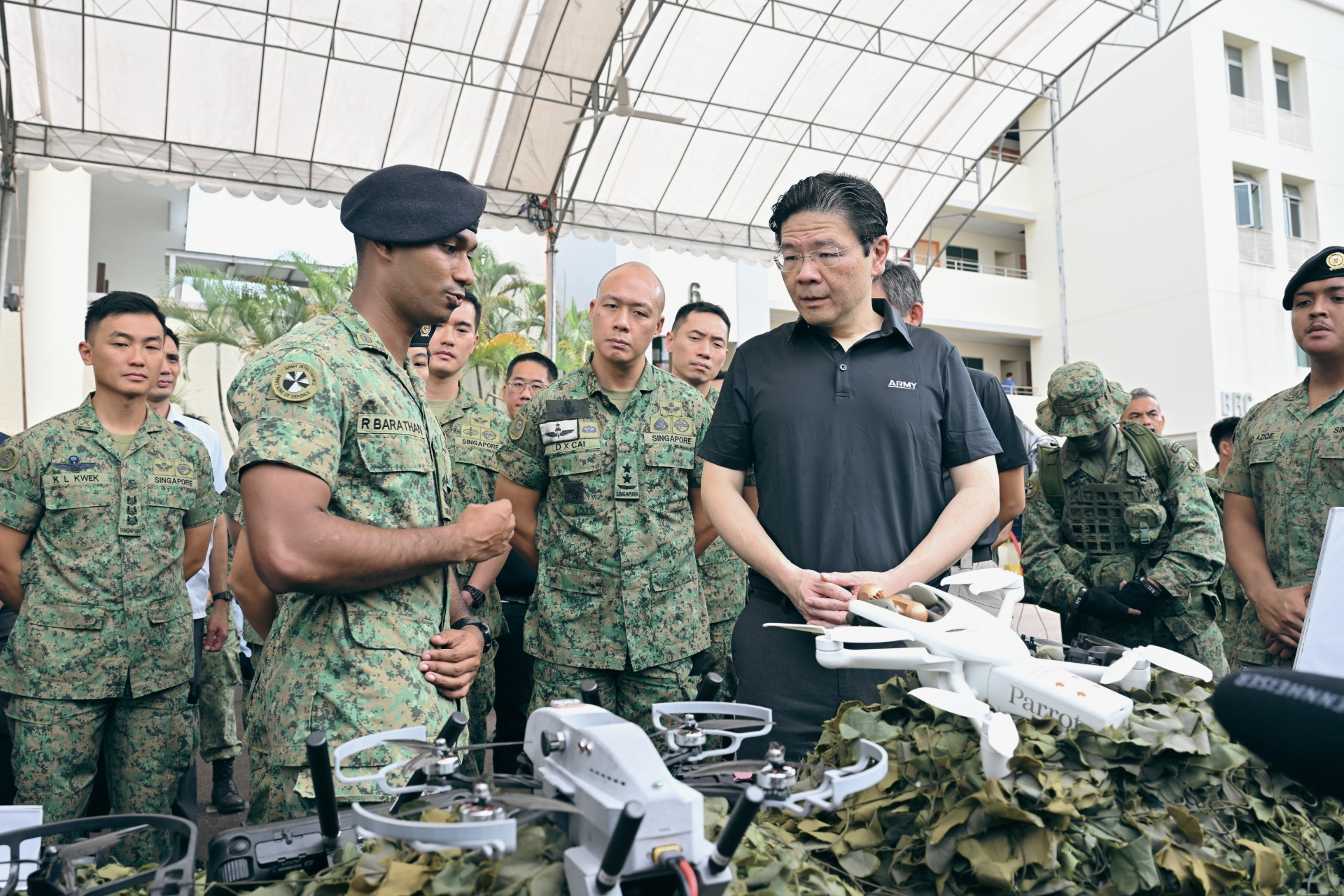
Prime Minister Lawrence Wong observes SAF’s sense-strike integrated capabilities
09 Apr 2026
He witnessed the SAF’s ongoing efforts in leveraging advanced robotics and cross-Service integration to secure Singapore’s interests in an increasingly volatile world.
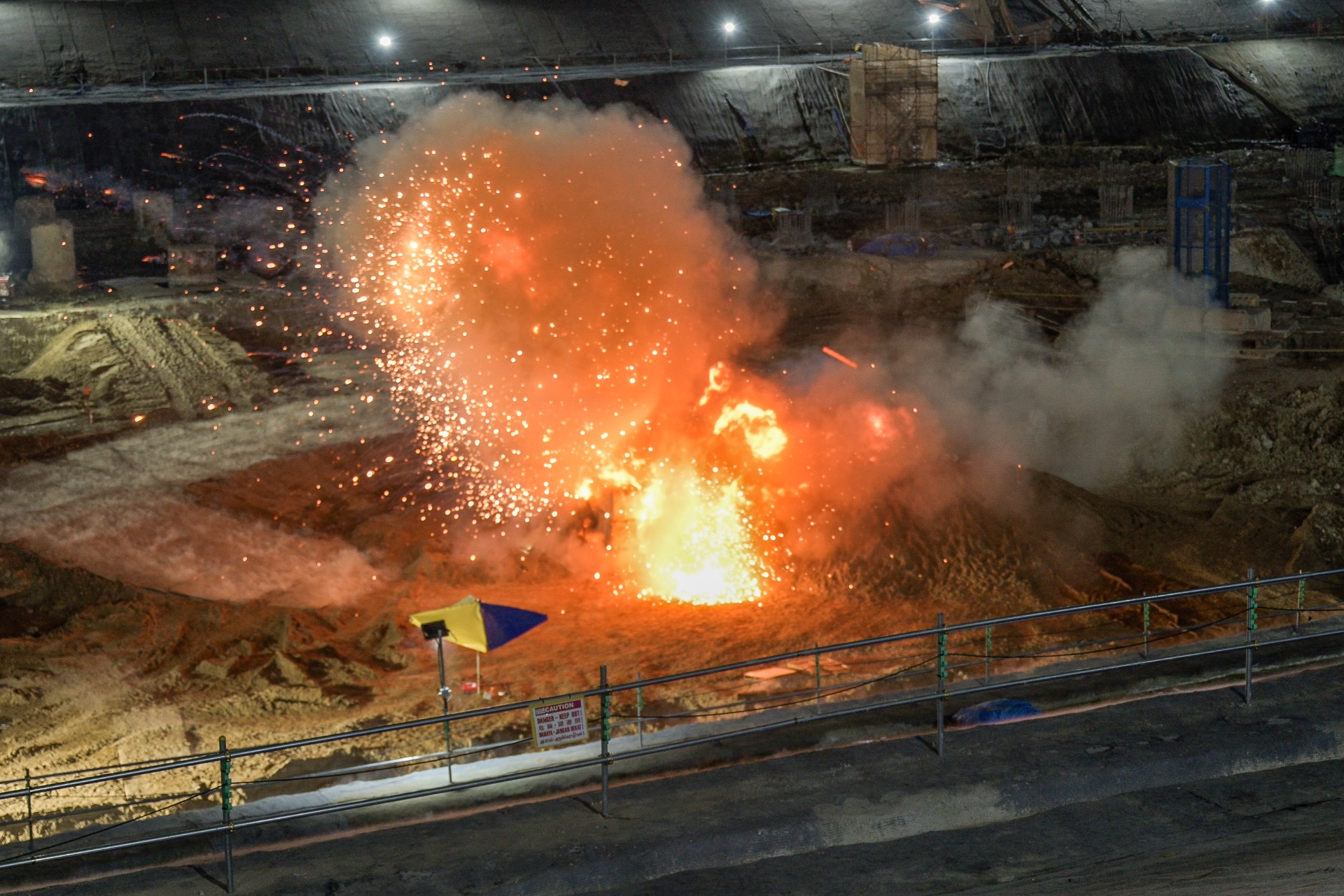
SAF detonates 250kg WWII bomb uncovered at Tanah Merah Coast Road
02 Apr 2026
On 2 Apr, the SAF’s Explosive Ordnance Disposal (EOD) team successfully disposed of an unexploded war relic found at Tanah Merah Coast Road.
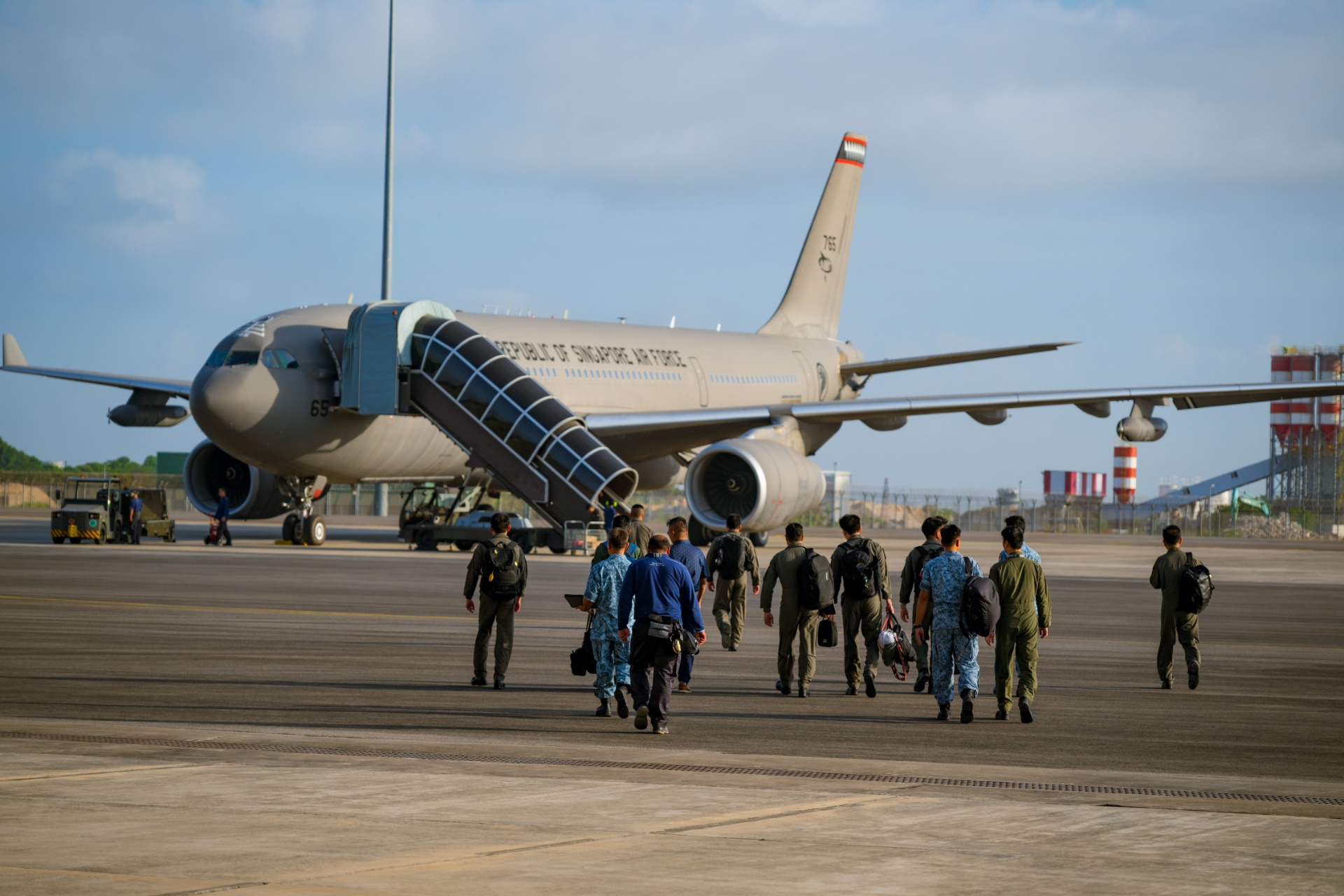
Flying into the unknown: Inside RSAF’s mission to bring S’poreans home from Middle East
28 Mar 2026
Despite the risks and complex challenges of flying in a conflict zone, the men and women of the RSAF pulled off a successful mission through careful planning and hard work.