
OPS & TRAINING
HALL OF MEMORIES
01 Feb 2017
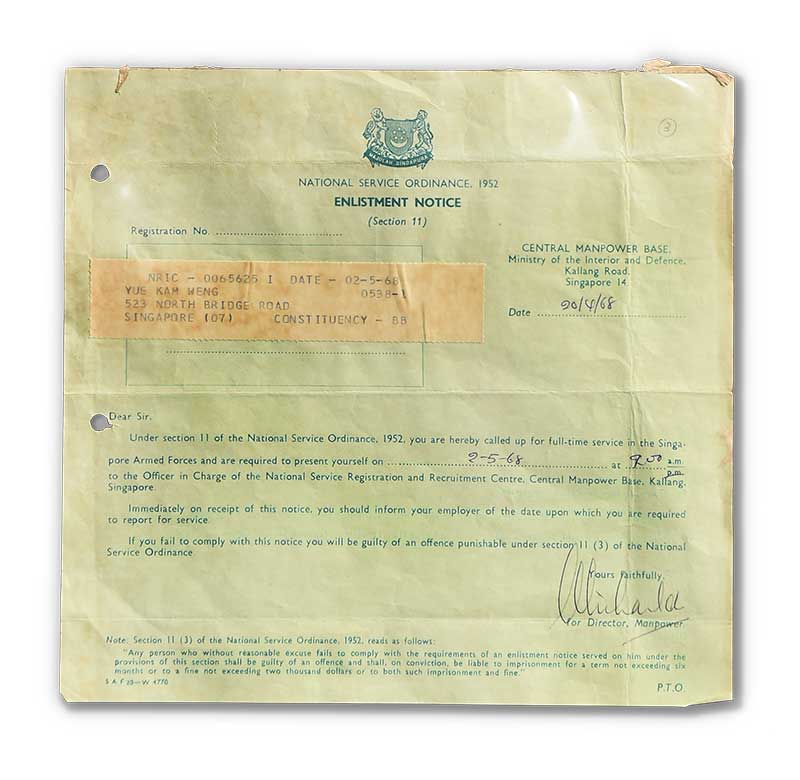
Enlistment Letter
This document, dated 20 Apr 1968, was sent to a Mr Yue Kam Weng who lived at North Bridge Road (near where Bugis Junction stands today) informing him to report for duty a few weeks later. Letters of Enlistment are still sent today, though much of the enlistment process is now conducted electronically.
Mssion Memories
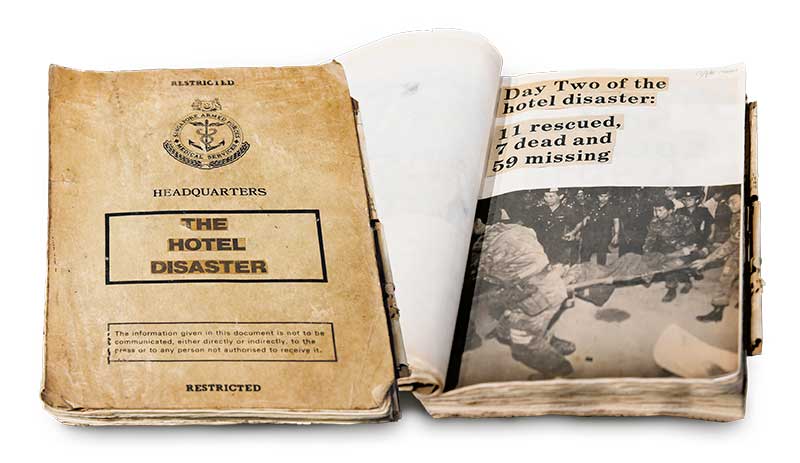
This operations scrapbook, donated by the SAF Medical Corps, details the events of the Hotel New World Collapse through news clippings. The 1986 disaster, which took 33 lives, is Singapore's worst civil disaster. The ensuing five-day rescue effort involved 500 personnel from the SAF, Singapore Civil Defence Force, the former Singapore Fire Service and the Singapore Police Force.
NS Recognition & Unit Pride
Code of Conduct Booklets
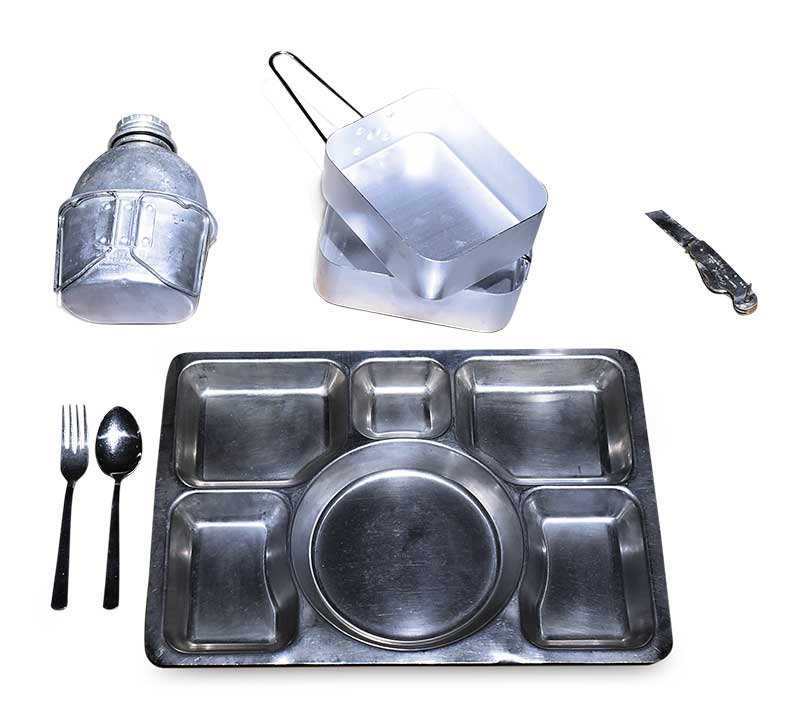
Messing Equipment
Soldiers often need to eat on the go, and the no-fuss messing equipment gives them a way to consume their meals in relative comfort in the hot and humid jungles.
(from top left in photo)
Mess Mug & Canteen
Used by servicemen to brew hot drinks during outfield exercises, it has foldable handles so that it can be compactly stored in field packs.
Mess Tin
Like the mess mug, the foldable handle allows for compact stowage. It allows soldiers to cook simple meals and heat food outfield.
Jack Knife
Every soldier needs a good blade. From cutting cordage to opening food tins, this handy tool is indispensable.
Metal Tray and Utensils
These are used for dining, as they are more durable and easily maintained.
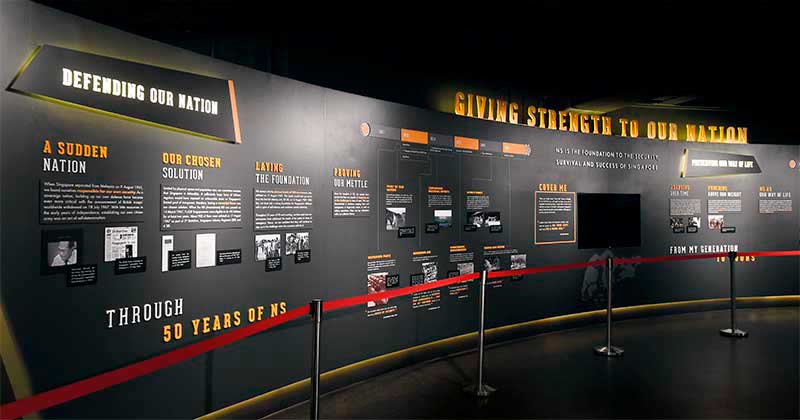
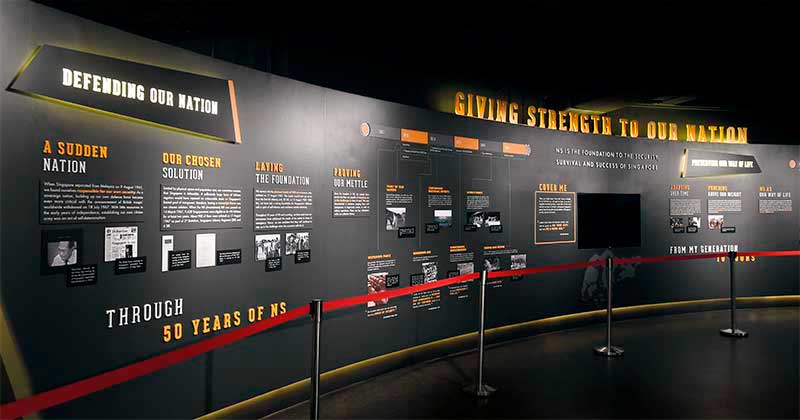
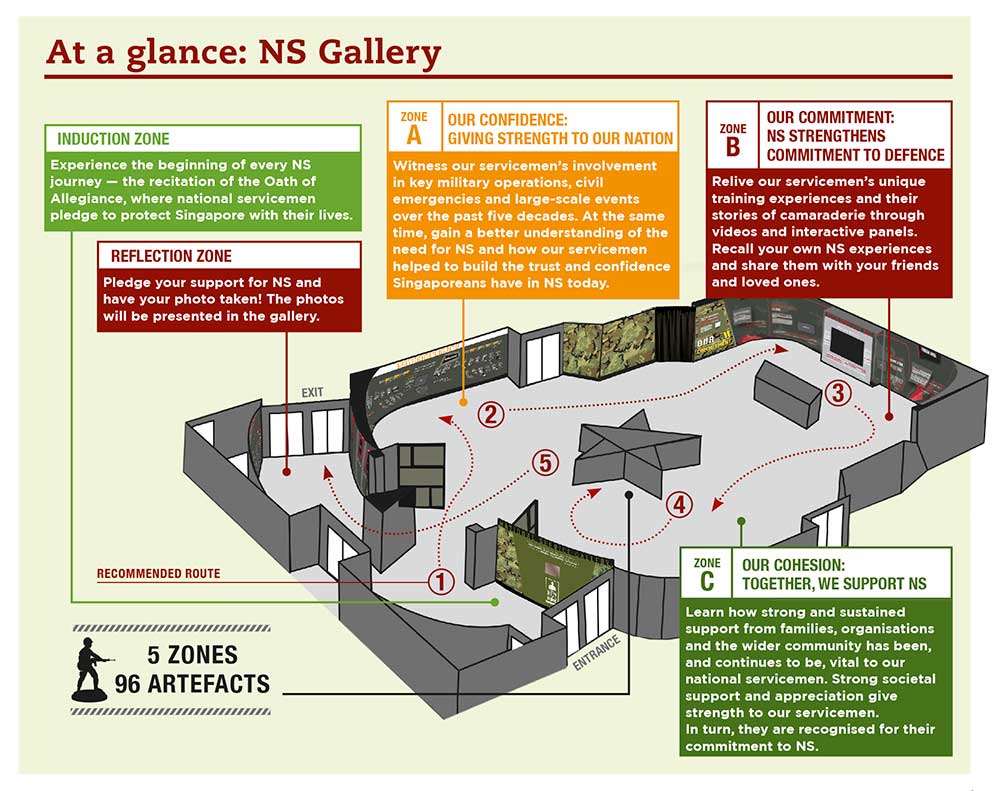
At a glance: NS Gallery

ALSO READ IN OPS & TRAINING

SAF & Home Team to refresh Medical Classification System
13 Apr 2026
The refreshed system will allow about 1,200 servicemen annually to be deployed for vocations and roles they were ineligible for previously.
Prime Minister Lawrence Wong observes SAF’s sense-strike integrated capabilities
09 Apr 2026
He witnessed the SAF’s ongoing efforts in leveraging advanced robotics and cross-Service integration to secure Singapore’s interests in an increasingly volatile world.
SAF detonates 250kg WWII bomb uncovered at Tanah Merah Coast Road
02 Apr 2026
On 2 Apr, the SAF’s Explosive Ordnance Disposal (EOD) team successfully disposed of an unexploded war relic found at Tanah Merah Coast Road.