
OPS & TRAINING
EXPERT PANEL REVIEWS SAF TRANSPORT SAFETY PROCESSES
27 Oct 2014
A six-member Military Transport Safety Review Panel (MTSRP) has commended the Singapore Armed Forces (SAF) for building a robust transport safety framework, and harnessing technology to train its drivers.
These were among the findings presented by the panel on 14 Oct, after conducting a safety review of the SAF's motor transport system in July and August this year. The review included visits to Kaki Bukit Driving Centre, Mandai Cross Country Driving Circuit, and Sembawang Camp.
The panel was headed by land transport expert Associate Professor (A/Prof) Gopinath Menon, Vice Chairman of the Singapore Road Safety Council. Members included Mr Poh Key Boon, Executive Director of Transportation and Warehousing Division, Poh Tiong Choon Logistics Group; and Mr Shaun Tan, Vice President Safety, Singapore Bus Service Transit. Mr Poh is also Chairman of the Land Transportation Sub-committee of the Singapore Logistics Association.
The MTSRP was commissioned by the Chief of Army on 31 Jul to review the SAF transport safety system and its driving training. This was part of the larger ongoing effort by the Safety and Systems Review Directorate to use external panels in conducting objective assessments of key processes that affect our servicemen.
The MTSRP noted that the SAF faced a tough challenge, having to continuously train and employ large pools of young and inexperienced drivers for a wide range of missions, involving many types of vehicles.
"A lot of it has to do with the age of (the SAF) Transport Operators (TOs)," said A/Prof Menon. "At age 18 or 19, they are different from mature drivers. Furthermore, they are only with the transport formation for a short duration of time."
He added: "What is needed is for them to be trained not only to be aware of the dangers, but to understand them as well."
The panel was pleased to see the "strong command emphasis" displayed by transport commanders, and the "effort invested to build a robust safety framework" that is aligned with industry best practices.
Among the suggestions offered was that HQ Transport could consider further improving safety supervision at the Army Logistics Training Institute, where driving training is conducted.
Another suggestion was to review the current Safe Driving Incentives to award smaller payouts more frequently, and give recognition not only to Transport Operators (TOs), but to transport supervisors as well, for accident-free driving. Team-based rewards could also be introduced to promote teamwork.
To enhance transparency and maintain standards, the MTSRP recommended periodic audits of testing standards by external authorities such as the Traffic Police.
It also recommended that Cat D drivers - those with less than 1,000km of driving experience - be more closely supervised. This recommendation drew on research which showed that close supervision of inexperienced drivers led to substantially improved long-term performance.
The panel was impressed with HQ Transport's use of technology to improve safety and efficiency. Said A/Prof Menon: "One of the biggest challenges is how to use technology to support the driver However, I think that the Army is very much geared towards that, as it is very forward-looking."
He and his team commended the Army on its investment in driving simulators which are especially useful for exposing inexperienced drivers to situations they have never encountered, such as the vehicle skidding on a slippery road, or people suddenly dashing out in front of the vehicle.
A/Prof Menon recalled that, during his visits to the transport units, the TOs showed a strong focus on safety, and were always checking that the panel members were safely buckled up when riding in SAF vehicles.
He said: "I was happy when the Chief Transport Officer told me that the transport formation was not just training people for the Army, but also for their civilian lives." He added that his fellow panel members were so impressed that they showed interest in hiring the TOs for their own companies.
A/Prof Menon noted, however, that the formation must constantly aim for greater safety. He said: "There is an existing culture of safety within the SAF, but we must push it. The best form of safety is when people drive safely not because they have to, but because they want to."

ALSO READ IN OPS & TRAINING

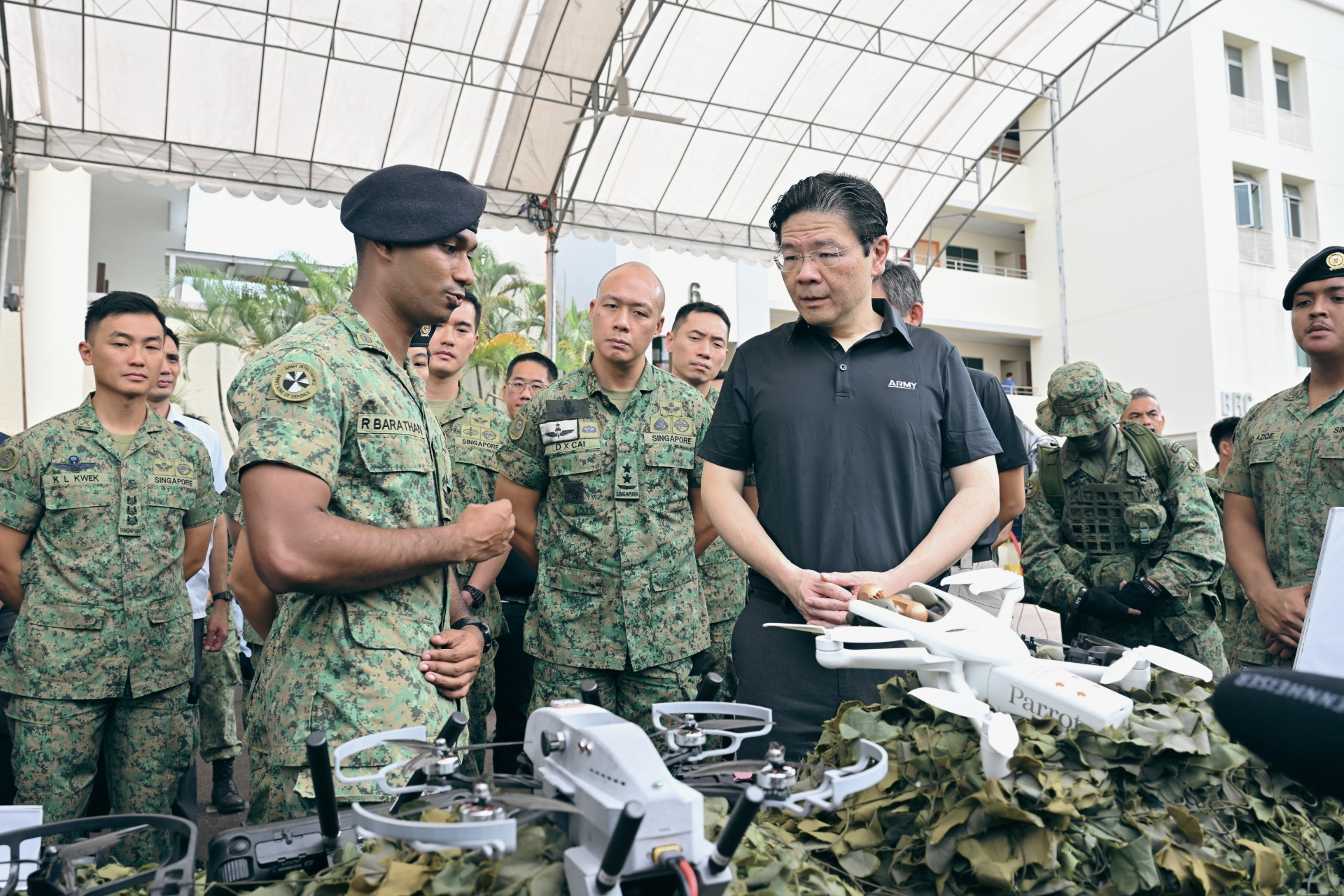
Prime Minister Lawrence Wong observes SAF’s sense-strike integrated capabilities
09 Apr 2026
He witnessed the SAF’s ongoing efforts in leveraging advanced robotics and cross-Service integration to secure Singapore’s interests in an increasingly volatile world.
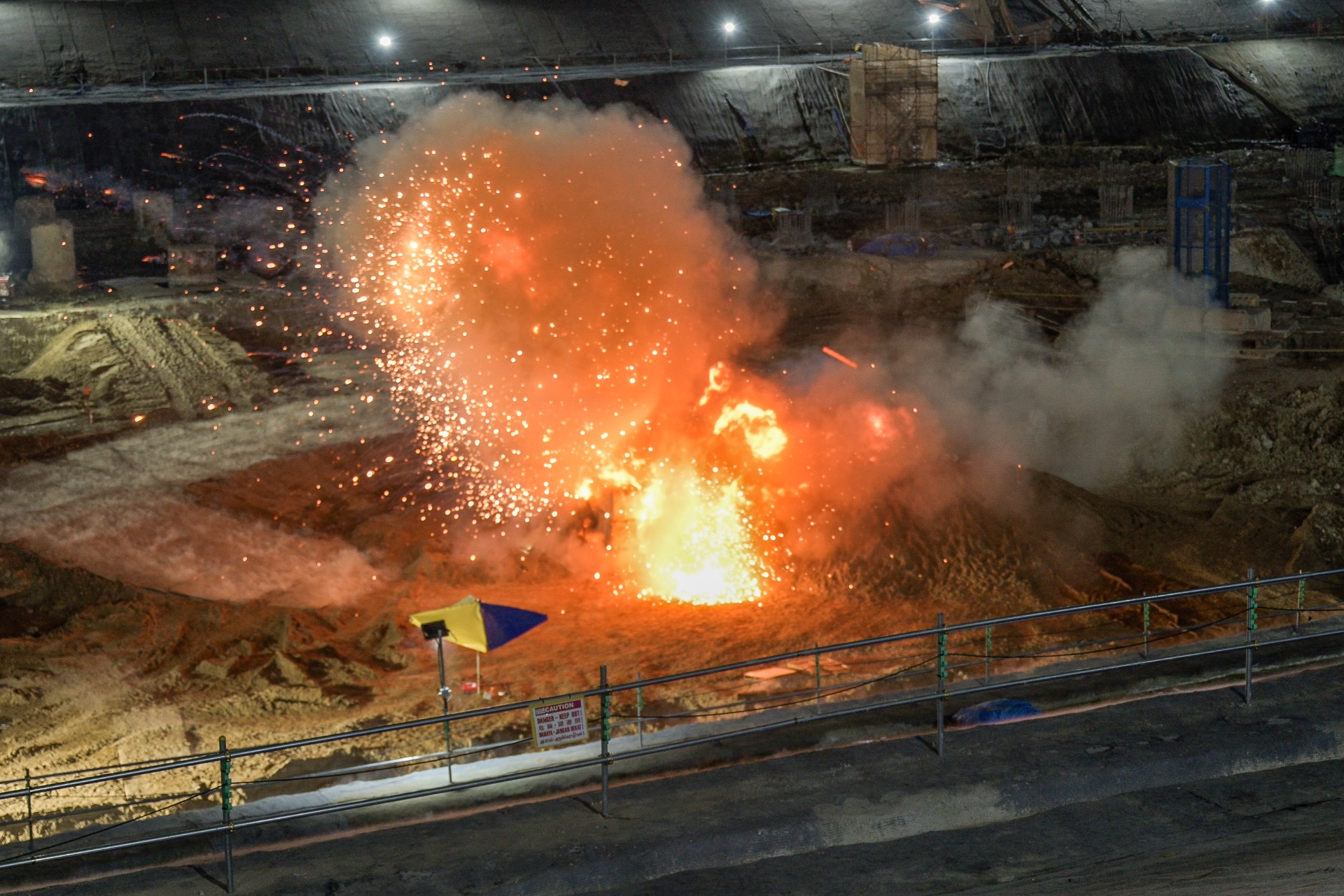
SAF detonates 250kg WWII bomb uncovered at Tanah Merah Coast Road
02 Apr 2026
On 2 Apr, the SAF’s Explosive Ordnance Disposal (EOD) team successfully disposed of an unexploded war relic found at Tanah Merah Coast Road.
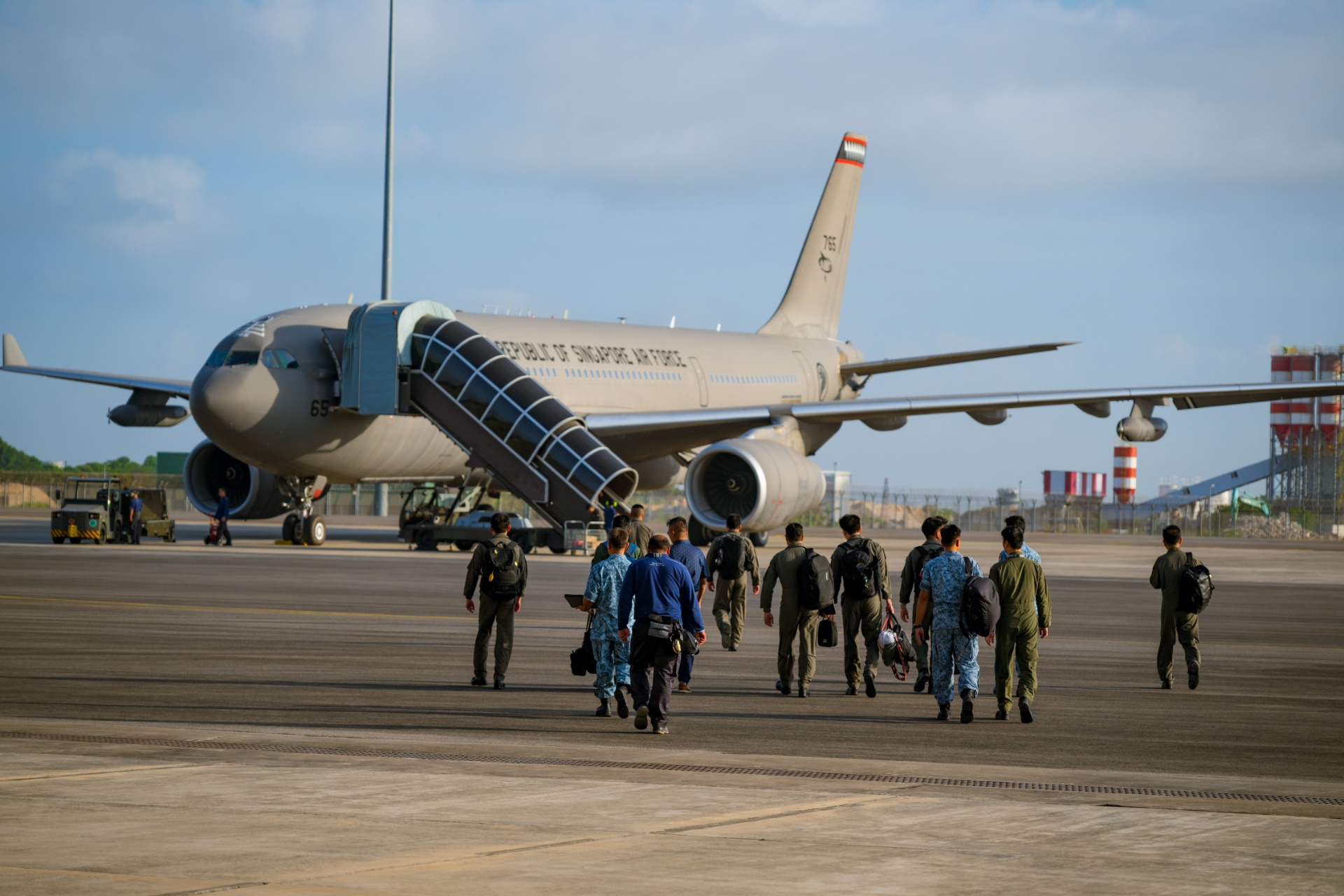
Flying into the unknown: Inside RSAF’s mission to bring S’poreans home from Middle East
28 Mar 2026
Despite the risks and complex challenges of flying in a conflict zone, the men and women of the RSAF pulled off a successful mission through careful planning and hard work.