
OPS & TRAINING
COUNTRIES STEP UP COUNTER-PROLIFERATION EFFORTS IN EXERCISE DEEP SABRE 2016
27 Sep 2016
Today, a wide range of dual-use goods can have military applications and could potentially be used as components of Weapons of Mass Destruction (WMDs). This makes it easier for both state and non-state proliferators to use legitimate channels to mask their illicit trade.
To combat the evolving proliferation of WMDs, countries must constantly develop innovative and effective methods. This includes enhancing cooperation and coordination among countries through Proliferation Security Initiative (PSI) exercises such as Exercise Deep Sabre.
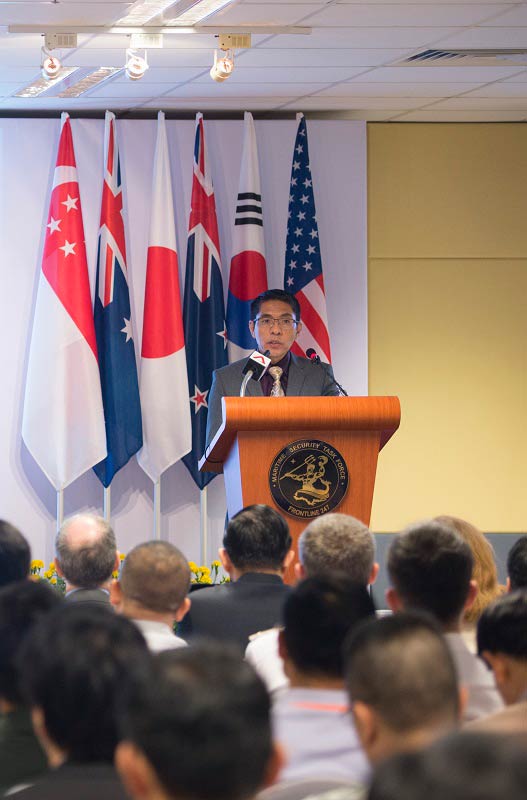
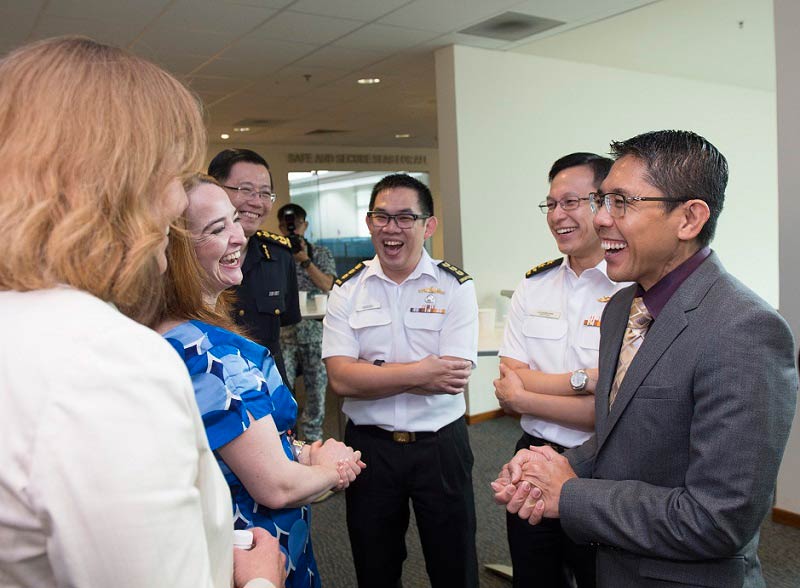
Senior Minister of State for Defence and Foreign Affairs Dr Mohamad Maliki Bin Osman made this point at the opening ceremony of the exercise, held at Changi Command and Control Centre on 27 Sep.
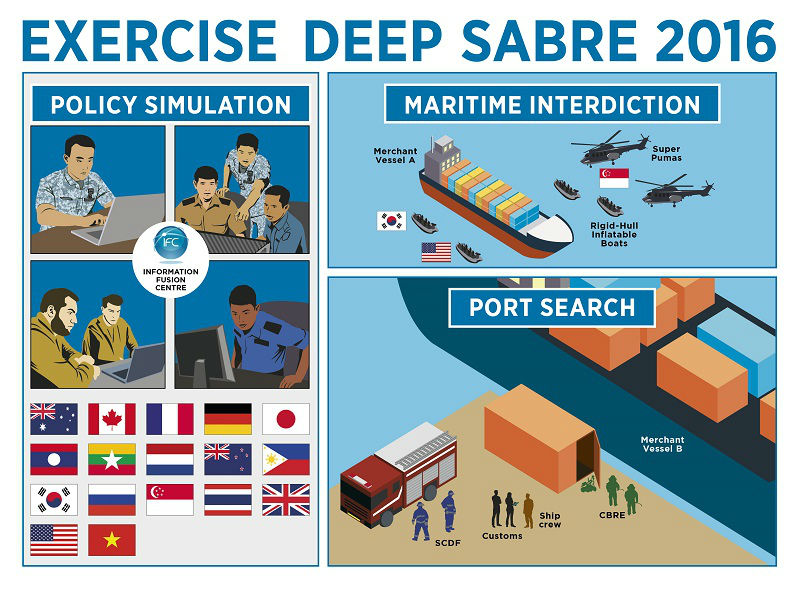
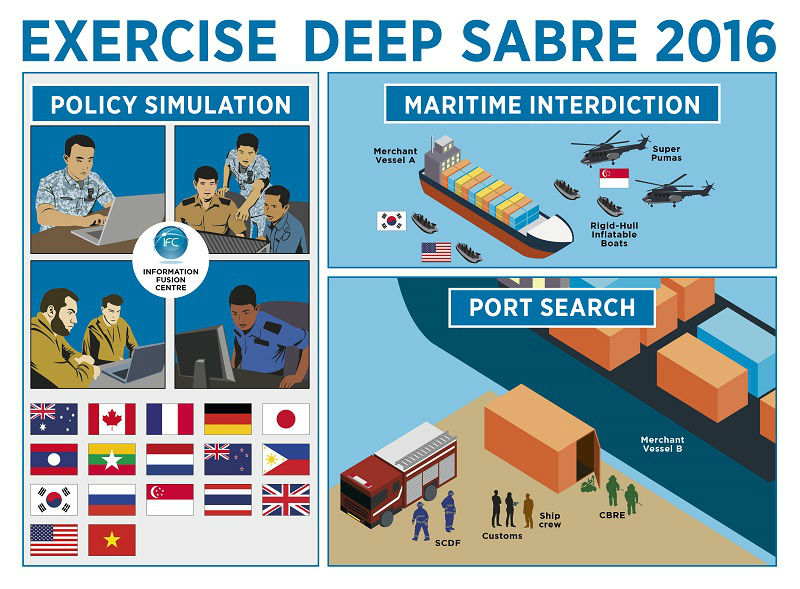
The third multinational PSI exercise hosted by Singapore, Exercise Deep Sabre 2016 will be held from 27 to 30 Sep. It involves more than 800 personnel from 21 countries including Canada, Germany, Japan, the Republic of Korea, Laos, New Zealand, the United Kingdom and the United States (US).
During the exercise, participants will take part in a series of shore and sea activities designed to promote capacity building among participating countries.
This includes a table-top policy simulation involving representatives from border control, customs, defence, foreign affairs, legal and military agencies on key counter-proliferation policy dilemmas.
There will also be a simulated maritime interdiction of a merchant vessel suspected of carrying illegal WMD-related materials; and a port search demonstration on a shipping container suspected of containing WMD-related materials led by Singapore Customs, together with the Singapore Armed Forces Chemical, Biological, Radiological and Explosives (CBRE) Defence Group and Singapore Civil Defence Force. The former will take place in South China Sea, while the latter will be conducted at Changi Naval Base.
"The Whole-of-Government approach to counter-proliferation requires coordinated efforts among enforcement, intelligence and military agencies, port and civil aviation authorities, and industry players," said Dr Maliki.
He also noted that no one state has the resources and ability to single-handedly address this transnational and multifaceted problem, and that Singapore recognised the need to contribute in the fight against the proliferation of WMDs.
Real-time information-sharing
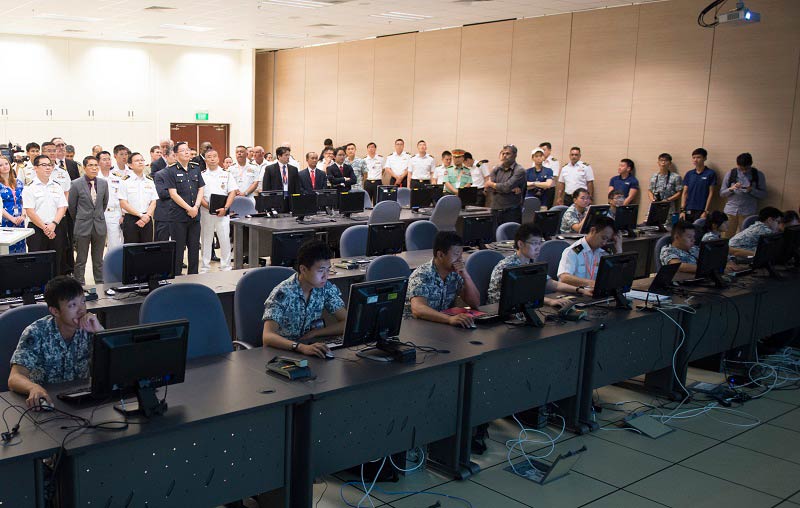
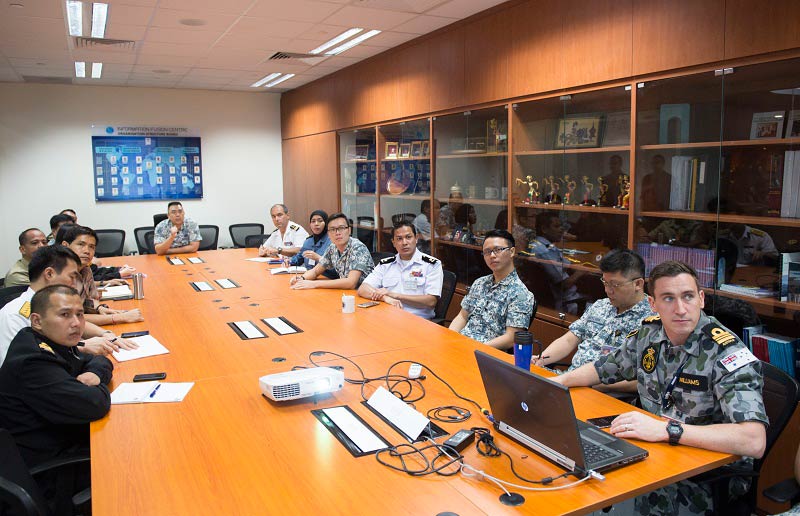
This is where the Republic of Singapore Navy's Information Fusion Centre (IFC) comes in. An information-sharing hub, the IFC fuses, sense-makes and disseminates accurate and timely maritime security information.
Since its inception in April 2009, this regional maritime security centre has been at the forefront of providing actionable information to cue responses by regional and international navies, coast guards and other maritime agencies in dealing with maritime threats and incidents such as piracy, sea robbery and drug smuggling.
To date, the IFC has linkages to 71 operations centres from 38 countries and hosts 16 International Liaison Officer (ILOs) including representatives who hail from Australia, Brunei, China, France, Indonesia, New Zealand and the US.
Head IFC Senior Lieutenant-Colonel (SLTC) Raymond Ong said that in Exercise Deep Sabre, IFC officers will look out for ships carrying proliferation materials. If a ship is suspected to be carrying certain chemicals, they will flag it out to their counterparts at sea to carry out follow-up searches.
"The IFC will generate target folders (ships with suspicious materials) based on information that we get, as well as verify and share the information with participants so that they can use the information to shape their operations," explained SLTC Ong.
Apart from its participation in Exercise Deep Sabre, the IFC hosts various multilateral information-sharing portals and platforms such as the ASEAN Information Sharing Portal, the Western Pacific Naval Symposium's Regional Maritime Information eXchange and the Malacca Straits Patrol Information System.
It is also currently developing a Submarine Safety Information Portal, which will enable partners to share and obtain information for the safe operations of submarines in the South China Sea.

ALSO READ IN OPS & TRAINING

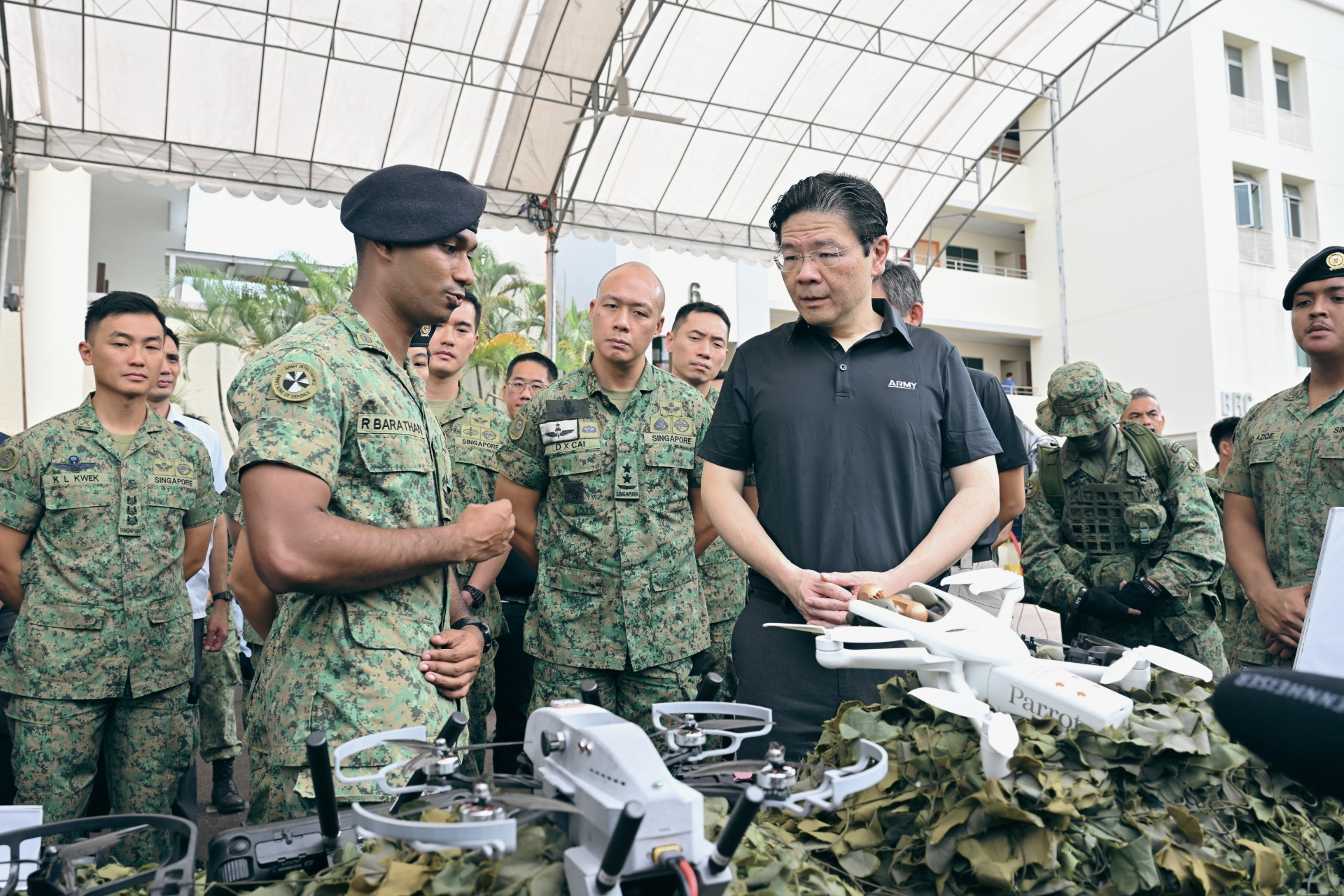
Prime Minister Lawrence Wong observes SAF’s sense-strike integrated capabilities
09 Apr 2026
He witnessed the SAF’s ongoing efforts in leveraging advanced robotics and cross-Service integration to secure Singapore’s interests in an increasingly volatile world.
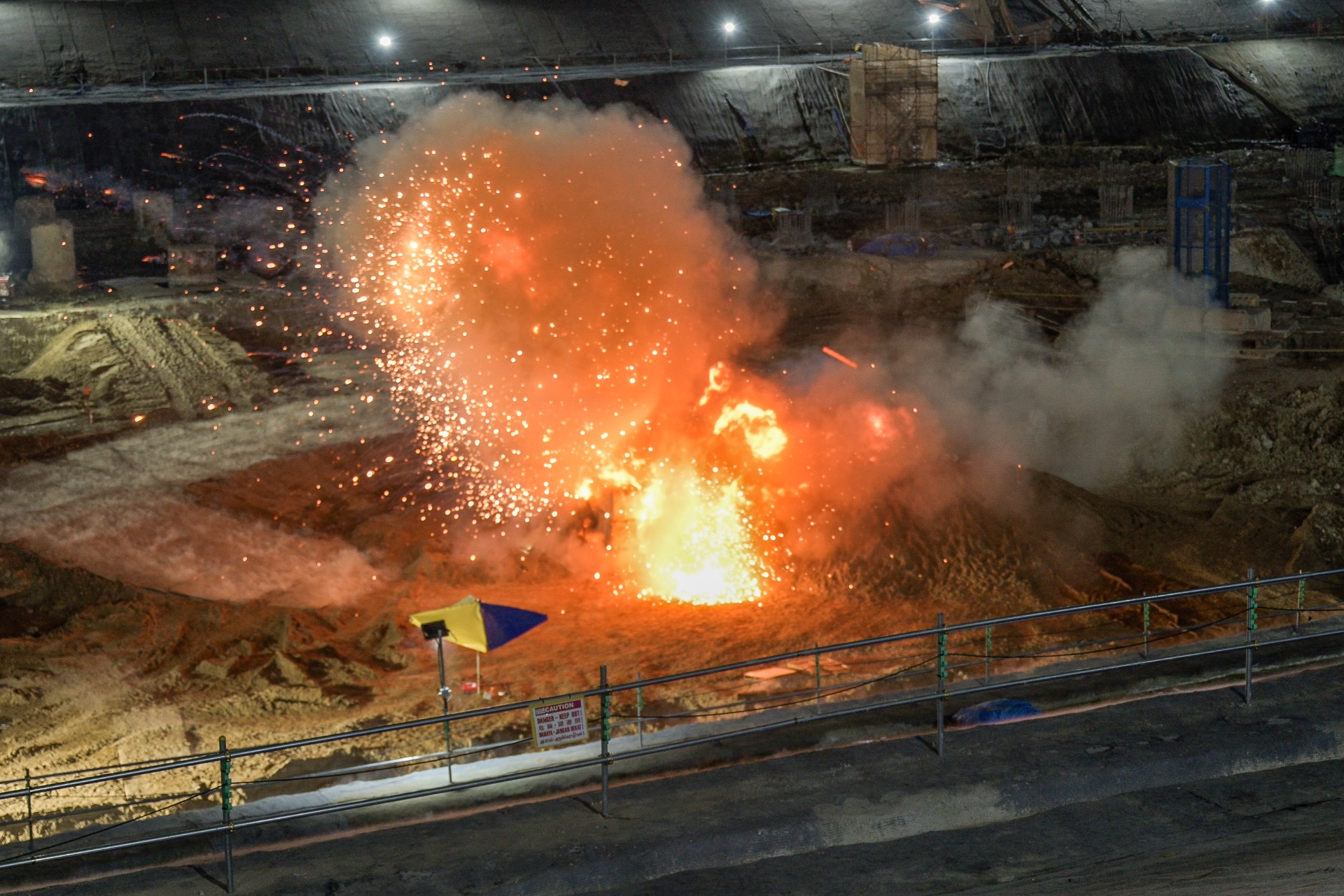
SAF detonates 250kg WWII bomb uncovered at Tanah Merah Coast Road
02 Apr 2026
On 2 Apr, the SAF’s Explosive Ordnance Disposal (EOD) team successfully disposed of an unexploded war relic found at Tanah Merah Coast Road.
Flying into the unknown: Inside RSAF’s mission to bring S’poreans home from Middle East
28 Mar 2026
Despite the risks and complex challenges of flying in a conflict zone, the men and women of the RSAF pulled off a successful mission through careful planning and hard work.