
OPS & TRAINING
THE FOURTH DIMENSION OF WARFARE
21 Feb 2006
That is why, through the passage of time, military forces need to evolve, generate new concepts and validate them through experimentation.
To stay relevant in this cyber-age where technological advances in computing and networking have taken root, a new "information dimension" of warfare has been created, altering the way battles are fought.
"Network-centric fighting concepts employing low-cost precision weapons, high-resolution sensors and advanced unmanned platforms are expected to dominate in the next major conflict," declared Singapore's Chief Defence Scientist Professor Lui Pao Chuen (top right).
Prof Lui said this in his keynote address at the C4I (command, control, communications, computers and intelligence) Asia Conference held in Singapore on 20 Feb.
The theme for this year's conference is Force Transformation in Action: Information Dominance. Over 500 military leaders and technologists attended the conference.
The Singapore Armed Forces (SAF) has been actively pursuing Integrated Knowledge-Based Command and Control (IKC2) as a key enabler in its transformation journey.
Network-centric and knowledge-based warfighting allows for self-synchronisation in an unstructured battlespace. This, in turn, helps to decentralise the chain of command and transcends boundaries between fighting units.
"Decentralisation is necessary to gain time advantage and spatial advantage can be achieved with the domination of the fourth dimension," said Prof Lui.
"The first battles in the future will be between sensing and counter-sensing systems. Cyber warriors will be the 'shock troops' of the future," he added.
Since its inception in 2002, the C4I Asia Conference has been held once every two years and focuses on command and control in network-centric warfare, its ongoing evolution and the implementation challenges faced by armed forces.

ALSO READ IN OPS & TRAINING
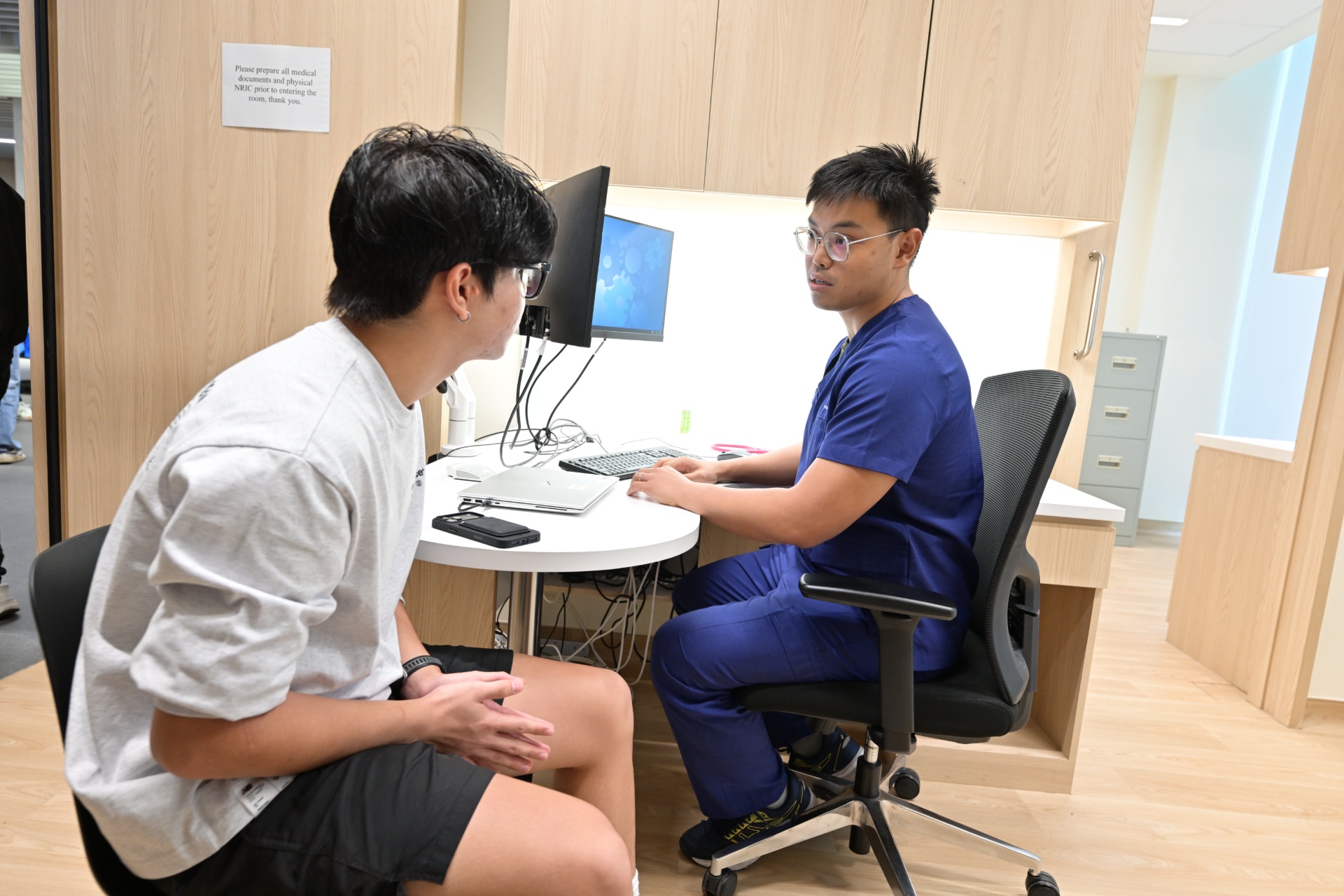
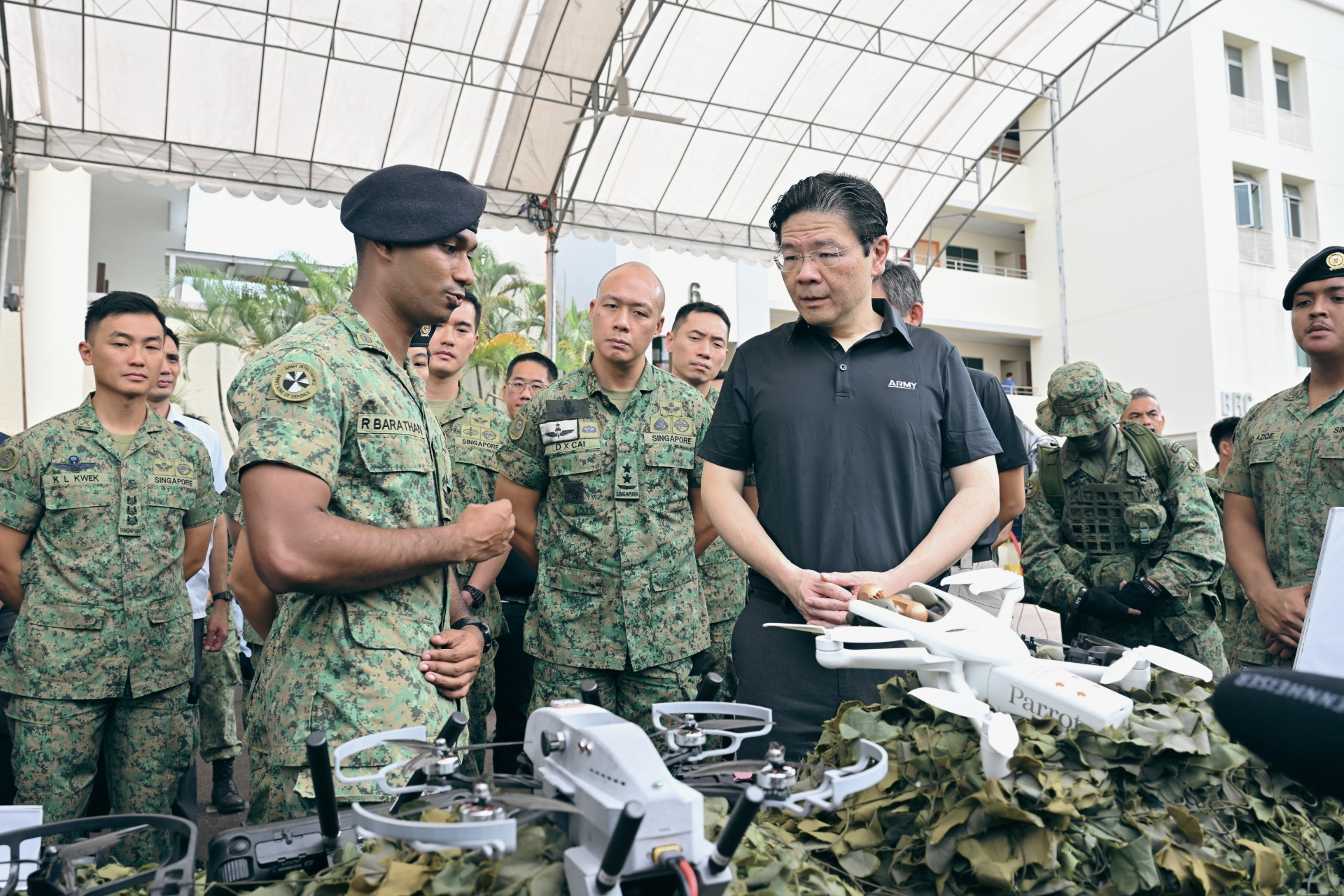
Prime Minister Lawrence Wong observes SAF’s sense-strike integrated capabilities
09 Apr 2026
He witnessed the SAF’s ongoing efforts in leveraging advanced robotics and cross-Service integration to secure Singapore’s interests in an increasingly volatile world.
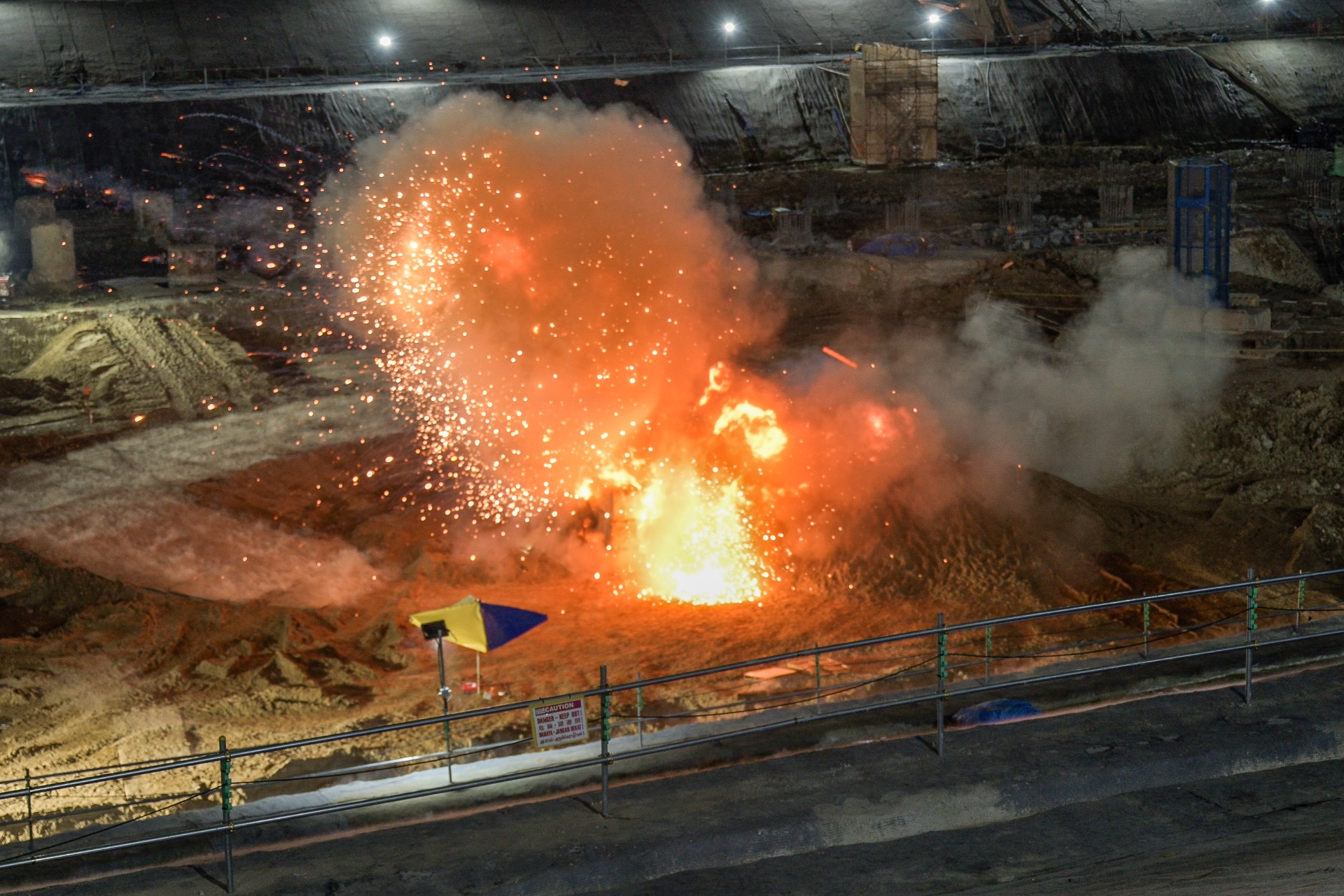
SAF detonates 250kg WWII bomb uncovered at Tanah Merah Coast Road
02 Apr 2026
On 2 Apr, the SAF’s Explosive Ordnance Disposal (EOD) team successfully disposed of an unexploded war relic found at Tanah Merah Coast Road.
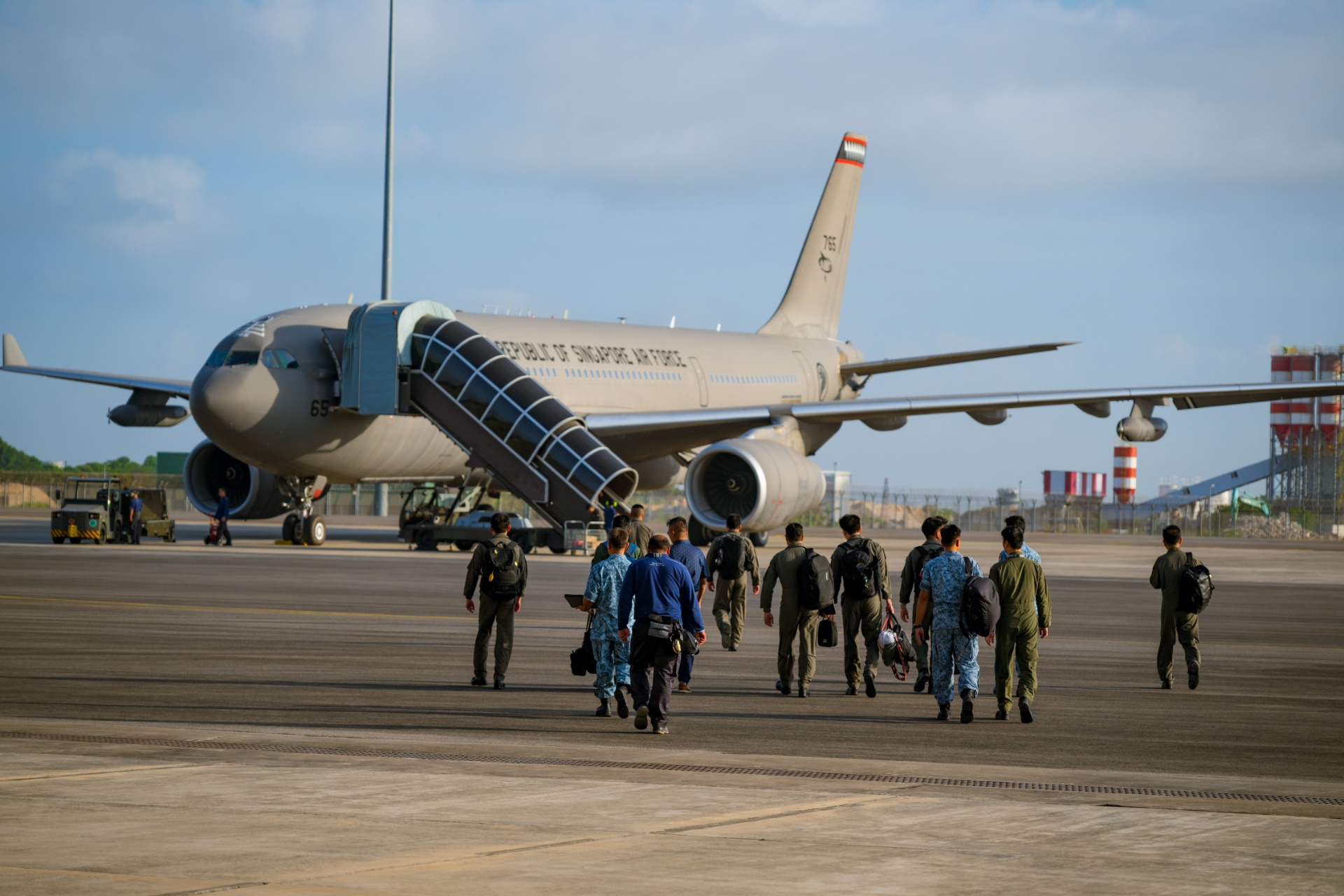
Flying into the unknown: Inside RSAF’s mission to bring S’poreans home from Middle East
28 Mar 2026
Despite the risks and complex challenges of flying in a conflict zone, the men and women of the RSAF pulled off a successful mission through careful planning and hard work.