
OPS & TRAINING
THE A TO E GUIDE FOR SURVIVAL
08 Feb 2010
A 19-year-old man lies on the examination table in the clinic, with severe bruises on his body and blood trickling from his head after crashing into a tree while driving. As his condition deteriorates by the minute, the doctor has to quickly analyse the situation and stabilise his condition.
That was the situation Officer Cadet (OCT) (Dr) Boon Jiabin found himself in during the recent Singapore Armed Forces (SAF) Advanced Trauma Life Support Course (ATLS) from 19 to 20 Jan, where he had to assess and stabilise the condition of a simulated trauma patient.
Held as part of the Medical Officer Cadet Course, which commenced in November last year and will end later this month, ATLS is an international course complete with lectures and discussions, practical sessions and tests to equip doctors with essential skills to treat trauma patients. These are patients suffering from serious bodily injuries or shock, as a result of violence or accidents.
Speaking to cyberpioneer on what the course entails, course director LTC (NS) (Dr) Imran Nawaz, who is a surgical clinical trainer at Headquarters Army Medical Services, said: "One of the things we teach in ATLS is the A, B, C, D, E for surviving."
The letters A to E represent Airway, Breathing, Circulation, Disability and Exposure.
"For example, when a trauma patient comes in, we teach course participants how to focus on these five areas to keep the patient alive, long enough for the patient to be transferred to a specialised unit for further treatment," he explained.
Another part of the course involves having various skills stations where realistic demonstrations and hands-on practice on how to insert chest tubes and drips are carried out.
For the 24 medical officer cadets who attended the course, they found the practical sessions and patient scenarios especially helpful in learning to cope with medical emergencies.
"Usually when a patient comes in with blood everywhere and with people in the clinic or hospital shouting and panicking, you can get disorganised and distracted," OCT (Dr) Boon told cyberpioneer.
"This course helps me to organise my thoughts, to do everything in a systematic manner, and to identify life-threatening conditions early."
Another cadet, OCT (Dr) Chok Aik Yong agreed. "This course re-enacts most of the real-life scenarios that we are likely to face, and teaches us how to apply the management principles in a more practical form.
"What we learnt is very useful, not just in the Army setting, but also in the hospital setting or anywhere else because trauma can happen anywhere, and when that happens, we can be ready and react systematically."
The ATLS course is open to national servicemen doctors, military guests, local and foreign civilian doctors who want to be equipped with trauma management skills.
At the end of the course, participants will receive a certificate that is valid for only four years, to ensure that their knowledge of the subject matter is kept current.

ALSO READ IN OPS & TRAINING
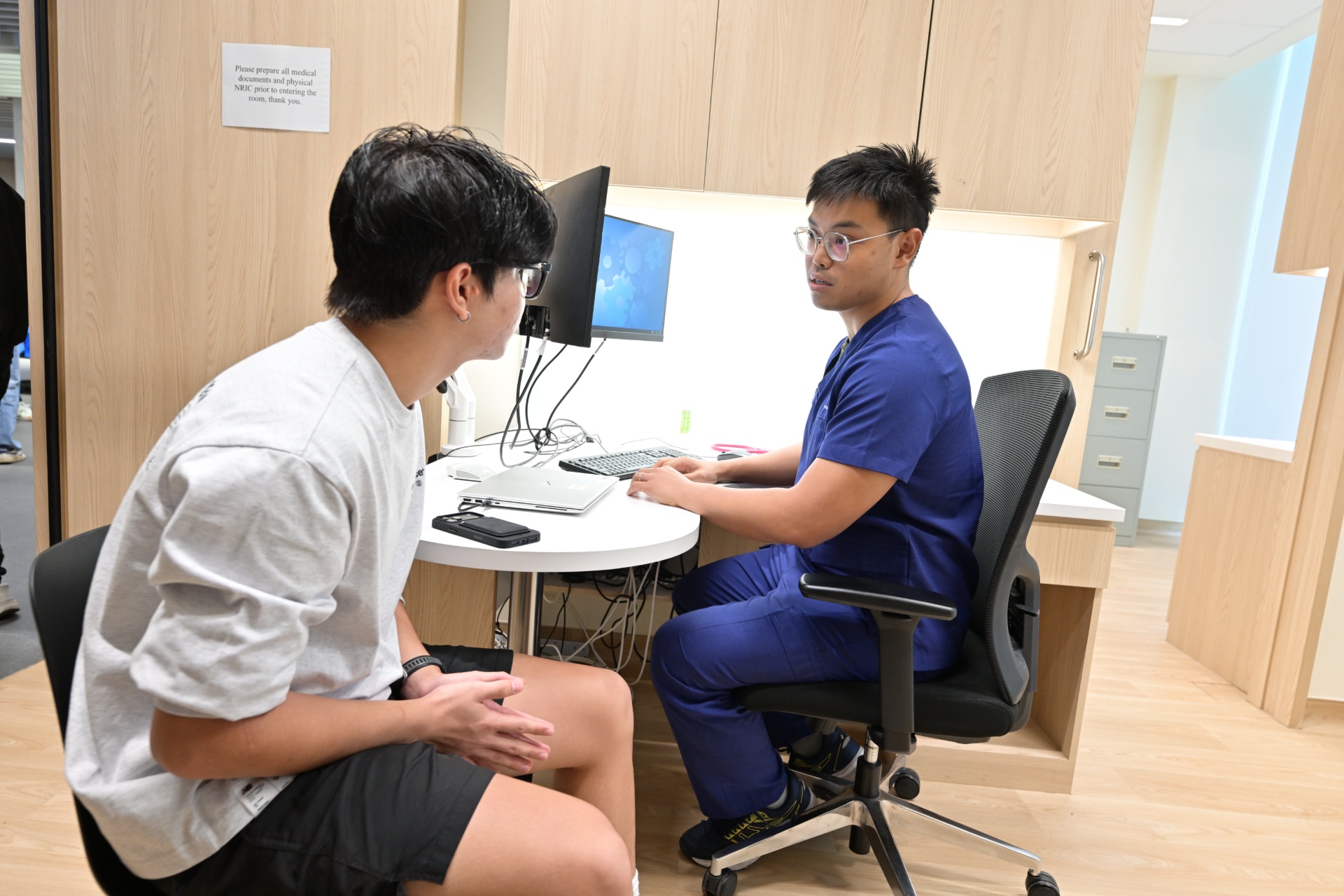
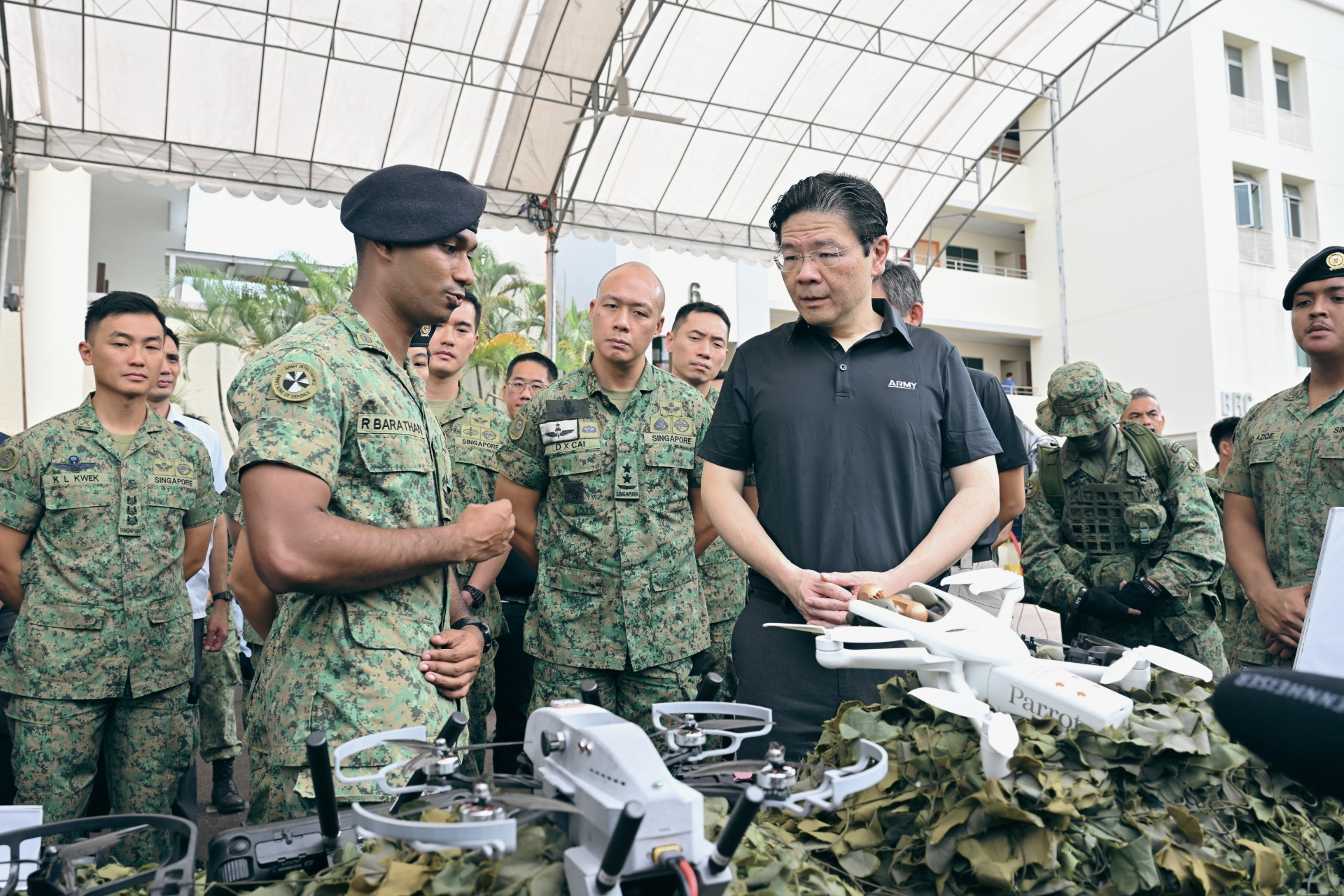
Prime Minister Lawrence Wong observes SAF’s sense-strike integrated capabilities
09 Apr 2026
He witnessed the SAF’s ongoing efforts in leveraging advanced robotics and cross-Service integration to secure Singapore’s interests in an increasingly volatile world.
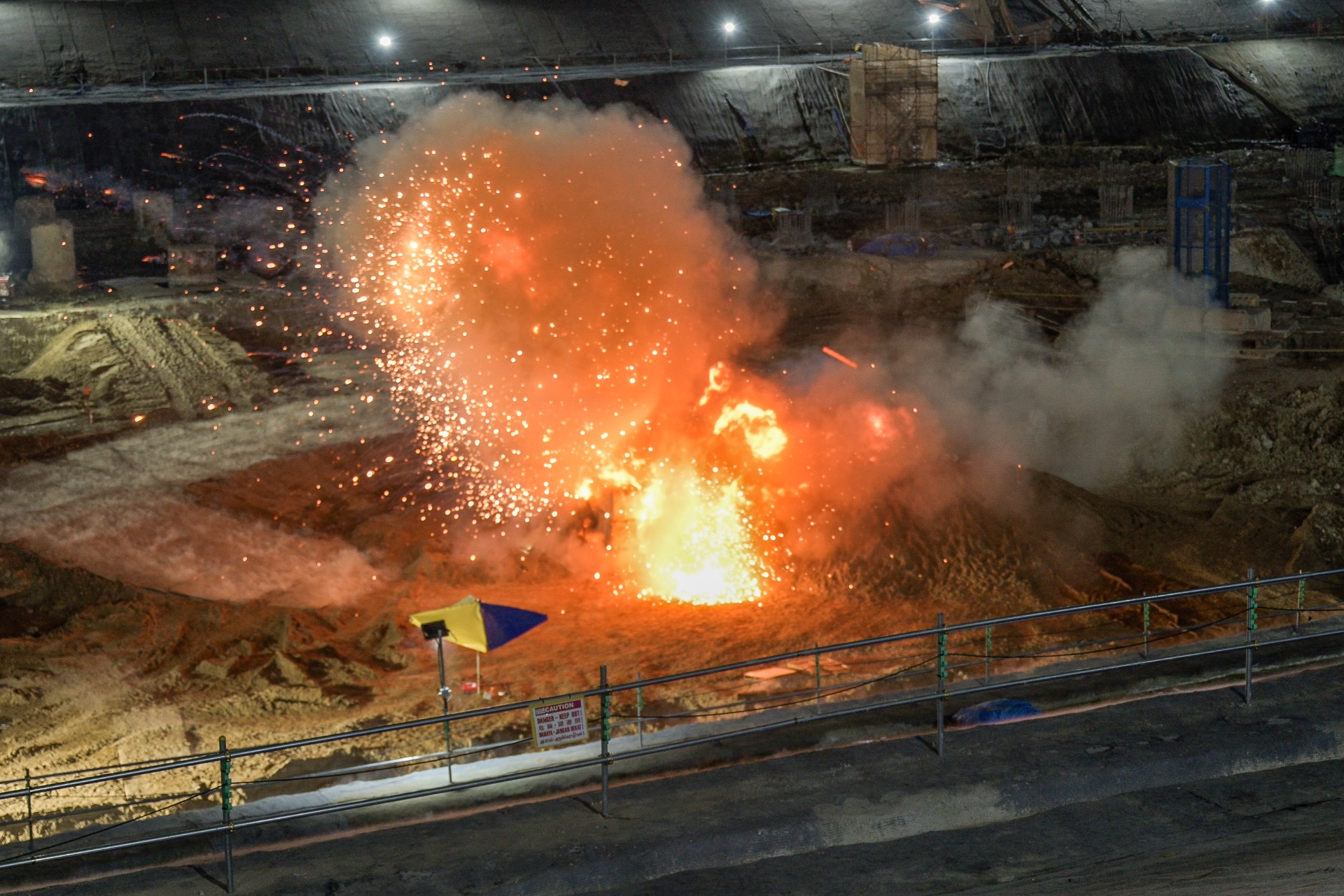
SAF detonates 250kg WWII bomb uncovered at Tanah Merah Coast Road
02 Apr 2026
On 2 Apr, the SAF’s Explosive Ordnance Disposal (EOD) team successfully disposed of an unexploded war relic found at Tanah Merah Coast Road.
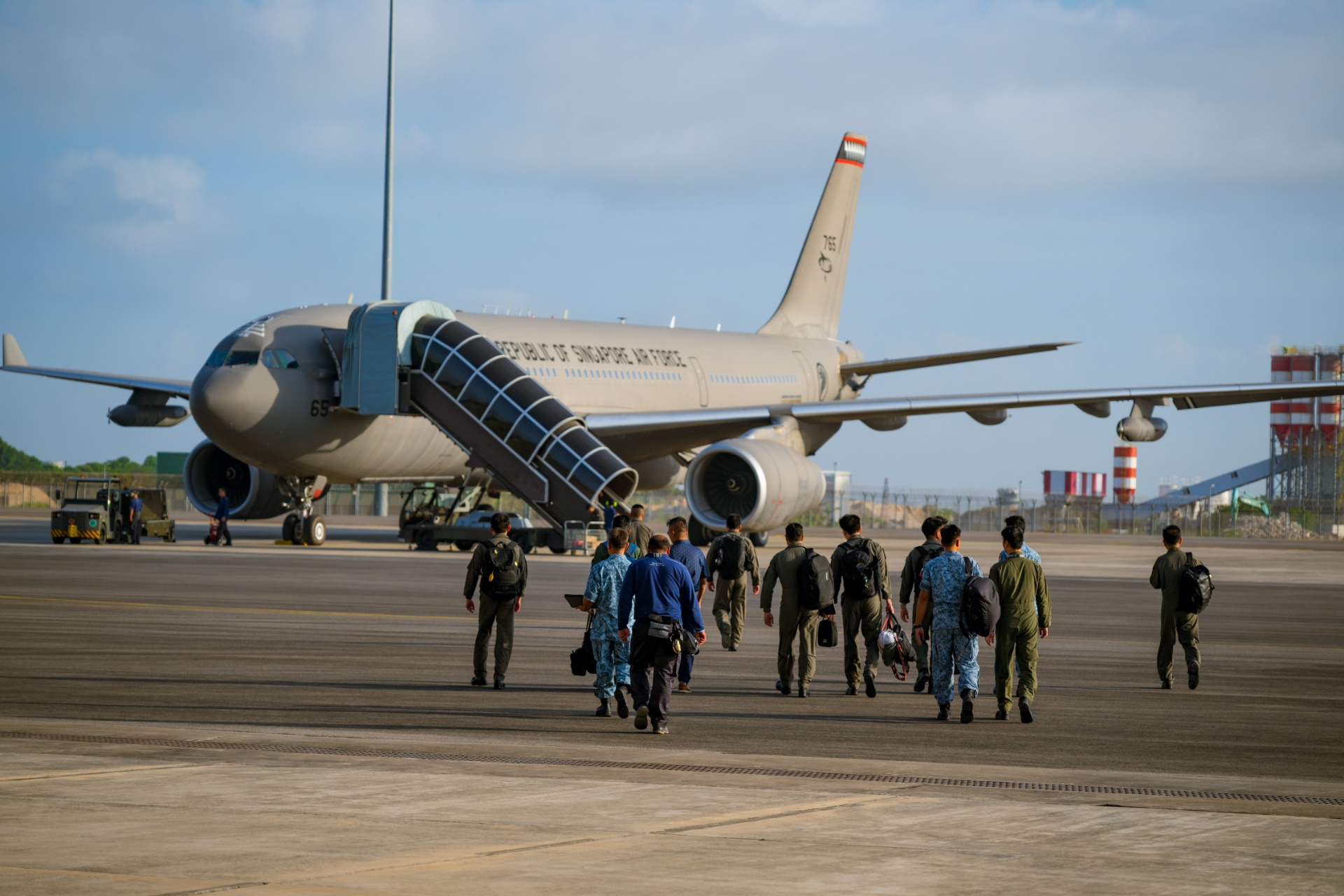
Flying into the unknown: Inside RSAF’s mission to bring S’poreans home from Middle East
28 Mar 2026
Despite the risks and complex challenges of flying in a conflict zone, the men and women of the RSAF pulled off a successful mission through careful planning and hard work.