
OPS & TRAINING
SPECIAL FORCES PLAY CRITICAL ROLE IN TACKLING MULTI-FACETED THREATS
19 Oct 2009
In today's globalised world, no country is immune to the dangers of terrorism, sectarianism and piracy. This was a point made by Deputy Prime Minister and Minister for Defence Teo Chee Hean in his speech at the opening of the Special Forces Commanders Conference (SFCC), on 19 Oct.
Mr Teo cited the recent bombings of the Marriott and Ritz Carlton hotels in Jakarta, Indonesia - which killed nine people of various nationalities and injured 50 - as a grim reminder of the constant and persistent threat posed by terrorism.
He said: "A terrorist attack in one country could threaten the lives of citizens from many countries, who happen to be there on business or leisure. We have to depend on each other's security forces and specifically, each other's Special Forces, to safeguard each other's citizens."
Equipped with specialised skills and sophisticated equipment, special forces have a critical part to play in dealing with the challenges posed by complex and multi-faceted threats such as terrorism and piracy. One example mentioned by Mr Teo is the Special Forces on board naval ships patrolling the Gulf of Aden who stand ready to board and investigate suspicious vessels. Navies from various countries patrol the Gulf of Aden - an area off the coast of Somalia - to keep the important maritime route free from pirates.
Traditionally viewed as a force to augment or support regular troops in wartime operations, Special Forces' roles have evolved to include anti-terror and piracy operations during peacetime. "Where they once only reported to their own governments, Special Forces today can expect to work with many international partners in undertaking various missions in the international arena, belonging and reporting to a larger coalition of governments," said Mr Teo.
As the perpetrators become more adept at evading countermeasures and adopt new strategies to breach even the latest security measures, so too must Special Forces continue to evolve. In the Mumbai attacks last year, a group of terrorists used widely available consumer electronics such as Global Positioning System handsets to find their way around the city. Citing the case of the recent hotel bombings in Jakarta, Indonesia where terrorists resorted to assembling their deadly explosive devices in their hotel rooms to evade hotel security, Mr Teo said, "As our frontline responders, Special Forces will need to continue to develop sharper and more novel responses."
Echoing his point was Mr Jyoti Krishan Dutt, who was invited as a plenary speaker at the conference: "Terrorism has made a global footprint. There is hardly any country in the world where terrorism is not present in one form or another. Special Forces of all nations need to keep two steps ahead of the enemy."
As the former Director-General of the Indian National Security Guard, Mr Dutt planned and executed Operation Black Tornado against the terrorists responsible for the Mumbai attack. He is here to share his experiences from the Mumbai operation with the conference delegates.
To tackle the new challenges thrown up by the current global security landscape, the Singapore Armed Forces (SAF) set up the Special Operations Task Force (SOTF) in July this year. The SOTF brings together the Army's Commandos, the Naval Diving Unit and airlift assets from the Air Force under a unified command, and will integrate all operations, training and capability development of the SAF Special Forces.
In addition, the Singapore government has beefed up legislation to deal adequately with the constantly evolving threats to national security. In 2007, the SAF Act was amended to provide the SAF with powers to conduct operations in collaboration with civilian authorities. "Such powers include the right to intercept, stop, search and detain, seize and apply force against hostile aircraft, vessels and persons," elaborated Mr Teo.
The SFCC, which the SAF is hosting from 19 to 21 Oct, is held in conjunction with the 10th ASEAN Chiefs of Army Multilateral Meeting and 19th ASEAN Armies Rifle Meet. The Conference aims to strengthen mutual understanding among the Special Forces' commanders and enhance collaboration and cooperation in counter-terrorism efforts.
Participating in the SFCC are about 350 armed forces and counter-terrorism agencies' personnel from countries like China, New Zealand, the UK and the US, as well as representatives from neighbouring countries.

ALSO READ IN OPS & TRAINING
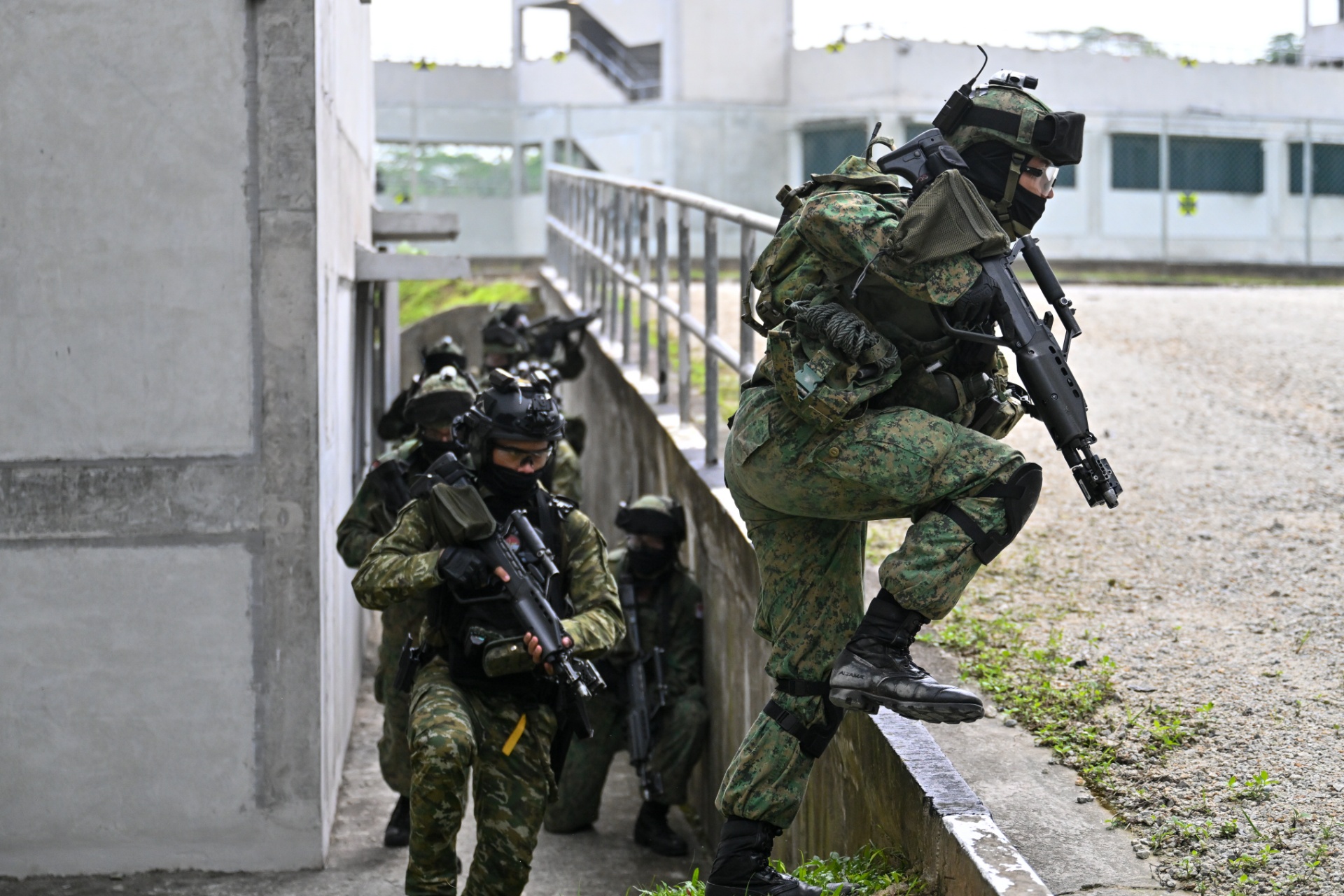
S’pore commandos, Indonesia special forces train & strengthen ties at Ex Chandrapura
08 Jul 2026
From conducting tactical airborne jumps to a coordinated urban raid, soldiers from Singapore and Indonesia deepened their decades-long partnership in this bilateral army exercise.
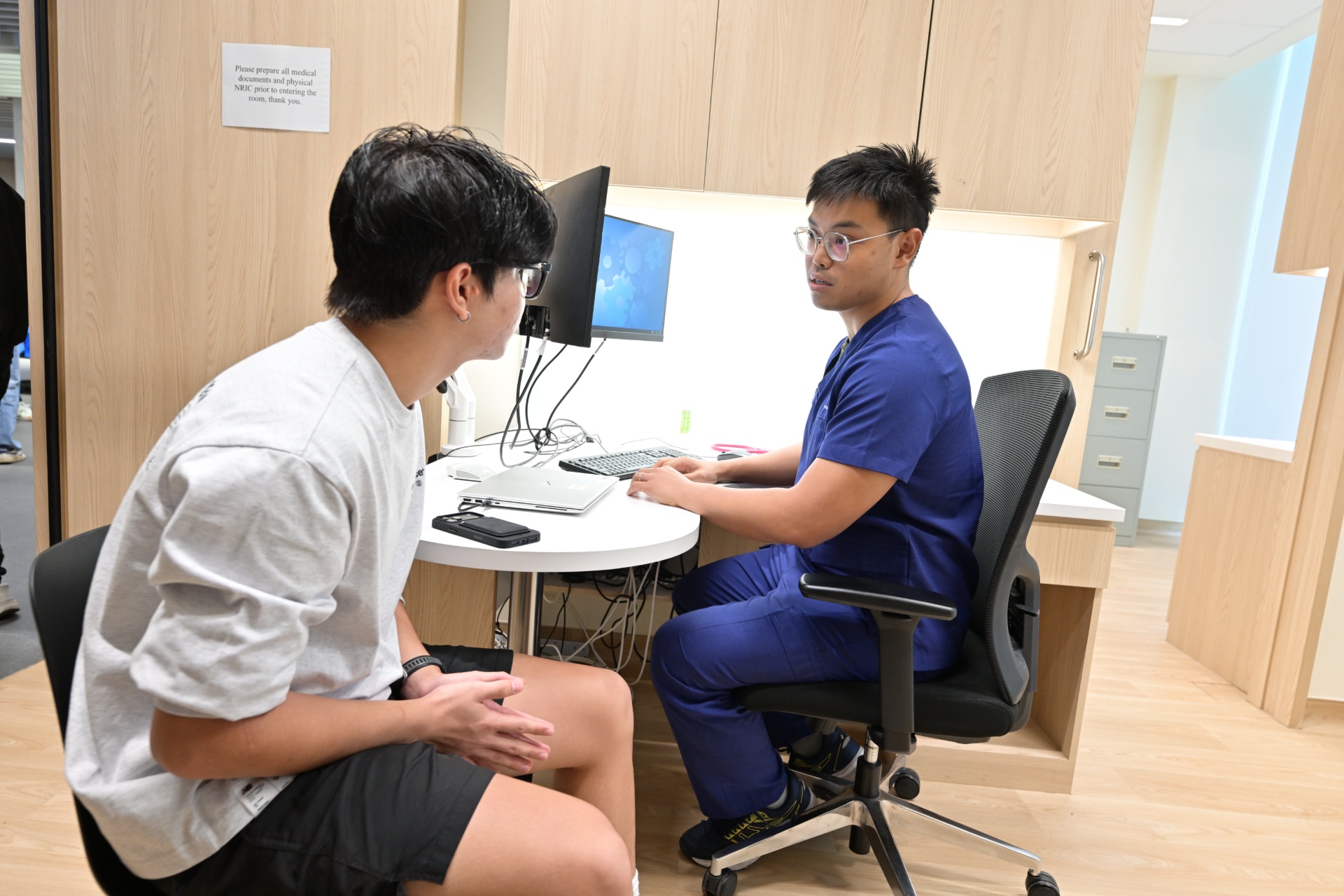
SAF & Home Team to refresh Medical Classification System
13 Apr 2026
The refreshed system will allow about 1,200 servicemen annually to be deployed for vocations and roles they were ineligible for previously.
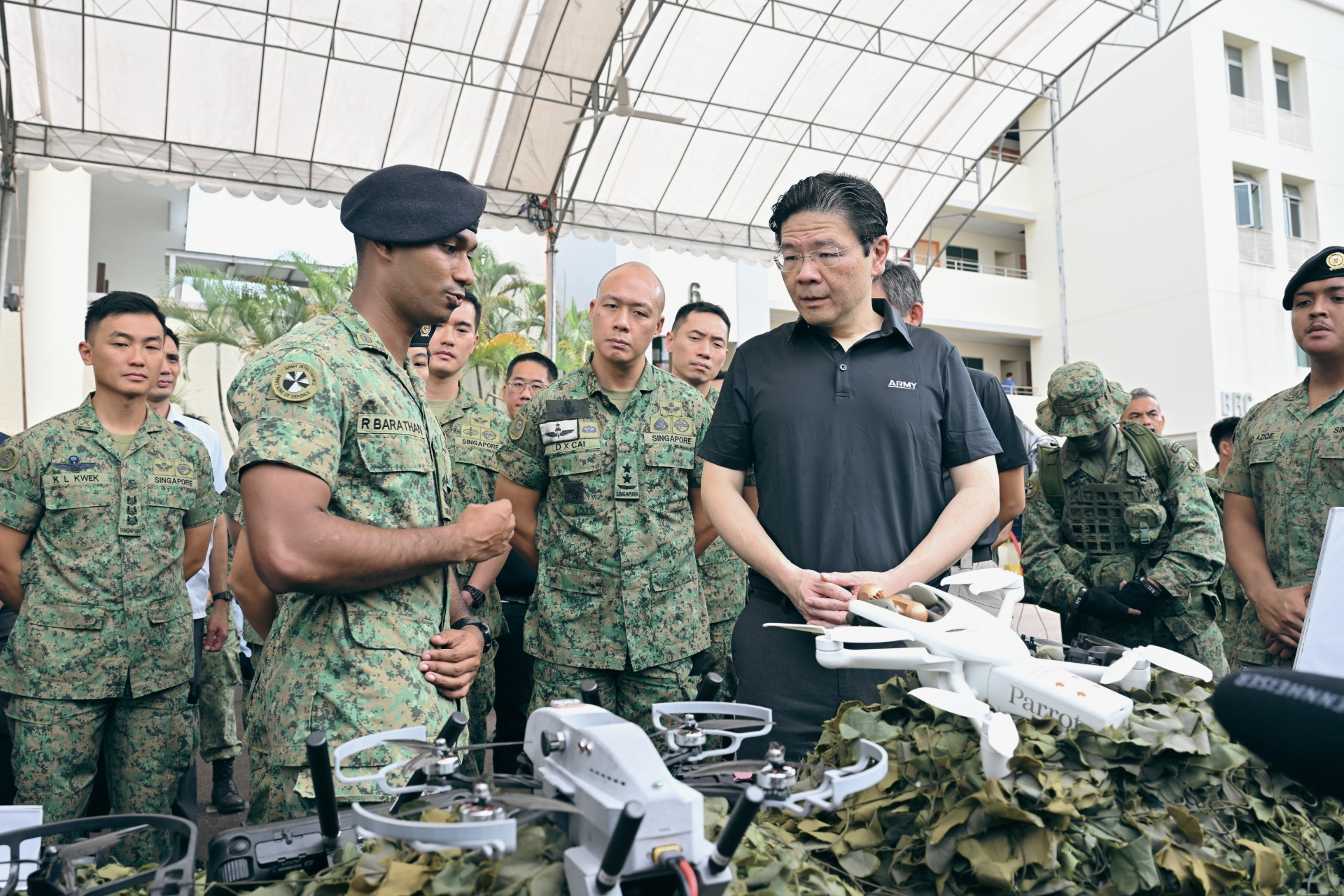
Prime Minister Lawrence Wong observes SAF’s sense-strike integrated capabilities
09 Apr 2026
He witnessed the SAF’s ongoing efforts in leveraging advanced robotics and cross-Service integration to secure Singapore’s interests in an increasingly volatile world.