
OPS & TRAINING
SOLDIERS WHO HELPED OUT IN TSUNAMI RELIEF FREE FROM POST-TRAUMATIC STRESS DISORDER
09 Nov 2005
Psychological evaluation results showed that Singapore Armed Forces (SAF) personnel who provided onsite humanitarian relief after the Boxing Day tsunami last year are free from post-traumatic stress disorder (PTSD).
"The main findings, which we found very comforting, was that three months after deployment, no one suffered from post-traumatic stress disorder or PSTD," said Major (Dr) Christopher Cheok, a psychiatrist who was part of the mental health team that was deployed to Meulaboh, a coastal town in Aceh.
"About 2.4 per cent had a score of over the threshold of 26 points. And when these people were interviewed by the psychiatrist, we found that their stress was actually due to other life events they had experienced and not related to the deployment."
According to MAJ (Dr) Cheok, who was speaking at the International Military Testing Association Conference 2005 on 9 Nov, over a thousand servicemen were deployed over the course of the relief aid mission.
Almost all of them saw dead bodies, either at close range or from a distance.
A small percentage of them also handled bodies that were wrapped up or body parts and about a third of them saw survivors with severe injuries.
The preventive mental health programme that the SAF had put in place consisted of five components, explained MAJ (Dr) Cheok.
Firstly, those who were mentally unprepared were excluded from the deployment.
Preventive education was then conducted. This involved anticipating the work to be done in the disaster zone, the possible psychological effects that may occur and teaching the soldiers how to cope with them.
Next, multi-point surveillance was done at base, mid-mission, end-mission and three months after the mission.
A mental health team was also stationed onsite to manage any incident should it occur.
Lastly, the team also handled the homecoming issues when the men sailed back to Singapore.
During the course of the mission, preventive health leaflets entitled 'Keep your mind sharp and complete the mission', as well as surveillance forms, were handed out to all the servicemen to monitor the entire contingent s mental health status.
"I think our preventive mental health programme was quite successful. It's quite a useful model that relief agencies may use to promote mental health," said MAJ (Dr) Cheok (left).
"The good news is that most people who go to a disaster zone will be able to cope."
What makes the stress-free results even more significant is that a lot of research has shown PTSD does occur among rescue workers after their involvement in a disaster area.
This is due to a range of contributing factors that include leaving the family behind at short notice, working in a harsh environment with high risks of physical injury and sometimes having to make ethically or morally challenging decisions.
The Asian tsunami experience was also unique from previous documented experiences because of the unprecedented scale of the SAF's operations, speed of deployment and the lack of prior information.
It also involved a large number of SAF conscripts, young men aged 18 to 20, who though motivated were not necessarily prepared for the task at hand.
The mental health team that was deployed to Meulaboh consisted of one psychiatrist, two social workers and one field psychologist. All were trained in psychological trauma management.
There are three agencies in the SAF that deal with mental health: Applied Behavioural Sciences Department (ABSD), SAF Counselling Centre and Psychological Care Centre.
ABSD focuses on systems, units and groups, while the other two agencies focus more on individuals.

ALSO READ IN OPS & TRAINING
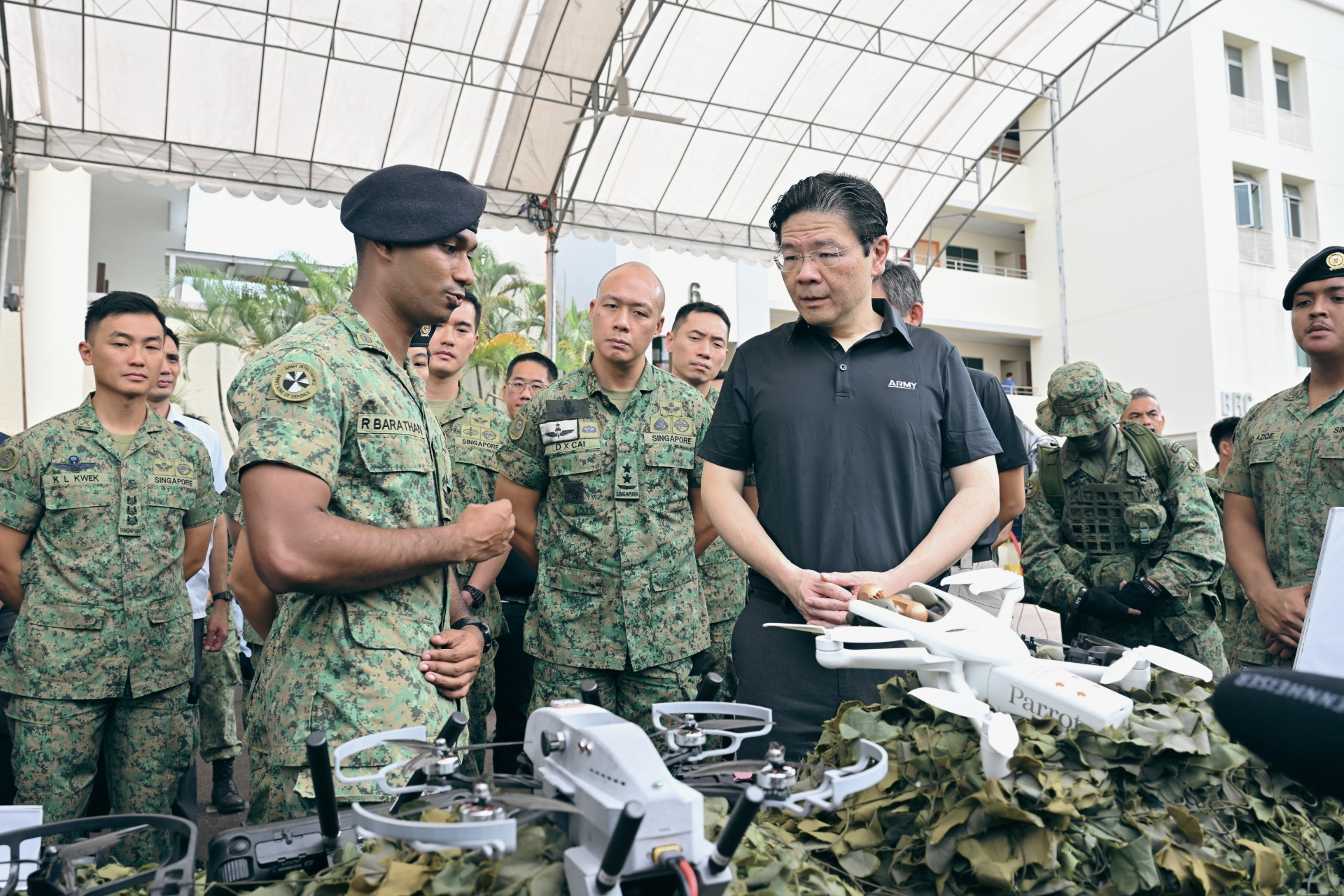
Prime Minister Lawrence Wong observes SAF’s sense-strike integrated capabilities
09 Apr 2026
He witnessed the SAF’s ongoing efforts in leveraging advanced robotics and cross-Service integration to secure Singapore’s interests in an increasingly volatile world.
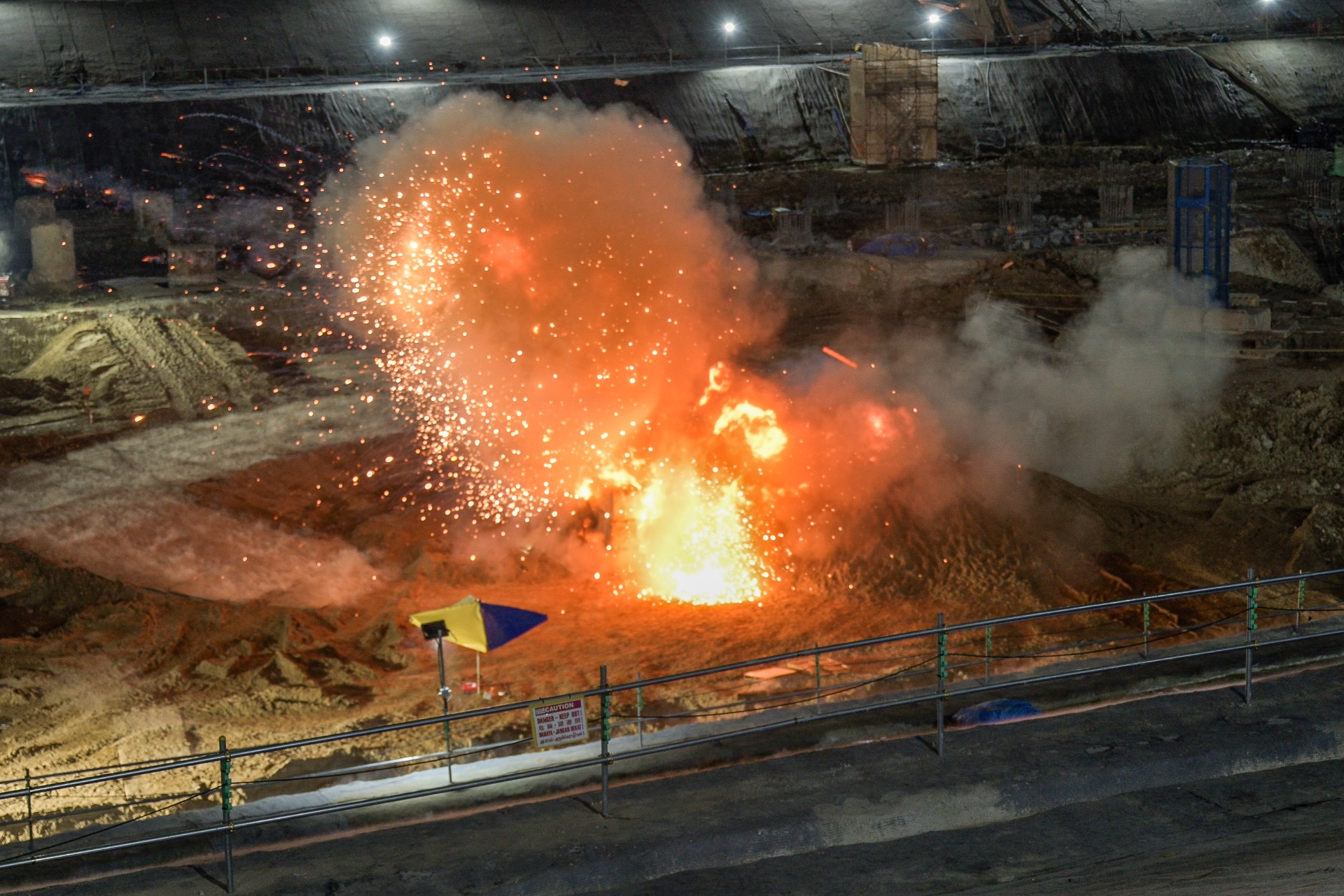
SAF detonates 250kg WWII bomb uncovered at Tanah Merah Coast Road
02 Apr 2026
On 2 Apr, the SAF’s Explosive Ordnance Disposal (EOD) team successfully disposed of an unexploded war relic found at Tanah Merah Coast Road.
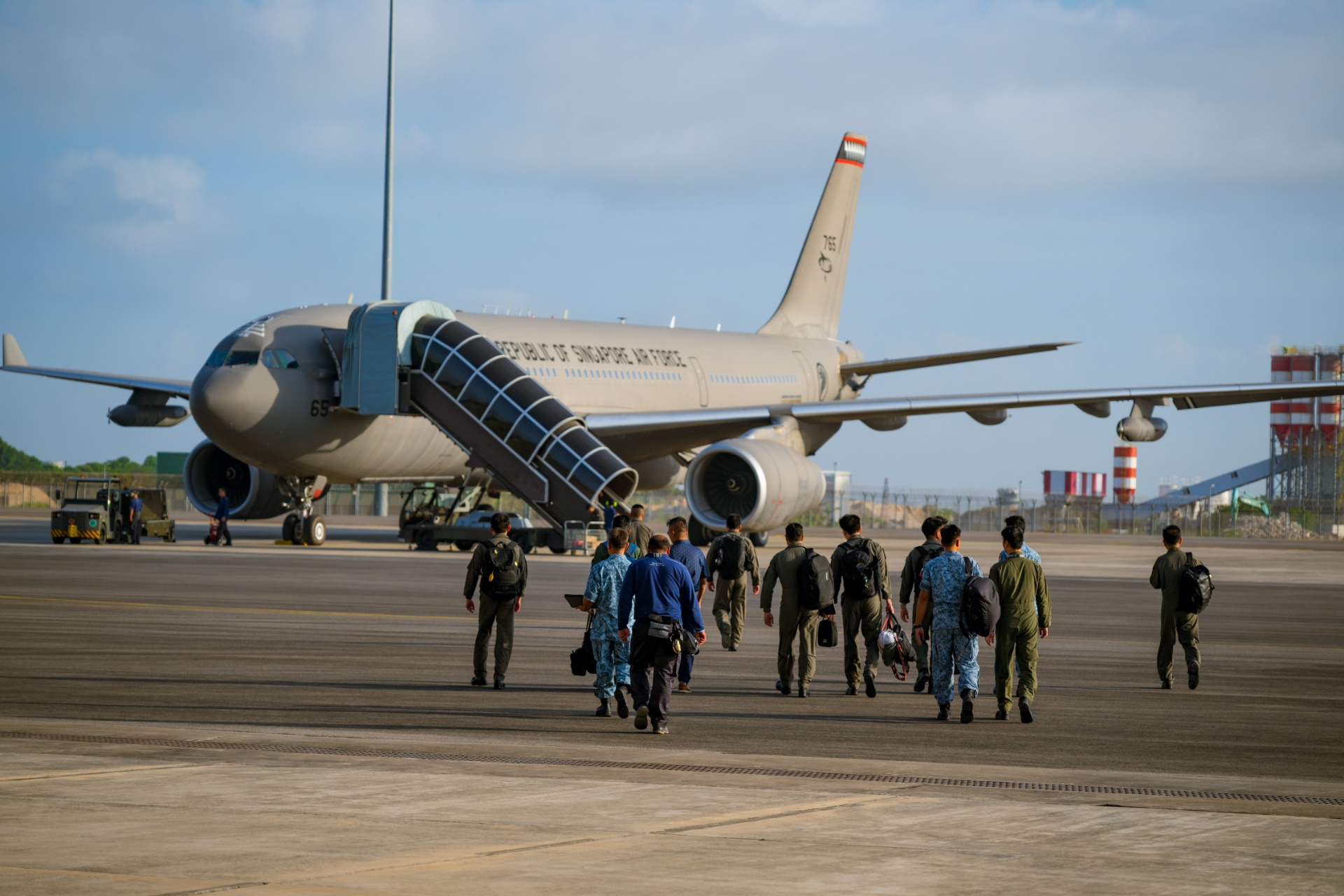
Flying into the unknown: Inside RSAF’s mission to bring S’poreans home from Middle East
28 Mar 2026
Despite the risks and complex challenges of flying in a conflict zone, the men and women of the RSAF pulled off a successful mission through careful planning and hard work.