
OPS & TRAINING
SAF OPENS ISLAND DEFENCE TRAINING INSTITUTE
31 Jul 2017
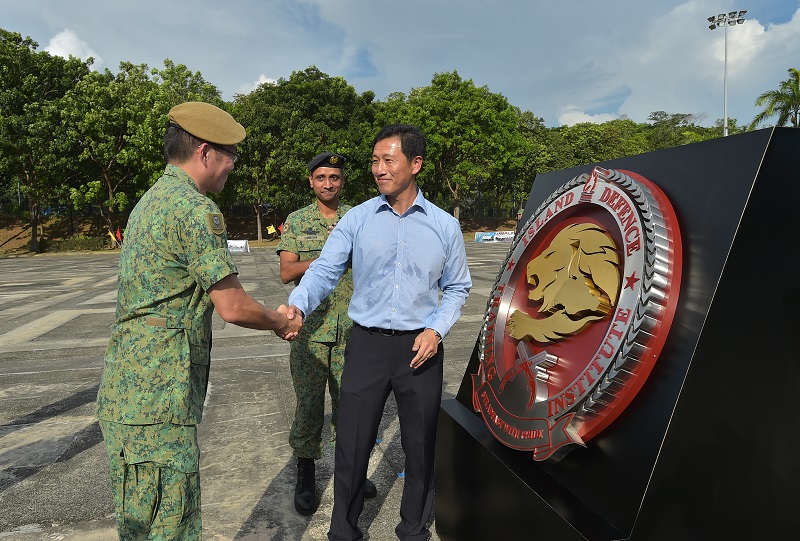
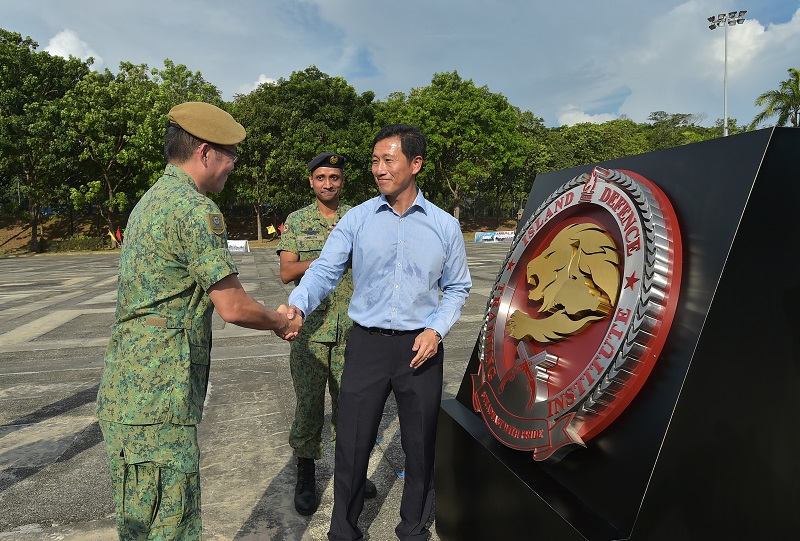
The Island Defence Training Institute (IDTI) at Clementi Camp was inaugurated by 2nd Minister for Defence Ong Ye Kung on 31 Jul.
At the launch, Mr Ong highlighted the need for enhanced homeland security competencies, adaptability and Whole-of-Government integration because of the rise in global and regional terrorist attacks.
Mr Ong said: "The IDTI will foster new inter-agency partnerships, strengthen existing ones, and regularly exercise avenues of collaboration. Through joint exercises such as Exercise Northstar with the Ministry of Home Affairs and security partners, the Singapore Armed Forces (SAF) will be able to continuously enhance and refine the way it works with other security agencies."
With the setup of IDTI, the SAF will train 18,000 active and Operationally Ready National Servicemen for homeland security operations and 15,000 men for island defence roles each year.
The institute comprises two centres - the Homeland Security Training Centre (HSTC) and the Island Defence Training Centre (IDTC), and two schools - the Security and Policing Leadership School and the Security and Policing Vocational School.
The two centres are responsible for the training and development of SAF units in the protection of military and civilian key installations, and the conducting of joint deterrence patrols. The two schools, on the other hand, are focused on military security and policing duties.
Calling IDTI a centre of excellence and an important element in the nation's security architecture, Commander 2nd People's Defence Force and Island Defence Task Force Colonel (COL) Dinesh Vasu Dash said: "If we were to deploy our soldiers to the heartlands, they need to be trained to do similar duties to what the police are doing."
He added that soldiers have to go through a wide spectrum of training in order to be able to aptly deal with all sorts of security threats.
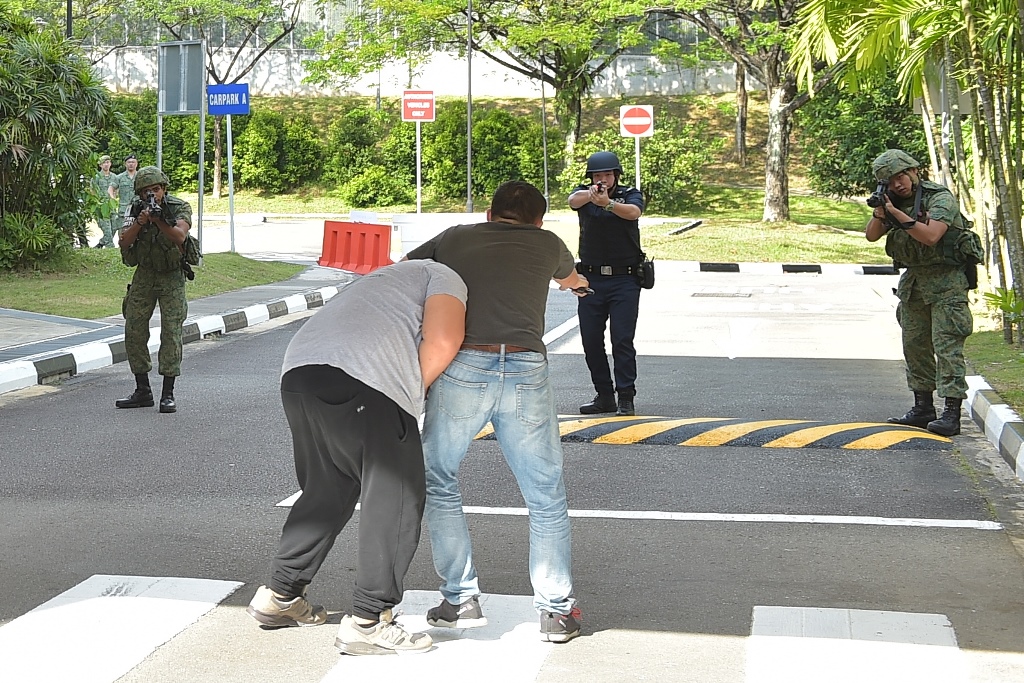
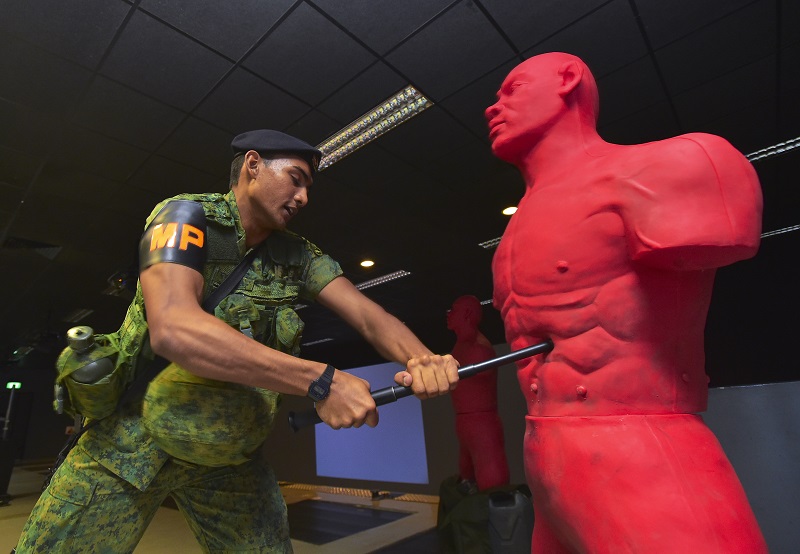
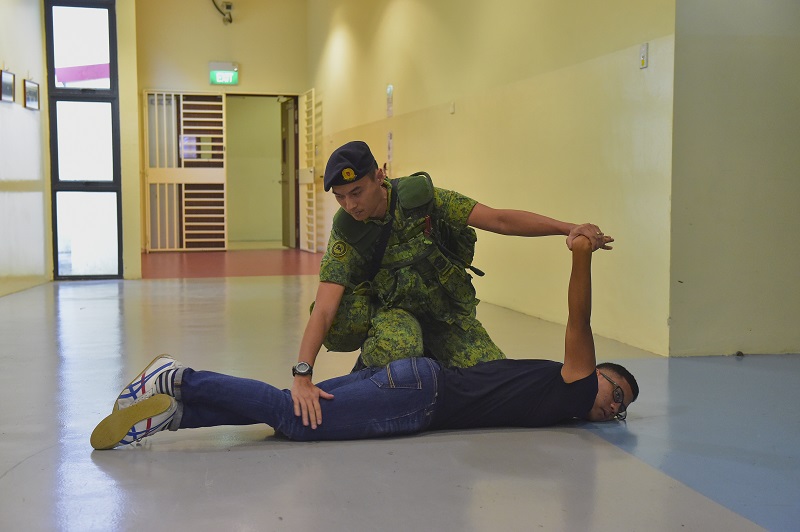
To prepare the soldiers for homeland security operations, a HSTC training package was designed in consultation with the Singapore Police Force (SPF). It includes lessons on judgmental shoots, baton drills as well as search and arrest techniques.
Active battalions will go through seven days of training, while NS units will undergo three days of training. Physical training aside, trainees will be equipped with legislative knowledge and learn how to neutralise hostile situations.
Explained Commander IDTI Senior Lieutenant Colonel (SLTC) Vincent Soh: "We hope to strengthen the SAF's ability to response to homeland security and better equip our soldiers with the necessary competency so that they are ready to fight shoulder to shoulder with our Home Team partners in order to enhance national security."
To shoot or not?
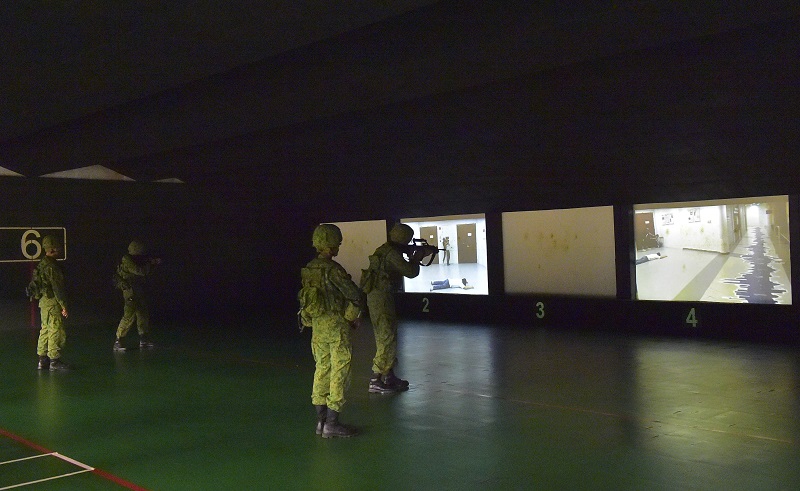
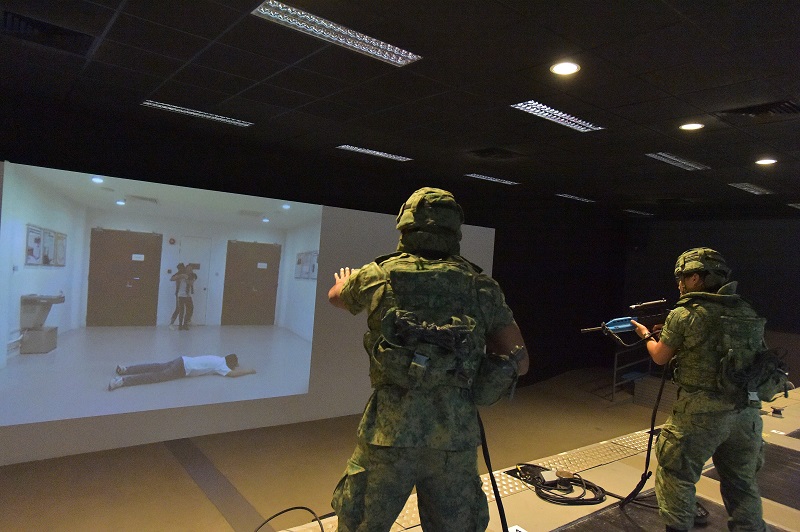
Among the various modules, one component that trainees found most interesting was the judgmental video simulation training.
The training consists of three scenarios - shooters in a shopping mall, vehicle checkpoint and coastal patrol. Depending on how the scenario pans out, trainees will have to react accordingly and apply the rules of engagement on whether to shoot the perpetrator or de-escalate the situation and arrest the perpetrator. With 12 different outcomes, the trainer is given the flexibility of determining the scenarios' endings to ensure a more meaningful training experience for the soldiers.
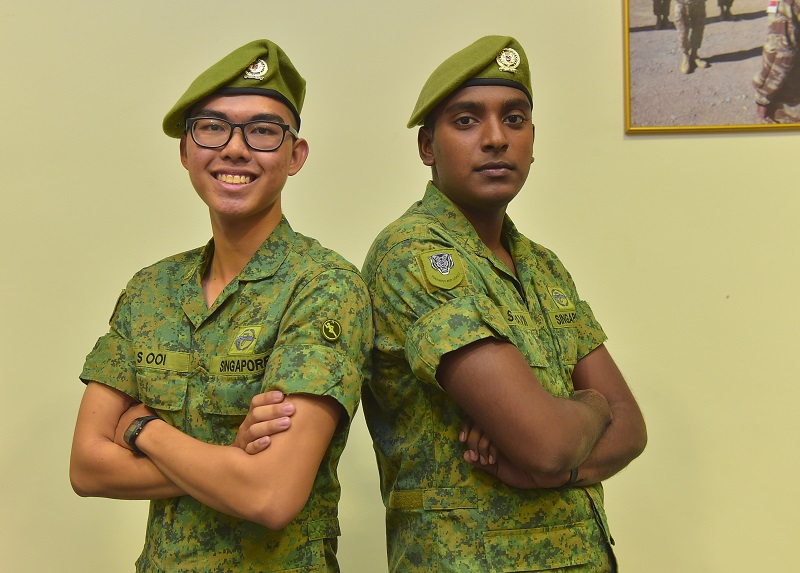
After going through the training, 2nd Sergeant (2SG) Muhammad Zayyani felt that the scenarios gave him a clearer idea of what to expect. It also made him more confident of handling a real-life situation.
"For instance, a person with a detonator could just detonate it anytime. We have to judge the situation and use the rules of engagement. As far as we can, we have to de-escalate the situation instead of shooting on sight, especially if the attacker is not armed," said the platoon sergeant from 6th Battalion, Singapore Infantry Regiment (6 SIR).
For fellow full-time national serviceman (NSF) Private (PTE) Ooi Yen Sun, learning how to be decisive was one of his takeaways from the training.
"As a trooper, I'm used to taking orders from the commanders. But in the face of an attack, I need to react immediately instead of waiting for orders as there is no time," explained the trooper from 6 SIR.
Upon completing the judgmental video simulation training, trainees will move on to using live rounds for the same scenarios. They will subsequently go through role-playing training to further hone their reactions.
To ensure a smooth and seamless operation, trainers from the SAF and SPF often train with one another. Such cross-agency training help both agencies better understand how each operates and what their respective advantages and limitations are.
HSTC Company Trainer Major (MAJ) Muhammad Azmie, who was attached to a course at SPF last year, shared that the exchange also helped fuel discussions on how to align techniques, tactics and practices across the two agencies.
He said: "Both the SAF and SPF have their individual set of drills and when we do cross training; it is an opportunity to share, plug the gaps and come up with a hybrid."

ALSO READ IN OPS & TRAINING
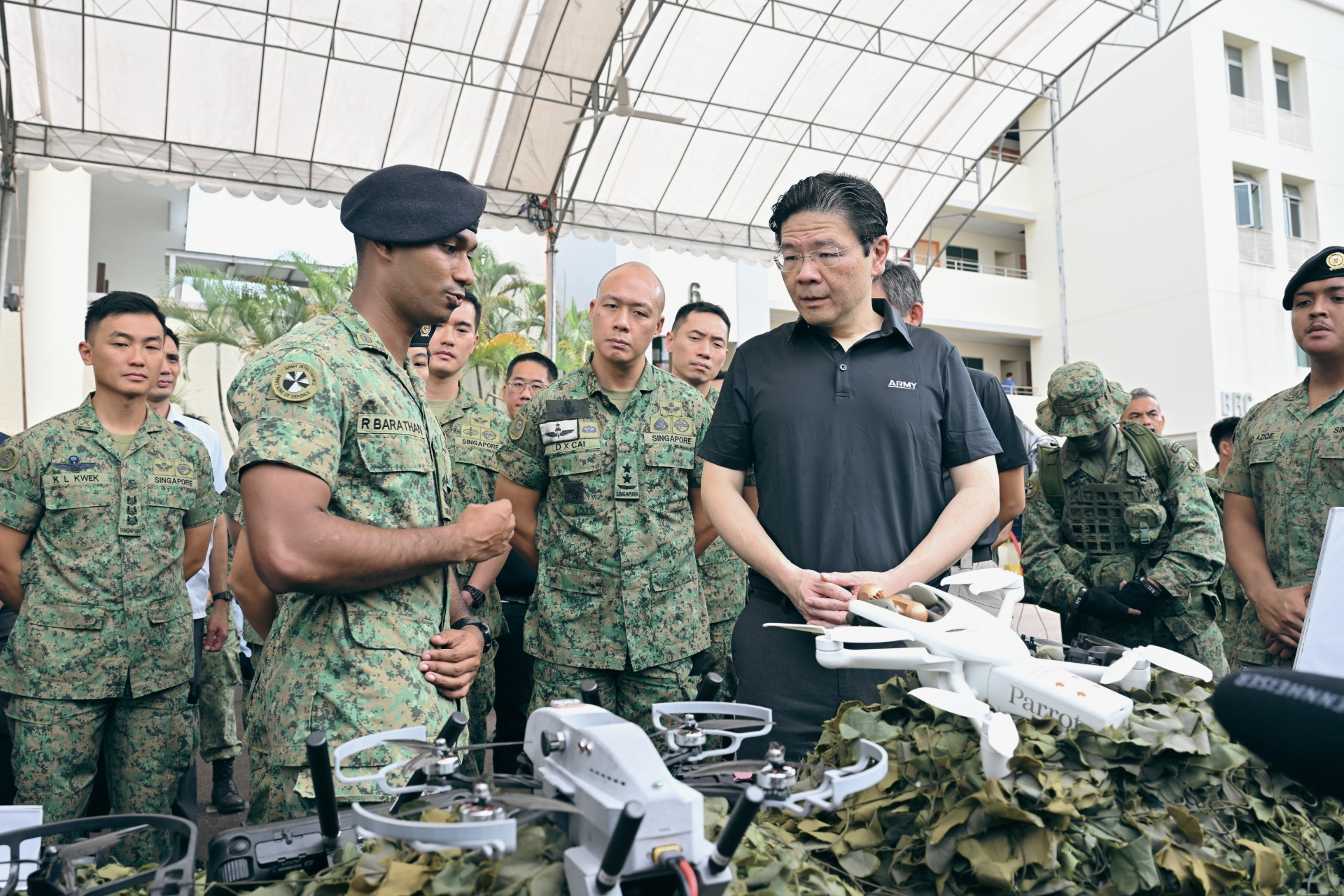
Prime Minister Lawrence Wong observes SAF’s sense-strike integrated capabilities
09 Apr 2026
He witnessed the SAF’s ongoing efforts in leveraging advanced robotics and cross-Service integration to secure Singapore’s interests in an increasingly volatile world.
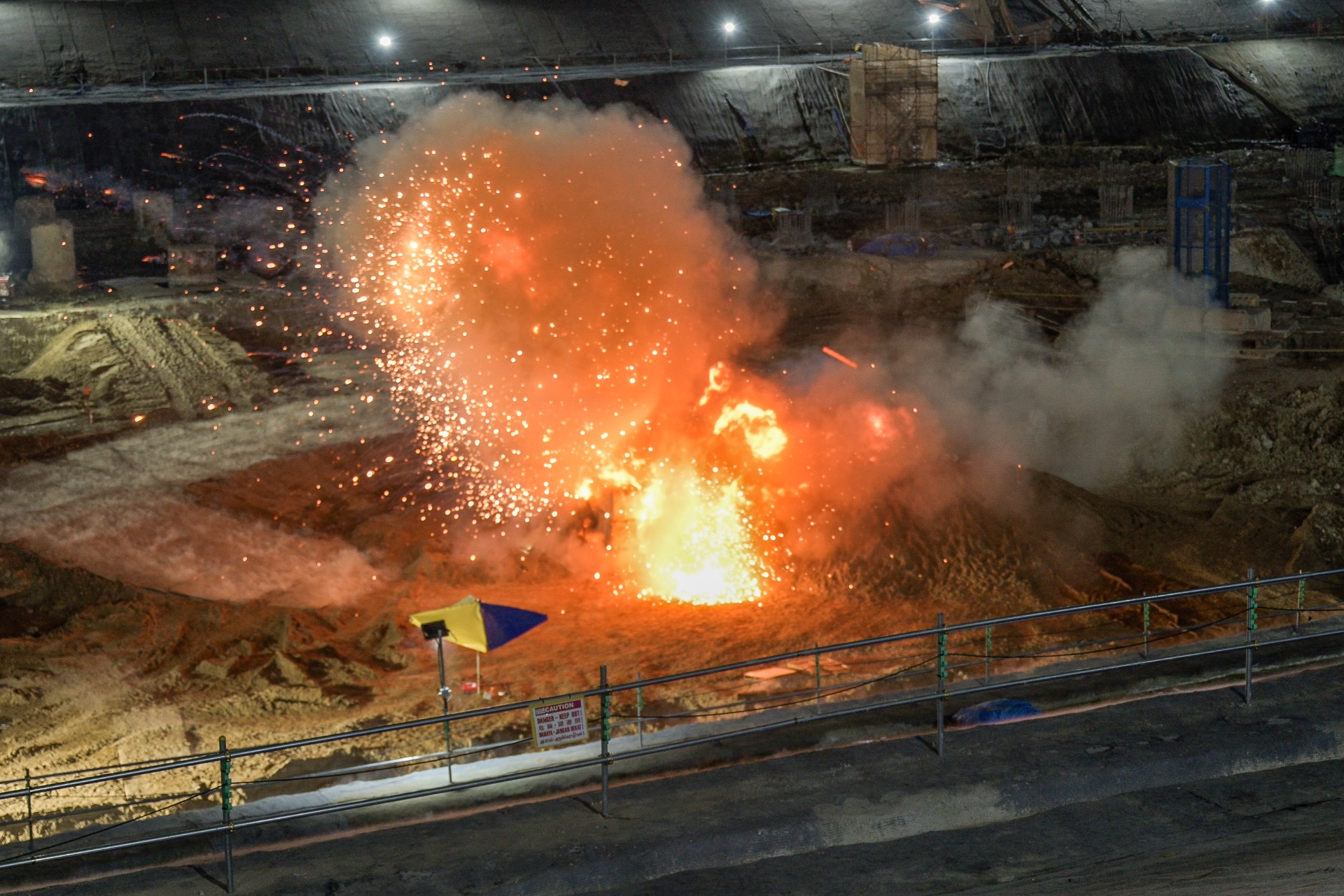
SAF detonates 250kg WWII bomb uncovered at Tanah Merah Coast Road
02 Apr 2026
On 2 Apr, the SAF’s Explosive Ordnance Disposal (EOD) team successfully disposed of an unexploded war relic found at Tanah Merah Coast Road.
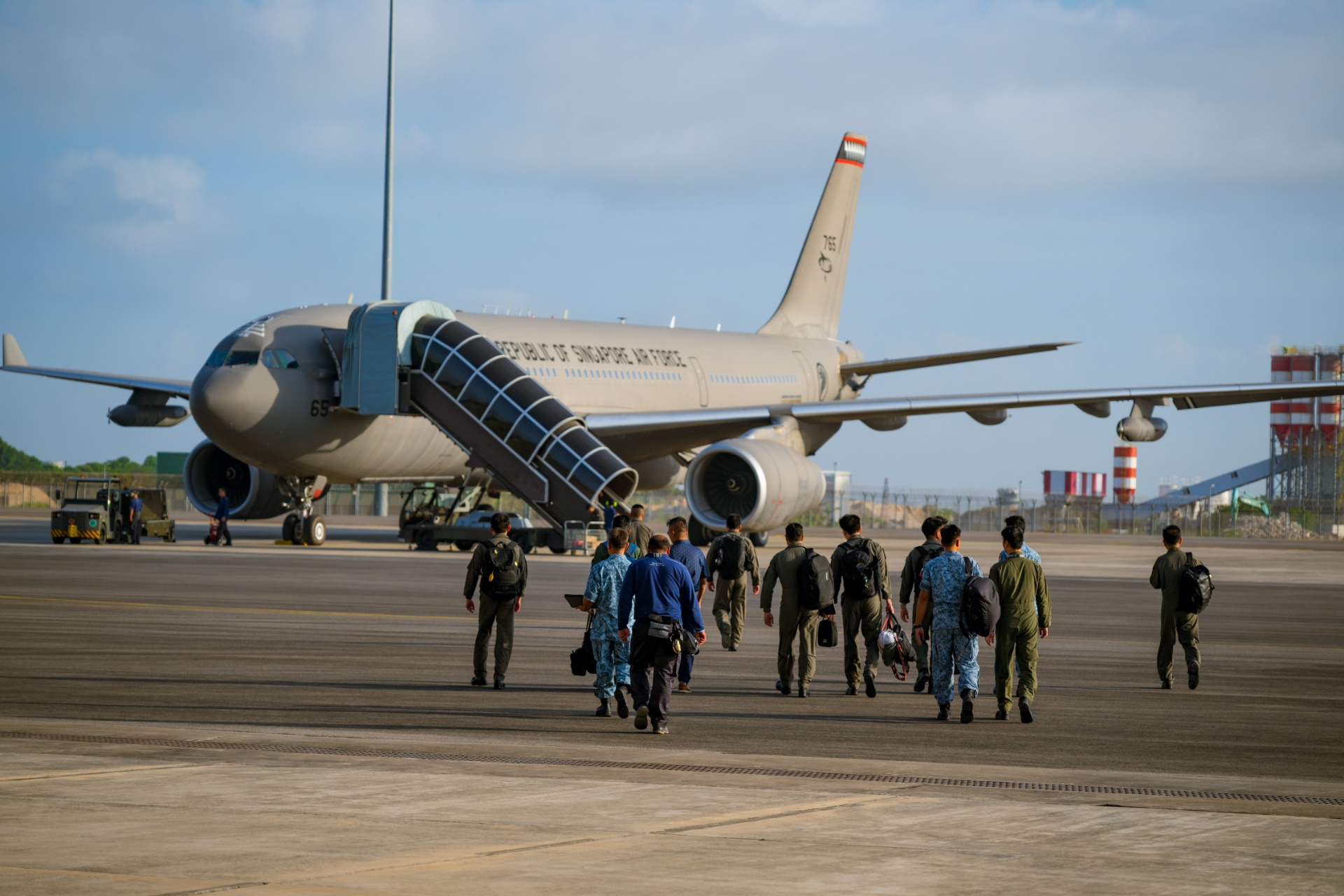
Flying into the unknown: Inside RSAF’s mission to bring S’poreans home from Middle East
28 Mar 2026
Despite the risks and complex challenges of flying in a conflict zone, the men and women of the RSAF pulled off a successful mission through careful planning and hard work.