
OPS & TRAINING
SAF GEARS UP IN FIGHT AGAINST H1N1
30 Jun 2009
In light of the current H1N1 flu pandemic in Singapore, the Singapore Armed Forces (SAF) has implemented several enhanced measures in camps island-wide so as to contain and guard against the spread of the virus.
While operational duties and training activities such as mobilisation exercises and in-camp training will still continue, these additional procedures help to protect the safety and well-being of personnel while maintaining the SAF's operational readiness.
Right up front at the gate of every camp, special tentages have been set up outside the guardroom, housing temperature-screening stations manned by servicemen from the Regimental Police (RP). The RP make sure all visitors fill up a health declaration form and get their temperatures checked.
Anyone who fails the temperature check will be denied entry and advised to see a general practitioner.
As for Operationally-Ready National Servicemen (NSmen) reporting for Individual Physical Proficiency Test (IPPT) or Remedial Training (RT) sessions, those with flu-like symptoms and had contact with a suspected H1N1 case, or travelled overseas recently, will have their sessions deferred or rescheduled.
Lance-Corporal (NS) Jerome Yong, who was at Maju Camp in Clementi on 29 Jul for his IPPT, told cyberpioneer that he was glad such precautionary measures have been put in place. However, he added that much also depends on the individual to "act responsibly and stay away or see a doctor if they feel unwell".
To minimise risk of possible exposure, in-camp training will also take place in smaller groups and separate locations at different times. In addition to staggering activities, usage of facilities and meal times for various platoons in camp, all SAF medical centres are also H1N1- ready.
This means all medical staff are trained and armed with personal protective equipment (PPE) and adequate stocks of Tamiflu medication to manage a possible deluge of patients, explained Captain (CPT) (Dr) Wu Pang Hung, who is the Medical Officer in charge at Maju Medical Centre.
Donning full protective attire - masks, gloves, goggles, caps, shoe covers and gowns - medics at the outdoor triage areas take down patients' particulars, check their vital signs, and place them in separate waiting areas according to their condition.
Patients free of flu-like symptoms and have not travelled overseas or been in contact with probable or confirmed cases of H1N1, for instance, are brought inside the medical centre for treatment, while those exhibiting flu-like symptoms remain outside in a separate holding area. They are given the appropriate medication or issued a medical certificate by the medical officer on duty before returning to their unit, where their health will be monitored closely.
Suspect cases who are sick and travelled to an affected country, or who were exposed to infected personnel, will be separated from the rest, assessed and treated for possible complications such as pneumonia and shortness of breath, before being ferried directly to a public hospital via the 993 ambulance for further testing and treatment.
Private (PTE) Sivabalan, one of the frontline medics managing such cases at Maju Medical Centre, was conscious of the need to remain sharp and vigilant at all times.
"We're dealing with the lives of our servicemen, so we can't afford to be lax," he said.
"All these medical procedures were drilled into all of us, so we were mentally prepared to respond quickly when activated and there was no panic or time delay."
Even before the current outbreak, flu pandemic readiness exercises were conducted regularly to ensure that all medical staff are skilled and ready to handle such scenarios.
As CPT (Dr) Chua Ka Hee, a medical officer at Maju Medical Centre, put it: "We just put into practice what we've been trained to do."

ALSO READ IN OPS & TRAINING
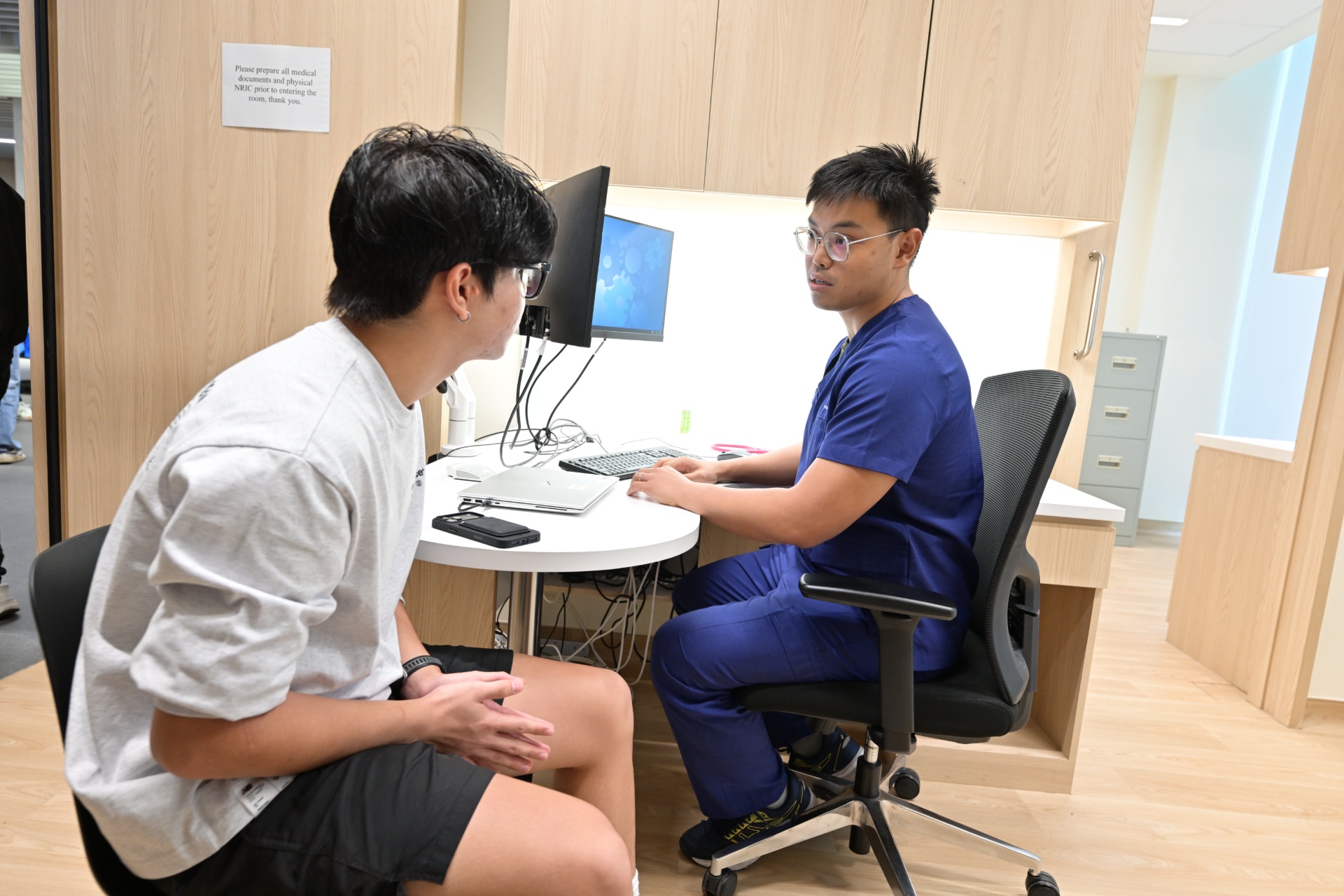
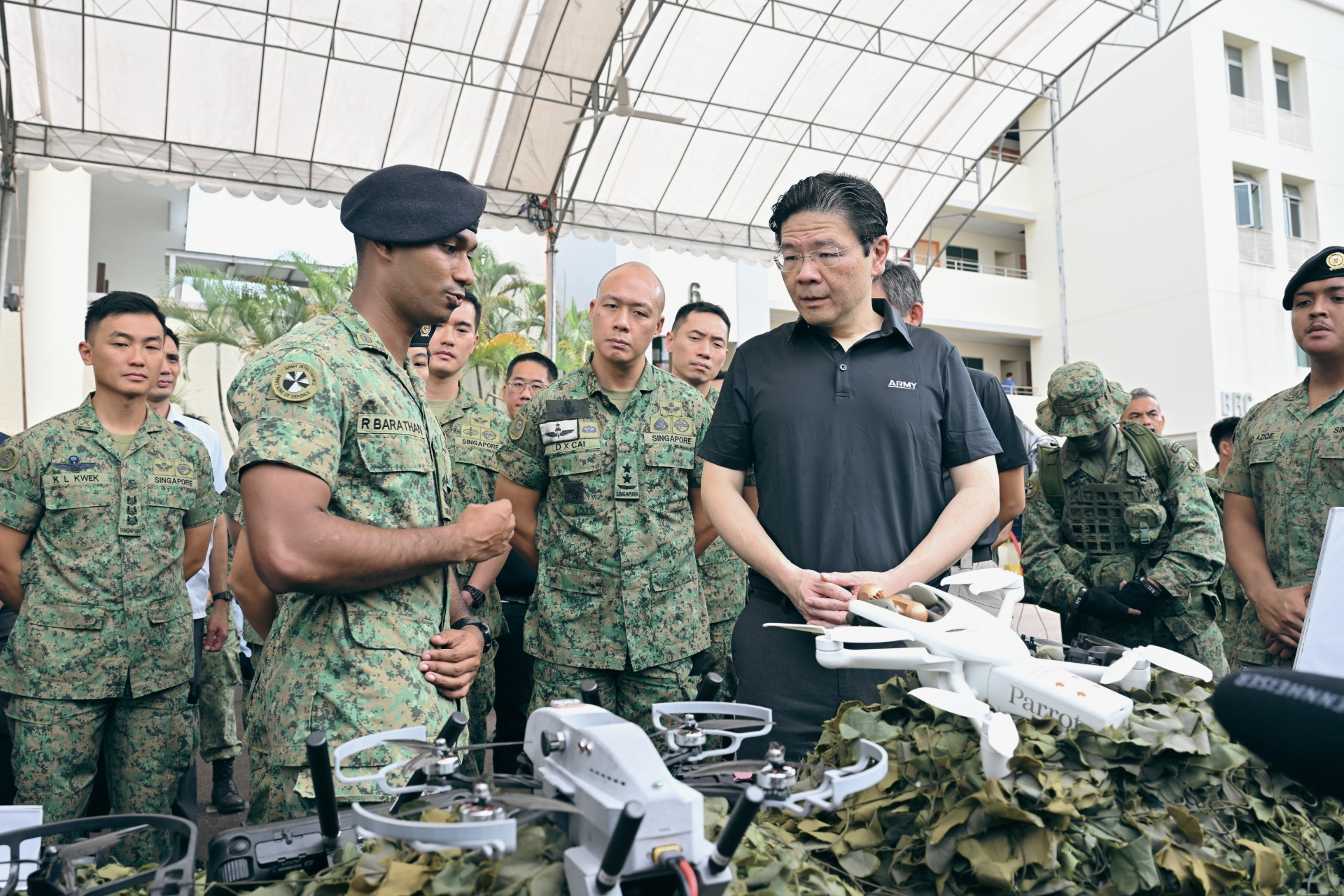
Prime Minister Lawrence Wong observes SAF’s sense-strike integrated capabilities
09 Apr 2026
He witnessed the SAF’s ongoing efforts in leveraging advanced robotics and cross-Service integration to secure Singapore’s interests in an increasingly volatile world.
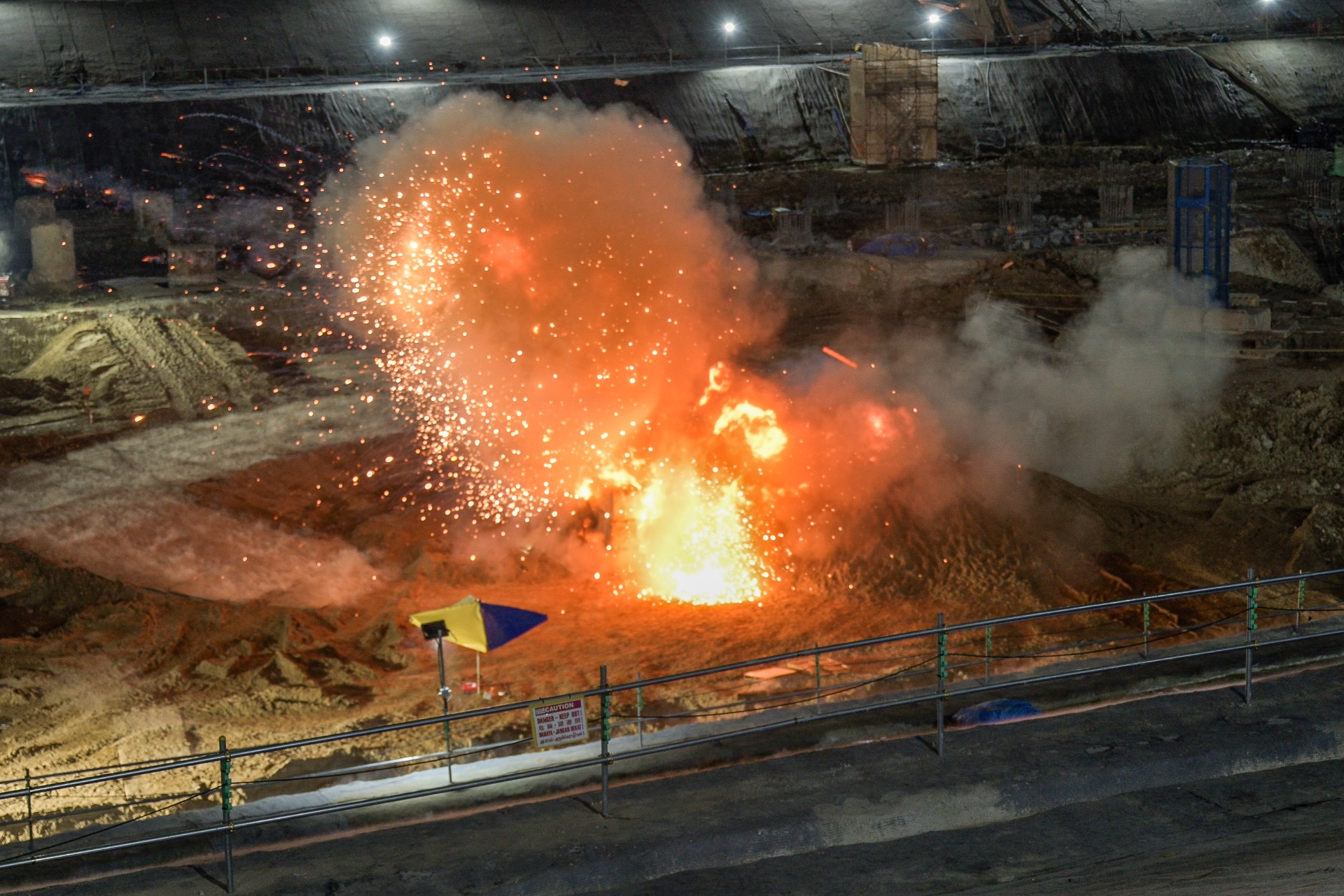
SAF detonates 250kg WWII bomb uncovered at Tanah Merah Coast Road
02 Apr 2026
On 2 Apr, the SAF’s Explosive Ordnance Disposal (EOD) team successfully disposed of an unexploded war relic found at Tanah Merah Coast Road.
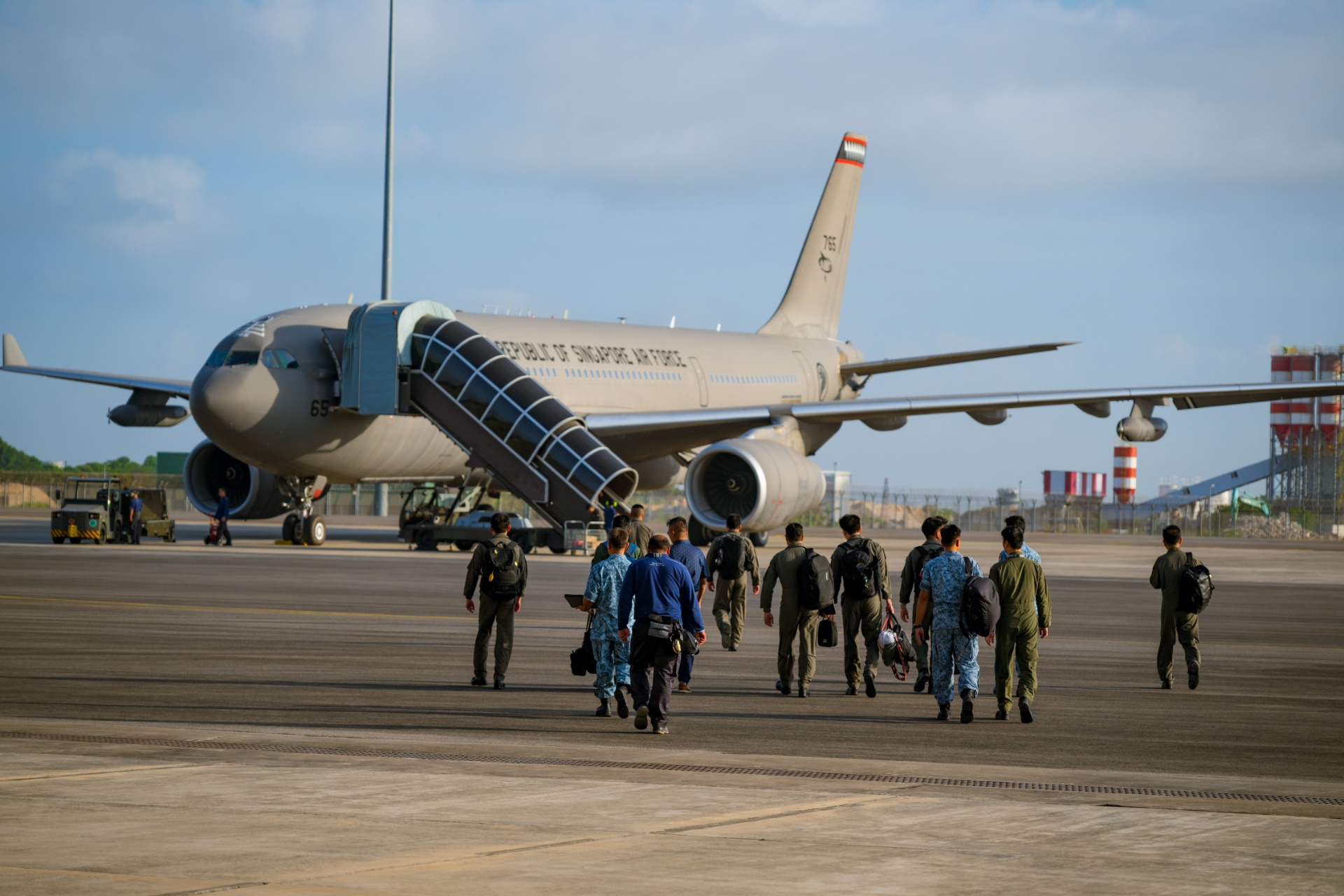
Flying into the unknown: Inside RSAF’s mission to bring S’poreans home from Middle East
28 Mar 2026
Despite the risks and complex challenges of flying in a conflict zone, the men and women of the RSAF pulled off a successful mission through careful planning and hard work.