
OPS & TRAINING
PREVENTING TRAINING INJURIES: PART 2
19 Oct 2006
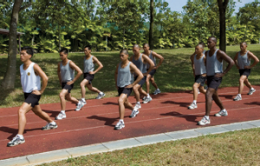
In the second of a two-part feature, learn how to prevent sports injuries and recover better after exercising and training with tips from the 'Prevention and Management of Sports Injuries - A Personal Responsibility' DVD produced by Soldier Performance Centre of HQ Army Medical Services.
Safety is every soldier's personal responsibility. While the SAF provides a safe environment to train in, proper accommodations to rest in, and well-balanced meals for its soldiers, things can still go awry. But you are empowered to do something to aid your recovery, and you can learn how to prevent injuries from even happening.
Prevention is better than cure
Don't want to sustain a sports injury? Here are some simple steps to follow:
Warm up
Warm-up exercises are essential in readying the body for physical activity. Done properly, a warm-up can help prevent muscles cramps and strains, and serve as a mental and physical 'rehearsal' for the upcoming activity.
Each warm-up session should be between 10 and 20 minutes, depending on the level of activity to be done and the person's fitness level. Basically, after the warm-up, you should be perspiring mildly without fatigue.
Stretching
This is the elongating of the soft tissues and muscles, and is enhanced with temperature increase.
Stretch gently to the point of tension, but not pain. Stretching well before the physical activity helps prepare your body for the strenuous exercise.
Dynamic stretching incorporates the principles of movement and momentum. They include forward lunges, squat benders and the windmill. Dynamic stretches should be repeated eight to 10 times each.
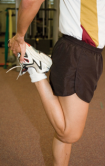
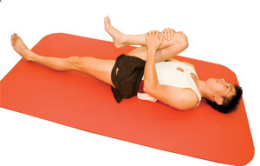
Static stretching is stretching to the farthest point and holding the stretch. Safe, simple to learn and easy to do, such stretching may be too passive before a vigorous exercise and will be more useful for cool-down sessions. Static stretches tend to be held for 10 to 30 seconds and repeated three to five times. Examples include single knee-to-chest stretch and quadriceps stretch.
Cool down
Cooling down is critical to allow the heart to gradually return to its resting heart-rate and prevents light-headedness due to blood pooling in the limbs. A cool-down session also minimises muscular aches and stiffness after exercise.
An example of a good cool-down session is doing the same activity at a much slower pace, gradually over five to 15 minutes. Breathe deeply to help remove carbon dioxide from the body.
Follow this by doing static stretches on muscles that were used for another 10 to 15 minutes. This will help prevent tightness, stiffness and shortening of the muscles and reduce the likelihood of injury upon return to training.
Rest and relax
The soreness and tightness you are experiencing in your thighs and calves are clear signs that the 5km run was not a good idea. After all, you have not been exercising regularly, yet were 'gung-ho' enough to attempt the run! So what can you do to recover faster after this exercise?
General recovery after exercise
- Make sure you have adequate rest before and after the exercise. This will enable your body to recover and renew itself.
- Drink lots of fluids immediately after training, and eat a high carbohydrate meal within two hours of completing training.
- A rested mind is as important as a rested body, so use music, or techniques like visualisation and relaxation tapes to help aid mental recovery.
Passive recovery for muscles
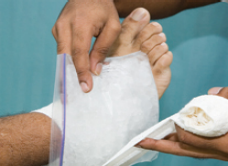
From top: Cold treatment and hot treatment
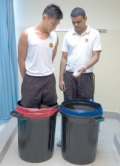
Contrast Baths
Cold treatment
Apply ice to those aches and pains immediately after the training, every 20 minutes for not longer than two hours. This will help slow down the rate of chemical reaction and reduce pain and muscle spasms.
Heat treatment
Head to a sauna, have a steam bath or apply heat pack to affected areas. The heat encourages healing by dilating blood vessels and increasing blood flow. However, wait six to eight hours after the end of the training session before applying heat. If you are injured, wait at least three days before trying out this treatment.
Sports massage
Massage yourself on the upper and lower limbs to help remove metabolic waste products and residual fluid build-up in the muscles.
Contrast Baths
Soak in cold water for two minutes and then soak in warm water for six minutes. Repeat this about three times, ending with cold water. This method helps speed up waste removal and nutrient delivery by causing a pumping action in the muscles.
Active recovery for muscles
How can you help speed up the removal of metabolic waste? Try light jogging, walking, cycling or swimming for 15 to 30 minutes. Then spend another 10 to 15 minutes stretching those muscles used in training.
Remember, adequate recovery is important for the body to replace lost fluid and energy fuel, reproduce new muscle proteins and repair damaged cells. Inadequate recovery can result in ineffective training, impair performance and increase the likelihood of injury.


ALSO READ IN OPS & TRAINING
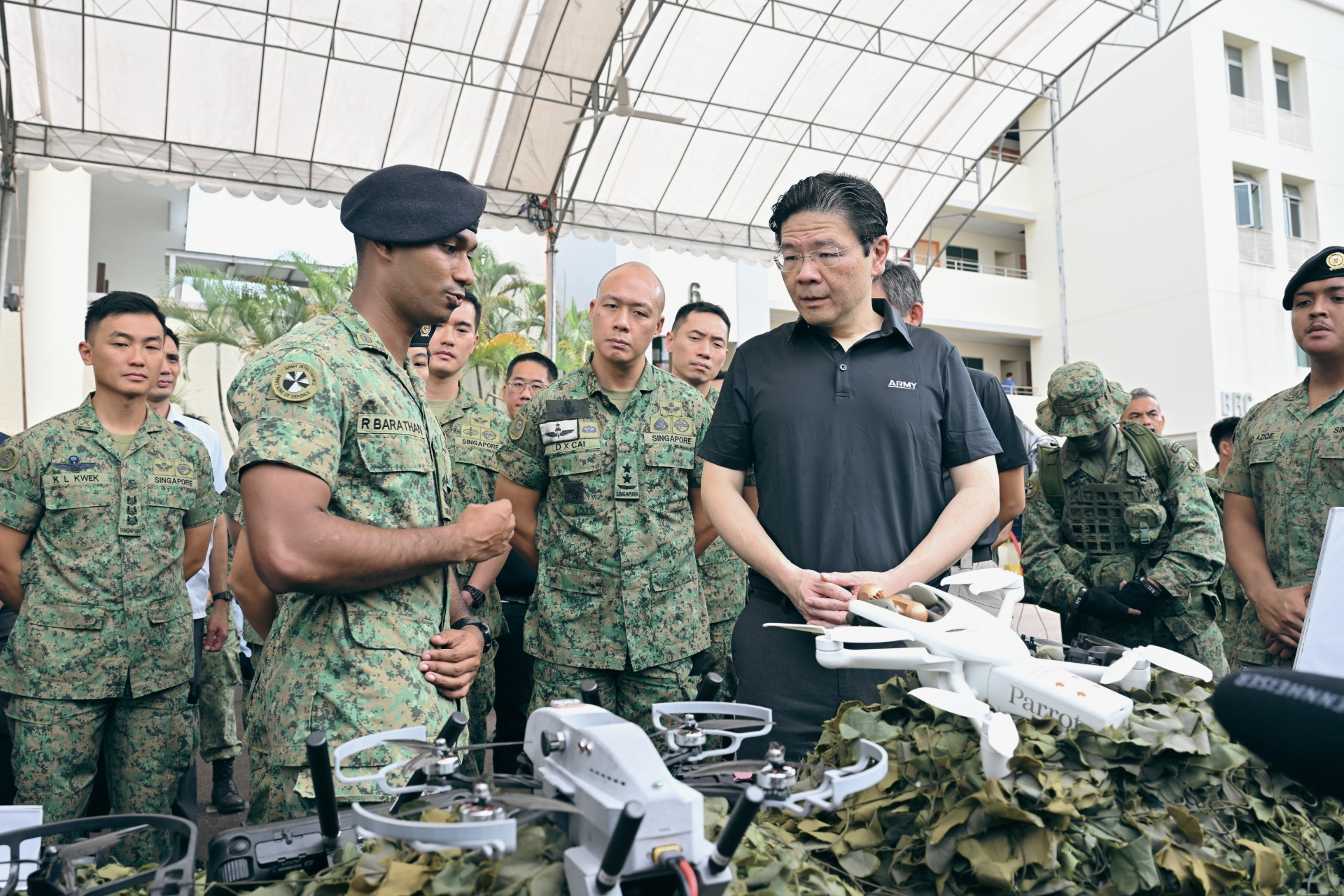
Prime Minister Lawrence Wong observes SAF’s sense-strike integrated capabilities
09 Apr 2026
He witnessed the SAF’s ongoing efforts in leveraging advanced robotics and cross-Service integration to secure Singapore’s interests in an increasingly volatile world.
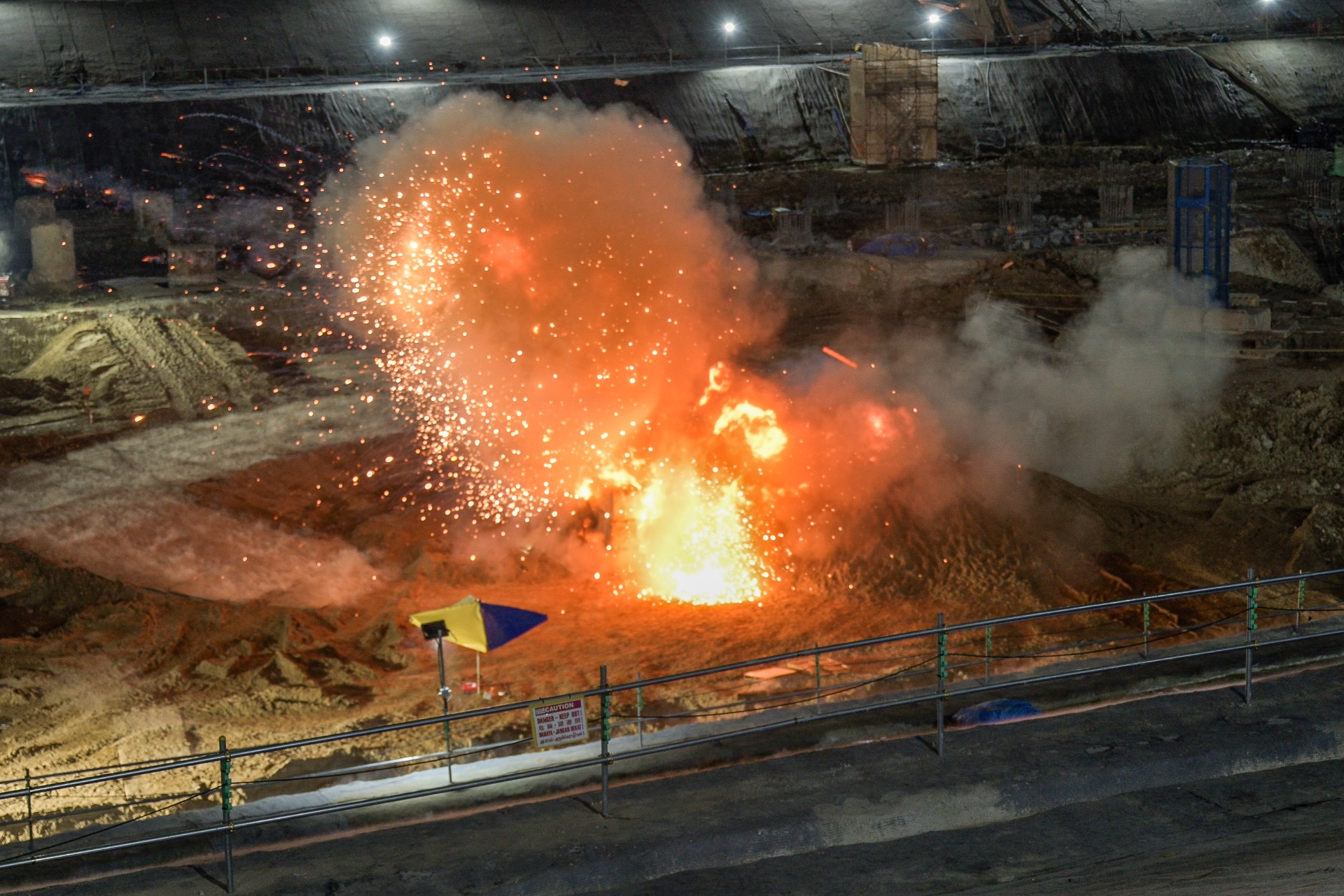
SAF detonates 250kg WWII bomb uncovered at Tanah Merah Coast Road
02 Apr 2026
On 2 Apr, the SAF’s Explosive Ordnance Disposal (EOD) team successfully disposed of an unexploded war relic found at Tanah Merah Coast Road.
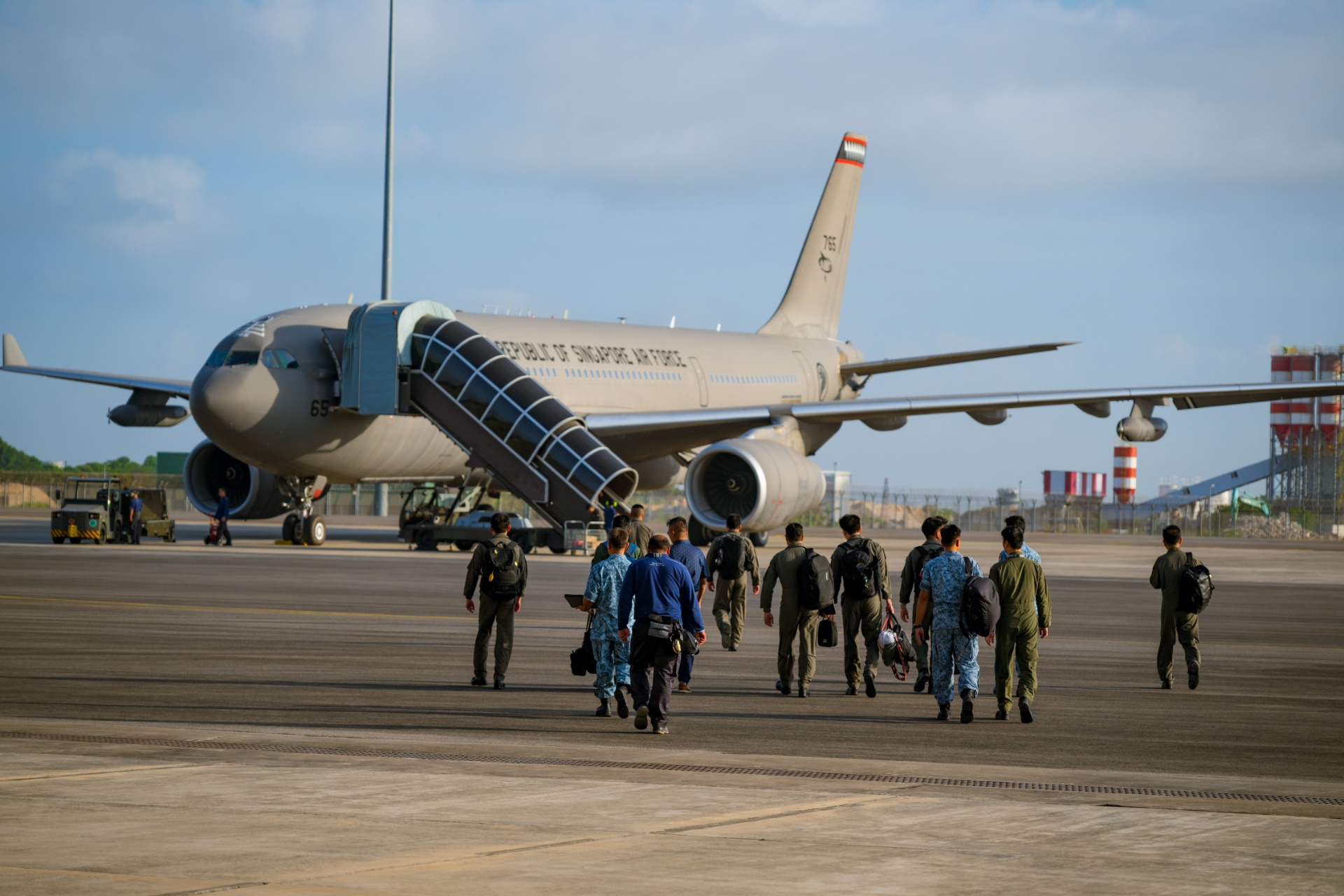
Flying into the unknown: Inside RSAF’s mission to bring S’poreans home from Middle East
28 Mar 2026
Despite the risks and complex challenges of flying in a conflict zone, the men and women of the RSAF pulled off a successful mission through careful planning and hard work.