
OPS & TRAINING
NEW BMT PROGRAMMES FOR A MORE EFFECTIVE SAF
04 Dec 2009
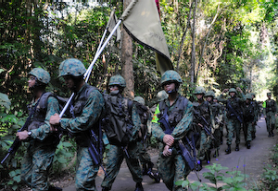
Starting from December 2009, changes to the Basic Military Training (BMT) programmes will be implemented progressively.
As BMT is likely to be their first experience of the Singapore Armed Forces (SAF) for most Singaporean males, training must also focus on integrating recruits into the military and instilling a greater sense of purpose towards defence. This was a point made by Chief of Army Major-General (MG) Neo Kian Hong during a media brief on the new BMT programmes on 4 Dec at the Central Manpower Base.
While the purpose of BMT will continue to be training combat-ready soldiers for the SAF in a safe and professional manner, there will be changes to the duration of BMT and the Physical Employment Status (PES) for some groups of enlistees.
A recruit's PES will determine his role within the SAF. For example, PES A and B recruits can expect to be deployed in combat and combat support roles within formations such as Combat Engineers, Artillery and Signals after completion of BMT. PES C and E recruits will take on roles such as storemen, military logisticians and administrative clerks.
Key changes to the BMT programmes are: a new 19-week BMT for obese recruits, a four-week BMT for PES E recruits, a nine-week BMT for PES C recruits, and a new nine-week BMT for PES B2 recruits.
PES B2 is the new name for the current PES C1 for consistency between medical classification of SAF soldiers and their subsequent deployment to combat and combat support roles. The nine-week BMT programme for these recruits will include customised physical training and basic combat training.
Explaining the changes to the BMT programme for obese recruits, MG Neo said: "The revised BMT for obese recruits is based on careful analysis and research which indicate that we are able to achieve an optimum fitness level and weight loss at around 19 weeks. Data also shows that weight loss becomes marginal after about 19 weeks in BMT." Under the old BMT system, obese recruits attended either a 15-week or 26-week BMT, based on individual levels of obesity. Under the SAF medical classification system, a pre-enlistee whose Body Mass Index exceeds 27 will have to attend the obese BMT programme.
The revised 19-week BMT for obese recruits will start from February next year, while the nine-week BMT programmes for PES B2 and PES C recruits will take effect from June. The four-week BMT for PES E recruits will also commence in June.
These changes are part of the SAF's periodic reviews of its BMT system for continual improvements to its training system. This latest review is based on the training experience that the SAF has gained over the years, as well as findings from scientific research and feedback from servicemen and their parents.
The first part of this review saw the introduction of an eight-week Physical Training Phase (PTP) for recruits who need additional training to raise their fitness level. This is aimed at achieving a more uniform level of fitness among recruits when they start BMT, said MG Neo. Under the old BMT system, PTP lasted for four weeks. The new eight-week programme will begin this month.
The overall length of NS and the SAF's medical classification system remain unchanged, apart from the introduction of PES B2 grading. Each year, about 90 percent of enlistees are fit for combat and combat support roles. The other 10 percent are deployed to combat service support roles.
04 Dec 09 - Fact Sheet: Changes to BMT Programmes

ALSO READ IN OPS & TRAINING

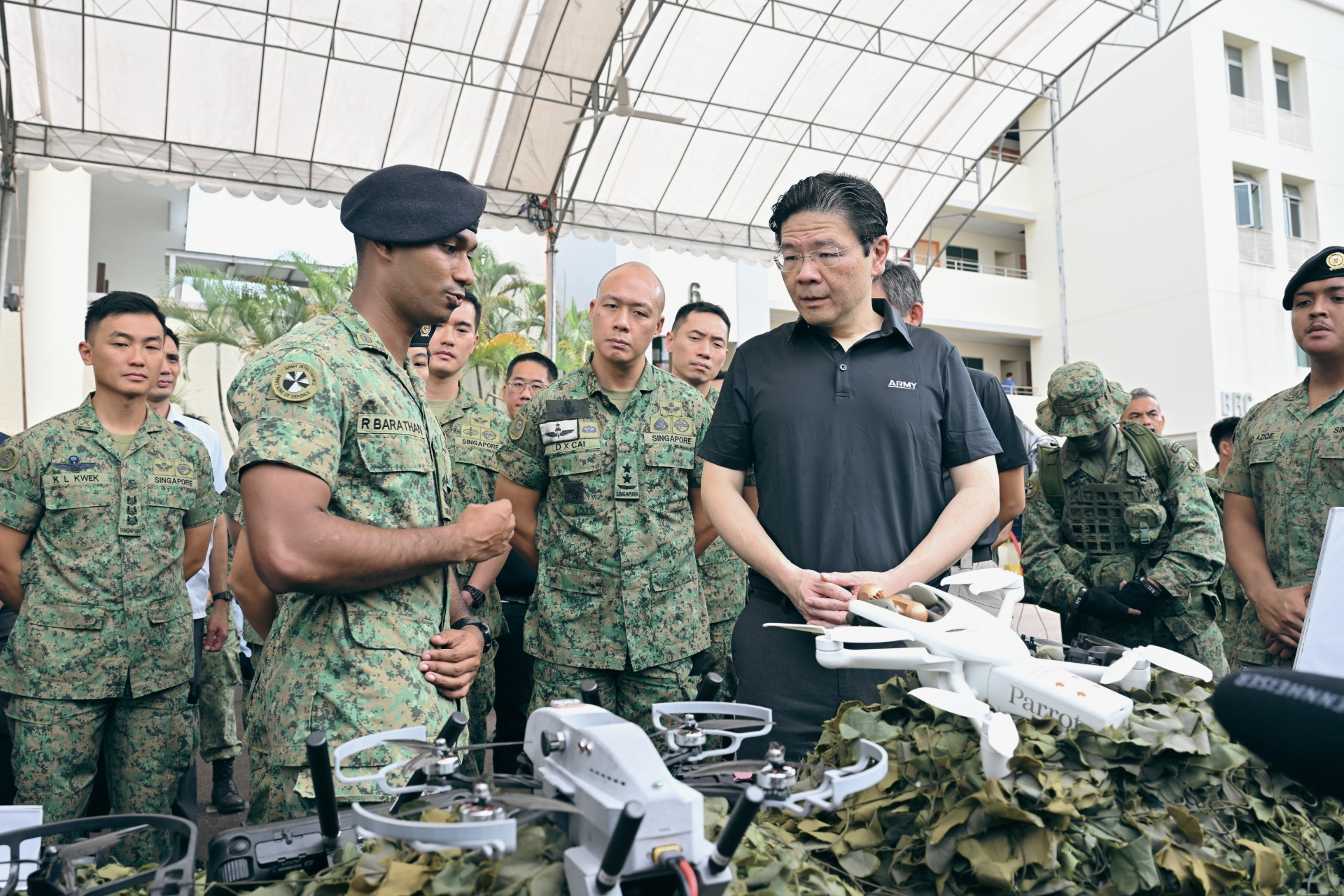
Prime Minister Lawrence Wong observes SAF’s sense-strike integrated capabilities
09 Apr 2026
He witnessed the SAF’s ongoing efforts in leveraging advanced robotics and cross-Service integration to secure Singapore’s interests in an increasingly volatile world.
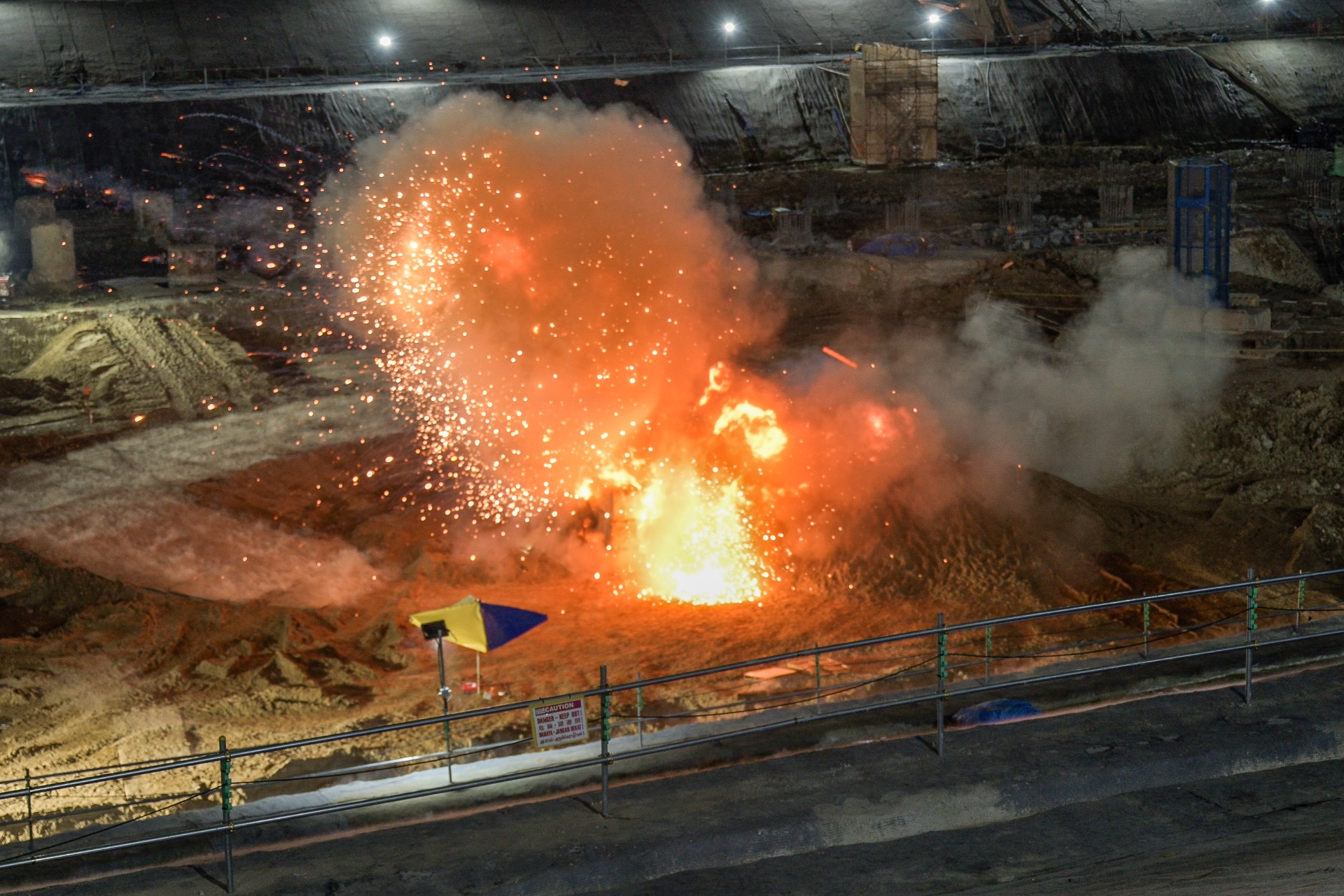
SAF detonates 250kg WWII bomb uncovered at Tanah Merah Coast Road
02 Apr 2026
On 2 Apr, the SAF’s Explosive Ordnance Disposal (EOD) team successfully disposed of an unexploded war relic found at Tanah Merah Coast Road.
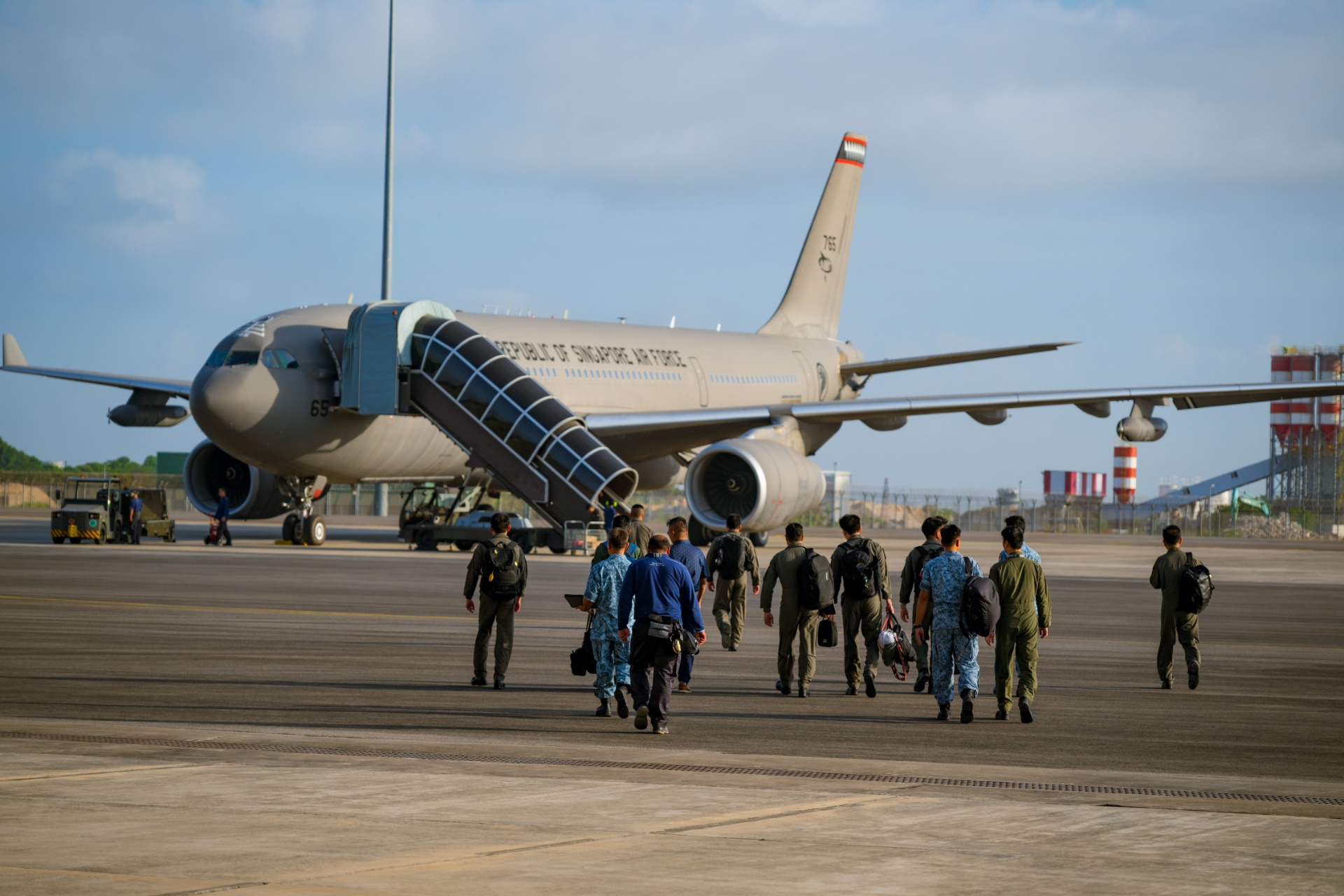
Flying into the unknown: Inside RSAF’s mission to bring S’poreans home from Middle East
28 Mar 2026
Despite the risks and complex challenges of flying in a conflict zone, the men and women of the RSAF pulled off a successful mission through careful planning and hard work.