
OPS & TRAINING
MILITARY FORCES ENDEAVOUR FOR BETTER COMMUNICATIONS IN HADR
22 Aug 2012
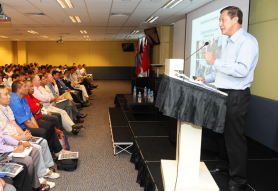
When a natural disaster strikes, establishing effective communication channels is vital in preparing and coordinating response efforts. This is especially crucial in ensuring a common understanding among the different organisations - which may include multinational military forces and non-governmental agencies - offering their help, as well as with the host nation.
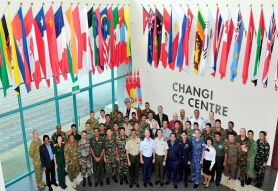
For two weeks from 6 Aug, 300 participants from 22 countries gathered at the Changi Command and Control (C2) Centre to discuss, analyse and test systems and enhance communications interoperability in support of Humanitarian Assistance and Disaster Relief (HADR) operations.
Codenamed Pacific Endeavour, the annual exercise was co-hosted by the United States Pacific Command (USPACOM) and the Singapore Armed Forces (SAF) this year.
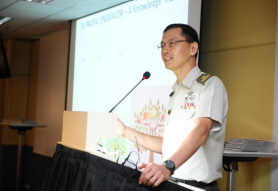
Said Brigadier-General (BG) Lee Shiang Long, Head Joint Communications and Information Systems (JCIS) Department: "The SAF has had the rare privilege of hosting the exercise over the last three years, and I've seen how the exercise has grown from strength to strength. Each year we see a lot of initiatives in new areas."
His PACOM counterpart, BG John Hicks, Director Communications System, agreed, adding: "We have expanded the duration of the exercise and included additional seminars. That's due to the recognition by our leadership that the communications infrastructure is as important as any other part of what we do. Until we can communicate, we won't understand what's going on and the needs (of the disaster-stricken nation) and be able to respond properly."
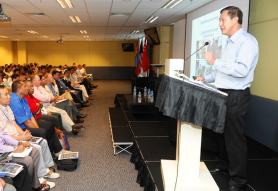
Knowledge Endeavour, for instance, was a one-day symposium added this year that saw presentations from HADR practitioners with rich field experience, academics as well as technology developers. Among them was BG (Vol) Goh Kee Nguan, Commander of the Operations Flying Eagle Task Force, who shared the challenges faced and lessons learnt in working with other military partners and civilian agencies during the SAF's relief efforts during the 2004 Boxing Day Tsunami in Indonesia.
"As we came together over the last few years, we saw a lot of people who were prepared to contribute their ideas, experiences and knowledge, so (I felt) we should have a way to capture all the lessons learnt," explained BG Lee.
Other components of Exercise Pacific Endeavour included a three-day scenario-based table-top exercise, a cyber-defence element, as well as modules on satellite communications and frequency management.
For BG Hicks, the highlight of his time in Singapore was the friendships built with the multinational participants: "Aside from the wonderful food, probably the best part of the exercise, and as important as any technical seminars we have, is the opportunity to build relationships with our member nations and representatives from other countries."
"It's not only pleasant to get to know a whole lot of other new people, but to establish and maintain these relationships is very important. Because it's those relationships that matter in times of crisis and allow us to come together for a common purpose and get things done to save lives and reduce suffering."
The 2013 edition of Exercise Pacific Endeavour will be held in Thailand next year.

ALSO READ IN OPS & TRAINING
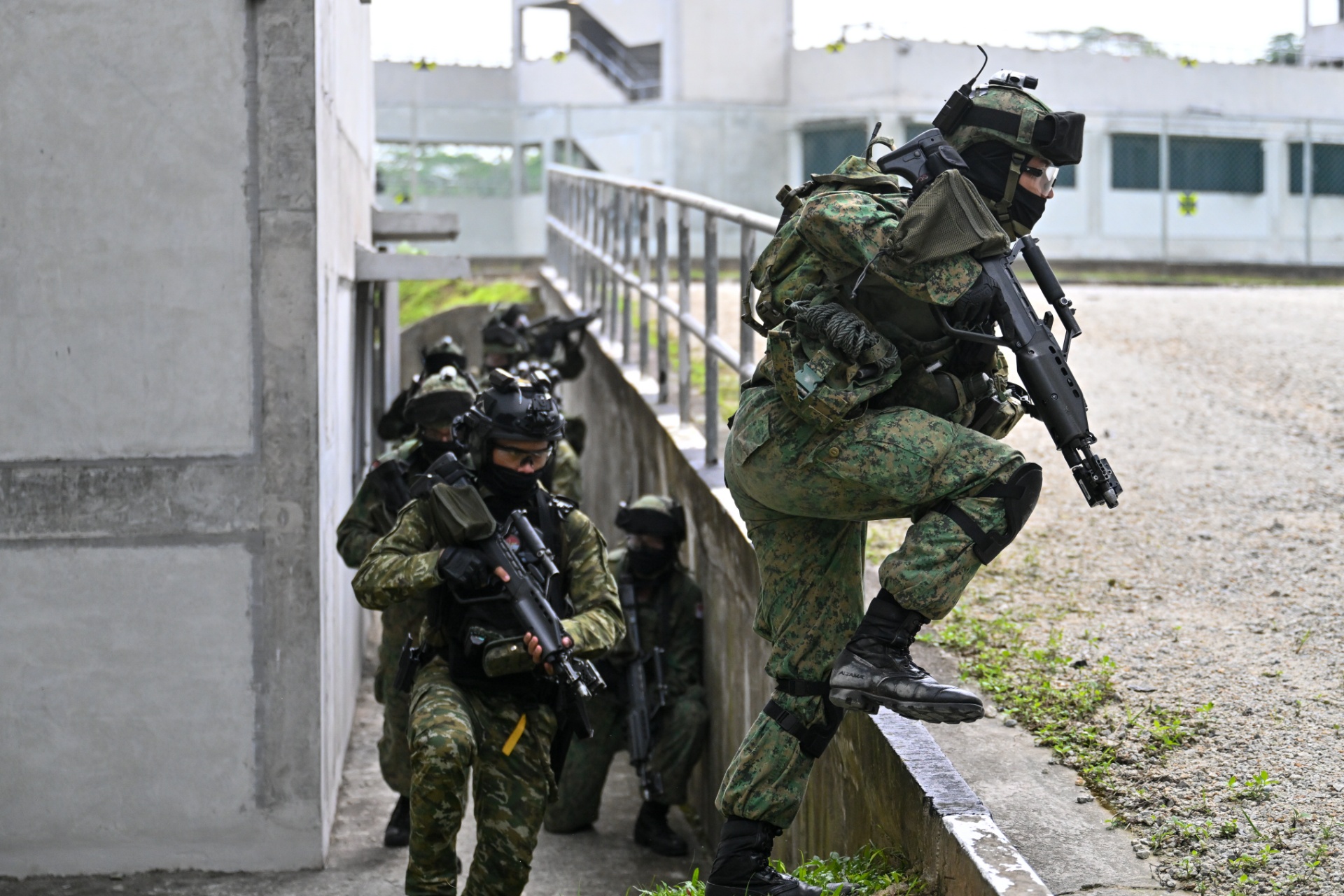
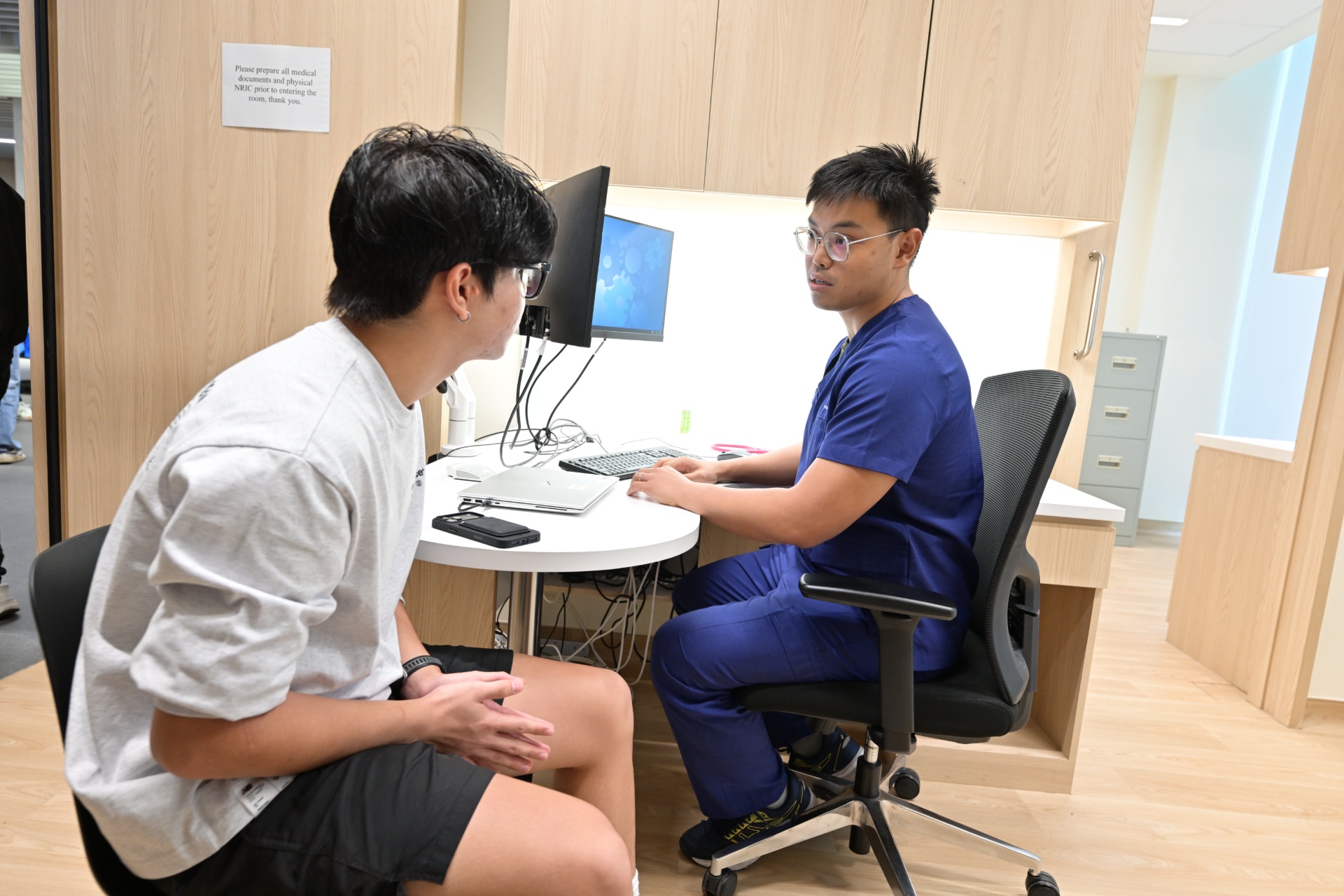
SAF & Home Team to refresh Medical Classification System
13 Apr 2026
The refreshed system will allow about 1,200 servicemen annually to be deployed for vocations and roles they were ineligible for previously.
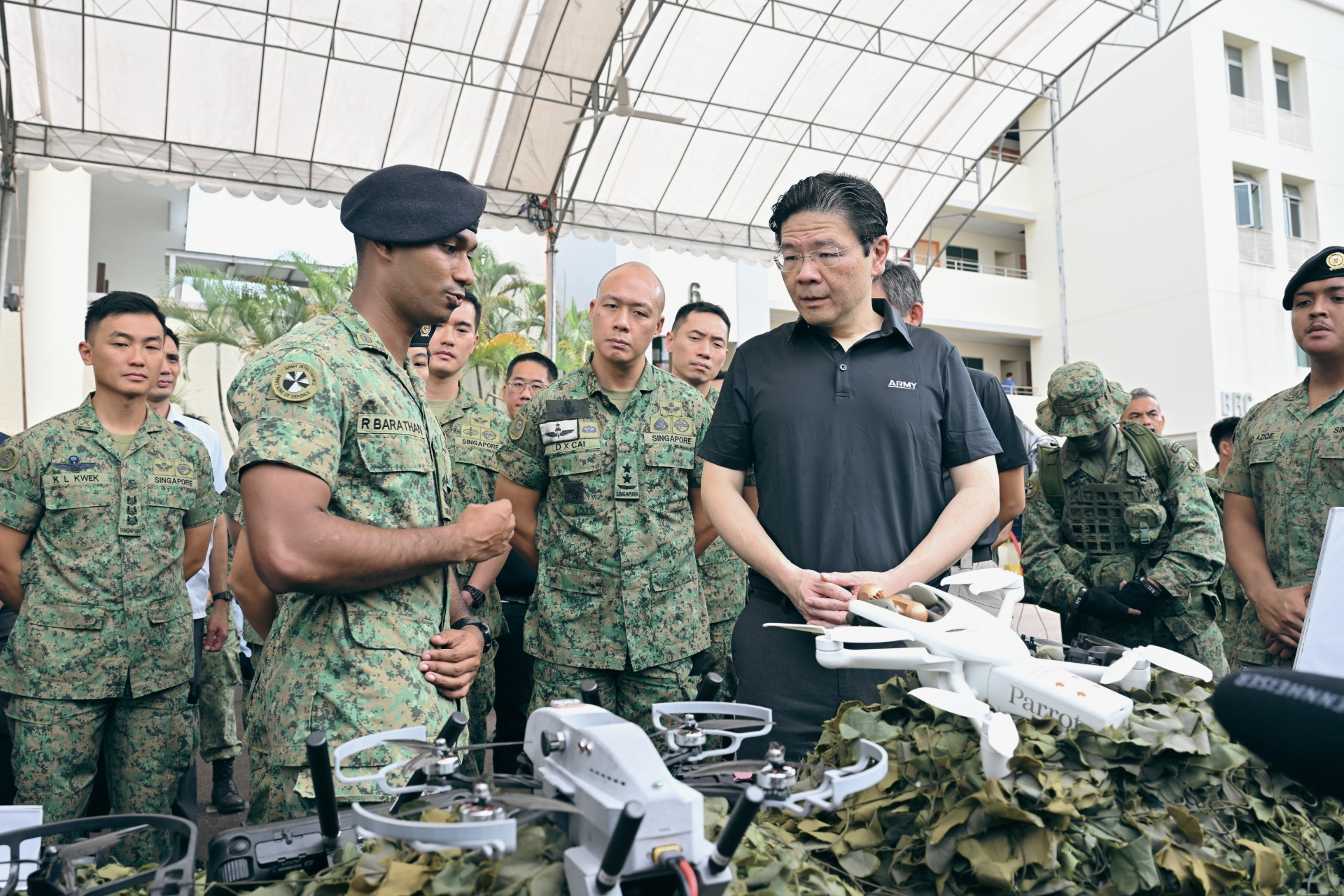
Prime Minister Lawrence Wong observes SAF’s sense-strike integrated capabilities
09 Apr 2026
He witnessed the SAF’s ongoing efforts in leveraging advanced robotics and cross-Service integration to secure Singapore’s interests in an increasingly volatile world.
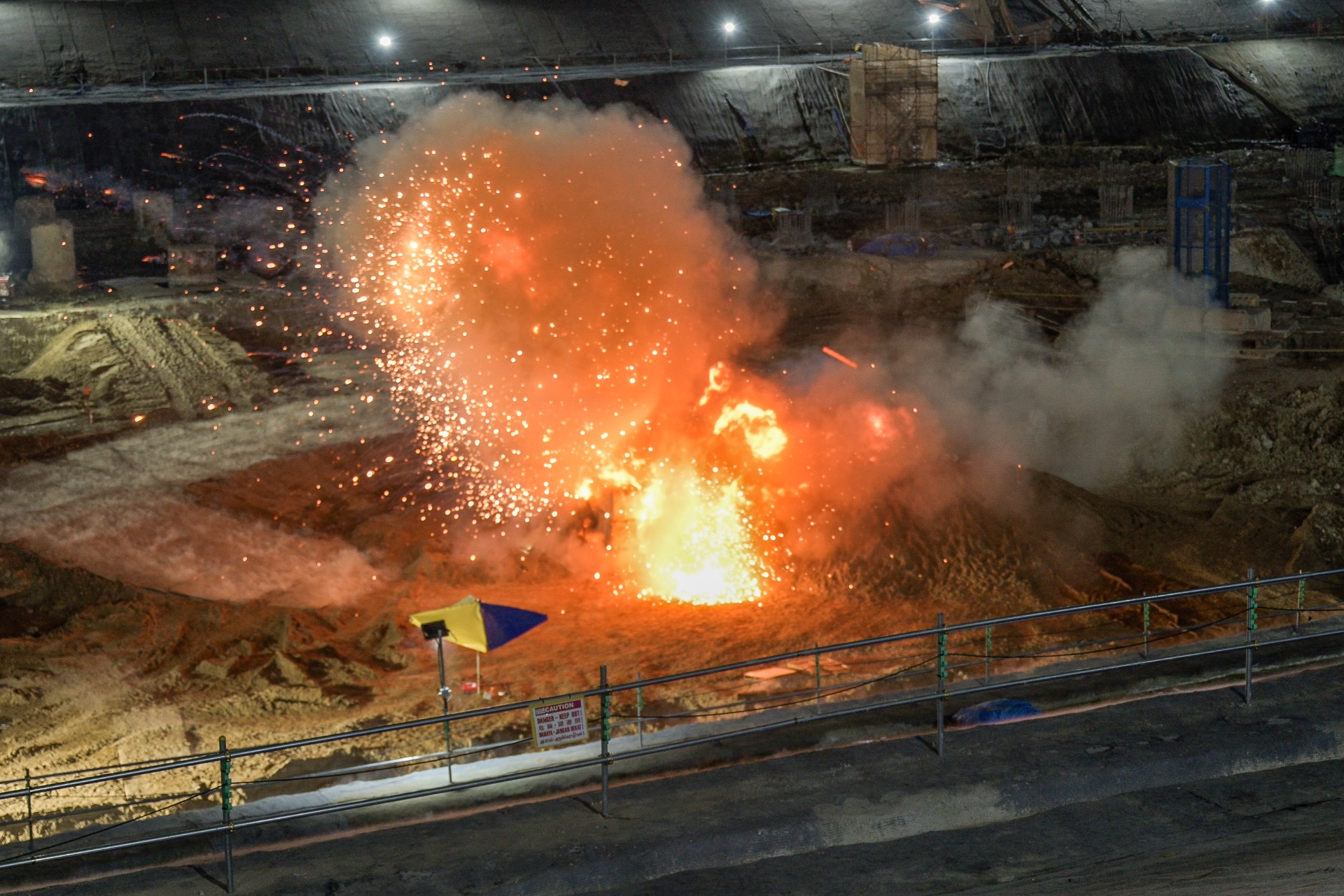
SAF detonates 250kg WWII bomb uncovered at Tanah Merah Coast Road
02 Apr 2026
On 2 Apr, the SAF’s Explosive Ordnance Disposal (EOD) team successfully disposed of an unexploded war relic found at Tanah Merah Coast Road.