
OPS & TRAINING
MANAGING TRAUMA CARE IN A MILITARY SETTING
11 Apr 2008
With weapon systems becoming more lethal, higher troop mobility and medical advances in trauma management, the Singapore Armed Forces (SAF) Medical Corps is constantly challenged to ensure that its training remains realistic and relevant.
According to Chief Army Medical Officer Colonel (Dr) Benjamin Seet, in-camp training for National Servicemen (NSmen) doctors used to focus largely on deployment training - how to mobilise personnel and equipment.
Now, with plans to bring the operating theatre closer to injured servicemen in the field, there is an increased need for a large number of surgeons and medics who can perform damage control surgery in an austere environment.
To meet this need, the SAF Medical Corps is looking to work on the professional aspects of training as well, so that all available NSmen surgeons are conversant with the concept and techniques of military surgery.
"War casualty management is not easy as most trauma doctors in local hospitals deal with casualties from road traffic accidents and fall from heights. The injuries they see are different from the war trauma ones like ballistic injuries and shrapnel injuries," said COL (Dr) Seet.
"So what we are trying to do here in this module is to get hands-on experience, to give our NSsmen surgeons and specialist doctors some exposure to military trauma."
This inaugural Military Surgery Module in the Definitive Surgery Trauma Care (DSTC) course was launched on 2 Apr, with an enrolment of 20 NSmen and regular SAF surgeons.
The module focuses on combat injuries and performing surgery in a harsh environment.
It was conducted as part of the internationally accredited DSTC course, and in association with Tan Tock Seng Hospital (TTSH) and the International Association of Trauma Surgery and Intensive Care.
The one-day programme included lectures and discussions on burns injury management, blast and ballistics wounds, field anaesthesia, extremity trauma and oral maxillo-facial trauma.
Prof Boffard and COL (Dr) Seet in a lively discussion.
A panel of local experts, as well as Professor Kenneth Boffard, a visiting consultant from South Africa who specialises in trauma surgery, shared their experiences in the various domains of trauma care.
"Singapore is a peaceful country so people are not used to dealing with trauma in austere environments," said Prof Boffard.
"In a military or austere environment, you do not have enough resources, often there is no one around to ask and in addition to that, the conditions may be lacking there may be no electricity, no adequate transport - and you cannot predict when the patients will come in."
"So basically, this course is to train the doctors to work outside their comfort zone," he explained.
An orthopedic workshop was also held during the second half of the programme, during which the participants practised with disposable aluminum external fixators to stabilise injured limbs.
Captain (Dr) Mark Thong, who is an Associate Ear, Nose & Throat Consultant with the National University Hospital, was "pleasantly surprised" to know that the SAF was conducting such courses, to help "translate civilian medical training into more operational military disaster or conflict medical type of operations".
"As we become more involved in peacekeeping missions and humanitarian operations, such courses will give us more confidence in dealing with these environments," said CPT (Dr) Thong, who took part in a socio-civic medical mission in Indonesia during his full-time National Service.
"Since we don't usually encounter these situations in Singapore, it is better that we keep ourselves well-prepared. In the event that we are really called upon to render such services, we will be ready," he added.
The SAF's Military Surgery Module for the DSTC course is the first of its kind in the region.
The SAF Medical Corps and TTSH signed a Memorandum of Understanding last October to collaborate in the field of traumatology.
TTSH sees the largest number of trauma patients in Singapore - over 900 cases per year. It has benchmarked its trauma management protocols against international standards.
As part of the agreement, more than 100 NSmen and regular medical officers from the SAF will benefit from the DSTC course over a three-year period. The first batch of 12 officers embarked on the two-day course last November.
Other areas of cooperation include attaching SAF medical personnel to specialist departments in TTSH for training and to conduct joint research in traumatology.

ALSO READ IN OPS & TRAINING
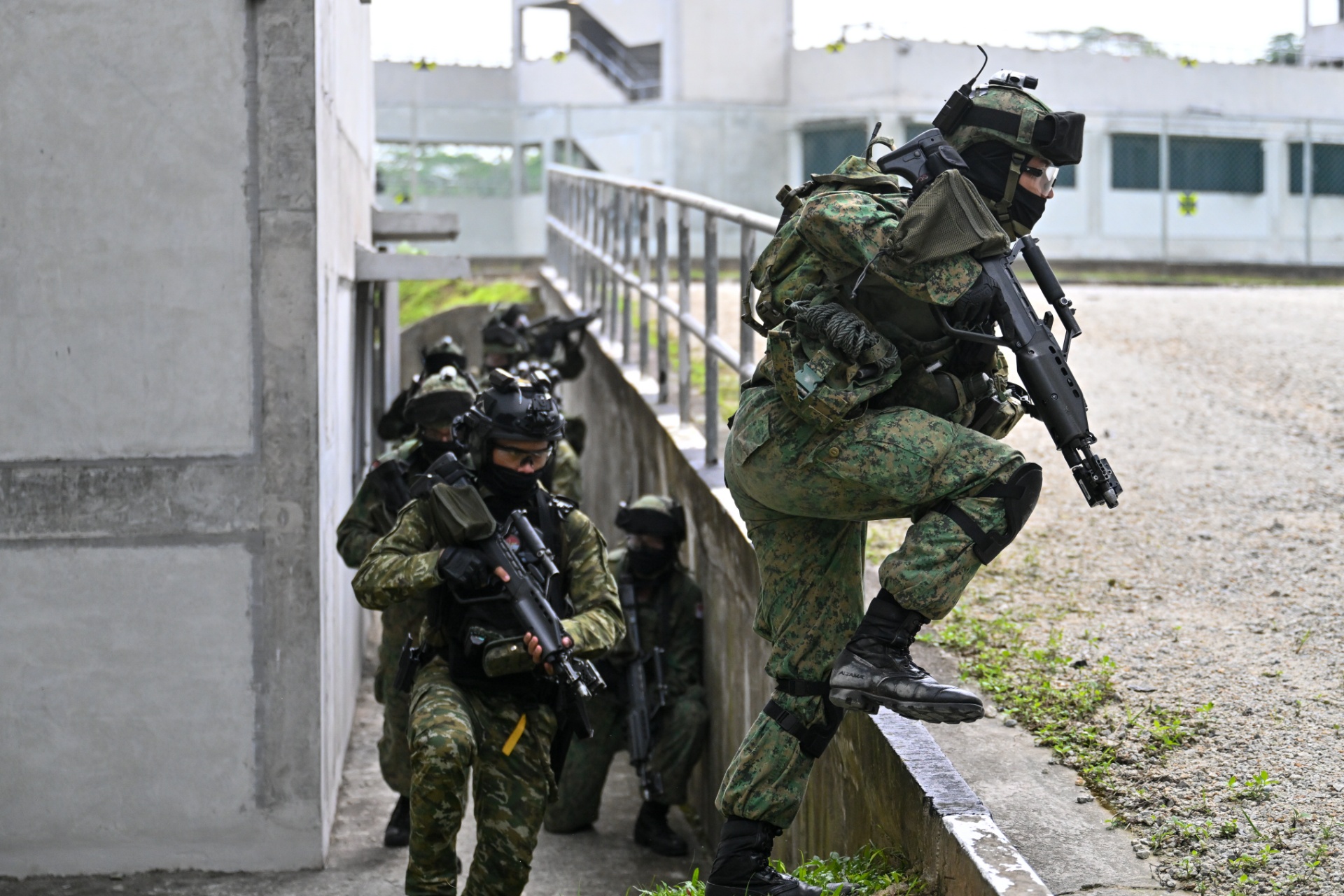
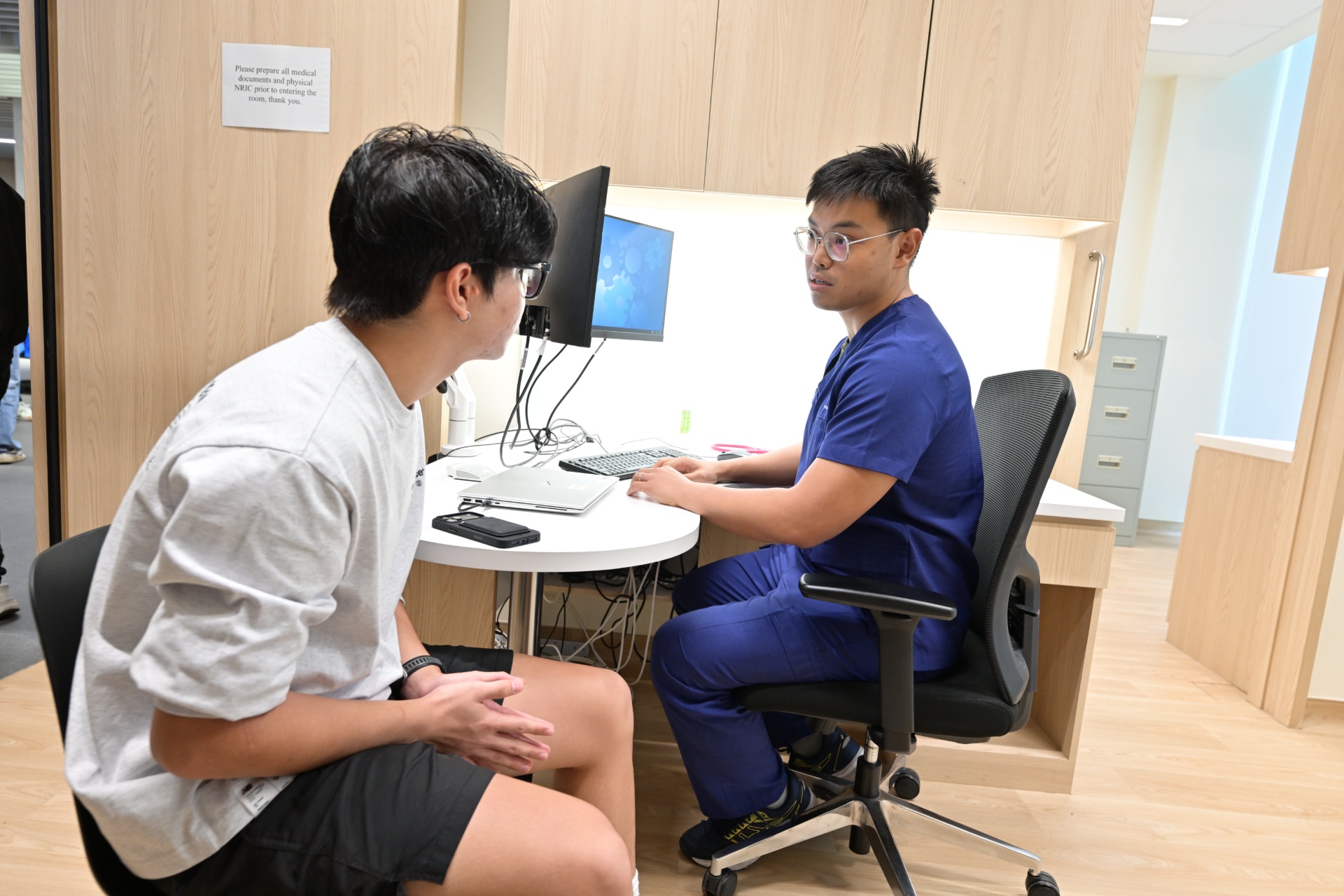
SAF & Home Team to refresh Medical Classification System
13 Apr 2026
The refreshed system will allow about 1,200 servicemen annually to be deployed for vocations and roles they were ineligible for previously.
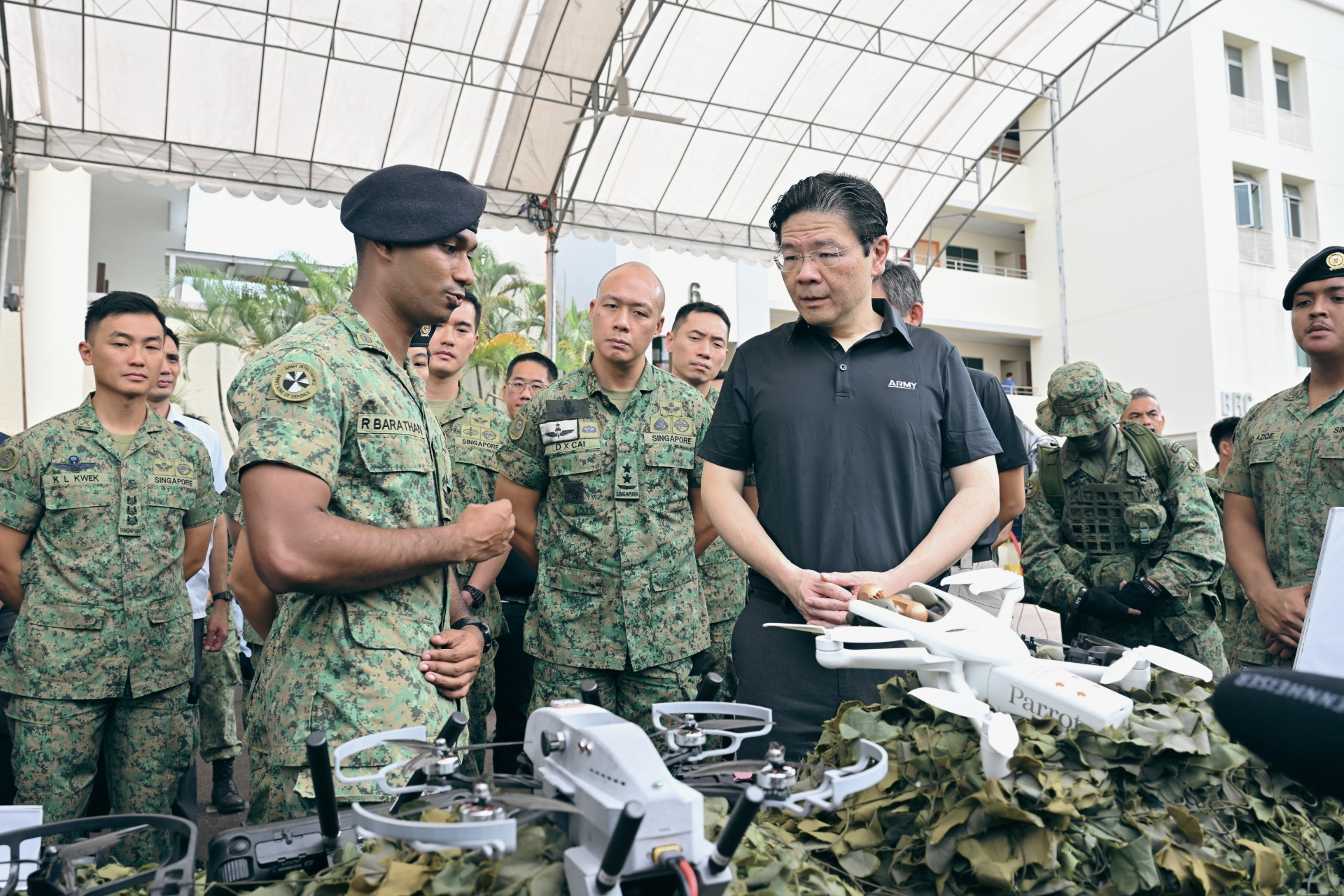
Prime Minister Lawrence Wong observes SAF’s sense-strike integrated capabilities
09 Apr 2026
He witnessed the SAF’s ongoing efforts in leveraging advanced robotics and cross-Service integration to secure Singapore’s interests in an increasingly volatile world.
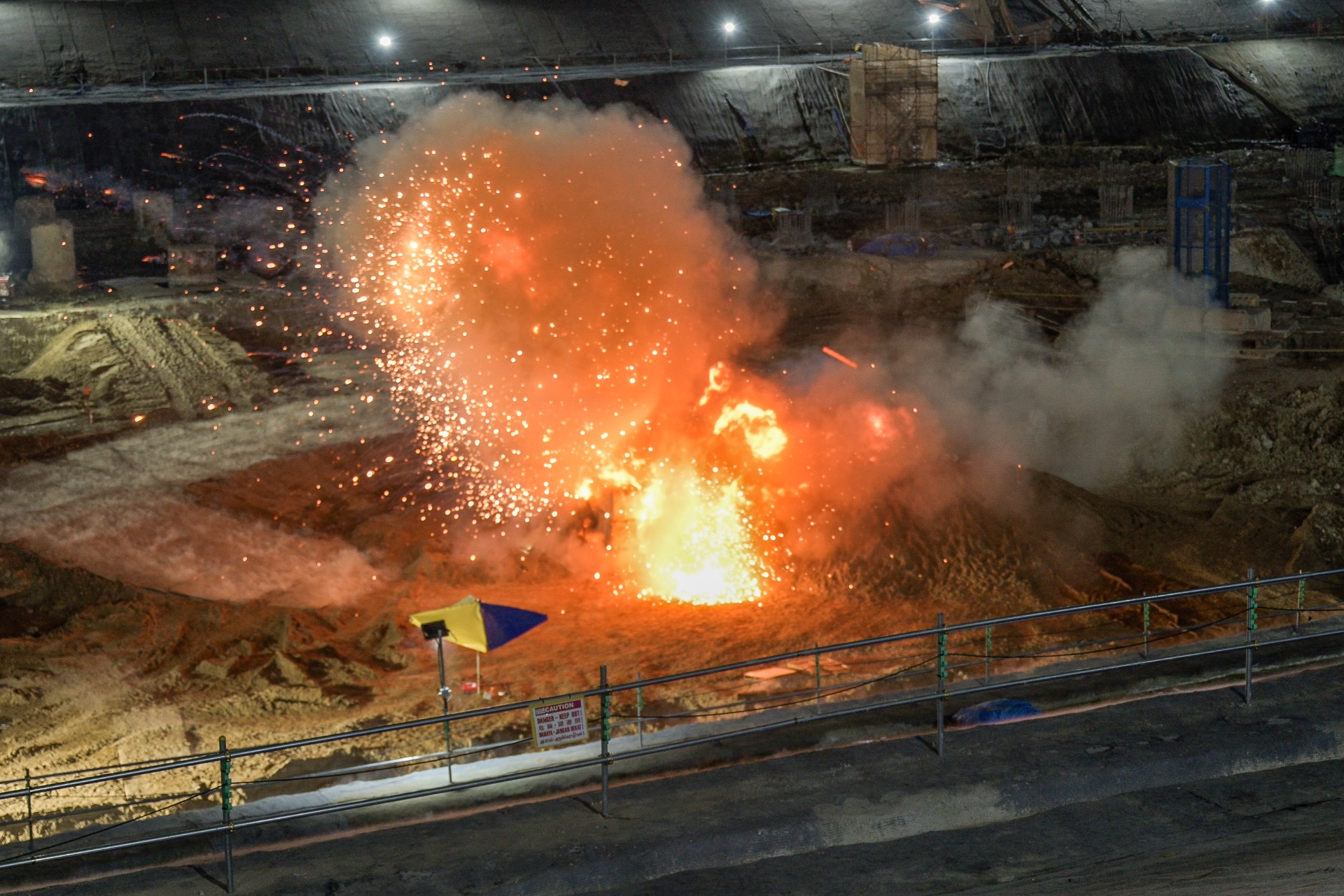
SAF detonates 250kg WWII bomb uncovered at Tanah Merah Coast Road
02 Apr 2026
On 2 Apr, the SAF’s Explosive Ordnance Disposal (EOD) team successfully disposed of an unexploded war relic found at Tanah Merah Coast Road.