
OPS & TRAINING
LOGISTICIAN LEADERS
30 Oct 2007
Currently in its third year, the Maintenance Section Commander Course (MSCC) at the Ordnance Engineering Training Institute (OETI) has turned more than 1,000 logisticians into leaders. With the 10th batch of trainees having passed through the doors of OETI on 26 Jun, PIONEER meets the graduands and the men behind the leadership course.
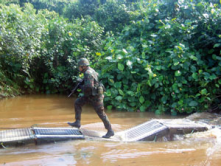
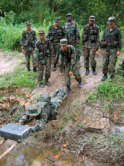
Decked out in their Army fatigues, complete with Skeletal Battle Order (SBO), helmets and M-16 rifles, 26 young men waded cautiously through fast-flowing muddy waters across a river, under the watchful eyes of 1WO Abdul Haddy bin Hasran.
That was an experience LCP Ian Vigus, a Singapore Permanent Resident originally from England, would never forget.
An automotive technician trained in the servicing and maintenance of 'B' vehicles including land rovers and three-tonners, LCP Vigus was among those hand-picked by his OETI platoon commander and instructors to be part of the MSCC.
"The course turned out to be more regimental than I had expected but as it progressed, I felt myself growing confident because the lessons were training us to be comfortable in speaking and interacting with people. I feel that I m now ready to lead a section," said LCP Vigus.
As part of the course, trainees had to go through leadership development classes, team-bonding and life skills training sessions, rules of engagement and other combat operational procedures, topography lessons and field exercises.
Crossing the Infantry Assault Bridge (IAB) was part of what trainees had to overcome in their Individual and Group Combat Skills (IGCS) Training.
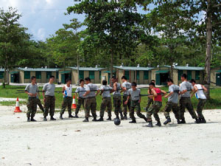
Having a ball of a time: Trainees attempt to strike a goal while being 'bound' together.
Leaders in the making
Technicians from the various specialisations were nominated for the MSCC based on their performance at the Basic Technician Training (BTT) course in OETI and their performance during their On Job Experience (OJE) at the Army Maintenance Bases (AMBs) thereafter.
The selected technicians then went through five weeks of classroom and outfield training before assuming the role of section commanders in their units.
To groom independent thinkers and competent strategists, trainees were allowed some autonomy in decision-making so that they could take charge of their own learning.
"Our trainees had to 'leap and bound' while covering each other as the section advanced together, and they were issued blanks to give them a sense of what it d be like to be in battle. But they had to figure out how they wanted to move - in a buddy system, in threes or fours - that was all up to them," said 1WO Haddy.
The final phases of the MSCC involved a Field Deployment Exercise (FDEx) and an integrated exercise, where all 150 trainees from the Supply, Transport and Maintenance segments of the Combat Service Support Command came together for the last leg of the leadership course.
During the FDEx, trainees were divided into sections of 10 and taught skills such as vehicle camouflaging, artillery drills and field discipline.
The integrated exercise, which took place over three days at Pulau Tekong, had trainees grouped into 'syndicates' with 16 members each. Every syndicate was assigned five checkpoints and as team members moved from location to location, they were given tasks to complete and issues to resolve.
Brothers-in-arms
The FDEx and integrated exercises enabled LCP Benjamin Chong to widen his social circle and bond with his fellow trainees. LCP Chong remarked: "We were split up into different details, so we got to mingle with different people."
In the integrated exercise, trainees got to share expertise and learn from one another. A greater awareness of various machinery and vehicle platforms ensued as trainees rectified problems on site, detailing the experience among their peers with different specialisations.
1WO Haddy summed up the objective of the integrated exercise. "We wanted the different components of the logistics family to really understand each other s role, to keep the synergy going," he said.
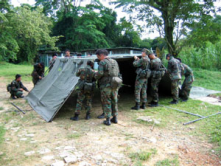
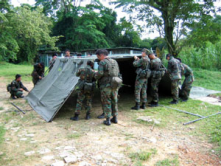
Logisticians ensure that the team and their supplies cross a stream safe and dry.
Proven success
The need to train section commanders and 2ICs was identified in 2004, with the section competencies built within the sections of the AMBs. The training branch at OETI then designed the MSCC for the implementation of the Army Technical Training System (ATTS).
Planning for the MSCC started as early as June 2004, with the pioneer batch of trainees graduating from the course on 15 Apr 05.
Though modelled after the School of Infantry Specialists' (SISPEC) Basic Section Leader Course (BSLC), the MSCC was tailor-made for logisticians.
"When deciding on the course curriculum, we were mindful of the training needs of logisticians and the essential skills required of maintenance section commanders - the Full-time National Servicemen (NSFs) and junior regulars," said Mr James Abraham, Training Coordinating Officer (TCO) and member of the committee in charge of the design and review of technician training programmes at OETI.
With the MSCC receiving plenty of positive feedback from the trainees, OETI's leadership course is heading in the right direction. "Through the training, I've become more confident in speaking up and I've learned to be an effective section commander, a leader," said CPL Md Fadzly bin Masrabi.
1WO Haddy, who has seen five batches of trainees through the MSCC, was determined to imbue discipline in his trainees from day one of the course.
"When our trainees first came in, I was very strict with them. As long as they were in camp, they had to march from point to point even after office hours. I also checked their turn-out and bearing regularly," said 1WO Haddy.
He added: "At the end of the day, they'll return to their units and earn the respect of their men."

ALSO READ IN OPS & TRAINING
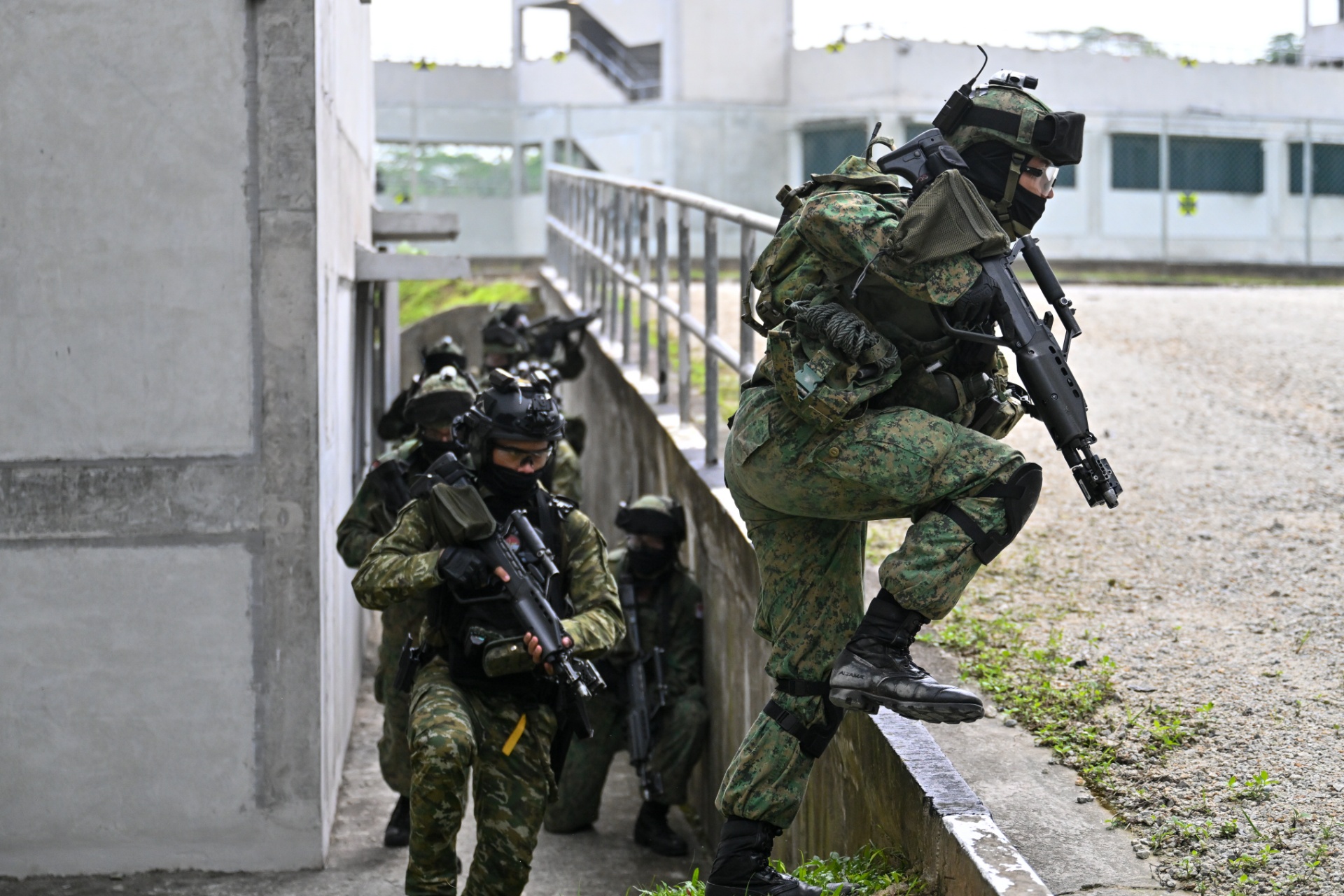
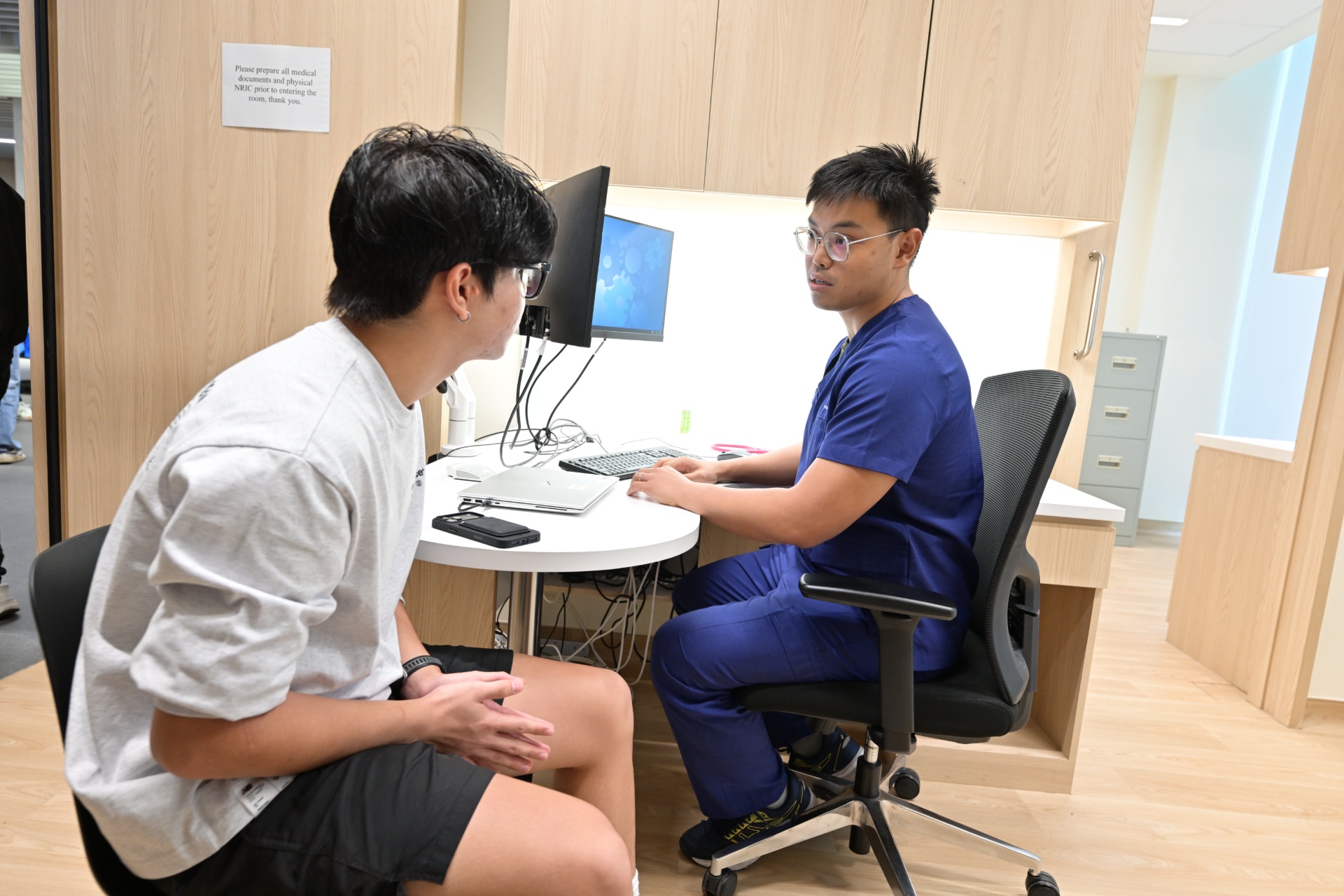
SAF & Home Team to refresh Medical Classification System
13 Apr 2026
The refreshed system will allow about 1,200 servicemen annually to be deployed for vocations and roles they were ineligible for previously.
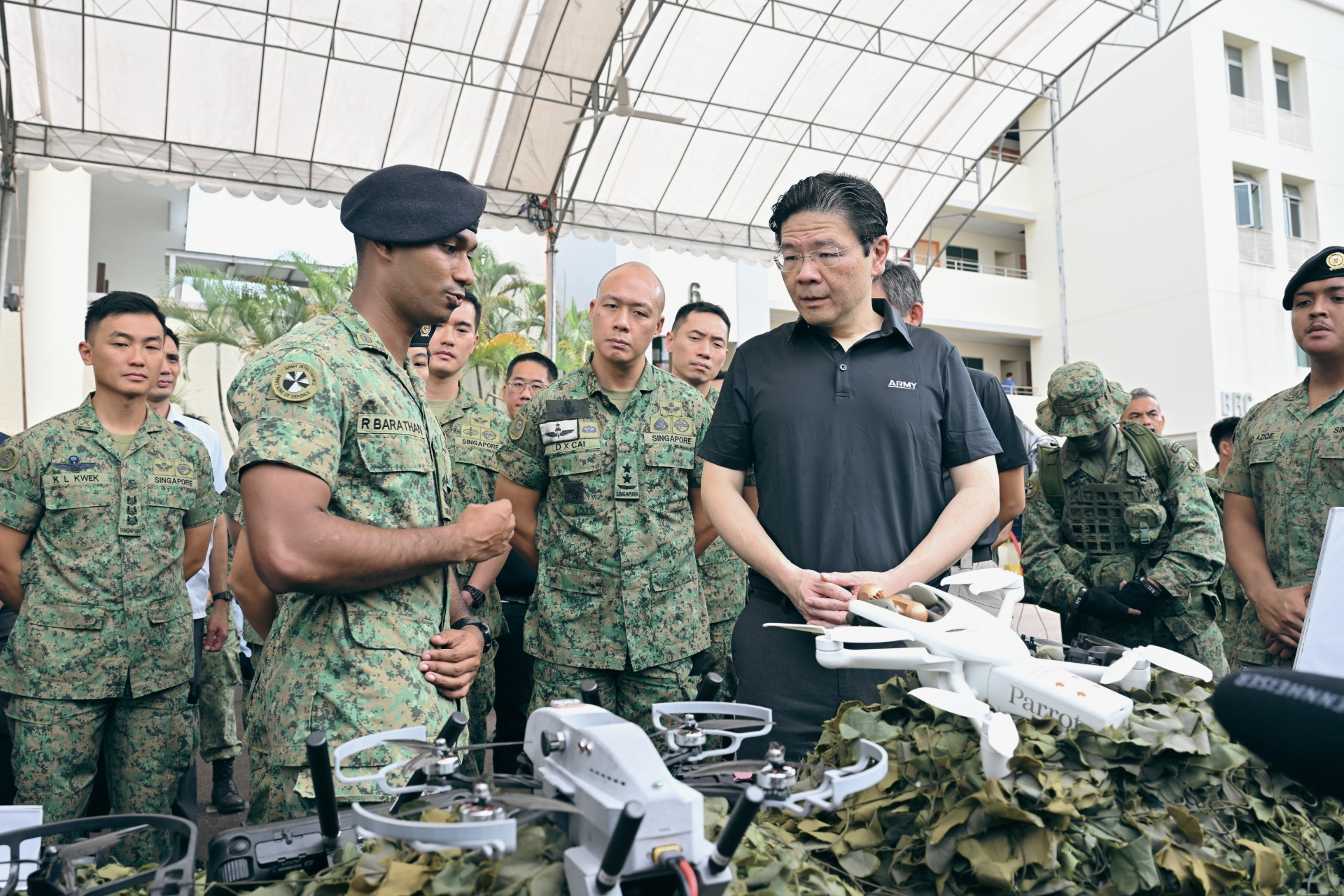
Prime Minister Lawrence Wong observes SAF’s sense-strike integrated capabilities
09 Apr 2026
He witnessed the SAF’s ongoing efforts in leveraging advanced robotics and cross-Service integration to secure Singapore’s interests in an increasingly volatile world.
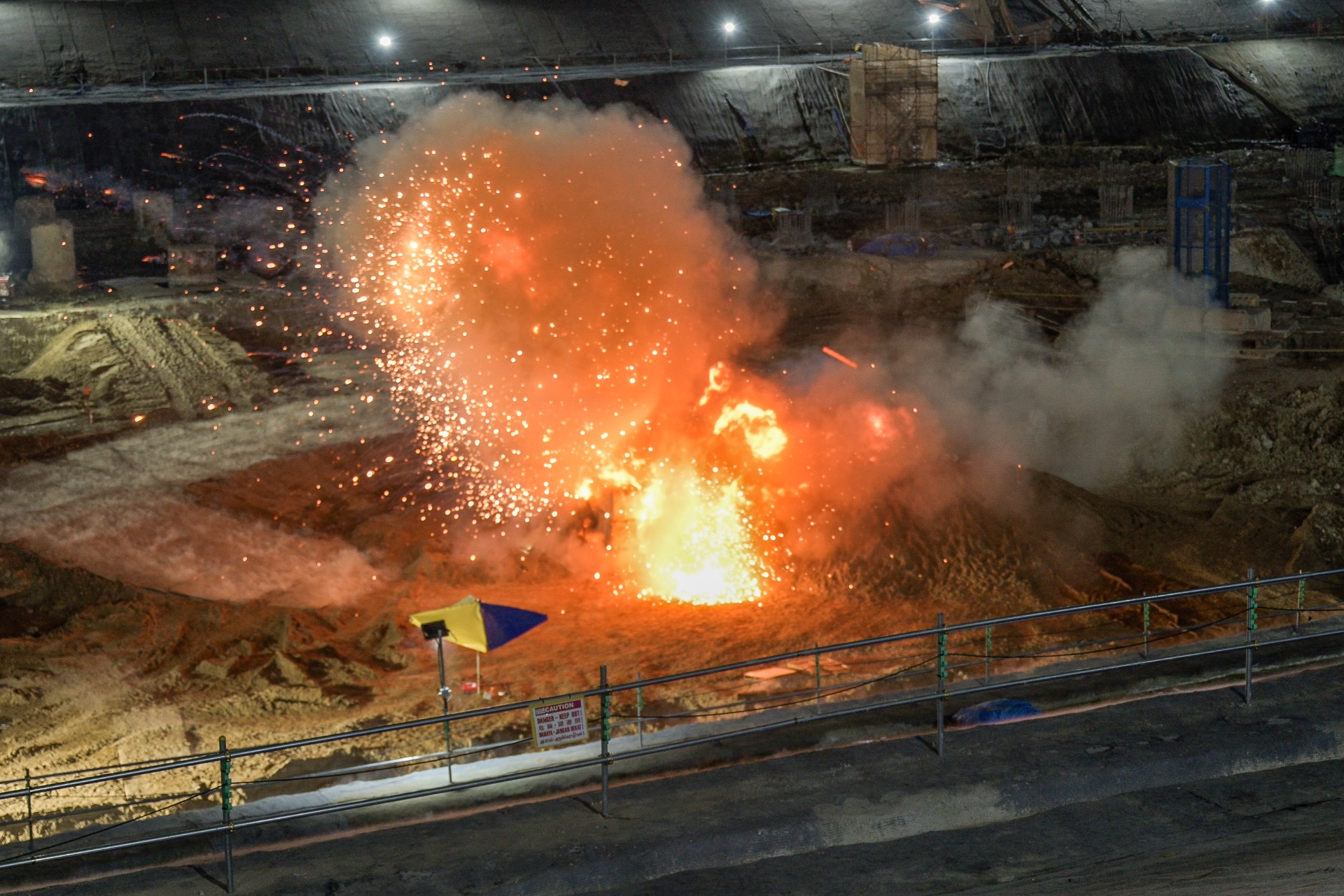
SAF detonates 250kg WWII bomb uncovered at Tanah Merah Coast Road
02 Apr 2026
On 2 Apr, the SAF’s Explosive Ordnance Disposal (EOD) team successfully disposed of an unexploded war relic found at Tanah Merah Coast Road.