
OPS & TRAINING
IT IS NEITHER POSSIBLE NOR STRATEGICALLY NECESSARY TO CONTAIN CHINA'S RISE: DR NG
04 Dec 2016
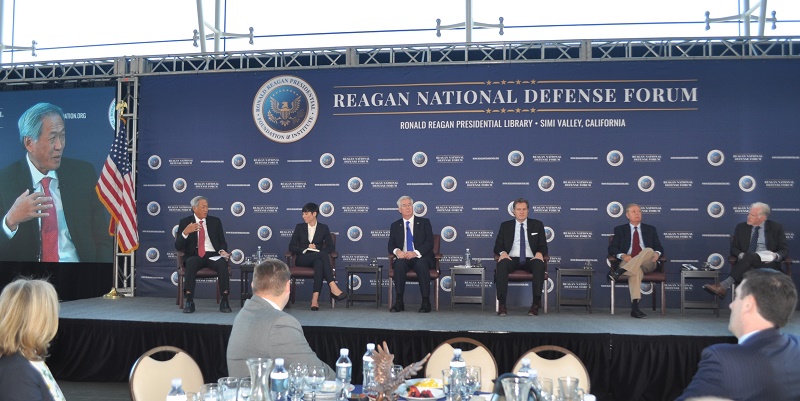
"The United States' (US)' role as a resident power in the Asia-Pacific region cannot be for the sole purpose of containing China, perceived or otherwise." This was one of key points brought up by Minister for Defence Dr Ng Eng Hen during the first panel session at the annual Reagan National Defense Forum on 4 Dec in Simi Valley, California.
Speaking on the topic A View of the US National Defense from Friends and Allies, Dr Ng highlighted that as an integral leader in the global systems of trade, finance and security, and with a defence budget second only to the US, China's rise cannot be contained.
"It is neither possible nor strategically necessary to contain China's rise. There are good reasons for this China is the second largest economy in the world, largest or second largest trading partner of nearly every country in the Asia-Pacific region It is clear that China needs the World as much as the World needs China, and I think this interdependence will grow, not diminish," he said.
Dr Ng, speaking alongside four other panellists comprising defence ministers and Members of the US Congress, also emphasised the importance of the US' continued engagement of the Asia-Pacific region.
"One should see the rise of China, India and ASEAN as a virtuous outcome of the US foreign and defence policies over the last 70 years That very fact alone validates the US foreign and defence policies in Asia over the last few decades. But I think this success brings a suite of new challenges as we contemplate US foreign policy moving forward."
He also cautioned that a US presence in the Asia-Pacific region based predominantly on security would be unidimensional and structurally brittle. "The US announced 60 percent of its naval and air power to be based in the Pacific by 2020. These security policies must be complemented by the US expansion of its trade and commerce links to ensure that it remains a dominant economic power as it has historically been."
He added: "The Trans-Pacific Partnership would have been a concrete, tangible commitment and to continue to be a dominant force, the US needs a multifaceted relationship with countries in Asia."
On Singapore's bilateral relations with the US, Dr Ng reiterated Singapore's continued support of the US' engagement of the Asia-Pacific region. "Singapore looks forward to working with the new administration to continue to allow the US to be a stabilising force in the Asia-Pacific region."
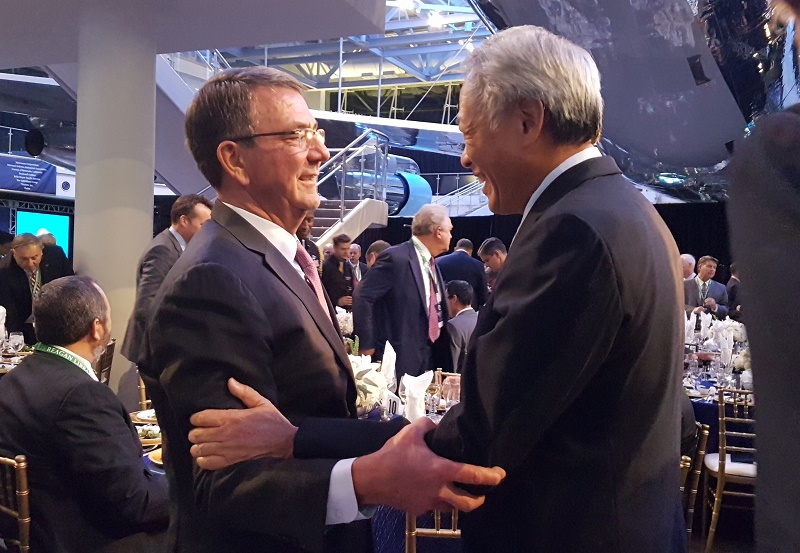
In December 2015, Dr Ng and US Secretary of Defense Ashton Carter signed an enhanced Defence Cooperation Agreement to strengthen cooperation between both countries in the military, policy, strategic and technology spheres as well as in non-conventional security areas such as piracy and transnational terrorism.
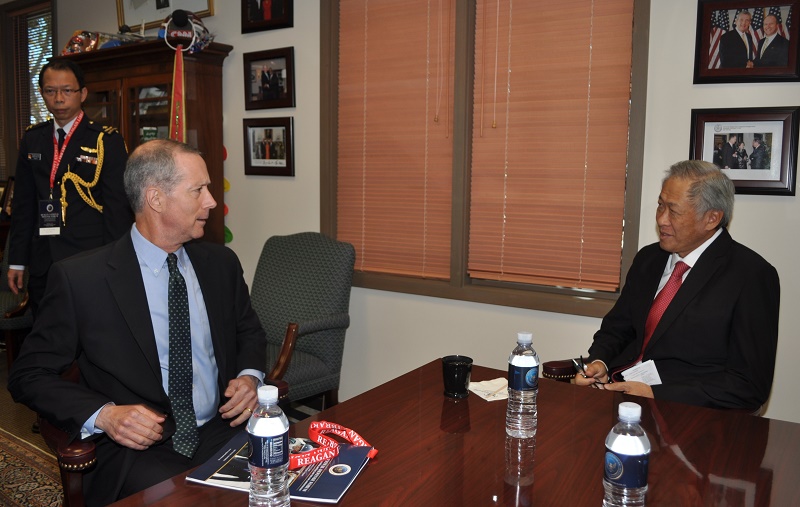
As part of his US visit from 3 to 5 Dec, Dr Ng met with Secretary Carter as well as Members of the US Congress, including Congressman and Chairman of the House Armed Services Committee Mac Thornberry, Congressman Bradley Byrne, US Senator Dan Sullivan and former Senator Jon Kyl.
This year's Reagan National Defense Forum, the fourth in its series, was attended by Secretary Carter, who spoke at the closing session, and other US national security officials, foreign defence ministers, Members of the US Congress, policy experts and military leaders.


ALSO READ IN OPS & TRAINING
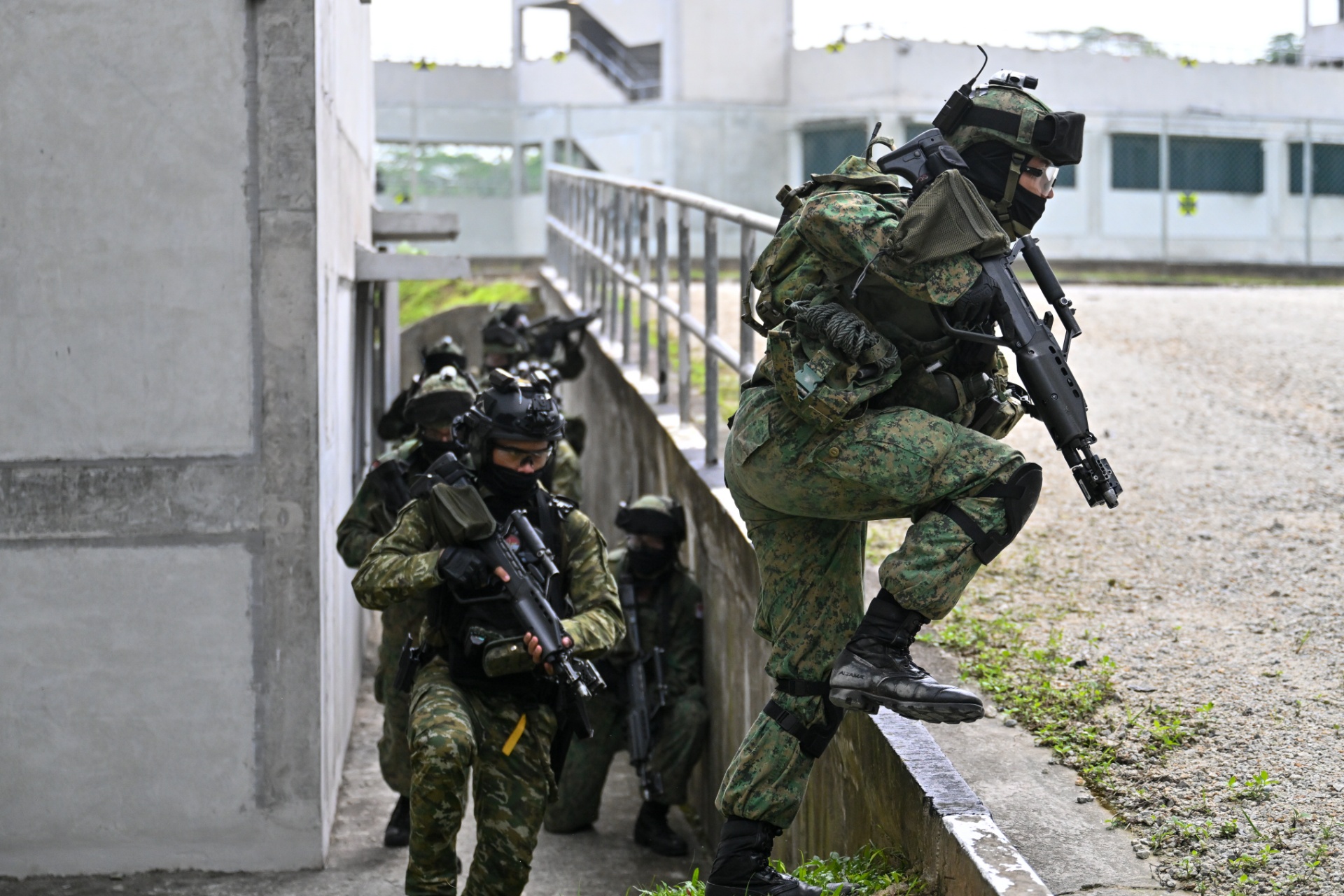
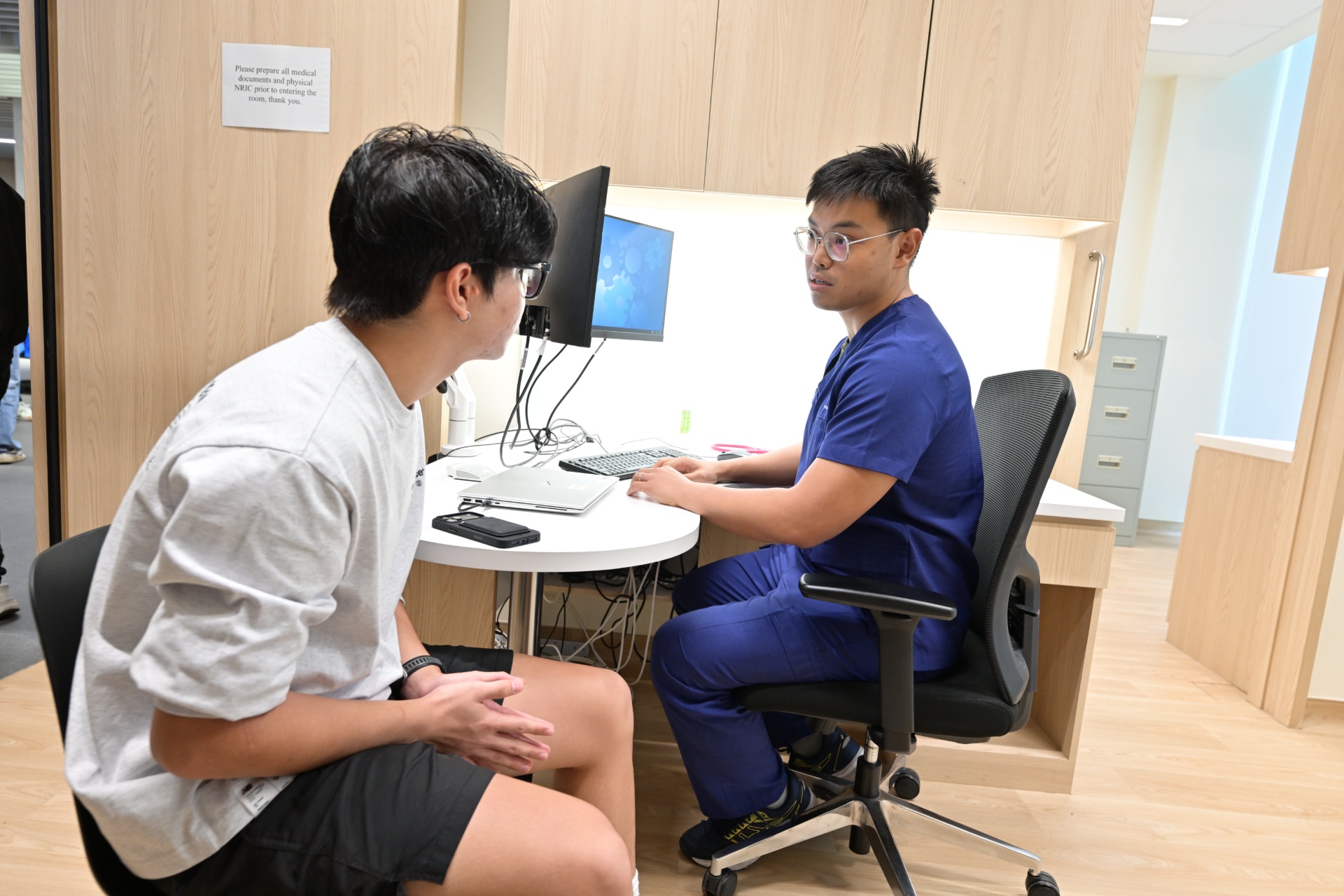
SAF & Home Team to refresh Medical Classification System
13 Apr 2026
The refreshed system will allow about 1,200 servicemen annually to be deployed for vocations and roles they were ineligible for previously.
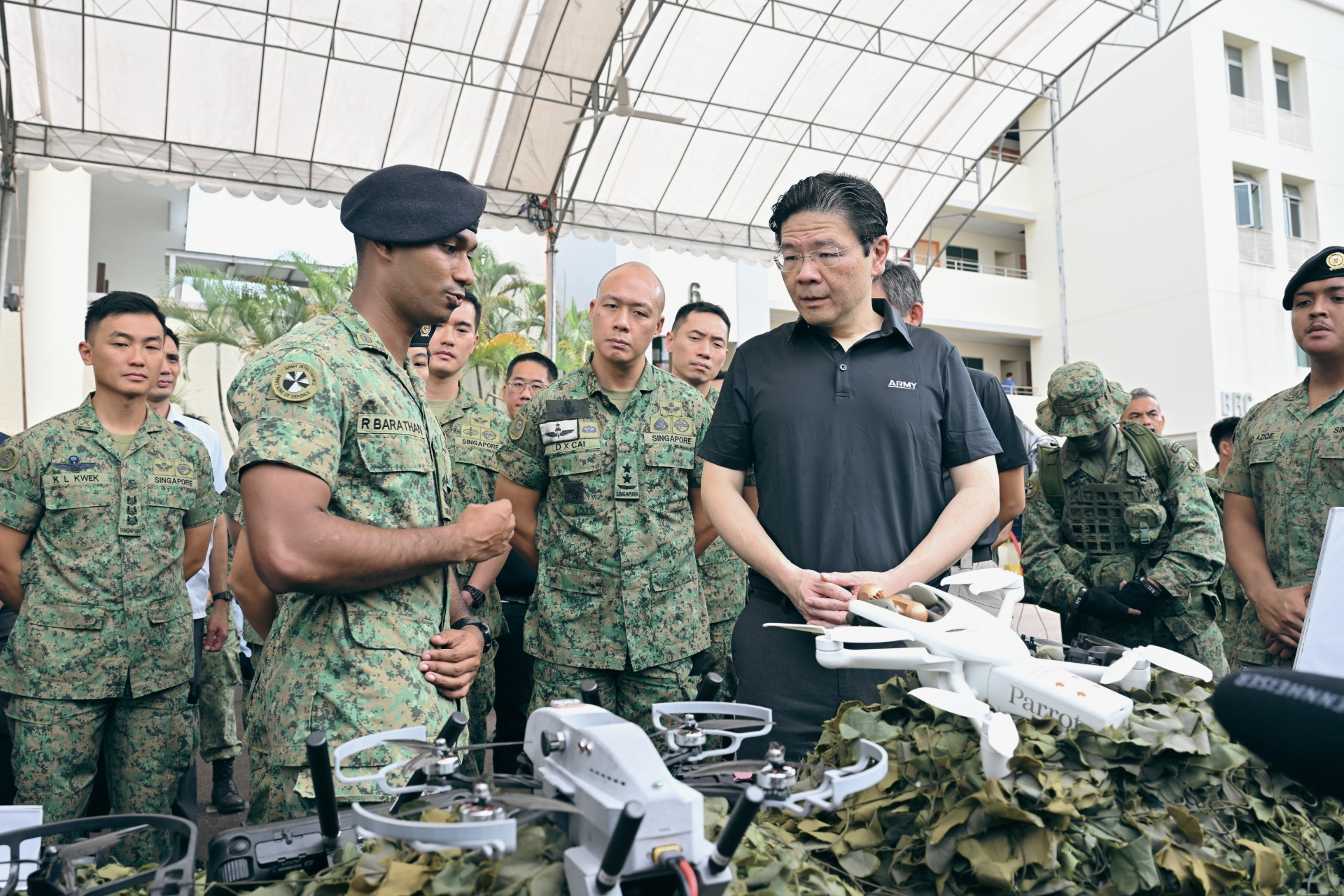
Prime Minister Lawrence Wong observes SAF’s sense-strike integrated capabilities
09 Apr 2026
He witnessed the SAF’s ongoing efforts in leveraging advanced robotics and cross-Service integration to secure Singapore’s interests in an increasingly volatile world.
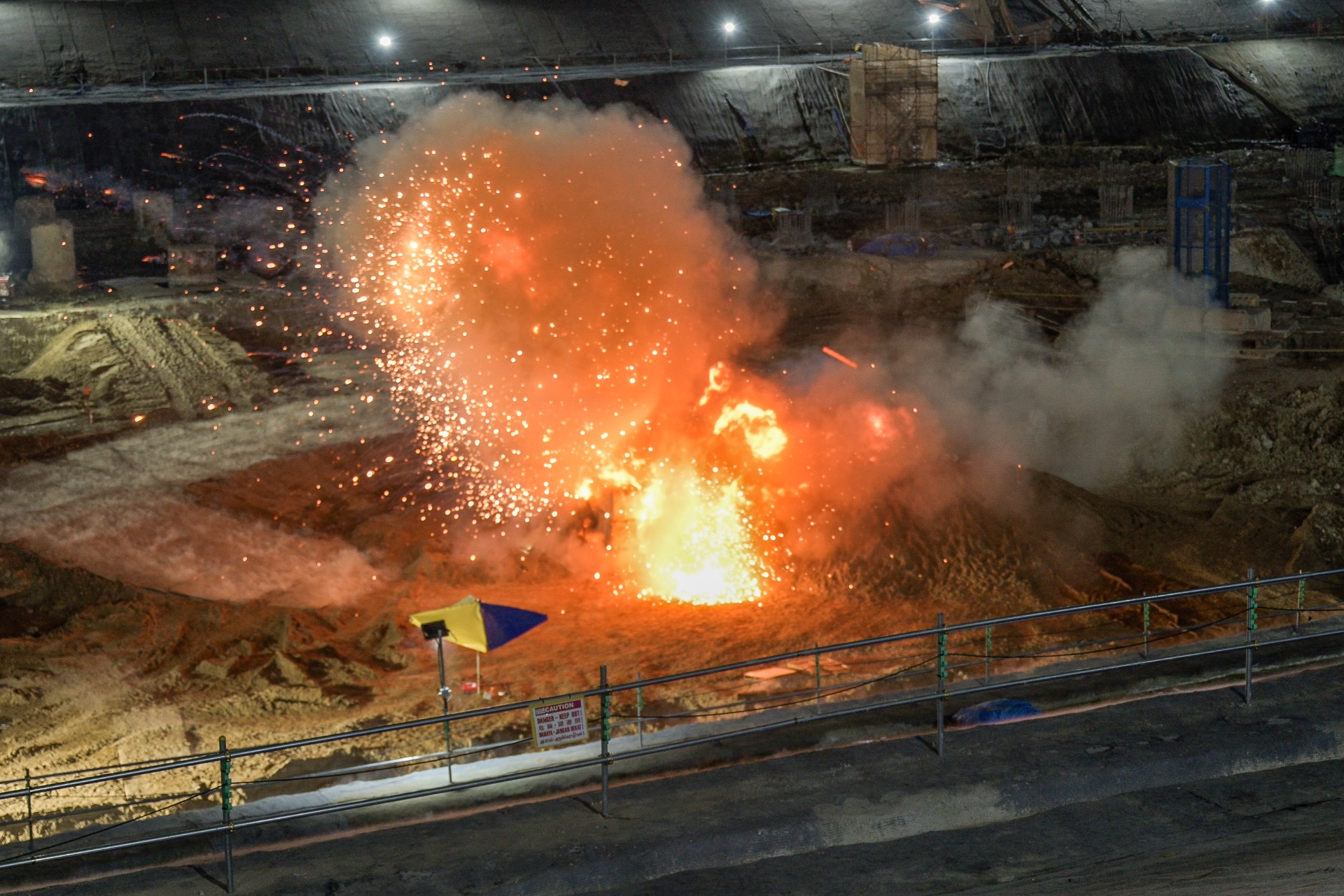
SAF detonates 250kg WWII bomb uncovered at Tanah Merah Coast Road
02 Apr 2026
On 2 Apr, the SAF’s Explosive Ordnance Disposal (EOD) team successfully disposed of an unexploded war relic found at Tanah Merah Coast Road.