
OPS & TRAINING
INFORMATION-SHARING KEY TO TACKLING GLOBAL SECURITY ISSUES
19 Feb 2009
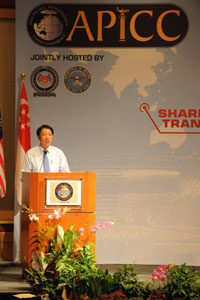
As the saying goes, to be forewarned is to be forearmed.
Noting that "information is the basis upon which considered decisions are made and effective action is taken", Minister for Defence Teo Chee Hean emphasised the importance of cooperation between armed forces and intelligence professionals in the sharing of information, knowledge and expertise.
This was said during his keynote address on 18 Feb at the opening ceremony of the second Asia-Pacific Intelligence Chiefs Conference (APICC). The theme of the event, which ends on 20 Feb, is Sharing Expertise in Managing Transnational Security Issues.
Co-hosted by the Singapore Armed Forces and the United States Pacific Command, this year's meeting saw intelligence experts and military intelligence chiefs from 25 countries gather to network and exchange perspectives on common challenges and opportunities in information sharing, as well as other issues of mutual interest.
Mr Teo said that in the light of today's complex security problems, which are often non-traditional and transnational in nature, intelligence and information sharing is an important aspect of international cooperation that contributes to addressing these challenges.
Citing the positive results of information sharing systems in collaborative initiatives such as the Malacca Strait Patrols and the Regional Cooperation Agreement on Combating Piracy and Armed Robbery against Ships in Asia, Mr Teo highlighted how the number of piracy incidents in the Malacca Strait had dropped from a high of 21 in 2004 to just six last year.
Adding that Singapore is preparing to deploy a naval vessel to the Gulf of Aden later this year, he pointed out that by sharing information and working together closely, the combined effectiveness of all the ships in the newly formed Combined Task Force 151 would be greatly enhanced. Combined Task Force 151 is a multinational task force conducting counter-piracy operations in the Gulf of Aden, Red Sea, Indian Ocean and Arabian Sea.
"An important aspect of our preparations and operations there is to exchange intelligence and information with our partners who are operating there. Without that, they would just be one isolated ship operating in a large sea, and not be effective," he said.
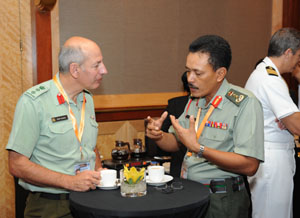
Besides enhancing information-sharing among the Asia-Pacific nations, forums like APICC also play a significant role in helping to build understanding and develop relationships among intelligence chiefs and organisations in the region.
Commenting about the value and relevance of the conference in his speech, Brigadier-General Tan Meng Dui said: "In just under two years, APICC has grown in size and significance. From just 18 countries in 2007, the number of countries represented at this conference has shot up to 25, and from nine military intelligence chiefs who attended the first APICC, we now have 16."
Representatives from Bangladesh, China, Indonesia, Japan, Singapore and the United Kingdom will engage APICC participants on key topics such as counter-terrorism, maritime security and humanitarian assistance and disaster relief.
Other activities include a visit to the Republic of Singapore Navy's Information Fusion Centre at Tuas Naval Base, which collates and shares information to improve the maritime situational awareness of all participating countries.

ALSO READ IN OPS & TRAINING
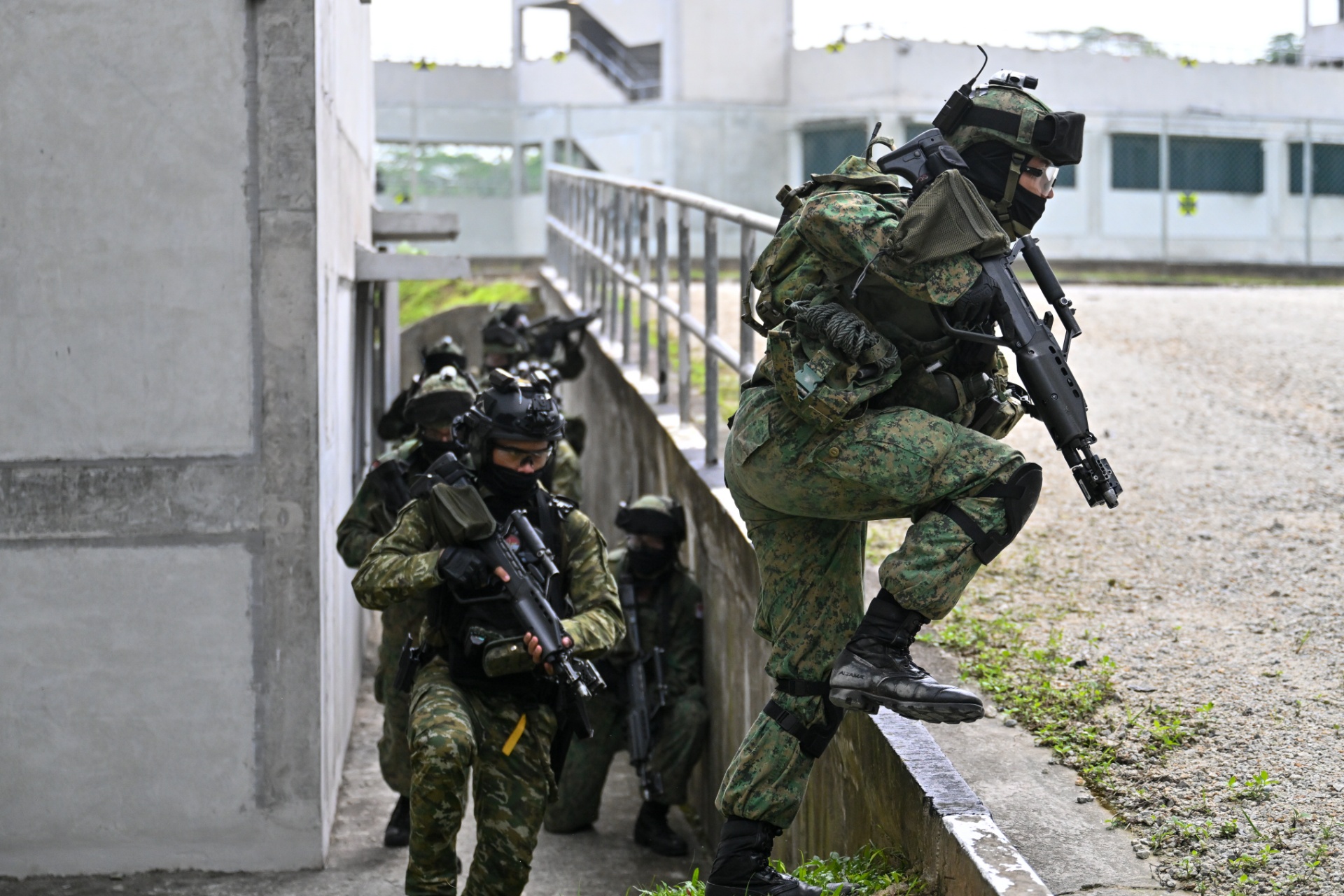
S’pore commandos, Indonesia special forces train & strengthen ties at Ex Chandrapura
08 Jul 2026
From conducting tactical airborne jumps to a coordinated urban raid, soldiers from Singapore and Indonesia deepened their decades-long partnership in this bilateral army exercise.
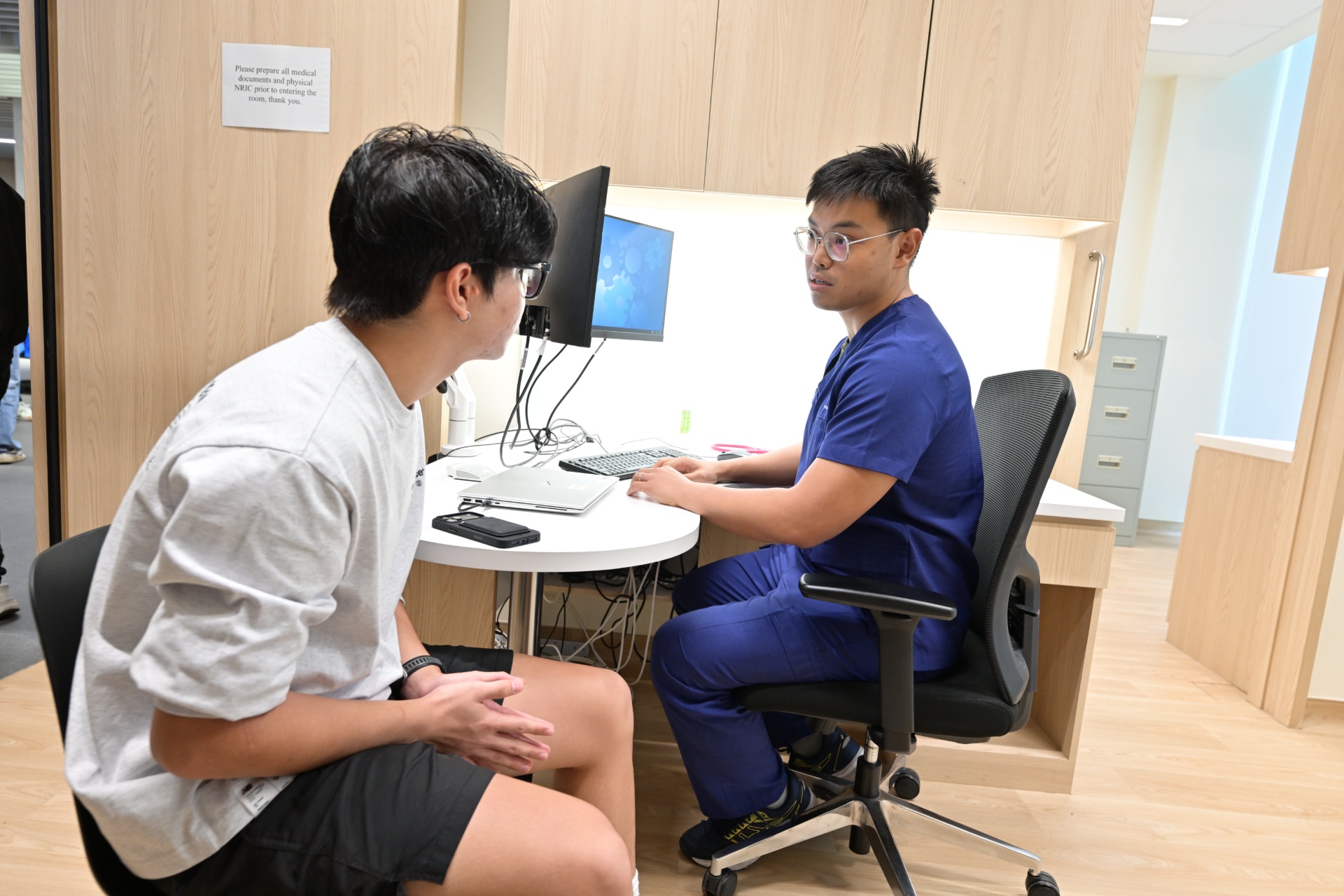
SAF & Home Team to refresh Medical Classification System
13 Apr 2026
The refreshed system will allow about 1,200 servicemen annually to be deployed for vocations and roles they were ineligible for previously.
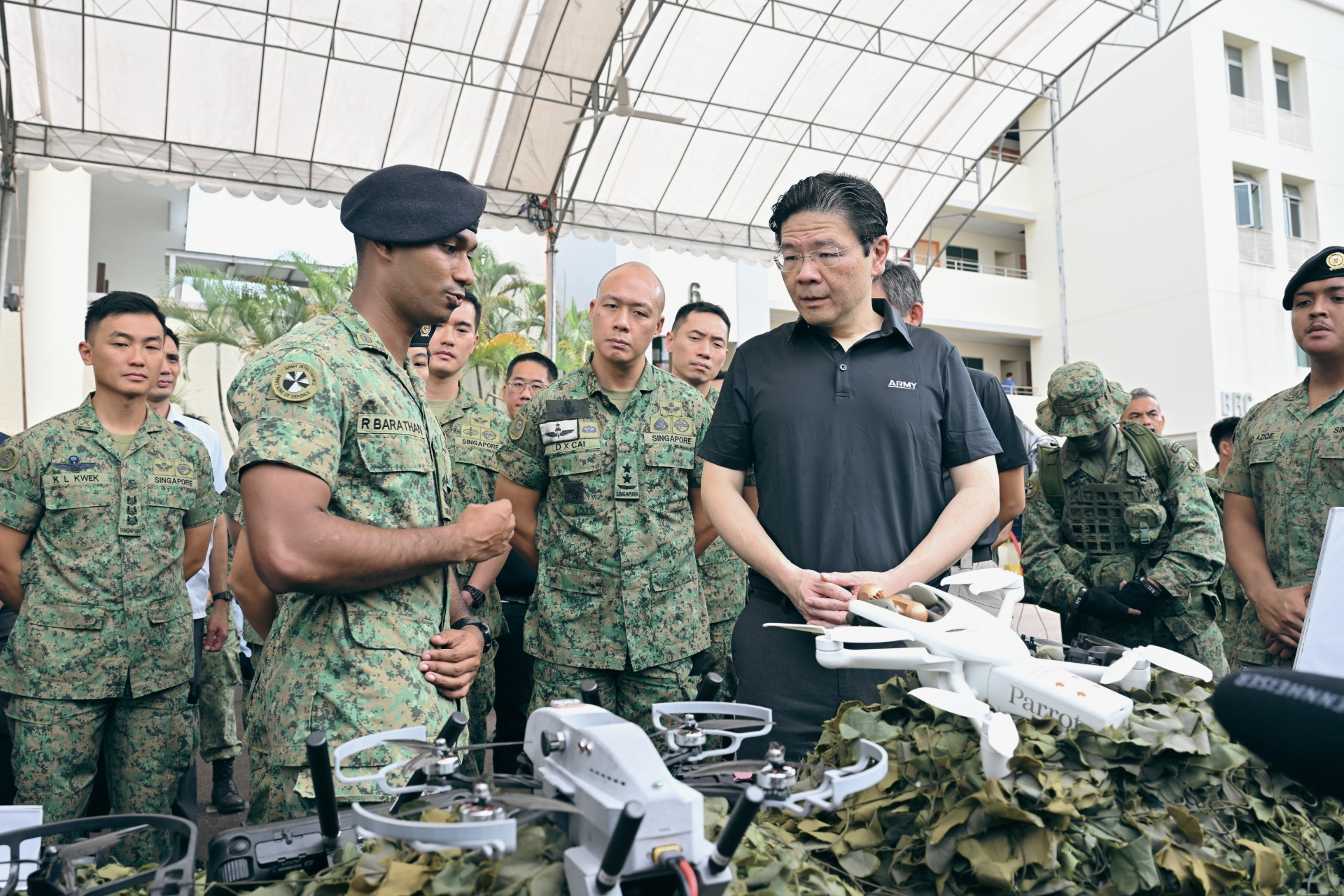
Prime Minister Lawrence Wong observes SAF’s sense-strike integrated capabilities
09 Apr 2026
He witnessed the SAF’s ongoing efforts in leveraging advanced robotics and cross-Service integration to secure Singapore’s interests in an increasingly volatile world.