
OPS & TRAINING
FORGING MULTI-LEVEL PARTNERSHIPS FOR EFFECTIVE DISASTER RELIEF
28 Aug 2009
In the disaster-prone Asia-Pacific region, countries face numerous challenges in delivering timely and coordinated aid to the victims in affected areas.
To overcome such challenges, which include the lack of communications and logistical constraints, "a humanitarian culture" that emphasises strong multi-level partnerships between the many groups of stakeholders is essential.
Minister of State for Defence Associate Professor Koo Tsai Kee shared this in his keynote address at the Humanitarian Partnership and Disaster Preparedness, Response and Recovery Workshop 2009, held on 26 and 27 Aug.
Stressing the importance of forging vital partnerships in disaster management, Associate Professor Koo cited the example of the Singapore Armed Forces (SAF) working with the Indonesian Armed Forces (TNI) in Aceh during the Asian Tsunami relief efforts in 2004 and 2005.
"Our people-to-people networks enabled us to establish an instant foundation of trust that helped both sides work effectively together during the relief efforts," he said.
"Such trust and rapport cannot be created overnight. They have to be slowly built up through regular interactions."
About 90 representatives from 25 countries, including the Association of Southeast Asian Nations (ASEAN) Regional Forum countries and the Pacific States, attended the two-day workshop at the Pan Pacific Hotel.
Besides facilitating open discussions among participants on disaster responses and coordination mechanisms, the workshop also addressed the role the United Nations (UN) and other international players play in managing disaster relief operations, taking reference from the Oslo Guidelines.
Assistant Secretary-General and Deputy Emergency Relief Coordinator Catherine Bragg, United Nations Office for the Coordination of Humanitarian Affairs (UNOCHA), said: "The UN and the international humanitarian system are only here to support national efforts. That is why we are putting increased emphasis on the role of national governments and on building the capacity of local, national regional authorities to prevent, prepare for and respond to disasters."
On the value of this workshop, Brigadier-General Tung Yui Fai, SAF's Assistant Chief of General Staff (Operations), said that it "provides a valuable platform for experts and policy-makers from the Asia Pacific region to exchange ideas and forge partnerships".
Echoing the same sentiments was Lieutenant-Colonel Lee Kuan Chung, Head of General Staff, Headquarters Guards, who said: "It is always useful for us military officers to hear the different perspectives of the NGOs (Non-Governmental Organisations), the host nations and those of the region on disaster relief responses."
"It's also a time for us to engage participants from other countries on how we can all come together to provide a coordinated response to disasters that occur in the region," he added.
The Humanitarian Partnership and Disaster Preparedness, Response and Recovery Workshop 2009 was co-hosted by the SAF, the Australian Agency for International Development and UNOCHA.

ALSO READ IN OPS & TRAINING
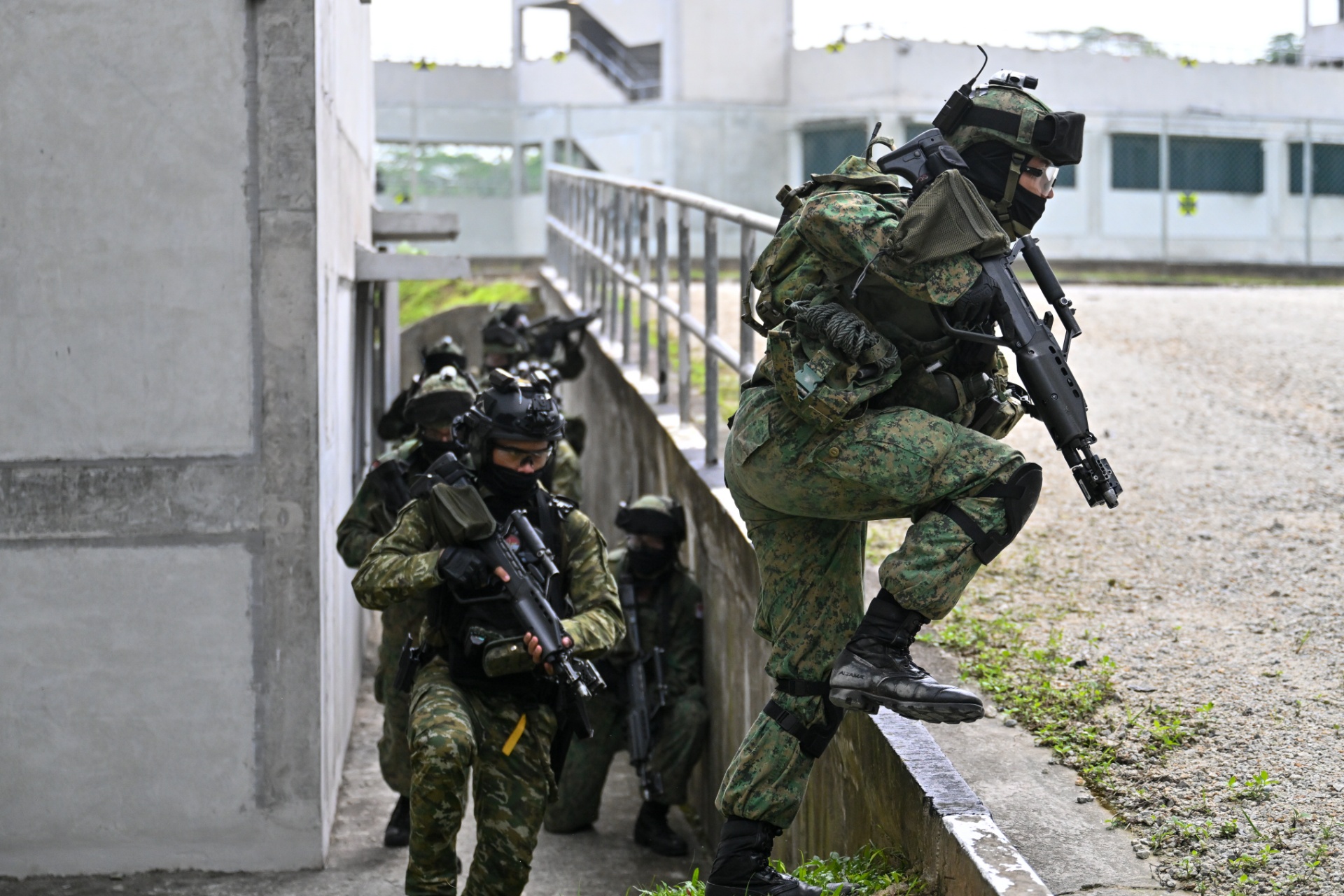
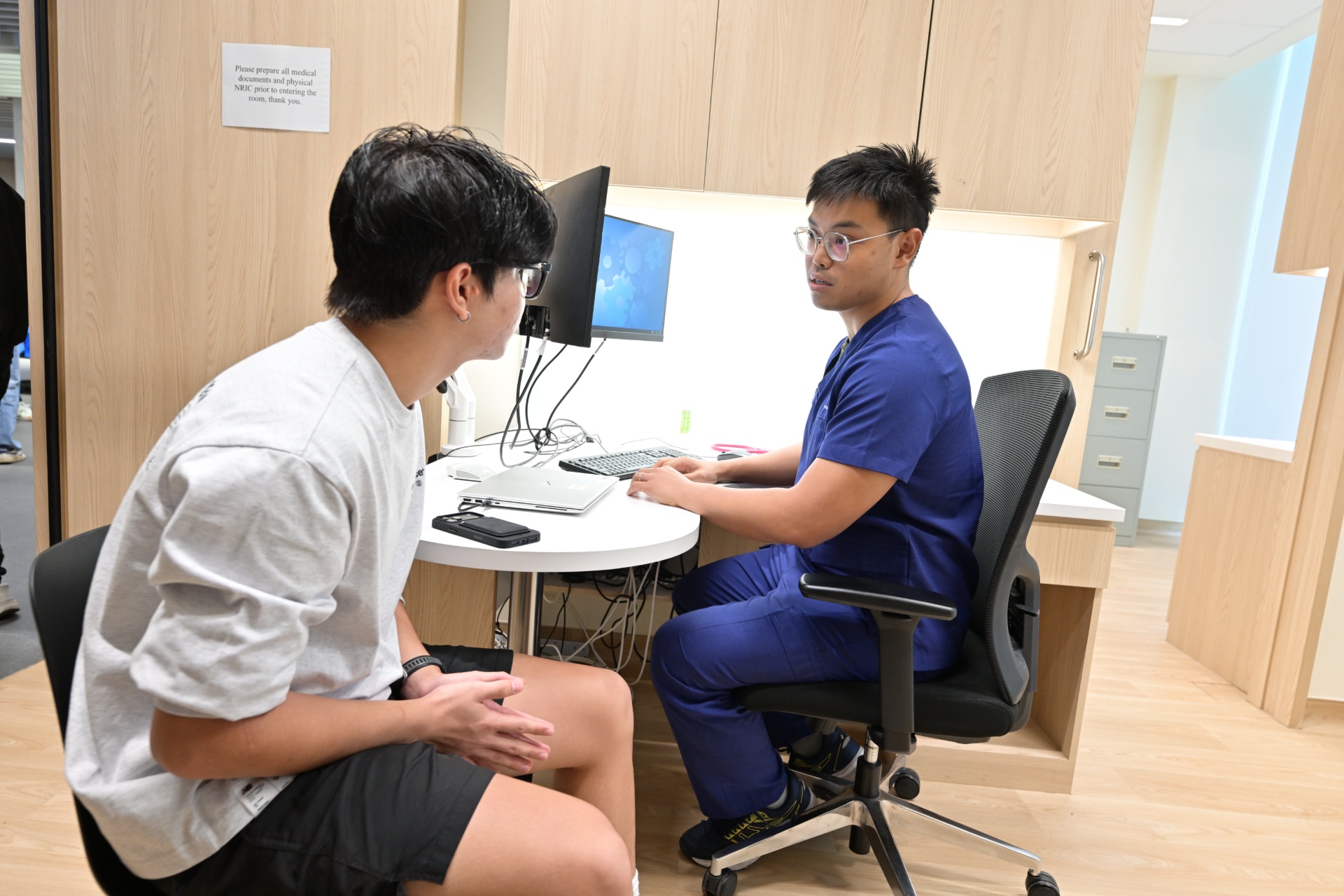
SAF & Home Team to refresh Medical Classification System
13 Apr 2026
The refreshed system will allow about 1,200 servicemen annually to be deployed for vocations and roles they were ineligible for previously.
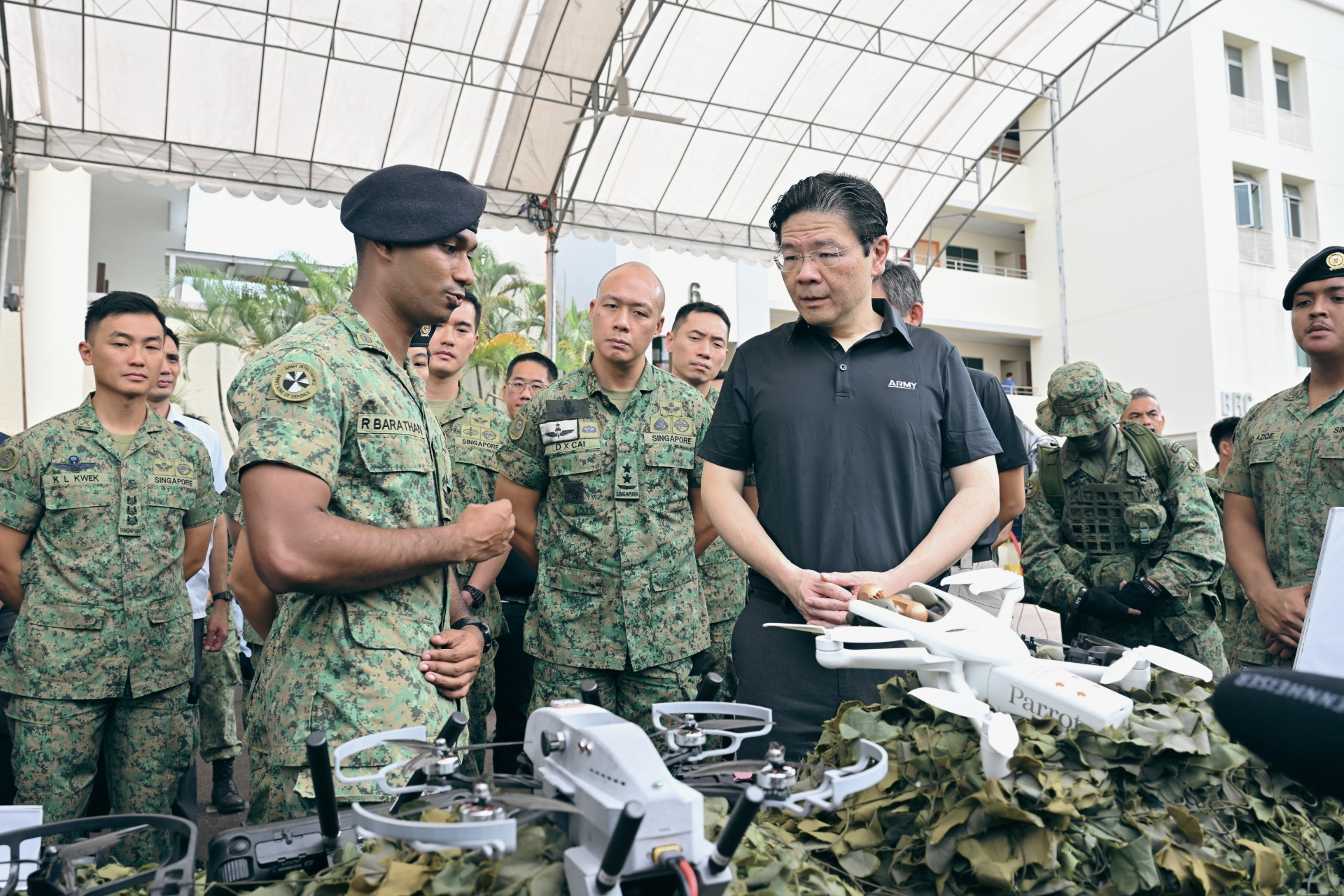
Prime Minister Lawrence Wong observes SAF’s sense-strike integrated capabilities
09 Apr 2026
He witnessed the SAF’s ongoing efforts in leveraging advanced robotics and cross-Service integration to secure Singapore’s interests in an increasingly volatile world.
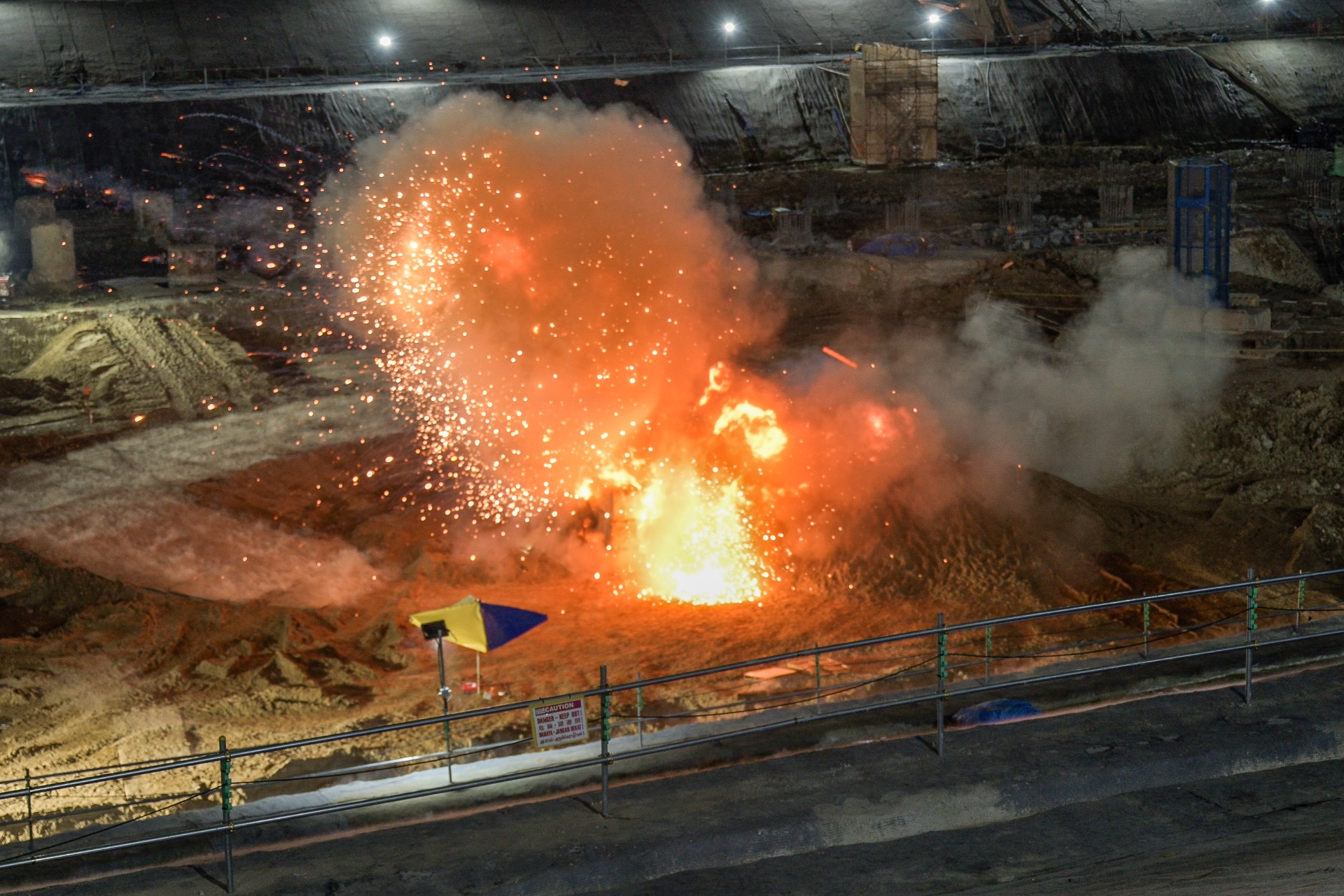
SAF detonates 250kg WWII bomb uncovered at Tanah Merah Coast Road
02 Apr 2026
On 2 Apr, the SAF’s Explosive Ordnance Disposal (EOD) team successfully disposed of an unexploded war relic found at Tanah Merah Coast Road.