
OPS & TRAINING
'FIRST' AID FLIGHTS
14 Jan 2005
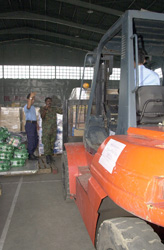
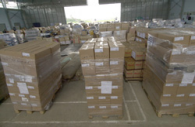
The problem is not a lack of humanitarian aid for Indonesia; it is delivering what is needed most urgently first to the tsunami-stricken regions of Meulaboh and Banda Aceh.
And this is one area where the Singapore Armed Forces (SAF) soldiers based in Medan, Indonesia, are making a difference.
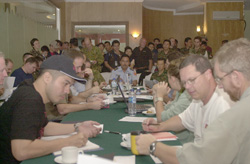
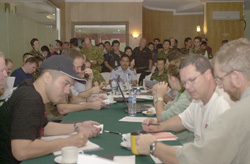
Since last week, a Civil Military And Aid Co-ordination (CMAAC) meeting has been held daily in a local hotel.
Chaired by an Indonesian commander, the meeting involves the participation of the Singapore, American and Australian militaries.
Representatives from various international organisations (IOs) and non-governmental organisations (NGOs), like the Red Cross, International Organisation for Migration (IOM) and the World Food Programme, also sit in to get updates on the situation in Meulaboh and Banda Aceh.
They can also raise issues of transporting these needed supplies into the two regions.
The armed forces of Singapore, the United States and Australia then try to facilitate their requests, with approval given by the Indonesian Armed Forces (TNI).
"Many agencies are eager to deliver relief supplies. What the SAF does is to prioritise the requests and fly who and what need to go, first," explained Civil Military Relations (CMR) Liaison Officer, Lieutenant (LTA) Larry Oh.
He added that the SAF work hand-in-hand with the TNI to decide this.
There is now a clear access road from Medan to Meulaboh, but the journey can take up to 20 hours. And while other armed forces are increasing their flights from Medan to Meulaboh, the SAF still remains the main flight provider today.
The Adventist Development and Relief Agency (ADRA) is one NGO that has been able to get their supplies to the victims of the tsunami, with the SAF's help.
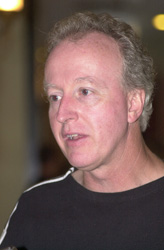
Mr Robert Patton from ADRA (left) said: "Specific critical supplies have to be sent to specific people in Meulaboh."
"They can include medicine for malaria and cholera, anti-biotic injections, test tubes, hospital beds and even a microscope. We work with some Singaporean soldiers in a Meulaboh hospital who distribute the supplies to various groups."
"And the SAF has played an excellent co-ordinating role for these health and medical groups."
Mr Patton who first arrived in Meulaboh on 2 Jan, is glad to see better management of the humanitarian aid coming into Medan.
He said: "A system is evolving, and crucial to the co-ordinating role with the NGOs and IOs is the SAF."
"We could not have done what we have achieved without the assistance of the SAF. The work done is just brilliant."
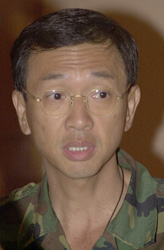
Director of the CMR, Colonel (COL) (Vol) Sng Cheng Keh (left), has just returned to Medan from Meulaboh, and is glad to see how such aid is helping the people: "Life is coming back to normal."
"Although the destruction was tremendous and cleaning up is still in progress, some of the market stalls are now opened, and people are now buying and selling things, which is a good indication of normalcy."

ALSO READ IN OPS & TRAINING
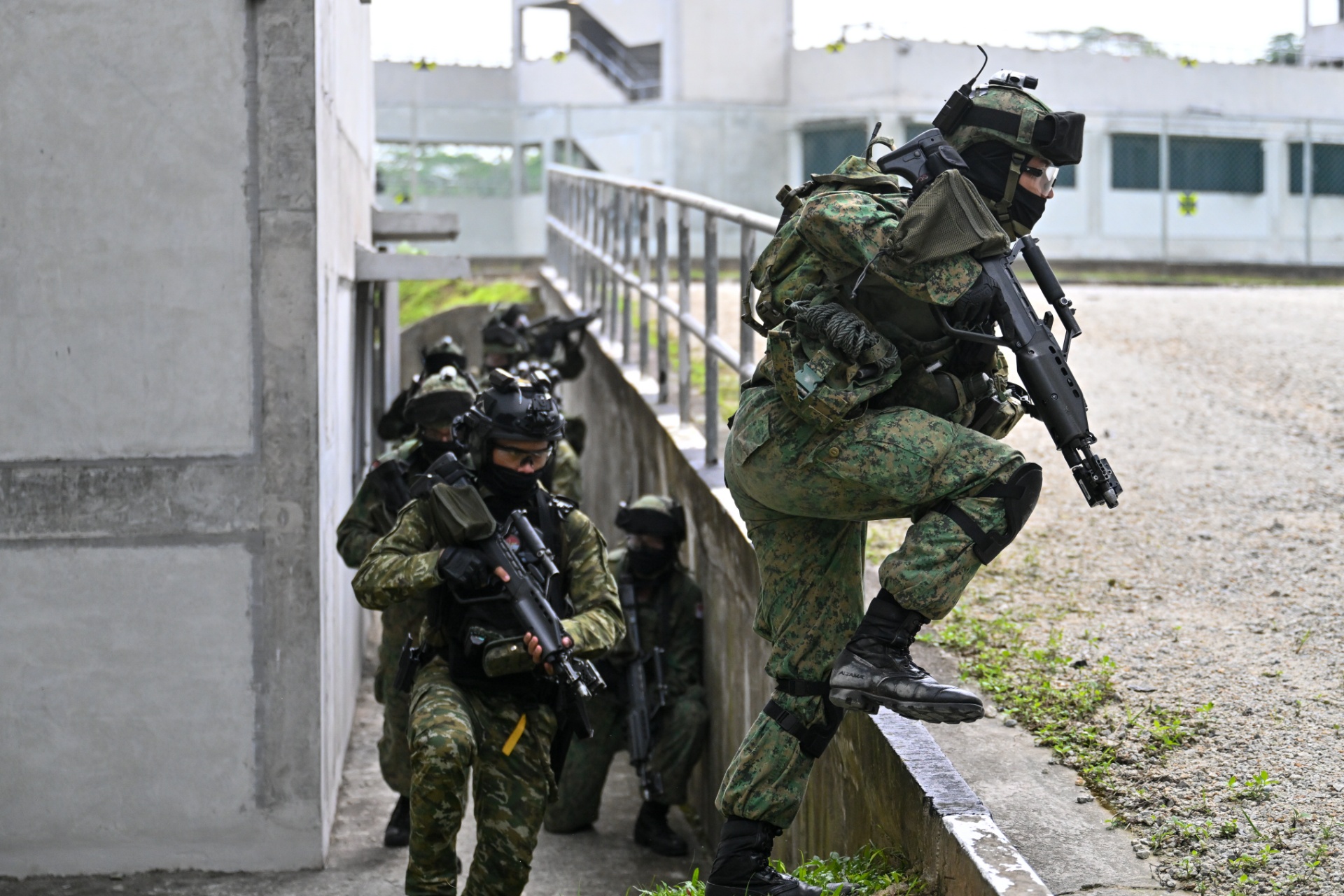
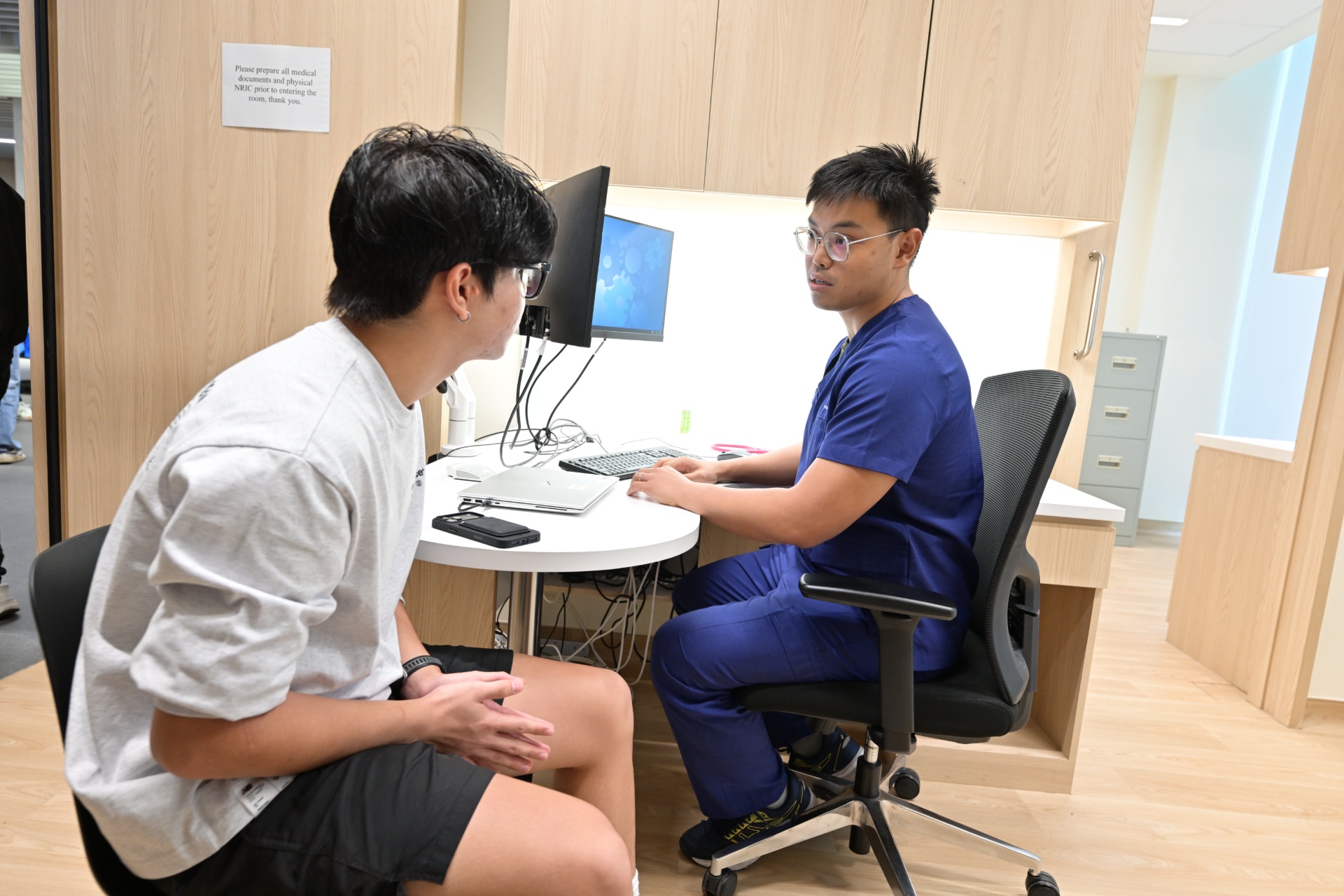
SAF & Home Team to refresh Medical Classification System
13 Apr 2026
The refreshed system will allow about 1,200 servicemen annually to be deployed for vocations and roles they were ineligible for previously.
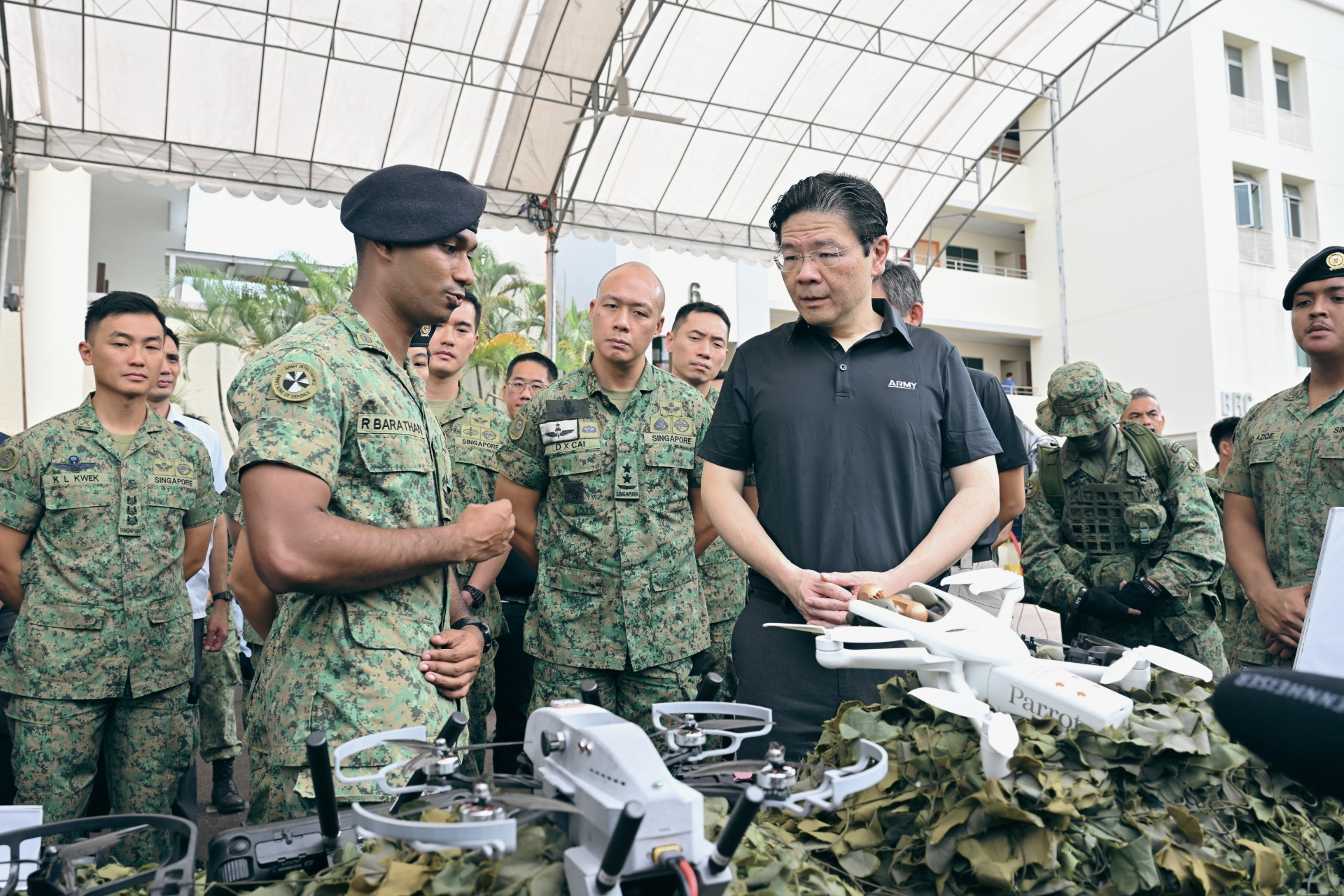
Prime Minister Lawrence Wong observes SAF’s sense-strike integrated capabilities
09 Apr 2026
He witnessed the SAF’s ongoing efforts in leveraging advanced robotics and cross-Service integration to secure Singapore’s interests in an increasingly volatile world.
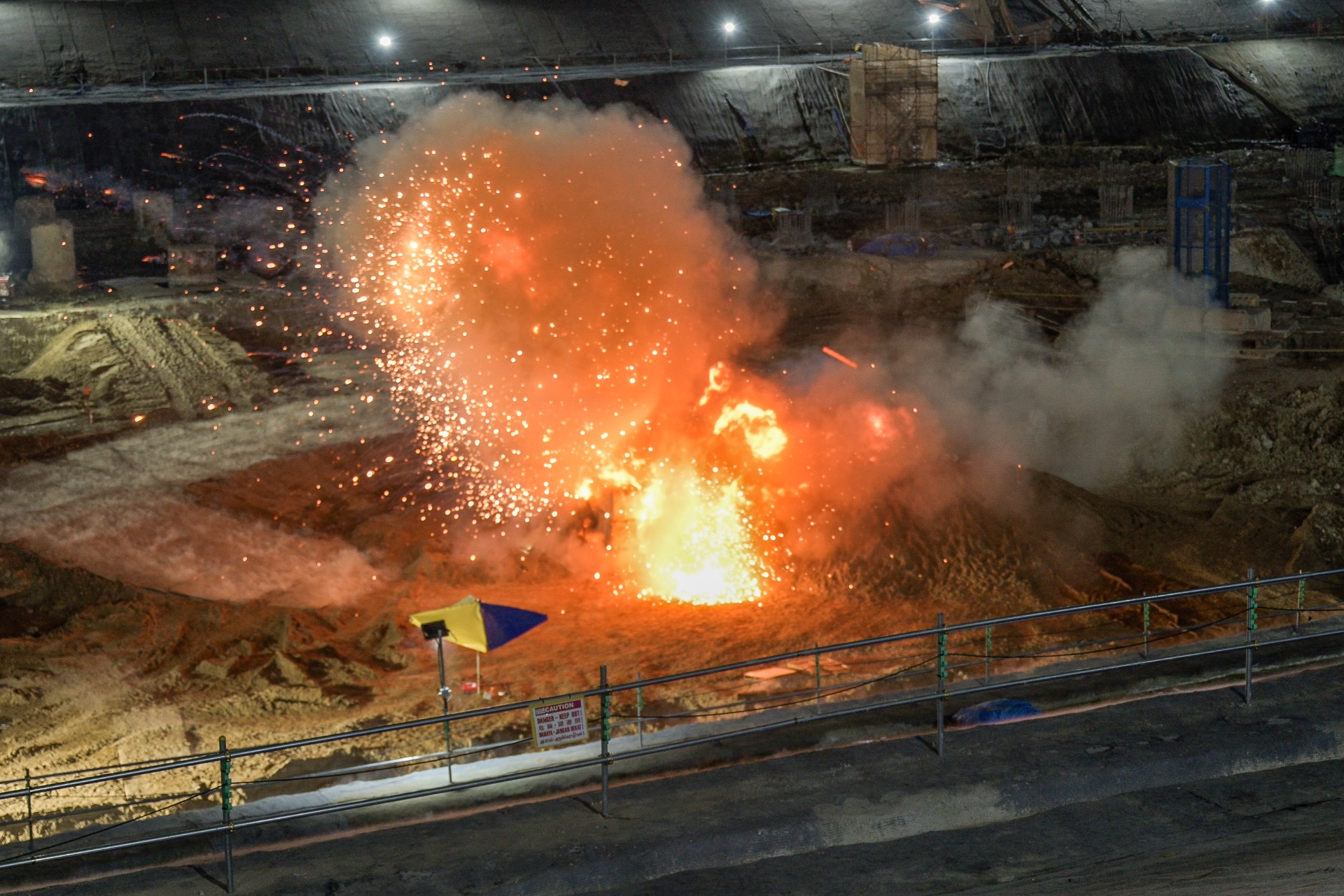
SAF detonates 250kg WWII bomb uncovered at Tanah Merah Coast Road
02 Apr 2026
On 2 Apr, the SAF’s Explosive Ordnance Disposal (EOD) team successfully disposed of an unexploded war relic found at Tanah Merah Coast Road.