
OPS & TRAINING
ENSURING THE BEST IN ARMY MEDICAL PROFICIENCY
13 Oct 2005
It is just a two-person team, but the Army Medical Evaluation Team (AMET) has an important task to assess the overall medical safety culture in the Army by inspecting the readiness of its medical centres and battalion casualty stations, and grading the proficiency of medical personnel.
Formed in November last year, AMET is headed by Ms Charmane Yuen, a paramedic and a graduate in Health Science (Nursing).
Her assistant is Ms Jeannie Lim, who was a senior medic in the Singapore Armed Forces (SAF) for 12 years, and has 20 years of experience in medical centre management.
One area of work for AMET is to appraise the medical operational readiness of standby elements, such as the forces performing homeland security duties at key installations.
For example, AMET looks at how medics can carry out cardiopulmonary resuscitation (CPR), administer intravenous processes and evacuate casualties promptly.
To date, AMET has completed evaluations of more than 10 Army medical centres, and conducted at least five follow-up inspections. At these centres, AMET examines the core skills of individual medics, as well as how they work together, even without the presence of doctors.
Ms Lim (left) explained that good team spirit is vital: "While each medic has his own role to perform, they need to work well together, to know what each other is doing, so they will know what treatment to administer."
"They must also know which equipment to use and how to assist the doctors."
With the recent introduction of the new Army ambulances, AMET has another responsibility: to ensure the skills proficiency of the medics attached to the ambulances.
This evaluation is necessary because the new ambulances are specially configured and equipped with certain medical equipment.
While the term 'evaluation' may seem quite officious, Ms Lim does not see AMET as an inspection team. Rather, the team advises, teaches and trains medical personnel.
An area of work for AMET is to appraise the medical operational readiness of medics, for example, how they carry out cardiopulmonary resuscitation (CPR).
"We do not go around to pin-point areas that we are not satisfied with. Instead, we give suggestions and advice, lessons for the personnel to learn from," said Ms Lim.
In fact, in the course of its work, AMET has uncovered several innovative practices that can be shared among medical personnel, and are currently being explored for further implementation.
Now, almost a year since its set up, how does AMET rate the Army medical personnel so far?
Ms Lim answered: "They are very good. They are able to perform to our standards. There are some who need additional training, and we are here to advise and help them improve."

ALSO READ IN OPS & TRAINING
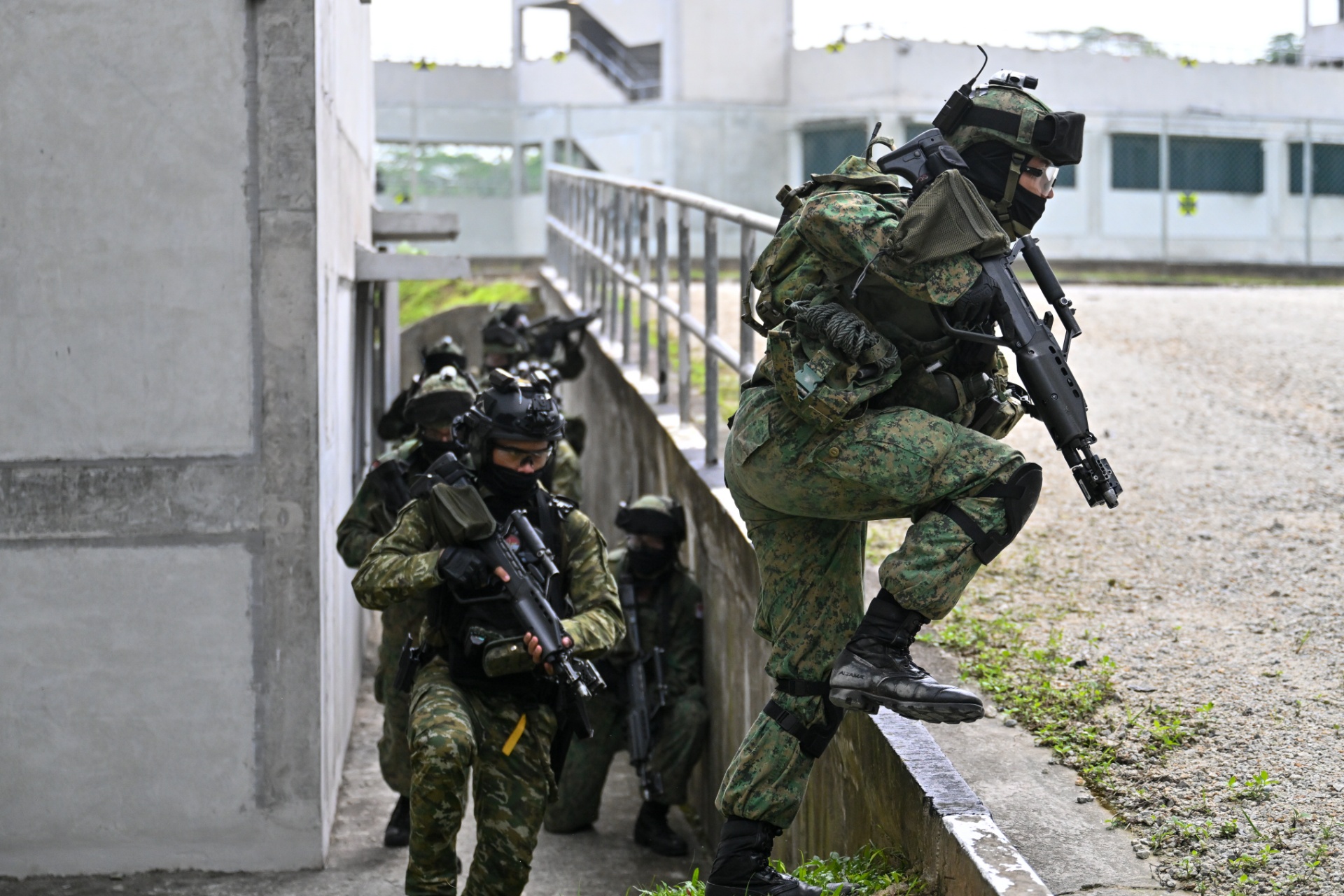
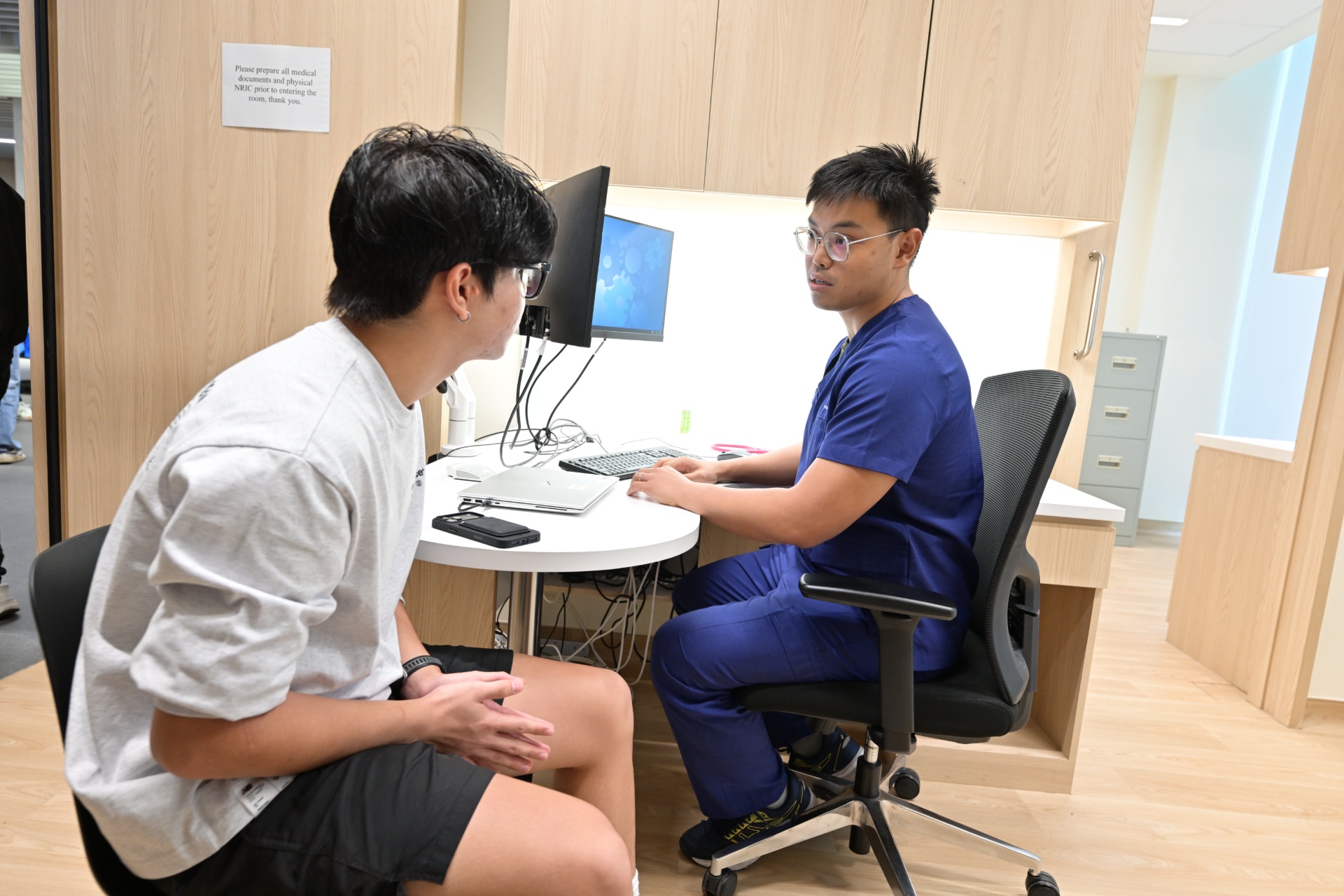
SAF & Home Team to refresh Medical Classification System
13 Apr 2026
The refreshed system will allow about 1,200 servicemen annually to be deployed for vocations and roles they were ineligible for previously.
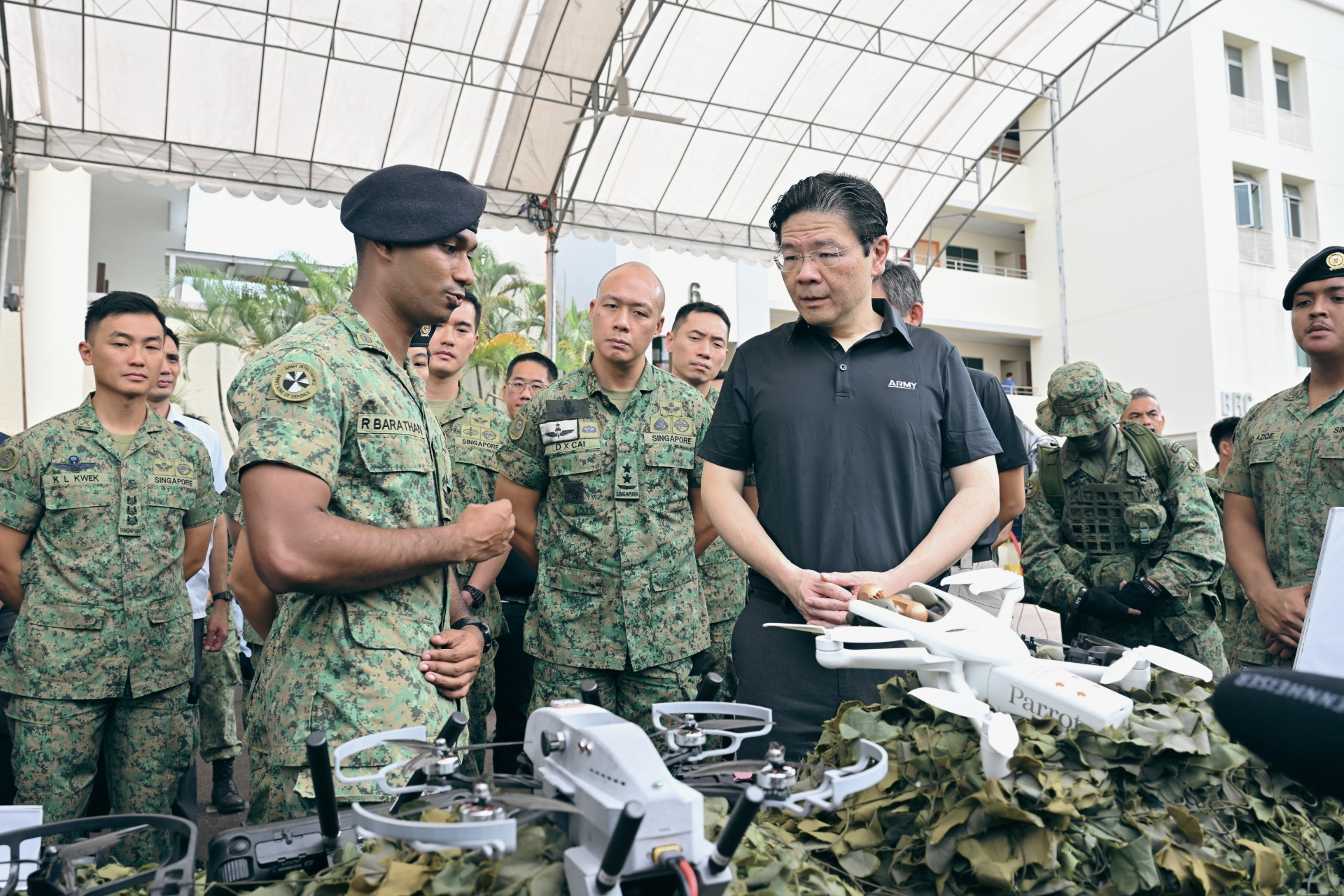
Prime Minister Lawrence Wong observes SAF’s sense-strike integrated capabilities
09 Apr 2026
He witnessed the SAF’s ongoing efforts in leveraging advanced robotics and cross-Service integration to secure Singapore’s interests in an increasingly volatile world.
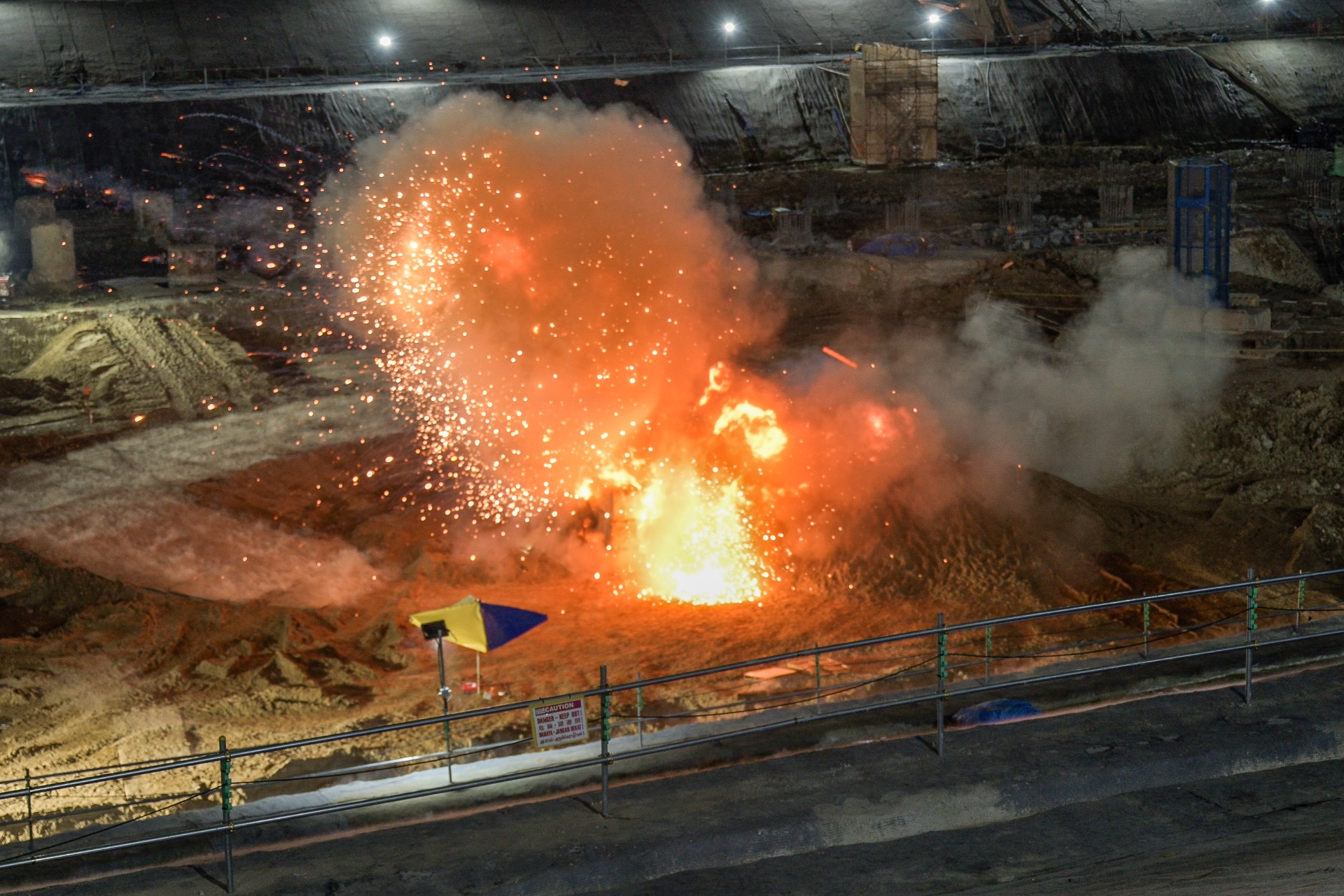
SAF detonates 250kg WWII bomb uncovered at Tanah Merah Coast Road
02 Apr 2026
On 2 Apr, the SAF’s Explosive Ordnance Disposal (EOD) team successfully disposed of an unexploded war relic found at Tanah Merah Coast Road.