
OPS & TRAINING
BRAVING THE ELEMENTS FOR THEIR PATIENTS
02 Jun 2006
These are just some of the challenges the Singapore Armed Forces (SAF) medical personnel deployed to the field hospital in Bantul, Indonesia, have to overcome.
But still, they persevere.
On 29 May, barely a day after the deadly earthquake struck the island of Java, the SAF medical team deployed to Indonesia, together with the Singapore Civil Defence Force (SCDF), had set up a field hospital alongside their Indonesian counterparts.
Treatment Medic, First Sergeant (1SG) Johnson Loh, recalled the scenario on the first day of the team's operations: "All the casualties came together, and treating and caring for them kept us on our feet all day. During the afternoon, when the sun is the hottest, work became even harder and more tiring."
"But we knew we had to overcome the challenges to help the patients," he stressed.
How about the persistent possibility of strong aftershocks and the brewing threat of eruption of nearby Mount Merapi?
"My family in Singapore was quite worried," replied 1SG Loh. "But I reassured them that all is fine here; everything is in order."
Six days after the earthquake, the Singapore team at the field hospital are still working hard, on a round-the-clock watch, examining and treating victims, rushing to provide the much-needed medical aid.
Staff Sergeant (SSG) Lynn Lem said she was expecting to see the factures and cuts normally associated with injuries caused by an earthquake.
She felt that her training and past experiences working on overseas missions had definitely prepared her for the situation in Indonesia.
However, she discovered new challenges working out of a field hospital, for instance, she had to use her ingenuity to improvise, when she discovered that she did not have any proper shelves to store the pills and other medicine for the patients.
"As the person in charge of the dispensary, I give out the drugs to the patients. In Singapore, I would properly organise the medication on shelves."
"But here, we do not have such shelves, so I had to turn our military supply boxes into shelves by inserting cardboard pieces into them, to create 'compartments'."
While patients continue to stream into the field hospital, the tenacity of the human spirit also continues to inspire the SAF personnel. SSG Lem (right) recalled a six-year-old boy who was taken to the field hospital with a huge gash in his left leg.
"When the doctors were trying to sedate him, he was screaming so loudly. But I thought, for such a young child, he was so brave!" she said.
Reflecting on her experiences over the last few days, SSG Lem said the thanks of the patients make the hard work all worthwhile: "They are very nice. They thank us and shake our hands when we treat them."
"Although I do not understand the language, their facial expression shows how much they appreciate the help we are giving them. And this is very meaningful to me."
Equally enriching was the chance to work with the SCDF and the TNI to provide medical aid, said SSG Lem.
The feeling is mutual. TNI doctor, First Lieutenant Dr Heriyanto Manihuruk (right) said: "I feel very happy our Indonesian team can work together with the Singaporean medical team."
"In the last two days, together, we have travelled to remote villages to provide medical aid in areas that we had not had a chance to go to earlier. We have treated many patients. So I feel very happy, and thank the cooperation of the SAF."
"We work very well together, and the medication and treatment have been great help to the victims of the earthquake," he added.

ALSO READ IN OPS & TRAINING
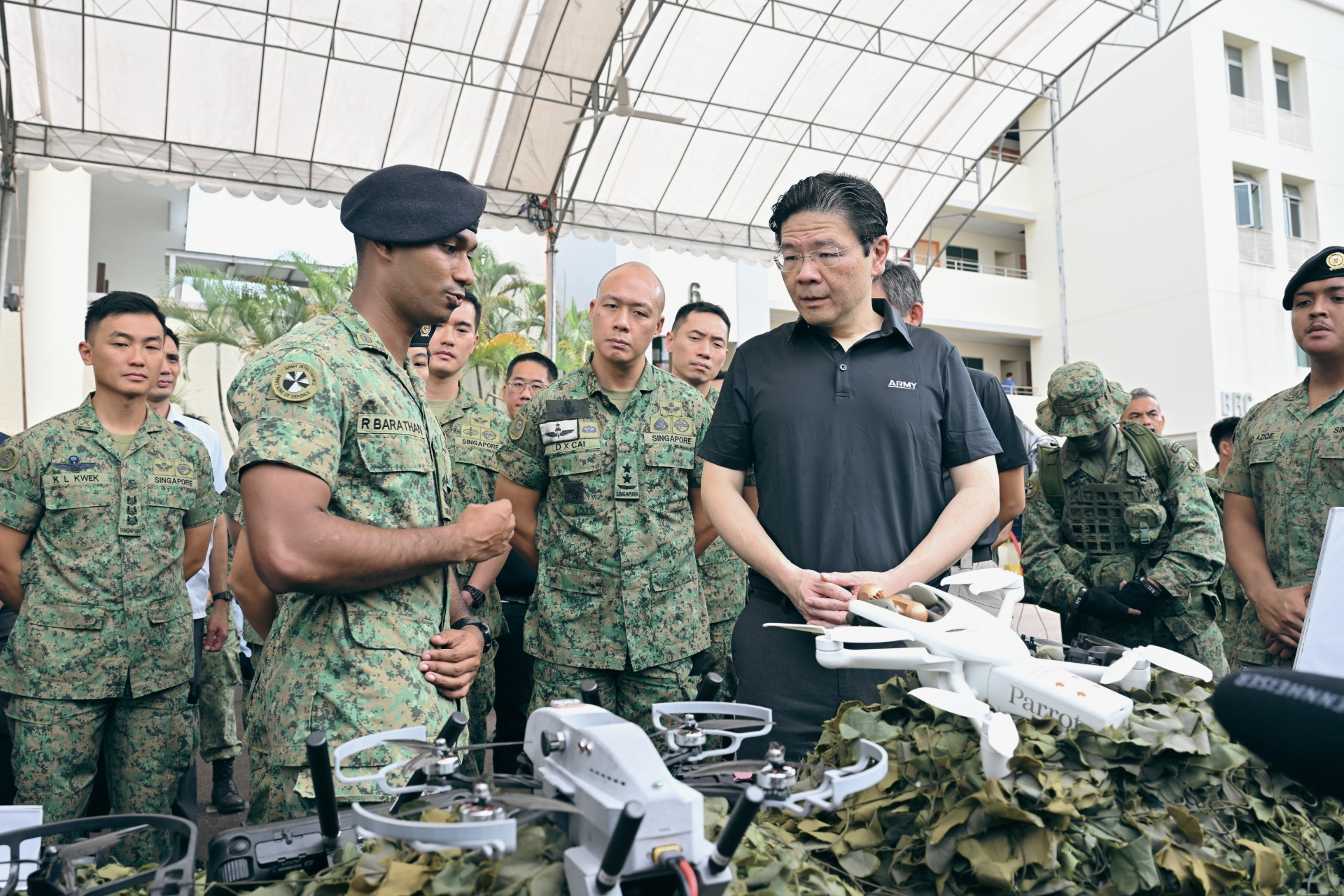
Prime Minister Lawrence Wong observes SAF’s sense-strike integrated capabilities
09 Apr 2026
He witnessed the SAF’s ongoing efforts in leveraging advanced robotics and cross-Service integration to secure Singapore’s interests in an increasingly volatile world.
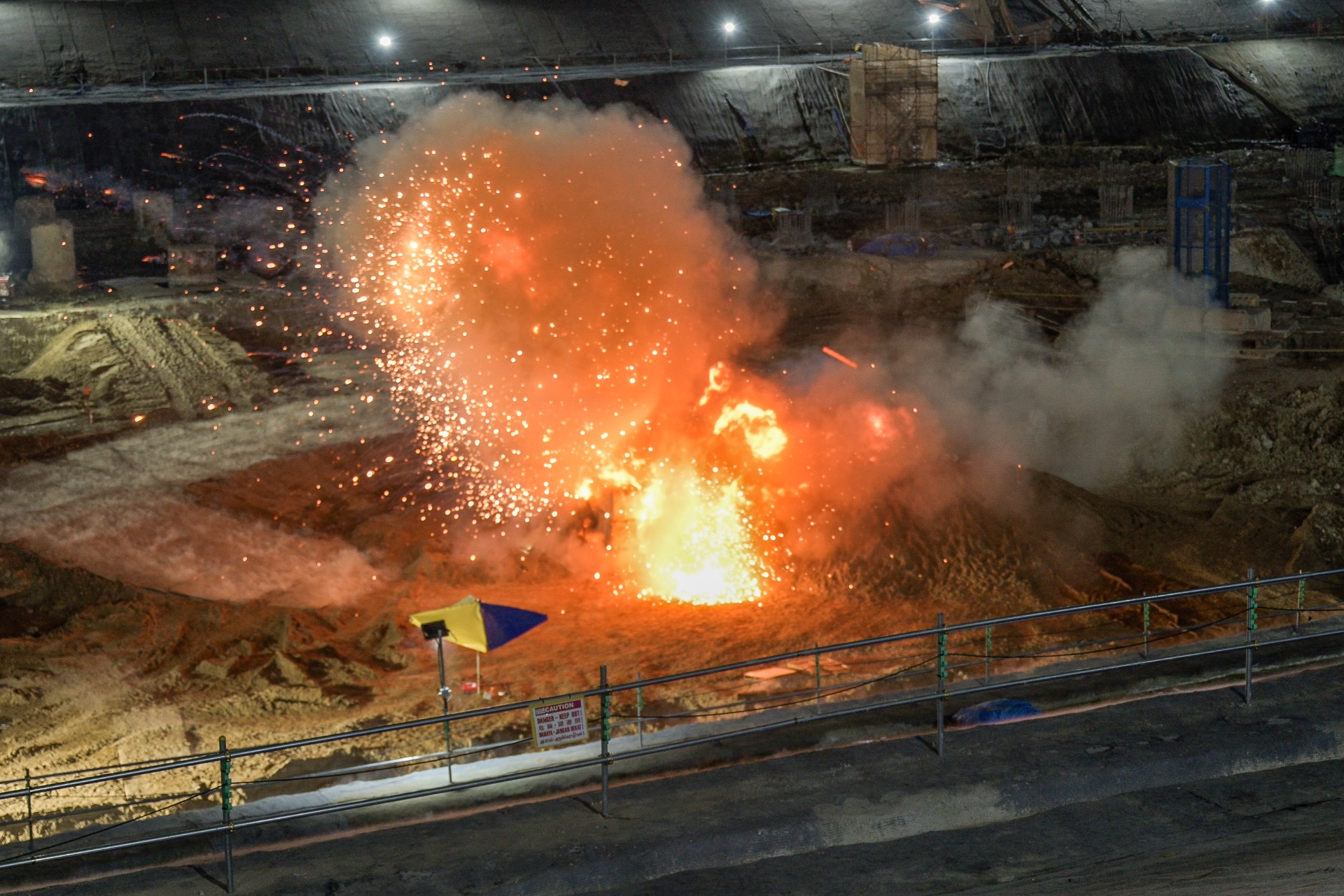
SAF detonates 250kg WWII bomb uncovered at Tanah Merah Coast Road
02 Apr 2026
On 2 Apr, the SAF’s Explosive Ordnance Disposal (EOD) team successfully disposed of an unexploded war relic found at Tanah Merah Coast Road.
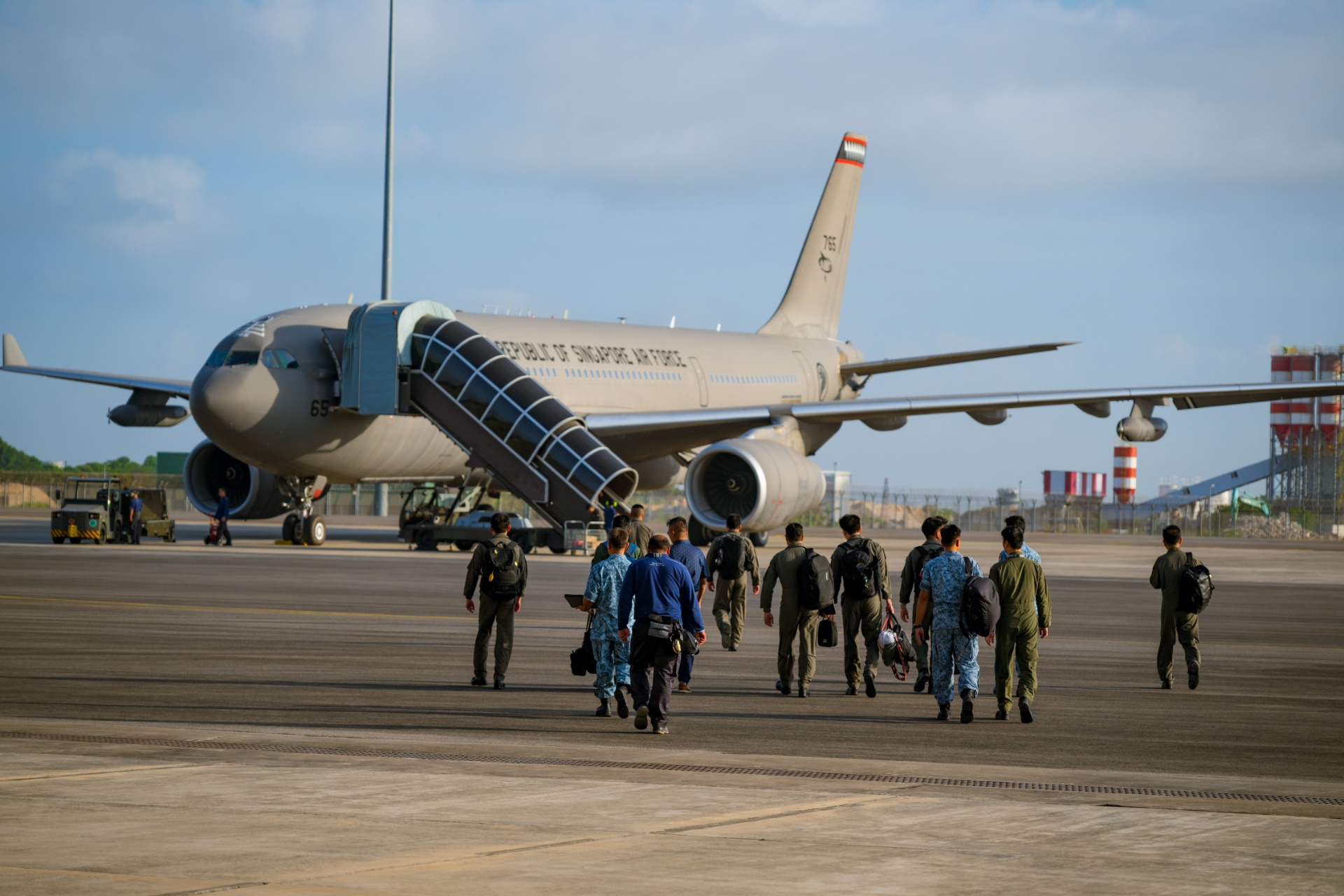
Flying into the unknown: Inside RSAF’s mission to bring S’poreans home from Middle East
28 Mar 2026
Despite the risks and complex challenges of flying in a conflict zone, the men and women of the RSAF pulled off a successful mission through careful planning and hard work.