
OPS & TRAINING
New firing range complex at Bedok Camp; Medical Classification System to be redesigned
27 Feb 2026
To train soldiers for a more complex environment, the SAF will build a new Multi-Mission Range Complex, as well as introduce opportunities for national servicemen to take on new roles, and more ways to volunteer.
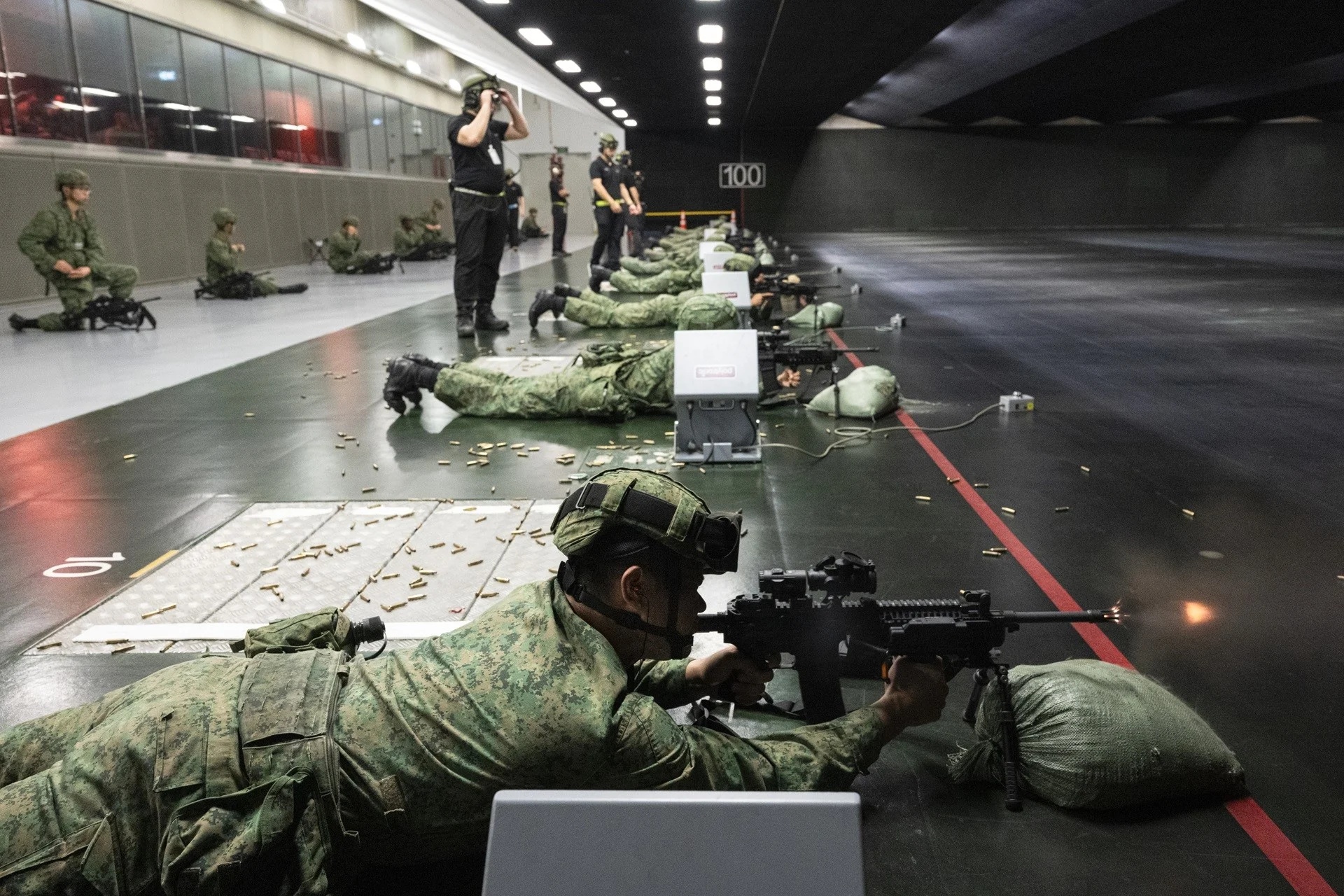
A new Multi-Mission Range Complex (MMRC) will be built in Bedok Camp, increasing the capacity for soldiers to carry out live firing training.
Defence Minister Chan Chun Sing announced this on 27 Feb at the Committee of Supply (COS) Debate on the defence budget.
To be built by 2031, this new complex – MMRC 2 – will augment the current firing range complex at Pasir Laba Camp, which has been used by soldiers for marksmanship training since 2013.
“Technology and hard capabilities are critical force multipliers for the SAF (Singapore Armed Forces). Yet behind each capability is our people, and it is equally important that the SAF trains its people for a more complex environment,” explained Mr Chan.
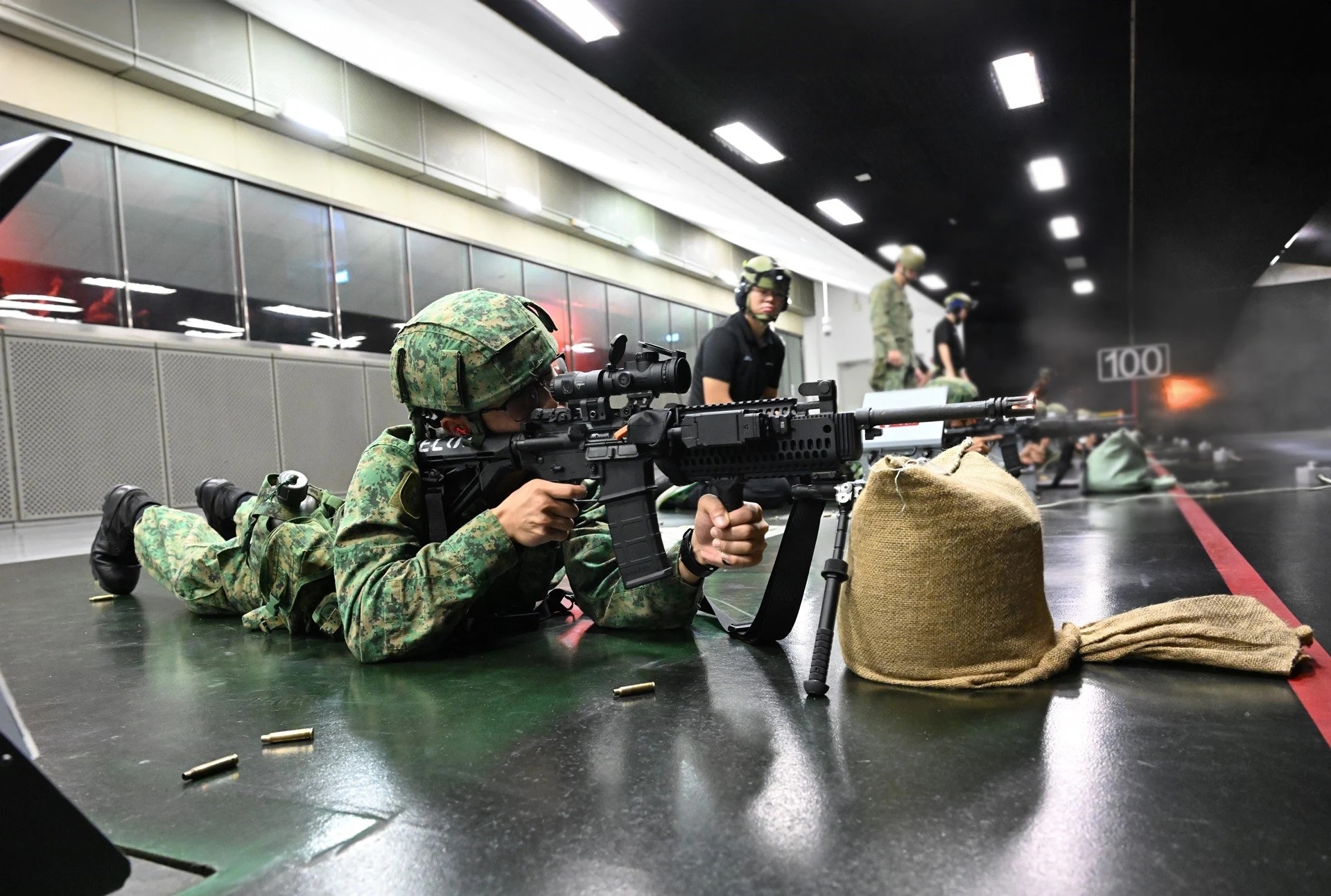
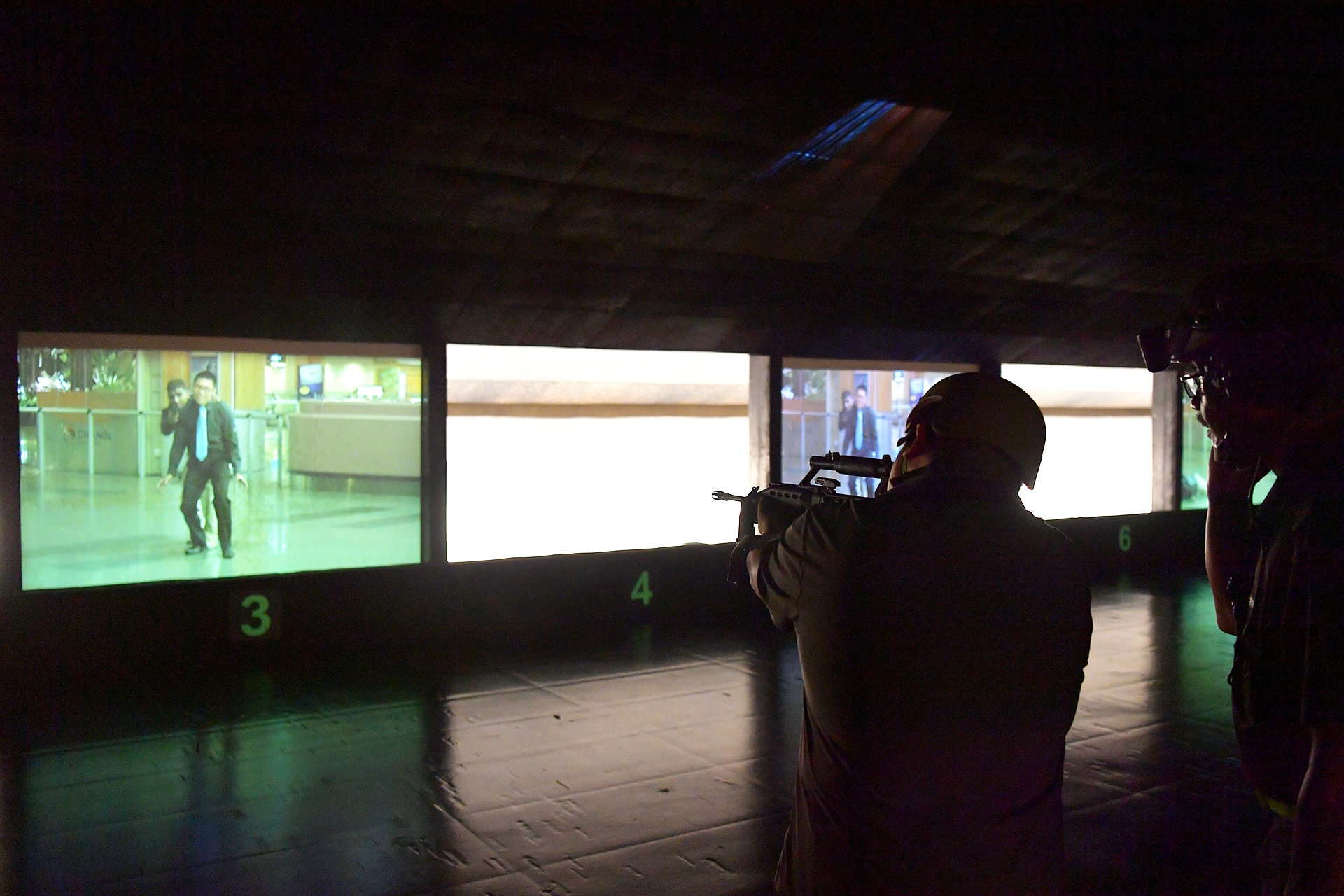
MMRC 2 will feature six 100-metre ranges equipped with a new Video Targetry System (VTS) that will allow soldiers to train against more realistic scenarios across different domains, including operational scenarios and threats up to 300m away.
The facility can simulate various environments through flashing lights, sound effects and props such as rubble, to better prepare soldiers for the challenges of the modern battlefield.
Two double-height ranges will provide vertical space for training with and against drones.
That’s not all – MMRC 2 can capture marksmanship performance data, providing personalised feedback for individual firers to improve.
“When MMRC 2 is delivered in 2031, the current MMRC at Pasir Laba will be close to 18 years old.
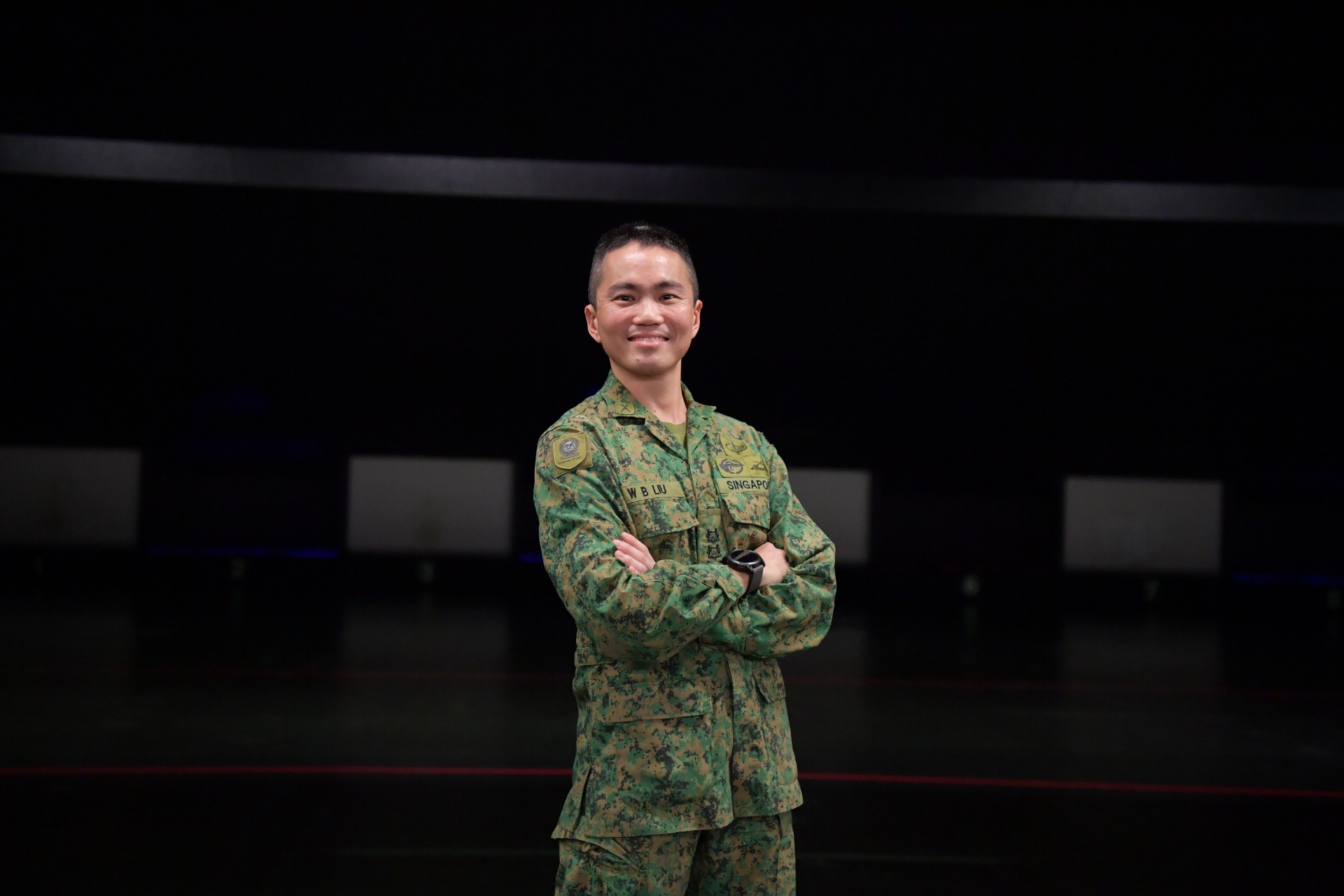
“Both MMRCs will serve the Army, and the delivery of the second gives us the capacity to upgrade the current facility,” said Senior Lieutenant Colonel (SLTC) Jonathan Liu, Head Training Development Branch of G6-Army, in an interview with media on 25 Feb.
MMRC 2 will be located at Bedok Camp, just two minutes away from the future Sungei Bedok MRT station for greater accessibility.
The development of this new facility will free up land currently occupied by six baffled ranges – four of them will be added to the contiguity of the current live-firing ranges, while the remaining two will be converted to support operational units.
Bringing out every soldier’s best
In his speech on the defence budget, Mr Chan also noted that today’s SAF has a greater variety of roles to deal with an expanded range of operations.
Pointing out that many of these new roles are no longer dependent solely on traditional notions of physical or operational fitness, he announced that the Ministry of Defence (MINDEF) will review its Medical Classification System (MCS) to be more precise.
This is to better characterise the medical fitness of servicemen and how it affects their ability to take on various taskings.
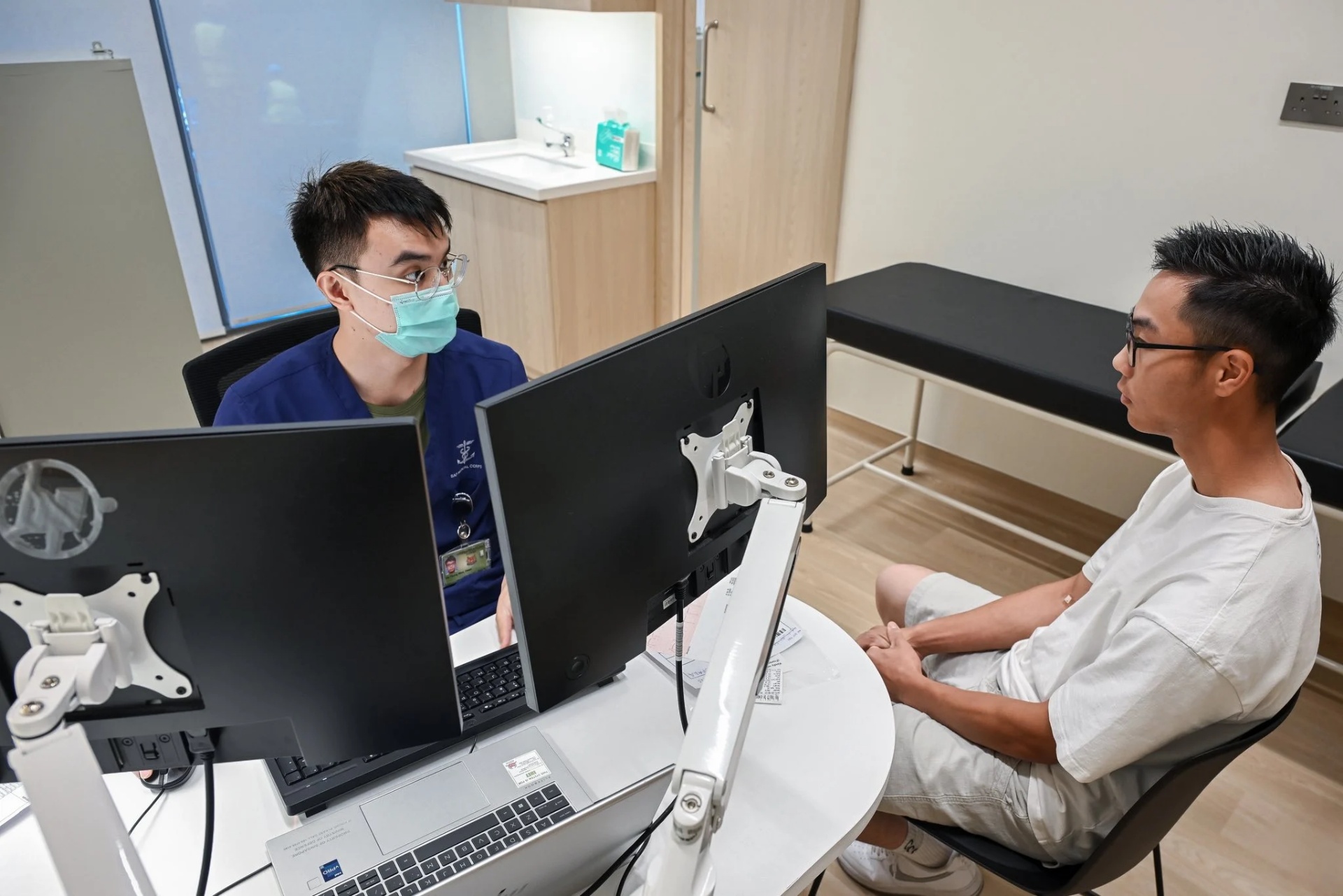
This means that some servicemen can be deployed to vocations they might have been ineligible for previously.
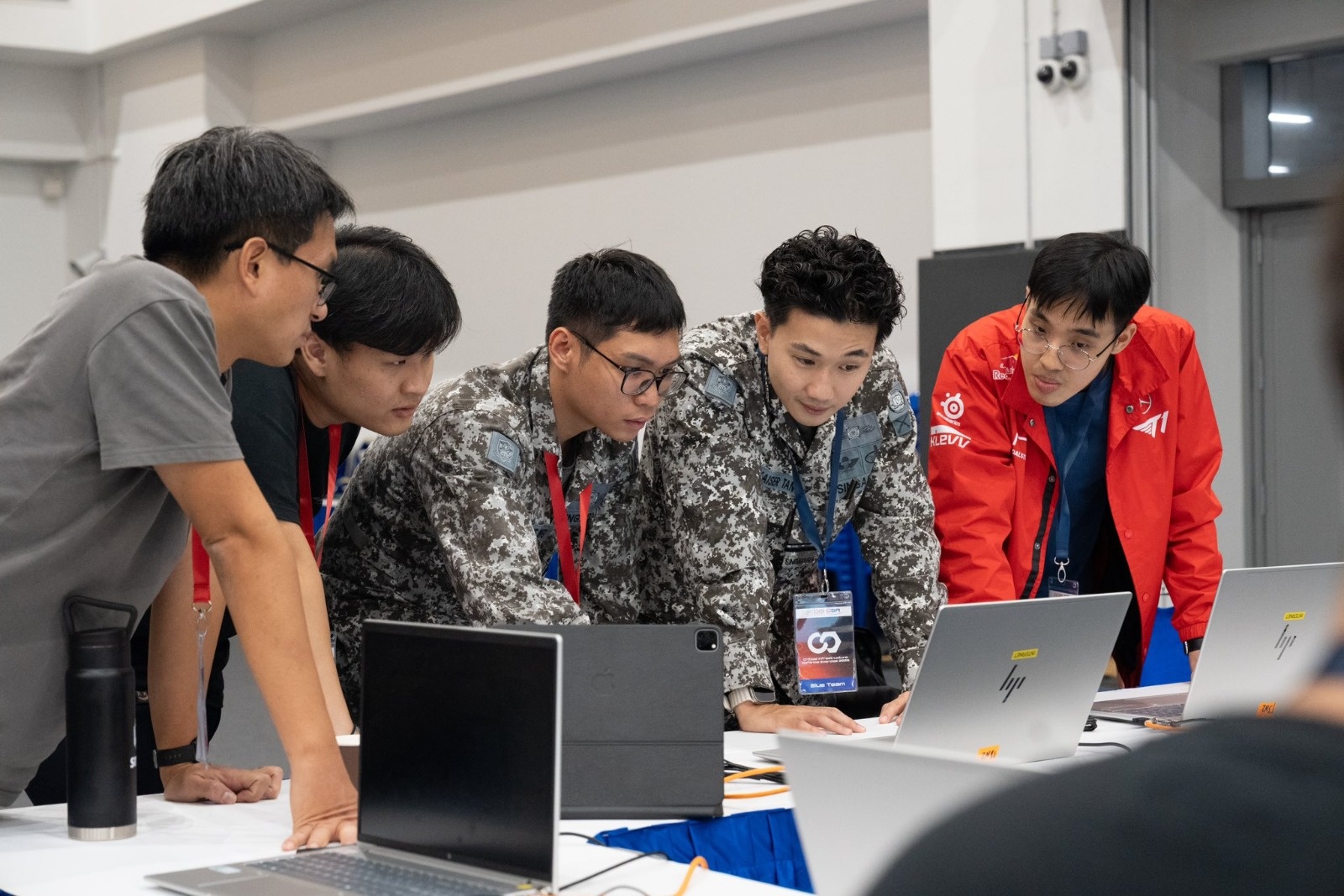
“Combat categorisation in the past tended to stream our servicemen based on what our people could not do. But we can unlock our people’s potential if we shift our focus to what they can do,” said Mr Chan.
Since 2020, the NS Review Committee has been reviewing the MCS and Physical Employment Standards (PES) System to focus on an individual’s operational effectiveness, instead of a binary classification whereby a soldier is deemed combat-fit or non-combat-fit.
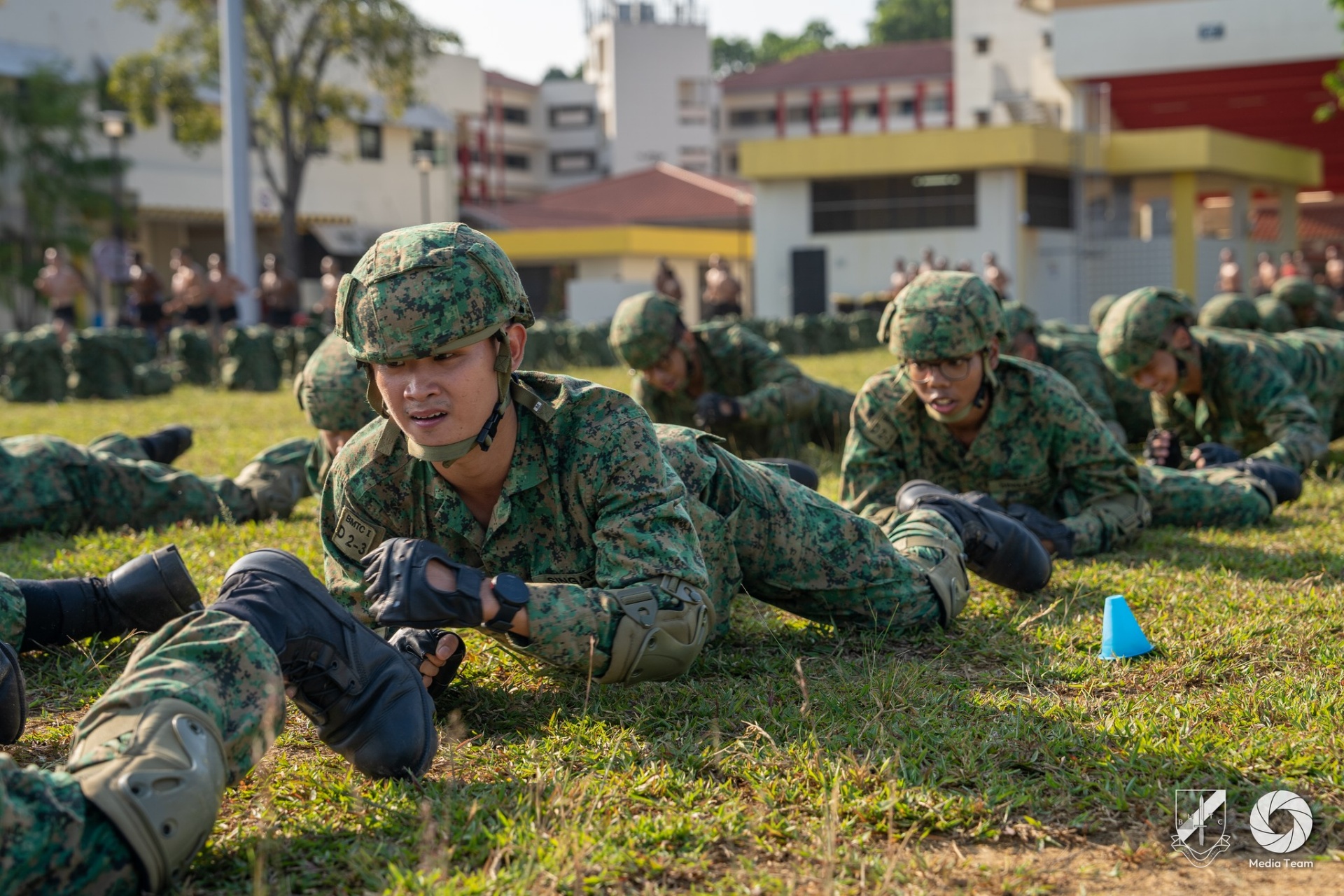
The MCS review will be carried out in consultation with public medical specialists and members of MINDEF’s specialist advisory boards.
With more precision, this ensures that servicemen are deployed only to vocations that they are medically assessed to be suited for, Mr Chan added.
Harnessing the talents of cyber defenders
The SAF will also do more to harness the talents of Operationally Ready National Servicemen (NSmen) with specific expertise, so that they can contribute more to national defence.
To strengthen the defence of Singapore’s critical networks, the Digital and Intelligence Service (DIS) will organise NSmen with relevant cyber expertise into Sectoral Cyber Defence Teams (SCDT).
Senior Minister of State for Defence Zaqy Mohamad announced this during the COS Debate on 27 Feb.
He highlighted the value that NSmen with experience in niche areas like operational technology, cybersecurity governance and threat detection bring, noting that the SCDTs will strengthen the SAF’s cyber defence capabilities and complement existing forces.
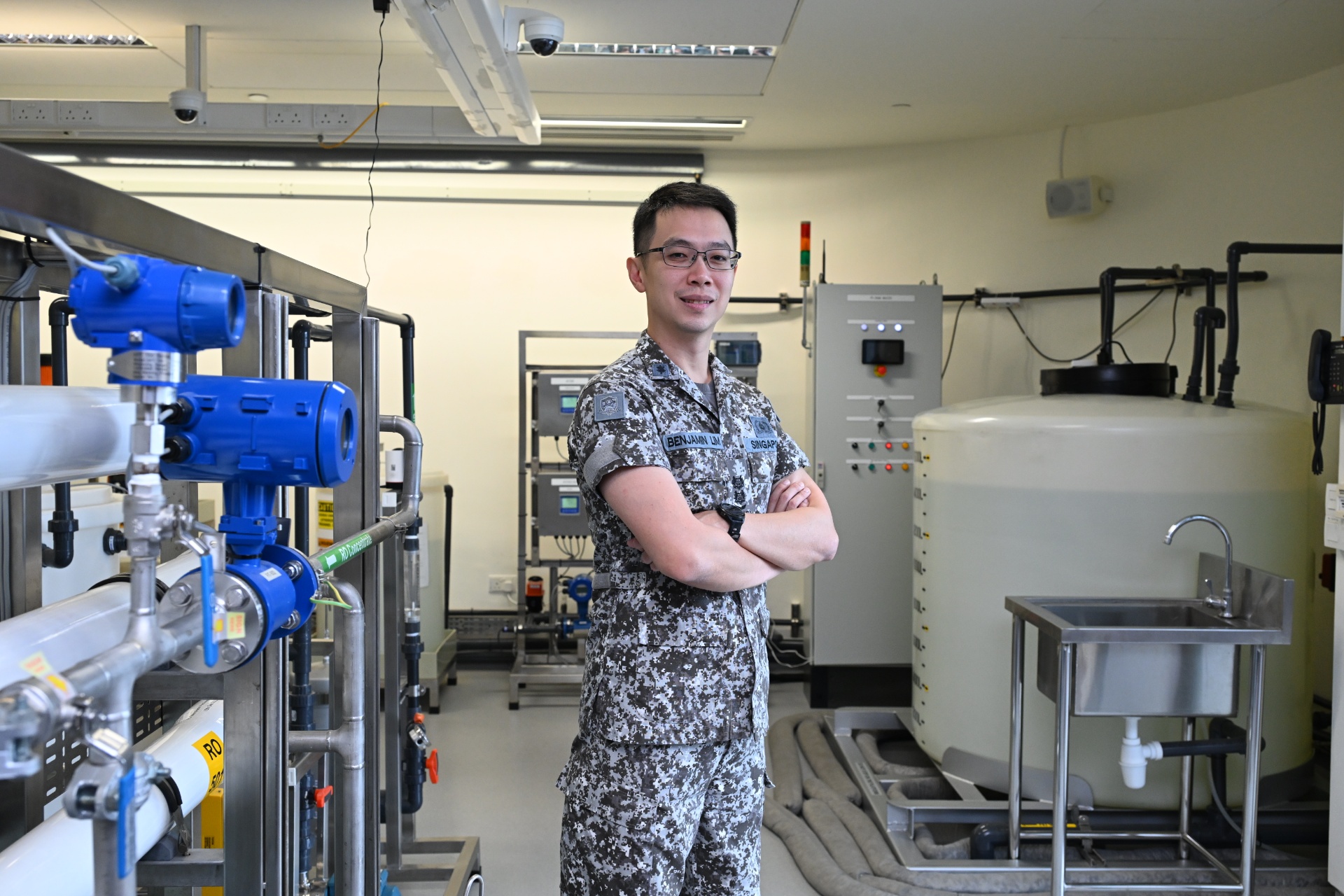
“NSmen (with relevant expertise) will contribute meaningfully to our national efforts to strengthen our cyber defence, offering specialised knowledge that would be difficult to replicate through traditional military training alone,” said Mr Zaqy.
“This represents a more coordinated, proactive approach against increasingly sophisticated cyber threats.”
The deployment of NSmen to SCDTs will begin from June this year. They will support the Cyber Security Agency of Singapore in defending Singapore’s critical information infrastructure.
Maximising servicemen’s contributions
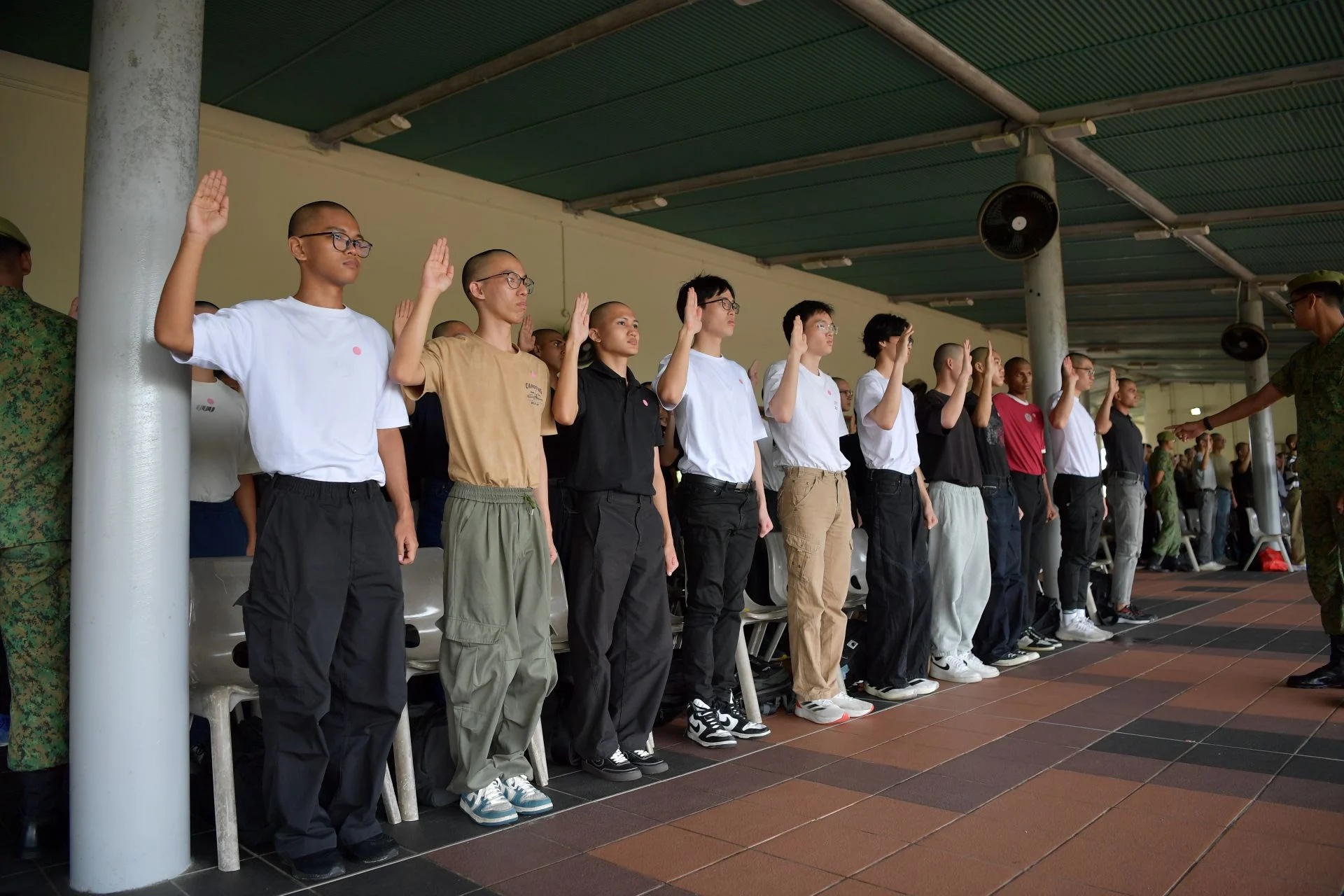
Mr Zaqy also noted that there are opportunities for Full-time National Servicemen (NSFs) to develop their potential and careers early through the Work-Learn Scheme.
Launched in 2023, the Work-Learn Scheme allows selected polytechnic students to enlist a year early so that they complete their final-year internship while serving in the SAF.
This allows them to put their skills and knowledge into practice during NS.
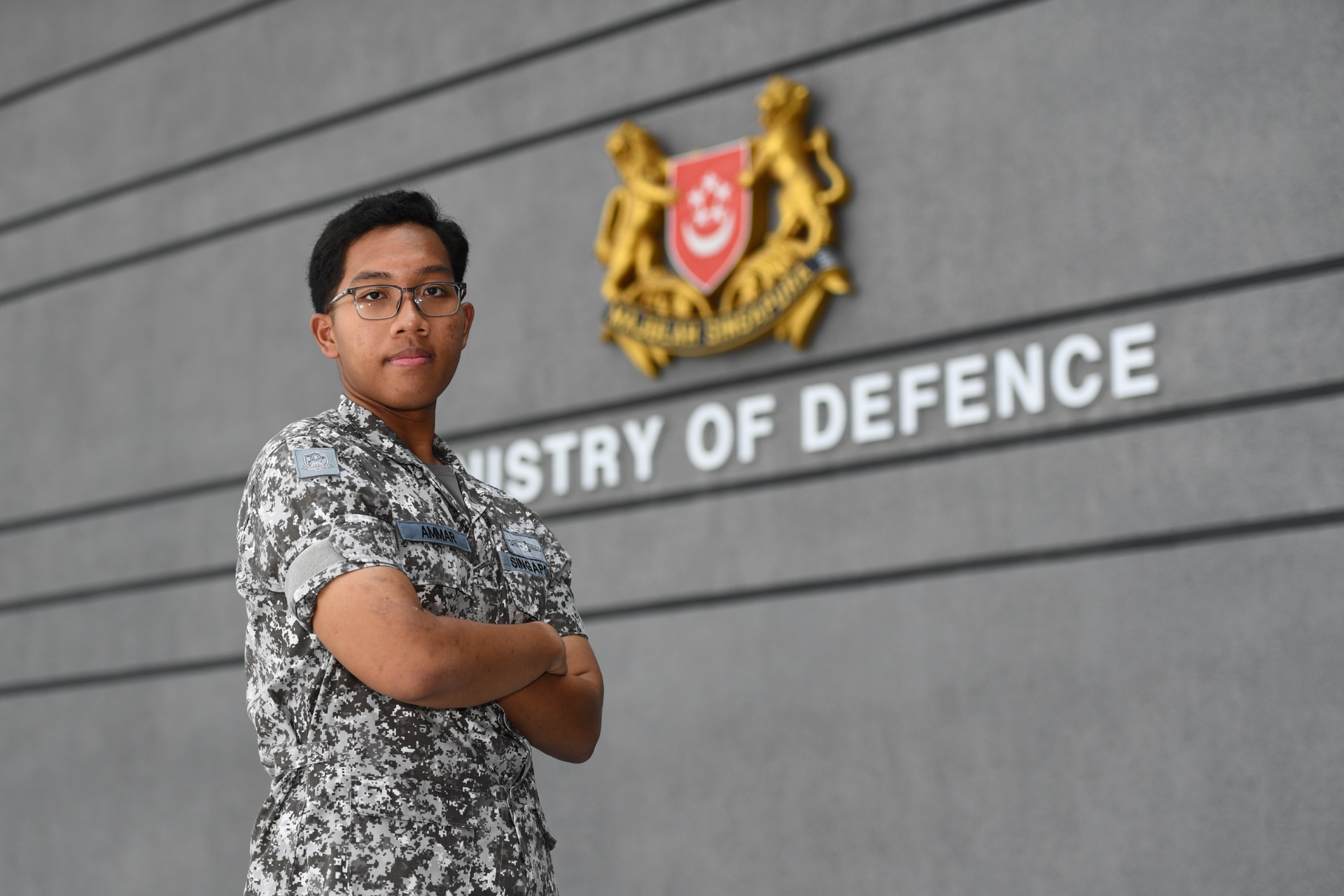
NSFs can also take up Work-Learn Schemes after they enlist, with programmes run by Institutes of Higher Learning.
This means that they serve NS while earning diplomas or university credits in areas vital to the SAF’s capabilities, such as artificial intelligence and engineering.
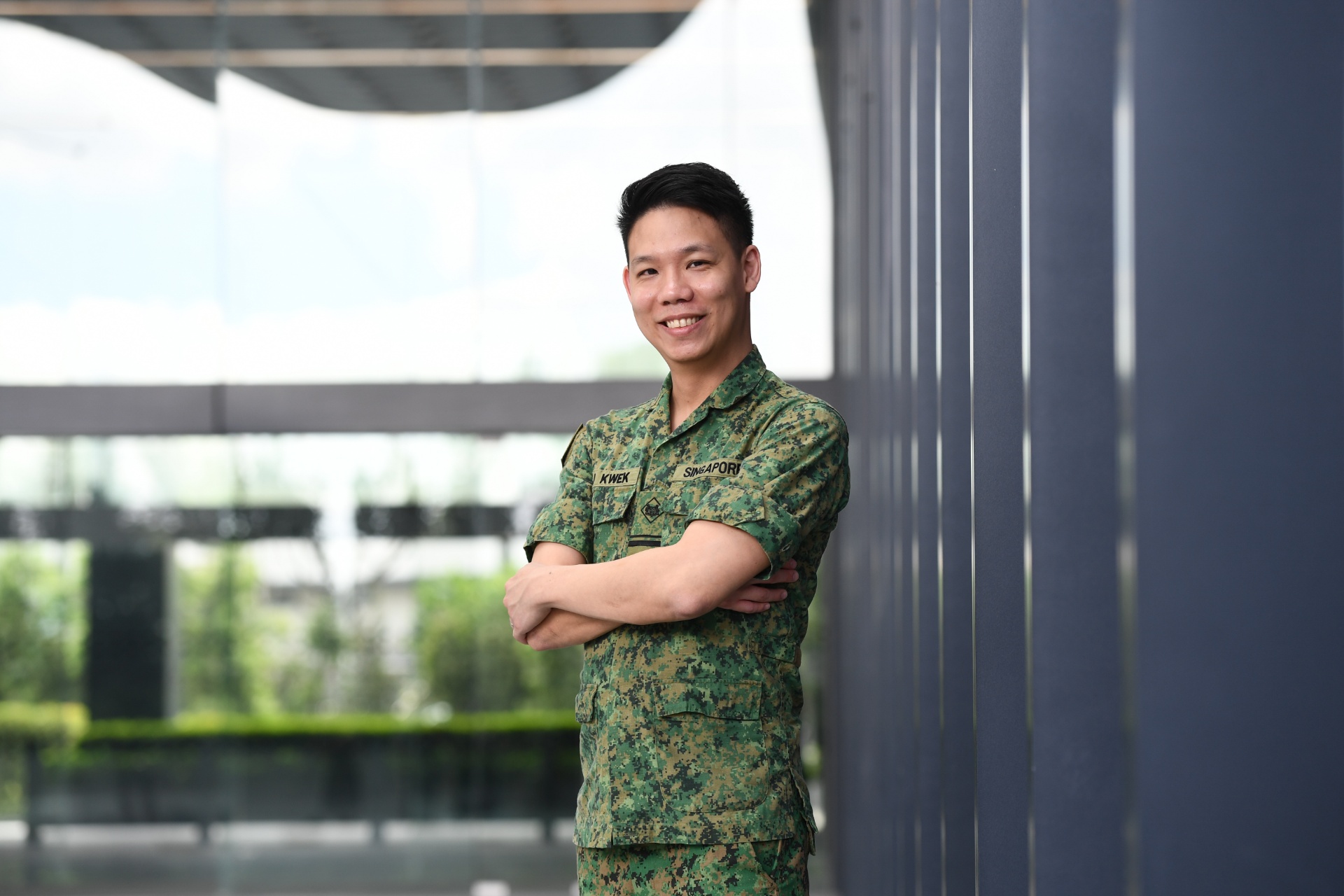
For NSmen, the Enhanced Expertise Deployment Scheme (EEDS) enables them to serve in NS roles that draw on their professional skills.
To date, around 850 NSmen have been redeployed into roles that are better aligned with their professional expertise in areas such as legal, cyber and strategic communications.
Everyone plays a part in defence
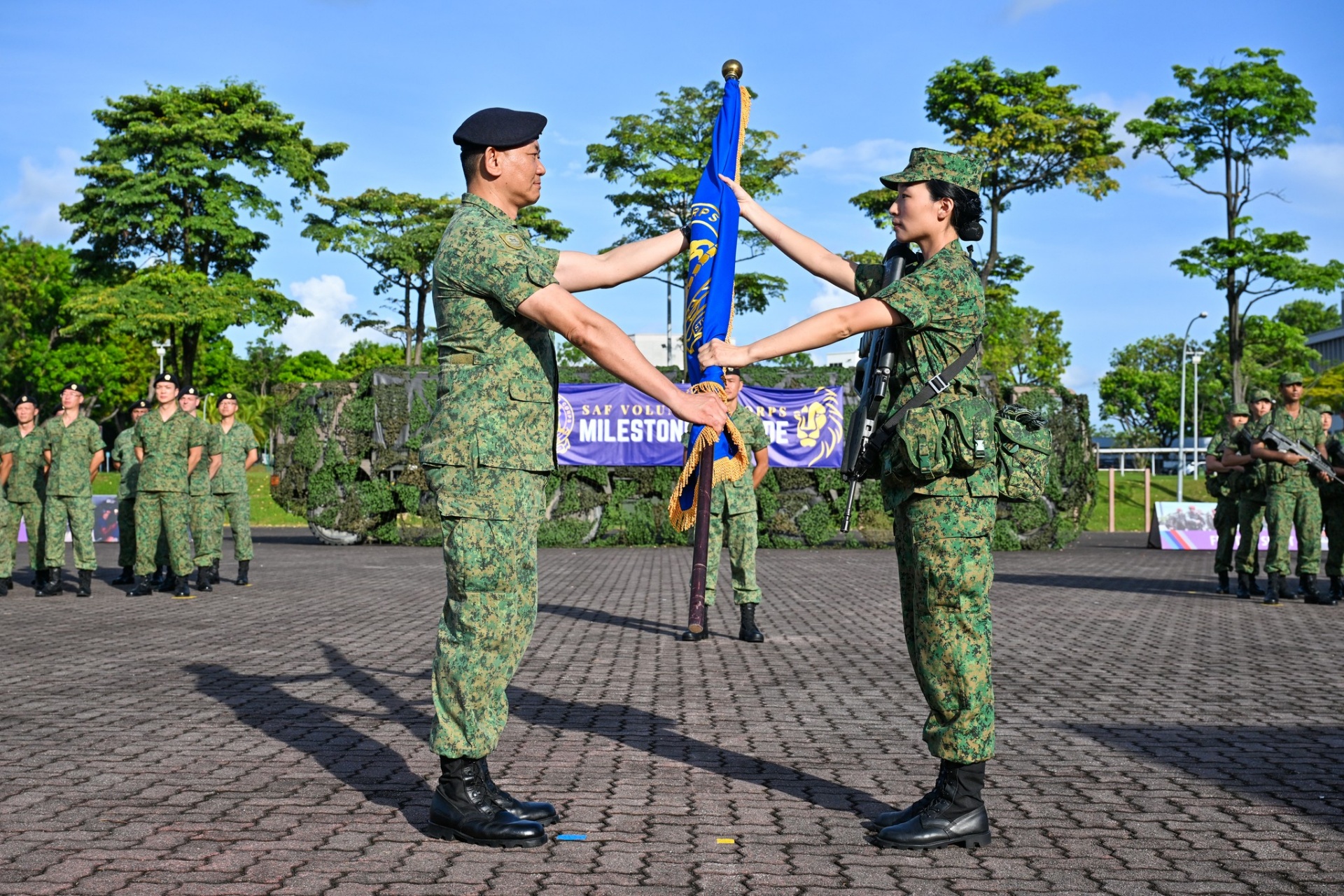
To strengthen Singapore’s volunteer core, MINDEF and SAF will establish the SG Defence Volunteer Network this year, bringing all volunteers in MINDEF/SAF and their related organisations under one common identity.
“A strong volunteer core adds to our deterrence – potential adversaries would think twice if they knew they would face a populace that is committed, skilled and prepared to defend Singapore,” said Mr Chan.
First, the SAF Volunteer Corps (SAFVC) will introduce a new non-uniformed military volunteer scheme with new roles.
These roles will give volunteers a better understanding of how the SAF operates, and provide them with practical ways to contribute.
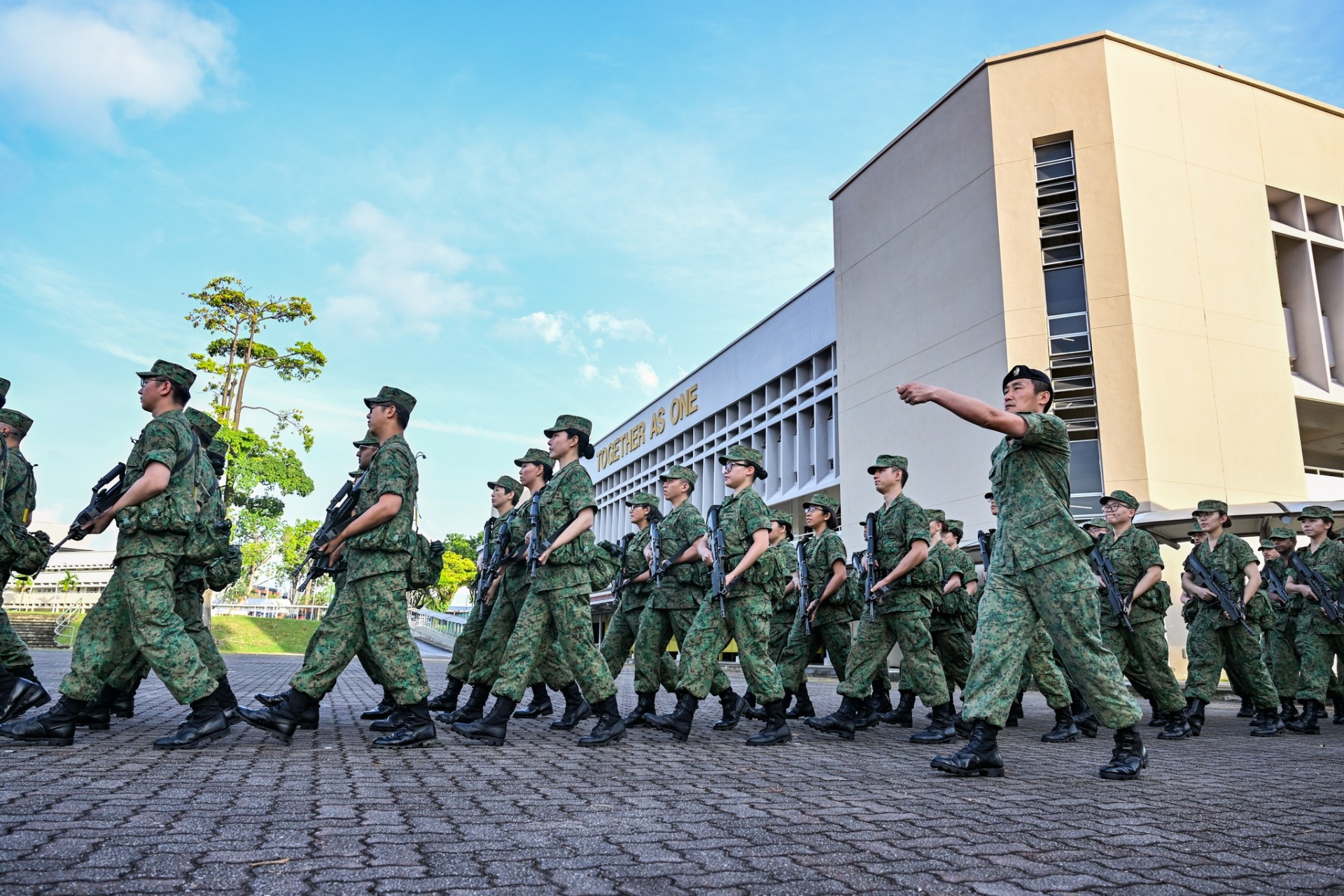
Second, civilian volunteer pathways will be expanded with new opportunities created across MINDEF, SAFRA, Defence Collective Singapore, and other agencies.
This year, the National Education Ambassadors scheme was introduced to encourage individuals to share their passion for Total Defence with students, youths and the public.
The Total Defence Champions initiative was also started this year to engage communities on responding during a crisis or disruption.
Noting that cyber threats and hybrid warfare “challenge us in new ways”, Mr Zaqy emphasised that “the defence of our nation is a shared endeavour that goes beyond those who serve NS”.
“Our deterrence and mission success if ever called upon, relies on the understanding and support of the wider Singapore society.”

ALSO READ IN OPS & TRAINING
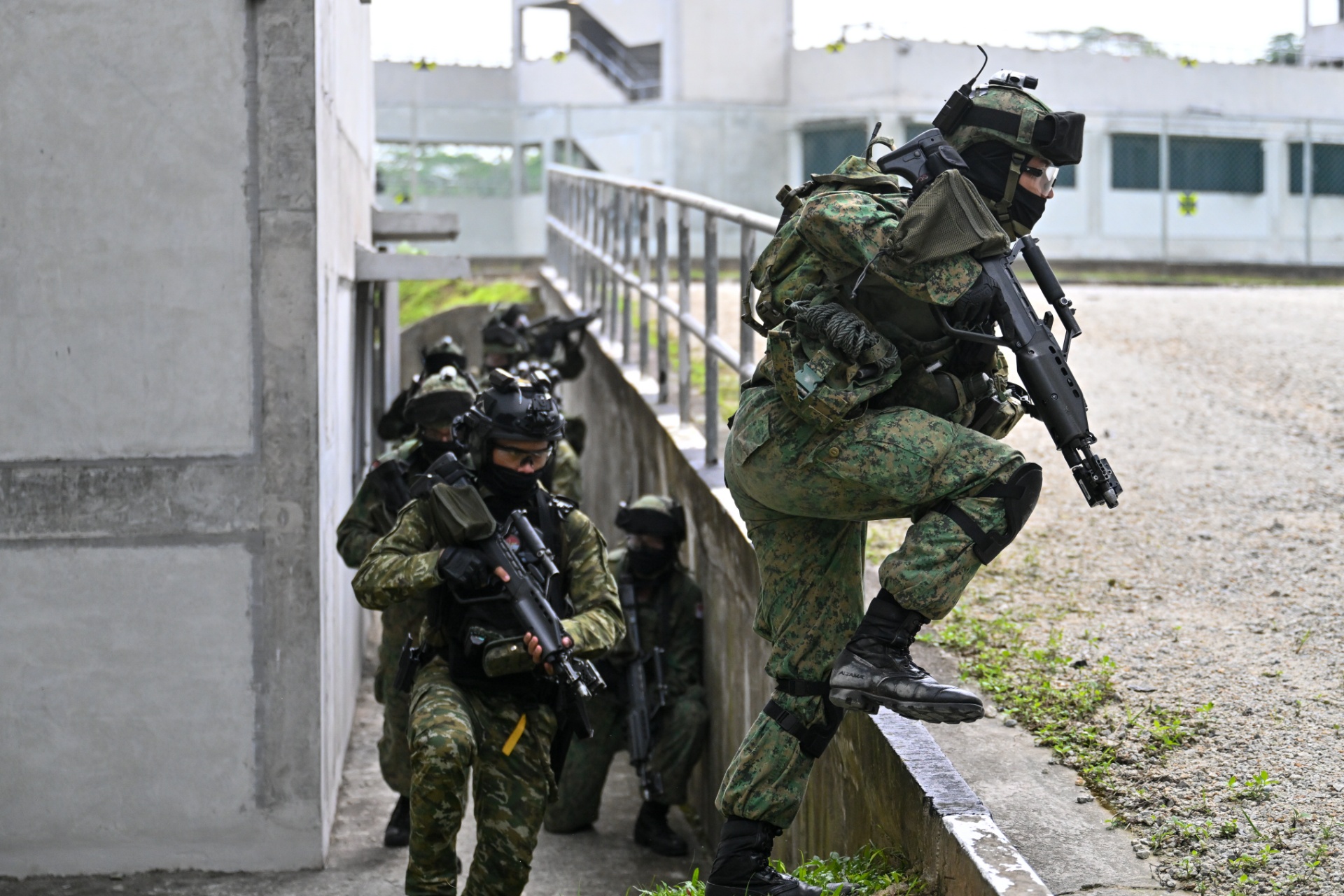
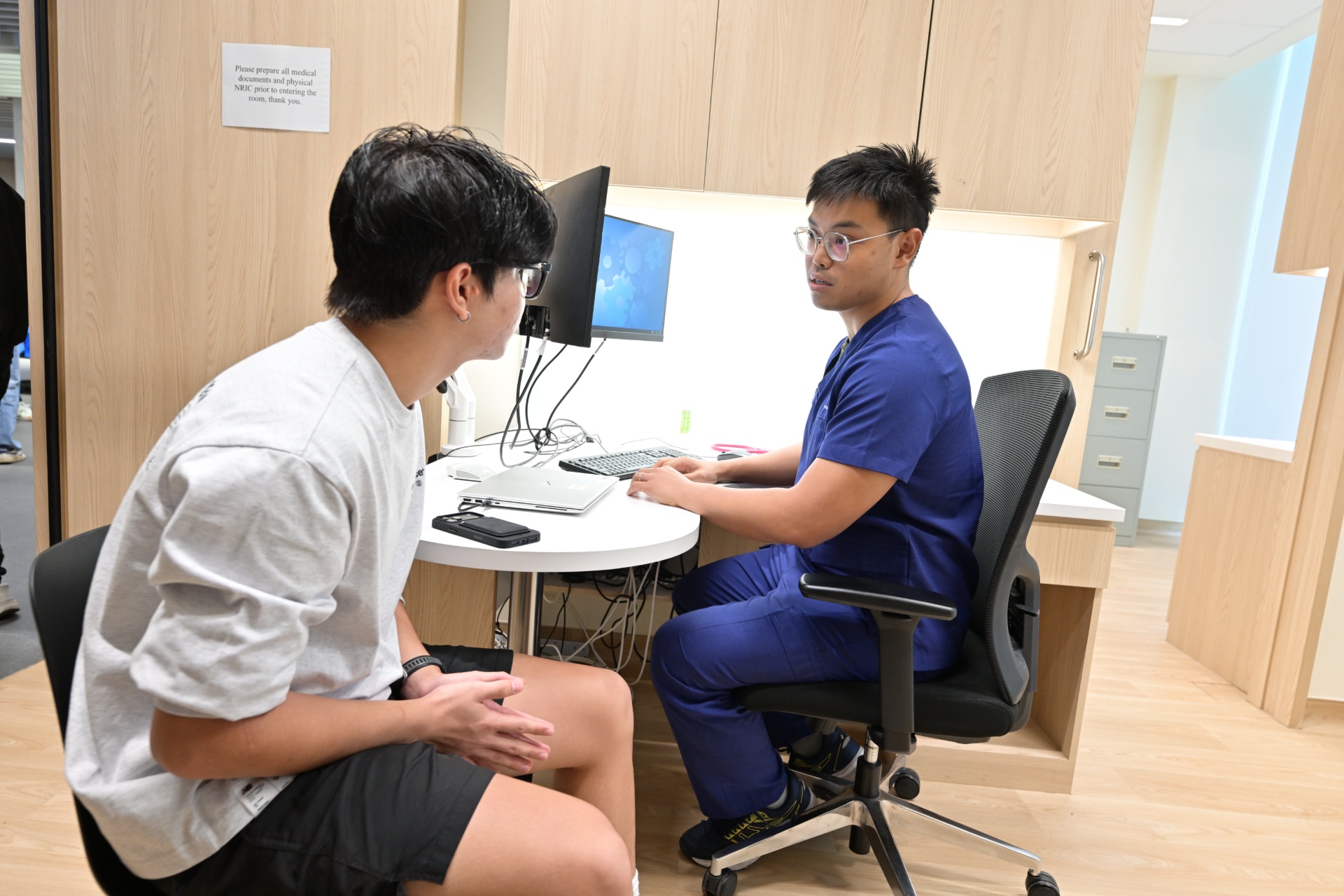
SAF & Home Team to refresh Medical Classification System
13 Apr 2026
The refreshed system will allow about 1,200 servicemen annually to be deployed for vocations and roles they were ineligible for previously.
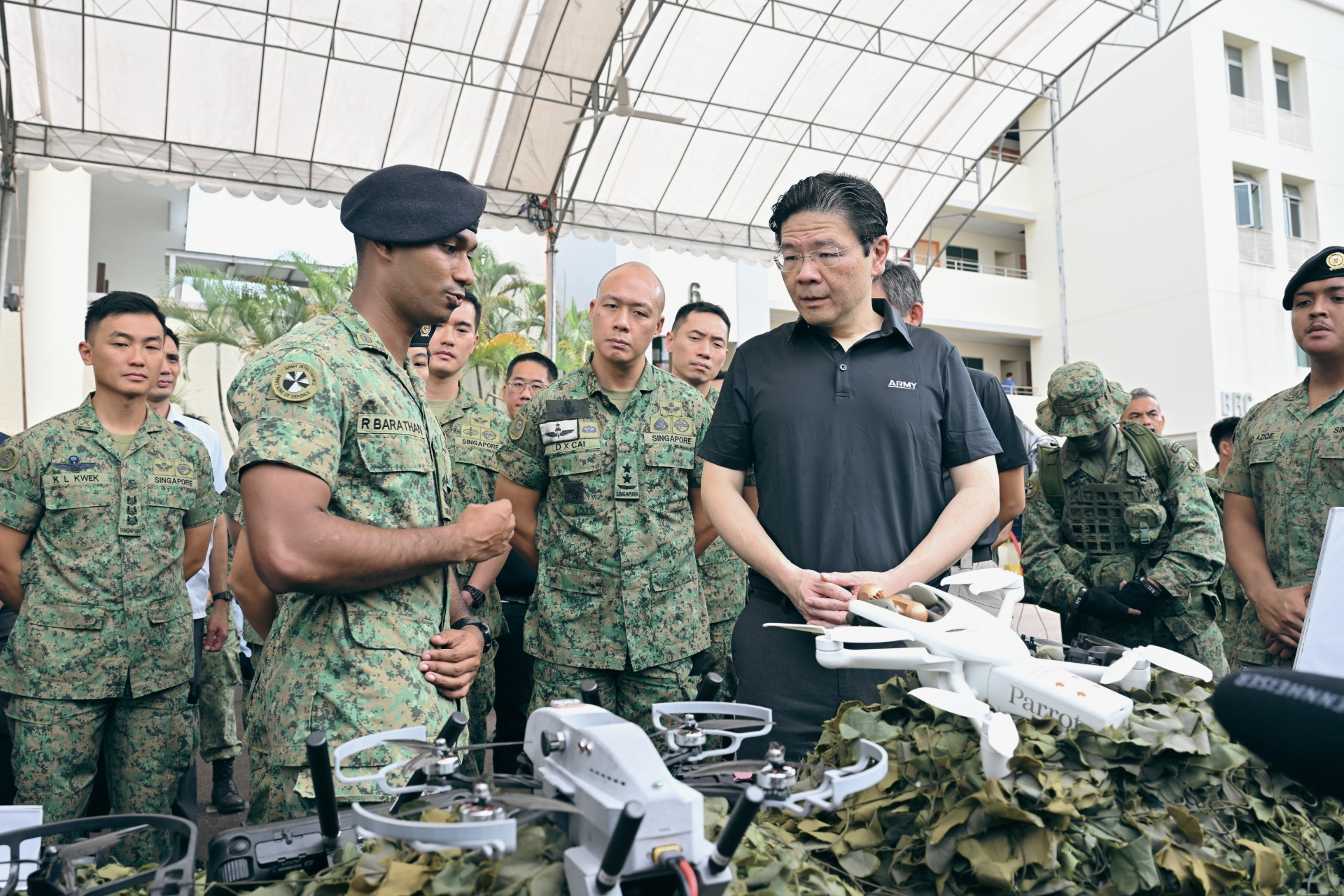
Prime Minister Lawrence Wong observes SAF’s sense-strike integrated capabilities
09 Apr 2026
He witnessed the SAF’s ongoing efforts in leveraging advanced robotics and cross-Service integration to secure Singapore’s interests in an increasingly volatile world.
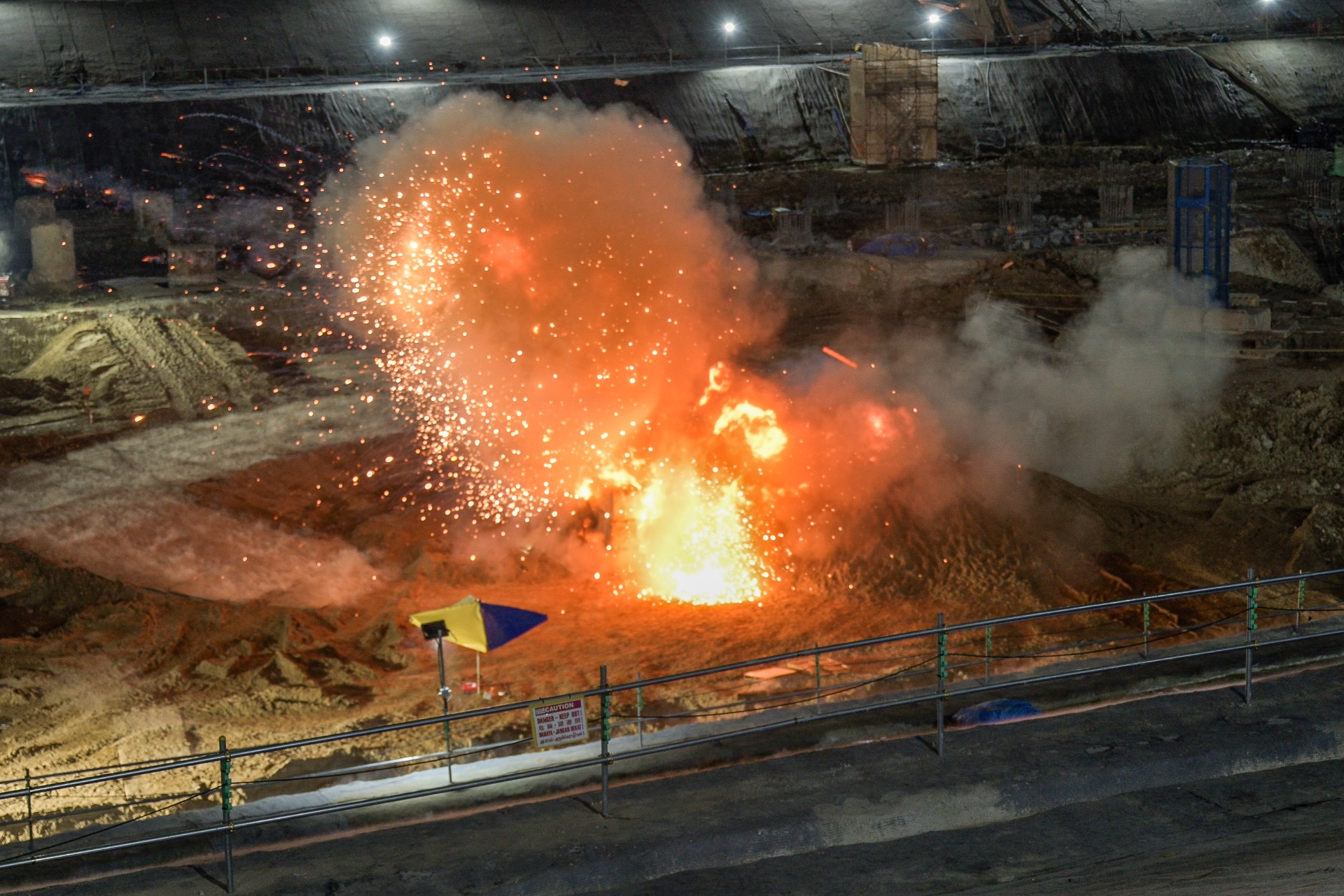
SAF detonates 250kg WWII bomb uncovered at Tanah Merah Coast Road
02 Apr 2026
On 2 Apr, the SAF’s Explosive Ordnance Disposal (EOD) team successfully disposed of an unexploded war relic found at Tanah Merah Coast Road.