
OPS & TRAINING
SAF to develop “high-low” mix of capabilities, from high-end new assets to low-cost drones
27 Feb 2026
The Singapore Armed Forces (SAF) must continue to modernise and upgrade to keep pace with an expanded range of threats.
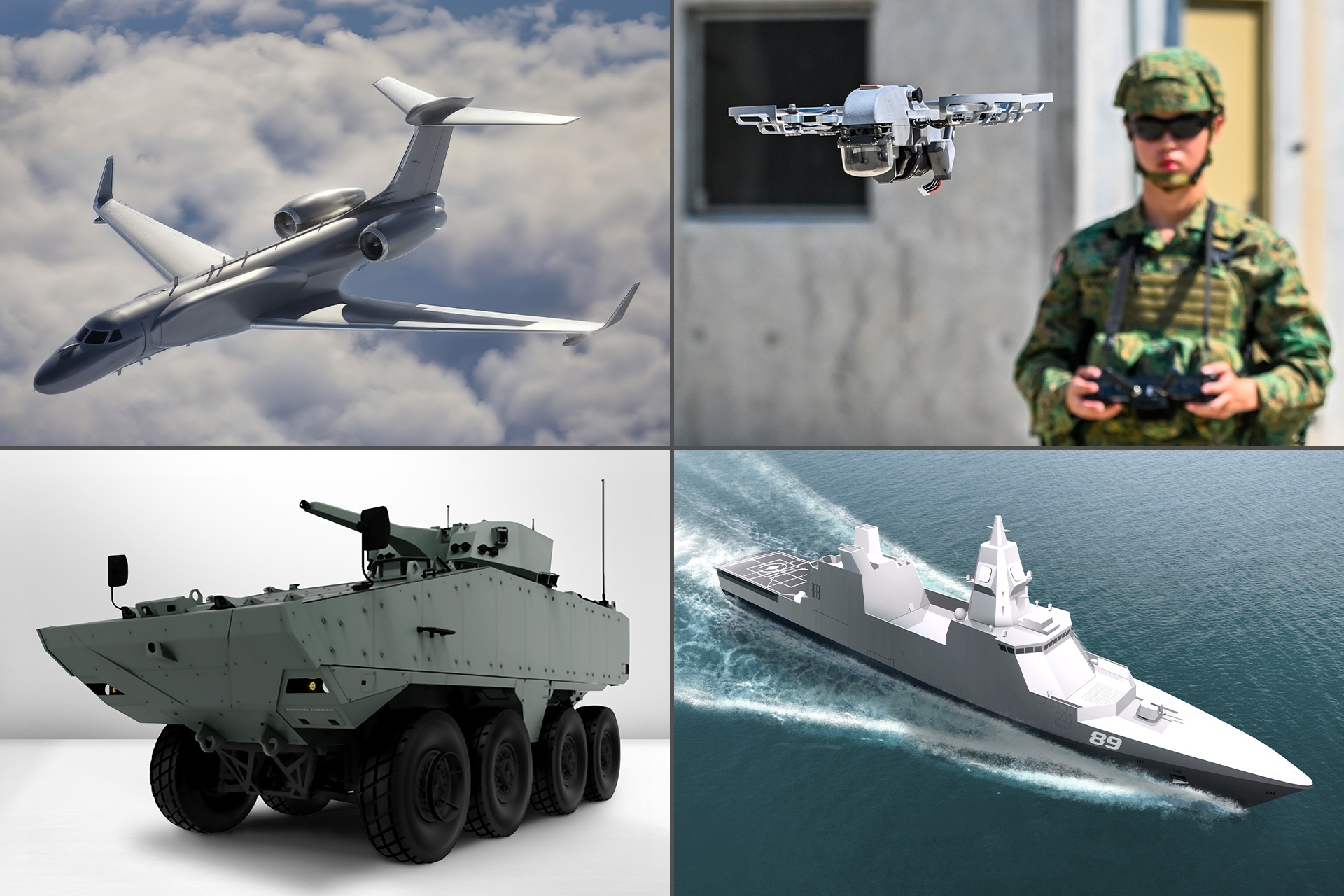
The Republic of Singapore Air Force (RSAF) will acquire three new Gulfstream G550-Maritime Surveillance Aircraft (MSA) to provide early warning of maritime threats. The Ministry of Defence (MINDEF) recently selected ST Engineering’s Terrex s5 as its TITAN Infantry Fighting Vehicle (IFV).
These assets are a few examples of Singapore’s steady investment in defence over the years.
In his speech on the defence budget at Committee of Supply debates on 27 Feb, Minister for Defence Chan Chun Sing noted that the task of building up the SAF is never-ending.
“A well-equipped SAF (Singapore Armed Forces) is one that can defend Singapore against a spectrum of threats.
“As the ultimate backstop for war, the SAF must have robust conventional capabilities. But the SAF must also have other calibrated options in response to an expanded range of scenarios.”
Guarding against a spectrum of threats
The multilateral rules-based order that used to benefit most of the world is eroding, signalling a return to a “might makes right” world, said Mr Chan.
As the longstanding norms that used to govern international relations shift, it is more important than ever for small countries like Singapore to have a strong and capable defence.
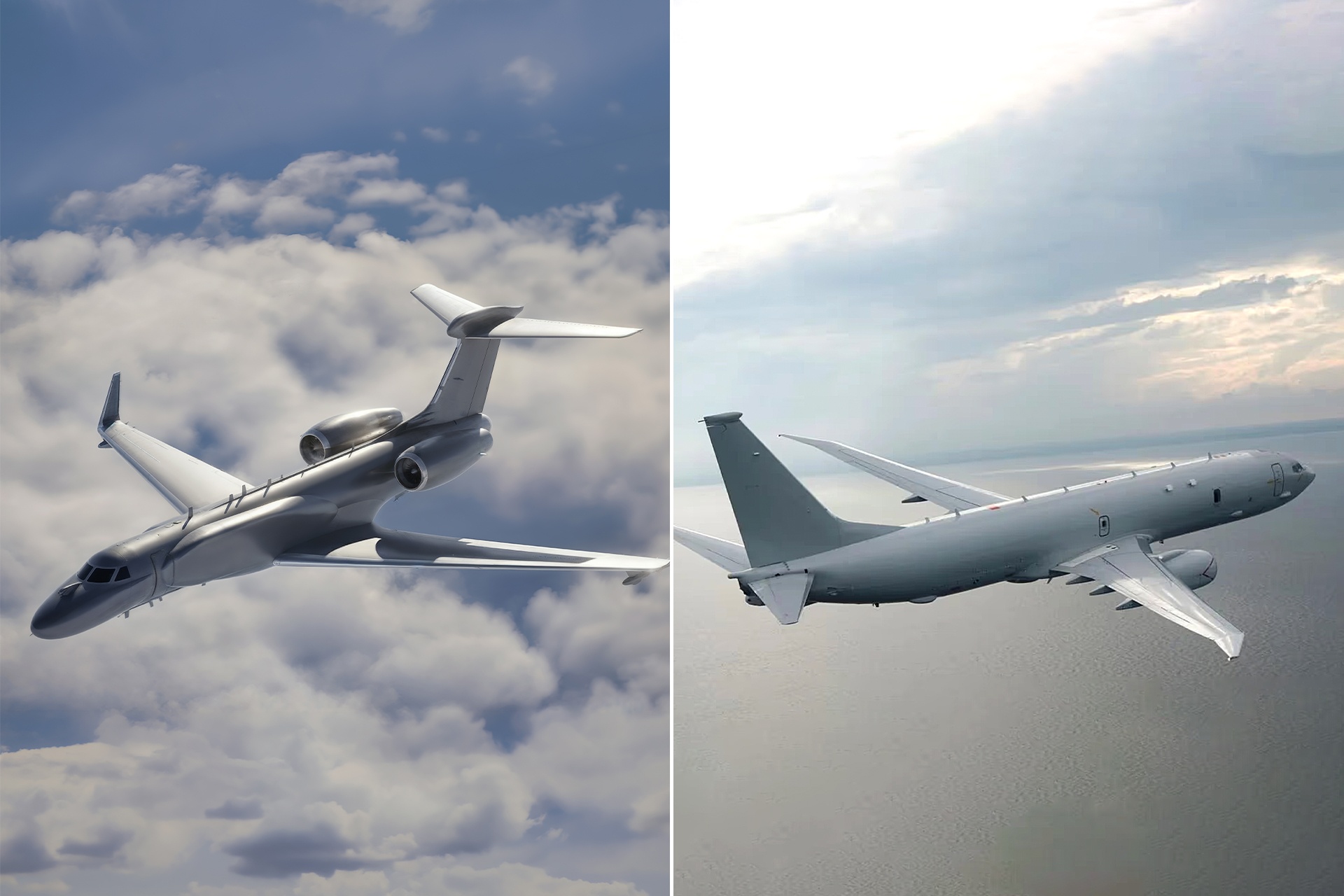
He noted that the RSAF’s upcoming three Gulfstream G550-MSAs will complement the Boeing P-8A Maritime Patrol Aircraft in protecting Singapore’s sea lines of communication.
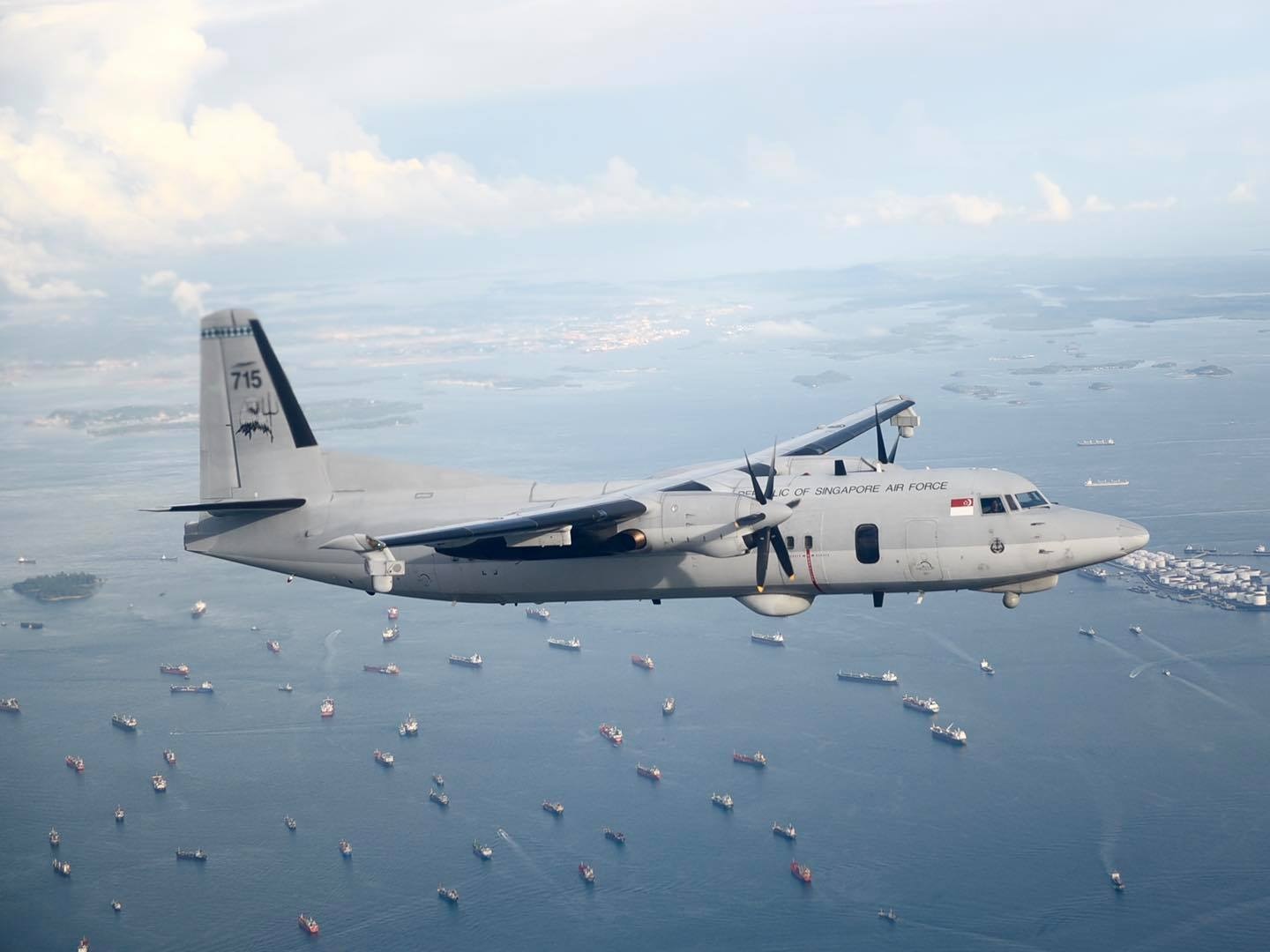
The new G550-MSA is equipped with radar systems, electro-optical/infrared cameras and communication and identification systems. These will allow it to simultaneously detect, identify and track a range of potential maritime threats.
It can fly up to nine hours at altitudes of 40,000ft (12,192m) and has a maximum speed of 0.82 Mach (over 1,012kmh).
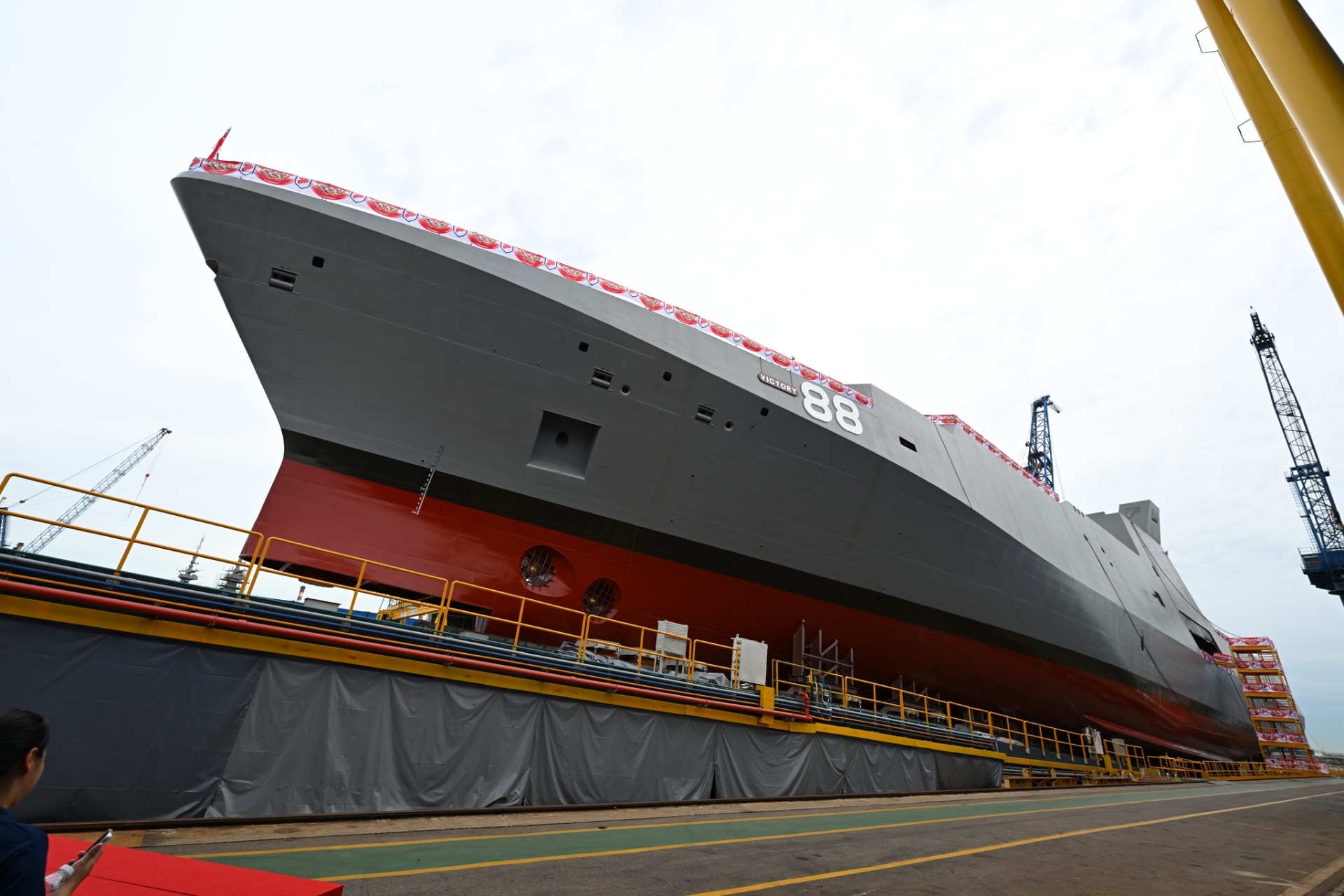
The SAF will also continue to scale the use of unmanned platforms for new concepts of operations, and pair them with manned platforms, said Mr Chan.
One such example is the Victory-class Multi-Role Combat Vessel (MRCV), the Republic of Singapore Navy’s (RSN’s) largest and most complex warship to date.
This vessel is designed to function not only as a combat-ready modern frigate, but also as a “mothership” for the conduct of aerial, surface and underwater unmanned naval operations.
The second MRCV will be launched in the third quarter of 2026.
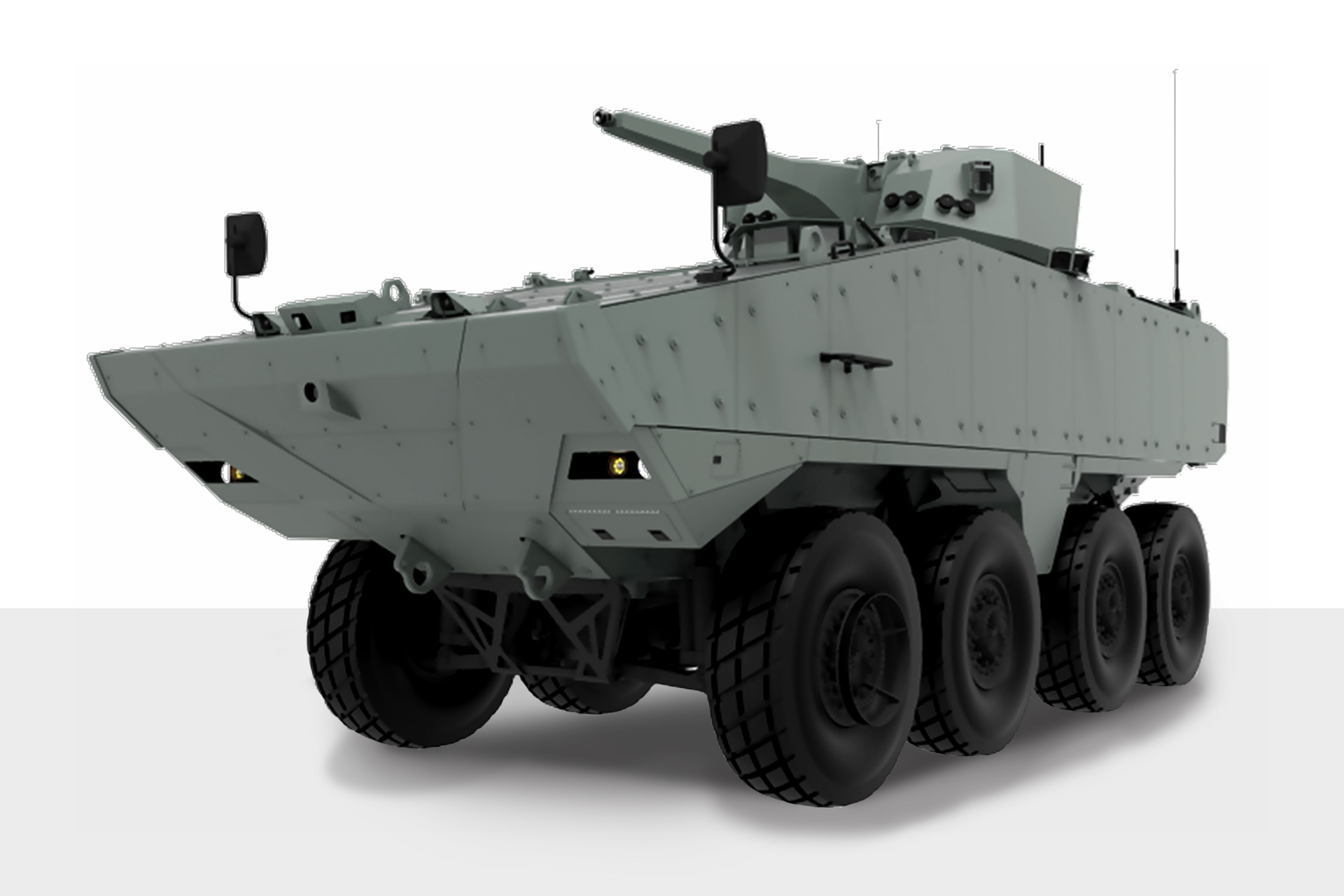
Landwards, the Singapore Army is expected to take delivery of the TITAN IFV – based on ST Engineering’s Terrex s5 – in 2028.
The TITAN is designed with new digitalised systems, advanced vehicle electronics, and a Command and Control architecture to support networked motorised operations.
Additionally, it is equipped with a 30mm cannon mounted on a Remote Controlled Weapon Station for enhanced firepower.
Mixing high-end with low-cost
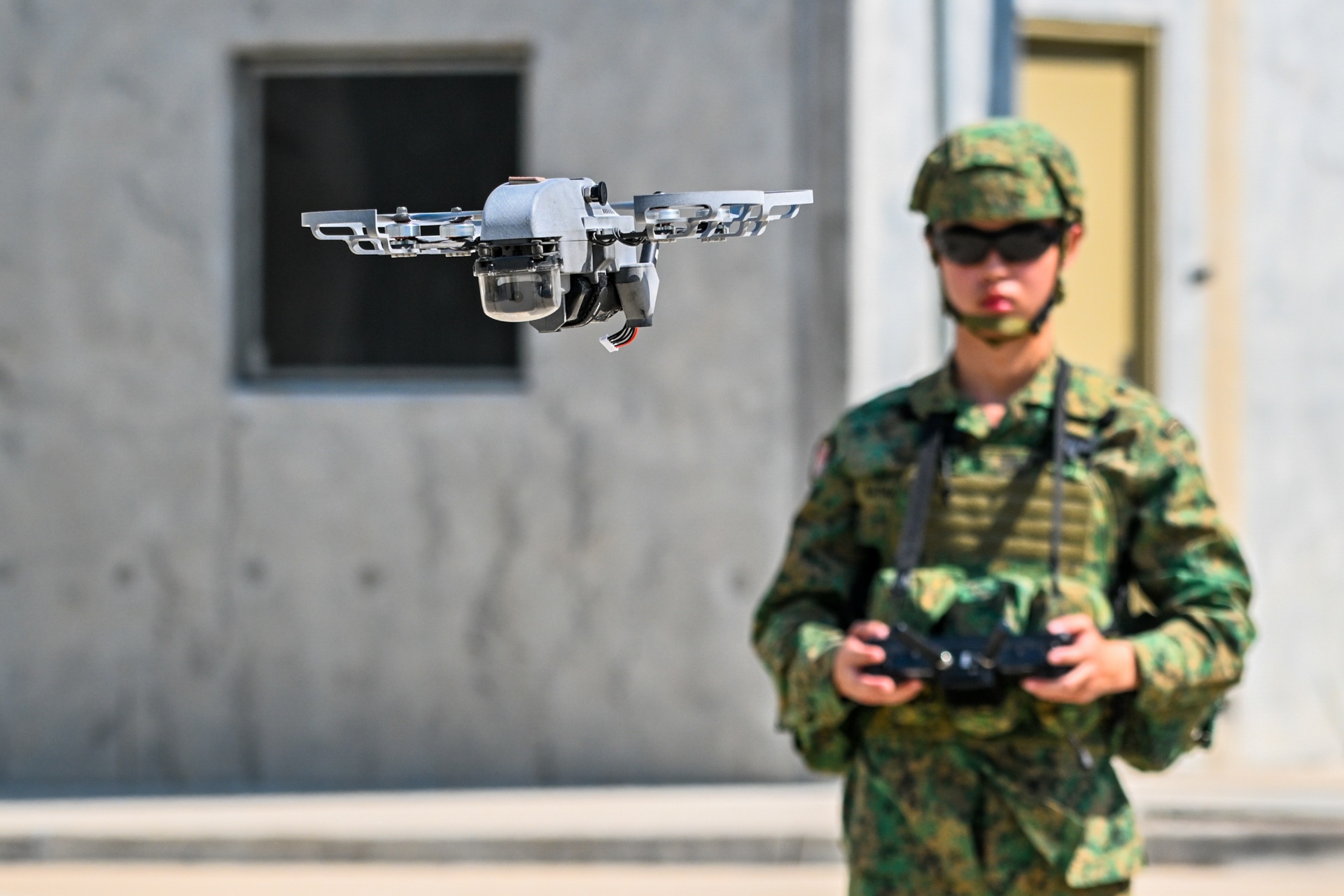
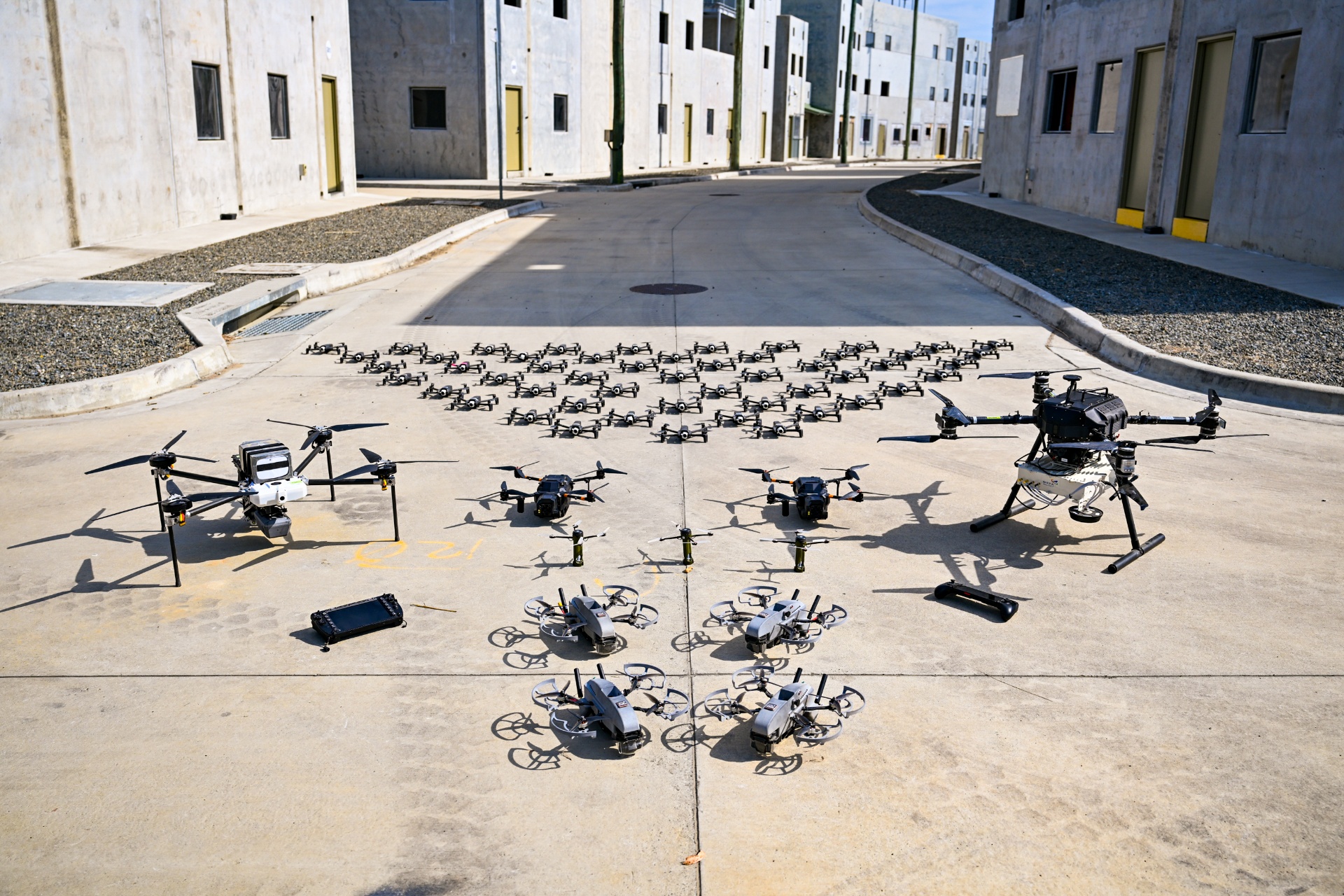
The rise of cheap-asymmetric capabilities, such as drones, will present both threats and opportunities, said Mr Chan.
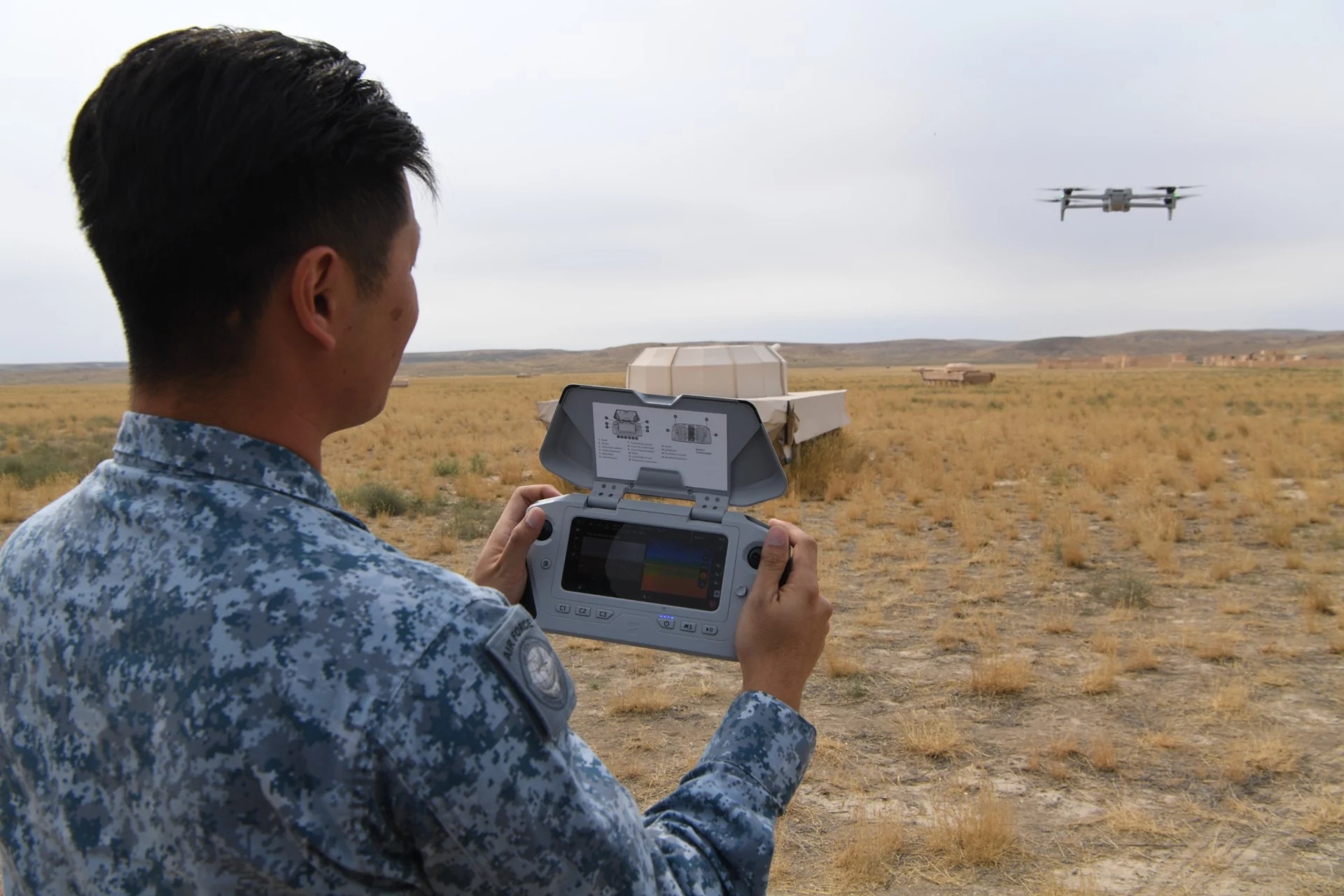
The SAF will complement high-end conventional systems with cheap, dual-use systems available in the commercial market.
One example is the use of low-cost drones for maritime security.
“(This ‘high-low’ mix of capabilities) builds agility in our processes so that we can rapidly adapt to the changing battlefield and technological landscape,” explained Mr Chan.
Strengthening the cyber domain
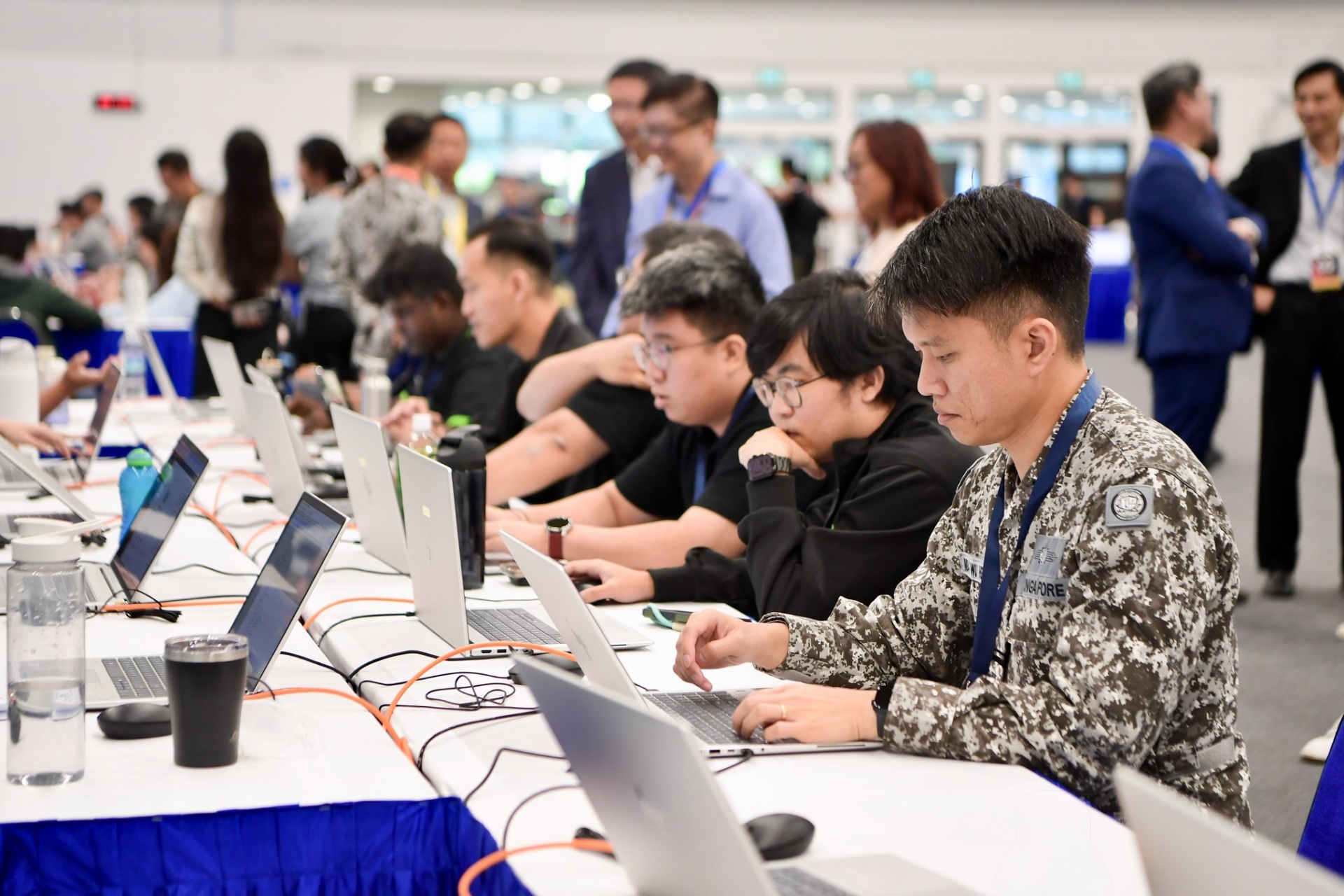
The SAF will also continue to build its capabilities in the cyber domain, to keep pace with rapidly evolving technology and threats.
The first phase of SAF Digital Range – which allows cyber defenders to train, exercise and experiment with emerging technologies – will be operationalised this year, beginning with the repositioning of the Cyber Defence Test and Evaluation Centre (or CyTEC) to a Cyber Defence Test and Experimentation Centre.
The upgraded CyTEC will be able to simulate more sophisticated cyber defence scenarios that closely mirror real-world networks using Artificial Intelligence assistance.
The Digital and Intelligence Service (DIS) piloted an early version of this capability at the 2025 Critical Infrastructure Defence Exercise (CIDeX), in which exercise scenarios were developed with the use of an AI tool that was developed by CyTEC.
Mr Chan wrapped up his speech with the reminder that national defence was the responsibility of every Singaporean, and called on everyone to remain vigilant and ever mindful of the harsh possibilities of conflict.
“(Advanced capabilities and investments in defence infrastructure) will count for nothing if we are not vigilant (and) allow ourselves to be fundamentally surprised because we have been lulled into complacency.”

ALSO READ IN OPS & TRAINING
SAF & Home Team to refresh Medical Classification System
13 Apr 2026
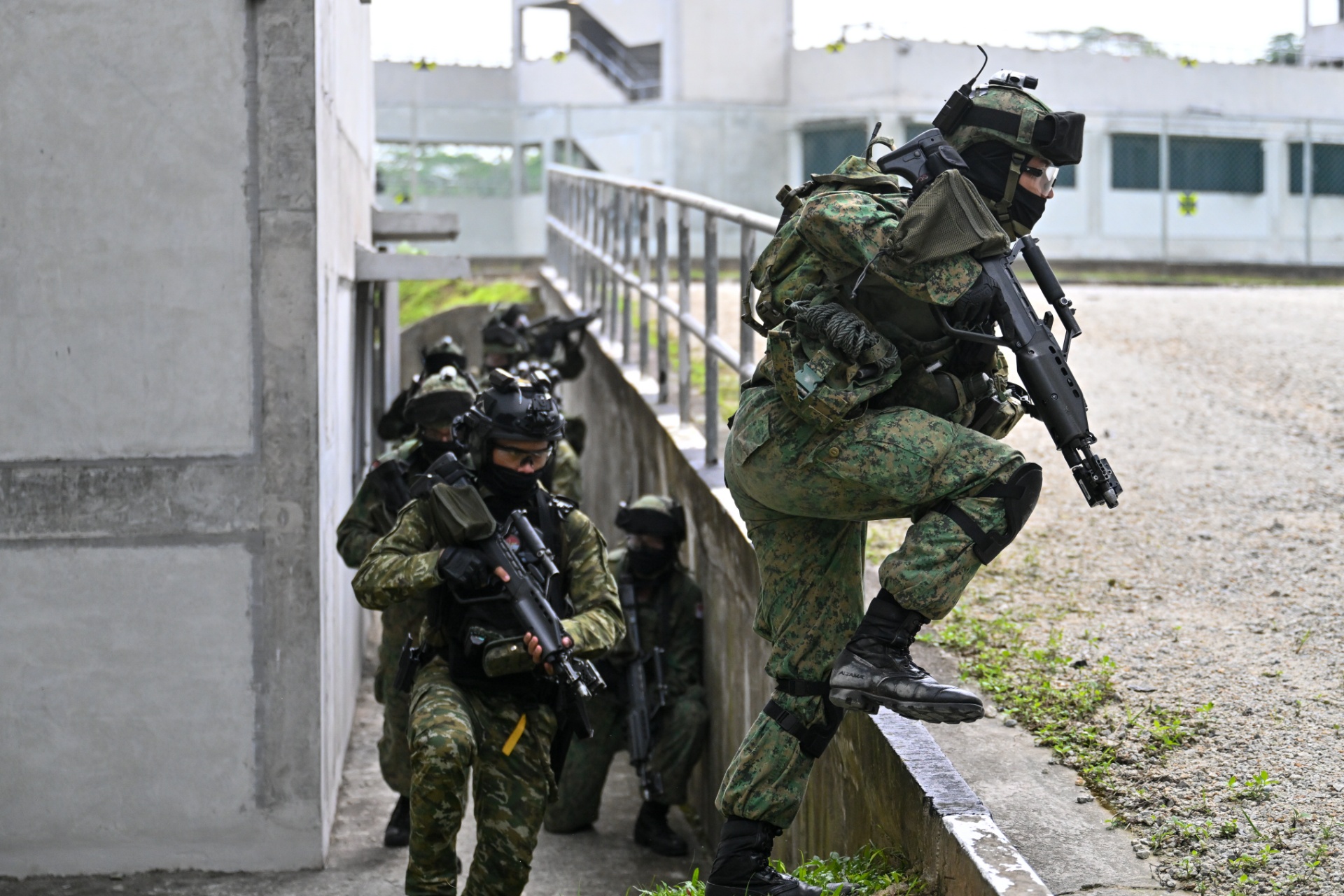
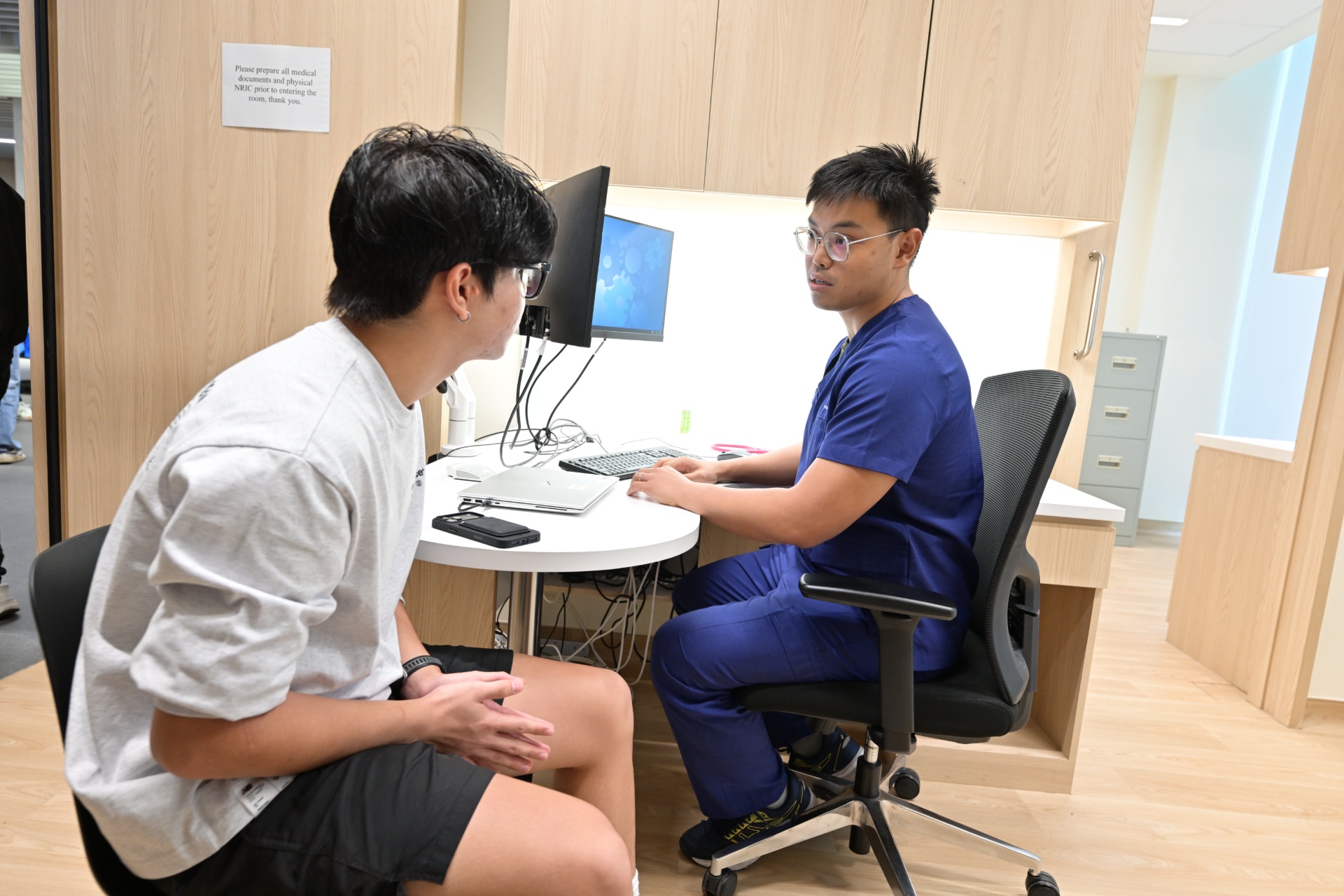
The refreshed system will allow about 1,200 servicemen annually to be deployed for vocations and roles they were ineligible for previously.
Prime Minister Lawrence Wong observes SAF’s sense-strike integrated capabilities
09 Apr 2026
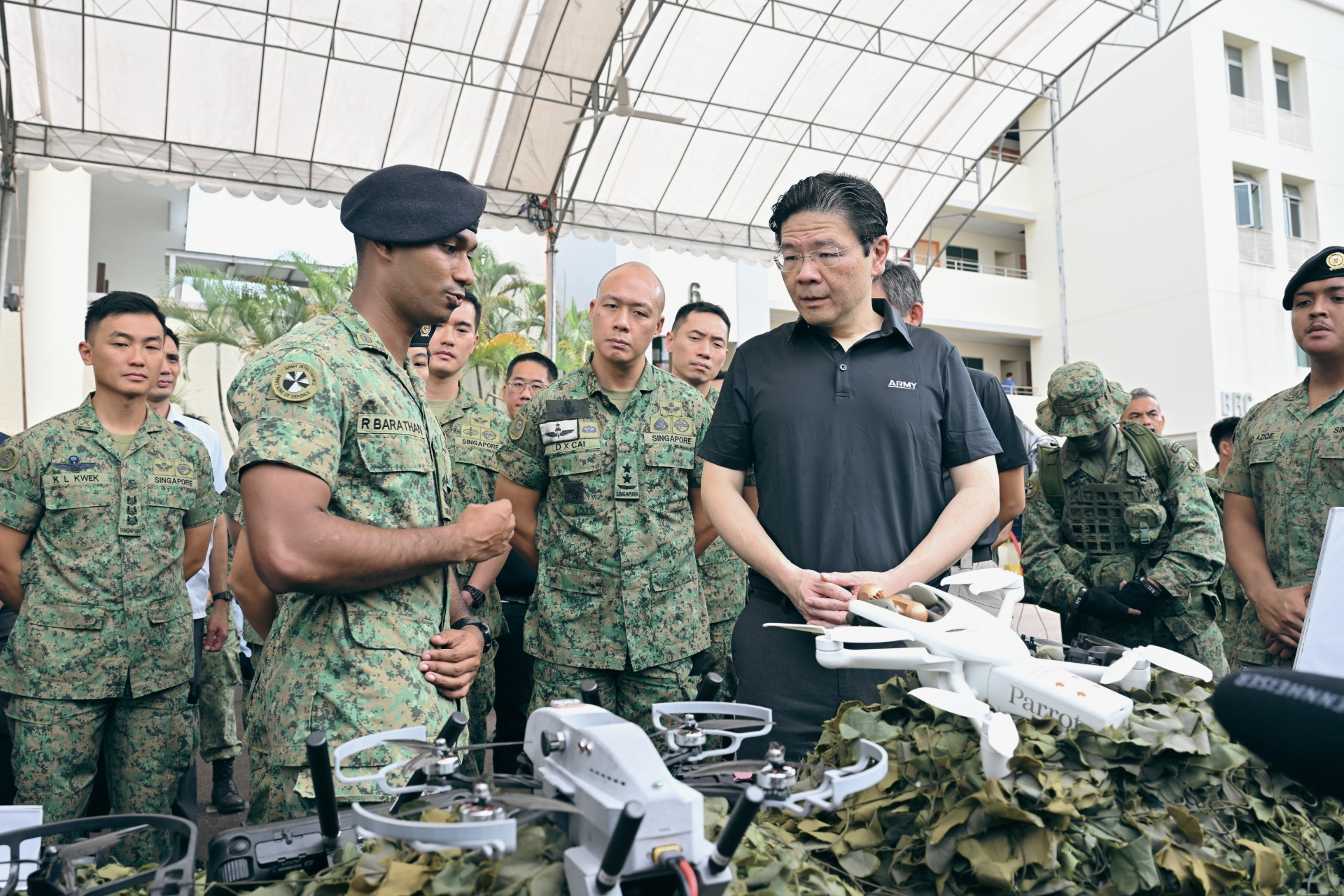
He witnessed the SAF’s ongoing efforts in leveraging advanced robotics and cross-Service integration to secure Singapore’s interests in an increasingly volatile world.
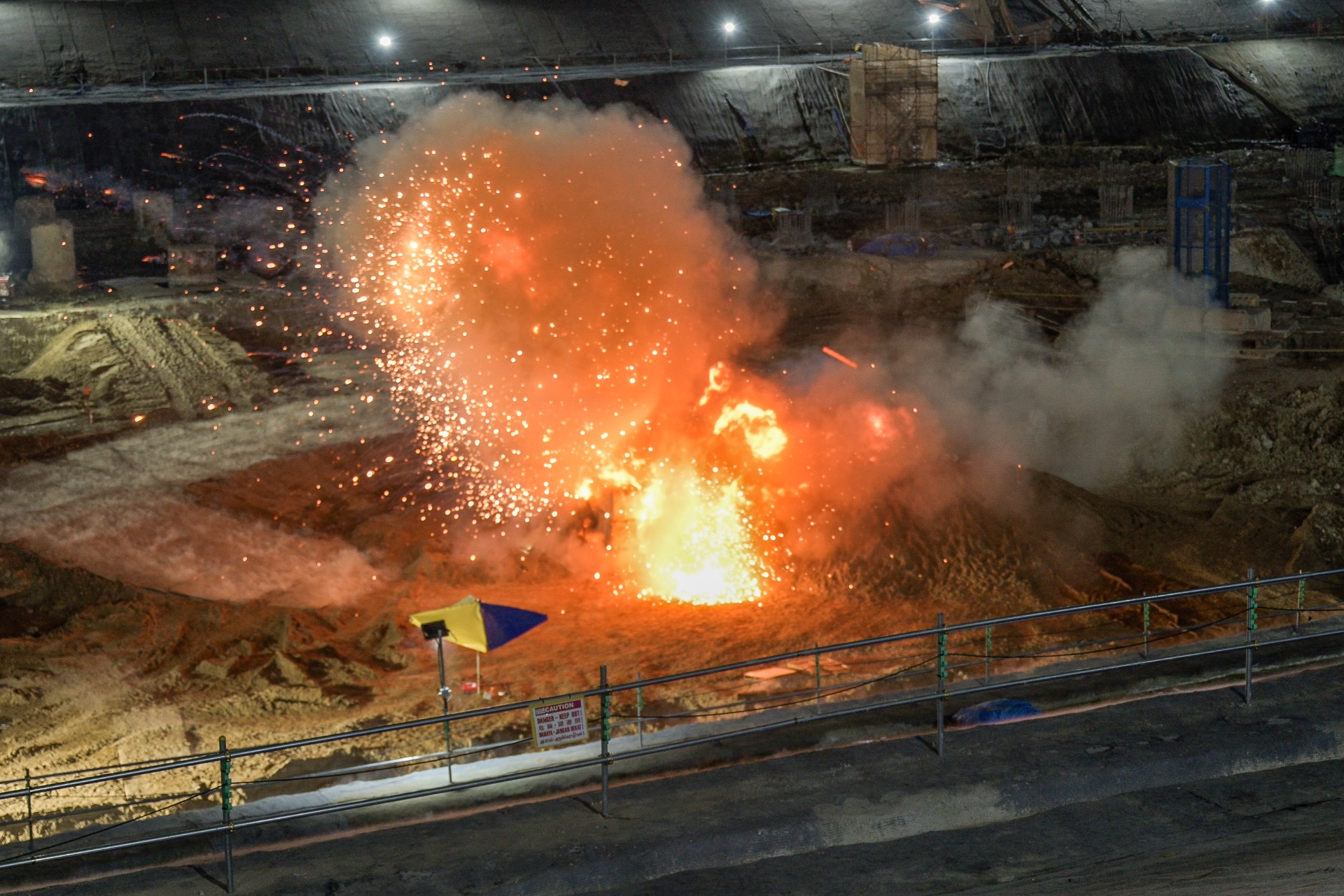
SAF detonates 250kg WWII bomb uncovered at Tanah Merah Coast Road
02 Apr 2026
On 2 Apr, the SAF’s Explosive Ordnance Disposal (EOD) team successfully disposed of an unexploded war relic found at Tanah Merah Coast Road.