
OPS & TRAINING
AGENCIES PARTICIPATE IN FIRST MARITIME CIVIL EMERGENCY EXERCISE
17 Jun 2008
To test the readiness of agencies that safeguard Singapore's reputation as an international maritime hub, the first sea-based civil emergency exercise, codenamed Ex Northstar VI, was held on 23 May.
Organised by the Singapore Civil Defence Force (SCDF), 12 agencies, including the Maritime Port Authority of Singapore (MPA), the Singapore Armed Forces (SAF), Star Cruises and Singapore Cruise Centre, were involved in the exercise.
The objective of the exercise was to evaluate the collective capabilities of the multiple agencies involved in a large-scale maritime incident, said Deputy Prime Minister and Minister for Home Affairs Wong Kan Seng.
"When you are at sea, there's the additional challenge of distance, water and you may not get your resources readily available, so the purpose of the exercise is to find out what we need to do to beef up our capability," he said.
This year's Ex Northstar scenario simulated a fire on board a cruise ship, SuperStar Aquarius, three kilometres from shore. The cruise ship has 13 decks of accommodation and recreational facilities for over 2,800 passengers and crew members.
The sea drill required the ship's crew to conduct swift and effective firefighting and evacuation of passengers from the ship to two designated landing points - Marina South Pier and Tanah Merah Ferry Terminal.
"Coordination is important in such exercises," said Mr Wong. "We can gauge how Singapore can cope in the event of a maritime terrorist attack and the agencies have shown that they can do so effectively."
The role of the SAF was to facilitate casualty evacuation, provide medical support and conduct sea search-and-rescue operations.
Together with incident manager MPA and the Police Coast Guard, the SAF also enforced a sea cordon and regulated the flow of seaward traffic around the ship anchored at the Eastern Anchorage.
One CH-47 Chinook was deployed to conduct heli-evacuation of casualties from the ship in distress, while seven naval vessels supported the search-and-rescue operations. SAF ambulances were also used to evacuate 'casualties' from the shore to hospitals.
Triaging of casualties and the administering of first aid and pre-hospital care was carried out by medical teams from the Ministry of Health, with robust support from the SCDF, the SAF and Singapore Red Cross.
Off-site exercise points included Changi General Hospital, which received the 'casualties' from the two landing points, and Changi Simei Community Club, which was designated as the Family Assistance Centre (FAC).
The FAC was the focal point for families and relatives to get up-to-date information on the mishap. Care counsellors at the centre also saw to the needs of anxious loved ones.
About 1,000 personnel, comprising SCDF officers, full-time national servicemen (NSF), members of the National Civil Defence Cadet Corps, Singapore Polytechnic students and grassroots volunteers, participated as "role-players" - passengers on the ship. Another 300 role-players played the part of family members or next-of-kin.
Present to watch the proceedings were Law and Second Home Affairs Minister K. Shanmugam, Education and Second Defence Minister Ng Eng Hen, and some Members of Parliament.

ALSO READ IN OPS & TRAINING
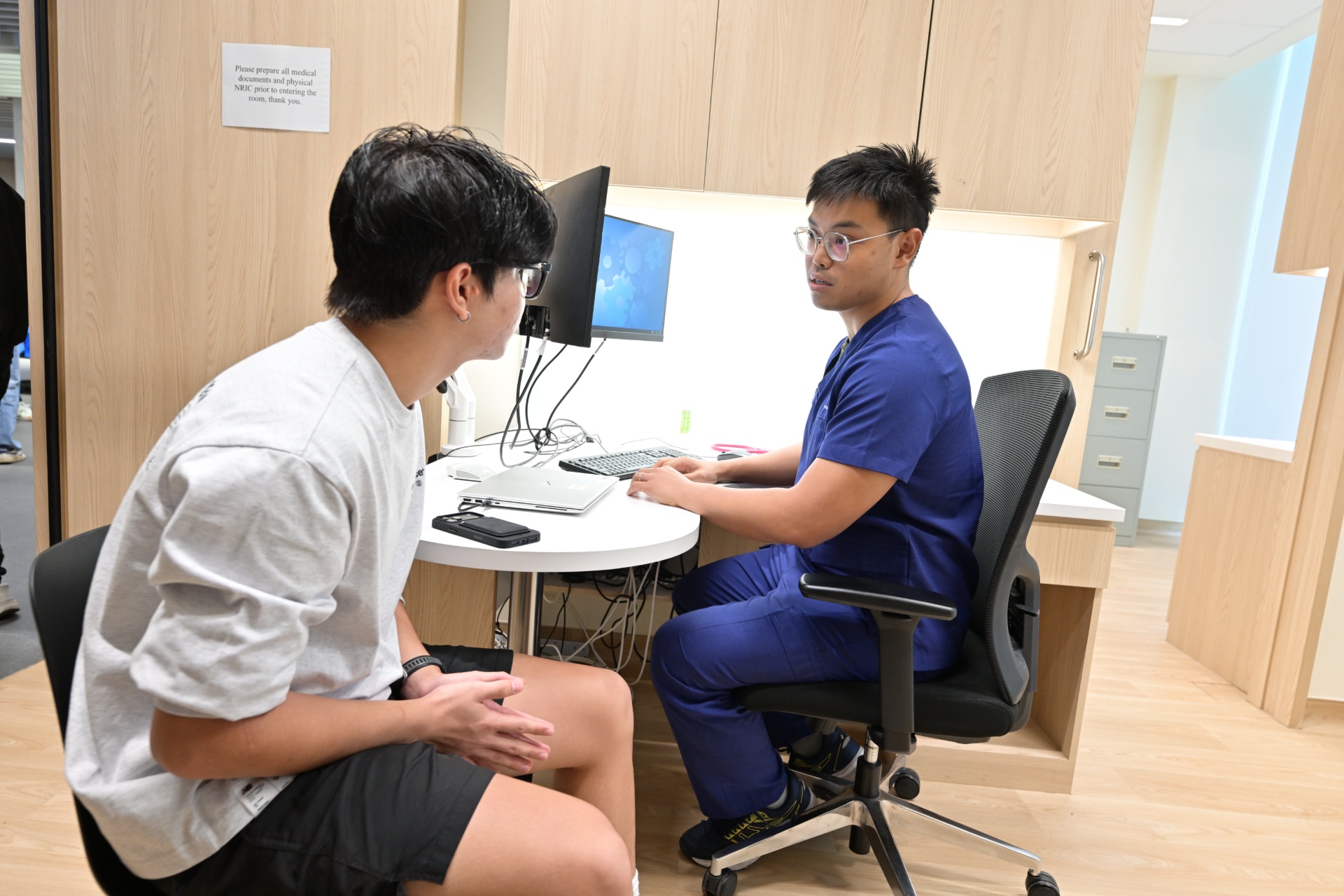
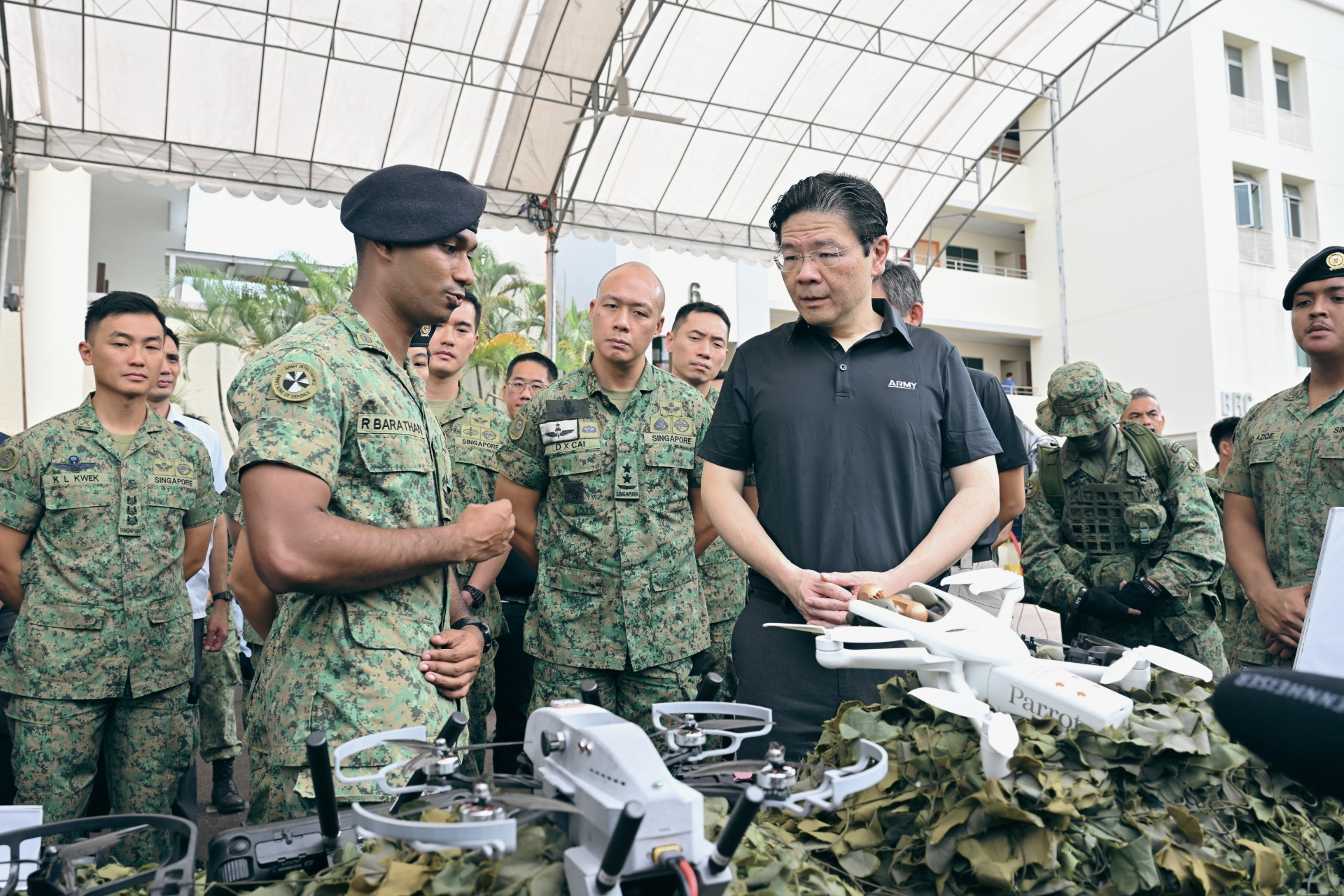
Prime Minister Lawrence Wong observes SAF’s sense-strike integrated capabilities
09 Apr 2026
He witnessed the SAF’s ongoing efforts in leveraging advanced robotics and cross-Service integration to secure Singapore’s interests in an increasingly volatile world.
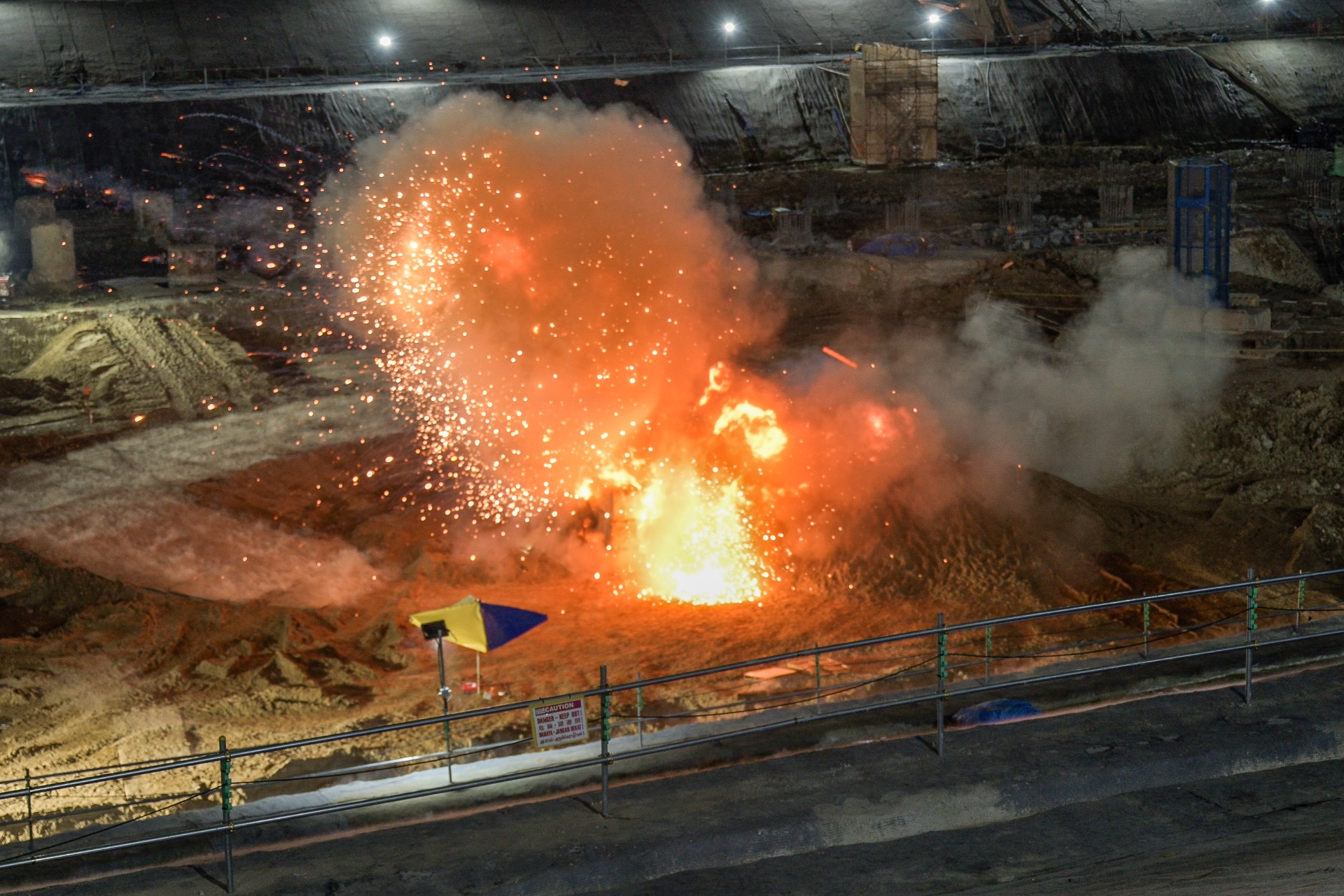
SAF detonates 250kg WWII bomb uncovered at Tanah Merah Coast Road
02 Apr 2026
On 2 Apr, the SAF’s Explosive Ordnance Disposal (EOD) team successfully disposed of an unexploded war relic found at Tanah Merah Coast Road.
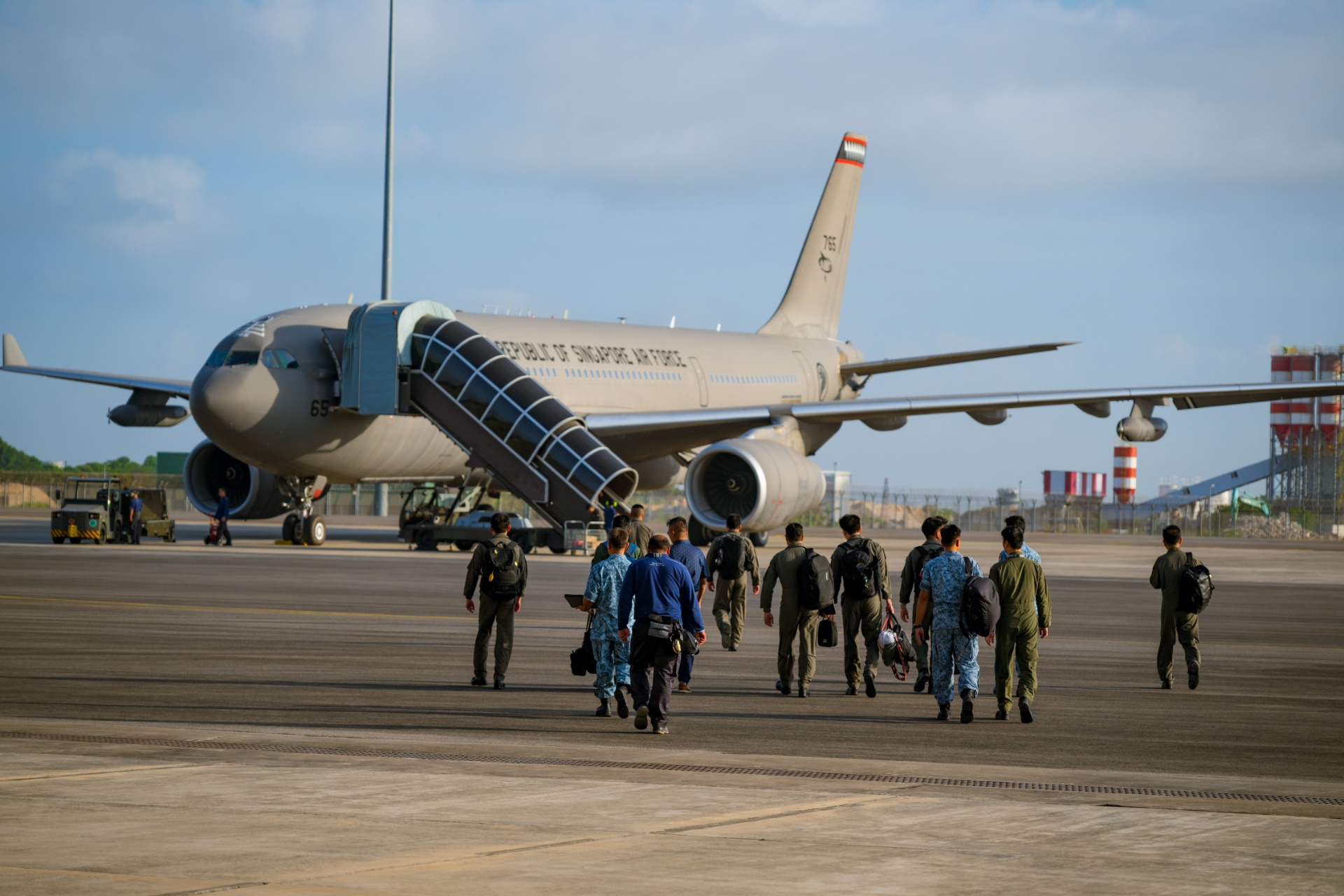
Flying into the unknown: Inside RSAF’s mission to bring S’poreans home from Middle East
28 Mar 2026
Despite the risks and complex challenges of flying in a conflict zone, the men and women of the RSAF pulled off a successful mission through careful planning and hard work.