
OPS & TRAINING
A TEST OF LEADERSHIP
18 Feb 2009
"Anyone can hold the helm when the sea is calm," so says Latin writer Publilius Syrus. And it is only in rough waters that true leaders are revealed.
For every batch of recruits in Basic Military Training, the "rough waters" come in the form of a Situational Test for Junior Commander selection, or SITEST in short.
As a method of assessing leadership under stress, this two-day two-night exercise out in the field consists of 12 different mission-like scenarios. For each mission, an IC and a 2IC are appointed to lead their team of fellow recruits to complete their mission, giving every recruit the opportunity to demonstrate his leadership potential.
The missions are done under the observant eyes of their assessors, a group formed by Regulars and Operationally Ready National Servicemen. With a multiple assessor method, each assessor is assigned to a handful of recruits. This ensures a more even assessor-to-recruits ratio, and that recruits can be amply assessed.
Elaborating on the rationale of a multiple assessor system, LTA (NS) Sebastian Sim, Assessing Team Leader with the Applied Behavioural Sciences Department said that it "helps to manage the recruits better, and to ensure their safety".
He added: "It also helps to moderate their scores."
But good leaders must also make good followers, which is why recruits are assessed throughout SITEST, even for missions where they do not hold leadership roles. In addition, recruits function as assessors too, through peer appraisals after the SITEST. This contributes to a more balanced assessment system.
The simulated missions are highly dynamic, with recruits having to face a steady stream of obstacles along the way. With all this and time constraints, the ICs and 2ICs of each mission are required to harness the strengths of their men and move the team together in reaching the objectives of the missions.
"We don't expect the recruits to execute the missions like seasoned soldiers, but we're looking at their interpersonal skills, their ability to plan and lead under stress," said LTA (NS) Sim, who conducts the SITEST and assesses recruits during his In-Camp Training.
"Although the conditions are simulated, the context is realistic, and gives enough physical and mental stress to invoke the recruits' leadership qualities," he added.
Having gone through a fair amount of physical and mental stress in the form of carrying out missions, route marches, leopard crawls, and pitting themselves against elements of the weather in the field, a batch of recruits from Basic Military Training Centre School 1 who recently underwent the SITEST found surviving the "rough waters" to be a most rewarding experience.
Said Recruit (REC) Herman Nurfendi: "SITEST was fun because I got to work with people from different platoons, and I saw how people reacted differently to situations."
With 24 possible leadership opportunities, SITEST drew praise from REC Kishore Kumaran. "For people who don't have the confidence to lead, SITEST gives them ample opportunities to be in leadership positions. When people start listening to them, they realise that they can be leaders too," he told cyberpioneer.
One such example, as described by REC Kumaran, was REC Trent Lai. The two-day gruelling exercise not only showed him that leadership involves delegating the right duties to the right man for the job, it also made him more introspective.
He concluded: "Through SITEST, with the many opportunities to take on leadership roles, I rediscovered my ability to lead."

ALSO READ IN OPS & TRAINING
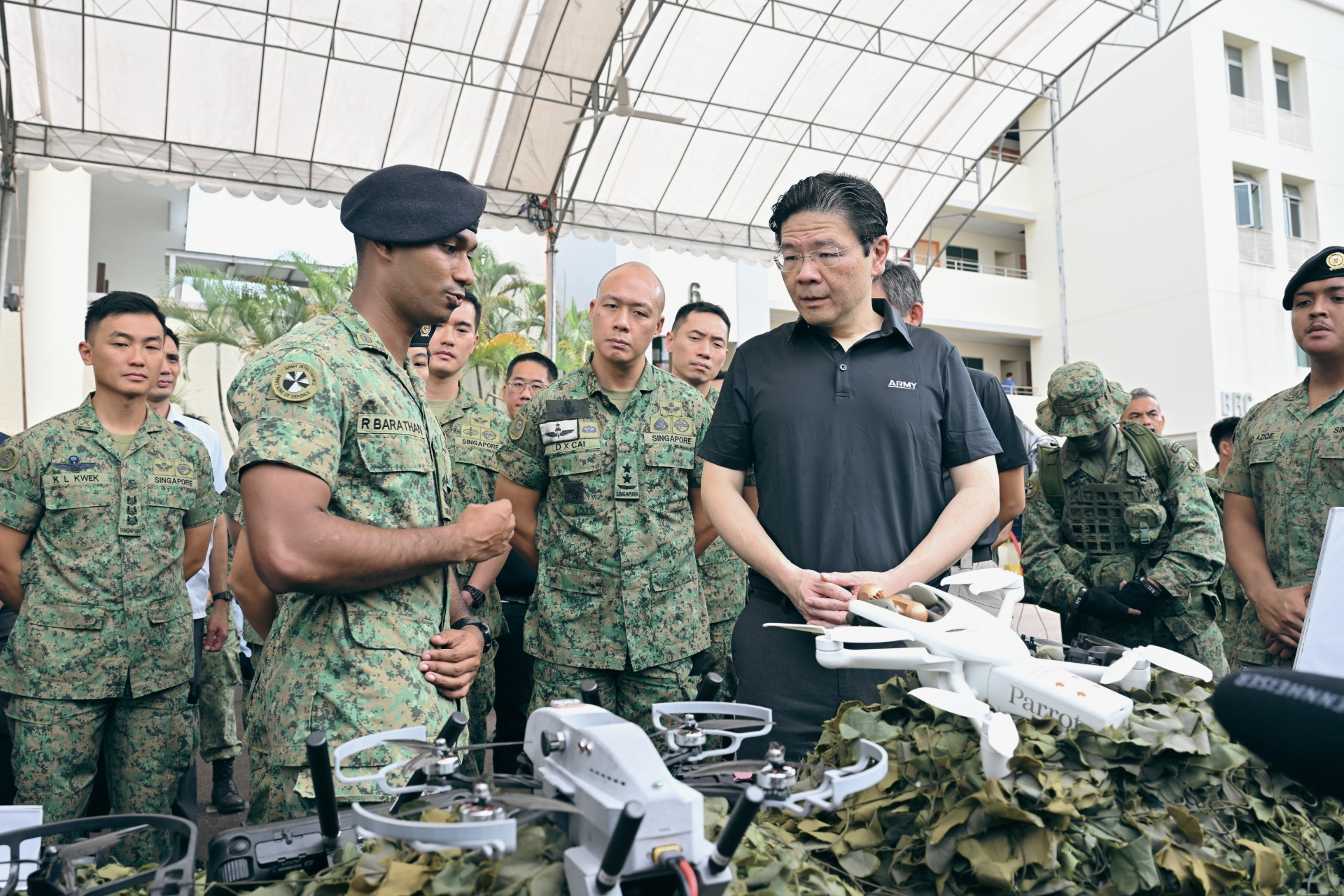
Prime Minister Lawrence Wong observes SAF’s sense-strike integrated capabilities
09 Apr 2026
He witnessed the SAF’s ongoing efforts in leveraging advanced robotics and cross-Service integration to secure Singapore’s interests in an increasingly volatile world.
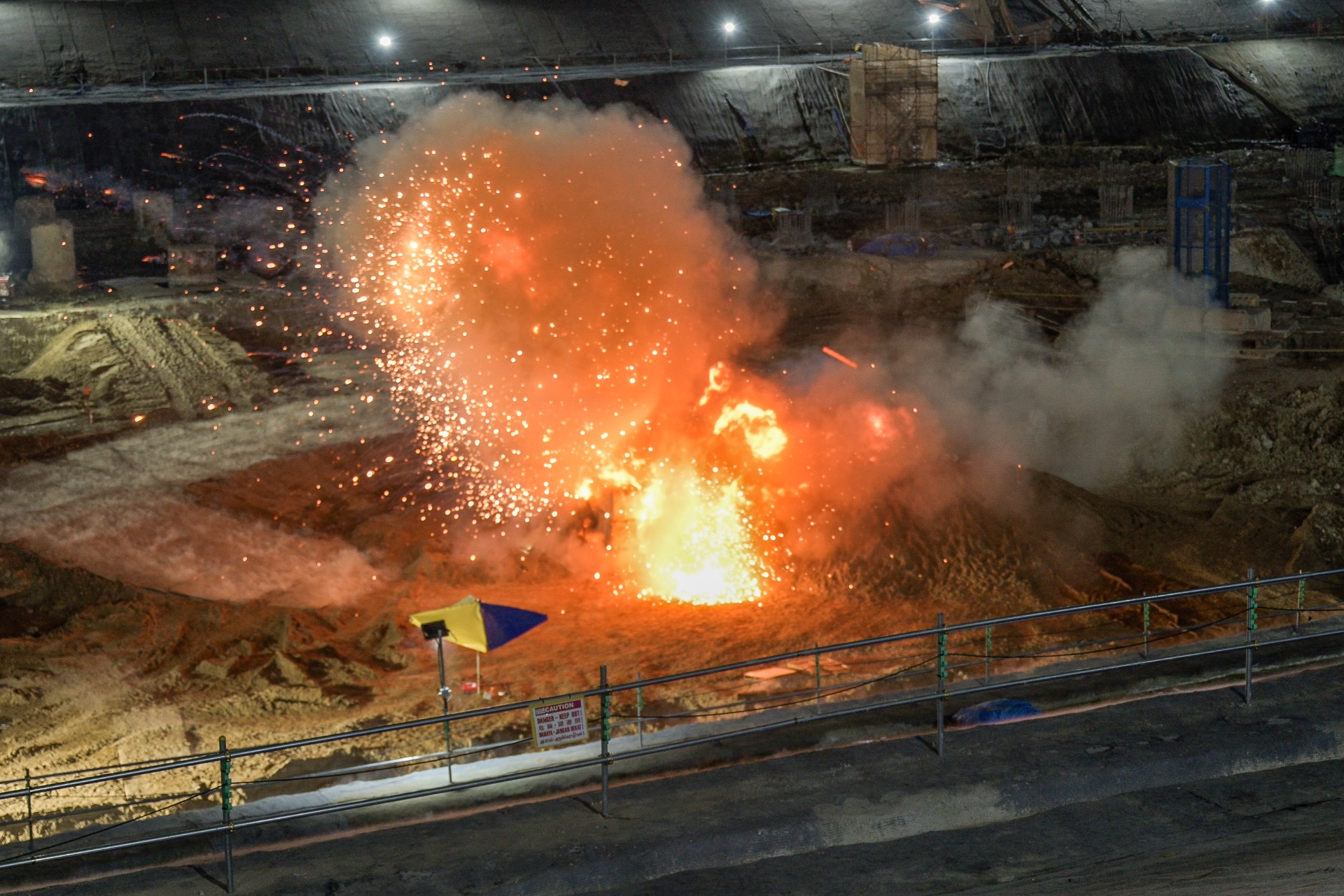
SAF detonates 250kg WWII bomb uncovered at Tanah Merah Coast Road
02 Apr 2026
On 2 Apr, the SAF’s Explosive Ordnance Disposal (EOD) team successfully disposed of an unexploded war relic found at Tanah Merah Coast Road.
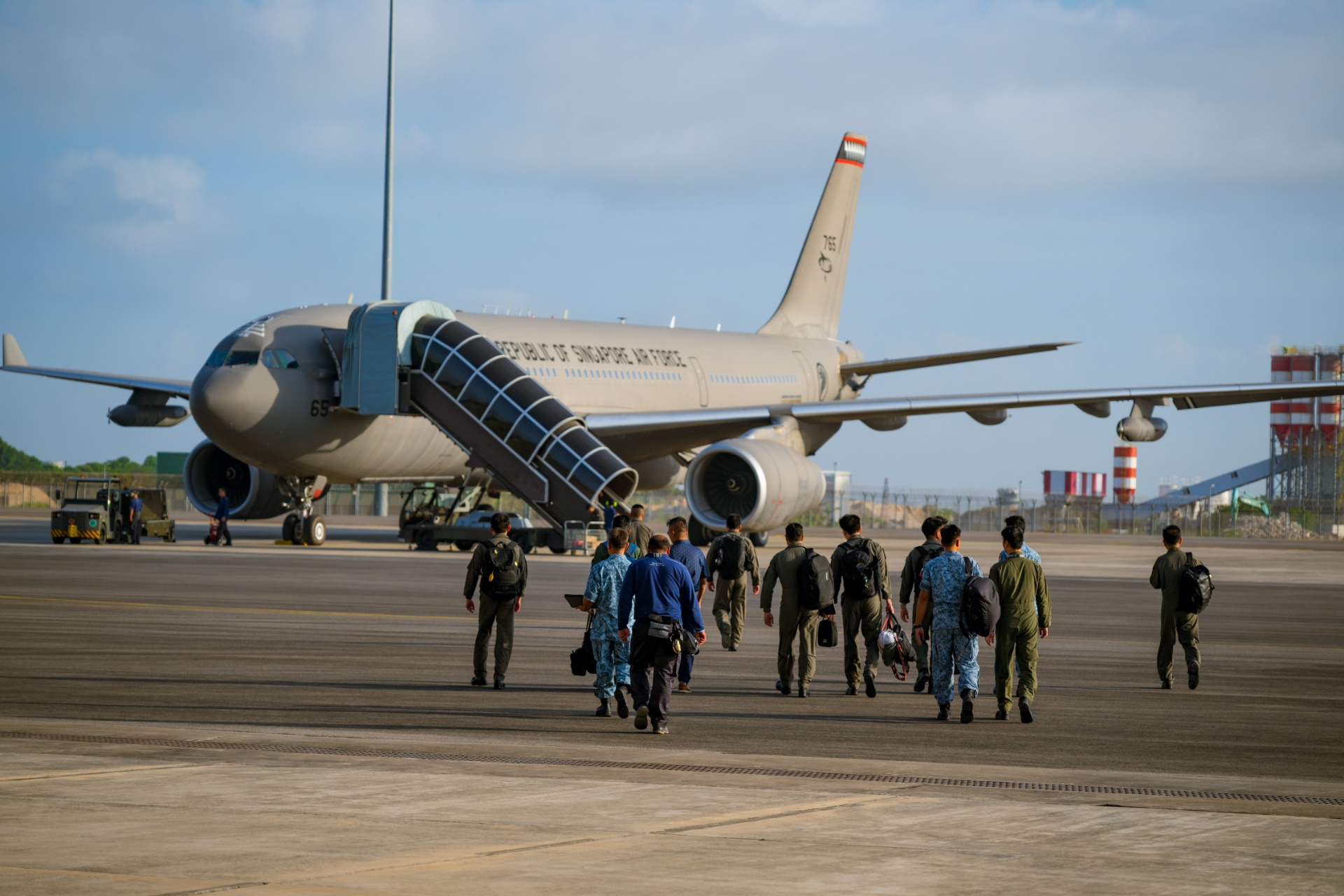
Flying into the unknown: Inside RSAF’s mission to bring S’poreans home from Middle East
28 Mar 2026
Despite the risks and complex challenges of flying in a conflict zone, the men and women of the RSAF pulled off a successful mission through careful planning and hard work.