
OPS & TRAINING
A DAY AT THE BEACH
16 Jan 2005
How did you spend your Sunday?
Perhaps you were at the beach, soaking up some sun and enjoying the waves lapping at your feet?
Well, that is just what eight Singapore Armed Forces (SAF) combat engineers did.
But for them, it was not a day of fun, but one of hard work.
Second Sergeant (2SG) Tham Meng Kong and his fellow soldiers from the 35th Battalion, Singapore Combat Engineers (35 SCE), have been on the beach in Meulaboh since early morning, securing and improving the second sea landing point created by the SAF.
This is the same beach that the tsunami hit on 26 December, leaving death and destruction in its wake.
But it is not apparent if these thoughts flow through the minds of the combat engineers as they go about their work.
What is clear, however, is that the work is a tough manual task.
The soldiers' uniforms are permanently soaked, either drenched with perspiration brought about by the strong sunshine, or by the relentless waves that continue to pound the shoreline.
"Compared to Singapore, the weather here is warmer," said 2SG Tham (left).
"Also, the tides are very strong. One of my men was squatting to secure a pin into the landing point, when he was swept a few metres up the shore," he added.
Still, the combat engineers know that they must persevere, as they have an important role to play.
From such landing points, the Fast Craft Utility (FCUs) from the Republic of Singapore Navy (RSN) can offload large amounts of supplies and numerous men from the three Landing Ship Tanks (LSTs), anchored off Meulaboh, onto the mainland.
"When the supplies come in using the sea landing point, and the people come to collect them, you know that all the hard work is paying off!" said 2SG Tham.
When asked if the task initially intimidated him, Private (PTE) Raymond Huang (left) admitted that he knew the work would be difficult.
Nonetheless he was ready to meet the challenge.
He said: "We are here to do what we can, to contribute in whichever way. And it feels good to know you have done something to help in the disaster."
Since their arrival in Meulaboh in early January, the combat engineers have also helped to clear debris and roads.
In addition to the sea landing points, they have also assisted in the creation of the helicopter landing points, allowing for sea and air access for supplies to enter the disaster-stricken town.
After a hard day's work, the sea landing site is ready for use. The sea landing site is sturdy for use either by soldiers or by vehicles. Here, soldiers load up onto the Fast Craft Utility to prepare to head back to RSS Endurance.

ALSO READ IN OPS & TRAINING
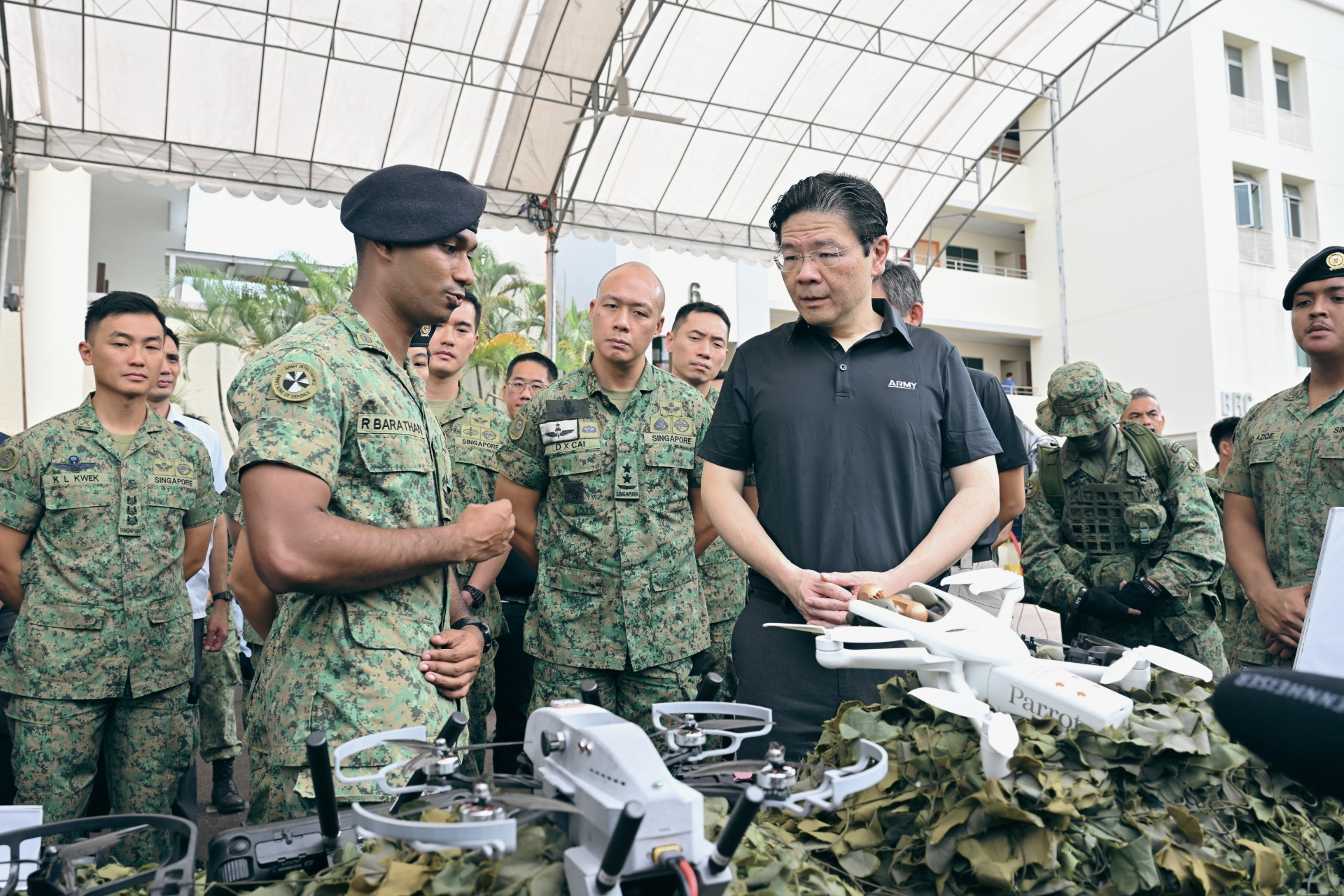
Prime Minister Lawrence Wong observes SAF’s sense-strike integrated capabilities
09 Apr 2026
He witnessed the SAF’s ongoing efforts in leveraging advanced robotics and cross-Service integration to secure Singapore’s interests in an increasingly volatile world.
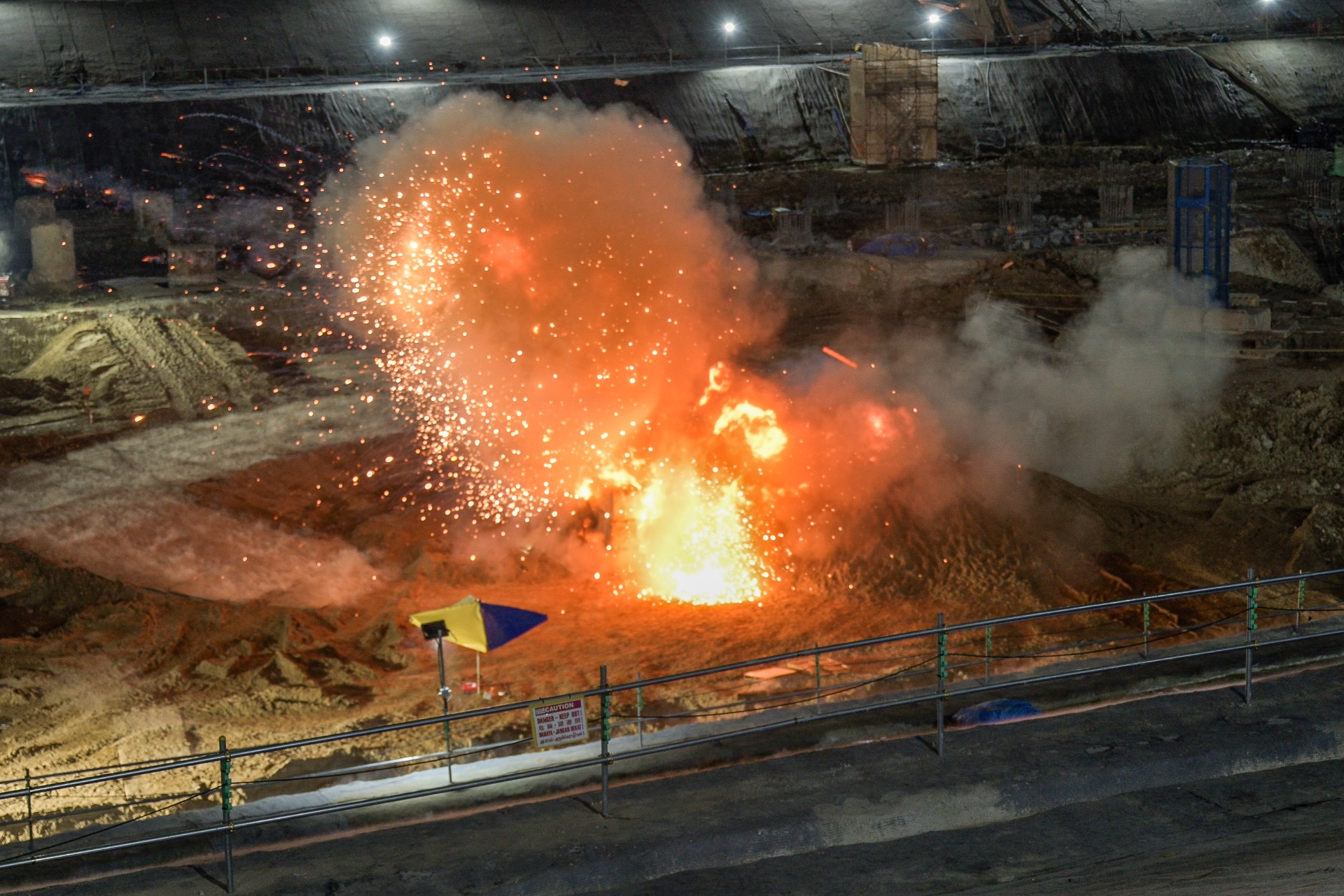
SAF detonates 250kg WWII bomb uncovered at Tanah Merah Coast Road
02 Apr 2026
On 2 Apr, the SAF’s Explosive Ordnance Disposal (EOD) team successfully disposed of an unexploded war relic found at Tanah Merah Coast Road.
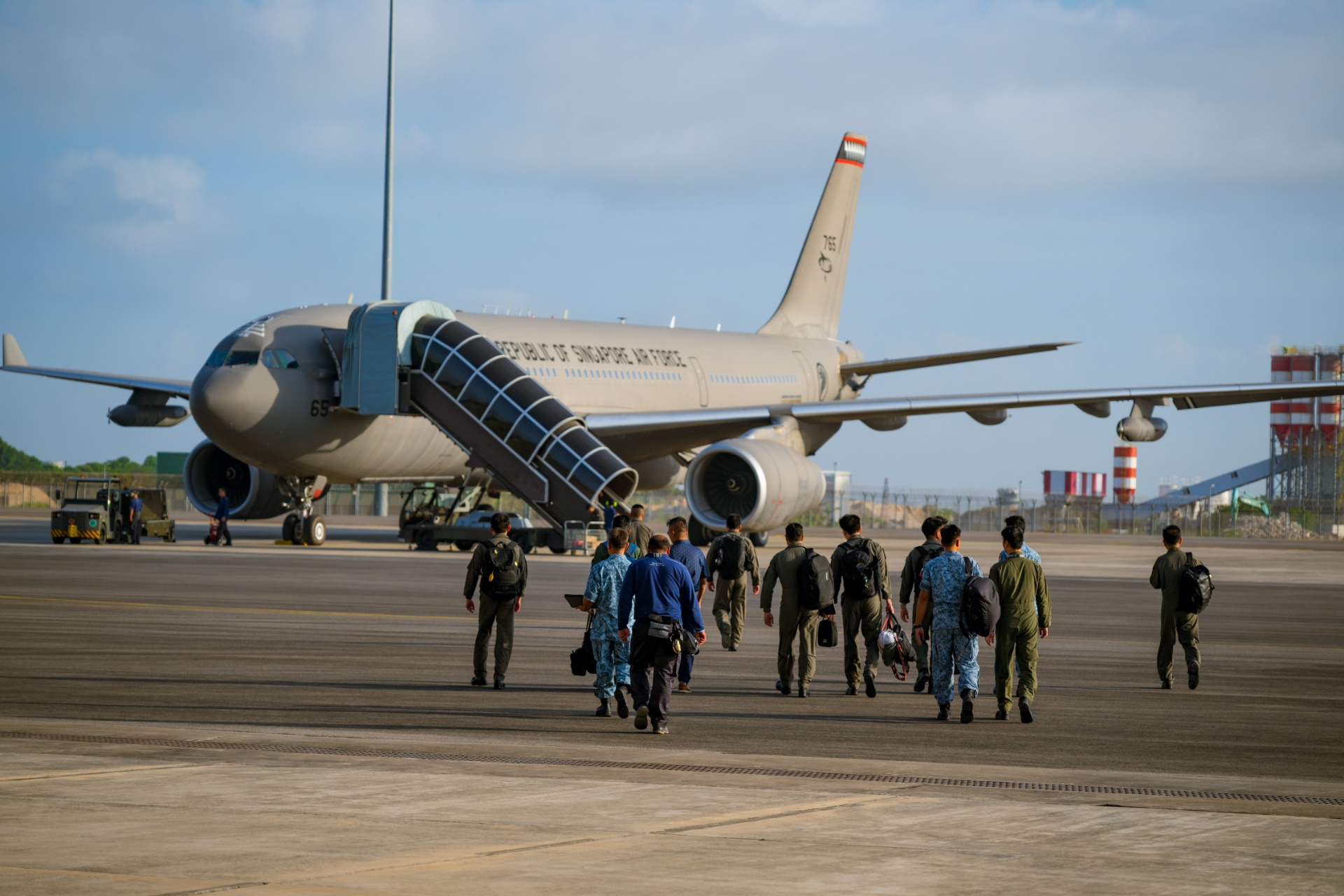
Flying into the unknown: Inside RSAF’s mission to bring S’poreans home from Middle East
28 Mar 2026
Despite the risks and complex challenges of flying in a conflict zone, the men and women of the RSAF pulled off a successful mission through careful planning and hard work.