
OPS & TRAINING
SAF tests new fighting concepts & capabilities at Exercise Wallaby 2026
27 Oct 2026
With a focus on adaptability and innovation, the 36th Exercise Wallaby brings about 6,000 personnel and 1,200 platforms from the Singapore Armed Forces (SAF) to Australia for complex, large-scale training.
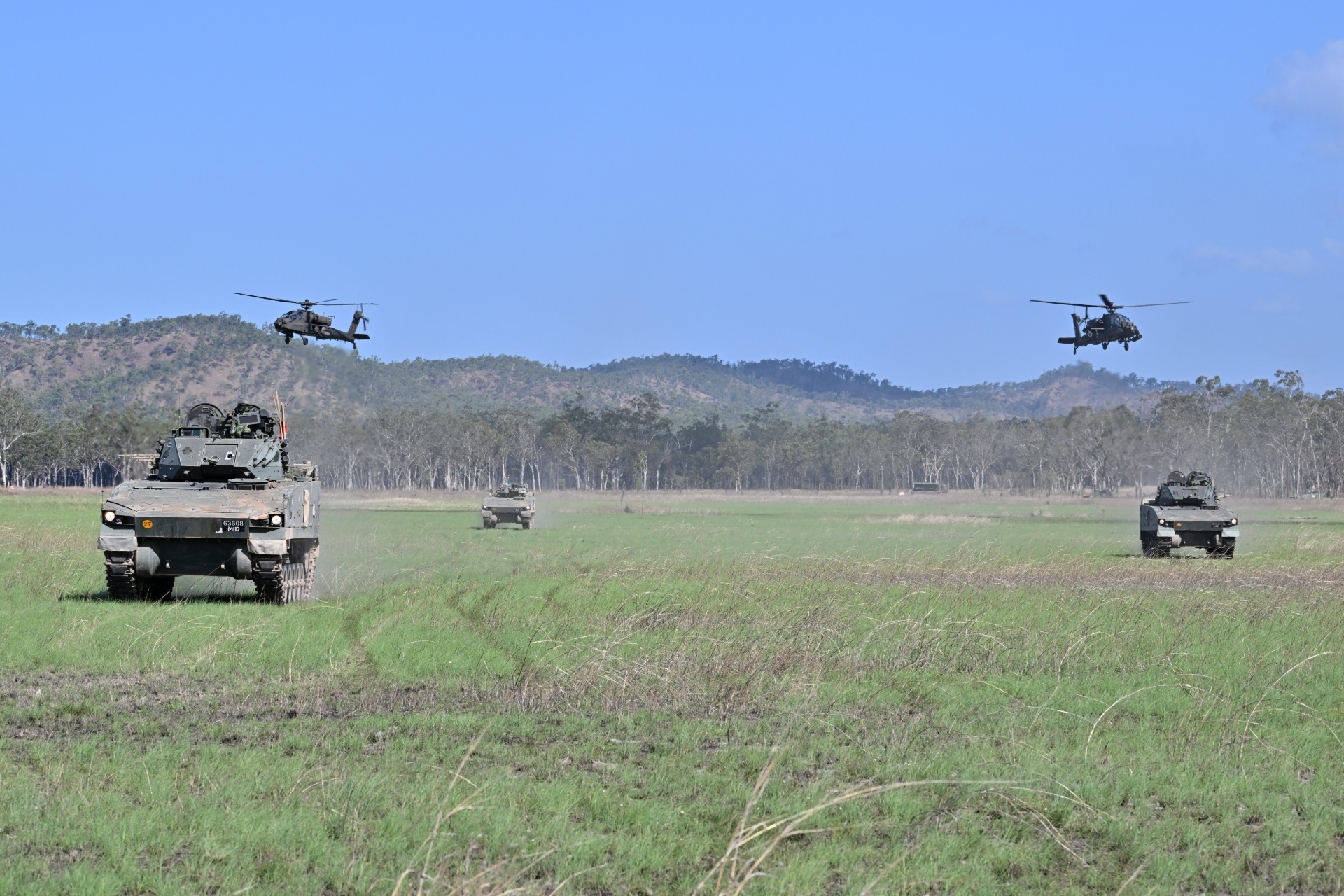
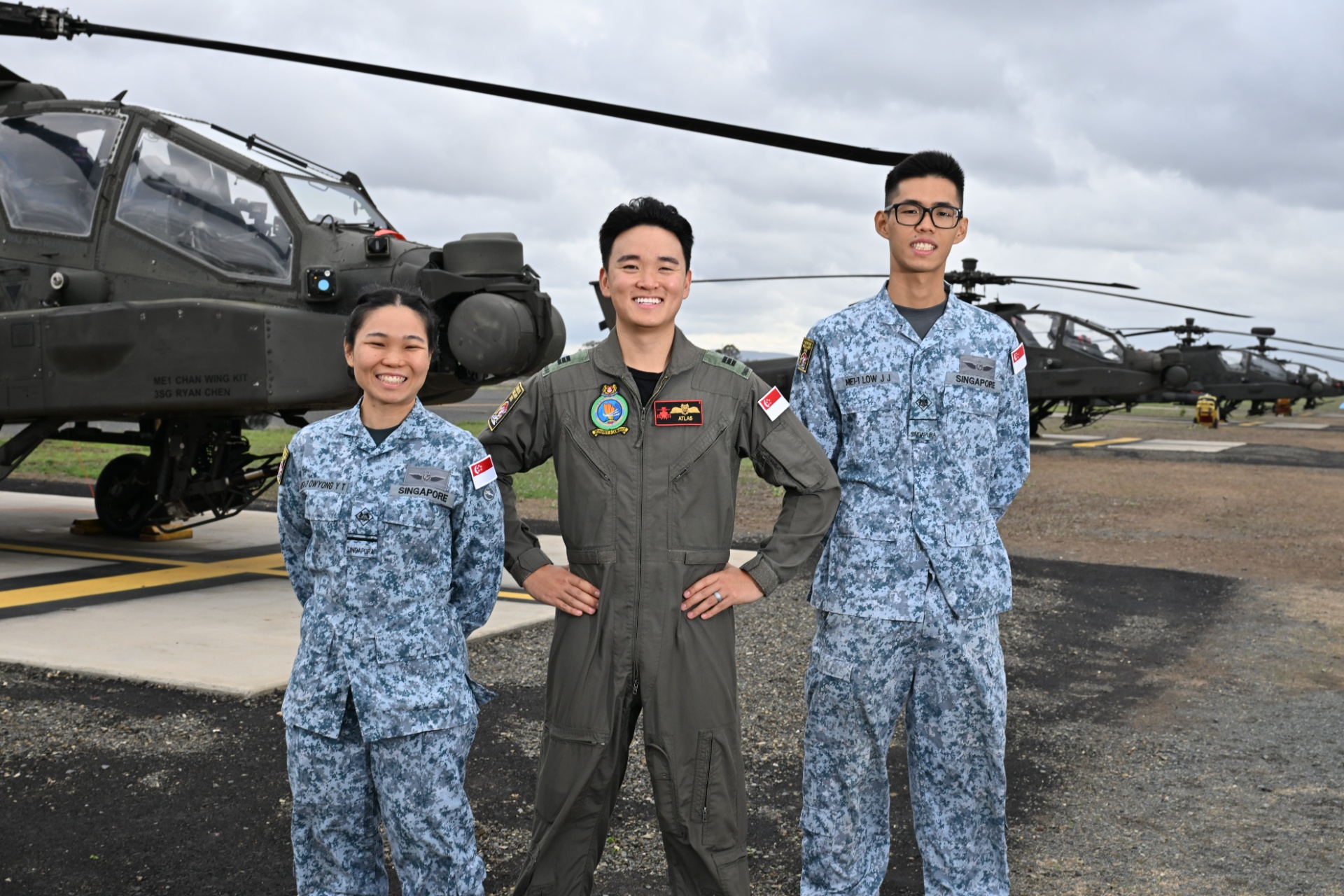
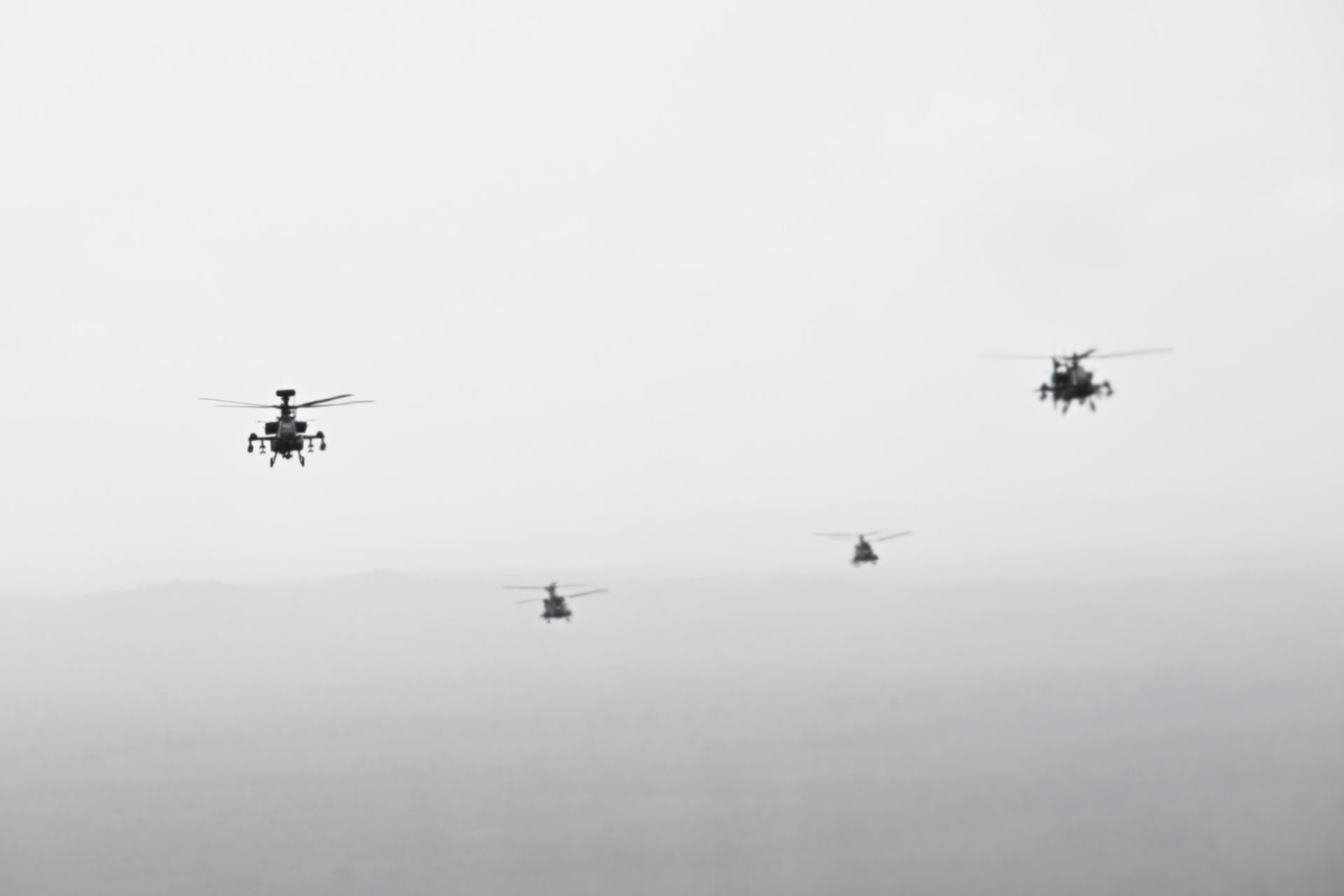
Amidst the roar of AH-64D Apache helicopters and the boom of shots fired from the Bionix Infantry Fighting Vehicles, national servicemen put themselves to the test in an integrated live-firing exercise at Shoalwater Bay Training Area (SWBTA) in Queensland, Australia.
This is the first time an NS (National Service) Armour battalion is conducting live-firing using the Armour Live Firing System (ALFS) at Exercise Wallaby (XWB).
The SAF’s largest unilateral overseas exercise, this year’s edition runs from 6 Sep to 2 Nov and involves about 6,000 personnel and 1,200 platforms drawn from the Army, the Republic of Singapore Air Force (RSAF), and the Digital and Intelligence Service.
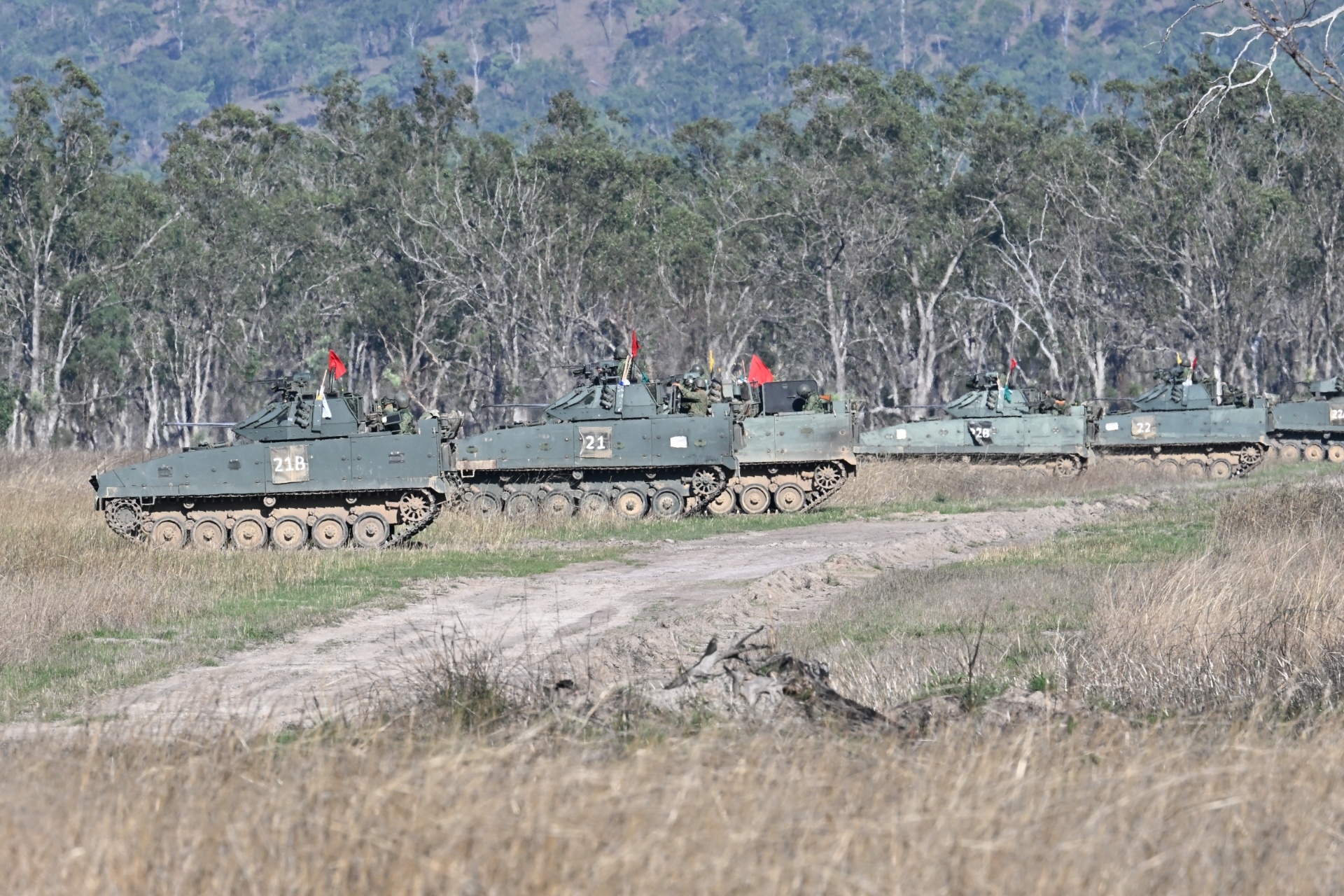
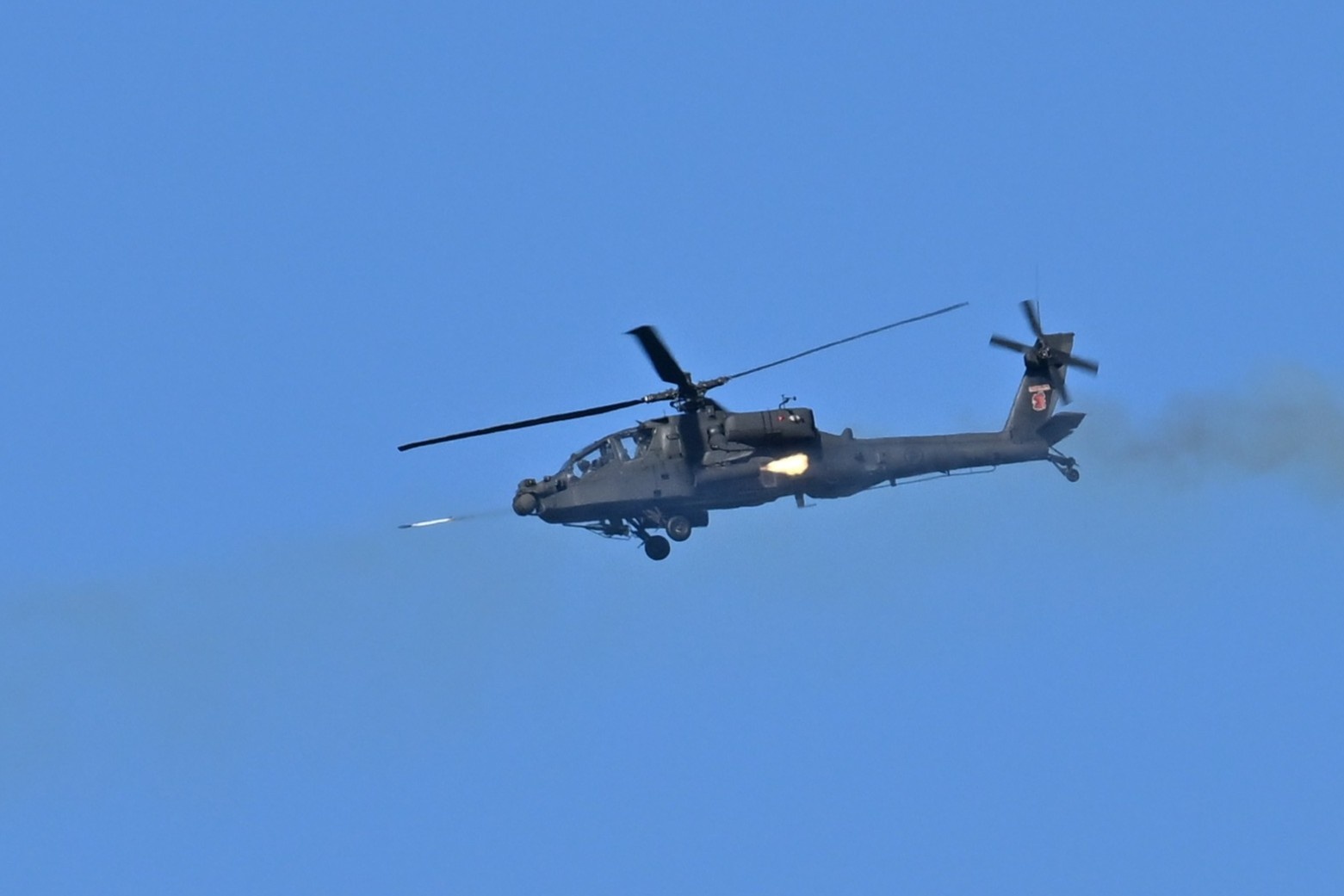
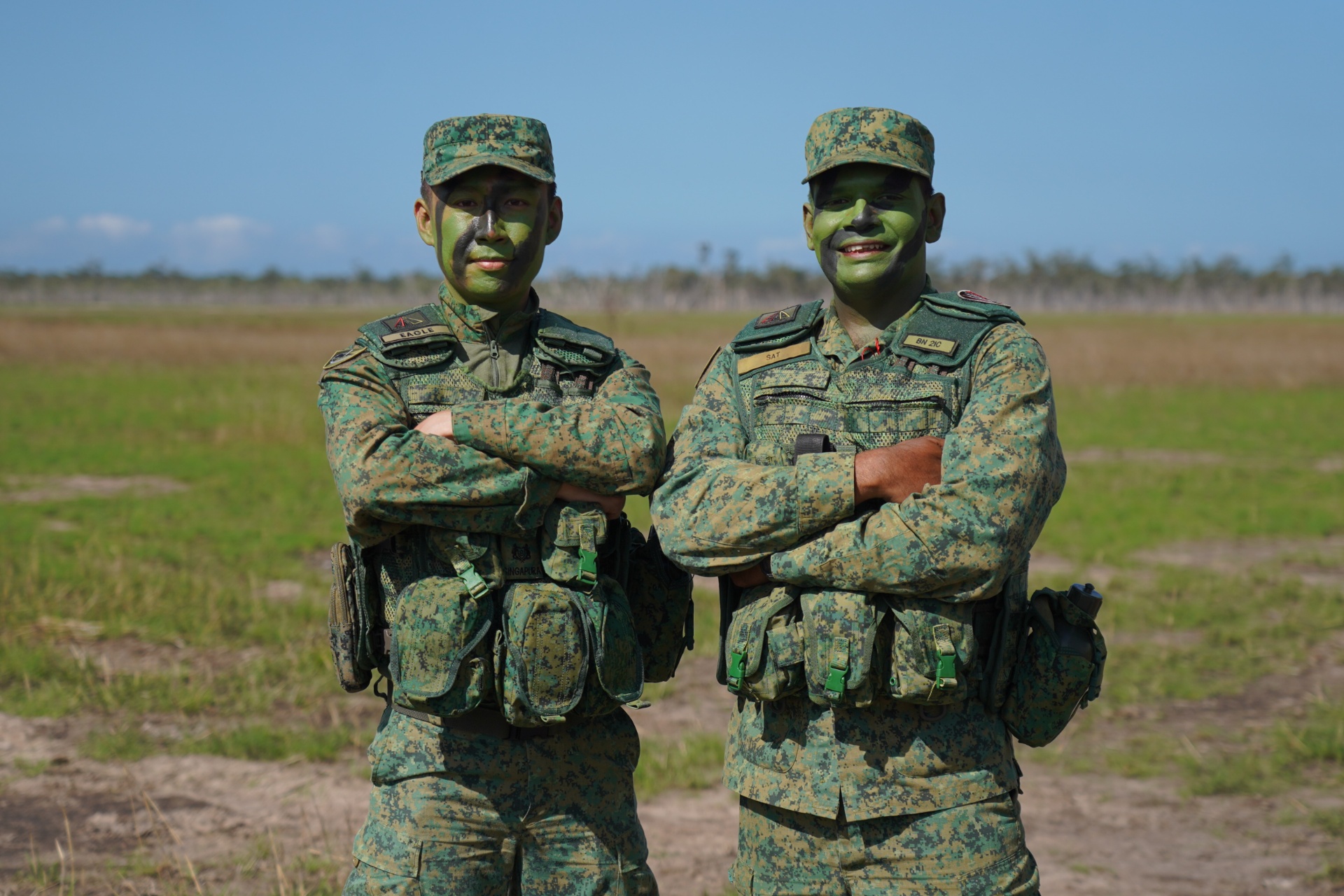
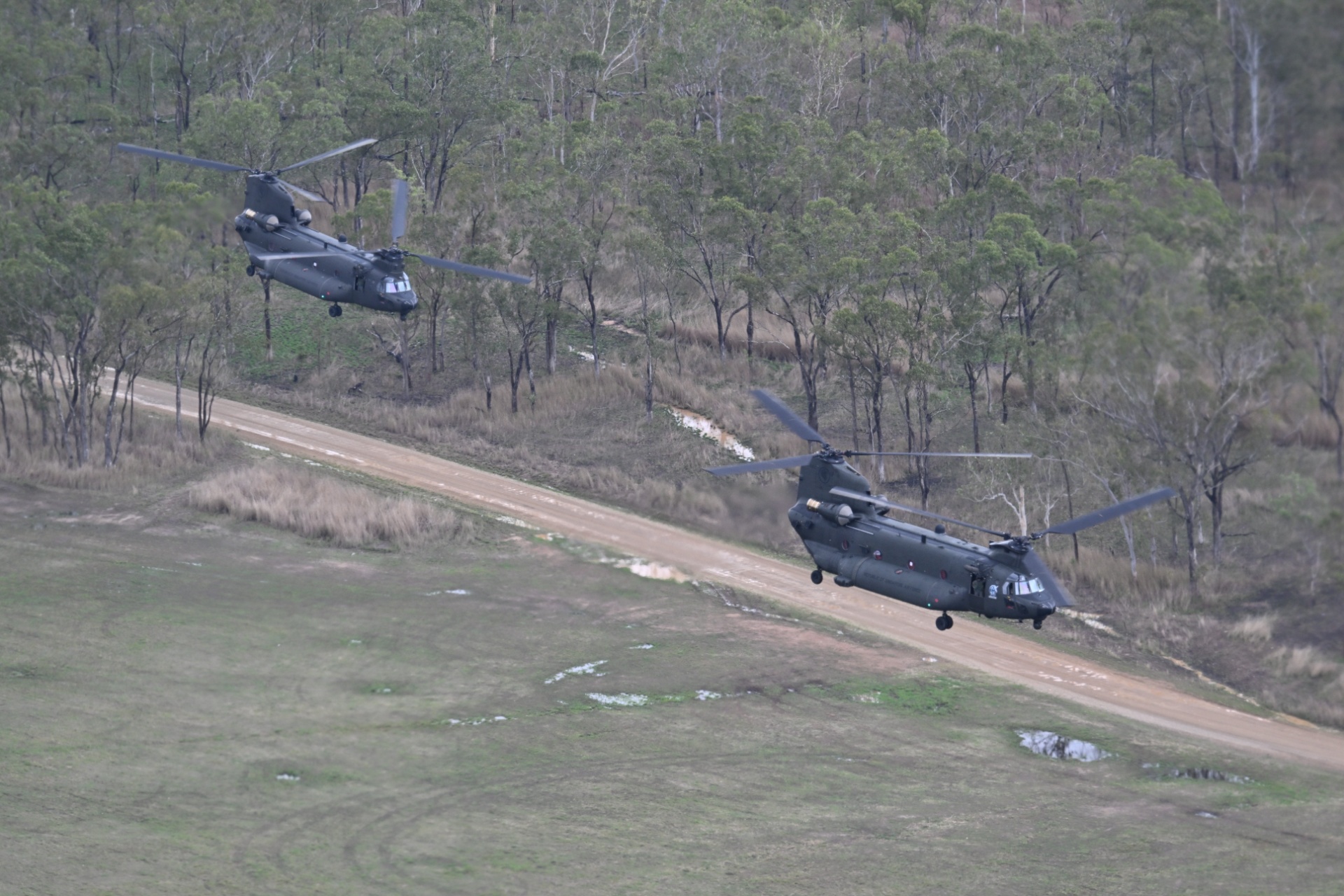
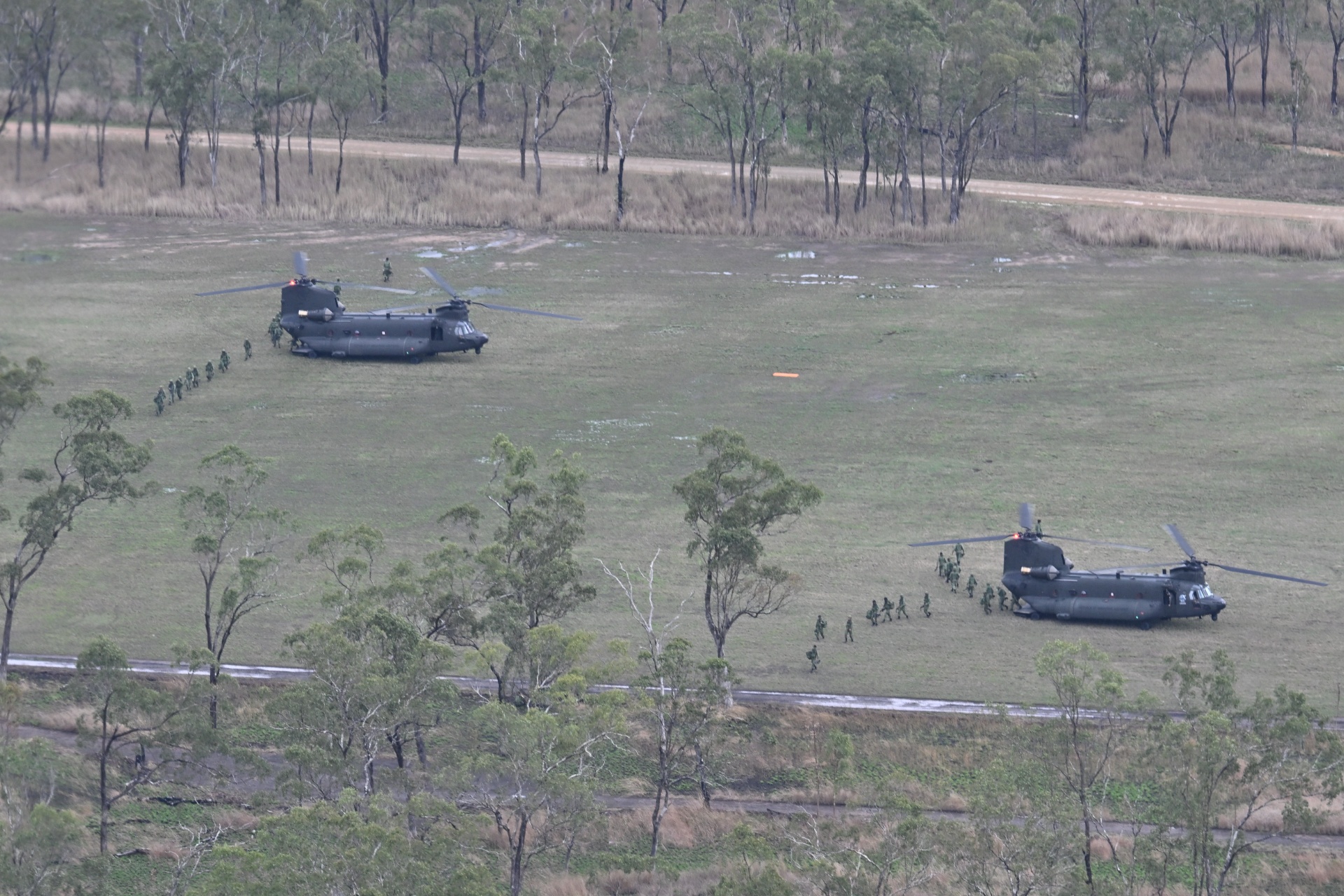
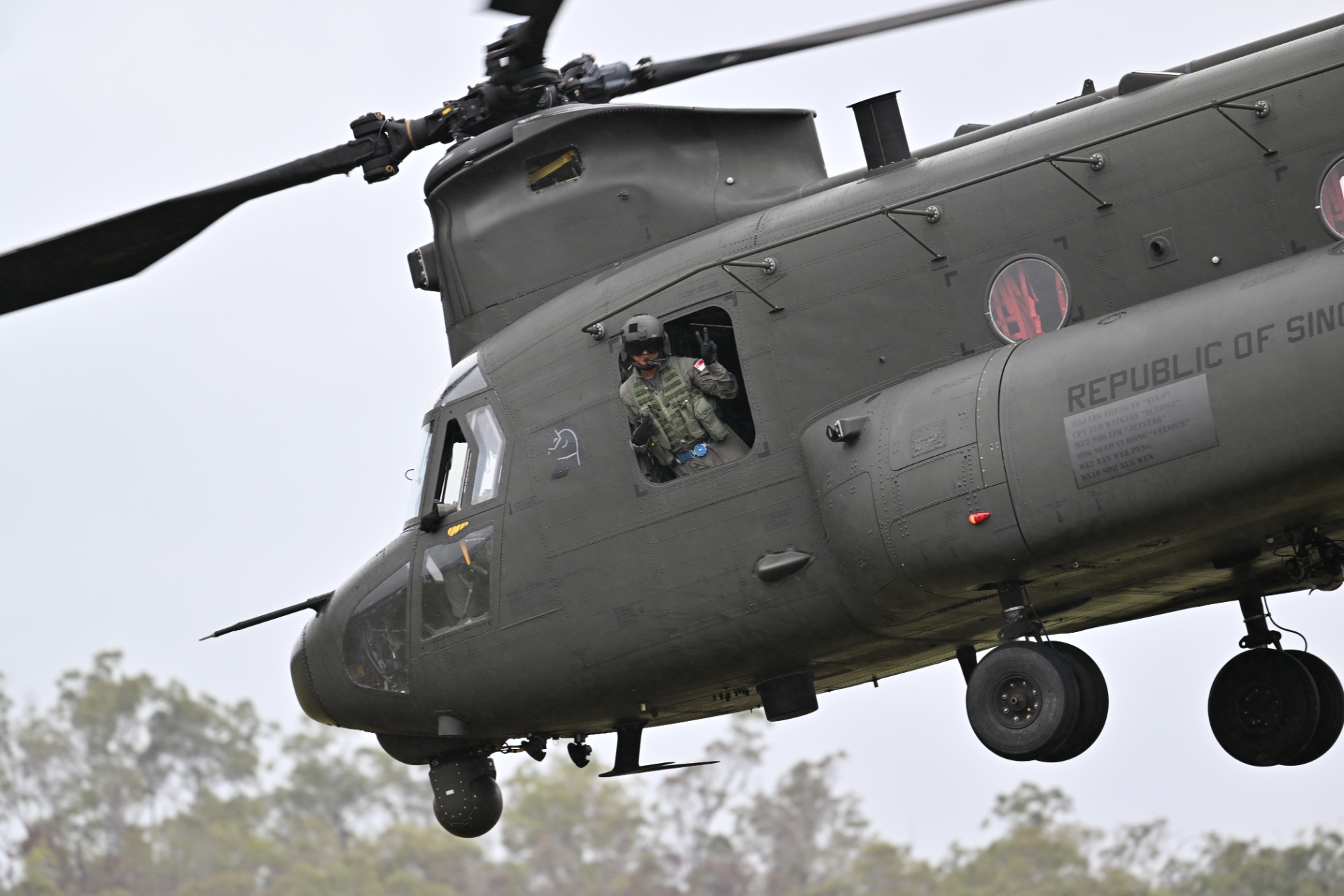
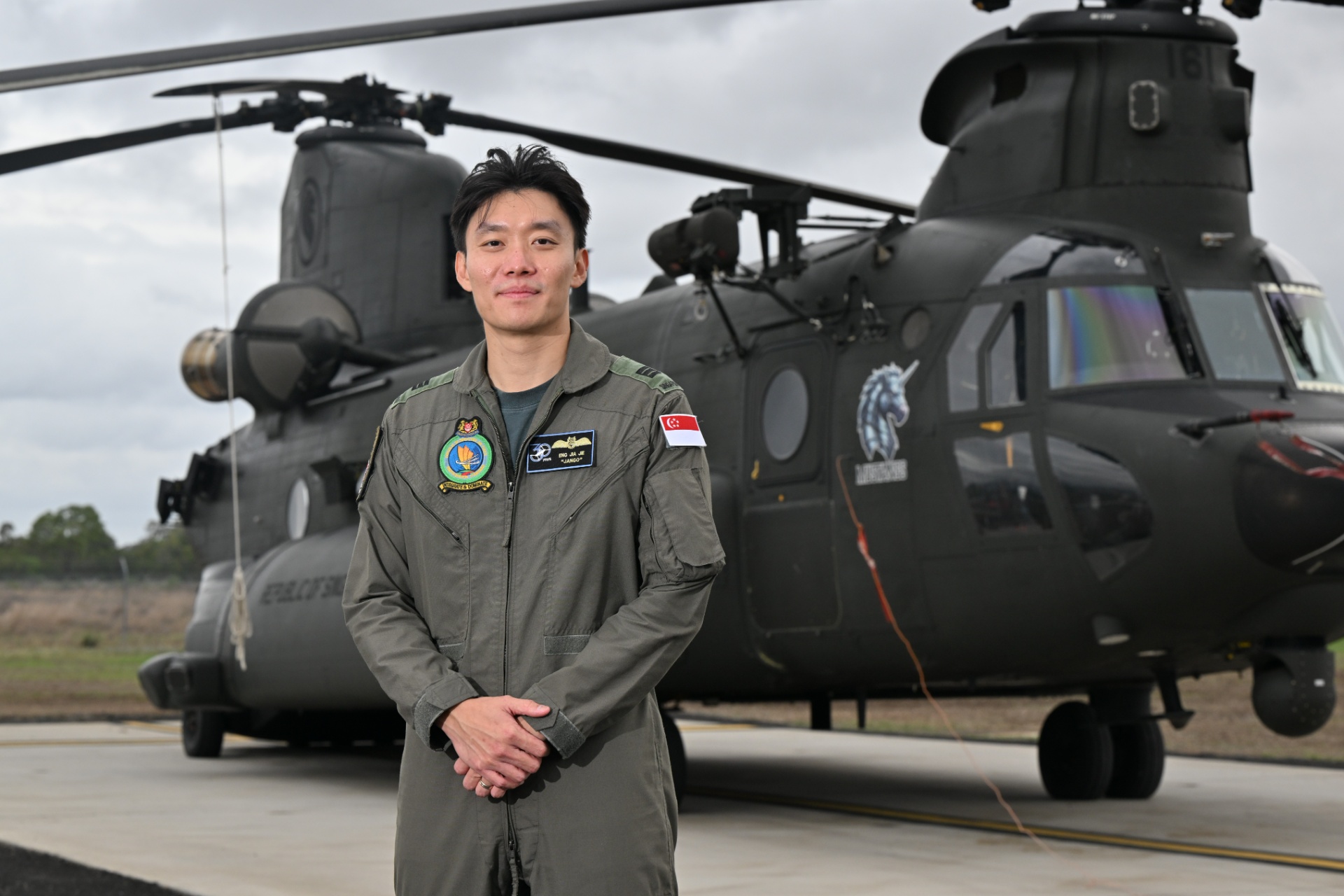
This year, the focus of XWB26 is to test out new capabilities and trial cutting-edge operational concepts that allow the SAF to stay ahead of the curve and be adaptable in the modern battlefield.
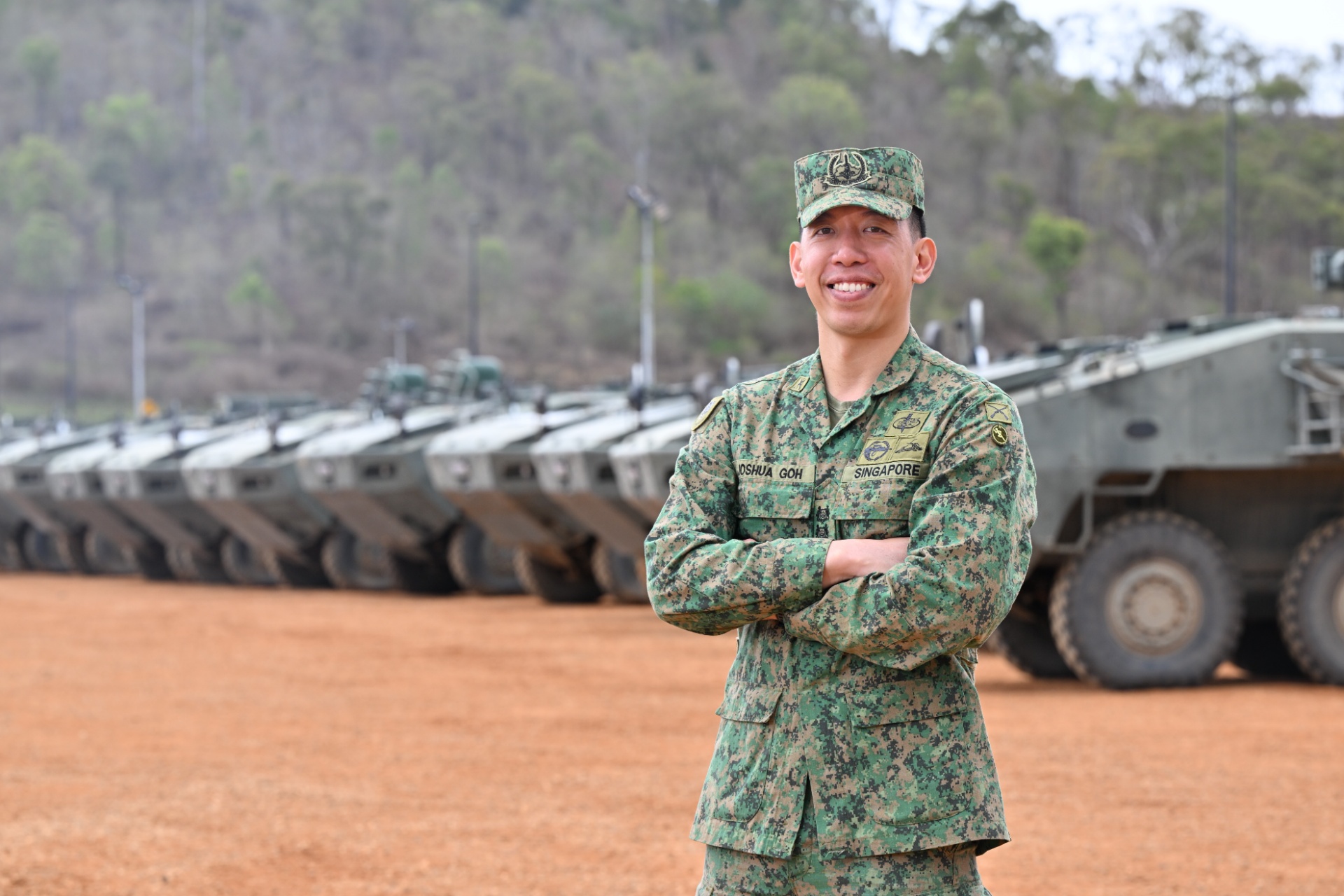
“Being adaptive is fundamental to how we keep pace with evolving threats and new operational demands,” said XWB26 Frame 3 Exercise Director and Commander of 3rd Singapore Infantry Brigade Colonel (COL) Joshua Goh.
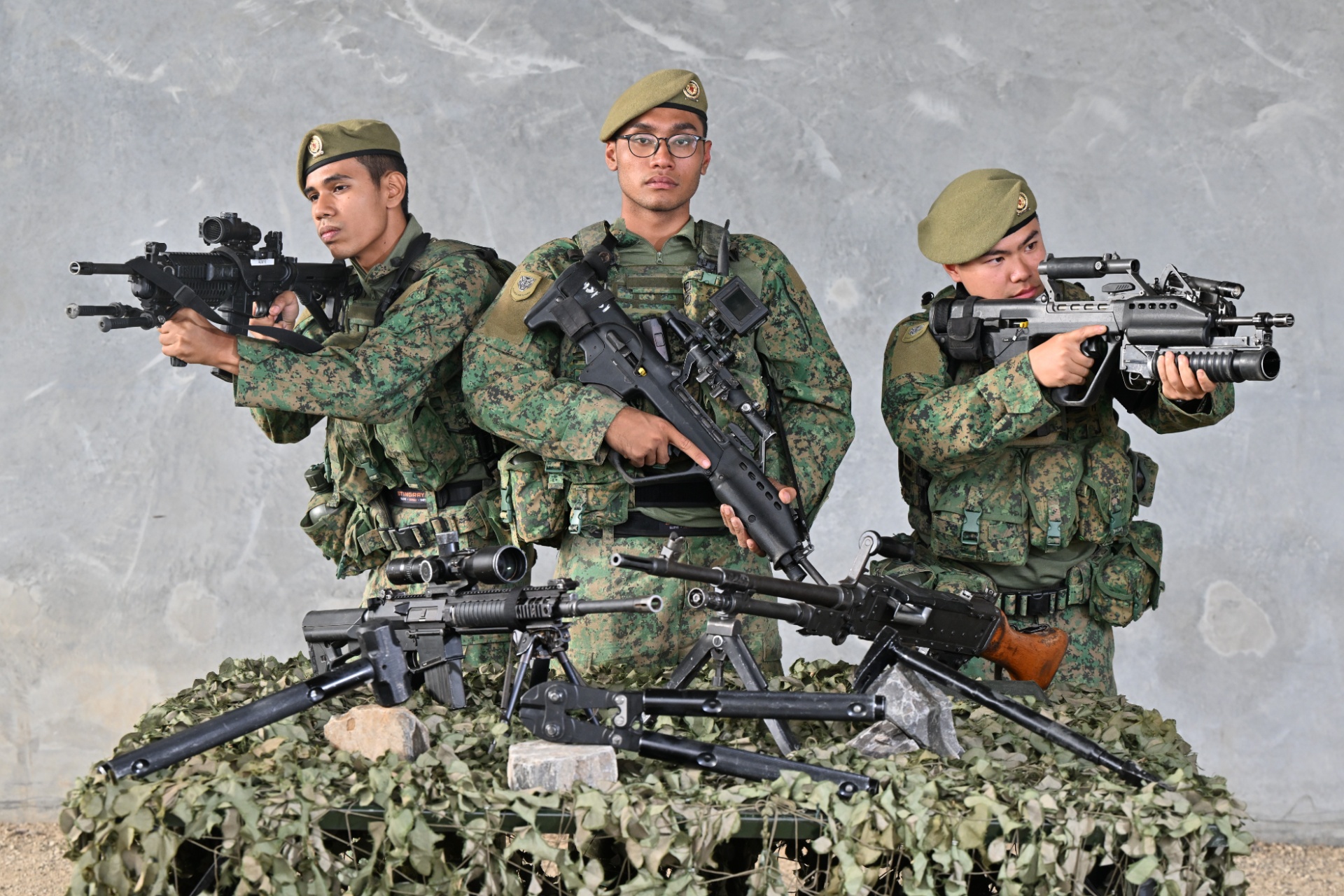
These new capabilities include the freshly unveiled Next Generation Infantry Battalion (NGIB), which reforms the traditional infantry company into one that fights using manned-unmanned teams and has greater flexibility in deploying troops.
For instance, each company will have two dedicated Steel Net sections that operate unmanned systems, including surveillance and attack drones.
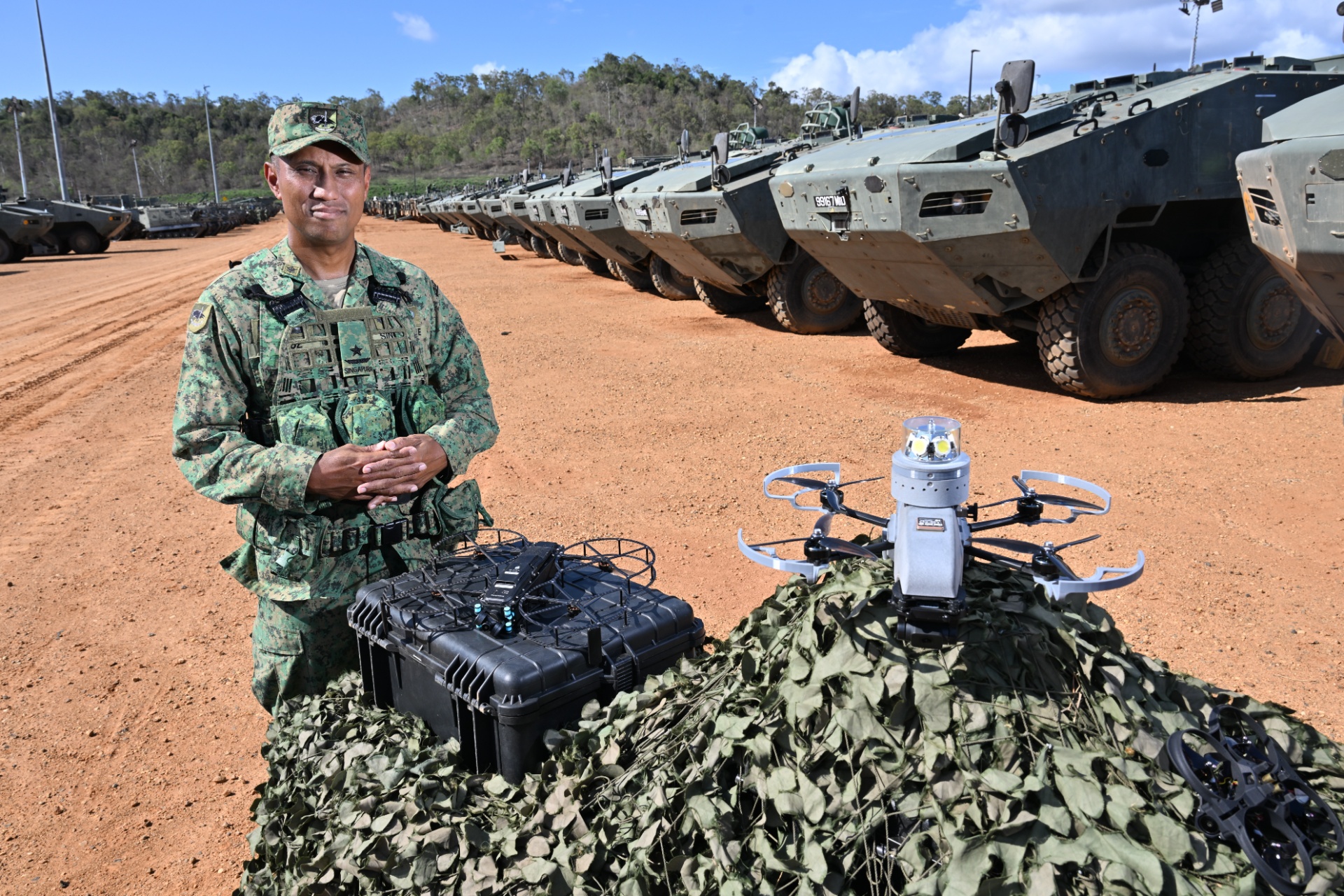
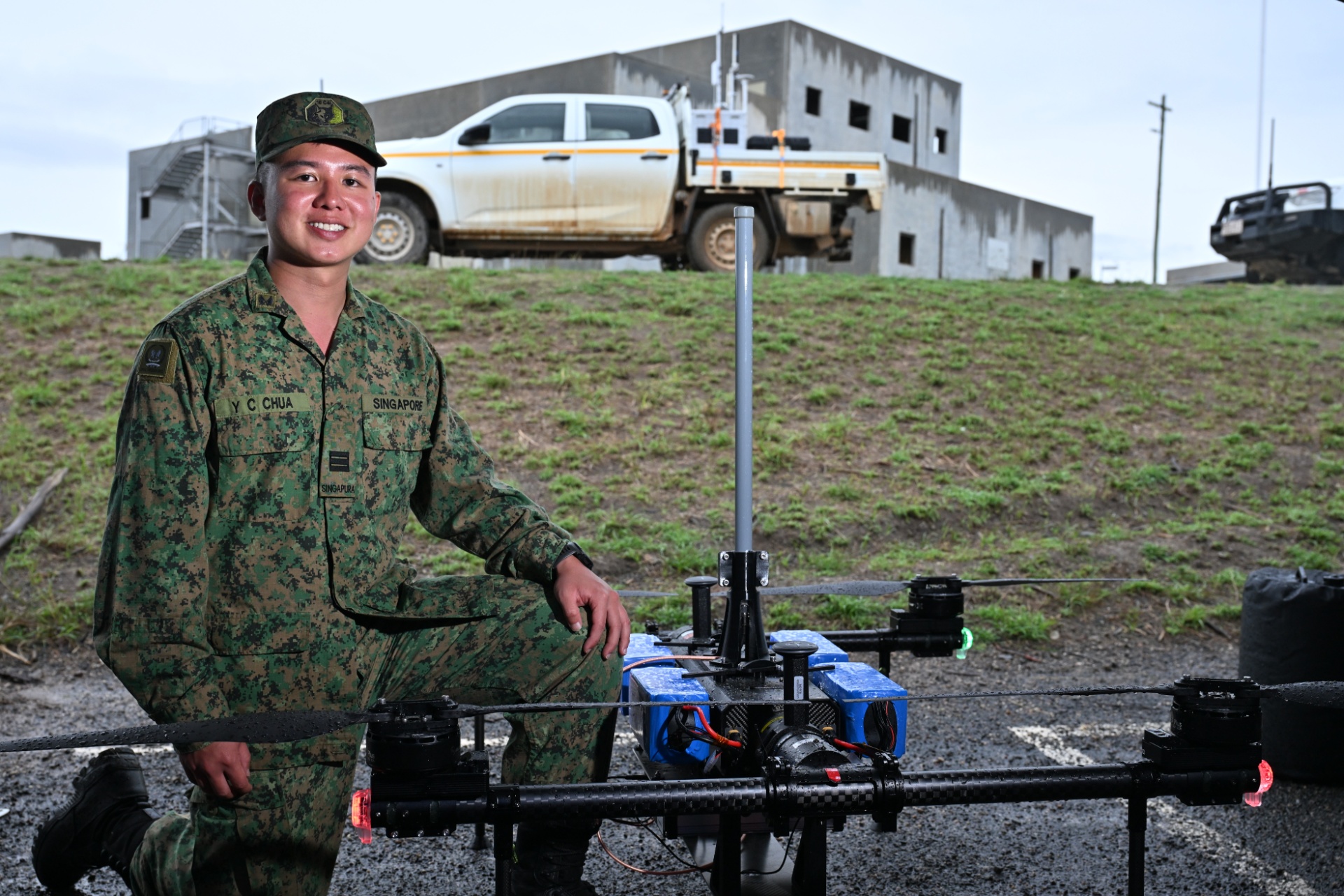
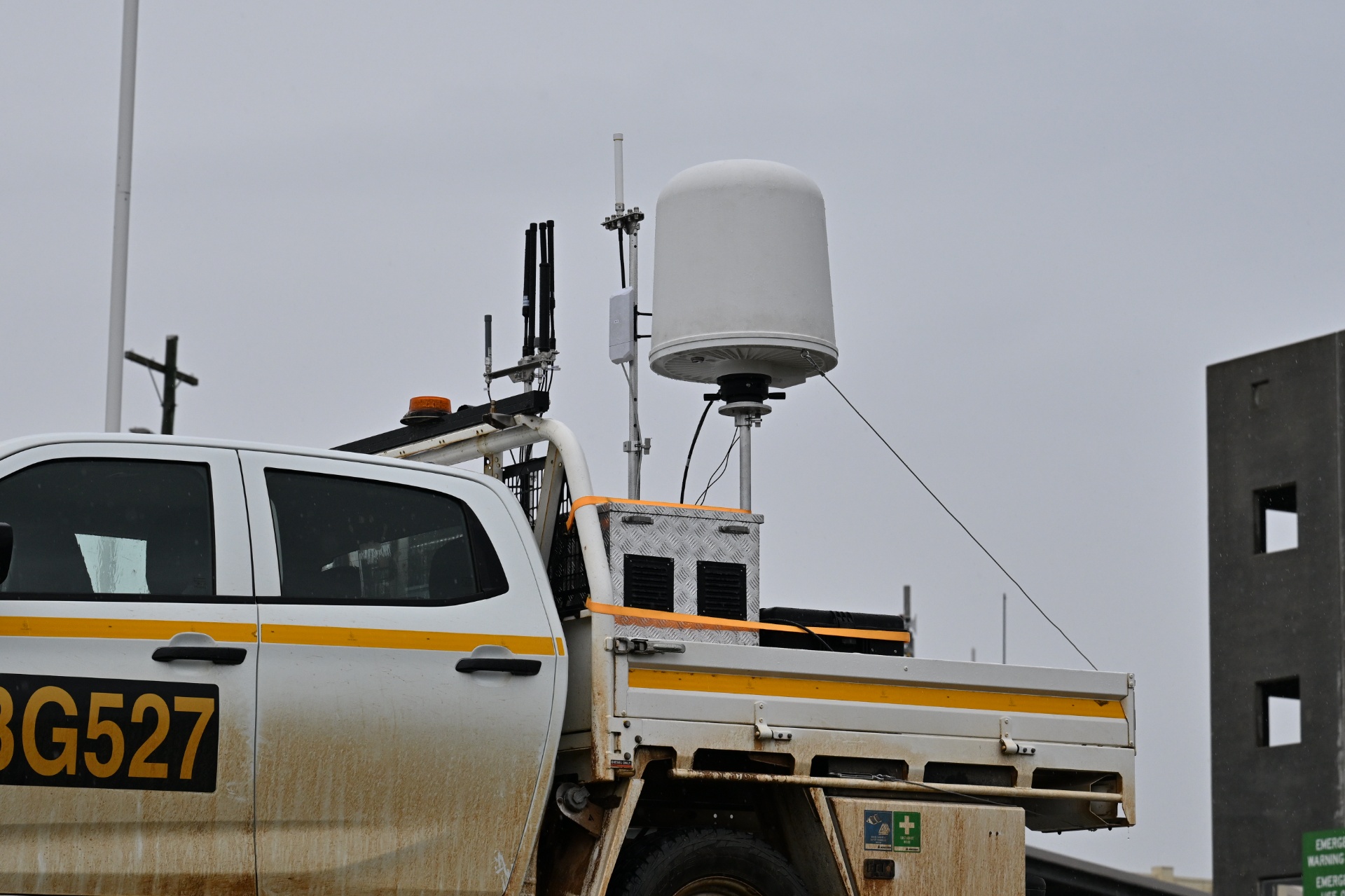
New technology such as the 5G-Enabled Aerial Communications Node (ACN) and Counter-Unmanned Aerial Systems (C-UAS) are also being trialled at XWB26.
The former provides high-bandwidth connectivity for improved battlefield communications between headquarters and soldiers on the ground, while the latter allows the SAF to quickly detect and respond to unmanned threats.
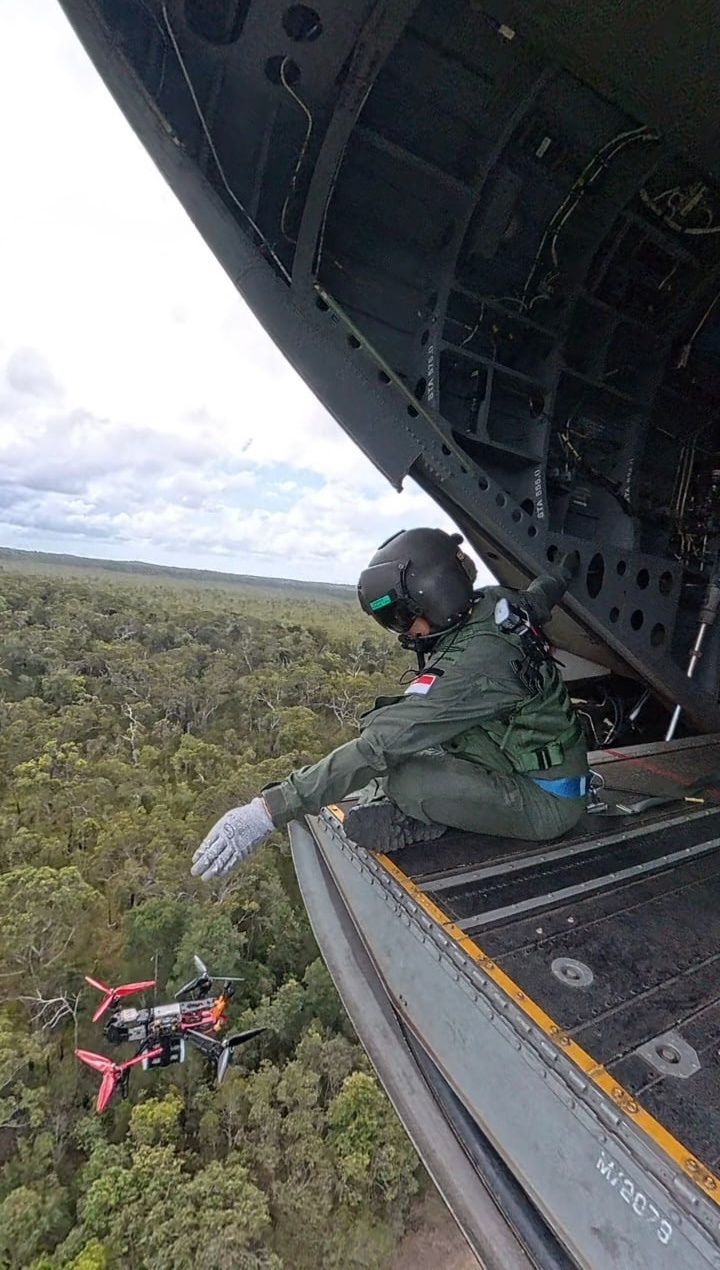
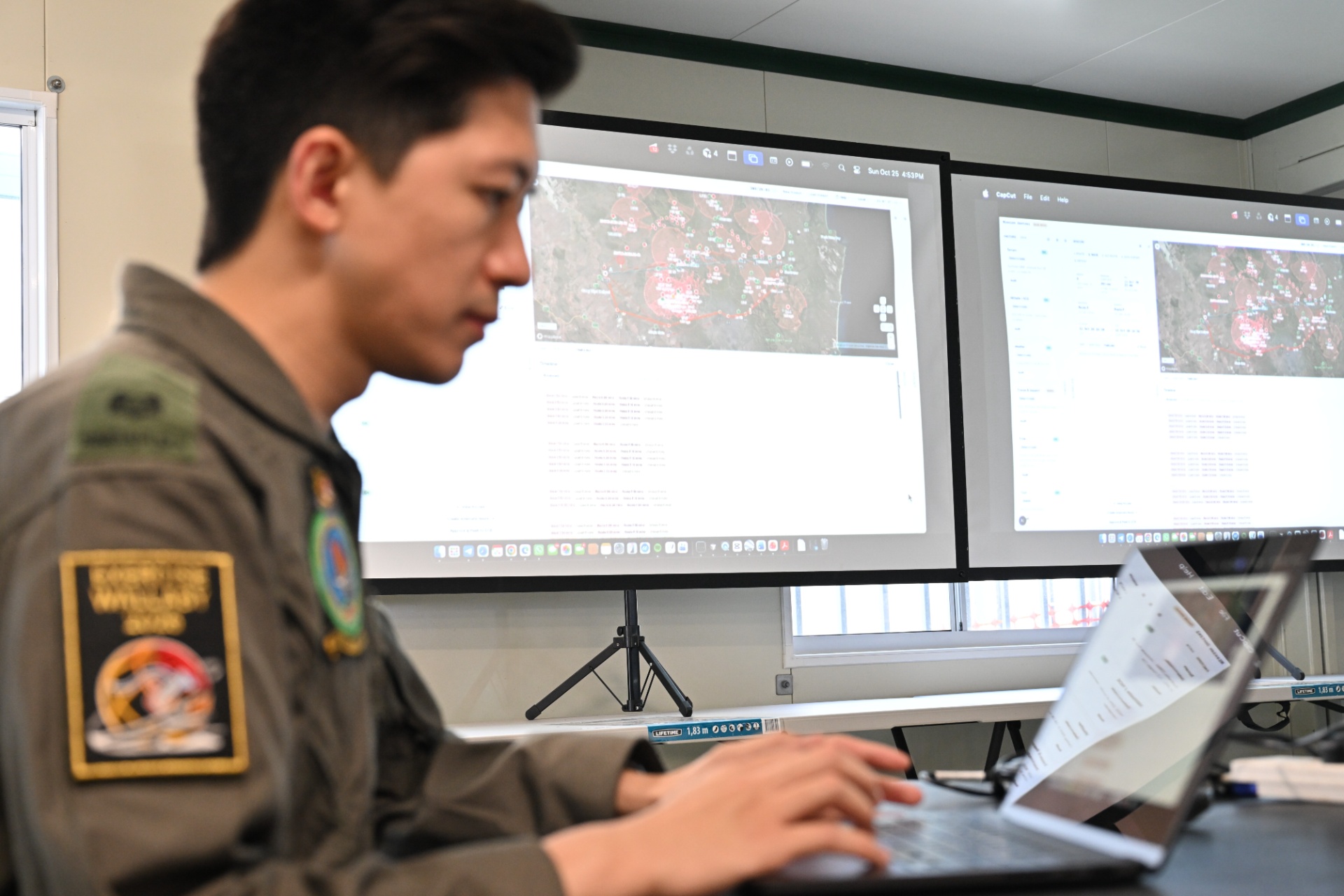
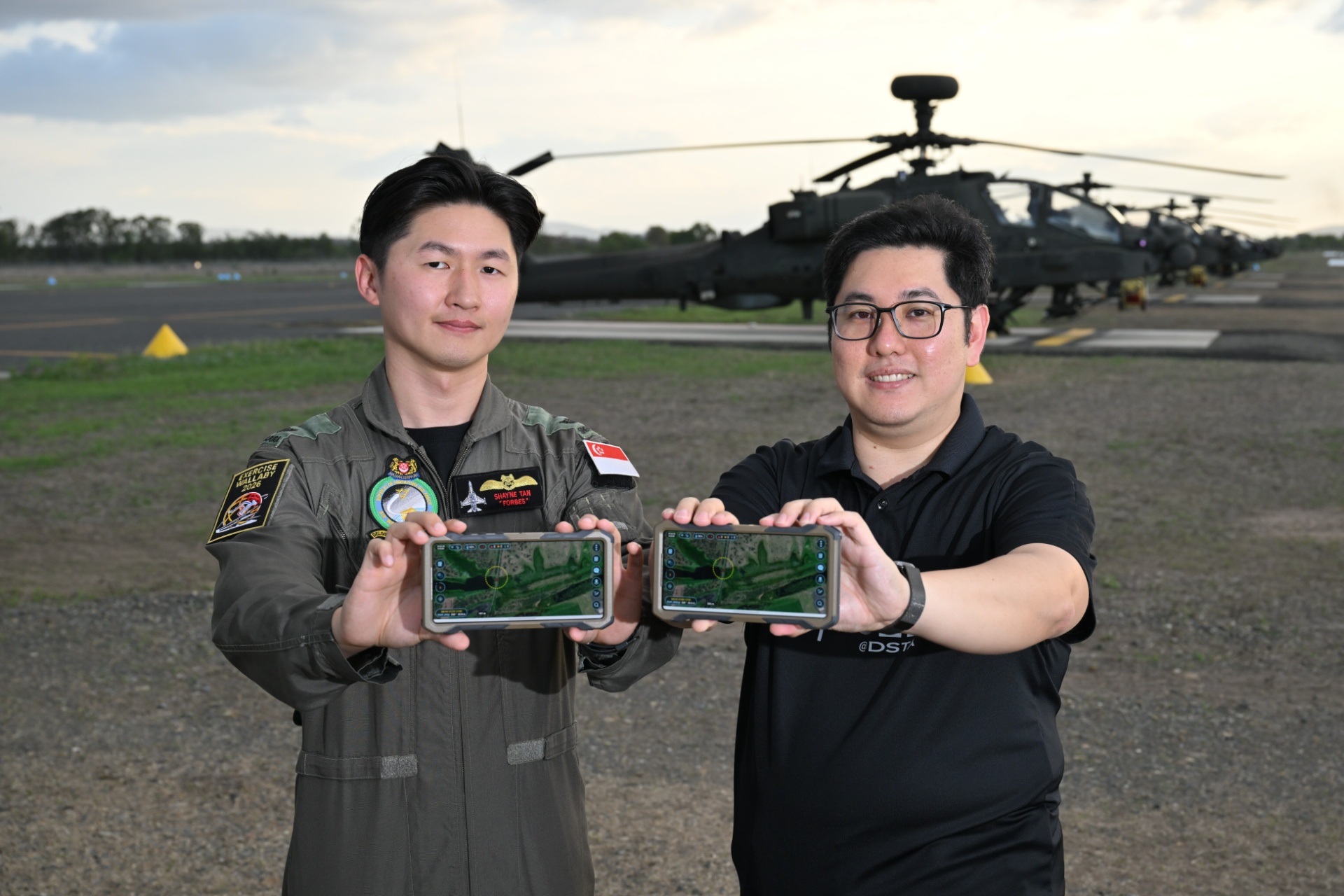
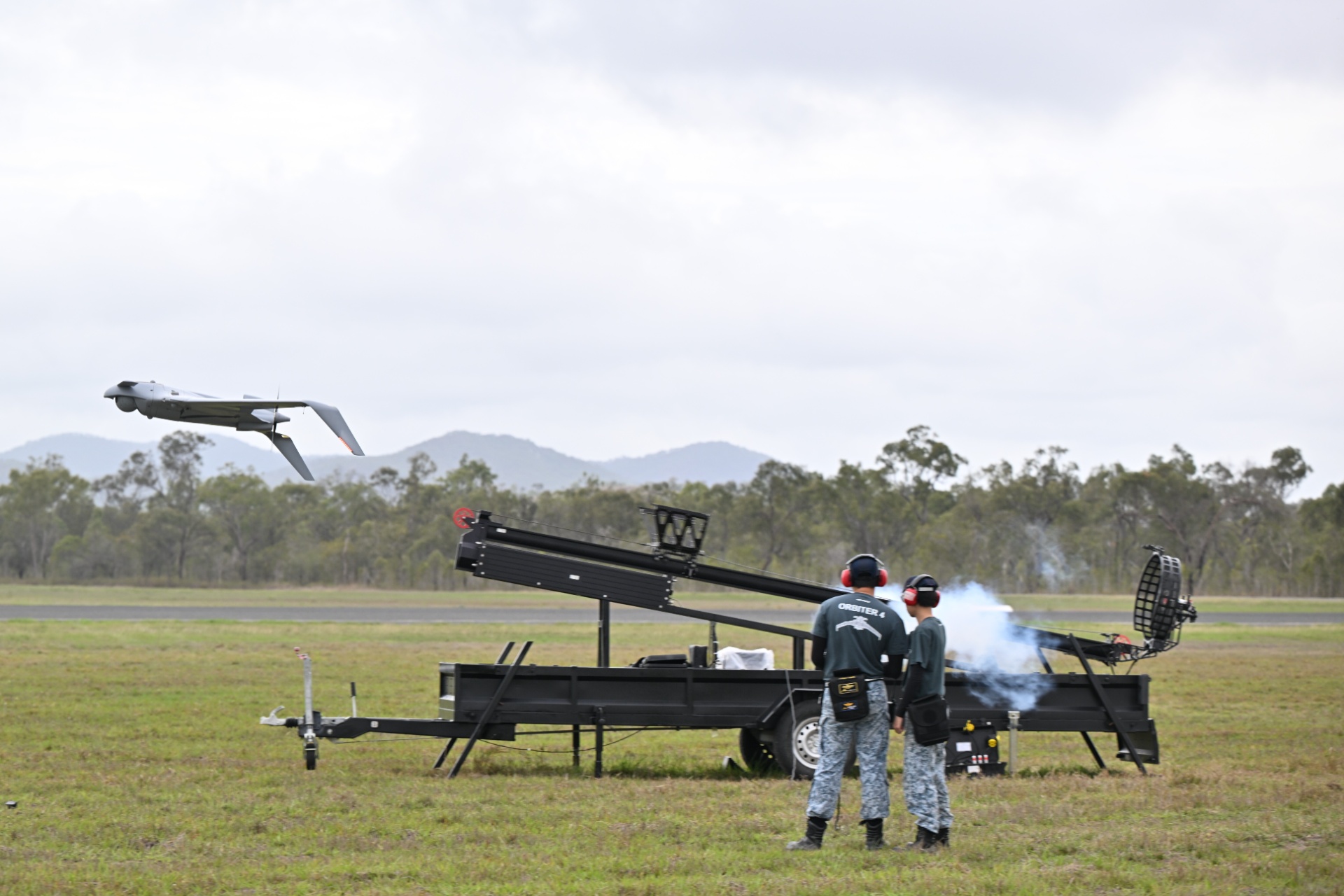
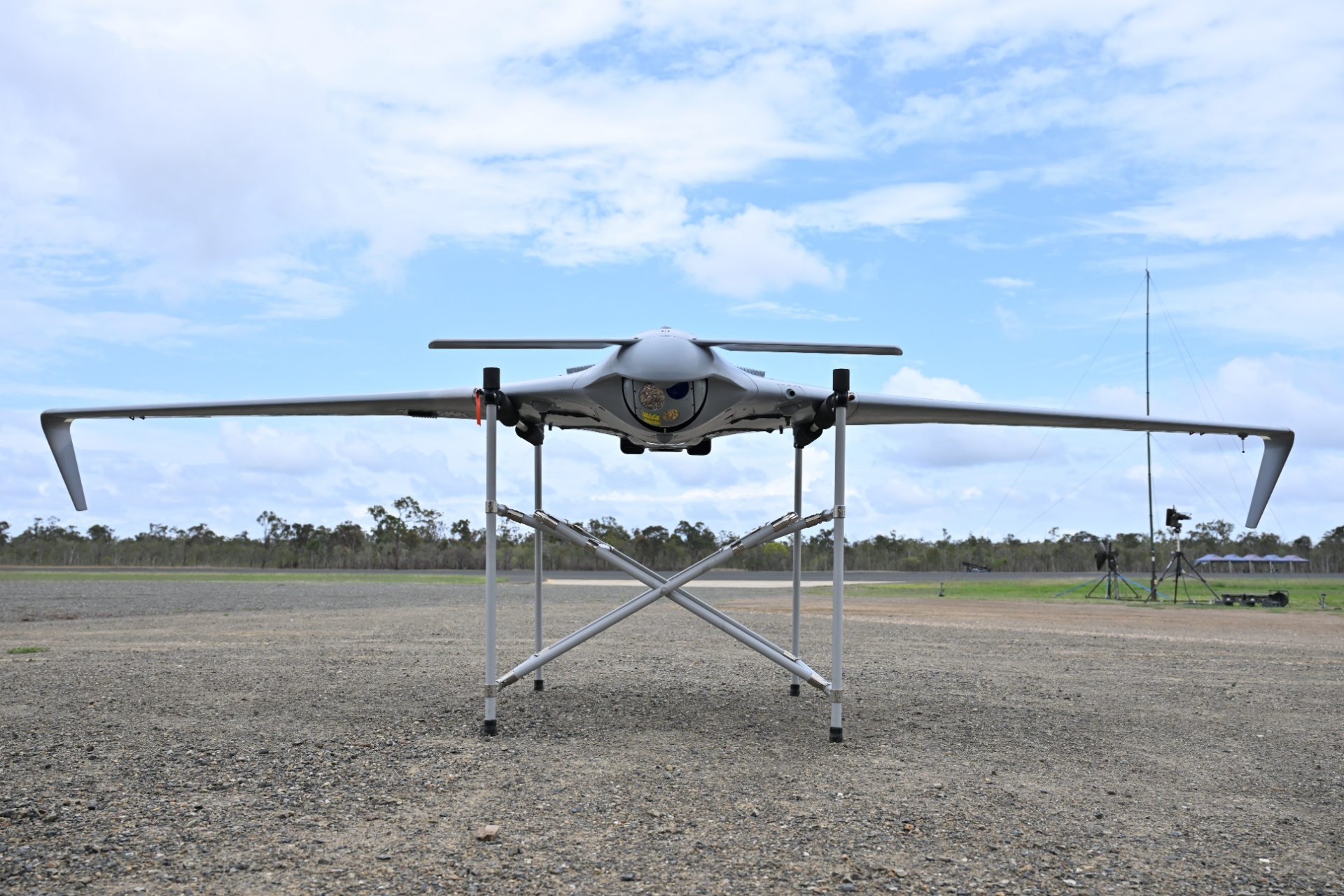
The RSAF is also trialling the use of drones launched from CH-47F helicopters to provide surveillance, as well as digital tools such as the Helicopter Decision Support System (Heli-DSS) and Digitally Aided Close Air Support (DACAS).
The Heli-DSS is an AI (Artificial Intelligence)-enabled system used to support helicopter mission planning and decision making, while the DACAS app improves coordination by digitalising information exchange between aircraft and strike controllers on the ground.
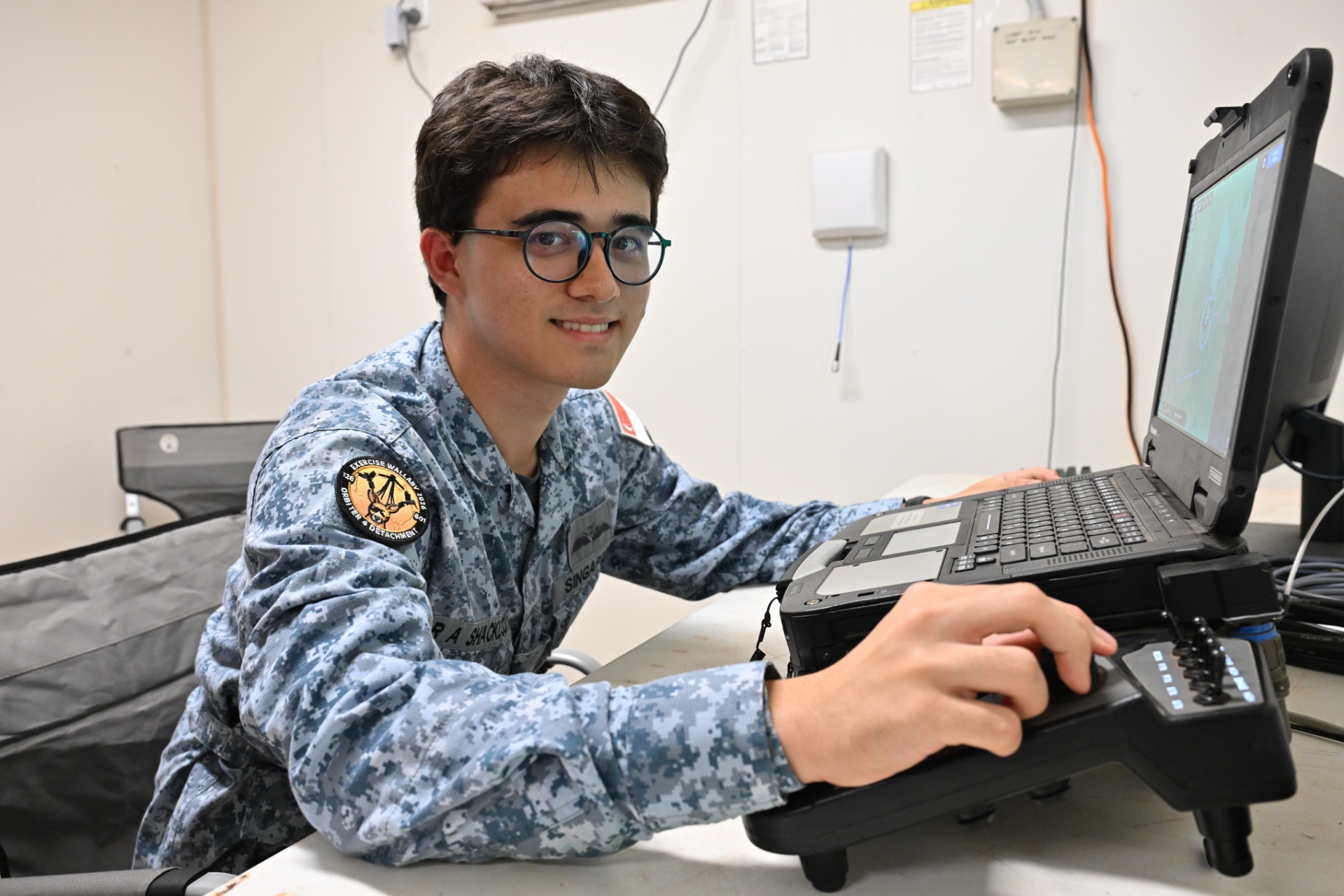
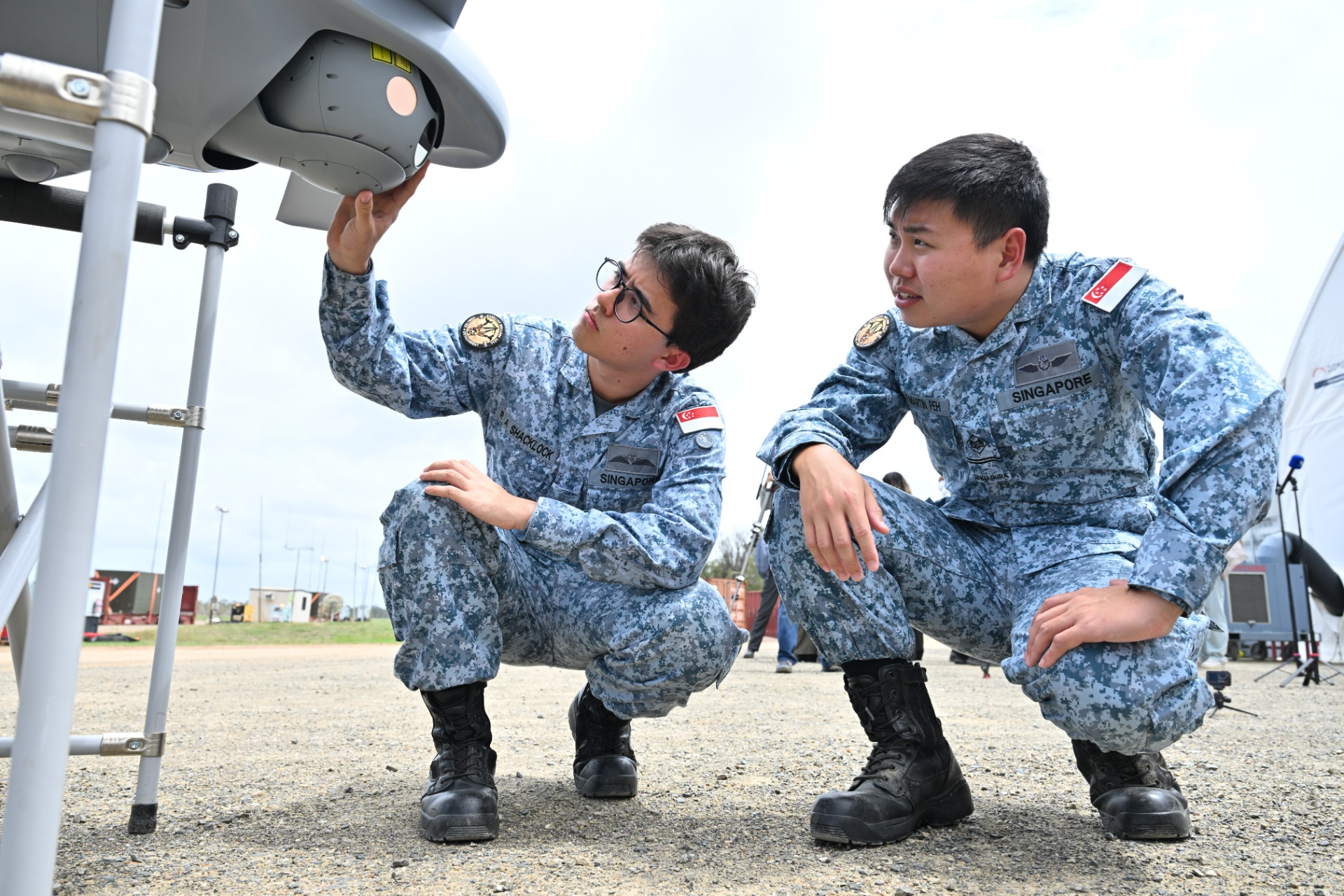
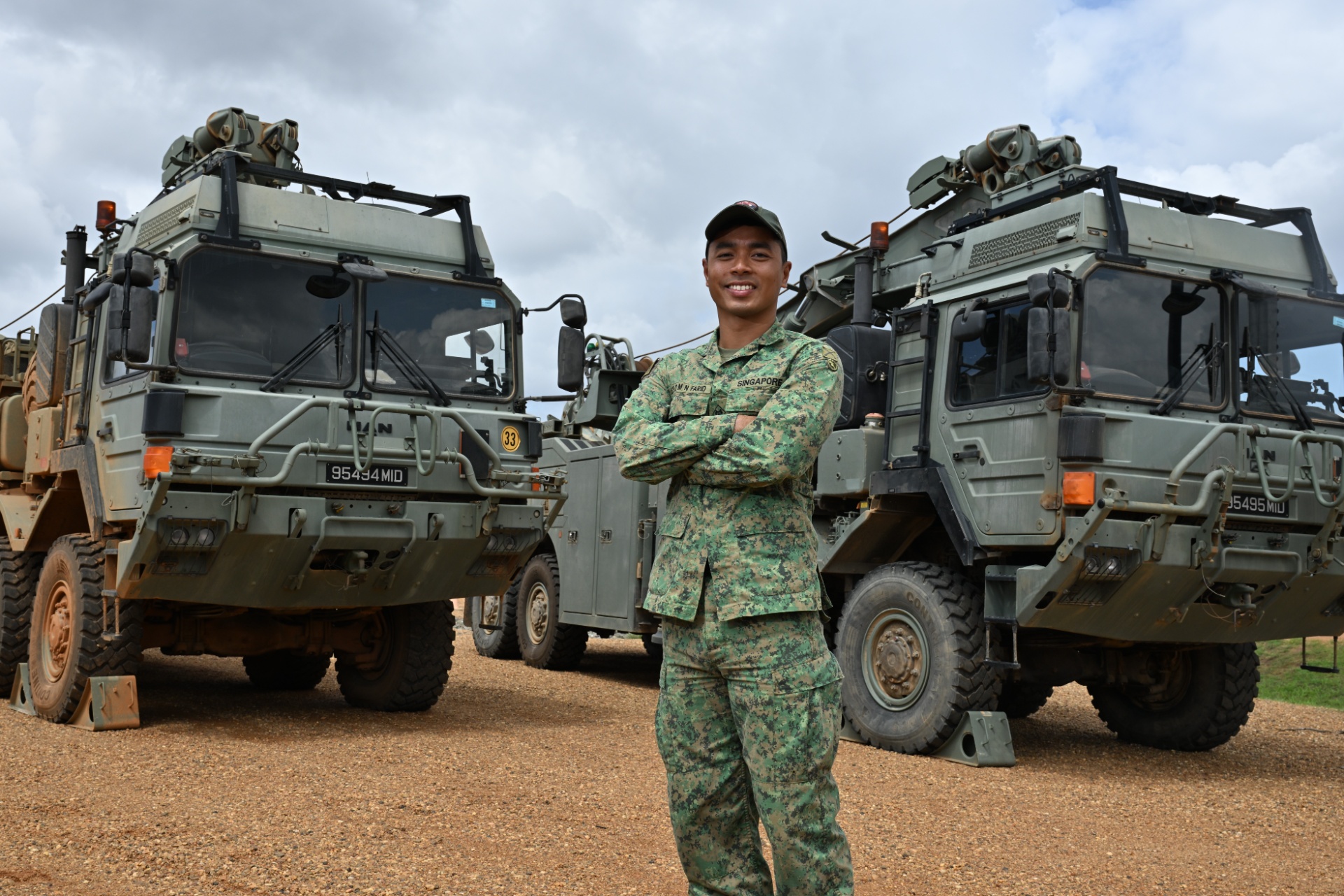
Behind the frontline manoeuvres, the Forward Support Group (FSG) remains vital, providing comprehensive medical, logistical, maintenance, and transportation support throughout the entire exercise.
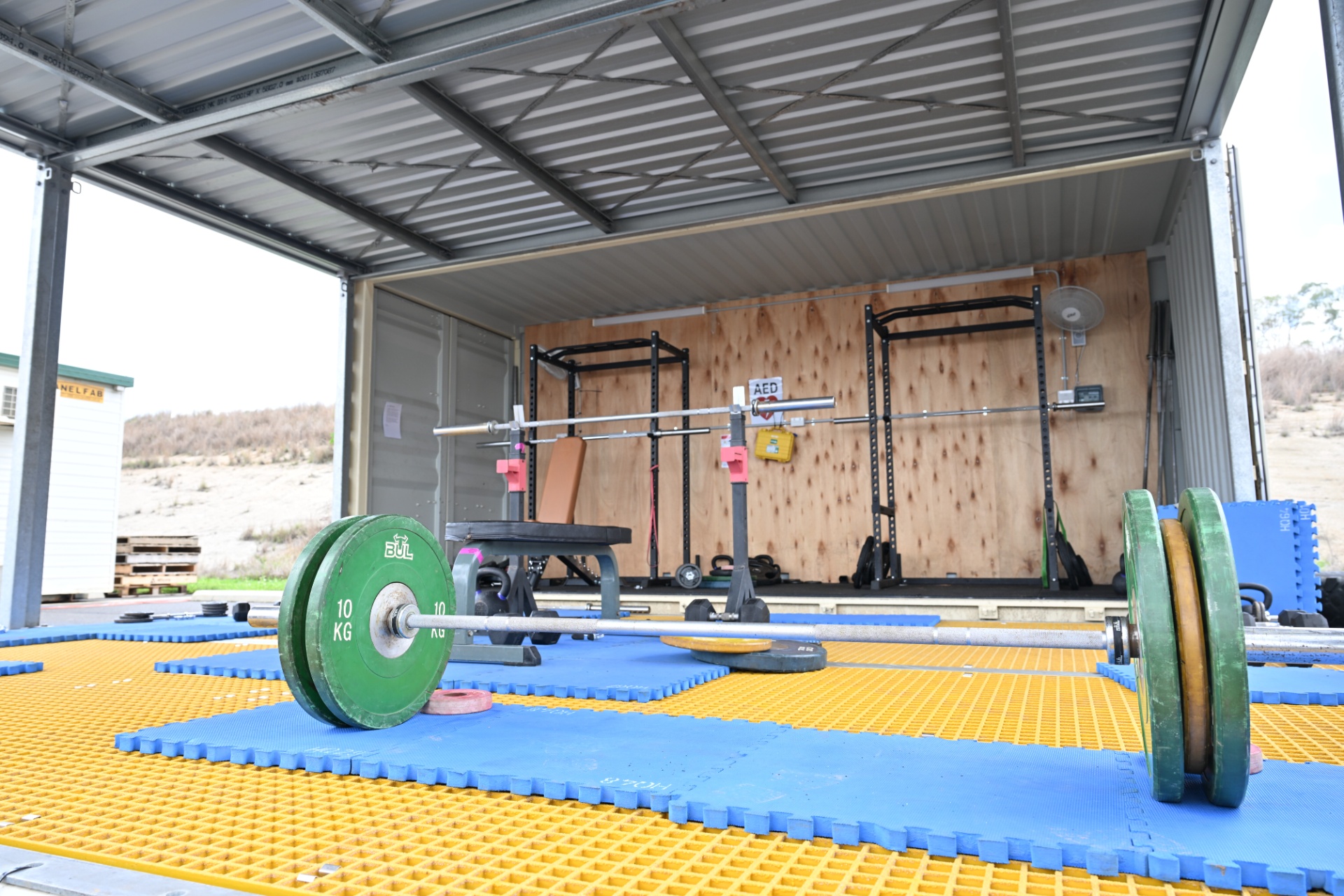
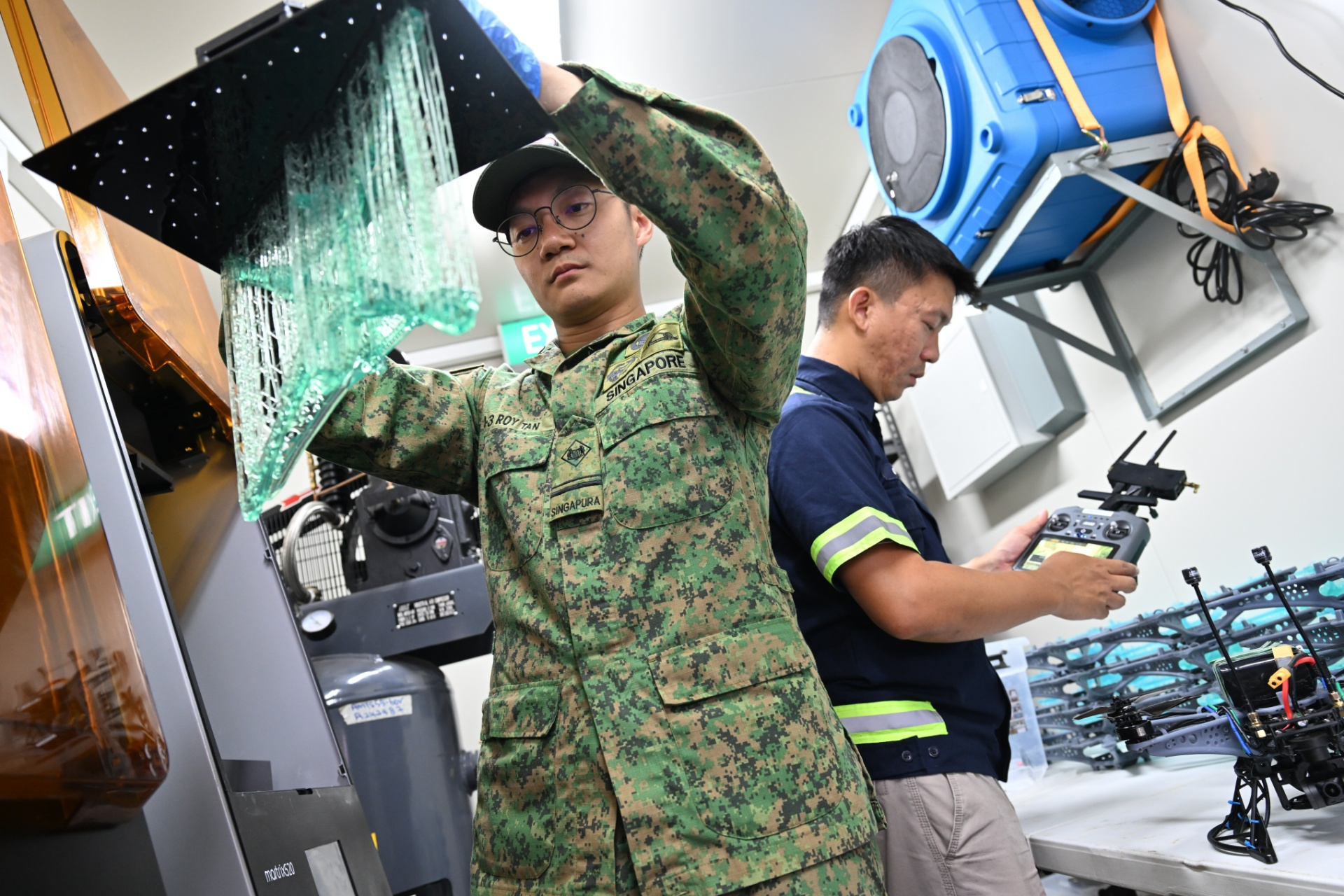
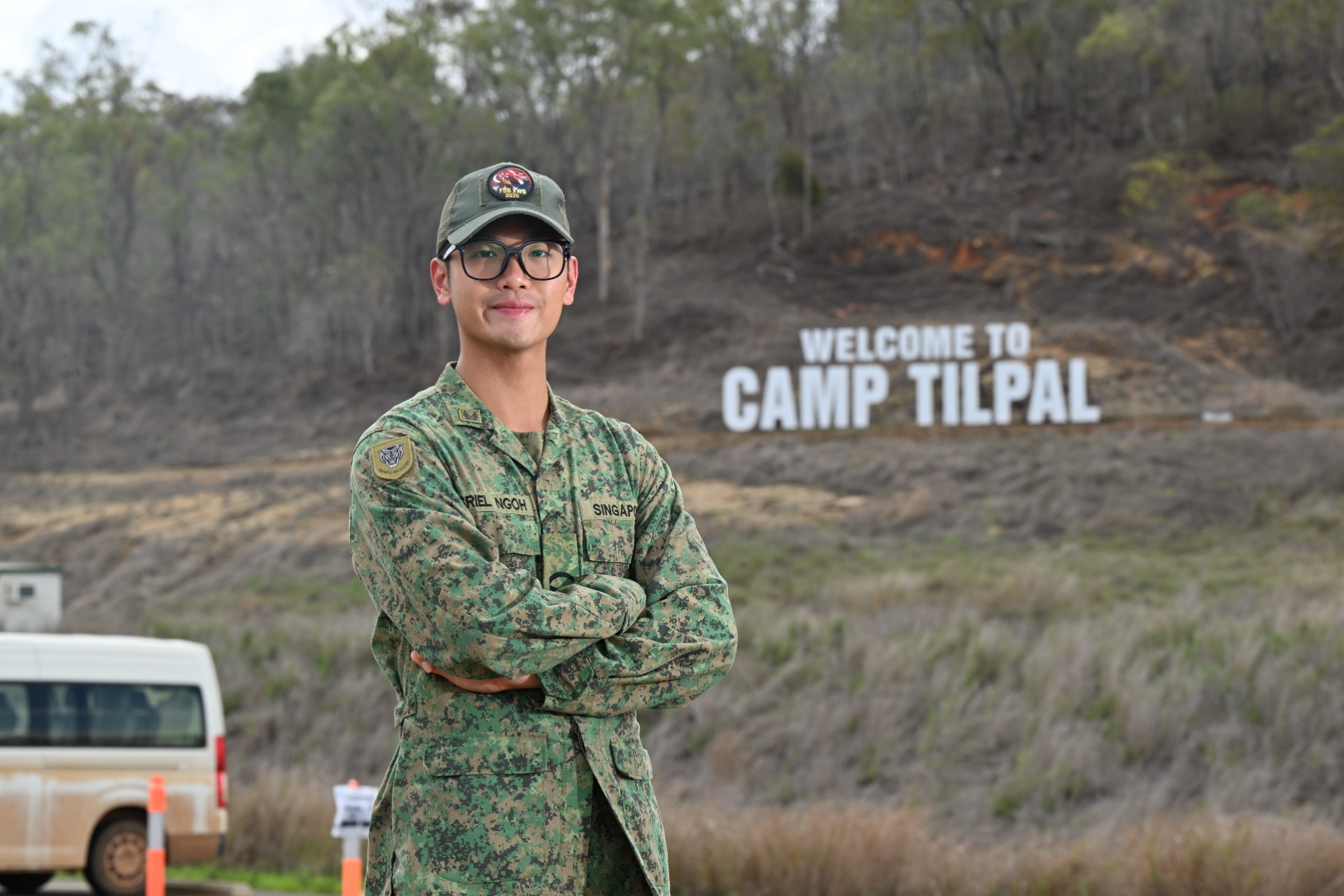
To improve the experience of personnel based at Camp Tilpal, new facilities – such as an open-air gym – have been unveiled this year. Other improvements include an expanded 3D printing laboratory that can quickly create drone parts to meet the Army’s training needs.
Participation from the SAF Volunteer Corps (SAFVC) has also doubled, with volunteers taking on diverse roles such as nurses, radiographers, and transport operators.
Among them is SAFVC Volunteer (SV) 1 Sharon Cheong, who is serving as a Medical Trainer at XWB26.
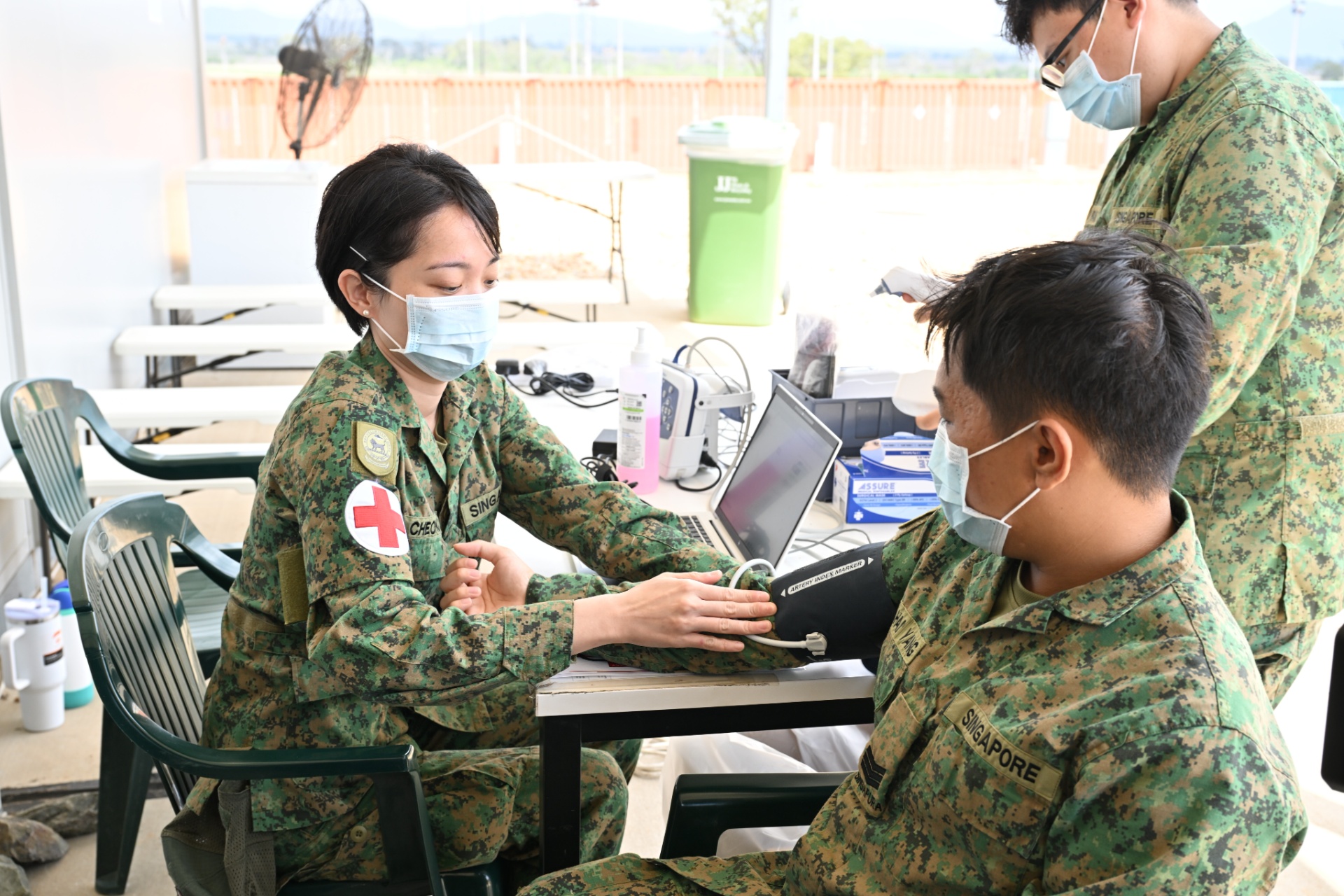
An emergency department nurse, she decided to join the SAFVC as she had always wanted to contribute her nursing skills beyond her regular work.
“Joining the SAFVC gave me a practical way to support our servicemen and women who train to defend Singapore… (and) I’m proud to be a part of first SAFVC medical trainers to come and support Exercise Wallaby.”

ALSO READ IN OPS & TRAINING
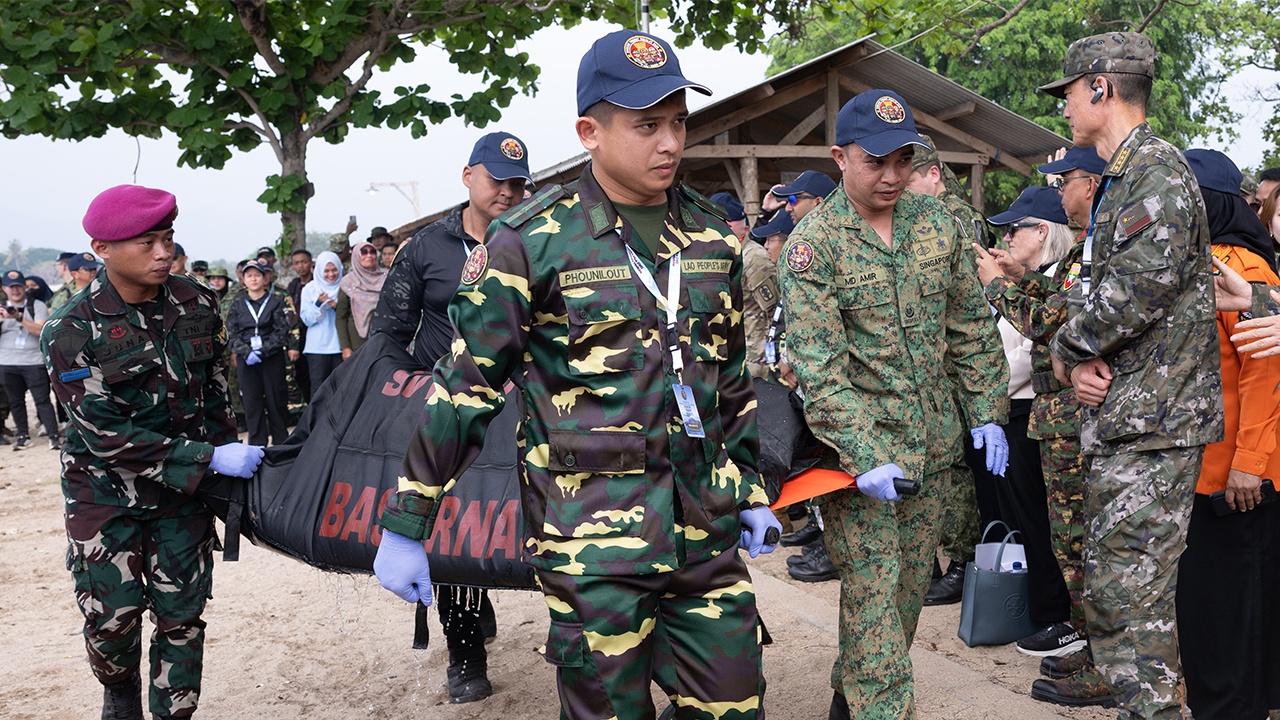
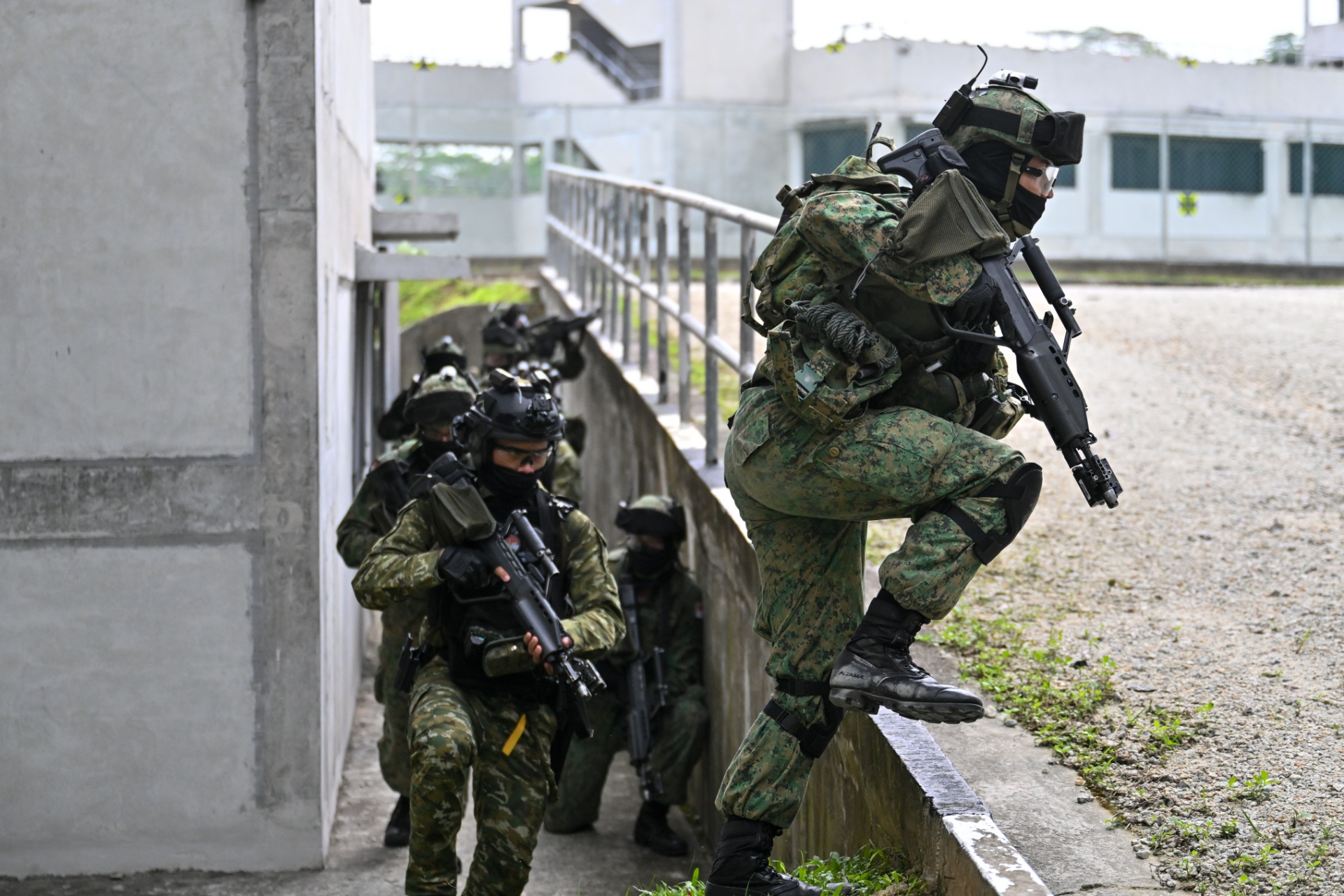
S’pore commandos, Indonesia special forces train & strengthen ties at Ex Chandrapura
08 Jul 2026
From conducting tactical airborne jumps to a coordinated urban raid, soldiers from Singapore and Indonesia deepened their decades-long partnership in this bilateral army exercise.
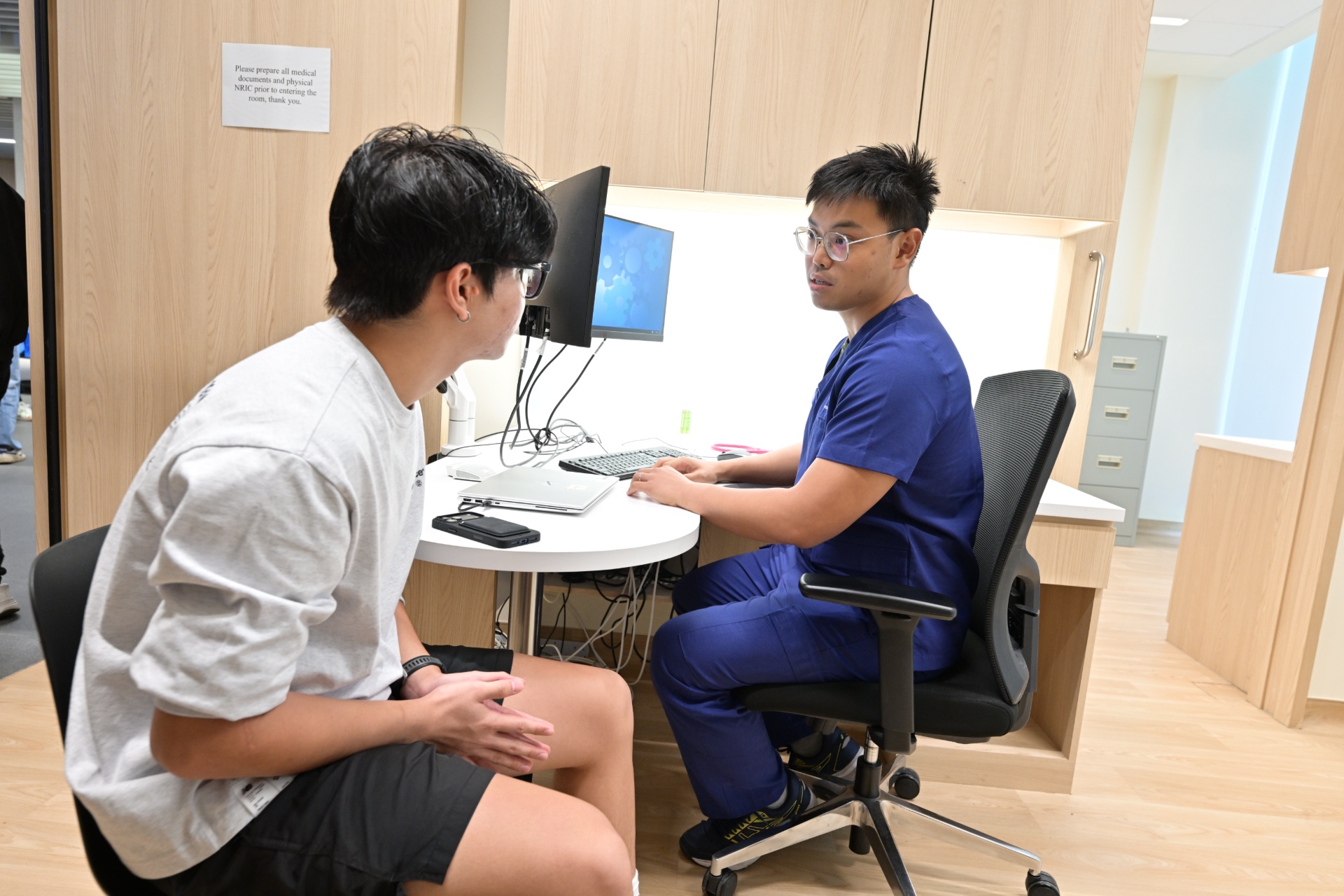
SAF & Home Team to refresh Medical Classification System
13 Apr 2026
The refreshed system will allow about 1,200 servicemen annually to be deployed for vocations and roles they were ineligible for previously.
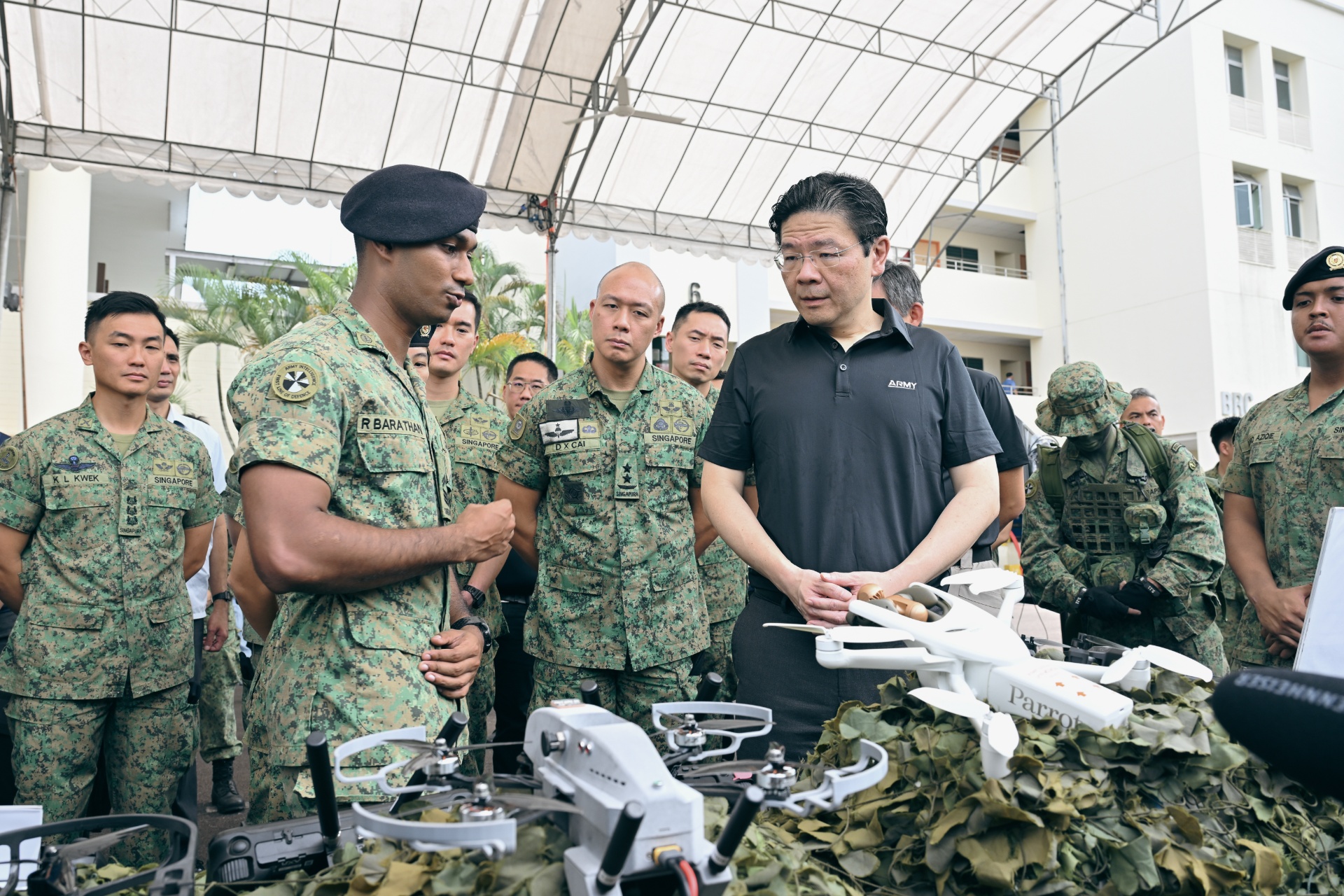
Prime Minister Lawrence Wong observes SAF’s sense-strike integrated capabilities
09 Apr 2026
He witnessed the SAF’s ongoing efforts in leveraging advanced robotics and cross-Service integration to secure Singapore’s interests in an increasingly volatile world.