
MILESTONES
BUILDING TRUST CRITICAL FOR SAFER SEAS: DR MALIKI
17 May 2017
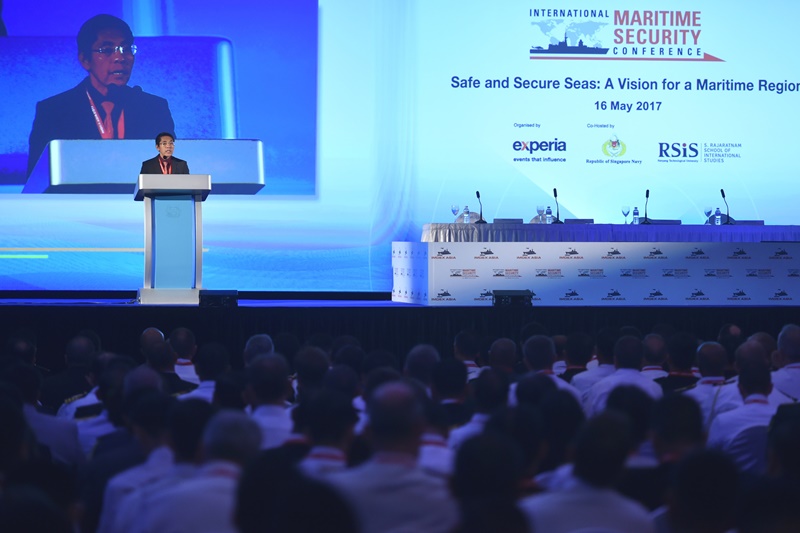
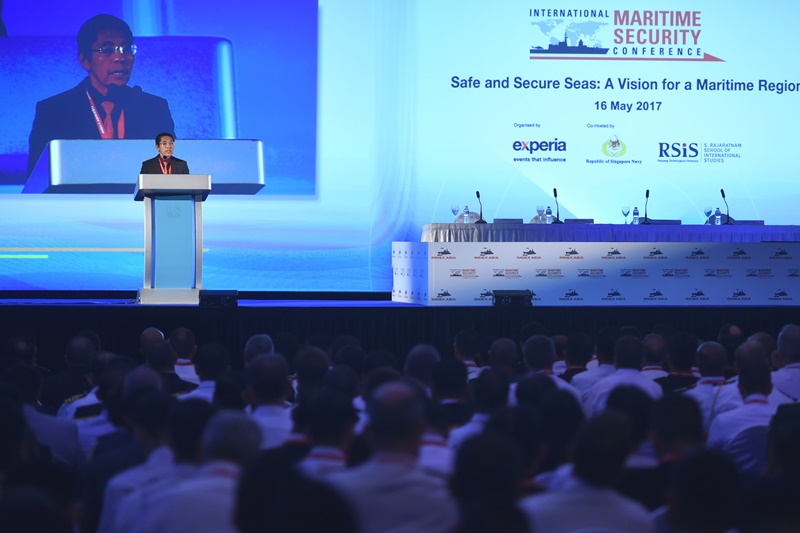
"Without trust, promises of cooperation would merely be superficial lip service."
"I believe that there are two aspects where states can play a part to achieve safe and secure seas -- building trust and advancing practical cooperation," said Senior Minister of State for Defence Mohamad Maliki Bin Osman at the opening of a maritime conference on 16 May.
Regional platforms such as the Shangri-La Dialogue and ASEAN Defence Ministers' Meeting-Plus help to facilitate dialogue and build trust. However, these have to be coupled with practical cooperation and maritime exercises, said Dr Maliki: "(These) allow navies to further cooperation and enhance mutual understanding."
Noting Singapore's role as coordinator of ASEAN-China dialogue relations, Dr Maliki highlighted that the Republic is working with both sides to facilitate an ASEAN-China Maritime Exercise.
The exercise was first mooted by China's Defence Minister General Chang Wanquan at the China-ASEAN Defence Ministers' informal meeting held in May last year.
Dr Maliki brought up these points at the opening of the 5th International Maritime Security Conference (IMSC), held at Changi Exhibition Centre.
To a 400-strong crowd, Dr Maliki underscored the importance of mutual understanding between nations in dealing with transnational maritime threats. Participants at IMSC came from navies and coast guards; maritime industries; academia and think-tanks from all over the globe.
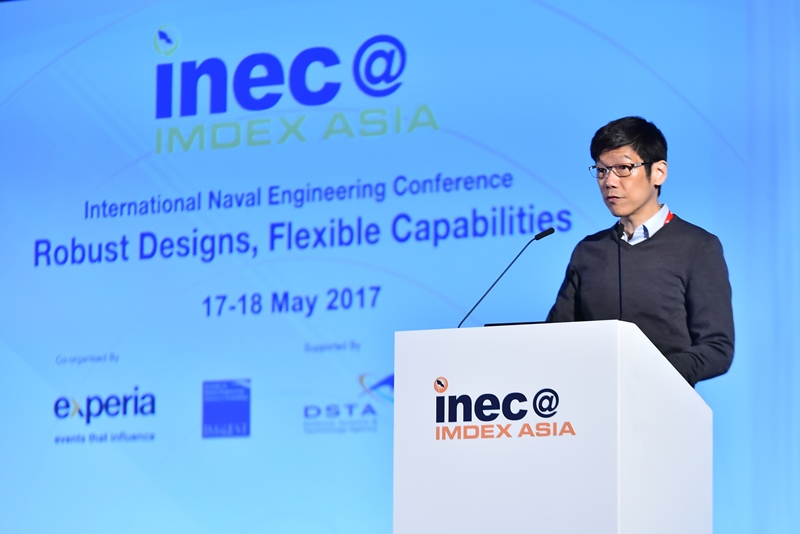
In addition to practical cooperation, defence planners need to adapt to advances in technology in order to stay ahead amid an uncertain security environment, said Permanent Secretary (Defence Development) Ng Chee Khern who was speaking at the 3rd International Naval Engineering Conference (INEC) on 17 May.
In his speech, Mr Ng talked about four approaches to exploit such technology.
First, building up expertise in the area of 4th Industrial Revolution (4th IR) technologies. This is crucial because talented people such as programmers are needed to advance our capabilities in these technologies.
The 4th IR is a technological trend characterised by the fusion of technologies that blur the lines between the physical, digital and biological spaces. It sees advances in areas such as data science, artificial intelligence and robotics.
Second, the integration of technology into actual battleground operations is needed for effective weapon systems, said Mr Ng.
This has to be coupled with the right mindset for experimentation, Mr Ng added in his third point: "It is important to create a 'fail-fast, learn fast' environment for the defence community to learn from past failures, and quickly build on them."
Fourth, it is important to latch on to expertise beyond the military to co-develop solutions in non-sensitive areas because many cutting-edge technologies reside in the commercial sector.
Mr Ng urged militaries and defence industries to "think about offering useful test beds for such companies to bring in their technologies for trials".
Both the IMSC and INEC were held in conjunction with the International Maritime Defence Exhibition and Conference Asia. In its 11th edition, the biennial show is Asia Pacific's largest maritime defence exhibition, attended by global leaders and delegates.

ALSO READ IN MILESTONES
Lifelong learners in the SAF
21 Jul 2026
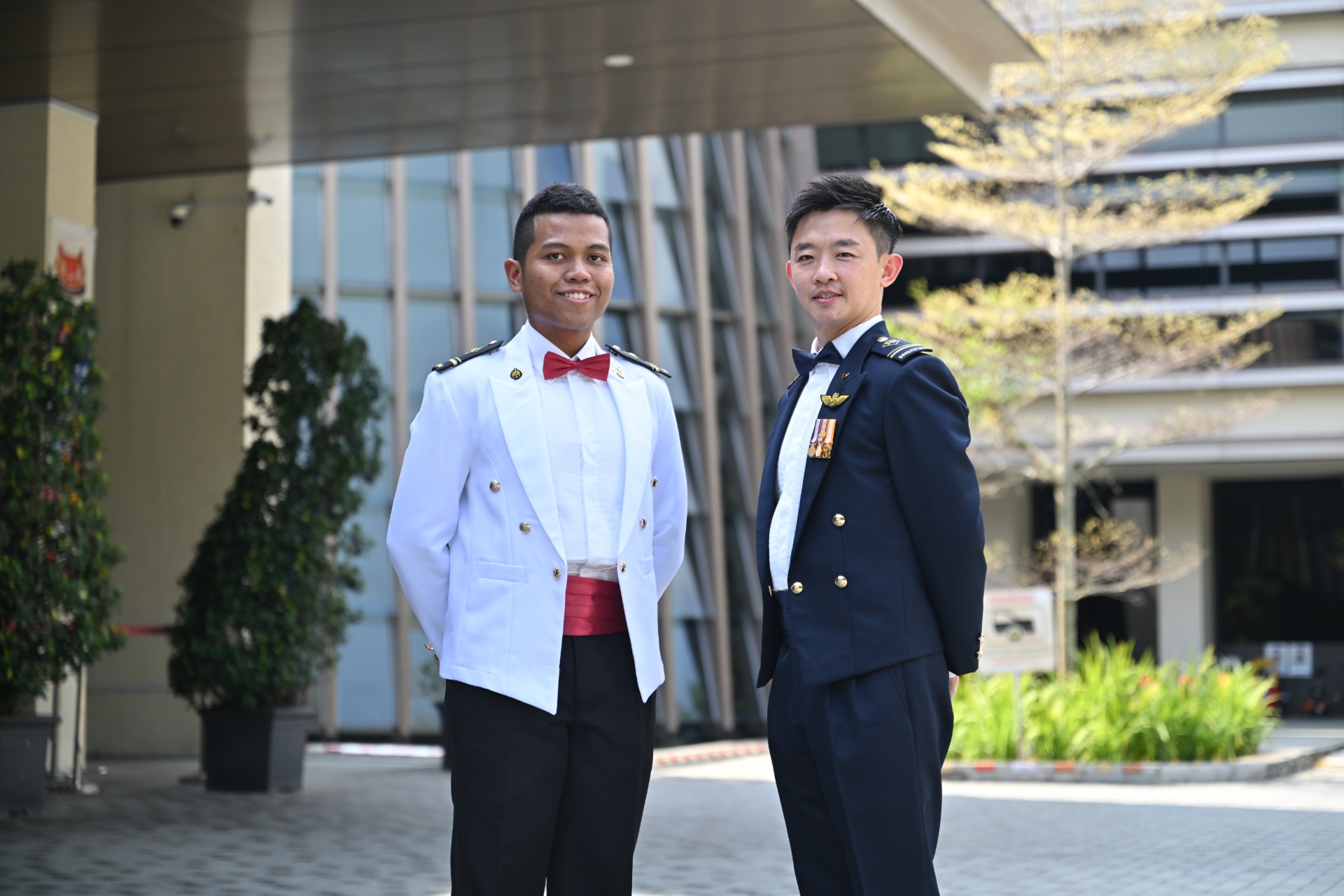
Meet Senior Military Experts ME4 Muhammad Fikri Bin Suhaimi and ME4 Bai Ruiliang who are proving that you’re never too old to learn something new and chase your dreams.
Booming in the Basin: Bringing the Presidential Gun Salute to Kallang for NDP 2026
19 Jul 2026
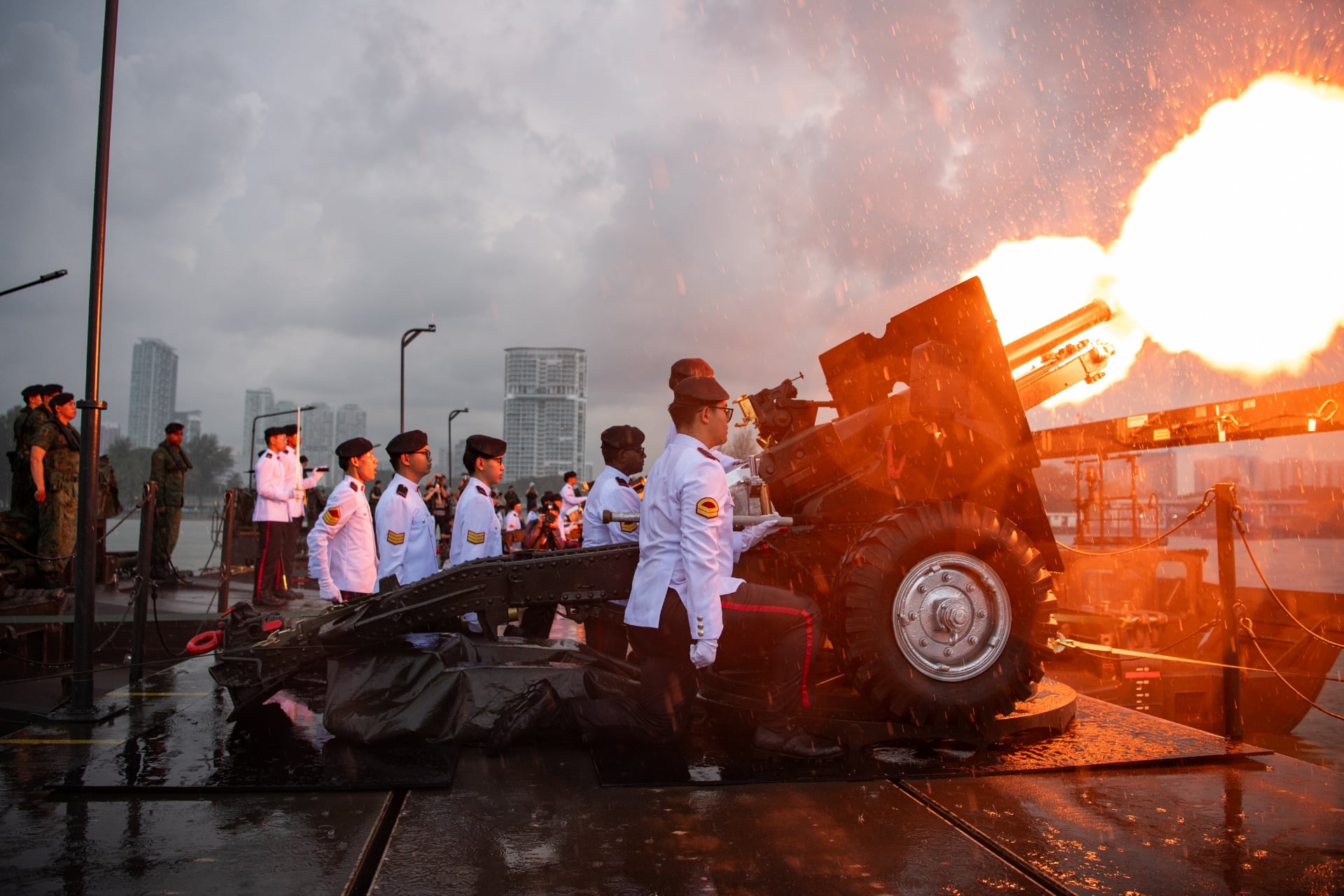
This year’s National Day Parade (NDP) brings the power and precision of the Presidential Gun Salute closer to spectators at the Kallang Basin.
Reaffirming their dedication to S’pore’s defence
01 Jul 2026
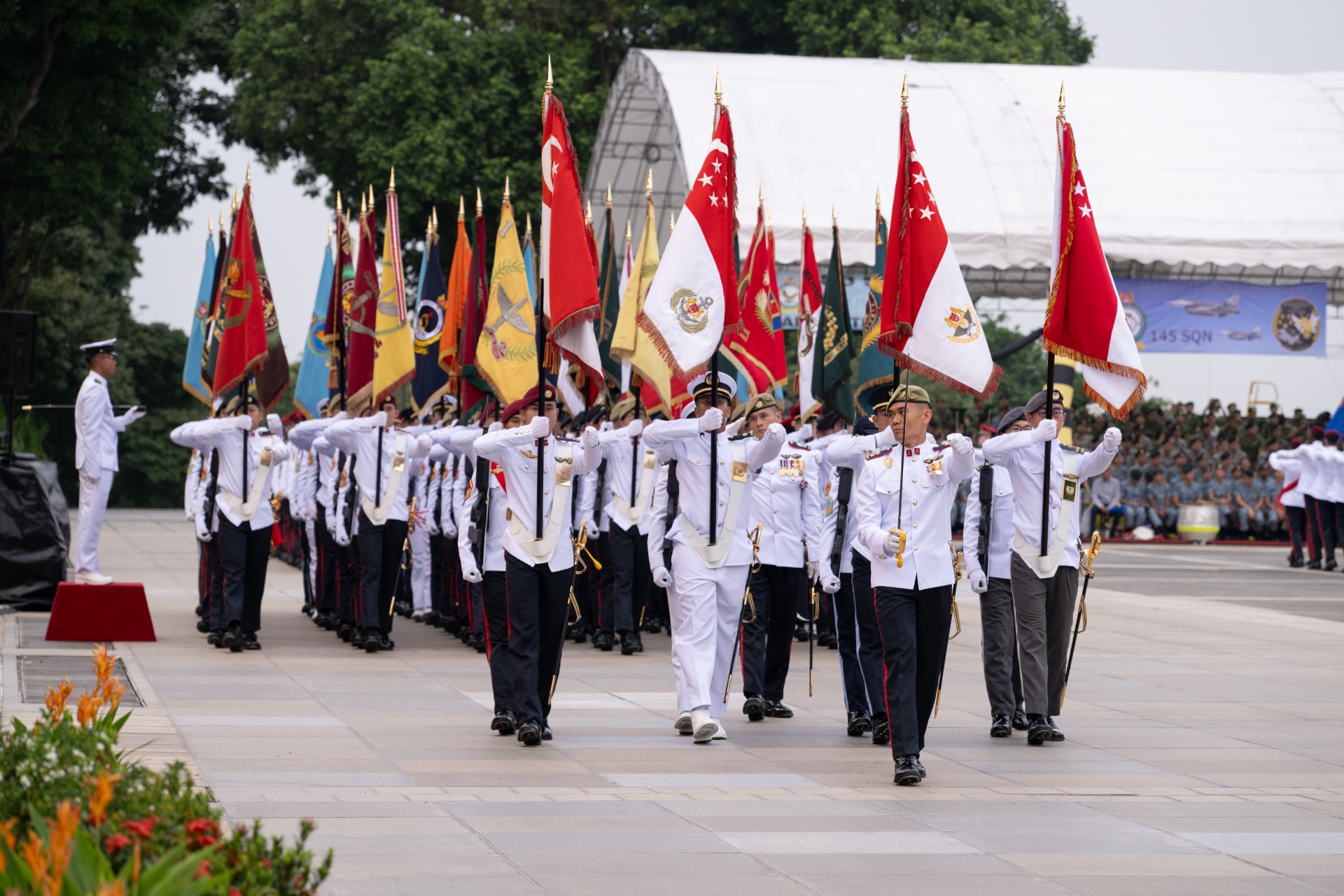
The SAF commemorates its 61st anniversary on 1 Jul at the SAF Day Parade as well as rededication ceremonies held across Singapore.