
COMMUNITY
WORKING TOWARDS SAFER SEAS
15 May 2013
Countries must proactively look for ways to strengthen mutual collaboration in order to respond to transnational security challenges swiftly and effectively. This is because security threats, which range from maritime terrorism to non-traditional ones like pandemics and natural disasters, are often too big for individual countries to tackle on their own.
Senior Minister of State for Defence Chan Chun Sing said this in his opening address at the 3rd International Maritime Security Conference (IMSC) on 15 May at Changi Exhibition Centre.
Themed Safe and Secure Seas - Strengthening Cooperation in Maritime Security, this year's event is being held in conjunction with the International Maritime Defence Exhibition and Conference (IMDEX) Asia 2013 from 14 to 16 May.
In his speech, Mr Chan highlighted two different areas of focus in combating maritime threats.
"First, we need to strengthen platforms for open and inclusive dialogue, as well as maintain open channels of communications. By increasing communication and engaging in active discourse, countries can share their views with one another, build trust, and explore new avenues for collaboration," he said.
Mr Chan noted the importance of having strong existing regional frameworks, such as the Shangri-La Dialogue, the ASEAN Defence Ministers' Meeting (ADMM) and the ADMM-Plus, in promoting strategic dialogue and the sharing of security perspectives.
He added that the IMSC also serves as a useful platform in deepening military dialogue among regional military leaders and key stakeholders in the maritime community. "By bringing together eminent minds and renowned professionals with operational experience in maritime security, I am confident that the IMSC will provide insights that are valuable to your work and contribute to enhancing cooperation among nations."
Second, Mr Chan emphasised the need to move beyond discourse at the strategic level and to strengthen practical cooperation in areas of shared security interests.
He said: "This is important in promoting trust and confidence at the level of the armed forces, which in turn encourages stable military-to-military relations (This allows the armed forces to) respond more effectively to the wide spectrum of challenges to maritime security."
He cited the "Eyes-in-the-Sky" initiative, which is part of the Malacca Strait Patrols (MSP) framework, as an excellent example of practical maritime cooperation.
Formed by Indonesia, Malaysia, Singapore and Thailand, the MSP was introduced in 2005 to tackle pirate attacks and sea robberies in the Malacca Strait with combined maritime air patrols, coordinated sea patrols and an Intelligence Exchange Group.
This resulted in the reduction of piracy attacks in the strait from 38 incidents in 2004 to close to zero in 2011, and the figures have remained low ever since.
In his keynote address at the conference, Chief of Navy Rear-Admiral Ng Chee Peng highlighted that information-sharing serves as a key component in combating maritime threats.
In this aspect, he noted that ASEAN has made good progress. In 2012, the Republic of Singapore Navy (RSN) and the Indonesian Navy co-hosted the inaugural ASEAN Maritime Security Information-Sharing Exercise. They also launched the ASEAN Information-Sharing Portal, a Web-based platform which allows ASEAN navies to share maritime security-related information.
He added: "Moving forward, it's important that we continue to grow the collaborative and cooperative effort in maritime security. Ultimately, what underpins successful maritime security cooperation is the recognition that, in our globalised and interconnected world, cooperation is the only way to secure the global commons."
Jointly hosted by the RSN, S. Rajaratnam School of International Studies and Experia Events, this year's conference saw seven speakers and some 350 participants, including navy and air force chiefs, coast guard director-generals and leading maritime academics.

ALSO READ IN COMMUNITY
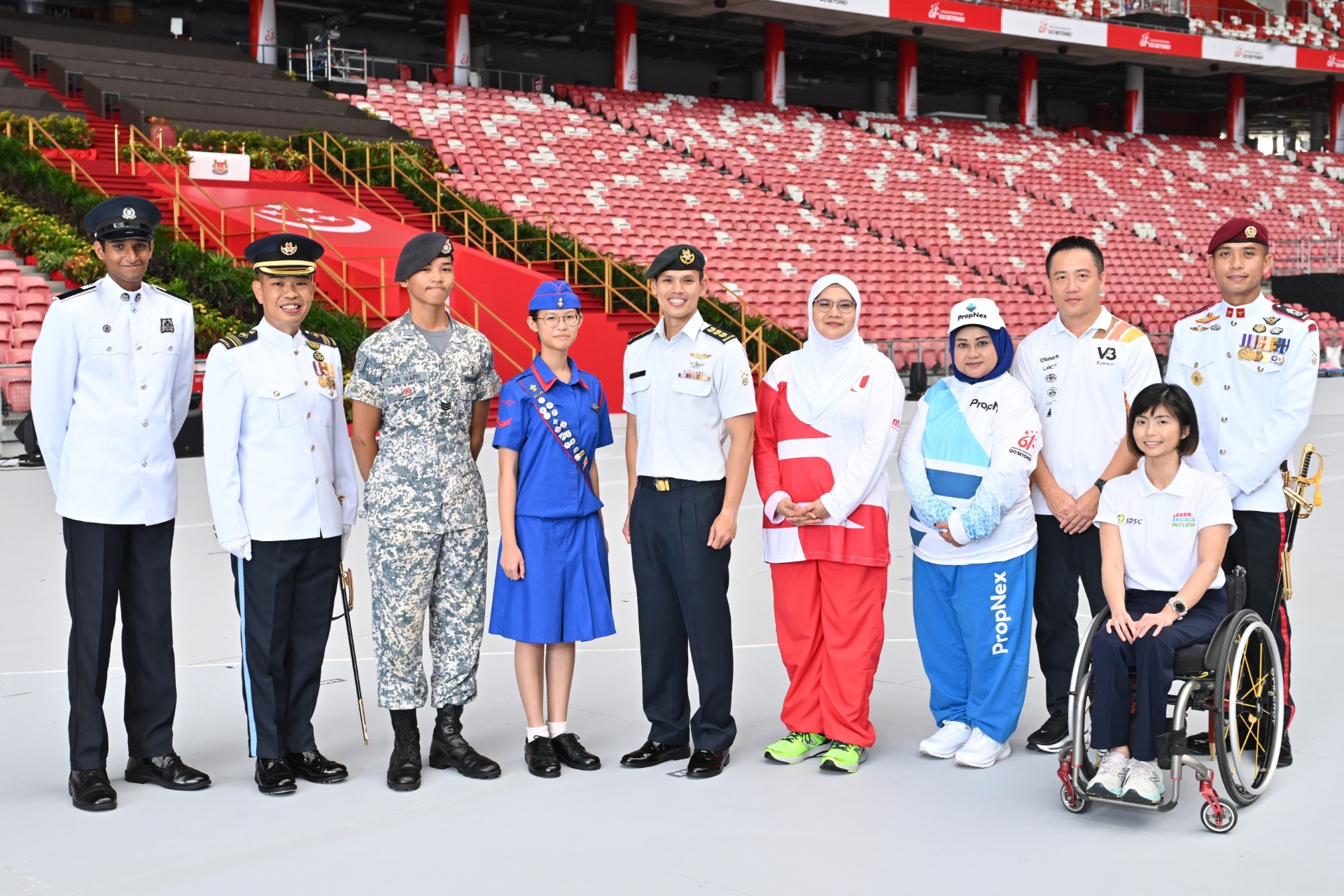
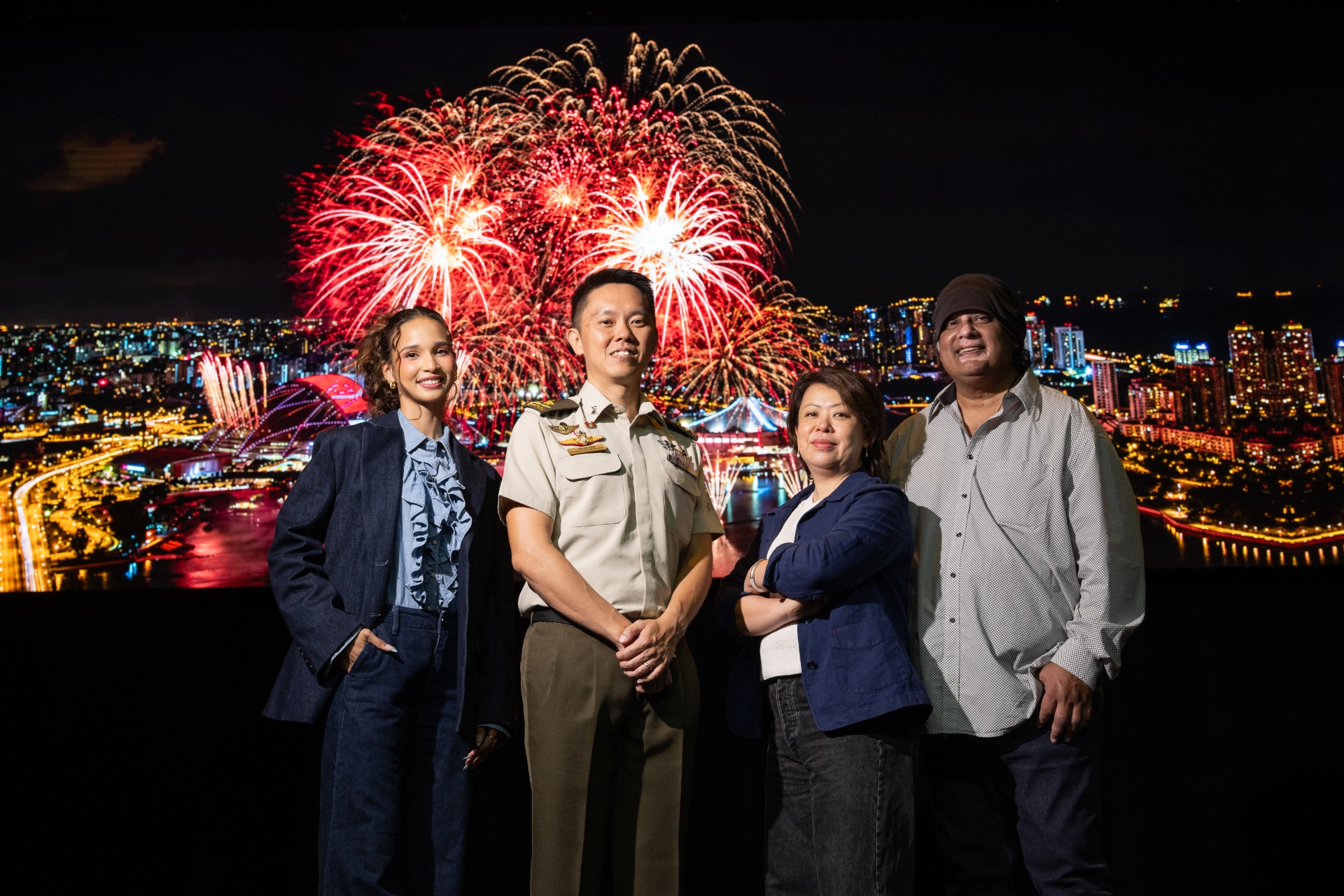
Familiar venue, fresh vibe for NDP 2026 celebrations
21 May 2026
This year’s National Day Parade (NDP) returns to the National Stadium with its first-ever indoor drone light show and many activities around the Kallang precinct.
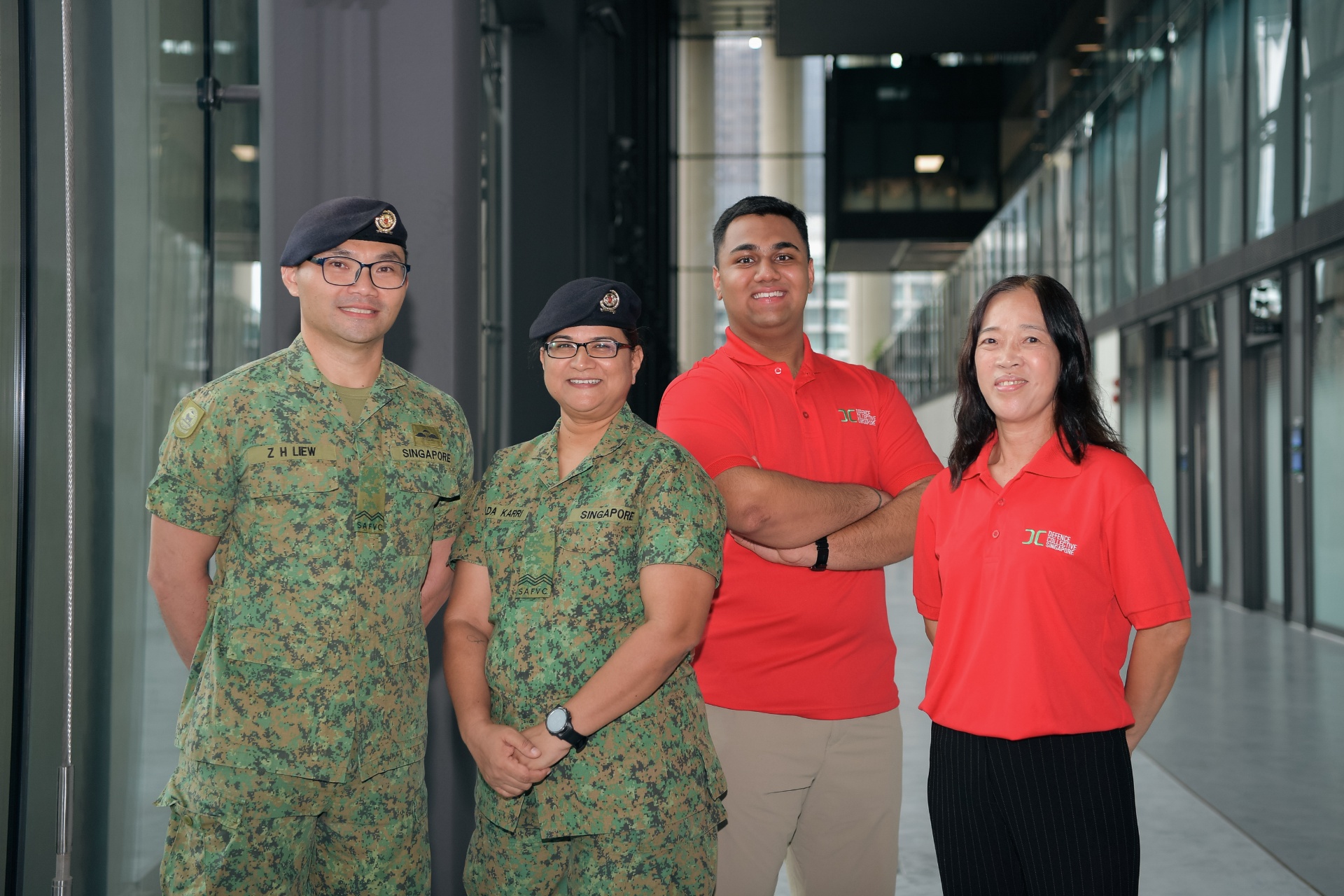
MINDEF launches new network for volunteers to contribute to national defence
12 May 2026
Whether you’re young or old, a Singaporean, PR, new citizen or foreigner, the Singapore Defence Volunteer Network offers new and expanded opportunities to take part in the nation’s defence.
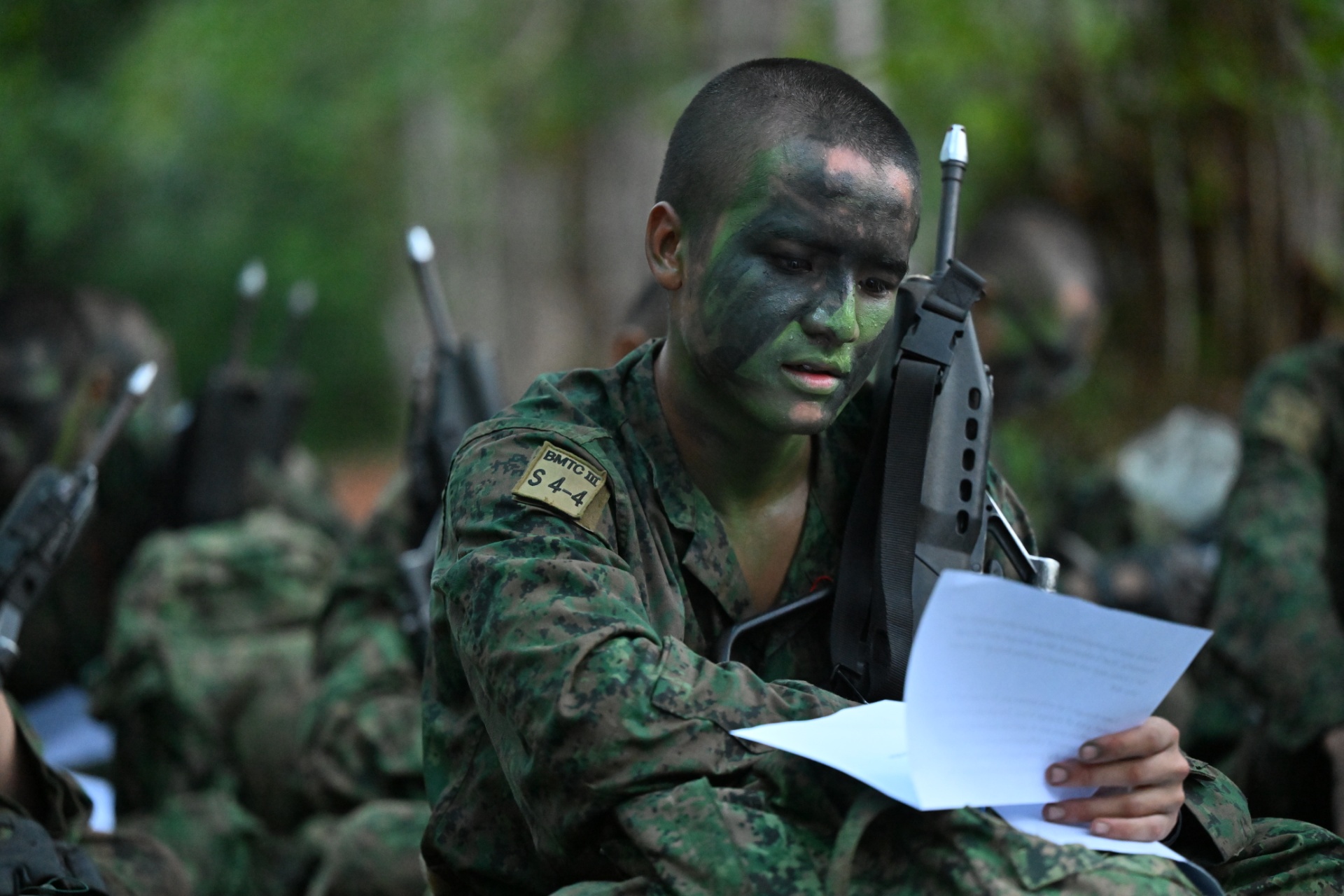
Letters from my mum
06 May 2026
This Mother’s Day, servicemen share the heartfelt letters they received from their mums during their BMT field camp.