
DIPLOMACY
US COMMITTED TO ASIA-PACIFIC SECURITY DESPITE BUDGET CUTS
01 Jun 2013
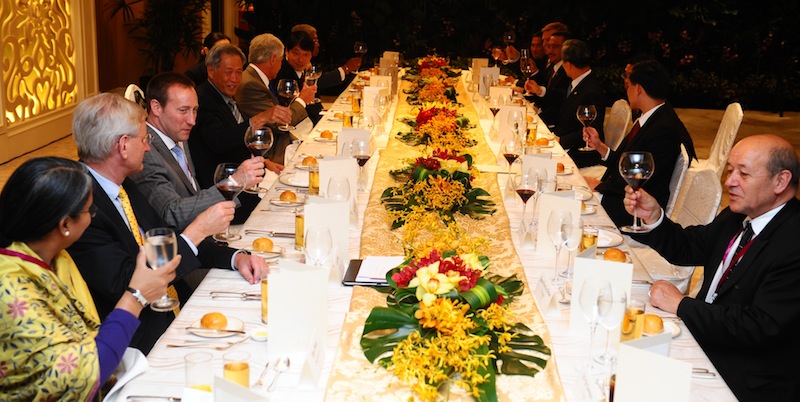
This is the second day of the annual International Institute for Strategic Studies (IISS) Asia Security Summit: The Shangri-La Dialogue (SLD), and the frank talks continue to shed light on evolving security challenges in the Asia-Pacific.
Over the next nine years, the United States Department of Defence will face deep budget cuts after wars in Iraq and Afghanistan. This comes a year after the US announced its focus on security in the Asia-Pacific region. But the cuts will not affect the US focus on the Asia-Pacific.
US Secretary of Defence Chuck Hagel made this point at the first plenary session of the SLD on 1 Jun. He said: "It would be unwise and short-sighted to conclude that our commitment to the rebalance cannot be sustained."
Even in the most extreme budget scenario, the US will continue to account for nearly 40 percent of the world's defence expenditure, said Mr Hagel. "Like the employment of all resources, it is always a matter of the wise, judicious and strategic use of those resources that matters the most and has the most lasting impact."
In Singapore, the US looks forward to building on the practical collaboration under the US-Singapore Strategic Framework Agreement signed in 2005, said Mr Hagel, who was attending the SLD for the first time as the US Defence Secretary, having taken office in February this year.
Referring to Mr Hagel's speech, Minister for Defence Dr Ng Eng Hen said: "I think Secretary Hagel gave a very clear understanding of the US engagement with various partners and various countries in this region and the reasons for it."
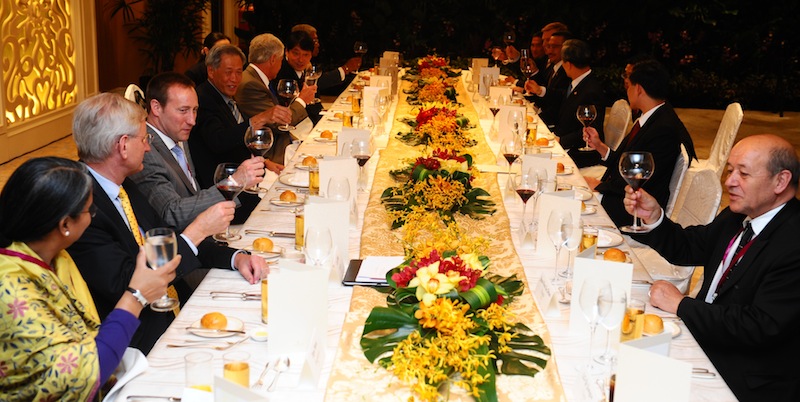
Dr Ng, who was speaking to the media after hosting a private ministerial luncheon for 20 ministers and their representatives, also said that the ministers were exploring the possibility of establishing "hotlines" between Asia-Pacific countries to deepen communication and increase trust.
He noted that difficult topics ranging from the potential flashpoint in the Korean Peninsula, overlapping claims in the East and South China Seas and cyber-security were all on the table at this year's Dialogue.
"I would say (there is) political will within the defence community at the defence ministers' level to want to find ways and mechanisms that can prevent, if not mitigate, tensions when conflicts arise," said Dr Ng.
Cyber-security was also a hot topic this year after Mr Hagel expressed concerns about the growing threat of cyber intrusions against the US. Within Asia-Pacific countries, cyber-security was also being looked into.
Said Dr Ng: "The sense is that we have made progress in terms of trying to understand the different facets (of cyber threats)."
"We are discussing it. There isn t a framework that has been proposed yet, but I think there is some progress (on the issue of cyber-security)."
Earlier in the day, Dr Ng met with Mr Hagel on the sidelines of the SLD. The two leaders reaffirmed the excellent and long-standing defence relations between the two nations and expressed their commitment to strengthening defence cooperation.
Dr Ng also held meetings with ministers and senior officials from Australia, China, France, Japan, Sweden and the United Kingdom, after hosting a breakfast for ministers of the Five Power Defence Arrangements (FPDA).
The three-day Dialogue will conclude on 2 Jun.

ALSO READ IN DIPLOMACY
17 countries launch new framework for cooperation on critical underwater infrastructure
30 May 2026
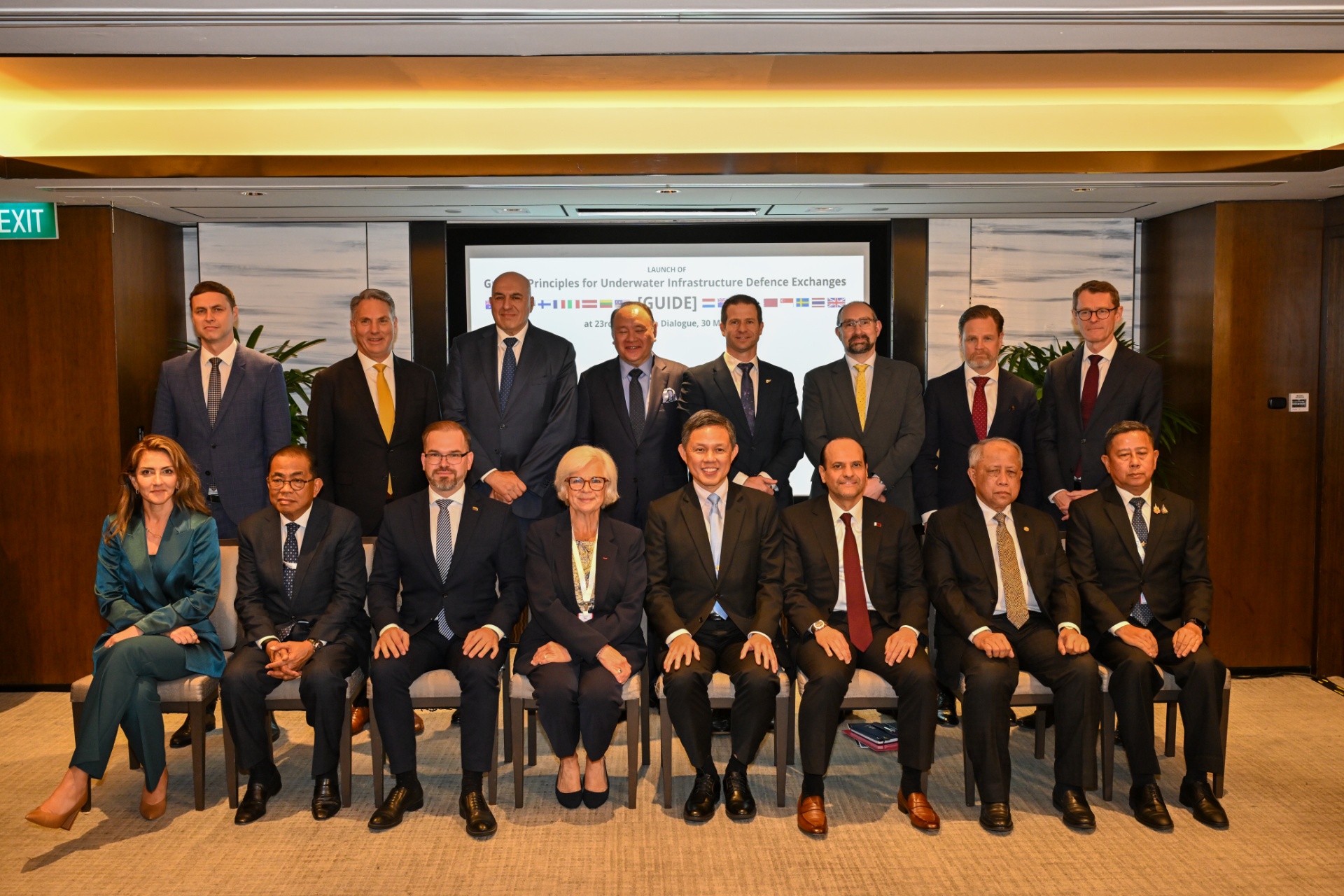
Launched on the sidelines of the 23rd Shangri-La Dialogue, GUIDE is a new framework that brings together countries for defence cooperation in enhancing the security of Critical Underwater Infrastructure.
Going alone is not the answer to insecurity – Mr Chan
01 Jun 2025
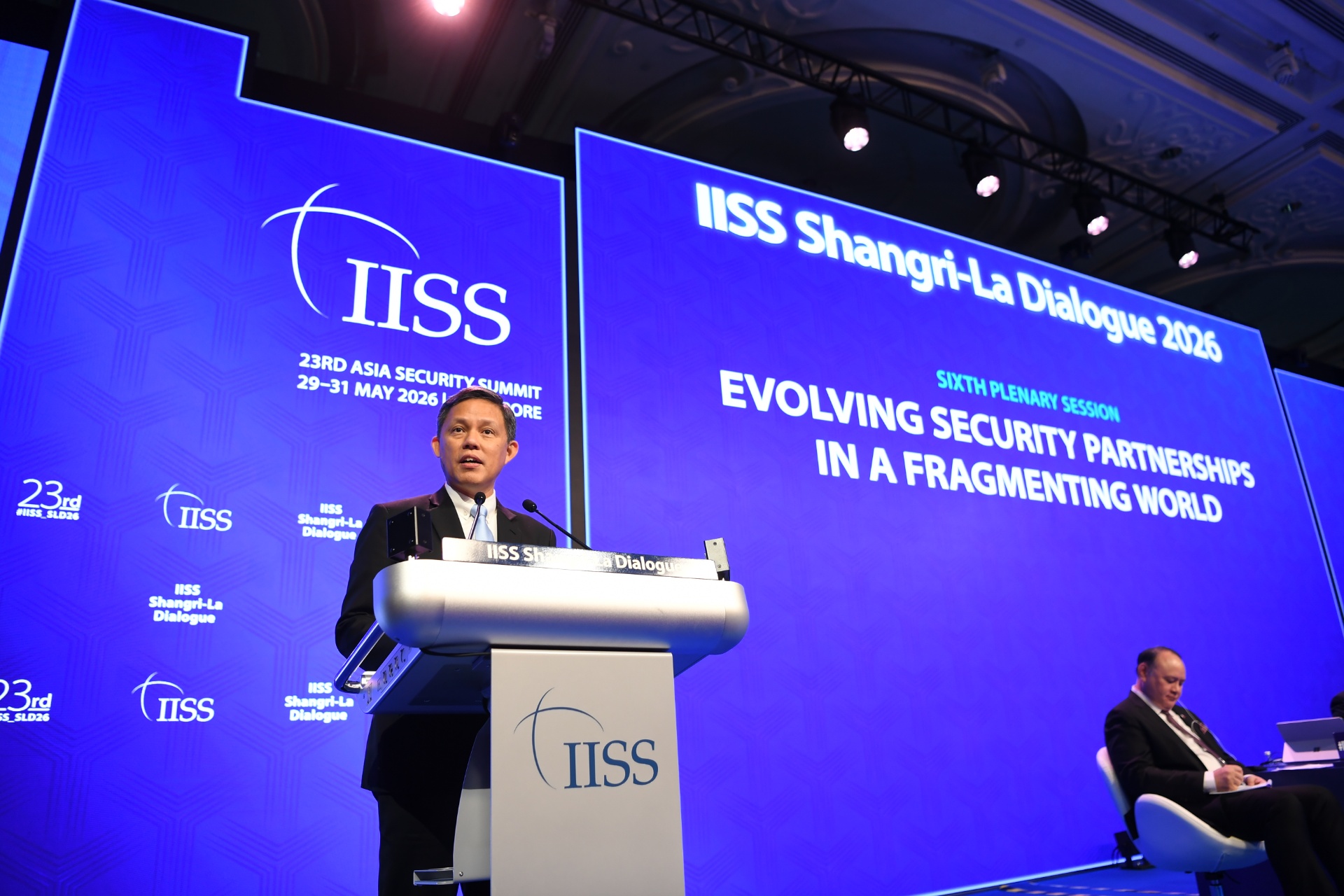
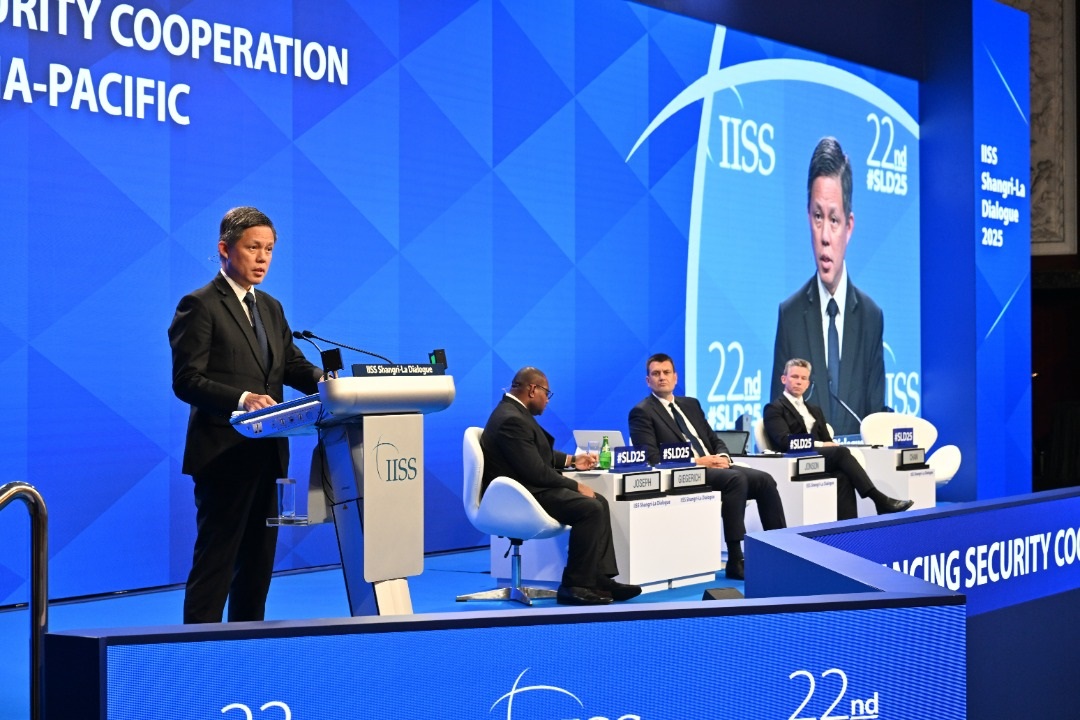
“Going alone is not the answer to insecurity”, emphasised Minister for Defence Mr Chan Chun Sing at the Shangri-La Dialogue (SLD), held from 30 May to 1 Jun. This was one of his main points at his speech at the sixth plenary session on 1 Jun.
A call for peace at Shangri La Dialogue
02 Jun 2024
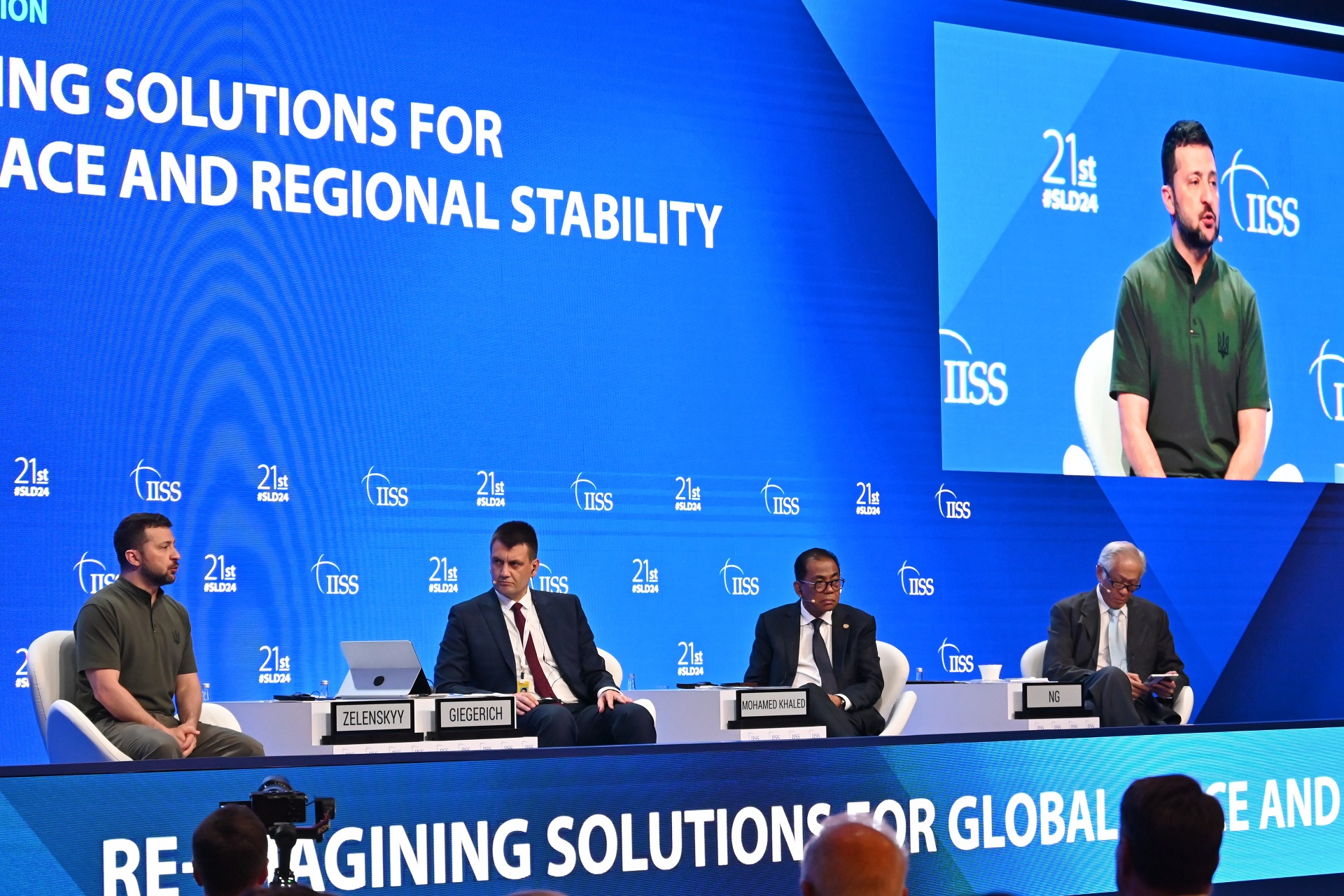
A repeated call for peace, especially in Asia. This was Minister for Defence Dr Ng Eng Hen's central message at the 21st Shangri La Dialogue (SLD), held from 31 May to 2 Jun.