
DIPLOMACY
17 countries launch new framework for cooperation on critical underwater infrastructure
30 May 2026
Launched on the sidelines of the 23rd Shangri-La Dialogue, GUIDE is a new framework that brings together countries for defence cooperation in enhancing the security of Critical Underwater Infrastructure.
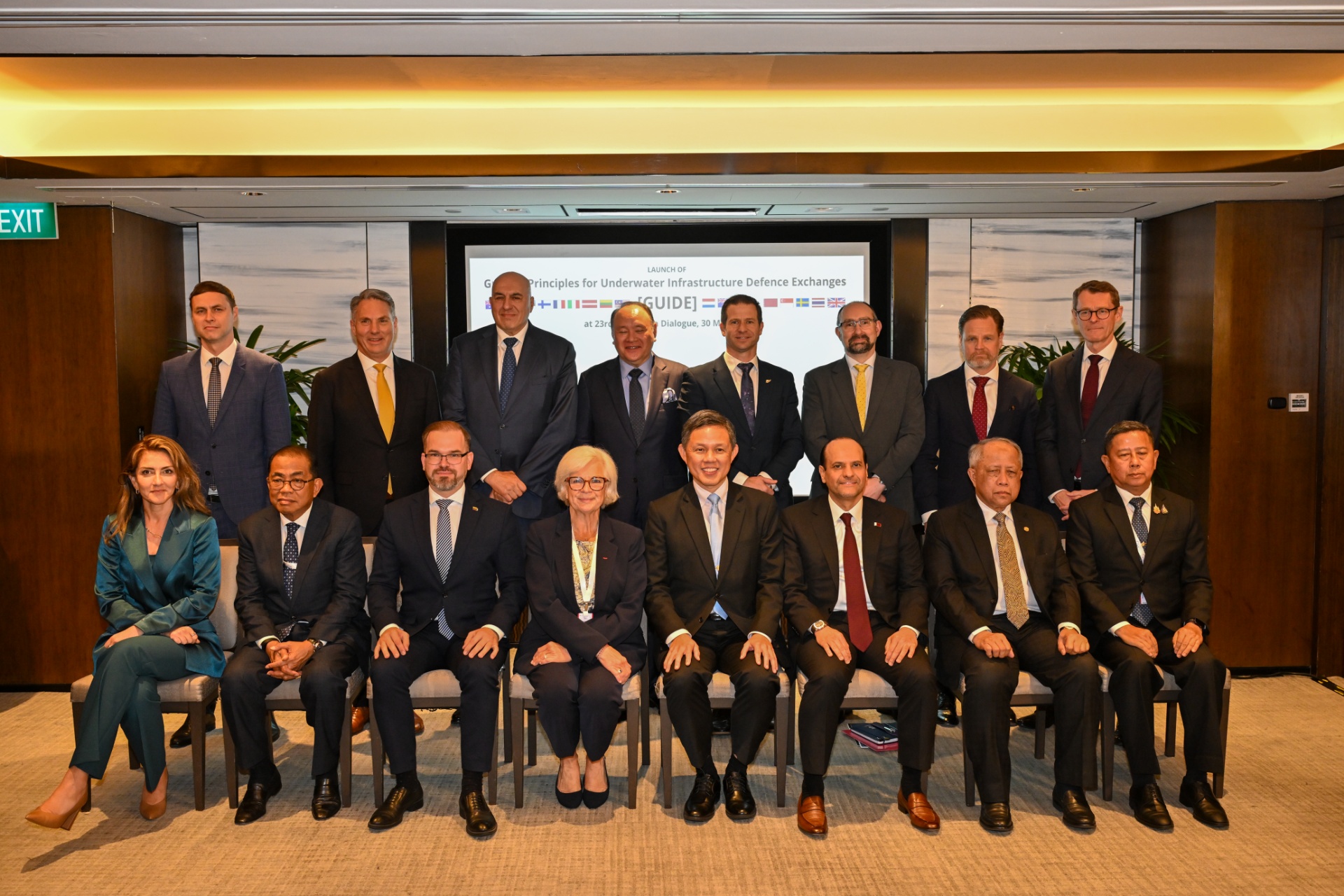
Various countries from Europe, the Middle East, Oceania and Southeast Asia came together to launch the new framework on 30 May along the sidelines of the Shangri-la Dialogue.
Earlier today at the 23rd Shangri-La Dialogue, 17 countries officially launched the Guiding Principles for Underwater Infrastructure Defence Exchanges (GUIDE).
This new framework is an agreement of shared principles and potential areas in which defence establishments from different countries can collaborate to enhance the security of Critical Underwater Infrastructure (CUI).
Countries that have endorsed GUIDE currently comprise Australia; Brunei Darussalam; Estonia; Finland; France; Italy; Latvia; Lithuania; Malaysia; Netherlands; New Zealand; Philippines; Qatar; Singapore; Sweden; Thailand; and the United Kingdom.
Following the launch, GUIDE will be open to participation from the wider international community.
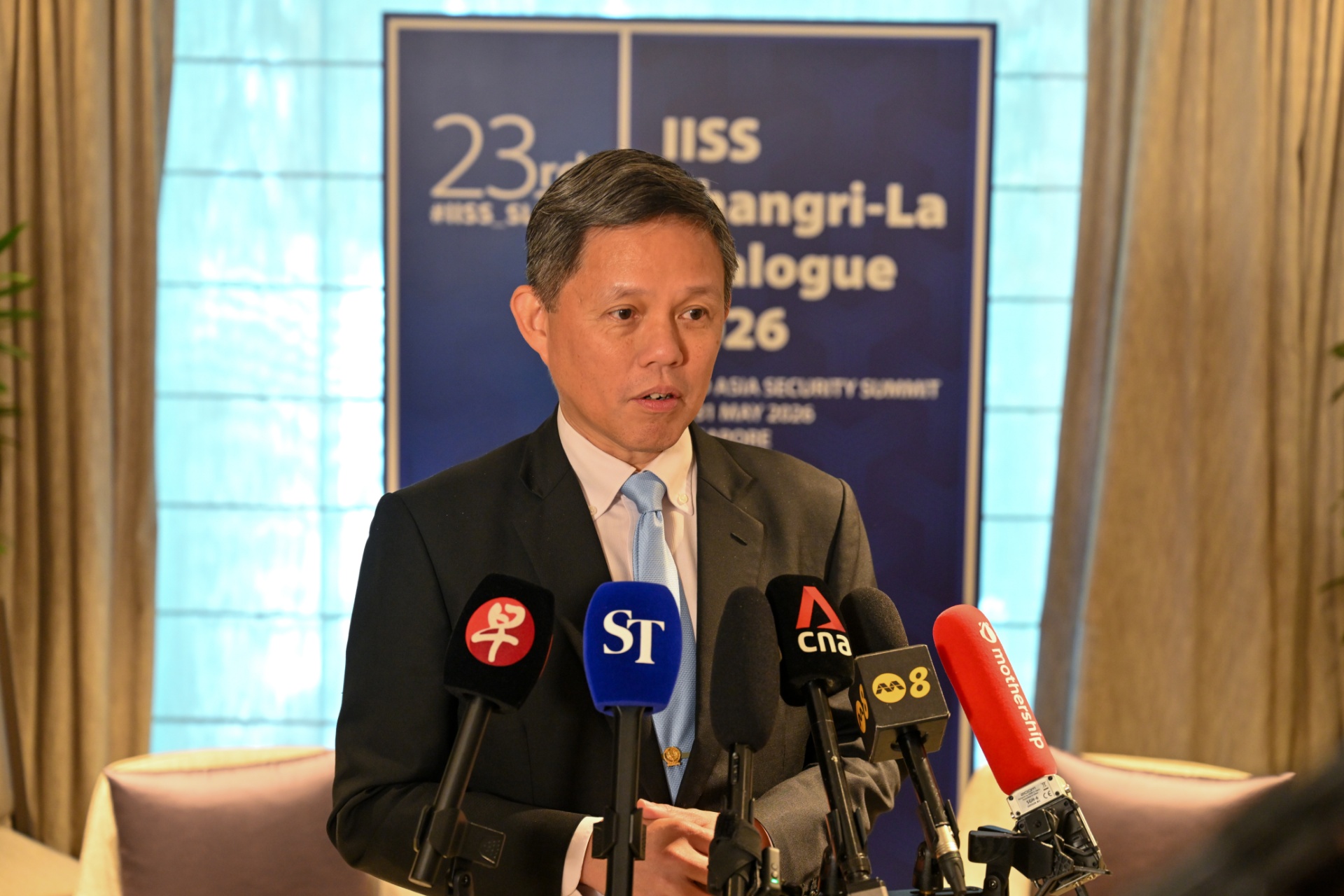
Speaking during the launch of GUIDE, Singapore Defence Minister highlighted the interconnectivity of CUI, noting that “any disruption on one part is a disruption on the entire network”.
Mr Chan said: “We know that we have quite a lot of work to do to establish the international norms on how we can lay, plant and build those critical infrastructure, but more importantly, how to maintain (and) prevent people from disrupting them.”
Expressing his appreciation for the endorsing nations, Mr Chan added: “We want to work together to see how we can establish these international norms (so as to) protect these infrastructure.”

What is CUI?
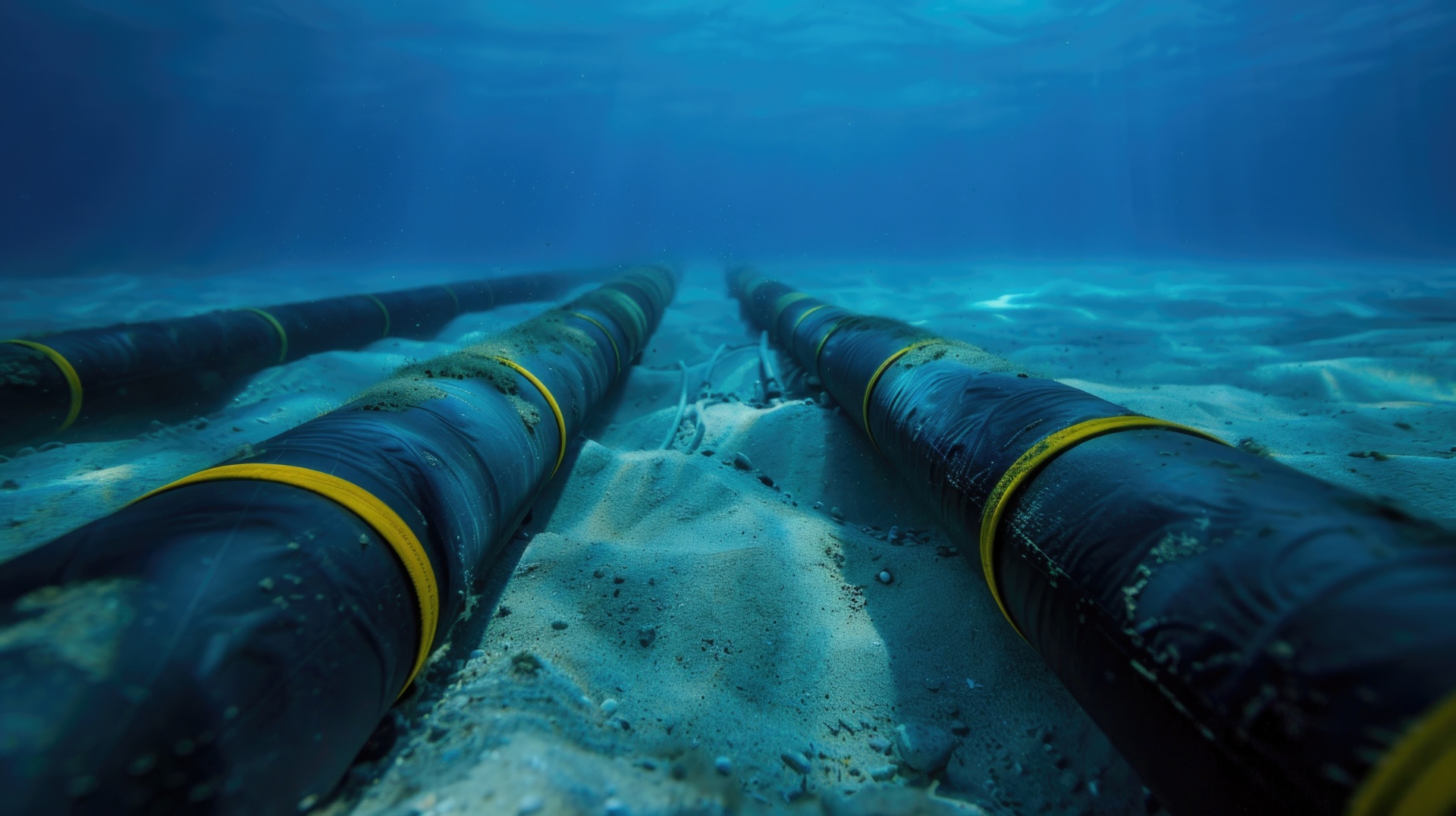
Vital physical assets laid beneath the ocean floor, CUI typically comprises submarine telecommunication and energy cables, as well as oil and gas pipelines.
CUI carries about 95 per cent of global Internet data and also the majority of the world’s oil and gas. These cables and pipelines face the ever-present risk of disruption from accidental damage, general maritime activities, environmental degradation, and natural disasters.
Historical and modern conflicts have also demonstrated that underwater infrastructure can fall victim to deliberate vandalism and sabotage.
For example, in World War I, the British targeted German undersea telegraph cables.

Joint efforts by ASEAN
CUI protection had been discussed as early as 2019, through the ASEAN Guidelines for Strengthening Resilience and Repair of Submarine Cables.
Taking a significant step to safeguard the region's maritime domain, the 19th ASEAN Defence Ministers' Meeting – held in Penang, Malaysia on 26 Feb 2025 – saw ASEAN Defence Ministers agreeing to boost their militaries' capacity for CUI protection.
At the same meeting, the Ministers also expressed support for the discussion paper jointly submitted by Singapore and Thailand, which proposed that ASEAN militaries further explore cooperation on CUI security, especially as militaries are often called on to support response efforts to disruptions.
The 2019 guidelines were updated and enhanced in January 2026 at the 6th ASEAN Digital Ministers' Meeting in Hanoi, Vietnam.

ALSO READ IN DIPLOMACY
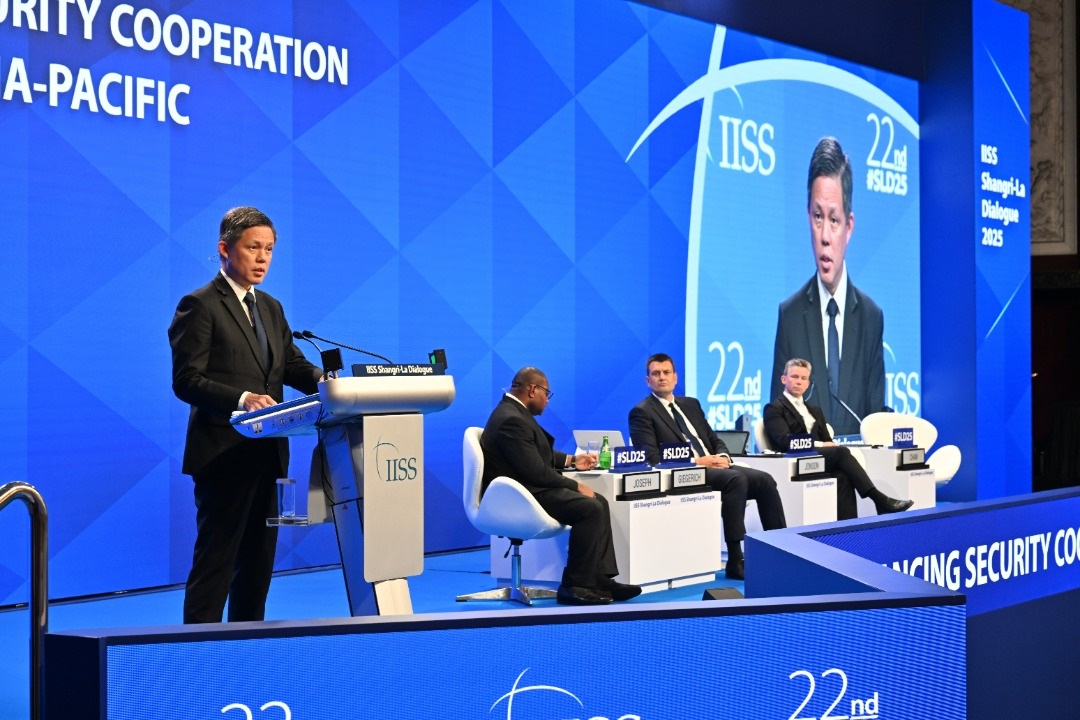
Going alone is not the answer to insecurity – Mr Chan
01 Jun 2025
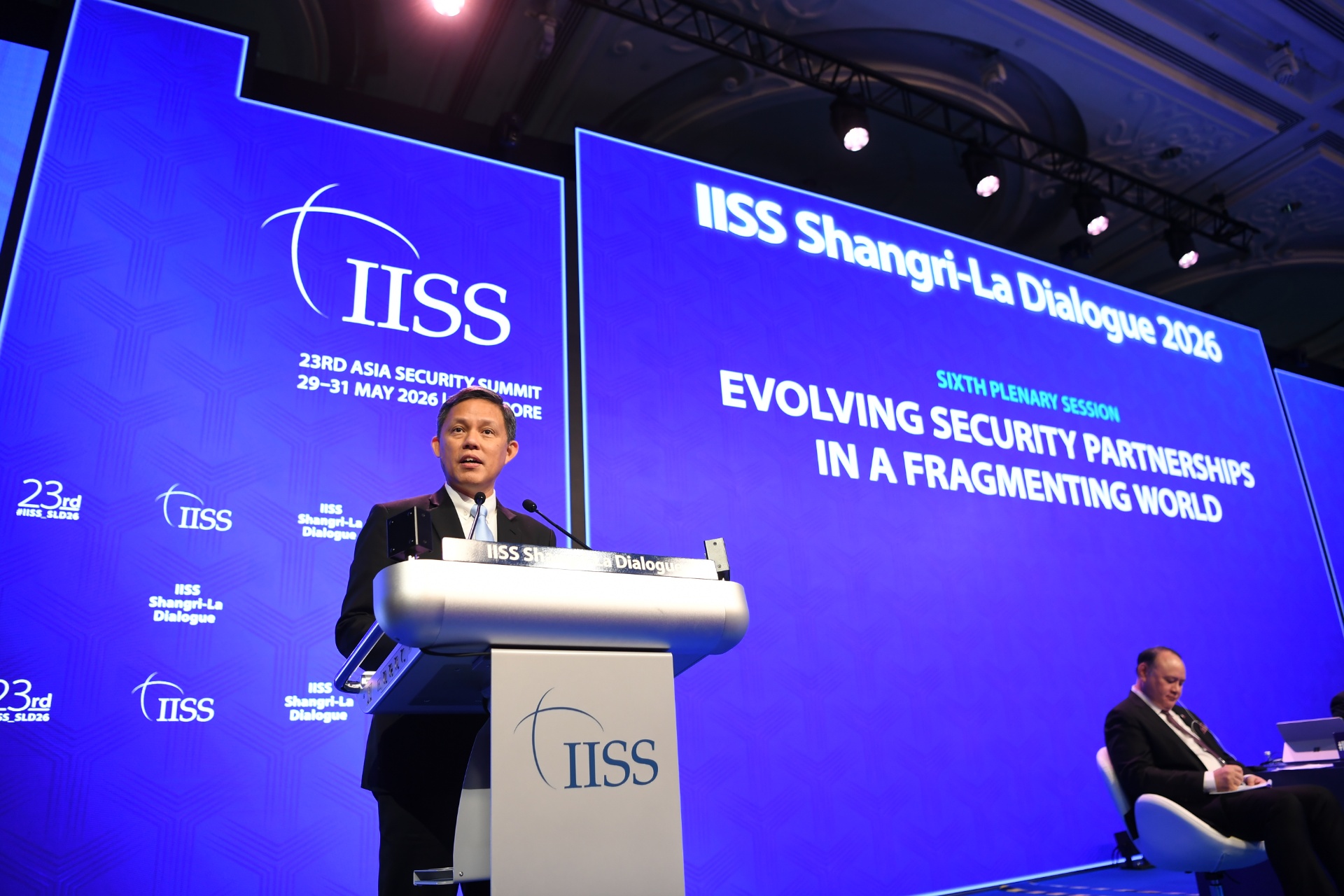
“Going alone is not the answer to insecurity”, emphasised Minister for Defence Mr Chan Chun Sing at the Shangri-La Dialogue (SLD), held from 30 May to 1 Jun. This was one of his main points at his speech at the sixth plenary session on 1 Jun.
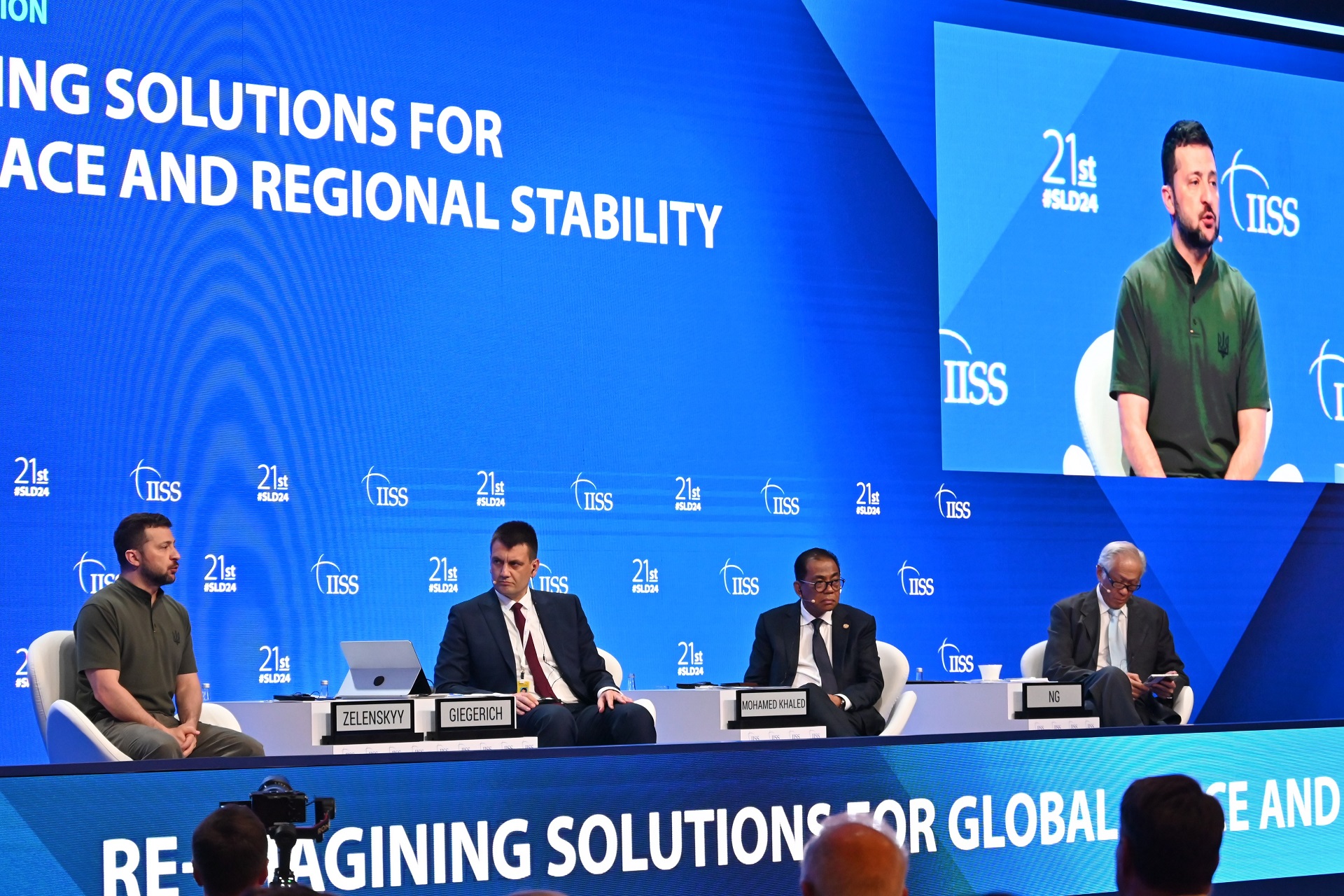
A call for peace at Shangri La Dialogue
02 Jun 2024
A repeated call for peace, especially in Asia. This was Minister for Defence Dr Ng Eng Hen's central message at the 21st Shangri La Dialogue (SLD), held from 31 May to 2 Jun.
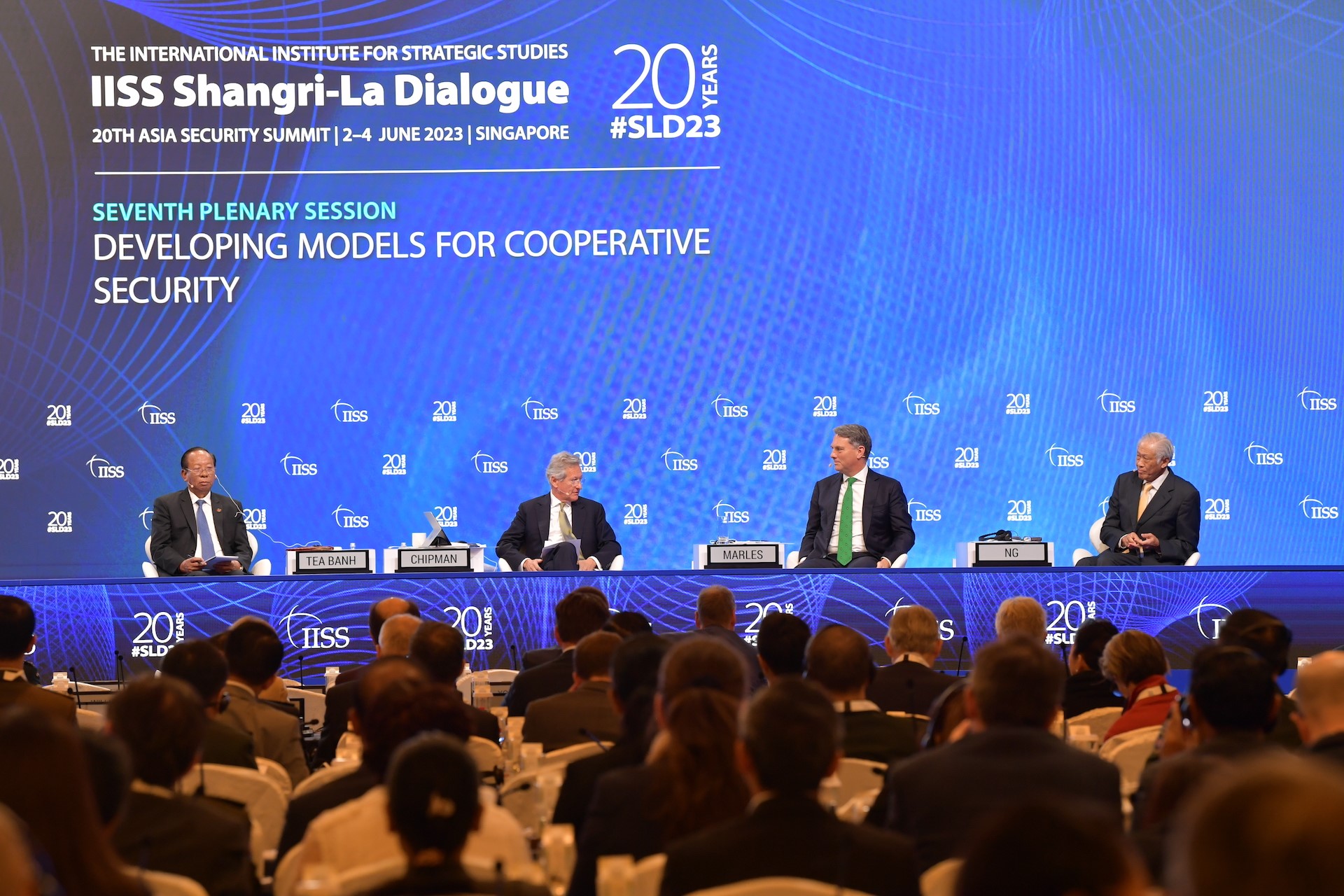
Shangri-La Dialogue sees frank discussion of security issues
04 Jun 2023
The 20th Shangri-La Dialogue, held from 2 to 4 Jun, saw ministers from around the world meet in Singapore to discuss key defence and security issues.