
DIPLOMACY
STRENGTHENING COOPERATION TO ENHANCE REGIONAL SECURITY
26 Jan 2015
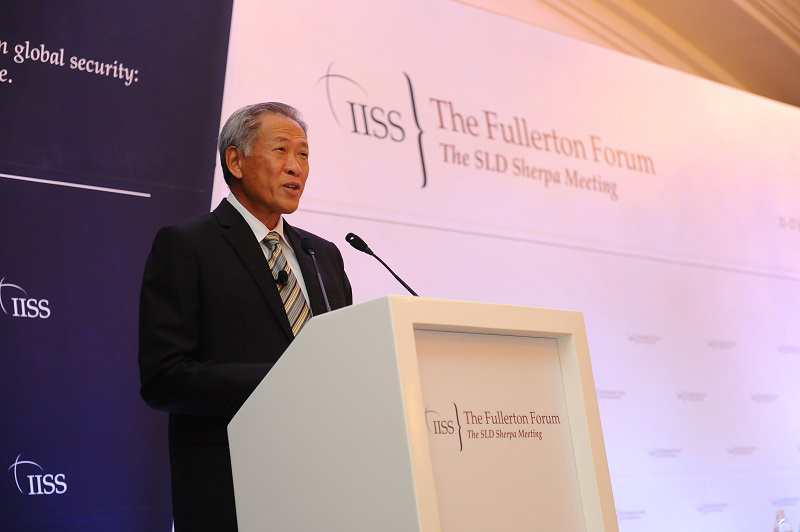
The threat of religious extremism in Asia stemming from the rise of the Islamic State of Iraq and Syria (ISIS) and the need to monitor the dynamics among US, China and Japan.
These were some of the key security concerns raised by Minister for Defence Dr Ng Eng Hen in his keynote address at the third International Institute for Strategic Studies (IISS) Fullerton Forum: The Shangri-La Dialogue Sherpa Meeting, at the Fullerton Hotel on 26 Jan.
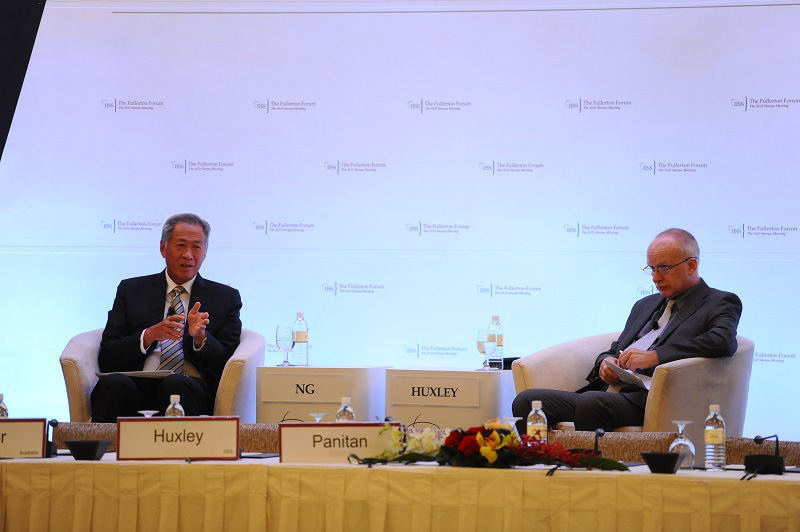
Dr Ng was addressing about 60 delegates from 22 countries. Held from 25 to 27 Jan, the Sherpa meeting strengthens the Shangri-La Dialogue by providing an inter-sessional platform for delegates to engage in frank discussions on current defence and security issues.
Besides the two concerns, Dr Ng also spoke of several other themes which should be raised at the upcoming Shangri-La Dialogue: Political stability for countries in Asia, like Thailand and Myanmar, and the impact on security; and how countries can better coordinate and work together in light of transnational challenges arising from disasters and cybersecurity.
Dr Ng suggested three points. The first was to optimise current platforms to improve multilateralism and enhance regional security. He cited the Humanitarian Assistance and Disaster Relief and Military Medicine Exercise in held in Brunei 2013, which featured over 3,000 personnel from 18 ASEAN Defence Ministers' Meeting-Plus countries, as one such example.
"Such practical cooperation builds confidence and mutual understanding which helps to prevent incidents on the ground from spiralling out of control because of misunderstandings or miscalculations."
He added that, in order for these platforms to stay relevant, it was important for them to take it up to the next level of cooperation.
"Countries should use these multilateral platforms to proactively identify new initiatives, and enhance those proposed by others to tackle challenges in the changing geo-political landscape."
Dr Ng's two other suggestions were for countries to focus on practical measures to tackle security challenges and deliver concrete outcomes; and to enhance collective efforts to build real capacity to respond to challenges quickly and effectively.
On his final point, he elaborated that this was the reason Singapore established the Changi Regional HADR Coordination Centre (RHCC).
He said: "Our hope is that the RHCC can contribute to more effective multinational military responses to disasters, by enhancing operational coordination among military responders while minimising duplication and gaps in assistance."
In closing, Dr Ng emphasised that, in today's interdependent world, countries must be on the same page to maintain peace and stability in the Asia-Pacific region.
"It is crucial for us to recognise that regional peace and stability depends on the collective will, and indeed the collective efforts, of nations to address the security challenges facing the region."

ALSO READ IN DIPLOMACY
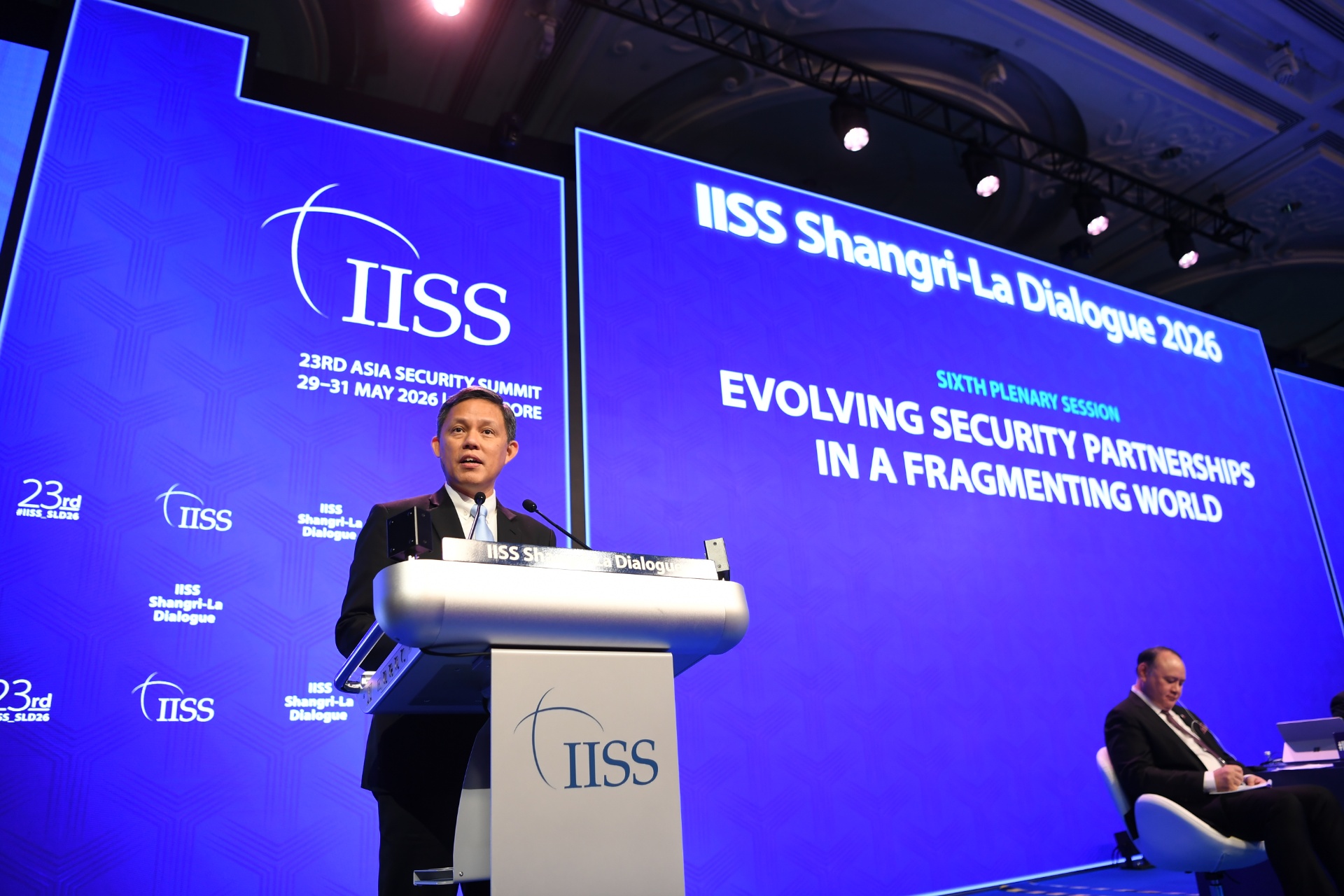
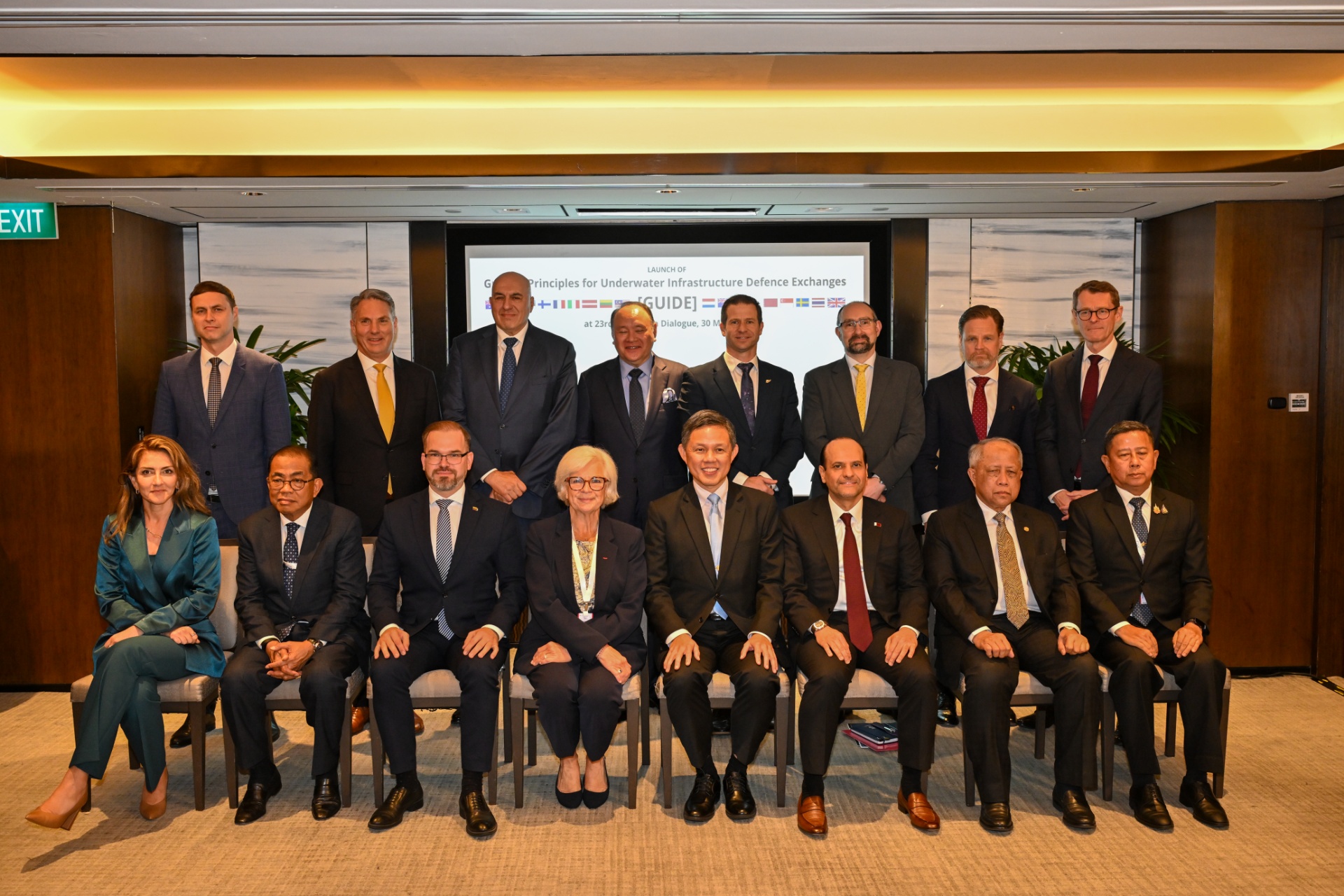
17 countries launch new framework for cooperation on critical underwater infrastructure
30 May 2026
Launched on the sidelines of the 23rd Shangri-La Dialogue, GUIDE is a new framework that brings together countries for defence cooperation in enhancing the security of Critical Underwater Infrastructure.
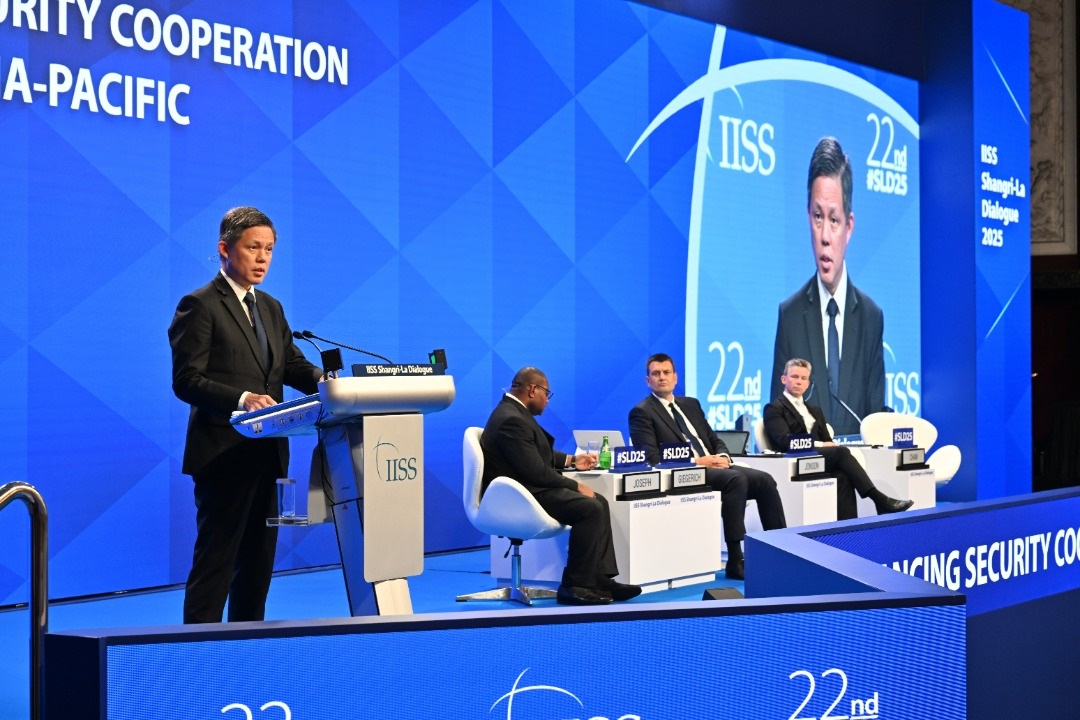
Going alone is not the answer to insecurity – Mr Chan
01 Jun 2025
“Going alone is not the answer to insecurity”, emphasised Minister for Defence Mr Chan Chun Sing at the Shangri-La Dialogue (SLD), held from 30 May to 1 Jun. This was one of his main points at his speech at the sixth plenary session on 1 Jun.
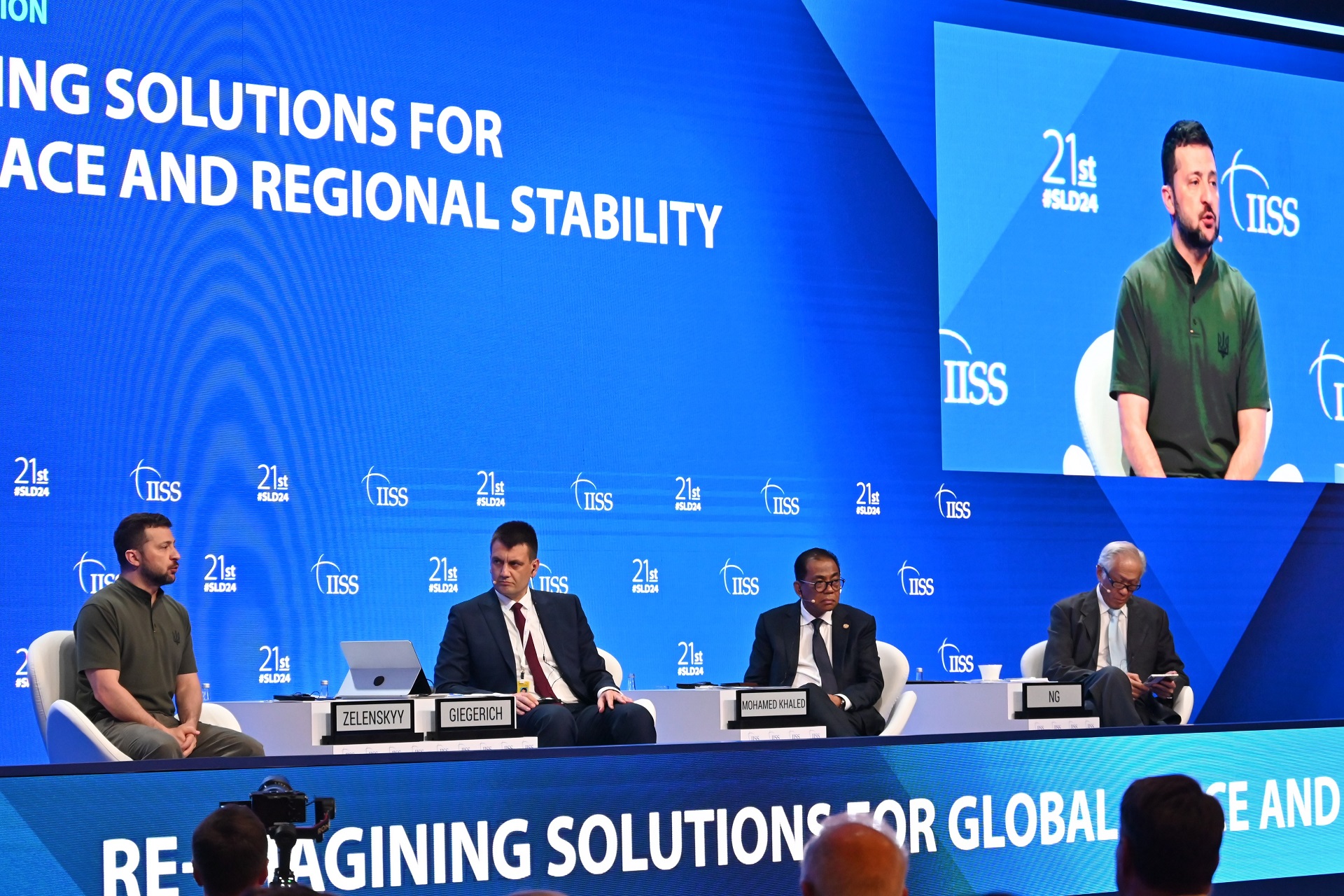
A call for peace at Shangri La Dialogue
02 Jun 2024
A repeated call for peace, especially in Asia. This was Minister for Defence Dr Ng Eng Hen's central message at the 21st Shangri La Dialogue (SLD), held from 31 May to 2 Jun.