
MILESTONES
SOVEREIGNTY, UNITY JOINS LMV FLEET
14 Nov 2017
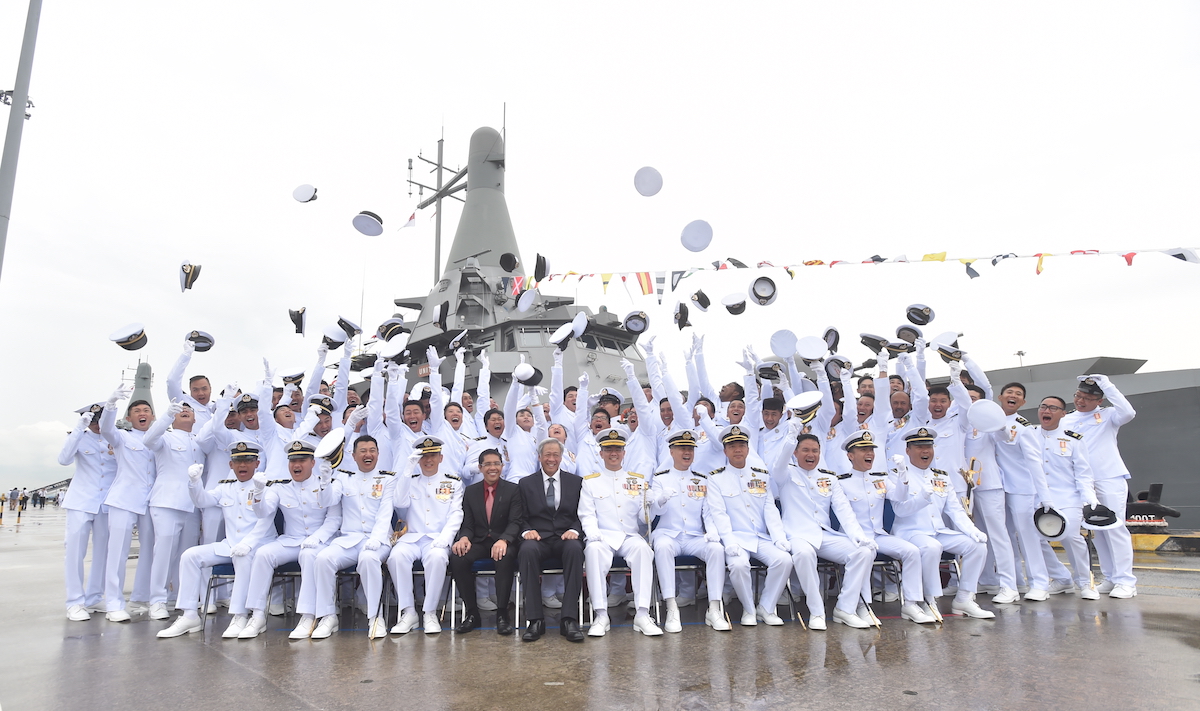
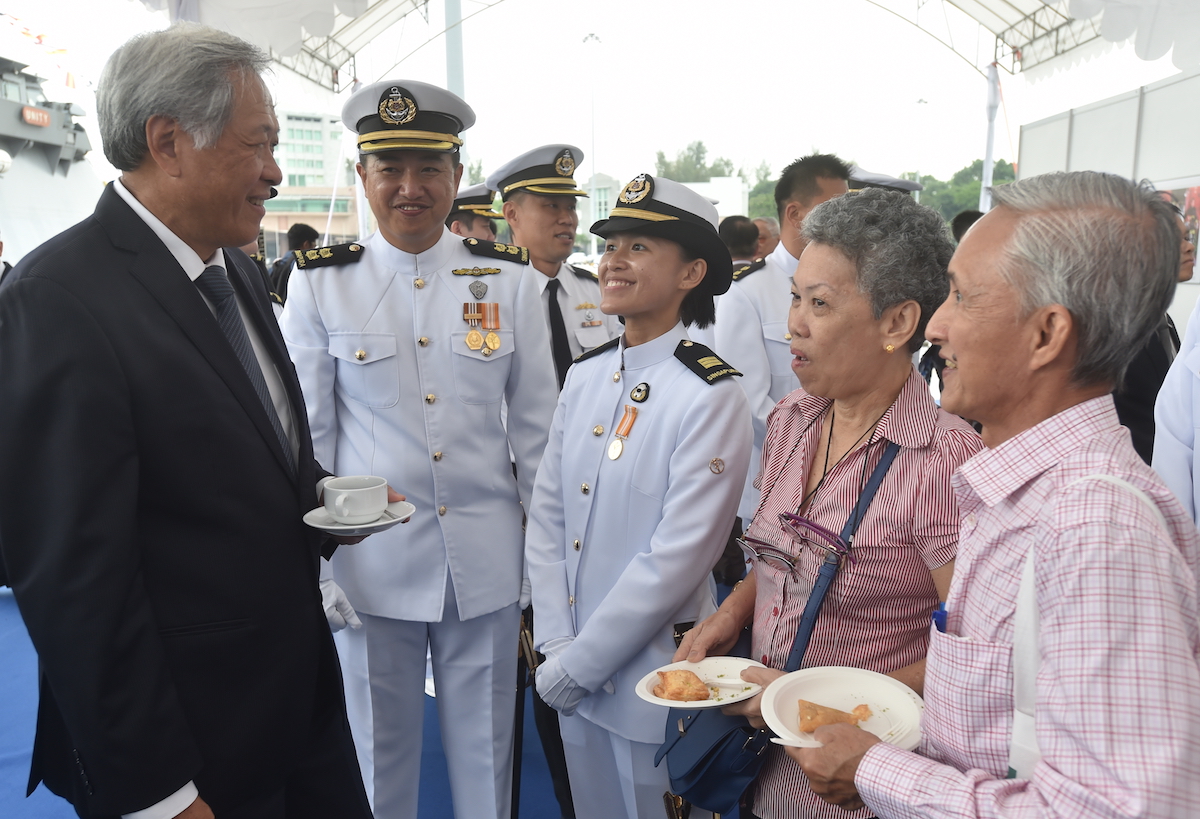
Two new Littoral Mission Vessels (LMVs)- RSS Sovereignty and RSS Unity - were commissioned on 14 Nov with a parade held at RSS Singapura - Changi Naval Base.
Speaking at the parade, Minister for Defence Dr Ng Eng Hen said: "The LMVs represent a quantum jump compared to its predecessor, the Fearless-class patrol vessels the LMVs outperform, by leaps and bounds, the Patrol Vessels (PVs) that were built in the 1990s."
The two new warships are part of an eight-vessel programme to replace the ageing PVs that have been in service for more than two decades. They are the second and third LMVs to be commissioned after the first, RSS Independence, was commissioned in May this year.
A small crew operates the Independence-class LMVs; the 80m-long warship requires a crew size of fewer than 30 sailors. Similar warships operated by other naval forces are typically crewed by 60 sailors.
Said RSS Unity crew member Military Expert (ME) 2 Jegatheswaran: "Although we have fewer people, the ship makes use of technology to make our jobs easier. Work processes are also smoother." He is a Marine Systems Supervisor and has over a decade of experience with the Republic of Singapore Navy (RSN).
For example, starting the twin engines of the PVs used to be done manually. Sailors would have to access the engine compartment to start the engines; fault diagnosis was also done manually.
On the quad-engine LMVs, the engines can be started from the bridge. Fault finding when something goes wrong is also automated.
Said ME2 Mok Kit Mun: "The Integrated Platform Management System generates a preliminary fault diagnosis. In the past, we had to trace the cables manually to literally find the fault and rectify it." She is the Electrical Control Systems Supervisor on RSS Sovereignty.
The RSN and the Defence Science and Technology Agency jointly developed the ships. Apart from automation, the LMVs are also modular - different mission systems can be plugged into the ship to enhance or augment its capabilities when it is tasked to specific missions.
Explaining the modular concept, RSS Unity's Commanding Officer (CO) Lieutenant Colonel (LTC) Lee Jun Meng said: "As threats and missions evolve, being mission modular (means that) when there is a new need, we can develop the capability and put it on the ship, plug in our cables and be able to fight as an integrated system."
The remaining five LMVs are expected to be operational by 2020.


ALSO READ IN MILESTONES
Lifelong learners in the SAF
21 Jul 2026
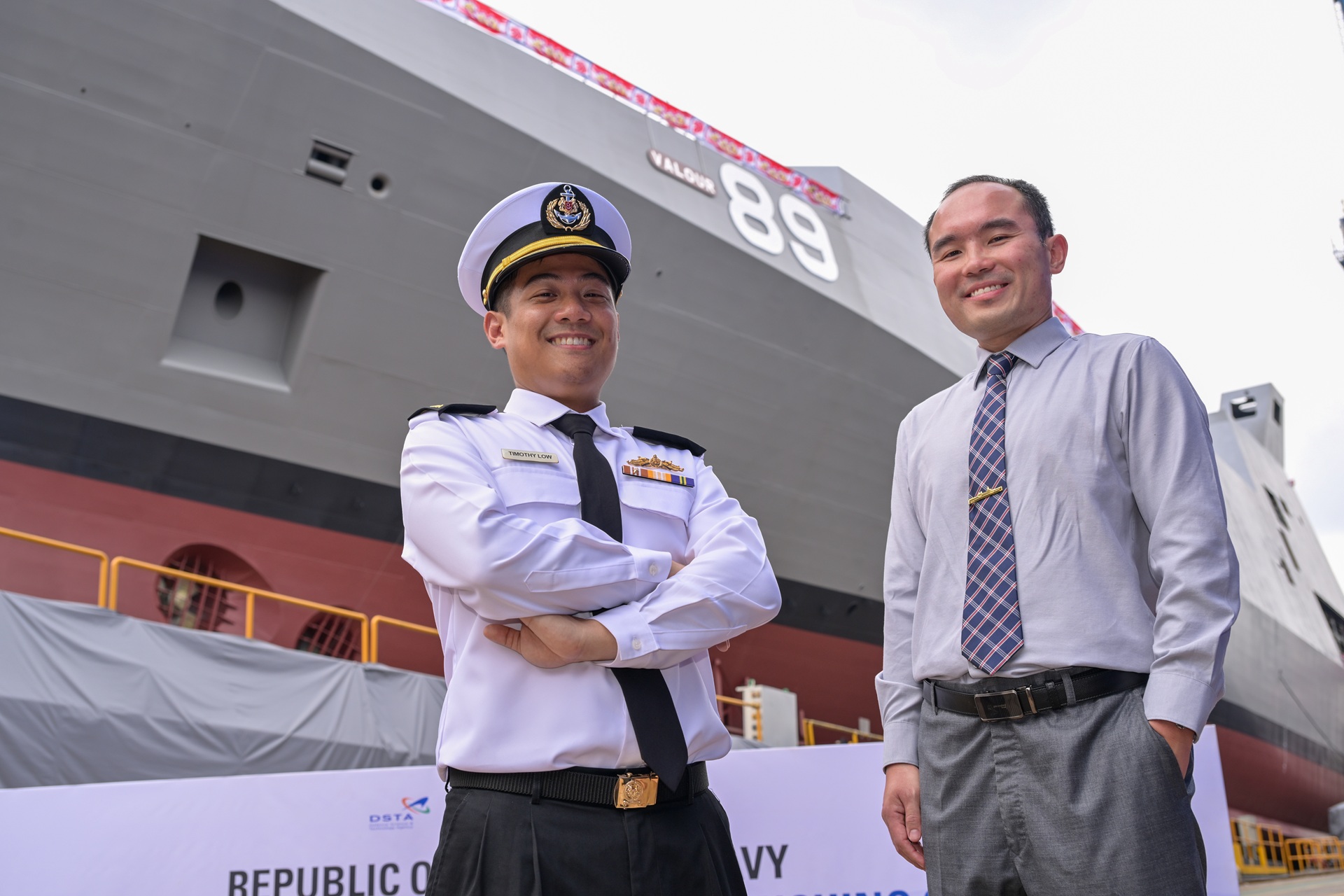
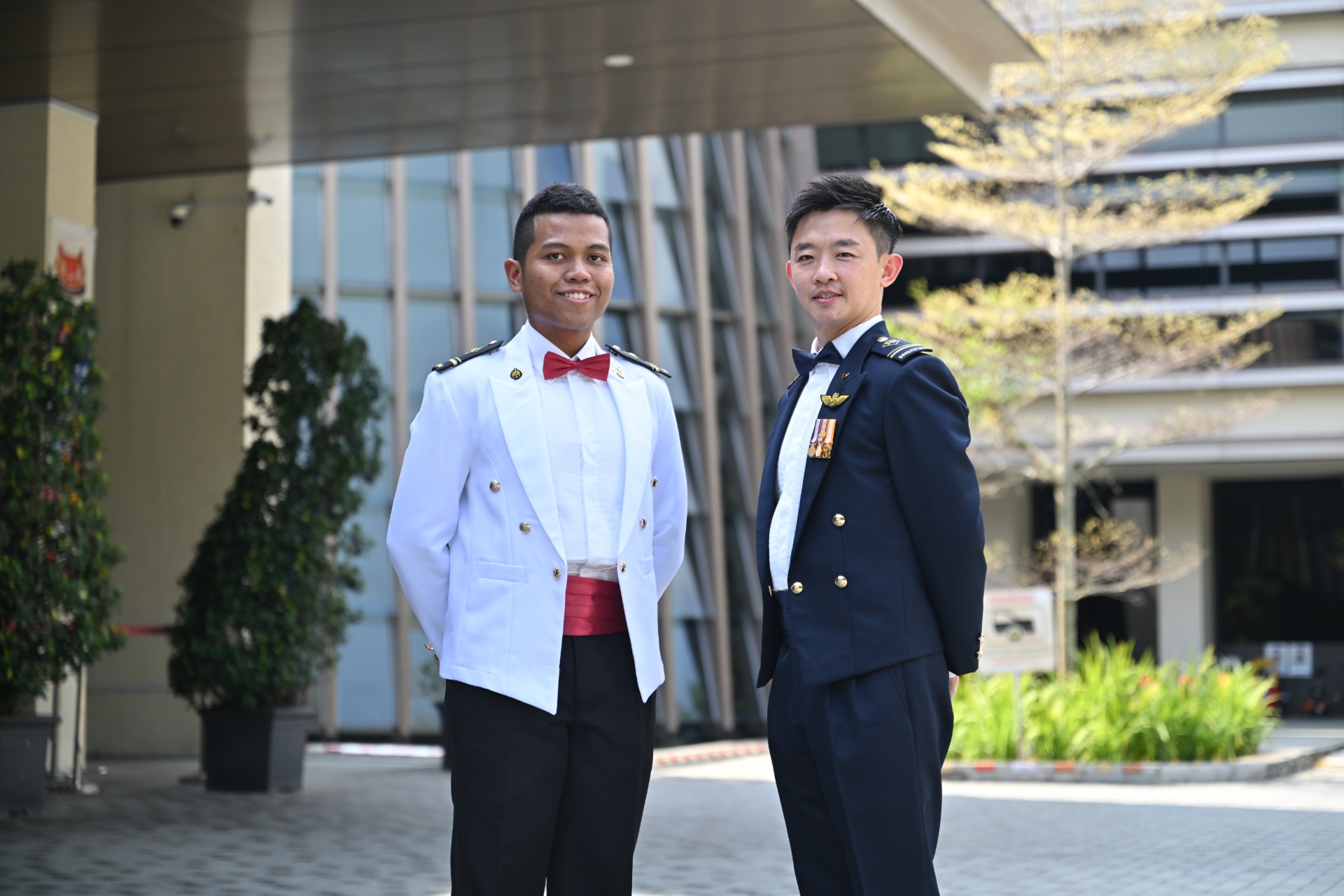
Meet Senior Military Experts ME4 Muhammad Fikri Bin Suhaimi and ME4 Bai Ruiliang who are proving that you’re never too old to learn something new and chase your dreams.
Booming in the Basin: Bringing the Presidential Gun Salute to Kallang for NDP 2026
19 Jul 2026
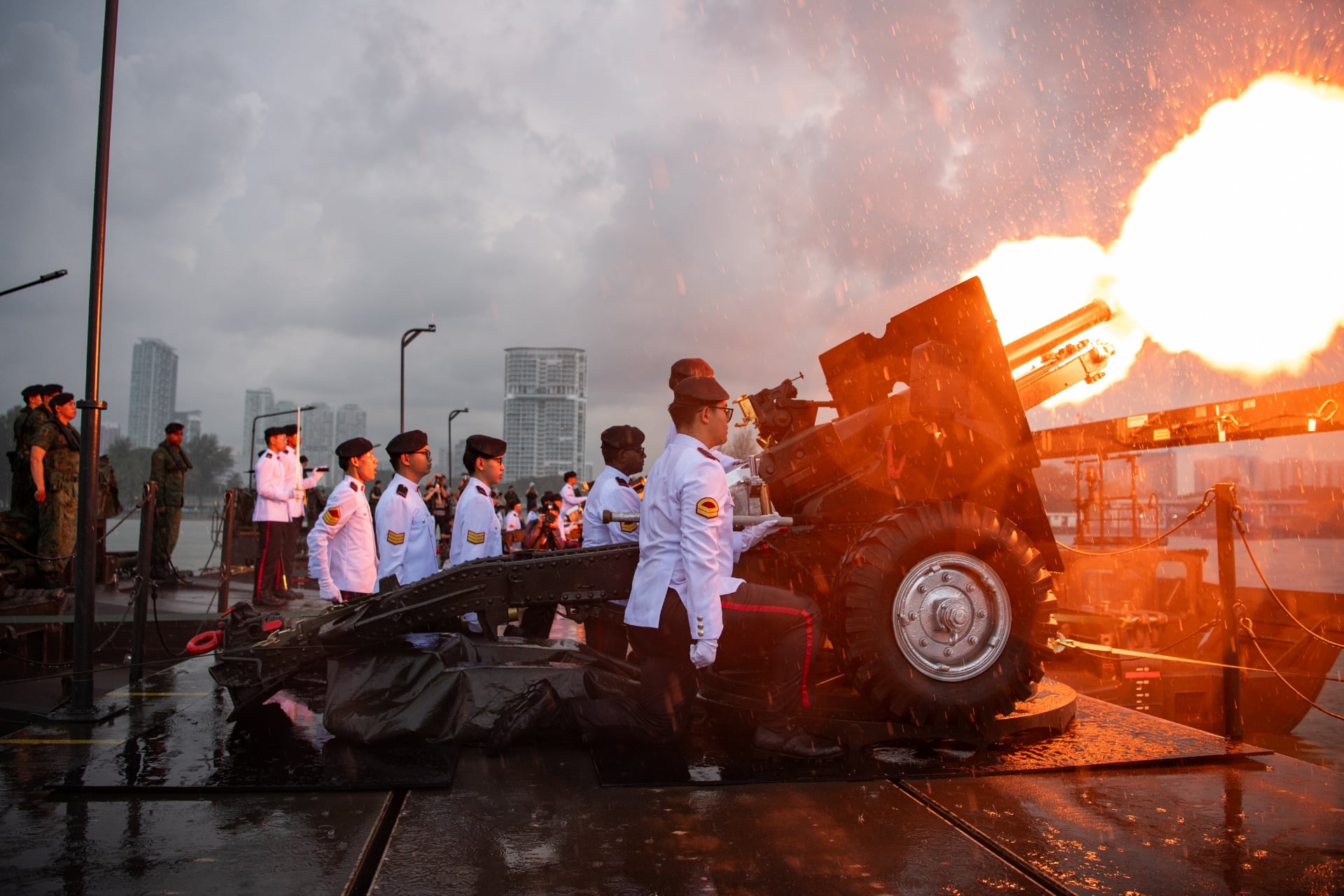
This year’s National Day Parade (NDP) brings the power and precision of the Presidential Gun Salute closer to spectators at the Kallang Basin.
Reaffirming their dedication to S’pore’s defence
01 Jul 2026
The SAF commemorates its 61st anniversary on 1 Jul at the SAF Day Parade as well as rededication ceremonies held across Singapore.