
COMMUNITY
SAF TO TAKE TECHNOLOGY ONE STEP FURTHER
16 Feb 2016
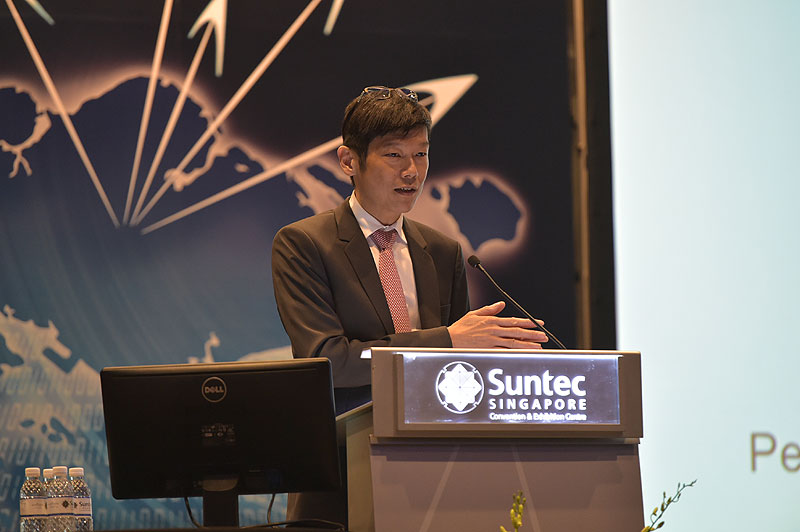
In the face of an uncertain security landscape, the Singapore Armed Forces (SAF) needs to look towards technology to help build its capabilities and platforms. This will provide the latter with the flexibility to be configured for different types of missions.
This was a point made by Permanent Secretary (Defence Development) Ng Chee Khern in his keynote address at the Singapore Aerospace Technology and Engineering Conference (SATEC) 2016, held in conjunction with the Singapore Airshow, on 15 Feb.
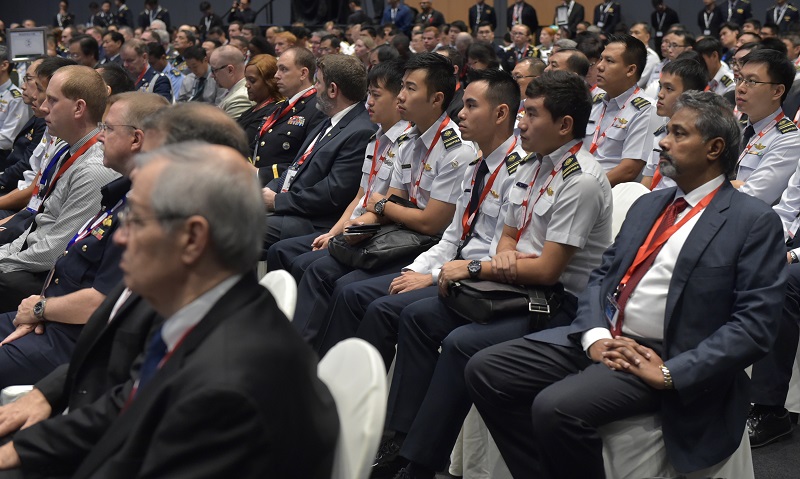
The biennial conference, jointly organised by the Republic of Singapore Air Force (RSAF) and Singapore Institute of Aerospace Engineers, is a platform for defence officials, aerospace engineers, researchers, industry and local academia leaders to exchange views on key developments in aerospace technology and engineering.
Speaking to more than 450 participants, Mr Ng outlined several approaches that the SAF could adopt with the use of technology, including designing for flexibility, developing complex system-of-systems, and designing for support.
In the area of flexibility, Mr Ng said that the RSAF's new Multi-role Transport Tanker was one such platform which provided the SAF with both medium-lift and air-to-air refuelling capabilities.
Mr Ng noted that the idea of designing for flexibility was "easier said than done", and that some trade-offs would be inevitable. This meant that it was crucial for both the operators and technologists to work closely together during the development cycle.
"We will need to find ways for the operators and technologists to better collaborate and understand the implications of the trade-offs before the design is finalised," said Mr Ng.
Another approach he spoke about was the development of integrated and networked systems, and how it could be taken one step further.
Citing the RSAF's 3rd Generation Networked Air Defence system, he noted that its integrated suite of sensors provided a common real-time air picture which enhanced situational awareness for better decision making. This also allowed the RSAF to respond faster to aerial threats.
With the proliferation of technologies such as artificial intelligence, the SAF will have to look into integrating these technologies in the next development of networked systems.
Mr Ng explained: "This will allow us to achieve a quantum leap in our capabilities, in which our networked systems will be able to self-monitor, self-diagnose, self-correct and even self-learn."
To overcome manpower constraints, the SAF also has to shift towards a "design for support" approach. This includes incorporating technologies and intelligence to reduce maintenance demands of the platform, and applying automation and robotics, such as unmanned aircraft towing systems, to reduce maintenance workload.
While these were ideas to be explored, Mr Ng also urged the participants to remember the needs of the people operating the technologies, and the environment that these technologies are being used in.
"The way we innovatively apply technology to bring the SAF forward in the future must take into consideration the future operating environment and our challenges," he said.

ALSO READ IN COMMUNITY
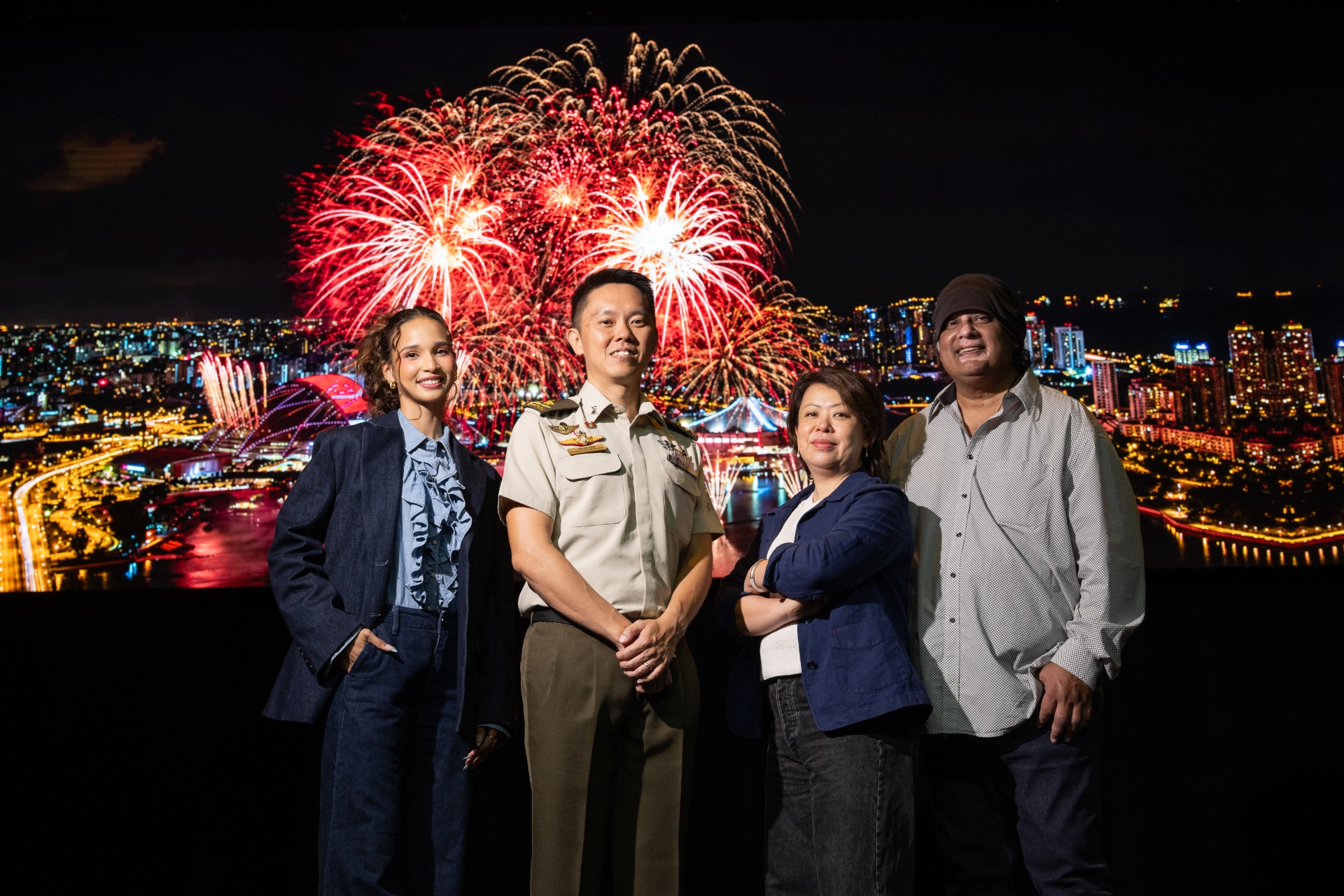
MINDEF launches new network for volunteers to contribute to national defence
12 May 2026
Whether you’re young or old, a Singaporean, PR, new citizen or foreigner, the Singapore Defence Volunteer Network offers new and expanded opportunities to take part in the nation’s defence.
Letters from my mum
06 May 2026
This Mother’s Day, servicemen share the heartfelt letters they received from their mums during their BMT field camp.
Every Singaporean Son IV: Meet our Specialist Cadets
09 Feb 2026
Who are the sons (and daughters) hoping to earn their chevrons? Watch the latest season of Every Singaporean Son, as they enter Specialist Cadet School on their way to becoming leaders in the SAF.