
OPS & TRAINING
SAF PRIMARY HEALTHCARE EFFORTS IN FULL SWING
06 Jan 2005
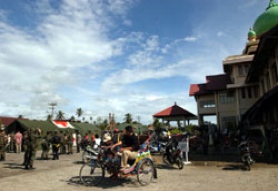
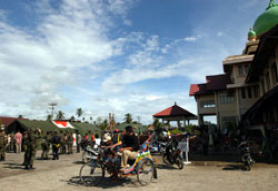
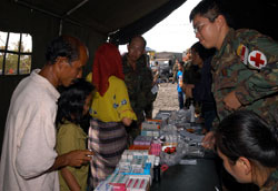
The two medical tents - one manned by Singaporeans, and the other, Indonesians - stood side-by-side in the blistering heat of Meulaboh as scores of locals milled round, waiting for their turn to get medical help.
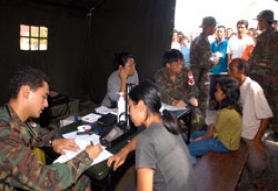
The Indonesian Armed Forces (TNI) medical personnel carry out registration of all patients before referring a portion of the cases to the public healthcare team from the Singapore Armed Forces (SAF) Humanitarian Assistance Task Force (HATF, formerly known as the Joint Humanitarian Assistance Task Force).
The field tents are located near the city centre at Bupati, a local government building, which is now home to about 1,500 locals seeking shelter after their houses were destroyed by the towering tsunami waves that ravaged coastal areas in South Asia over a week ago.
The Medical Team Commander for SAF HATF, Colonel (COL) (Dr) Edwin Low, said the public healthcare team would be staying put at Bupati over the next few days as it was more centralized and accessible to the residents of the coastal town in West Sumatra.
"The most important thing now is constancy. People know we are here and can come to get help. Other areas can be as deep in as 50 kilometres and just waiting for vehicles to transport us slows down the operations," explained COL (Dr) Low.
Patients stream in throughout the day, hitching a ride on motorcycles or trudging slowly across the rubble and dirt paths from all over town. Their ailments range from the common cold to injuries and cuts that may need suturing or repeated treatment.
Some wounds had been left untreated for more than a week since the killer waves struck and were festering with pus.
The 12-man SAF primary healthcare team sees up to 150 patients in four hours, with the peak period of consultation every day around 11am to 3pm.
The team also includes volunteers from the Singapore Civil Defence Force and nurses from Changi Hospital and Singapore General Hospital.
Currently, the two key priorities of the team are to meet primary healthcare needs in the area and outlaying areas in Meulaboh, and to help improve the living conditions of the 1,500 displaced people in Bupati.
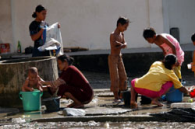
Said COL (Dr) Low: "These people have no electrical supply, except for a few hours at night. There is a well at the back of the building, but sometimes, there is no water since there are so many people using it."
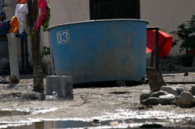
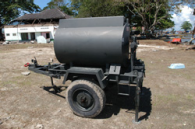
"As for drinking water, they all have to share from this blue storage tank that the TNI tops up."
"I have recommended that we help to provide water and electricity, to reactivate sanitation in Bupati. This is crucial to prevent outbreaks. With sanitation, food and water, half the battle is won. As for restoration of the town, that takes time."
The SAF HATF has brought in a water purification unit that can churn out 500 litres of water in an hour, using reverse osmosis. The first batch of desalinated sea water has already been tested and deemed suitable for consumption.
Besides the primary healthcare team that began operations on 3 Jan, there is also an SAF surgical team, located in a local hospital.
There are, in all, 50 SAF doctors, nurses and medics, including six volunteers, who attend to locals on a daily rotational basis.

ALSO READ IN OPS & TRAINING
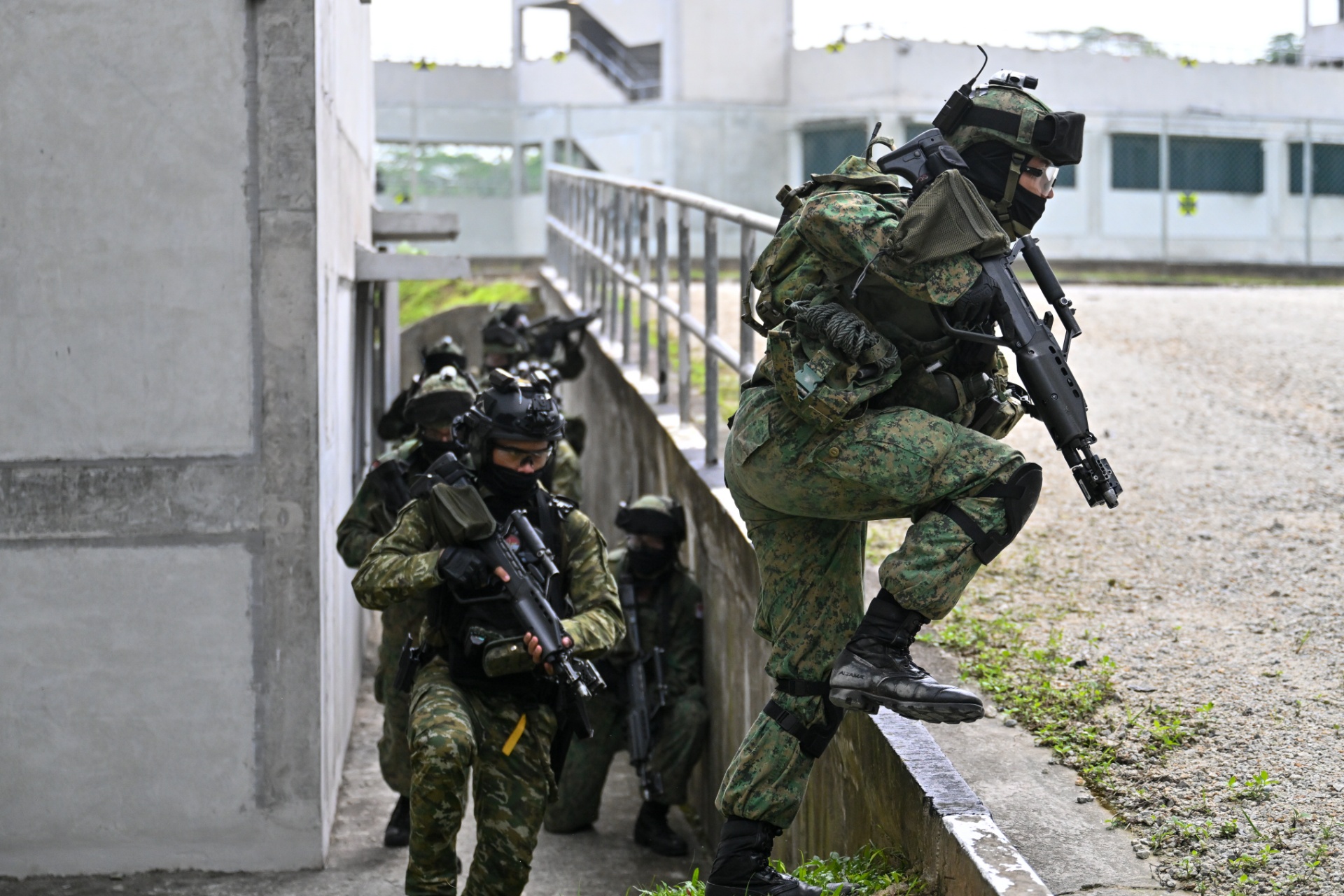
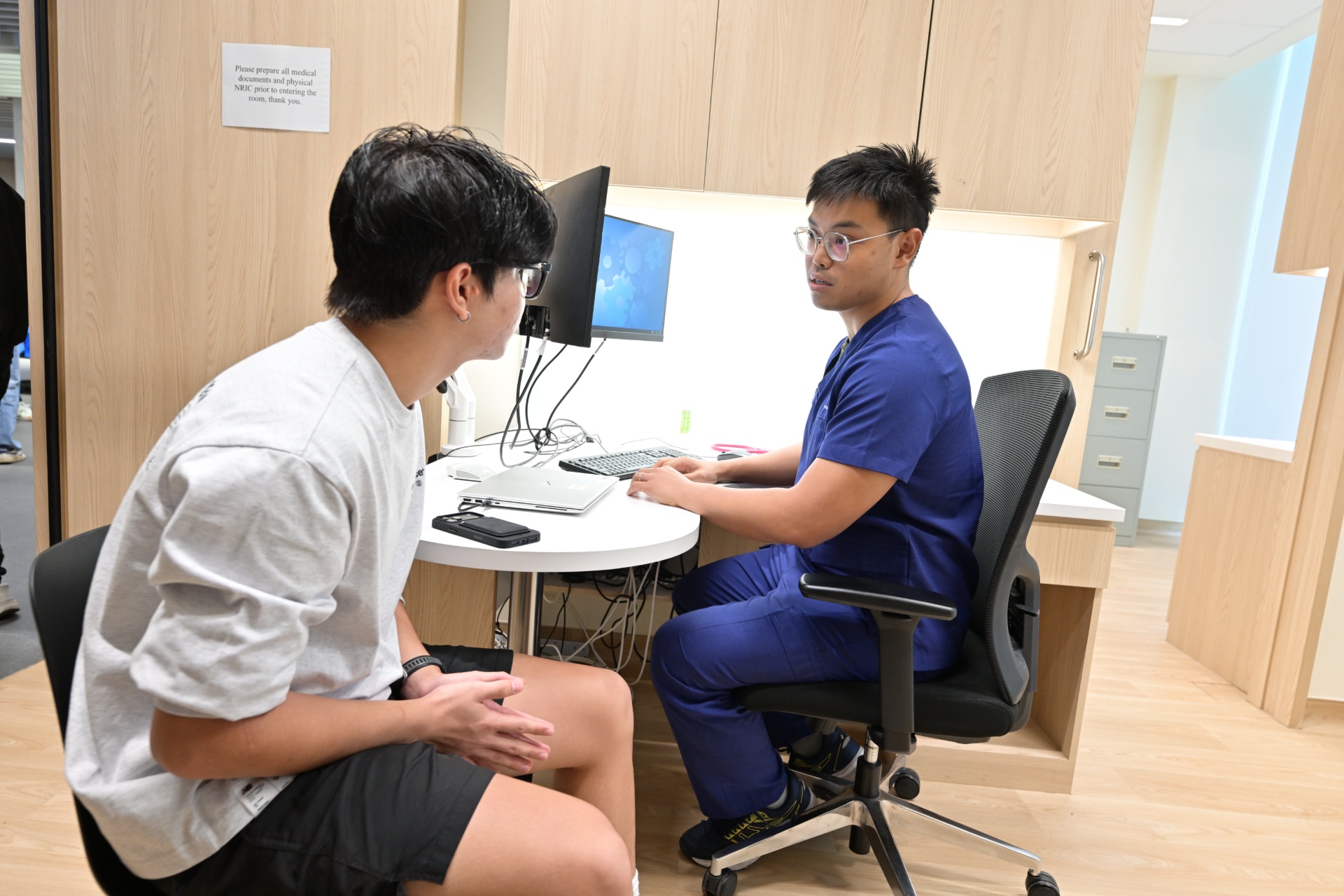
SAF & Home Team to refresh Medical Classification System
13 Apr 2026
The refreshed system will allow about 1,200 servicemen annually to be deployed for vocations and roles they were ineligible for previously.
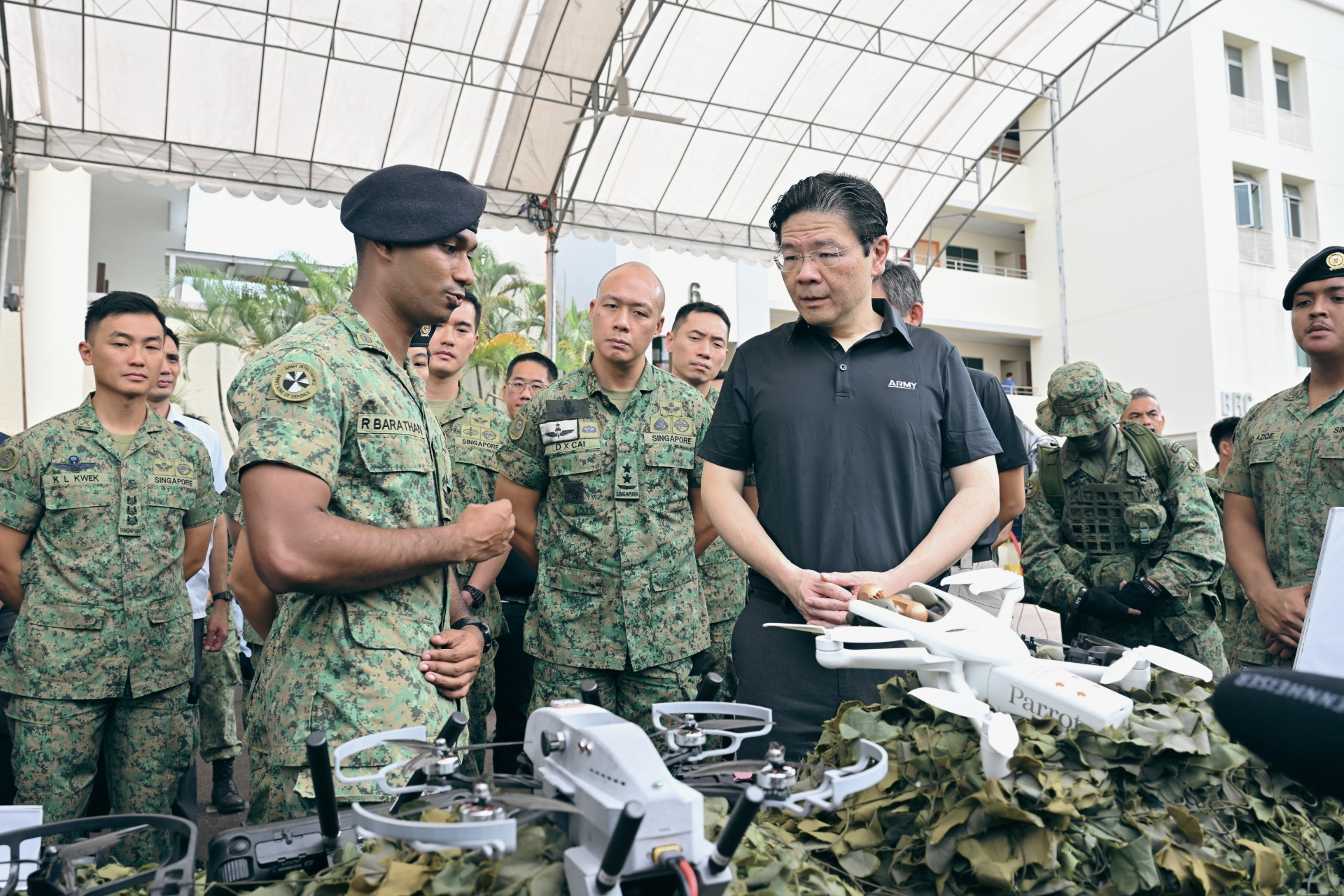
Prime Minister Lawrence Wong observes SAF’s sense-strike integrated capabilities
09 Apr 2026
He witnessed the SAF’s ongoing efforts in leveraging advanced robotics and cross-Service integration to secure Singapore’s interests in an increasingly volatile world.
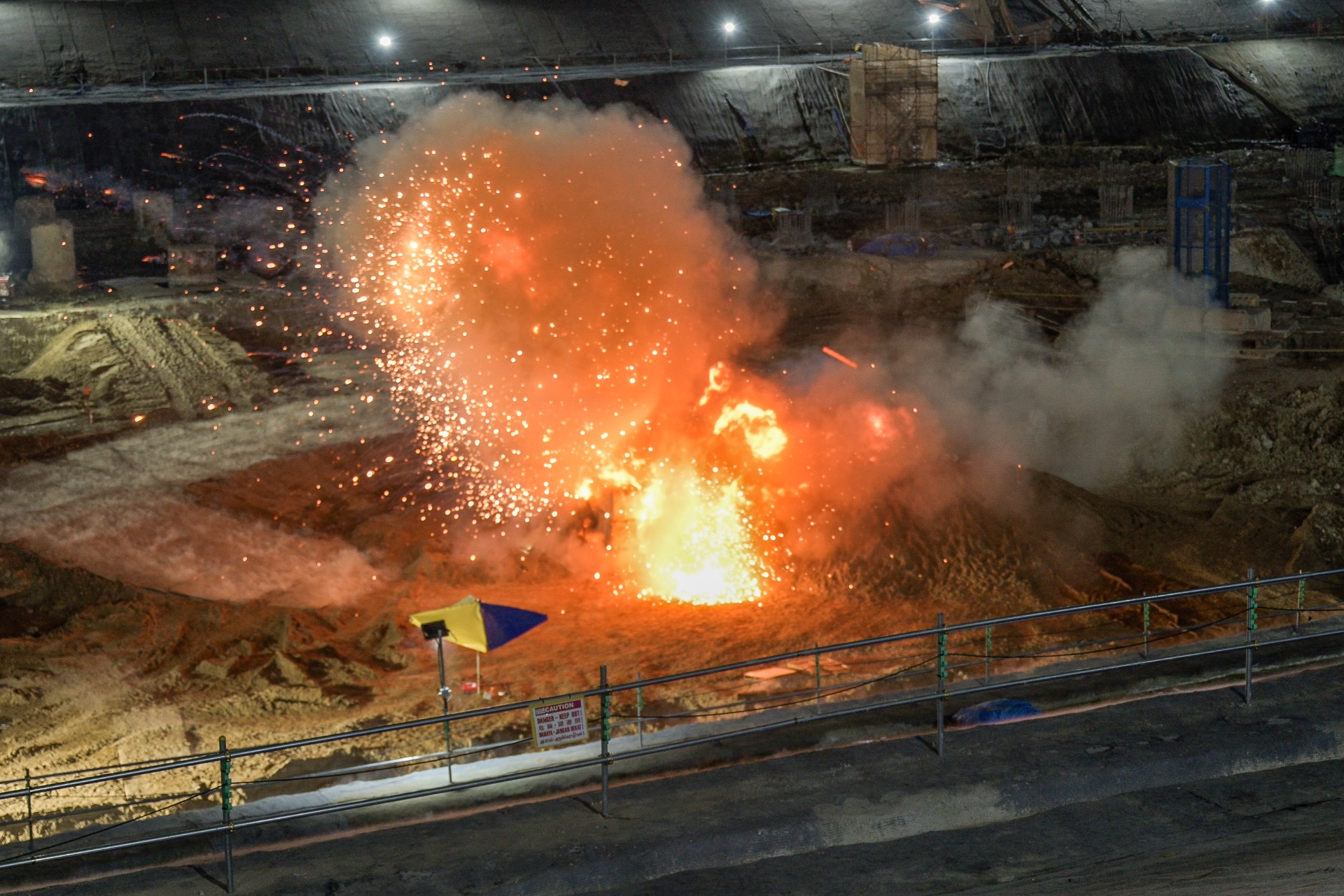
SAF detonates 250kg WWII bomb uncovered at Tanah Merah Coast Road
02 Apr 2026
On 2 Apr, the SAF’s Explosive Ordnance Disposal (EOD) team successfully disposed of an unexploded war relic found at Tanah Merah Coast Road.