
DIPLOMACY
SAF COMPLETES NEPAL RELIEF OPS
12 May 2015
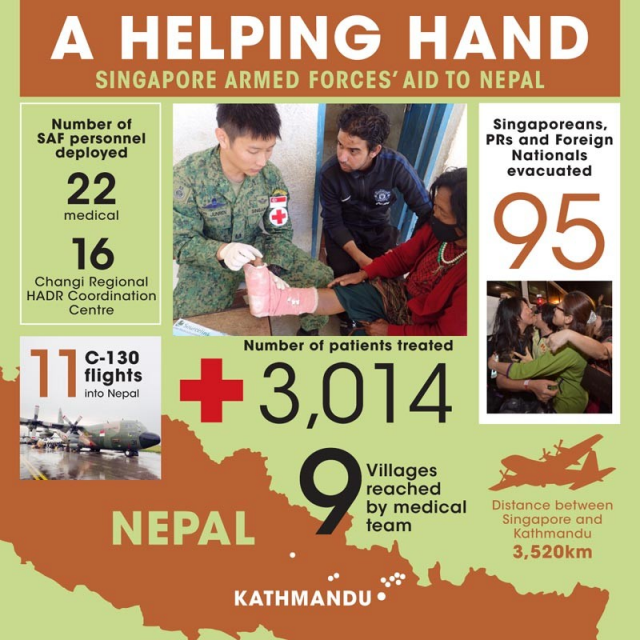
The Singapore Armed Forces (SAF) contingent has concluded its Humanitarian Assistance and Disaster Relief (HADR) operation in earthquake-hit Nepal, and returned to Singapore on 11 May.
During the 12-day deployment, the SAF medical team used the town of Gokarna as a base and treated more than 3,000 patients. They worked alongside their counterparts from the Singapore s Ministry of Health (MOH) as well as the Royal Brunei Armed Forces (RBAF) who joined them along the way.
The combined medical team also formed roving medical teams to reach out to remote villages in the vicinity.
The SAF contingent also included a team of personnel from the Changi Regional HADR Coordination Centre (RHCC) that assisted the Nepalese Army in coordinating the multinational relief efforts.
Minister for Defence Dr Ng Eng Hen, who welcomed the returning contingent at Paya Lebar Air Base, commended their contributions to the Nepalese.
"I am very happy that Singaporeans have a big heart and when others are in need, they step up. All around, I think this has been a very good mission. We have been able to do what we wanted to do," said Dr Ng.
For Military Expert (ME) 4 Tan Puay Meng, a Military Medical Expert, the biggest takeaway was being able to help people who were left stranded in remote areas.
"They have no means to get to any health-care facility from the mountainous areas to seek help," recalled the 38-year-old, who was part of a roving medical team that went into remote villages up in the mountains, a two-hour journey by vehicle.
Language was no barrier when it came to showing care and concern.
Medic ME1 Shorini Dhurga recalled comforting a 12-year-old Nepalese boy while the 6cm-cut on his knee was being stitched up by an SAF doctor.
"He just leaned on me and started wiping his tears on my shoulder. At that point of time, all I could do was just put my hands around his shoulders and just comfort him.
"He doesn t know English; I have no knowledge of Nepali. There was this silence (which was) quite emotional," said the 24-year-old medic who was on her first overseas mission.
Short notice
The SAF servicemen and women were deployed at noon on 26 Apr at short notice. But they were professional and had remained resolutely focused on the mission
For instance, ME4 Tan was with his wife at a Starbucks cafe when he received the call to report for the mission. He had only a few hours to prepare himself.
"What went through my mind was what are the things I needed to do to prepare my team, both emotionally and also logistically," recalled the SAF Regular who is married with two children. He had been to six overseas operations before this.
Changi RHCC s role
Dr Ng also commended the efforts made by Changi RHCC in helping with the coordination of the relief efforts. This was its first mission since it turned operational last year.
He described it as a major deployment, led by its director on the ground in Nepal.
Changi RHCC provided a real-time common operating picture that showed where help was needed most, and the locations of search and rescue as well as medical teams.
Colonel (COL) Lim Kwang Tang, Director of Changi RHCC, said: "At one look, you know where are the gaps, and where are the areas where actually there were duplicates of teams on the same spot."
COL Lim, who was also the overall mission commander of the 38-strong team from the SAF, cited the example of how the SAF medical team was initially deployed to Sankhu village where three other foreign medical teams were already present.
He explained that such HADR operations are chaotic especially during the initial phase. Therefore there was a need for a common platform, such as the SAF s OPERA Command and Control Information System, to share information, to optimise resources and render assistance as fast as possible.
The system was used at daily briefings held at the Multinational Military Coordination Centre and several foreign relief teams found it so useful that they requested for accounts to access it. Those that asked for the accounts included teams from the United States, the United Kingdom, Canada, Australia, Israel and Thailand, as well as the United Nations Office for the Coordination of Humanitarian Affairs.
Going forward, the Changi RHCC will work on making the software more user-friendly for non-military personnel, such as those from non-governmental organisations, COL Lim added.
He elaborated that the OPERA system was designed for the militaries. As a result, the civilians had to be guided by the Changi RHCC personnel in interpreting elements such as air photographs and military symbols.
The Republic of Singapore Air Force s C-130 aircraft had earlier on 28 Apr evacuated 71 Singaporeans and 24 foreigners from the disaster-hit country.
The aircraft made 11 flights into Nepal to bring personnel, equipment and relief supplies since 26 Apr.
The SAF also donated $150,000 worth of humanitarian aid supplies, which included tents, blankets, portable lights, and food to Nepal.


ALSO READ IN DIPLOMACY
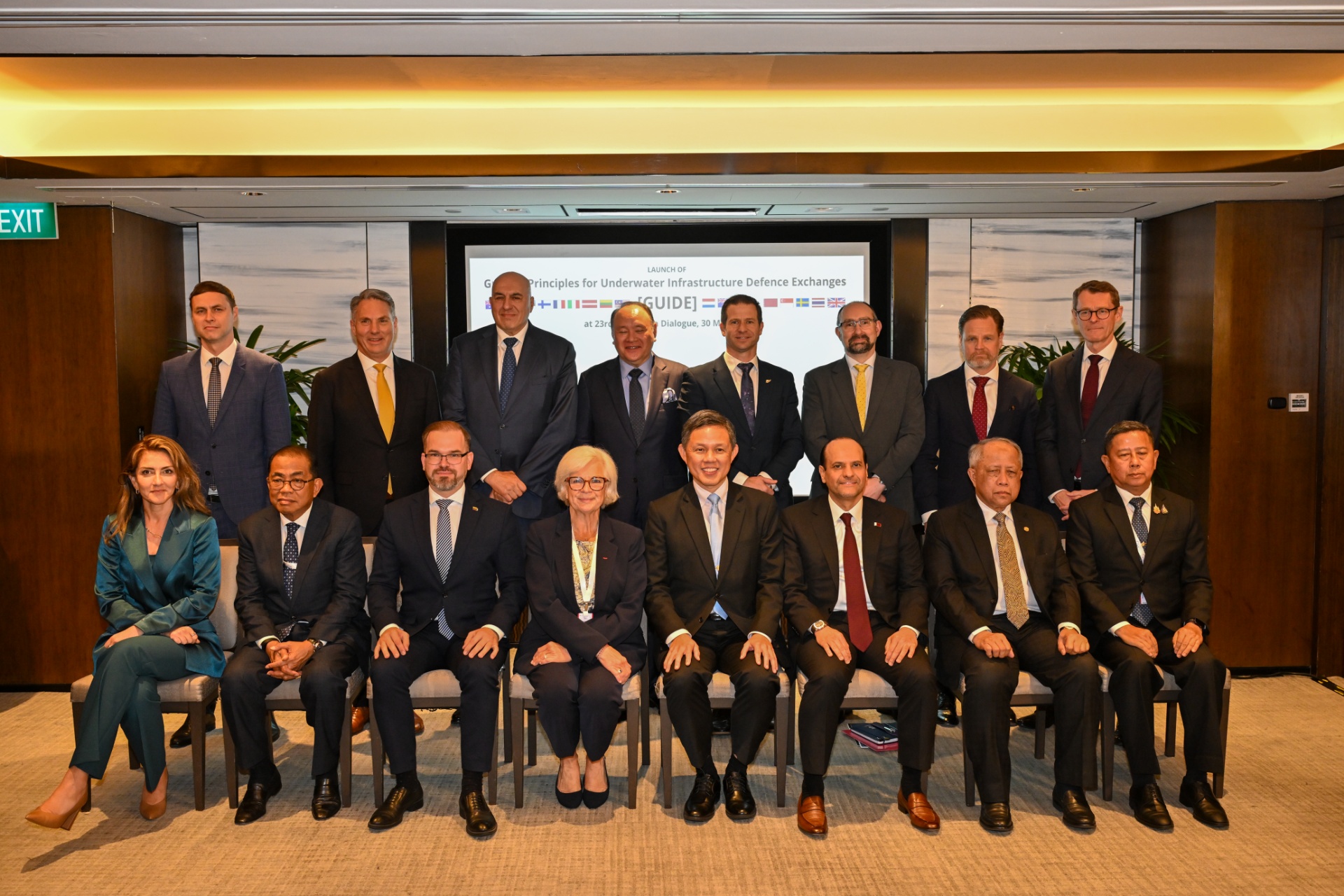
17 countries launch new framework for cooperation on critical underwater infrastructure
30 May 2026
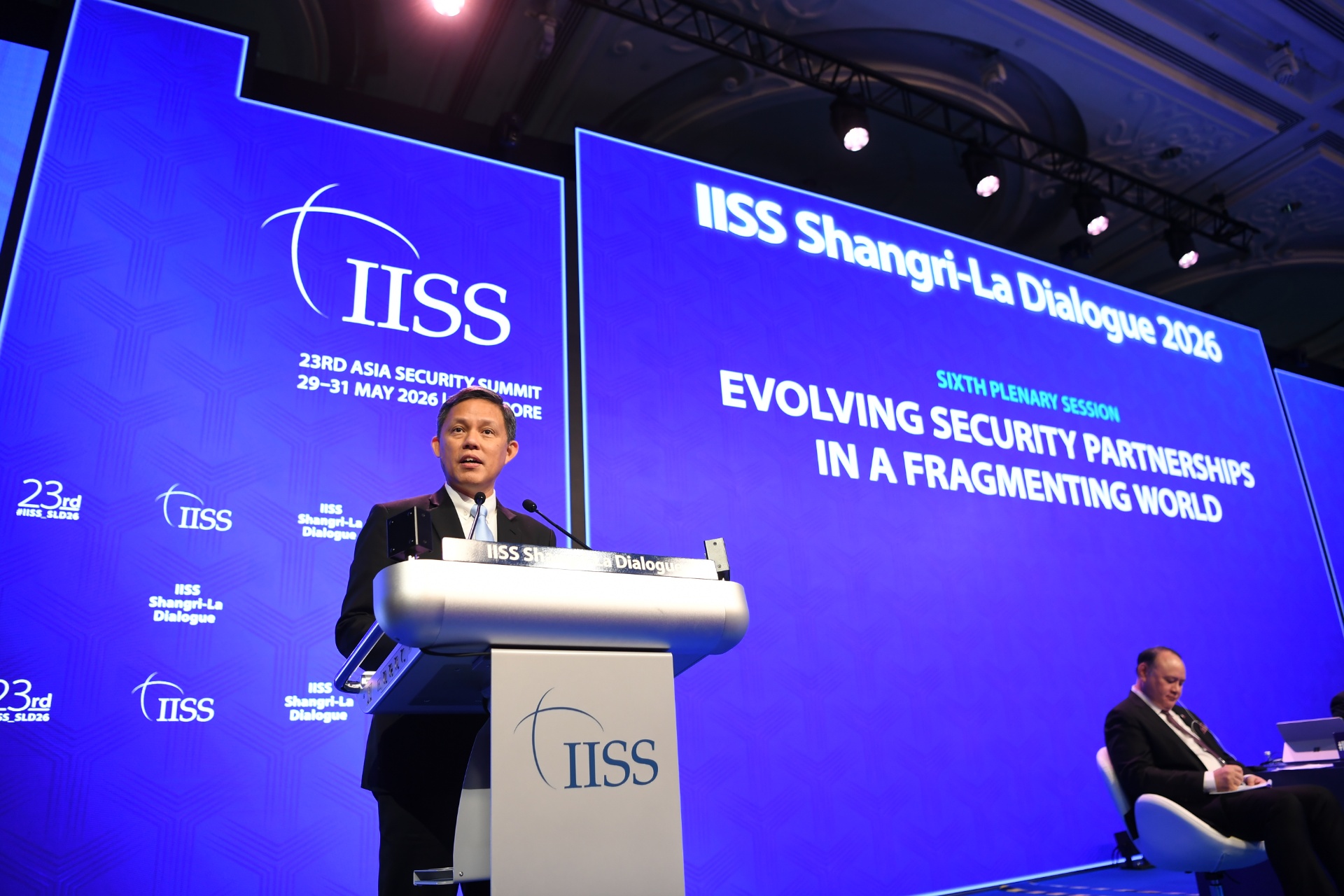
Launched on the sidelines of the 23rd Shangri-La Dialogue, GUIDE is a new framework that brings together countries for defence cooperation in enhancing the security of Critical Underwater Infrastructure.
Going alone is not the answer to insecurity – Mr Chan
01 Jun 2025
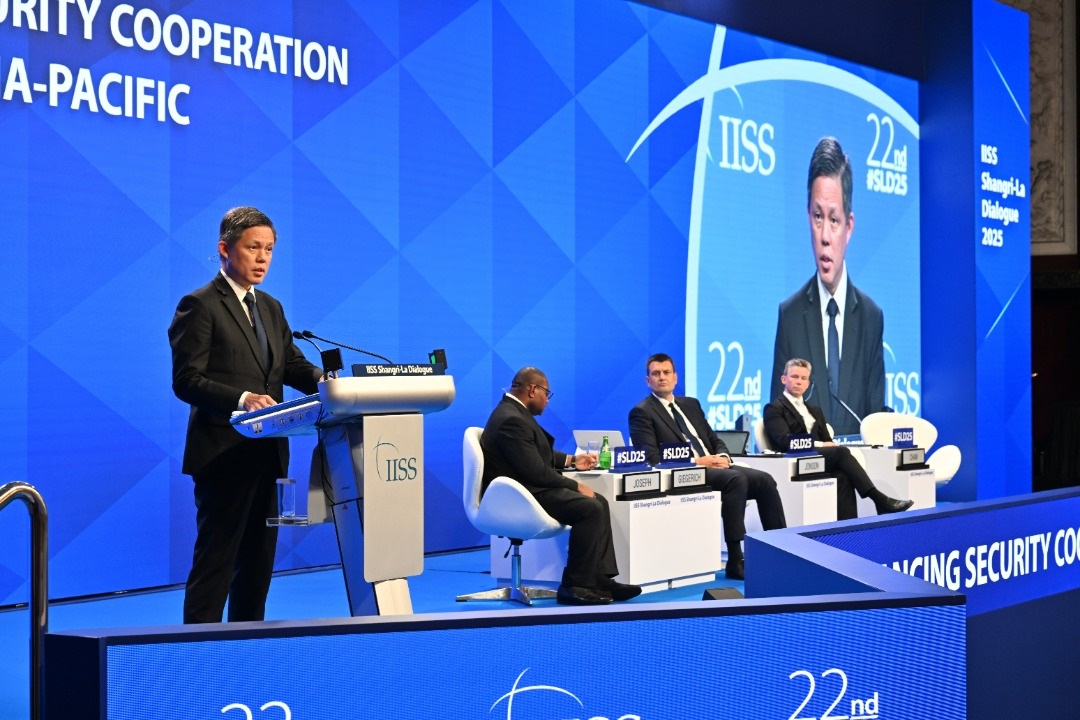
“Going alone is not the answer to insecurity”, emphasised Minister for Defence Mr Chan Chun Sing at the Shangri-La Dialogue (SLD), held from 30 May to 1 Jun. This was one of his main points at his speech at the sixth plenary session on 1 Jun.
A call for peace at Shangri La Dialogue
02 Jun 2024
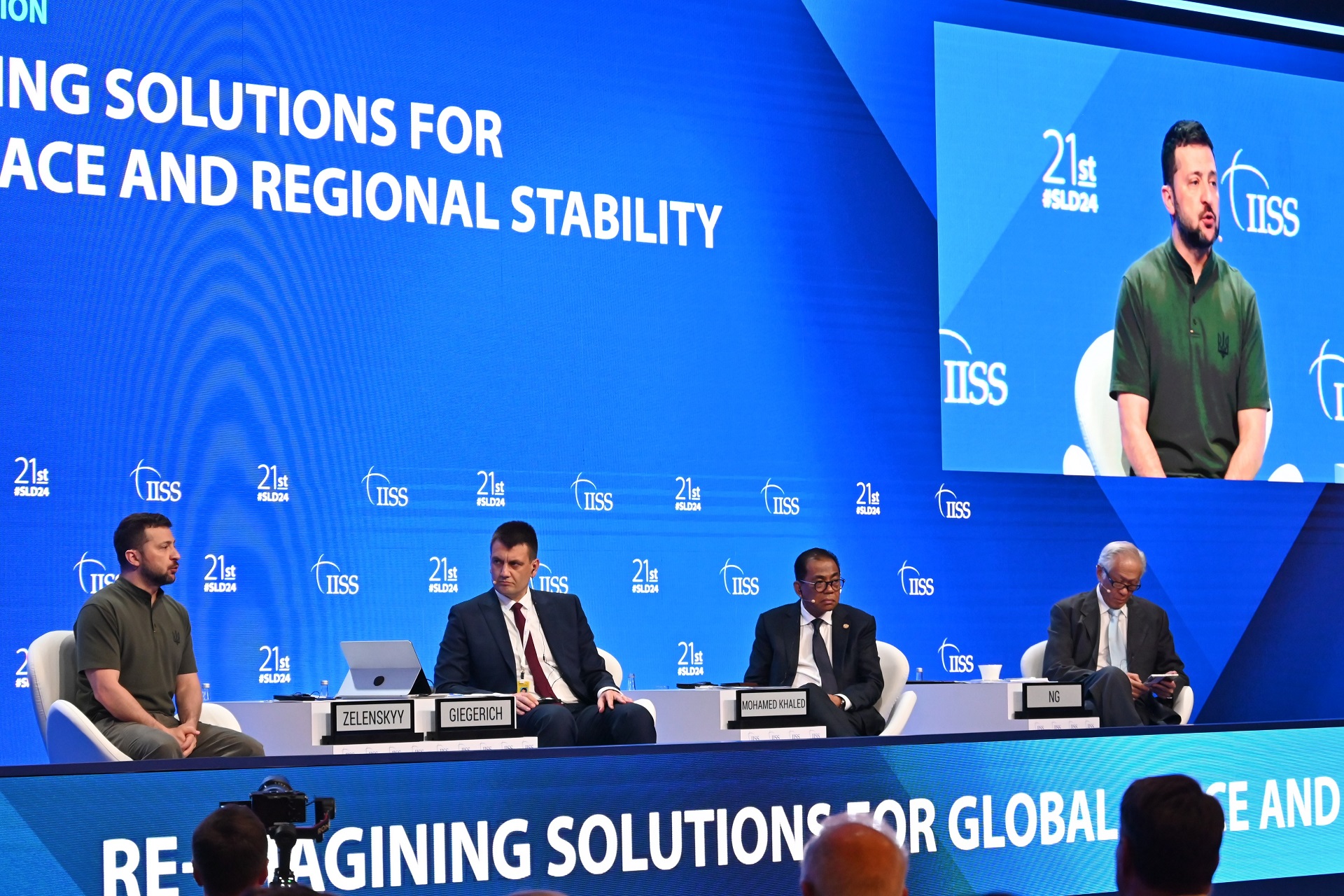
A repeated call for peace, especially in Asia. This was Minister for Defence Dr Ng Eng Hen's central message at the 21st Shangri La Dialogue (SLD), held from 31 May to 2 Jun.