
OPS & TRAINING
PREVENTING TRAINING INJURIES
18 Oct 2006
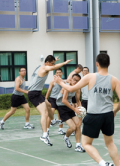
Managing 'weekend warriors'
According to COL (Dr) Teo, almost 20 per cent of injuries within the SAF result from sporting activities. However, more often than not, these injuries happen to soldiers not when they are training, but during their free time outside their camps.
"We refer to them as the 'weekend warriors'," said COL (Dr) Teo. "This group exercise infrequently and are not well-conditioned. But over the weekends, they participate in soccer matches or attempt runs, and so return to their camps on Monday with injuries sustained from these activities."
COL (Dr) Teo stressed that proper warm-ups and adequate hydration are just two of several simple steps soldiers should follow to help prevent injuries from occurring. And do remember that it can take a few weeks to prepare for strenuous exercises, not something you do overnight!
Overweight soldiers should also pay greater attention to the prevention and management of sports injuries. COL (Dr) Teo explained: "The excess weight the soldiers carry make them more susceptible to training injuries, with greater stresses on their joints like the ankles and knees. Such soldiers are also more likely to suffer from heat disorders as they tire more easily."
Are there specific vocations in the SAF that are more prone to injuries? Not really, answered COL (Dr) Teo, but trainees are more likely to get injured.
"There is a change in environment, from a civilian life into a military one. Hence the Army has many physical fitness programmes to help prevent and reduce injuries. Our commanders are also taught what to do should injuries occur," revealed COL (Dr) Teo.
For example, commanders go through combat life-saving courses and first-aid courses as part of their training at the School of Infantry Specialists (SISPEC) and Officer Cadet School (OCS). They can provide first responder medical assistance to injured soldiers onsite even before the arrival of medical personnel. In addition, the Injury Prevention Programme would enable ground commanders to institute immediate first-aid treatment like applying ice and bandaging.
'Treat' yourself
But while there are commanders, medical officers and medics around to provide the best care and management of injuries, each soldier must also be responsible for his own safety and recovery, said COL (Dr) Teo.
"It is a patient-doctor relationship. The doctor sees the patient probably once every two or three weeks; but every day, the patient can manage the injury himself. With this video, we want to show soldiers how to prevent injuries and what proper steps can be taken, using simple materials, to speed up recovery."
Suffering from back pain or an ankle sprain? The video also covers the management of such aches and pains, post injury. Another helpful piece of advice is how to find appropriate footwear to ensure maximum comfort and safety when you walk or run. Also, learn what you should eat and drink when preparing for a strenuous exercise, in the section entitled 'Sports nutrition and hydration'.
Exercise for everyone
HQ AMS will continue to introduce new programmes for all soldiers. Besides this video, COL (Dr) Teo revealed that a new total body workout package would soon be unveiled. Designed by exercise scientists, doctors and physiotherapists, the exercises are divided into four levels, for the not-so-fit to the very fit, ensuring a programme suitable for all.
Also in the pipeline are injury prevention programmes for specific vocations. For example, combat engineers tend to suffer from back problems, so HQ AMS is coming up with a set of conditioning exercises to build up the engineers' back muscles and improve their lifting techniques.
"To prevent and manage injuries, we need to tackle the problem at all levels. Soldiers can approach any of our five physiotherapist centres for assistance. They can also look for their own camp medical officers or see the medics or their own commanders. But the soldier must also remember he has a part to play to prevent his injury from getting worse," stressed COL (Dr) Teo.
"The best is to never sustain an injury, but should it occur, it is our job to mitigate and reduce this injury effectively and efficiently."
Be FIT - DVD on sports injuries management
Story by Terence Lim
Pictures by Chua Soon Lye
A DVD, entitled "Prevention and Management of Sports Injuries - A Personal Responsibility", was launched on 21 Jul during a LIVE FIT (Fitness through Injury-free Training) Seminar at Kranji Camp to educate servicemen.
The DVD was conceptualised last year and produced by a team of eight from Soldier Performance Centre (SPC), headed by Head Physiotherapist of SPC, Miss Audrey Lim (left).
"The contents of the DVD are geared towards injury prevention as we realised there was information about management of sports injuries all over the place, and not consolidated," said Miss Lim.
"Not only do we want to disseminate the information to medical centres, we also hope the training centres can make use of the DVD and incorporate this into their training programmes."
BG Hugh Lim, Commander TRADOC, who officiated at the launch of the DVD, said: "Every soldier is important and precious to us and to our nation. Unfortunately, in the course of training, many soldiers sustain musculoskeletal injuries.
"Many of these injuries are in fact preventable...Being injury-free will enable each individual to maximise his physical abilities and increase his confidence and motivation to contribute to our Army."
Servicemen have found the DVD to be useful.
Said PTE Mohd Rihzuan, a medical supply assistant from HQ Army Medical Services: "I find it to be very informative. It explains to us a lot of injury management methods but at the same time, it is easy to understand."
CPT (DR) Gerald Tay (left) from 4th Singapore Armour Brigade agreed saying: "It will be helpful to servicemen as it educates them on how to manage their injuries."
The DVD will be distributed to all medical, physiotherapy and training centres in the SAF.



ALSO READ IN OPS & TRAINING
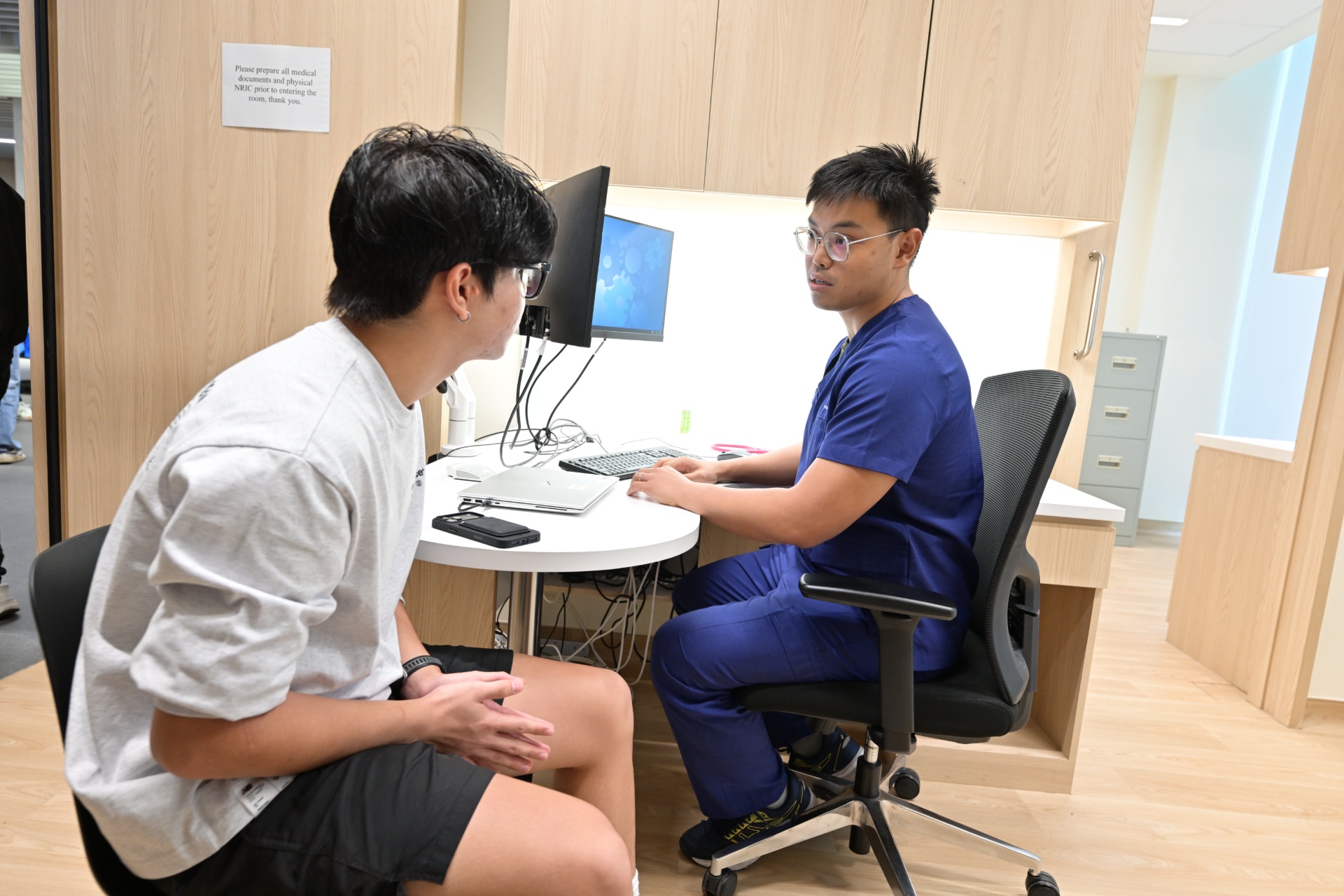
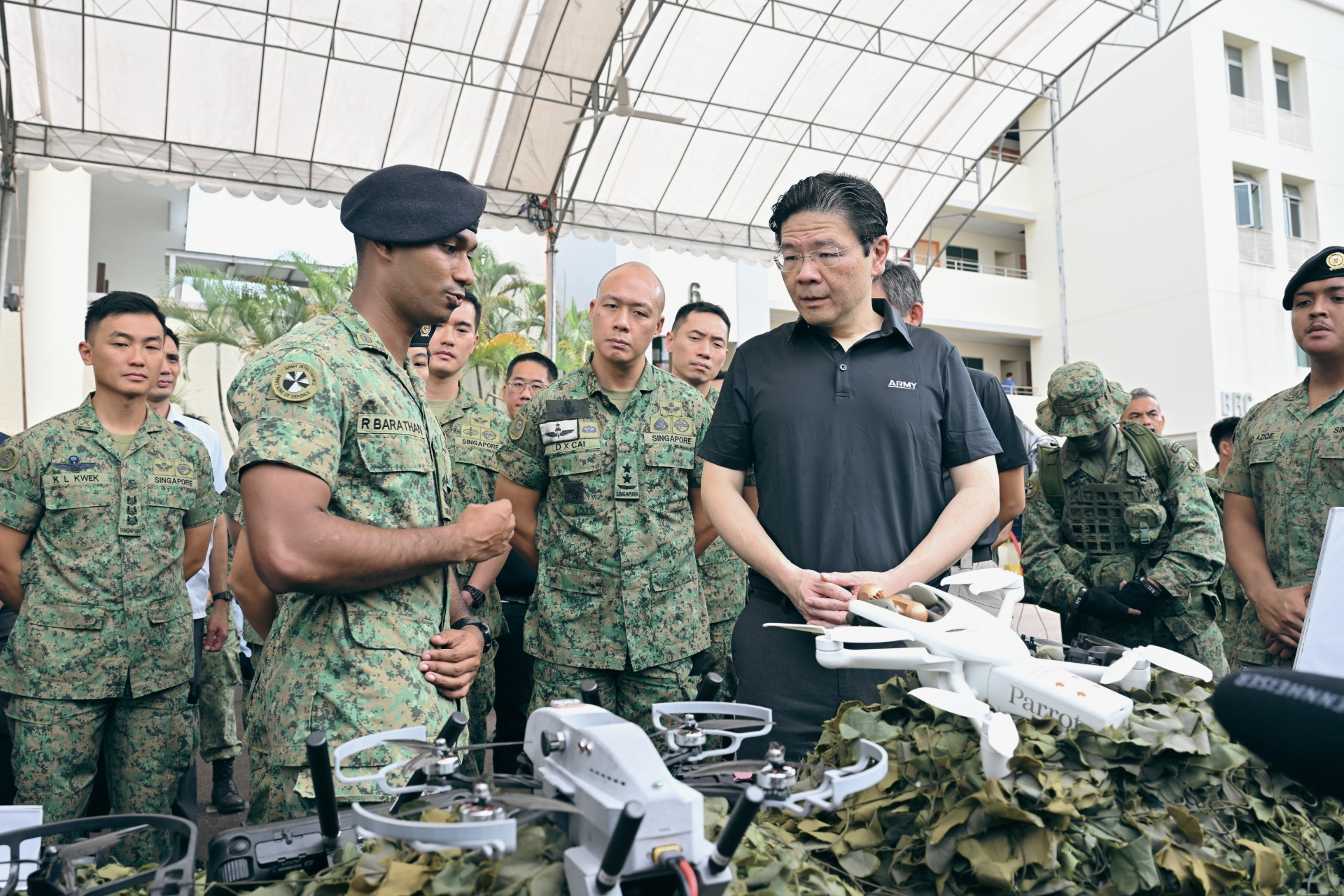
Prime Minister Lawrence Wong observes SAF’s sense-strike integrated capabilities
09 Apr 2026
He witnessed the SAF’s ongoing efforts in leveraging advanced robotics and cross-Service integration to secure Singapore’s interests in an increasingly volatile world.
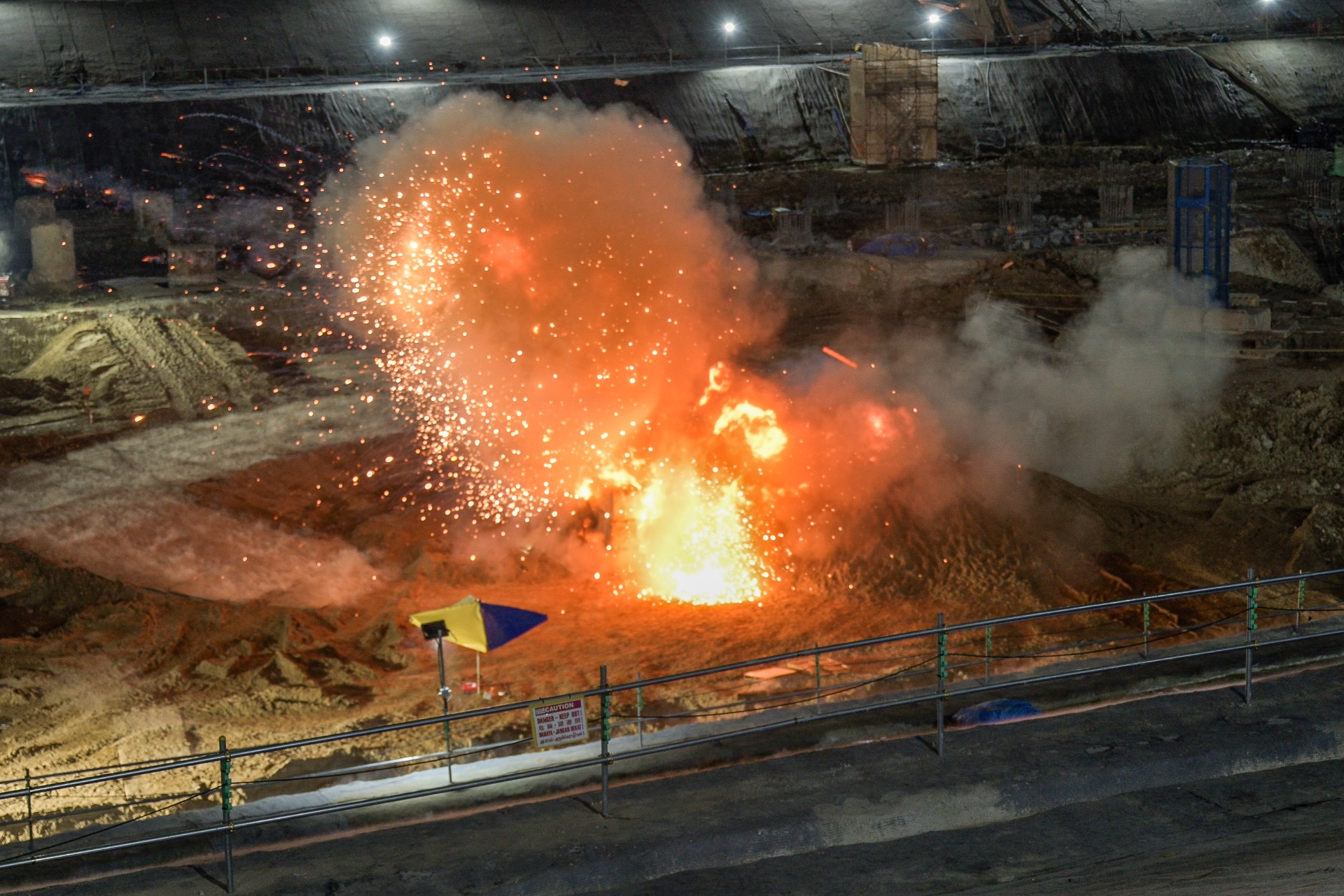
SAF detonates 250kg WWII bomb uncovered at Tanah Merah Coast Road
02 Apr 2026
On 2 Apr, the SAF’s Explosive Ordnance Disposal (EOD) team successfully disposed of an unexploded war relic found at Tanah Merah Coast Road.
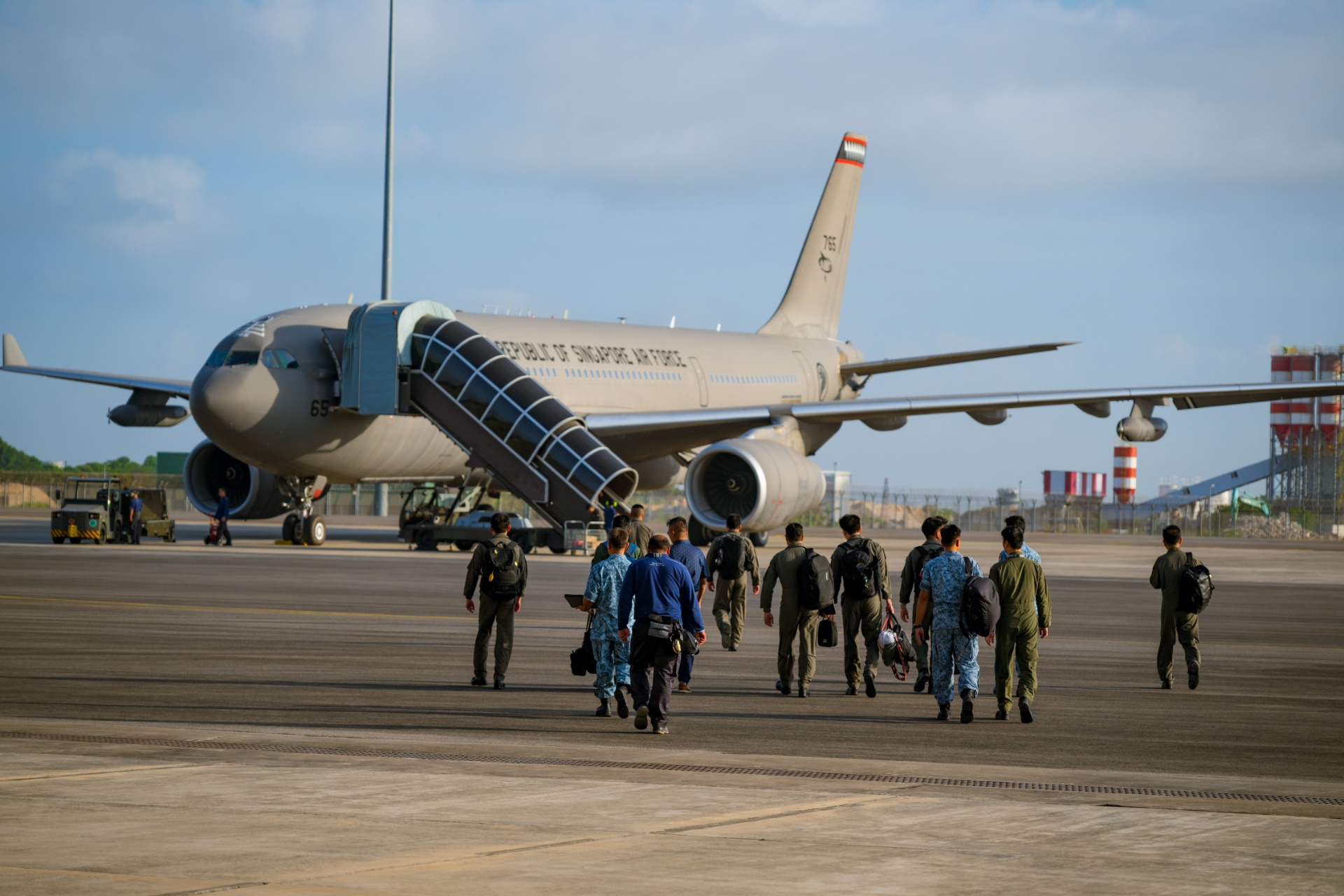
Flying into the unknown: Inside RSAF’s mission to bring S’poreans home from Middle East
28 Mar 2026
Despite the risks and complex challenges of flying in a conflict zone, the men and women of the RSAF pulled off a successful mission through careful planning and hard work.