
COMMUNITY
NATURE ROCKS!
15 Apr 2005
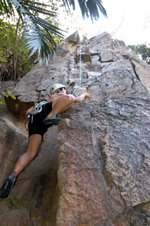
"Climb every mountain" goes an evergreen song. To fulfil that dream, the only way is go back to basics - scaling rock faces WITHOUT pre-placed bolts and equipment. PIONEER invites you to scale new heights through rock climbing.
To set the record straight, scaling a plastic or natural rock wall nailed with pre-placed bolts is sport climbing, not ROCK climbing as it is commonly known.
Rock climbing, also known as traditional free climbing, is done with leading equipment that is removable - leaving everything as it is without destroying and disfiguring the rock walls.
With just a trusty set of equipment, protective gear and a healthy dose of confidence, you can explore mountains and cliffs just about anywhere in the world.
For the purists, nothing beats adapting to the walls of nature and finding a unique route up to the top. Feel the adrenaline coursing through your veins when you come face-to-face with majestic cliffs and rock faces that seem to stretch on forever into the sky. Feel the mix of excitement and fear when you attempt a move for that elusive handhold. And finally, feel the calming breeze on your face at the summit as the world lays at your feet.
How it all began
According to climbing enthusiast Mr Wilfred Tok, who is a member of the Singapore Mountaineering Federation, rock climbing started as hill-walking over 200 years ago in Europe.
"From hill-walking, people started to go onto more difficult terrain, higher hills and they realised that they needed more technical skills. Slowly, they developed skills and techniques that led to the basic rock climbing moves," said Mr Tok.
"In the 1960s, the Americans took over the sport and developed it fully. But in the 80s, the Europeans raised the technical level of the climb till traditional climbing became impossible. It became necessary to pre-place equipment there first."
That marked the beginning of sport climbing - where people forget about traditional equipment and focus on the difficulty level and techniques instead.
Nerves of steel
The other difference between rock and sport climbing is the extent of risk involved, said Mr Tok.
In sport climbing, there is an established route, even in a natural setting, people who set up the route would know where all the rockfall and unstable rocks are - so the environment is more controlled.
In traditional climbing however, you have to tackle the unknown and on top of that, multi-task while plastered on the wall: thinking about safety, coping with fear, worrying about equipment placement, what the next step up is, and whether you have enough equipment.
Mr Christophe Grimont, who first started climbing when he was 10 and has since climbed in the Alps, echoed the sentiment.
"The difference is definitely the fear factor. The level of commitment is higher and you need to build significant confidence for free climbing. The most important thing is really to feel confident and to train beforehand," said the Frenchman who has been working in Singapore for over three years.
Safety first
So to enjoy the climb with greater peace of mind, one must first be knowledgeable about the hazards that can be found in the outdoors and take the proper precautions, said Mr Tok (left).
Also, climbers need to go through the fundamental learning curve and not jump straight into difficult routes they cannot handle.
"The best way is to take a proper course, after which you should climb with an experienced climber, join clubs and societies to practise what you learnt at the course," he advised.
"I would recommend progressing from Sport Climbing Level 1 to Sport Climbing Level 2. Then do about six months to a year of sport climbing before you go on to Rock Climbing Level 1, which is purely traditional climbing. We teach you all rock climbing techniques that are different from sport climbing, all about the traditional equipment, how you do it - how you protect yourself, set anchor points, navigate - independently, without the aid of pre-placed equipment."
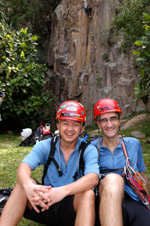
Climbing buddies: Henri (left) and Christophe are members of the French Schol climbing club.
Why we love it
Singapore Permanent Resident Mr Henri Pham, who attended the Sport Climbing 1 course conducted by Mr Tok, particularly enjoys the concentration that the sports entails, as well as the physical workout he gets.
The icing on the cake? "The satisfaction that comes when you reach the top, a reward for your effort!" he said.
For some seasoned climbers like Ms Quek I-Gek, traditional climbing can never be replaced because of its natural settings and the mental challenges it poses.
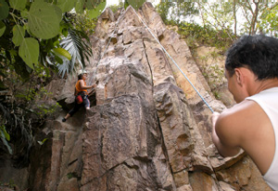
"In sport climbing there are coloured routes you can follow. There's no such thing here. Each rock has its own feature and characteristic," said Ms Quek.
"You need to route-read and think more. There are also more techniques involved such as bridging, hand, finger and knee jams."
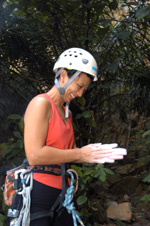
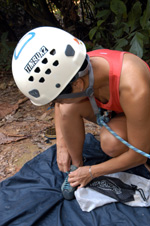
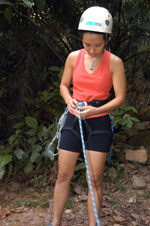
Ready, set go: I-Gek ensuring that her climbing shoes are a snug fit before making sure her climbing rope is well-secured. Finally, a dash of chalk powder to keep fingertips dry for a better grip.
The world at your fingertips
In Singapore, the only place to do rock-climbing is the Dairy Farm Quarry in Bukit Timah. Once you have conquered the numerous routes on offer, you can venture to neighbouring countries like Malaysia, Thailand, and even Hong Kong and Korea.
Mount Kinabalu, for example, is a rock climbing paradise, revealed Mr Tok. It actually involvealpine rock climbing - meaning you get to experience real mountain altitude, alpine weather, technically challenging routes and even pushing new routes on many of its unclimbed rock faces.
Usually, such overseas trips are short mountaineering expeditions where you get the whole package of first trekking to the base plateau before scaling the peaks.
Many relish the challenge of new terrain. For Ms Angeline Teo, a climber with over 10 years of experience, her most memorable climb was the 'Fit to be Thaid' route in Krabi in December 2002.
"It was a long route, about 28m up, and there was full exposure. That means as you step out on the starting point to climb, it's as if you are on a ledge and the sea is around you. We had to hike up first. It was at least 100m above the sea," she recalled.
"What I love is to be out with nature at that great height. You feel free."
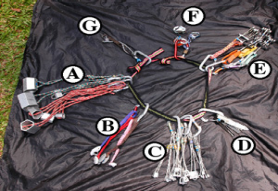
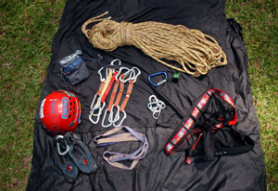
Basic climbing equipment (for sport and rock climbing)
Helmet, Rock shoes, Harness, Slings, Quick Draws, Karabiners, Belay Device, Climbing rope (dynamic)
Natural protective equipment (for rock climbing)
Passive equipment:
Hexcentrics (A), Tri-cams (B), Stoppers (C) & Pitons (D)
- To place in a crack to hold you when you fall. It does not damage the crack but holds your body weight. If you fall, you can climb back up and continue your climb or back down.
Active equipment:
Spring-loaded camming device (E)
- Climber needs to press the lever, insert it into the crack and release the lever. The device will adjust itself to the width of the crack and hold fast in position.
*Nut Key (G) is used to remove all the equipment after the route is set up.
*Pulleys (F) and Prussik cords are used to execute rescue especially if person is unconscious (to hoist up or lower down).
Sport and rock climbing courses are available at the Singapore Mountaineering Federation (www.smf.org.sg) and clubs such as the Mountaineering Society of Singapore.


ALSO READ IN COMMUNITY

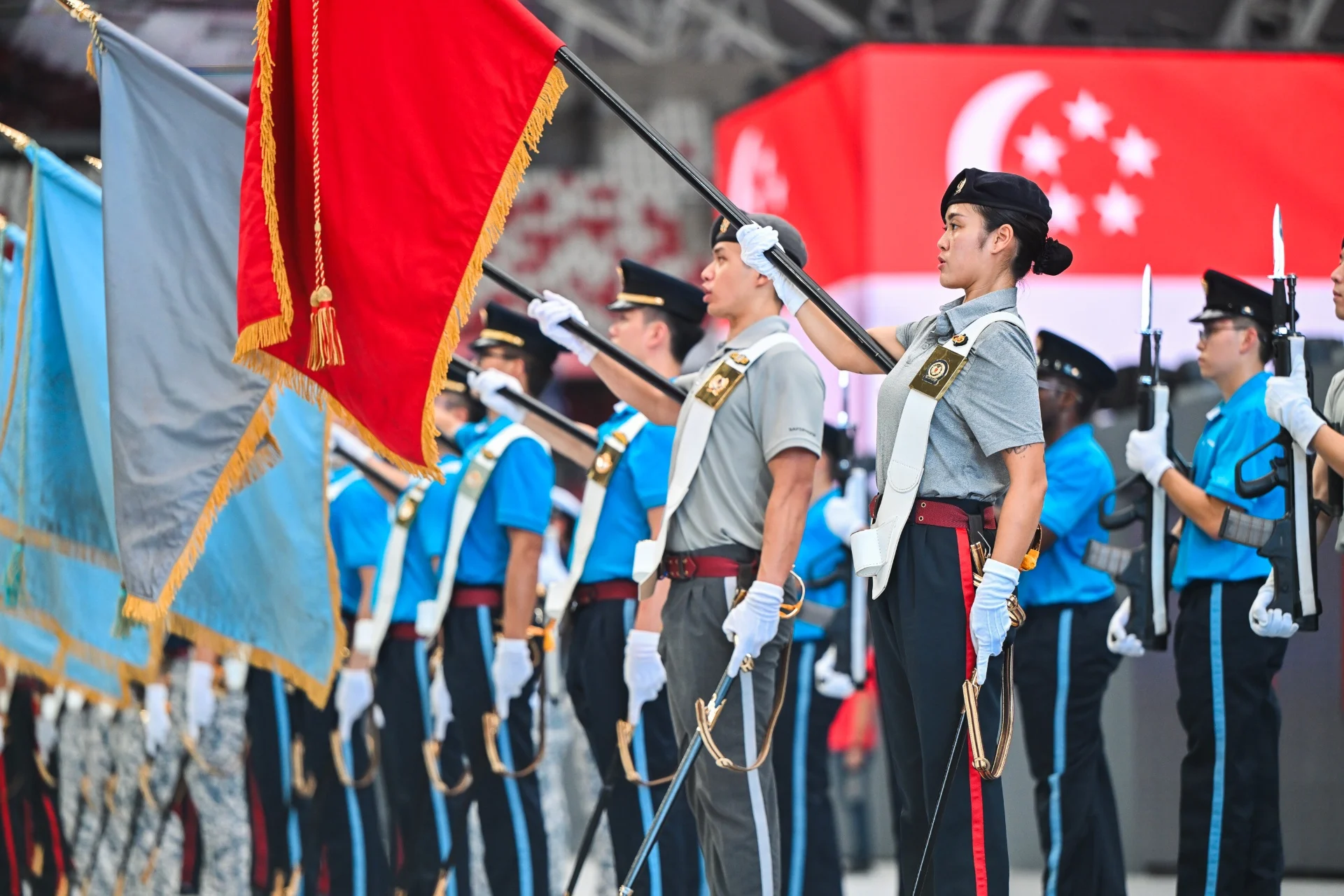
Your backstage pass to NDP 2026
06 Aug 2026
Ever wondered what goes on behind the scenes of NDP? We take a peek behind the curtain to uncover the hard work that this year’s performers have put in since rehearsals began months ago.
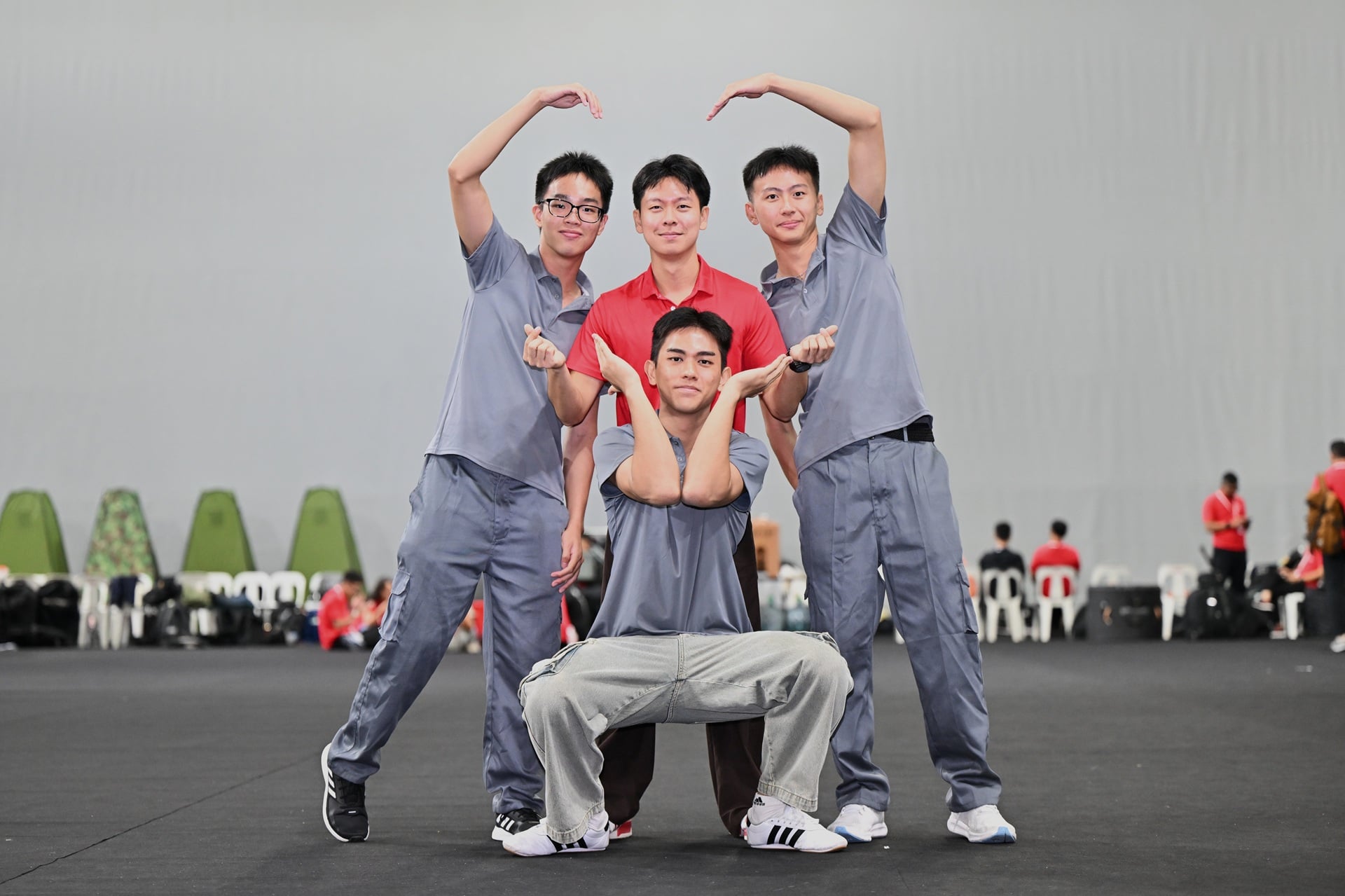
What it takes to be a viral NDP mascot
25 Jul 2026
They’ve been stealing hearts as the lovable mascots at the National Day Parade (NDP). Meet the NSFs behind the costumes and high-energy dance moves.
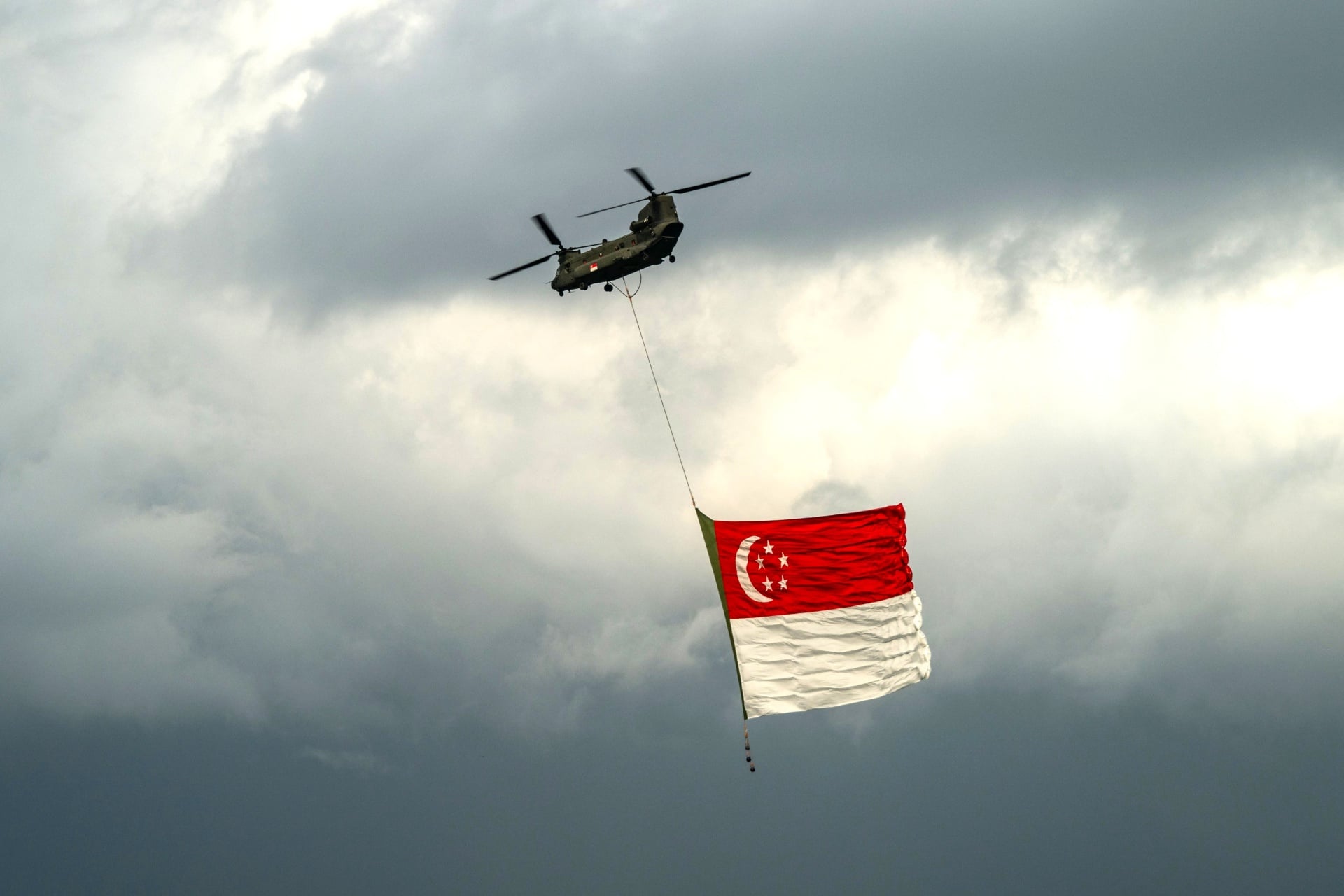
State Flag Flypast charts new path
05 Jul 2026
For the first time, the State Flag Flypast will fly over the Kallang Basin, bringing this NDP tradition to new audiences.