
OPS & TRAINING
DIAGNOSING ENVIRONMENTAL HEALTH PROBLEMS IN THE MILITARY
25 May 2005
Exposure to fumes from military aircraft, operating in a noisy environment like a shooting range, or even working in front of a computer screen. The Singapore Armed Forces (SAF) Medical Corps is highlighting the potential health hazards in such daily work environment, during the sixth SAF Military Medicine Conference, held from 25 to 26 May.
With the theme 'Challenges in Environmental Health in the Military', the conference will cover a broad range of issues like occupational health, injury prevention and performance optimisation.
Speaking at the opening of the conference at Headquarters Medical Corps in Nee Soon Camp on 25 May, Chief of Navy, Rear-Admiral (RADM) Ronnie Tay, said that in the midst of transforming the SAF into a third generation force, the health of soldiers remains a top priority.
He said: "At the centre of rapid technological advancements, the military's key strength is still its people. The health of servicemen, which does not just mean the absence of disease, but a complete physical, mental and social well-being, is crucial to the development and maintenance of a competent workforce."
With the increasing reliance on technology and mechanisation, paired with the rapid development of new weapon systems and equipment, RADM Tay warned of the potential health pitfalls on operators of such new technology.
He said: "Problems such as noise-induced hearing loss, heat stress as well as poor ergonomics need to be anticipated and new systems carefully designed for the optimal performance of the soldiers, to minimise human error and injuries."
RADM Tay also pointed out that the military's work environment differs from most other organisations, and therefore creates problems unique to the military. For example, aircrew can suffer from spatial disorientation, while naval personnel may be affected by motion sickness.
The growing roles of militaries to include socio-civil, humanitarian and peace-keeping missions, can also result in occupational health issues that must be addressed.
RADM Tay said that with the possibility of troops being deployed in diverse environment around the world, militaries must consider issues like the absence of safe sources of food and water, infrastructures and diseases like malaria, viral infection and HIV.
He added that preventive measures must be taken, especially if the soldiers are to be deployed in these locations for a prolonged period.
In his opening address, Chief of Medical Corps, Brigadier-General (BG) (Dr) Wong Yue Sie, said that the conference was a good opportunity to discuss such issues.
"Environmental and occupational health are important facets of health care, that would directly impact the health of soldiers on the ground."
"This conference serves to highlight some of these issues that we are in a better position to discuss and drive the development of appropriate organisational systems to improve our soldiers' health," said BG (Dr) Wong.
Speakers at this year's conference included doctors and senior officials from the SAF, DSO National Laboratories, Alexandra Hospital, as well as invited speakers from Australia and the United Kingdom.

ALSO READ IN OPS & TRAINING

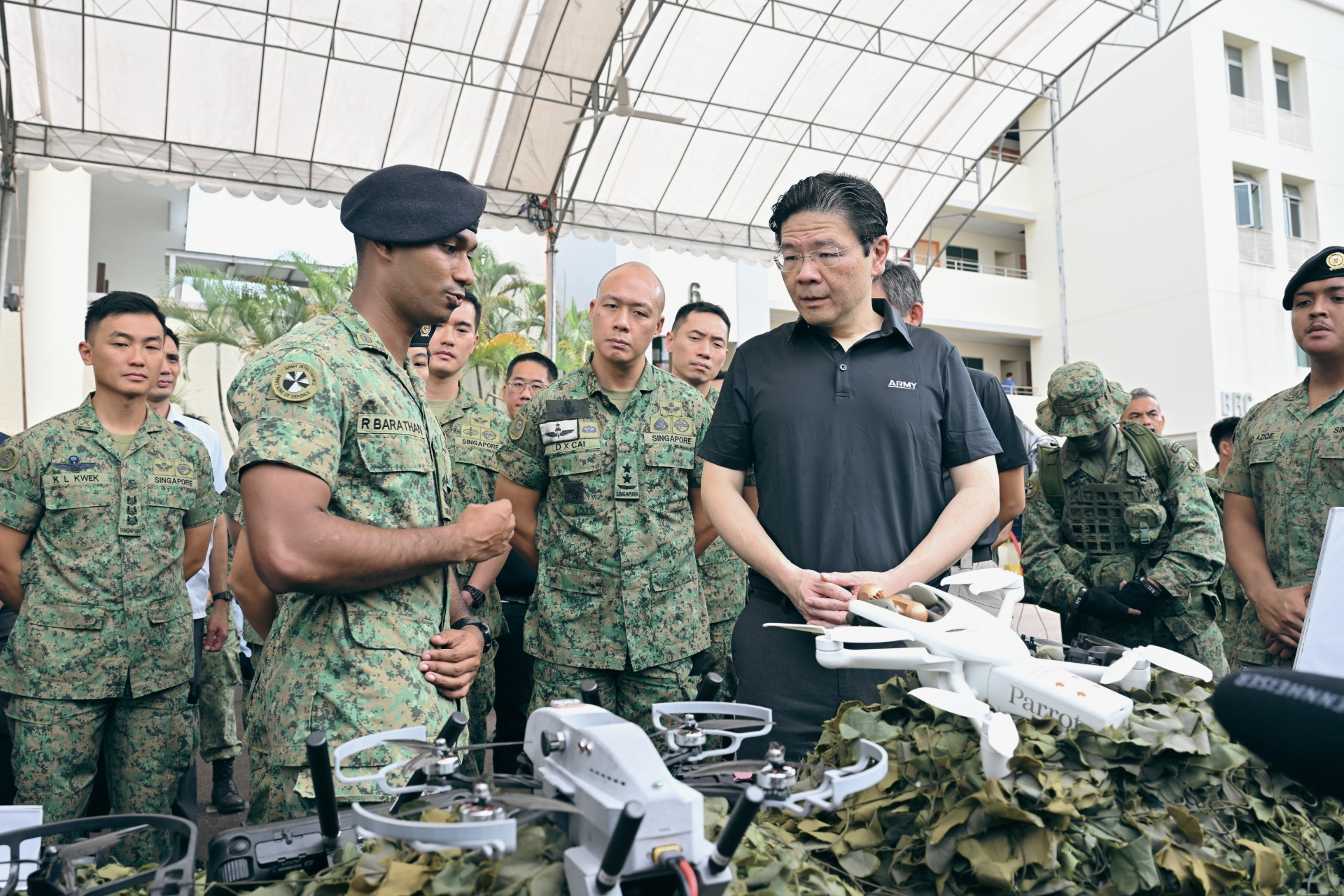
Prime Minister Lawrence Wong observes SAF’s sense-strike integrated capabilities
09 Apr 2026
He witnessed the SAF’s ongoing efforts in leveraging advanced robotics and cross-Service integration to secure Singapore’s interests in an increasingly volatile world.
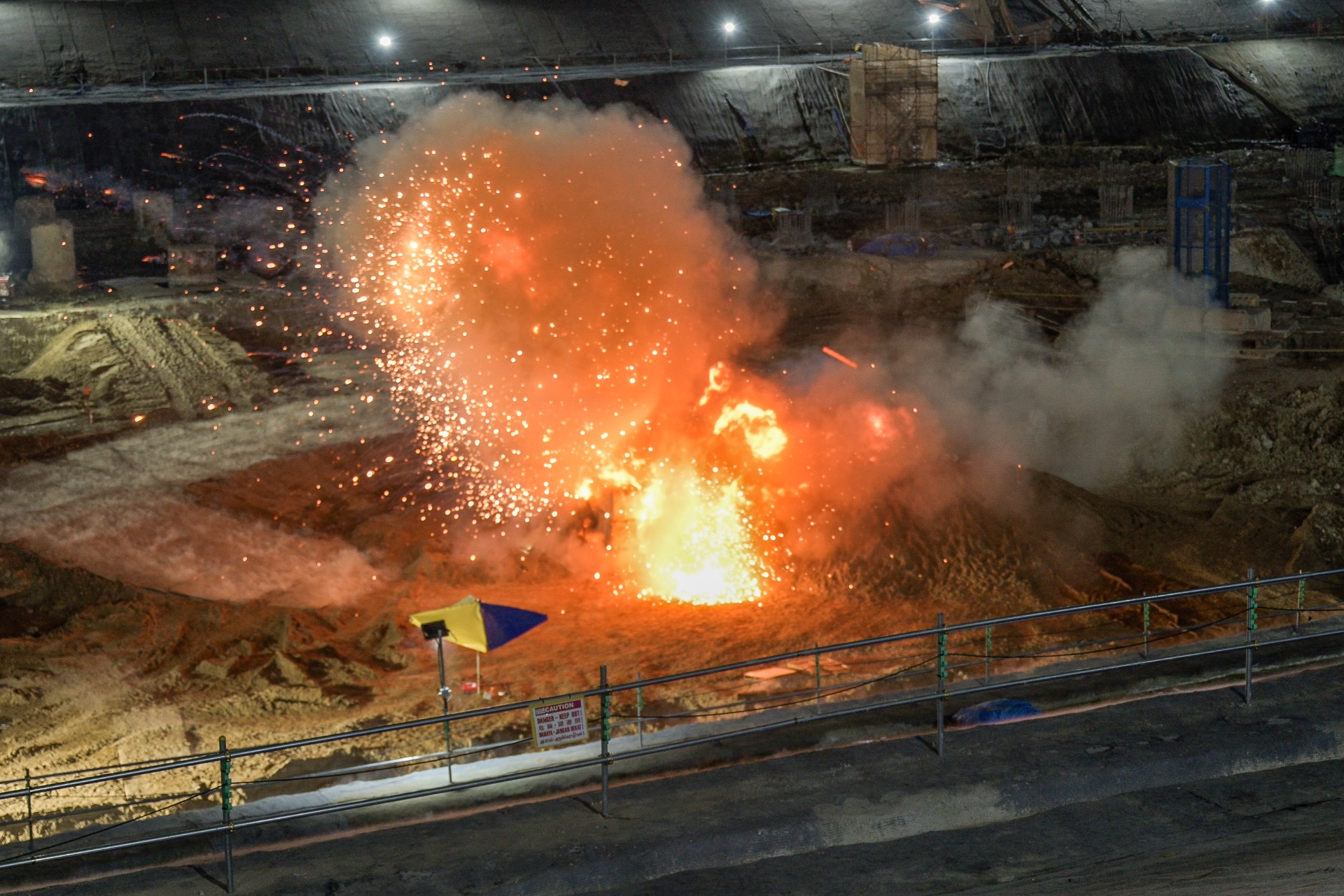
SAF detonates 250kg WWII bomb uncovered at Tanah Merah Coast Road
02 Apr 2026
On 2 Apr, the SAF’s Explosive Ordnance Disposal (EOD) team successfully disposed of an unexploded war relic found at Tanah Merah Coast Road.
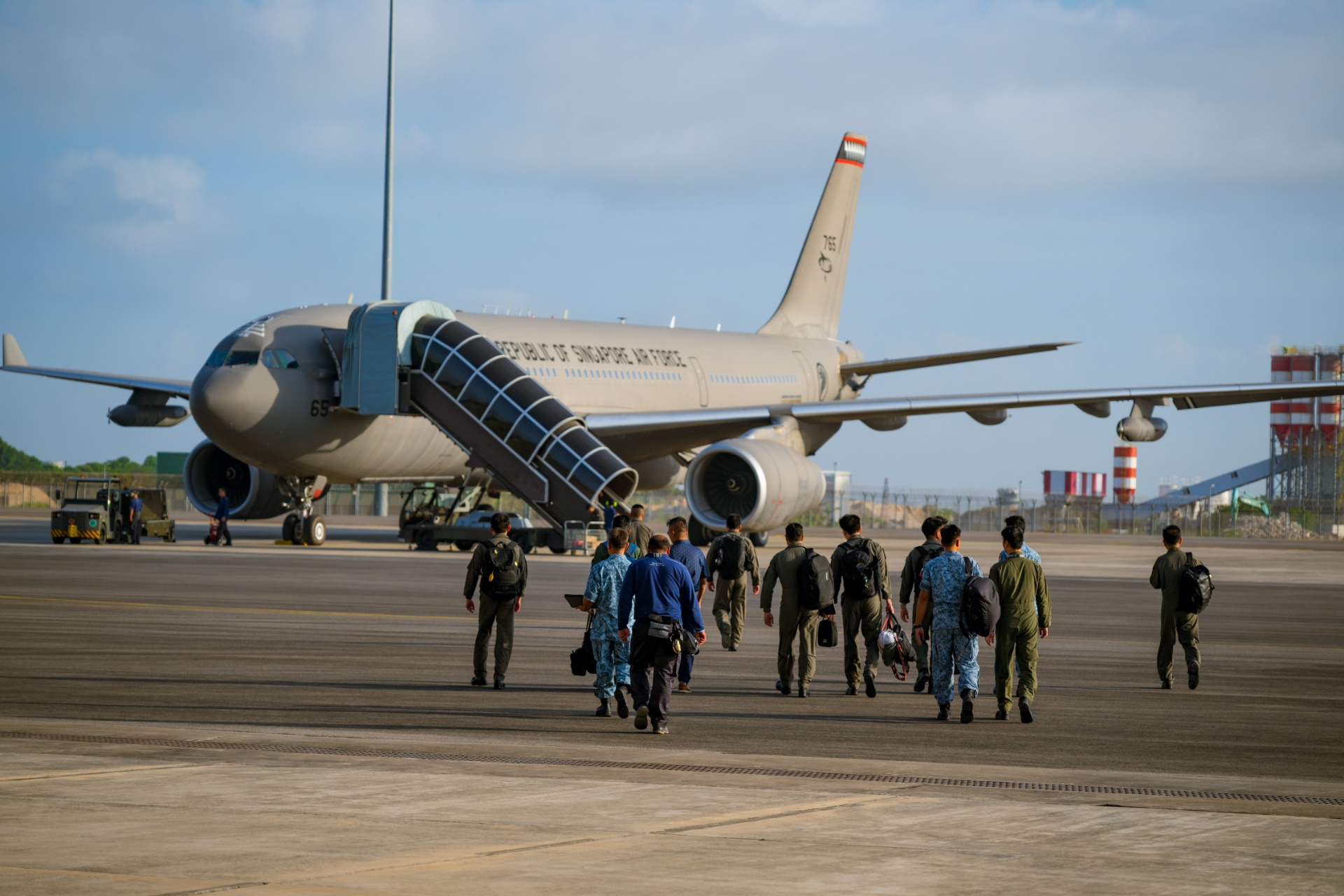
Flying into the unknown: Inside RSAF’s mission to bring S’poreans home from Middle East
28 Mar 2026
Despite the risks and complex challenges of flying in a conflict zone, the men and women of the RSAF pulled off a successful mission through careful planning and hard work.