
OPS & TRAINING
CHIEF OF MEDICAL CORPS SATISFIED WITH MEDICAL TEAM'S WORK
05 Jun 2006
BG (Dr) Wong visited the SAF field hospital to see how his team of medical personnel had been managing and treating patients there.
After that, he went to the Bantul District General Hospital where he was met by hospital officials. He met the medical personnel from the Singapore Civil Defence Force (SCDF) and the SAF surgical team of doctors, and toured the wards to visit patients, to get a better understanding of the situation in the hospital.
At the end of his visit, BG (Dr) Wong gave a positive assessment of the SAF medical team's work so far.
"I think our medical team has managed to integrate well with their counterparts in the TNI field hospital as well as the district hospital here. Feedback has been very positive; local clinicians in the hospital have told me they are very happy with our team and they work very well together," said BG (Dr) Wong.
Within the medical team, SAF personnel, members of the SCDF and other doctors from public and private practice have good working relations, because strong links within the medical community already exist back in Singapore.
"As a health community back home, we have always worked well together," said BG (Dr) Wong. "So on the ground, there are no difficulties and we work very closely together. Civilians, civil defence and the military people - absolutely no problem."
Past experiences, particularly the SAF's involvement in the humanitarian relief efforts in Indonesia after 2004's tsunami, have also proved invaluable this time round.
"There were practical lessons in how to be better prepared and how to organise ourselves more effectively, which were then translated to better care for patients on the ground," explained BG (Dr) Wong.
"This time we arrived in Indonesia psychologically and clinically better prepared to treat certain injuries and wounds you would expect in an earthquake situation."
"Each mission builds on the previous one, and our capabilities have increased over time. Furthermore, such missions lend an operational tone to the work we do."
"It reminds our staff that they should be ready for deployment at any time, and that our skills must always be current."
"You never know when you may be deployed and it is important that when you are deployed, you are relevant, with the right equipment and skills to treat patients wherever they are," said BG (Dr) Wong.
Looking ahead to the next couple of days, BG (Dr) Wong said that although the workload had fallen significantly, the medical team's work would continue as there were still patients coming in that required attention.
Over the weekend, personnel deployed to the mobile clinic were split into three groups and deployed to three different locations, allowing the SAF medical team to reach more locals and provide aid to them.
However, the situation at the Bantul District General Hospital has stabilised. A scene of chaos a week-and-a-half ago, the corridors and walkways of the hospital are now cleared and patients have either been discharged or moved to proper beds in the wards.
According to the hospital's director, the number of patients admitted daily has fallen sharply from over 2,000 immediately after the earthquake, to about 150 now.

ALSO READ IN OPS & TRAINING
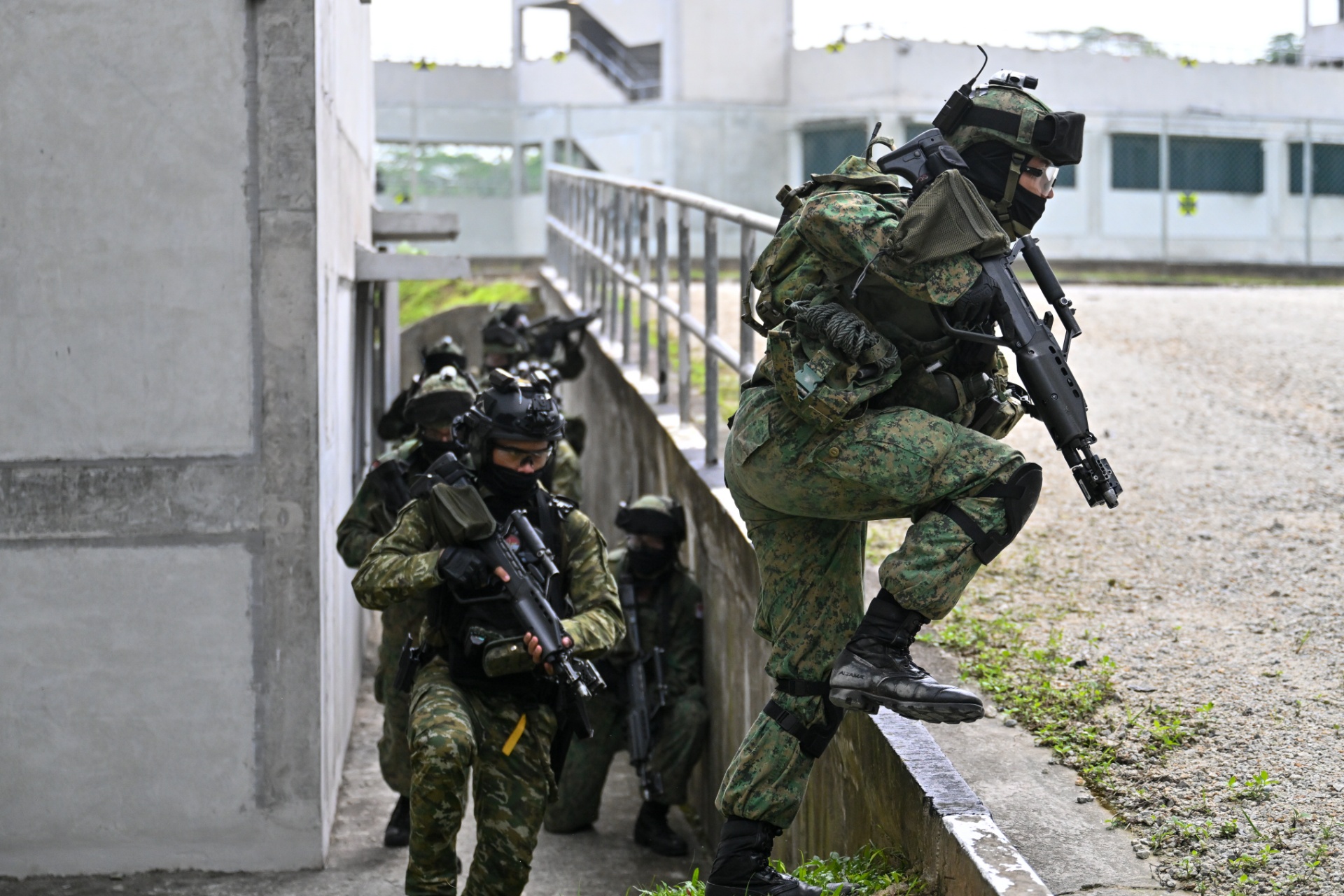
S’pore commandos, Indonesia special forces train & strengthen ties at Ex Chandrapura
08 Jul 2026
From conducting tactical airborne jumps to a coordinated urban raid, soldiers from Singapore and Indonesia deepened their decades-long partnership in this bilateral army exercise.
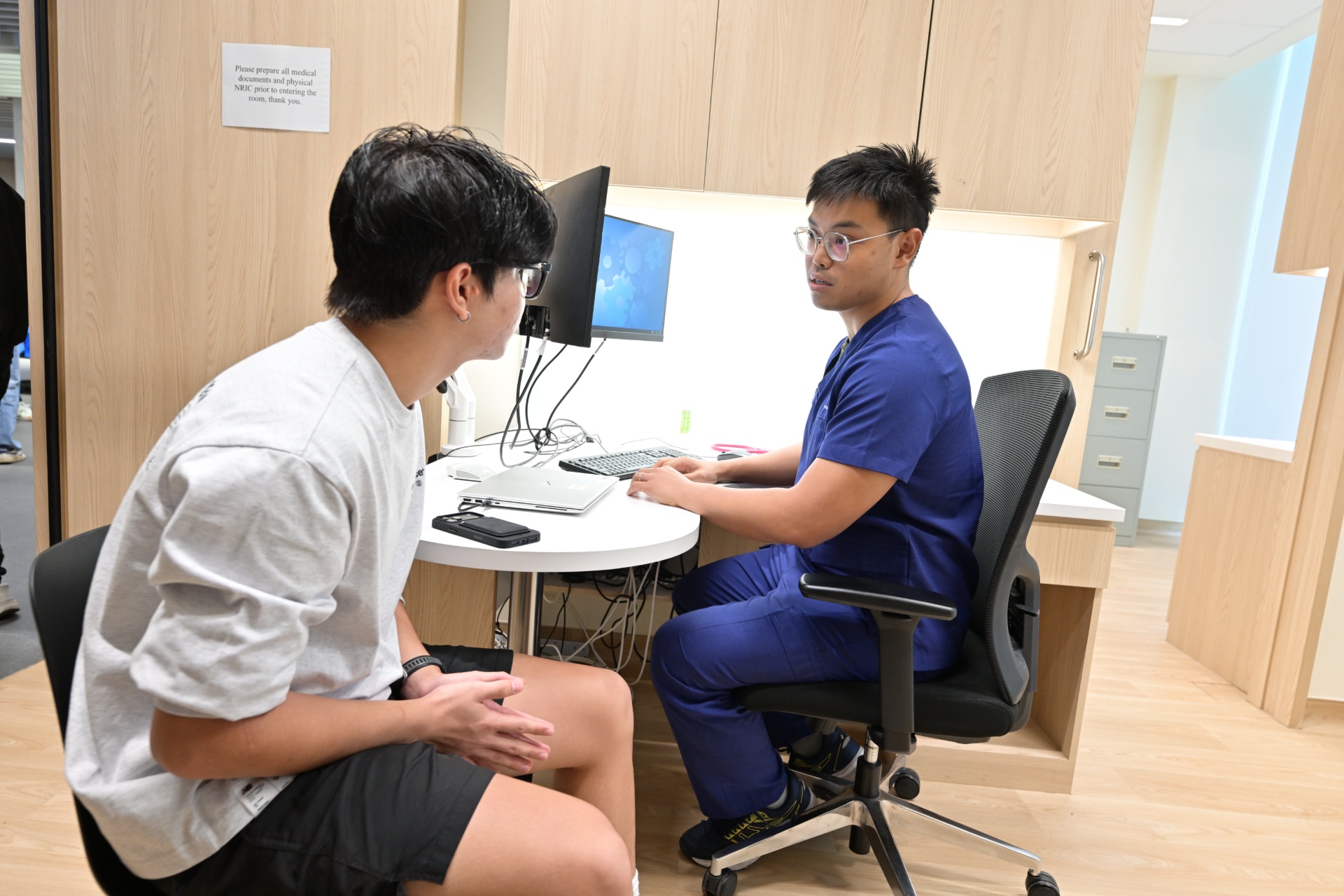
SAF & Home Team to refresh Medical Classification System
13 Apr 2026
The refreshed system will allow about 1,200 servicemen annually to be deployed for vocations and roles they were ineligible for previously.
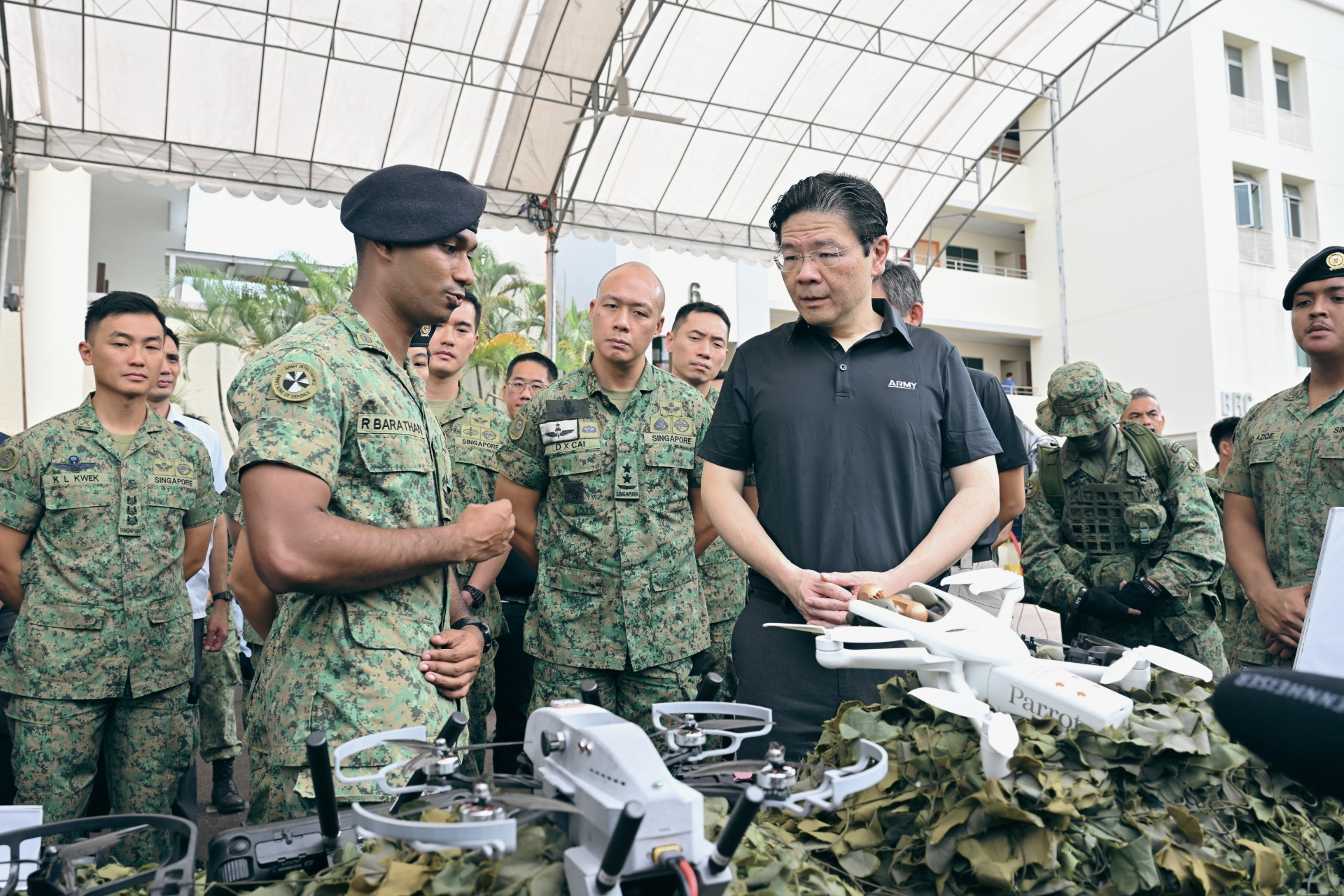
Prime Minister Lawrence Wong observes SAF’s sense-strike integrated capabilities
09 Apr 2026
He witnessed the SAF’s ongoing efforts in leveraging advanced robotics and cross-Service integration to secure Singapore’s interests in an increasingly volatile world.