
DIPLOMACY
ASEAN HAS KEY ROLE IN ASIA PACIFIC
20 Feb 2006
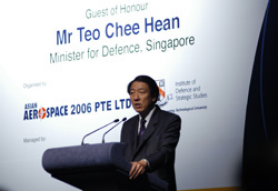
Minister for Defence Teo Chee Hean said this at the opening of the third Asia-Pacific Security Conference (APSEC) on 19 Feb.
The defining geopolitical reality of the Asia Pacific region today is that China, India and Japan are seeking larger and more active roles, together with a pre-eminent United States.
"The interaction of these four geopolitical poles in Asia, among themselves and with the rest of the region, is likely to make for increasingly complex regional dynamics," said Mr Teo.
"Over the next few decades, the Asia-Pacific will be the region where the big powers actively jostle for power and influence. None of us would want to see fierce competition deteriorating into conflict," he added.
The minister urged countries to work closely together for peace and stability in the region. To this end, Mr Teo said ASEAN (Association of Southeast Asian Nations) "can and must play a role to shape the emerging regional strategic landscape".
Mr Teo said that there was "broad consensus" among the 10 ASEAN member-states that the association cannot remain stationary in this new geopolitical environment. It is aware that it has to strengthen its integration while it adopts a "pragmatic, outward-looking orientation, tapping into the dynamism of the major powers on its periphery," said the minister.
Several initiatives like the ASEAN Regional Forum and the recently inaugurated East Asia Summit have been introduced to help maintain a balance amidst the changing geopolitical climate in Asia-Pacific.
"These multilateral forums are useful tools for building confidence and mediating tensions. With ASEAN initiating these mechanisms and driving them, there is also assurance for the major powers that an honest broker sits in the driver's seat," said Mr Teo.
For instance, the ARF allows regional countries and those with a stake in the security of this region, such as the European Union, to meet for dialogue and discussions on important security issues. This in turn builds greater confidence among the countries.
"We must ensure that co-operation is the order of the day, not contention and certainly not conflict. In shaping the new equilibrium, we shall have to work towards an open and inclusive security architecture that takes into account both the region's diversity as well as the growing integration and inter-dependence among nations as a consequence of globalisation," Mr Teo said.
The minister was speaking to an audience of over 300 defence experts, security analysts and high-ranking military personnel from various countries, who attended the conference that was held in conjunction with this year's Asian Aerospace exhibition.
Other conference speakers include Director of the Australian Strategic Policy Institute Major-General (Retired) Peter Abigail; Commander of the Pacific Air Forces General Paul Hester; counter-insurgency expert Dr Gerard Chaliand; and Head of the International Centre for Political Violence and Terrorism Research at the Institute of Defence and Strategic Studies Dr Rohan Gunaratna.

ALSO READ IN DIPLOMACY
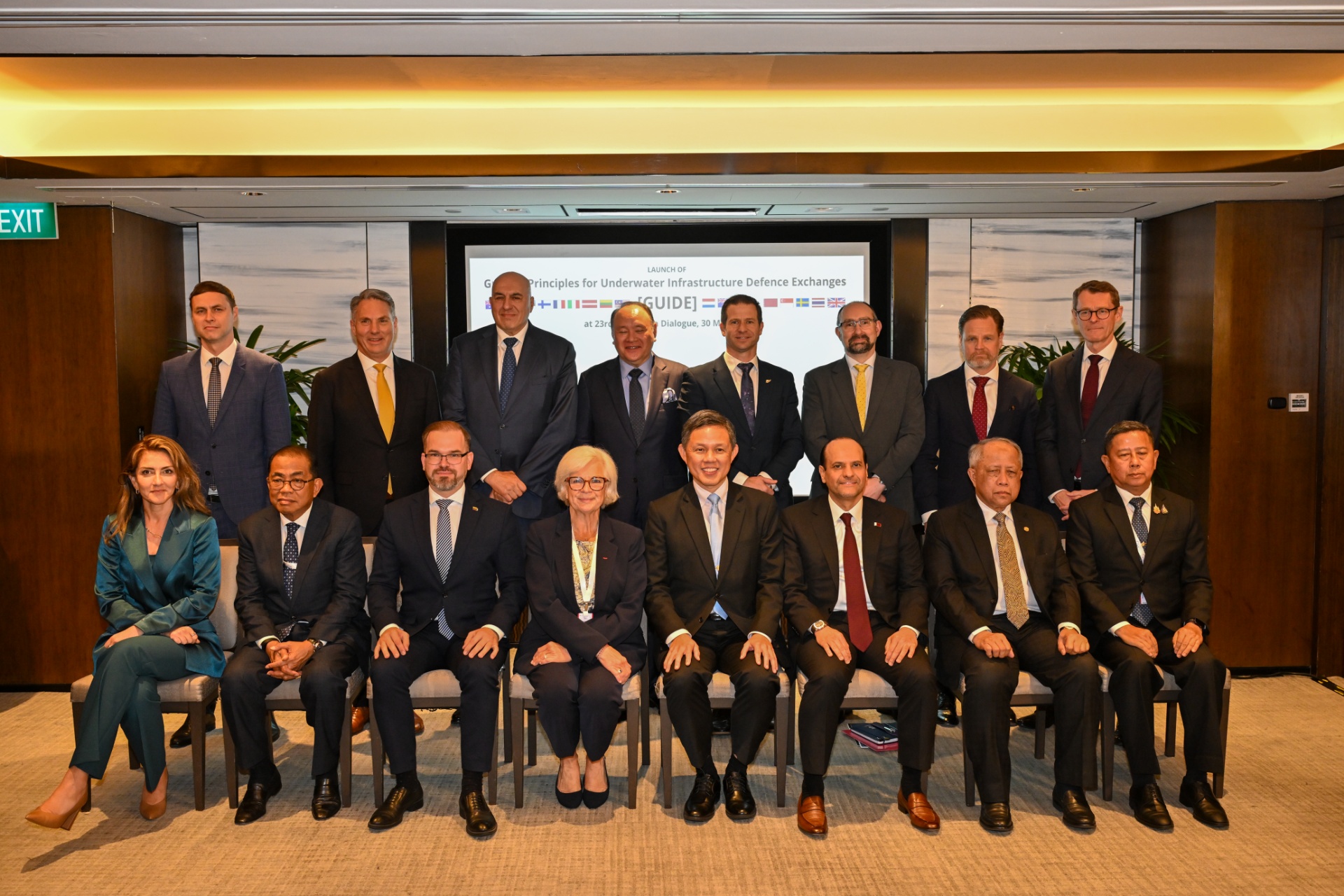
17 countries launch new framework for cooperation on critical underwater infrastructure
30 May 2026
Launched on the sidelines of the 23rd Shangri-La Dialogue, GUIDE is a new framework that brings together countries for defence cooperation in enhancing the security of Critical Underwater Infrastructure.
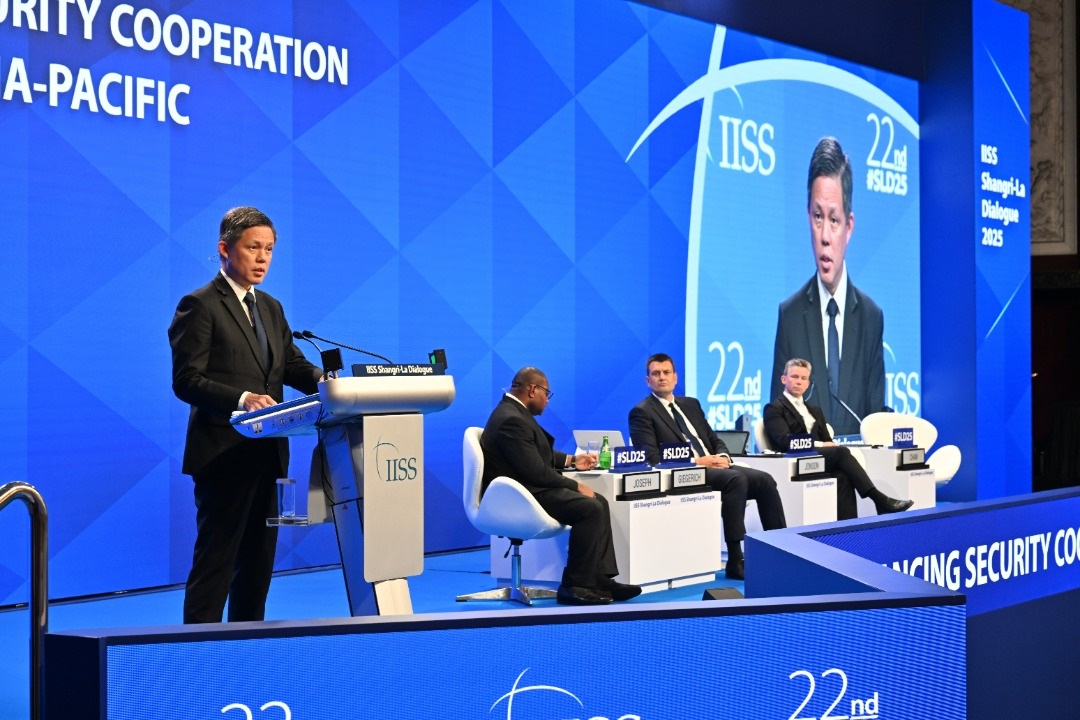
Going alone is not the answer to insecurity – Mr Chan
01 Jun 2025
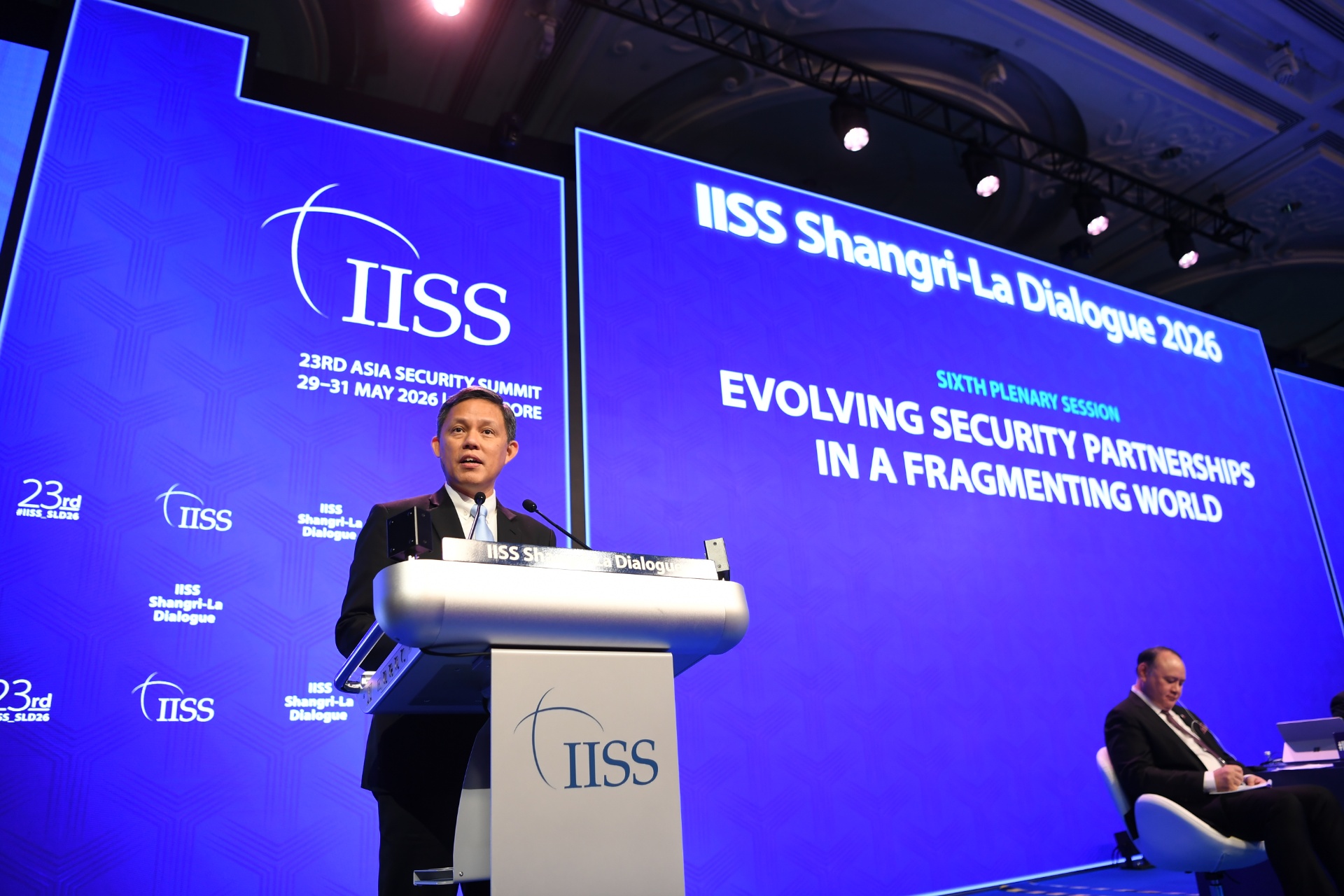
“Going alone is not the answer to insecurity”, emphasised Minister for Defence Mr Chan Chun Sing at the Shangri-La Dialogue (SLD), held from 30 May to 1 Jun. This was one of his main points at his speech at the sixth plenary session on 1 Jun.
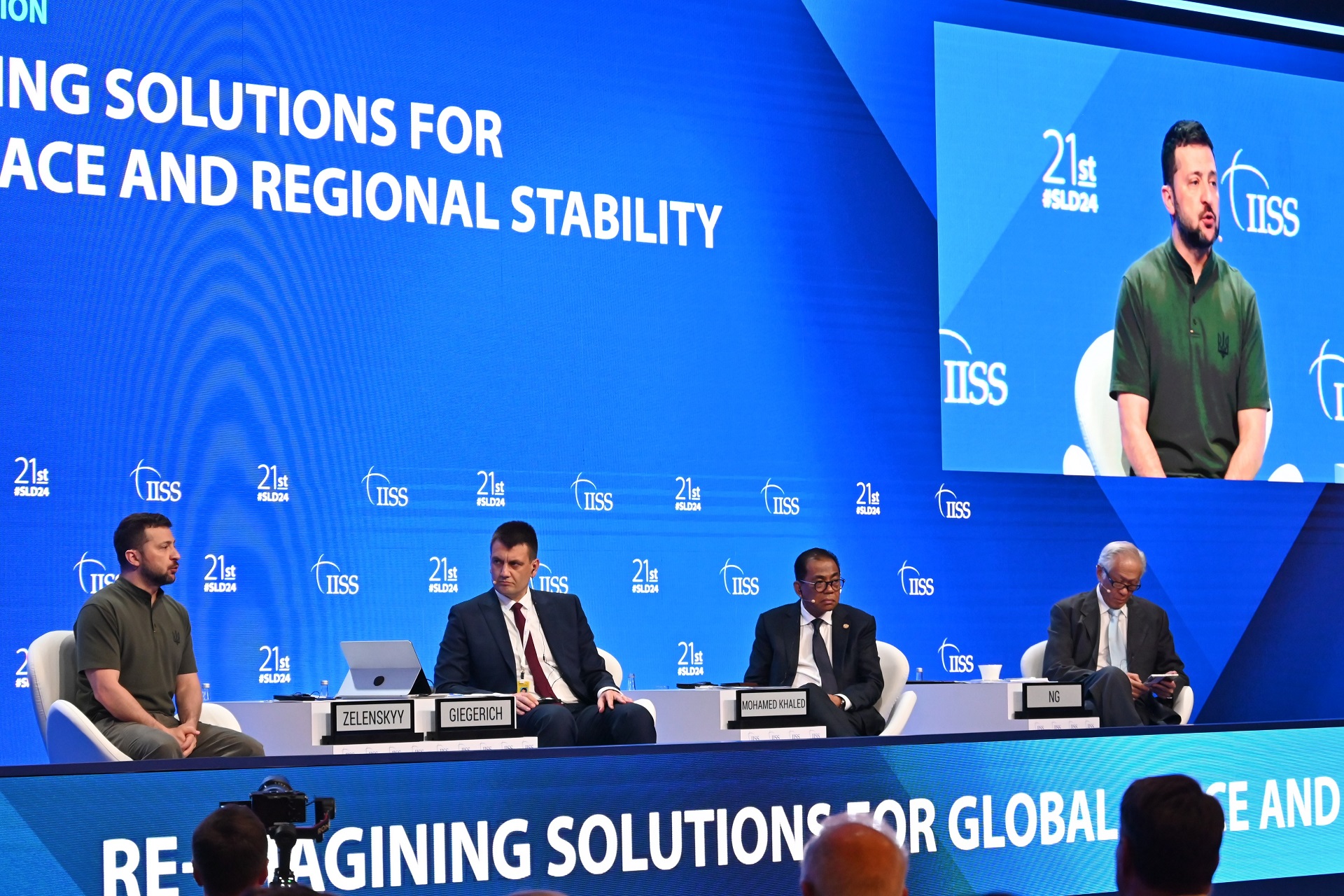
A call for peace at Shangri La Dialogue
02 Jun 2024
A repeated call for peace, especially in Asia. This was Minister for Defence Dr Ng Eng Hen's central message at the 21st Shangri La Dialogue (SLD), held from 31 May to 2 Jun.