
PEOPLE
TEAMWORK PROPELS RSAF DUO TO TOP OVERSEAS COURSE
26 Oct 2009
Anyone with six weeks to spend in Hawaii would probably use that time to soak up the sun, sand and the sea. But not Master Sergeant (MSG) Vijaikumar Rangabashayam and MSG Charles Ng, who spent their time on the tropical paradise being put through the mill at the United States Air Force (USAF) Non-Commissioned Officers (NCO) Course at Hickam Air Force Base in July.
Shortlisted for the exchange programme with the USAF based on their good performance in the Republic of Singapore Air Force (RSAF), they were taught leadership, communication and people management skills during the course.
"Being the only two international students, the first thing our course mates told us was that it would be very tough for Vijai and me, because we had to study things that our American counterparts were already familiar with, such as the history and the structure of the United States Air Force," said MSG Ng.
"On top of that, we had to take on additional roles. Charles was appointed the flight leader in charge of 14 students, while I was appointed the class commander, overseeing all 56 students in the course," added MSG Vijai.
Their initial apprehension of not being able to do well in the course proved to be unfounded when MSG Vijai became the first international student in Hickam Professional Military Education Centre to be presented the highest honour the John L Levitow award, conferred to the student who made the greatest contribution to the course.
Both MSGs were also nominated by their instructors and peers for the Commandant's award, which recognises the student who displays leadership qualities and the willingness to help his peers.
"I didn't expect to get the John Levitow award, but I'm proud of it, because I overcame many challenges during the course, like conducting parades using commands in English instead of Malay, and thinking analytically instead of using rote memory to solve problems," MSG Vijai told cyberpioneer.
Attributing his success in the course to his fellow RSAF course mate, MSG Ng said: "I received a lot of help from Vijai as I'm not very proficient in the English language. He helped to check my work for grammar mistakes, while I looked up websites that taught basic grammar and how to construct proper sentences. We even helped other course mates get through their presentations, and they were very grateful for our help.
"Ultimately, it was teamwork that got both of us through. Our purpose was not to just to pass the course, but to help one another pass as well."
MSG Ng also credited his wife, saying: "I owe it to my wife, because when she knew I was shortlisted for this course, she gave me her fullest support by quitting her job as a retail executive, just to take care of our one-year-old daughter."
Since their return in September, both have been keen to impart what they have learnt and experienced during the course to their colleagues in the RSAF.
For MSG Ng, who professes to be an average runner, running 5km and training thrice a week during the course has also helped to increase his level of fitness.
"Now I encourage the guys in my unit to run together with me because I believe it'll be beneficial to us as a unit," said the Dedicated Crew Chief in 143 Squadron, which operates the F-16 fighter aircraft.
Leading six regulars and two full-time national servicemen (NSFs) as a Flight Leader in 125 Squadron, which operates the Super Puma aircraft for search and rescue missions, MSG Vijai recognises the importance of applying his newly acquired skills in leadership and people management in his team.
"In order for the team to work cohesively, it's important that I apply proper people management skills, to recognise the symptoms the men show when they're facing problems, and help them deal with those problems.
He added: "I've also learnt to motivate them by articulating to them the purpose behind what we do, instead of simply getting them to follow instructions. This will help to ensure mission success when we're on life-saving operations."

ALSO READ IN PEOPLE
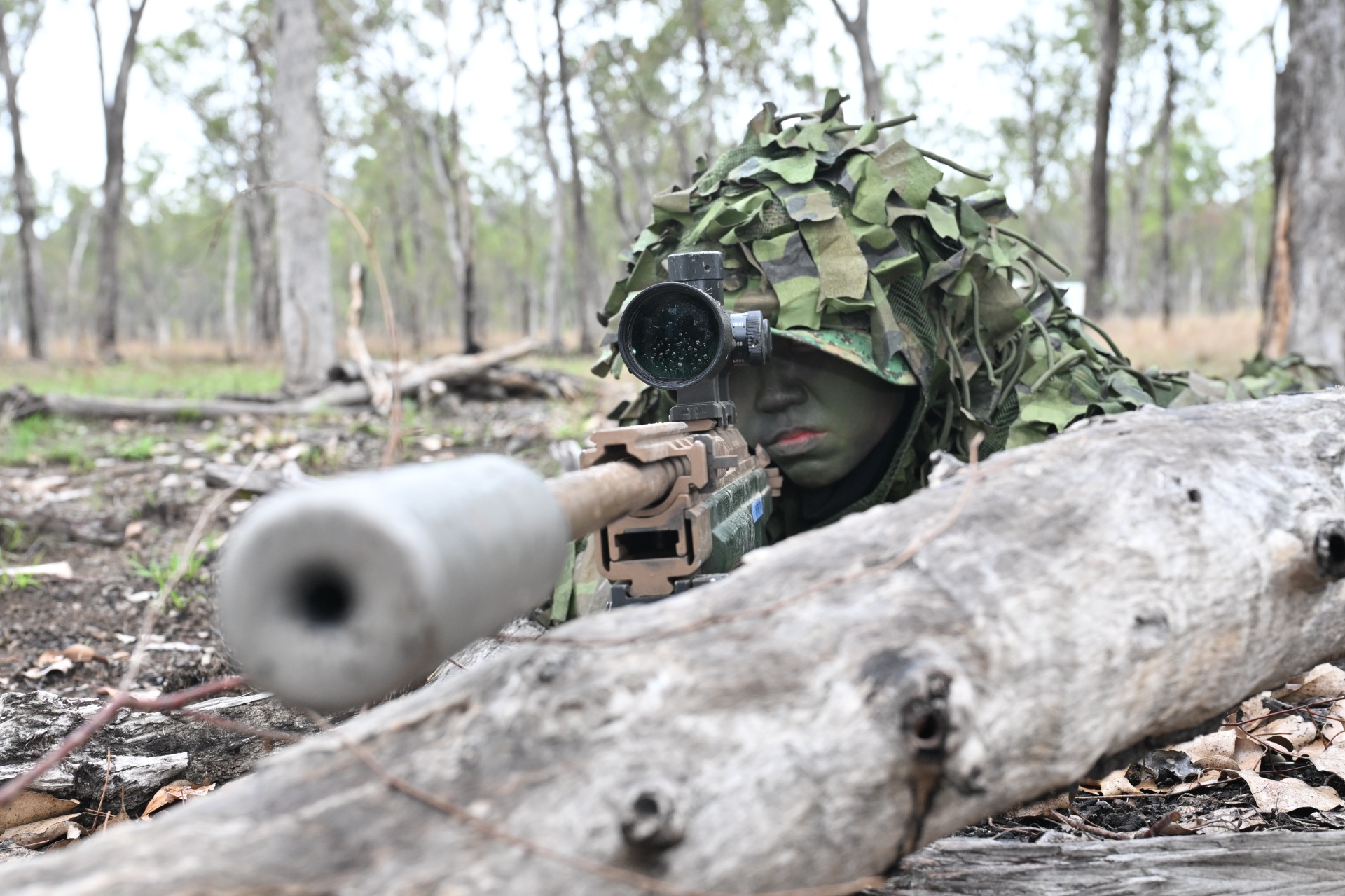
A major step for military doctors
23 Oct 2026
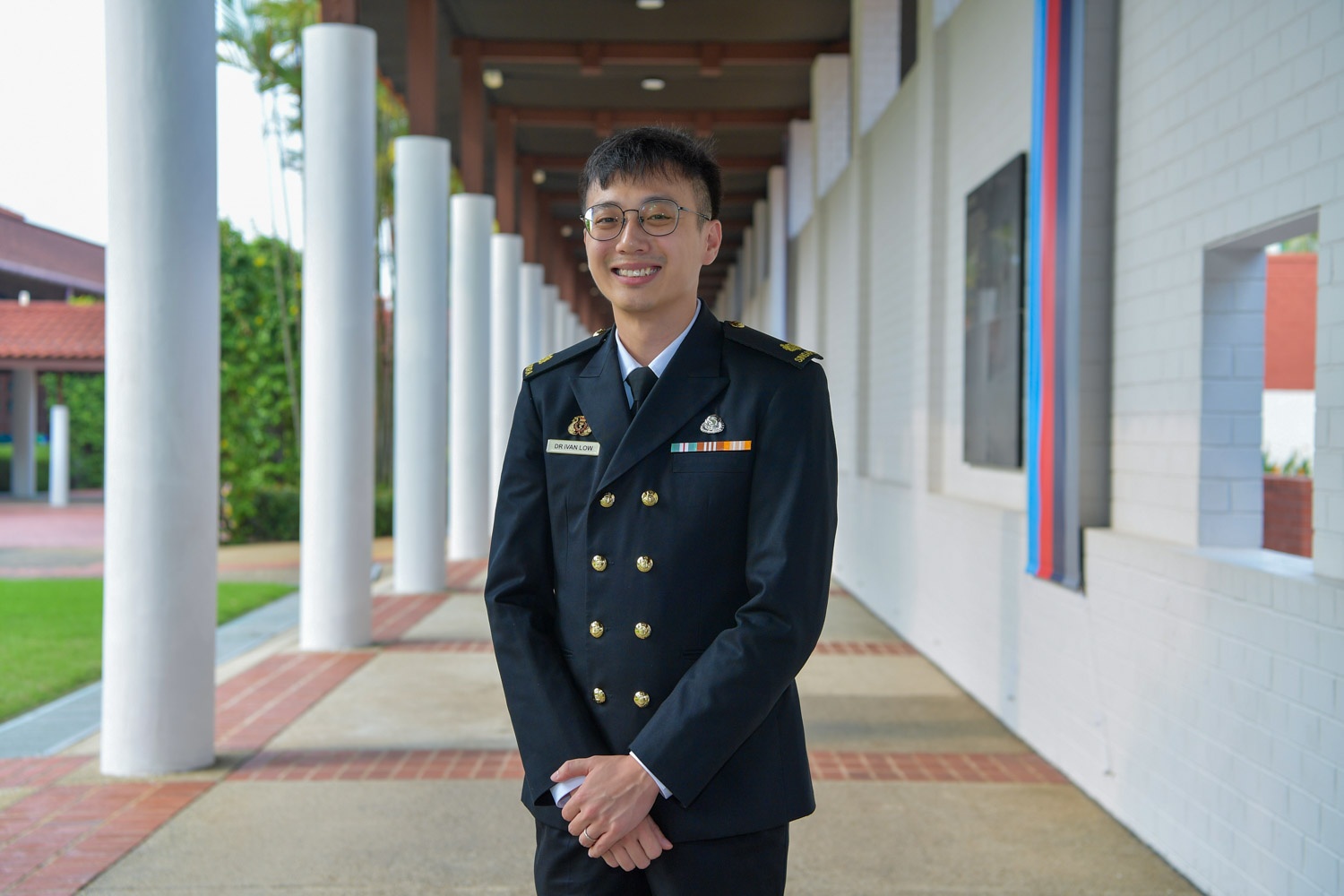
From undergoing emergency medicine training to planning joint operations, MAJ (Dr) Ivan Low now makes history as the Top Graduate of the inaugural Command and Staff Course (Medical).
More than just a duty
19 Oct 2026
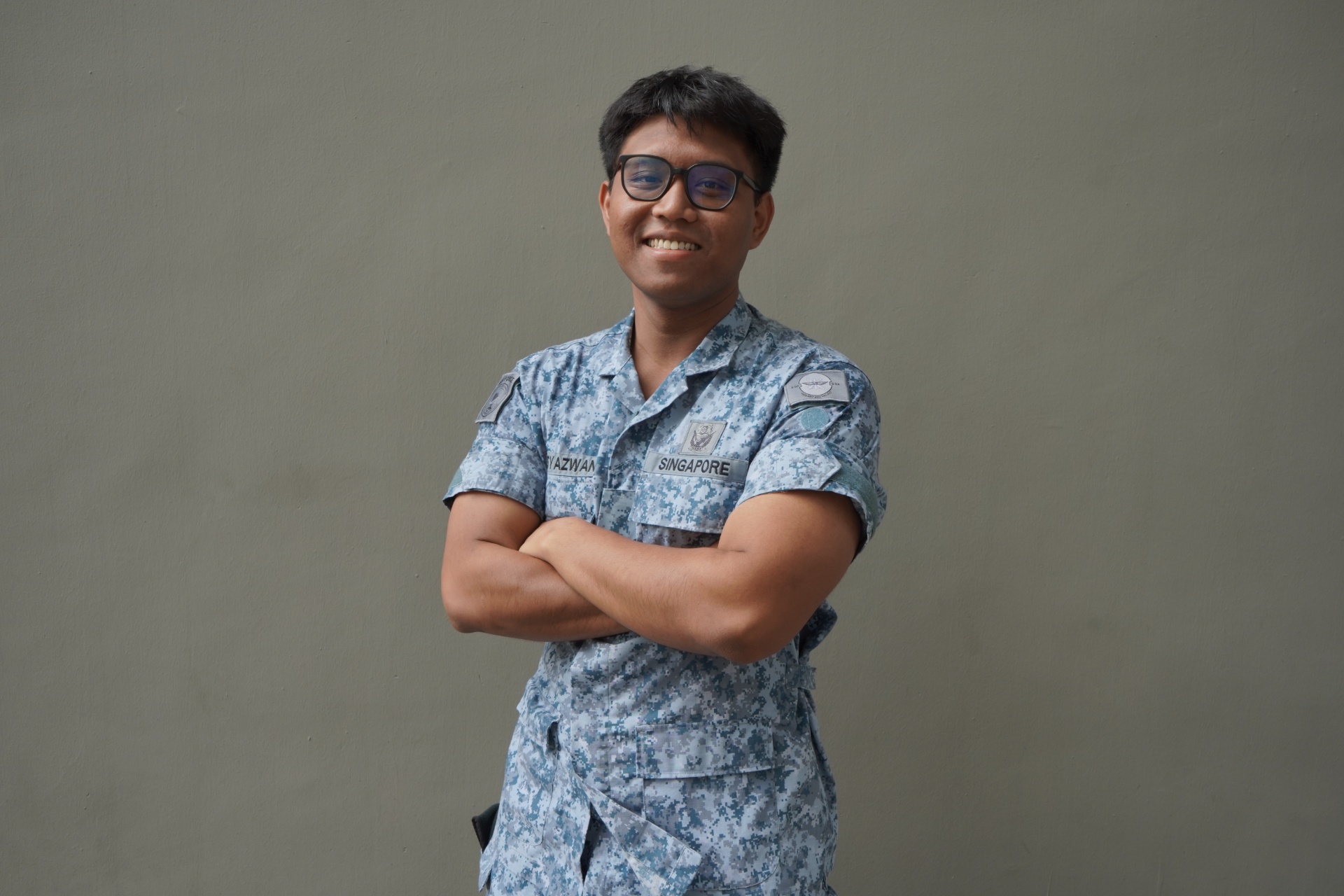
From tracking potential aerial threats to supporting NDP 2026, 3SG Muhammad Syazwan’s NS journey has taught him that every contribution matters.
A sisterhood of support
15 Oct 2026
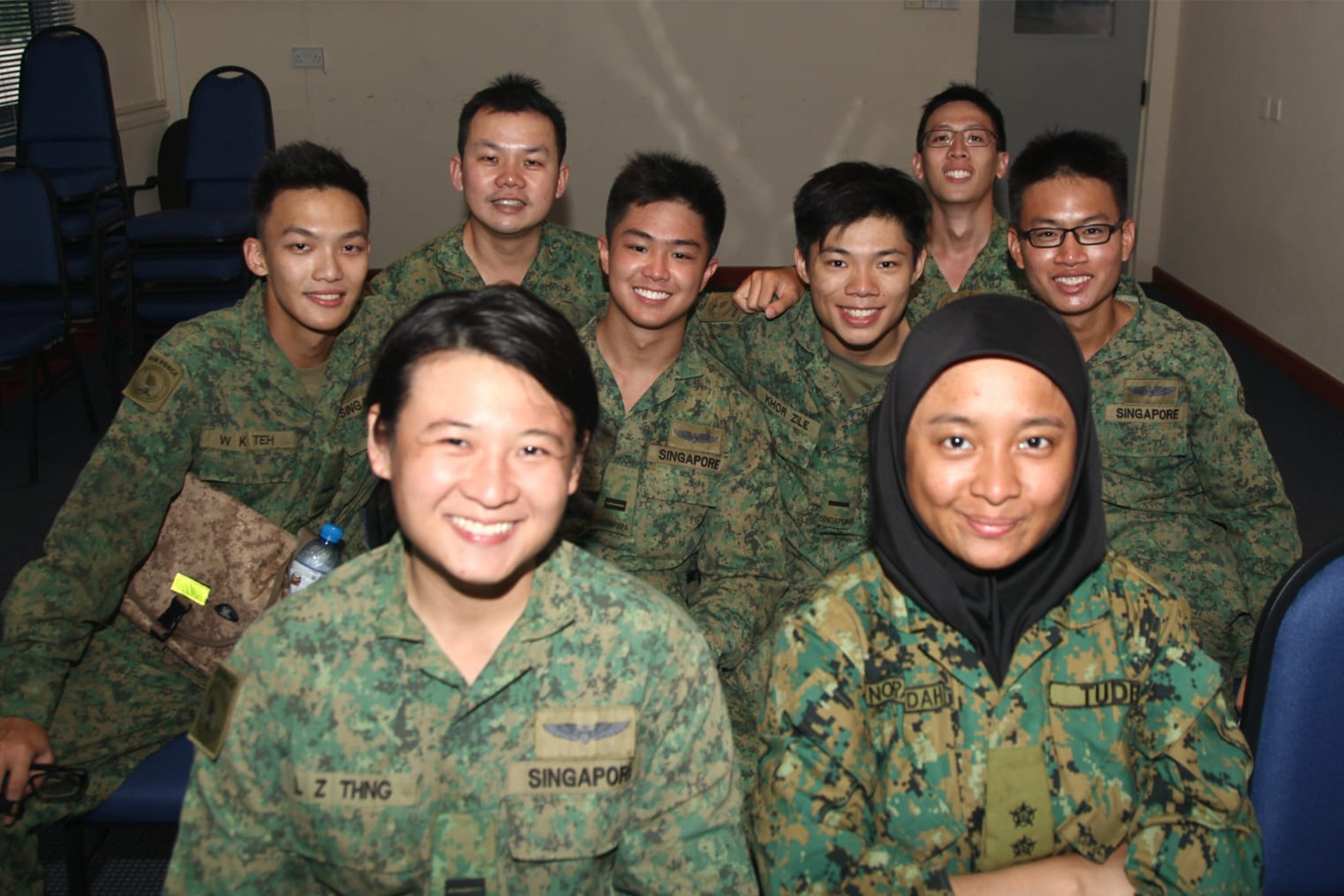
What began as a two-week exercise turned into a decade-long friendship between MAJ Thng Lizhen and MAJ (U) Noraqidah Efinddi, who are growing together as female commanders.