
PEOPLE
Saving lives, serving the nation
24 Nov 2026
His quick thinking helped save the life of an NDP audience member.
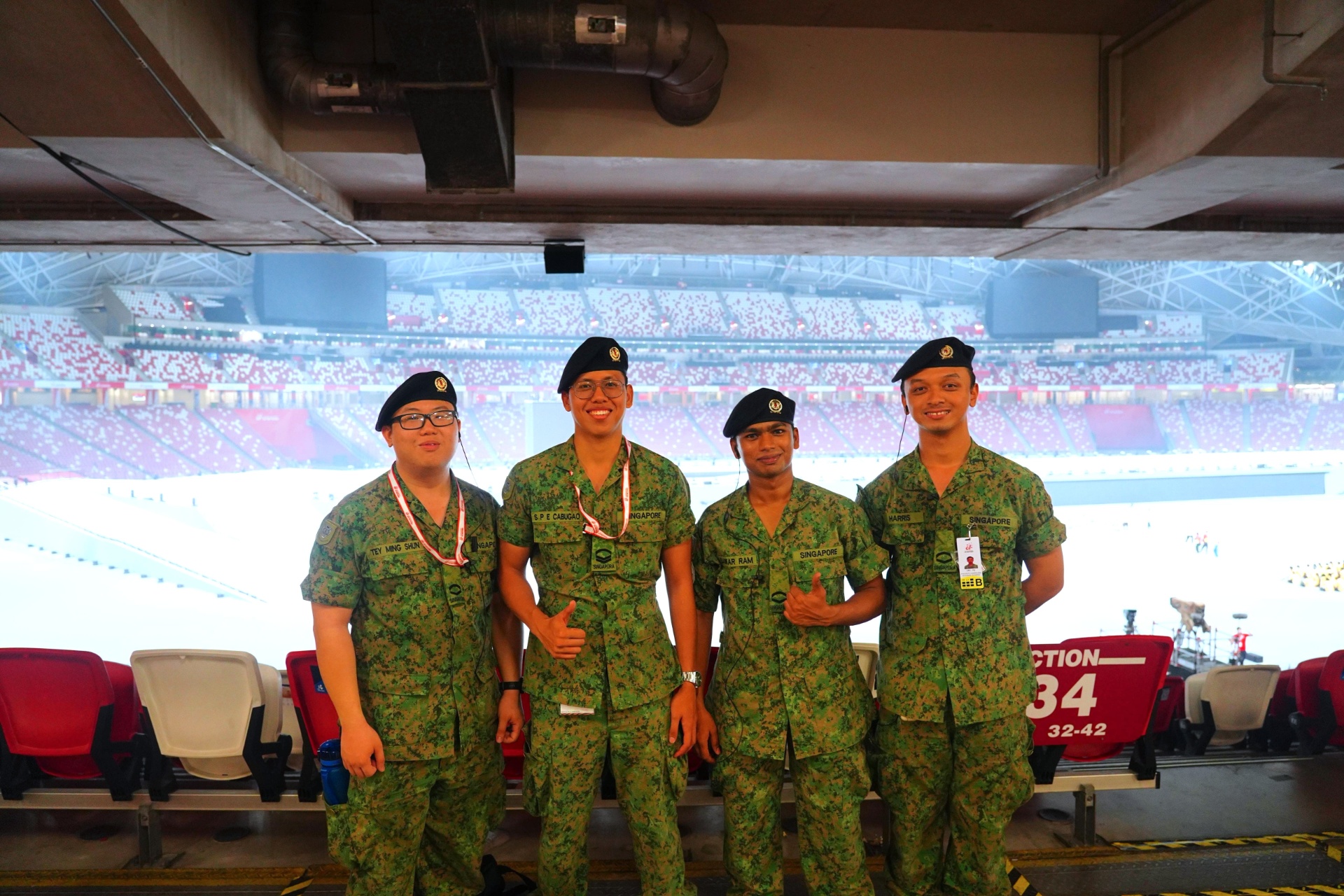
Combat medics are more than just medical professionals supporting a unit.
In emergency situations where every second matters, they are a trusted presence, relied on to react swiftly, make sound decisions under pressure, and act decisively.
Corporal (CPL) Tey Ming Shun proved this at National Day Parade (NDP) 2026 when he responded to an audience member who had fainted.
His ability to remain composed and provide prompt medical attention to the casualty left a lasting impression on his teammates – to them, the 23-year-old was someone they could rely on when it mattered most.
Find out more about the Full-time National Serviceman (NSF) from 30th Battalion, Singapore Combat Engineers in the third of the “Why We Serve” series!
What do you do as a combat medic?
I provide medical coverage to my company and platoon mates during routine training, and ensure that they receive prompt medical care when required.
To me, medics are needed not just to fulfil safety requirements, but also to assure our fellow soldiers that someone capable and reliable has their backs.
What’s most meaningful about your job?
I enjoy taking care of people, and being a medic in the Singapore Armed Forces (SAF) has given me the opportunity to do so in many ways that I did not expect.
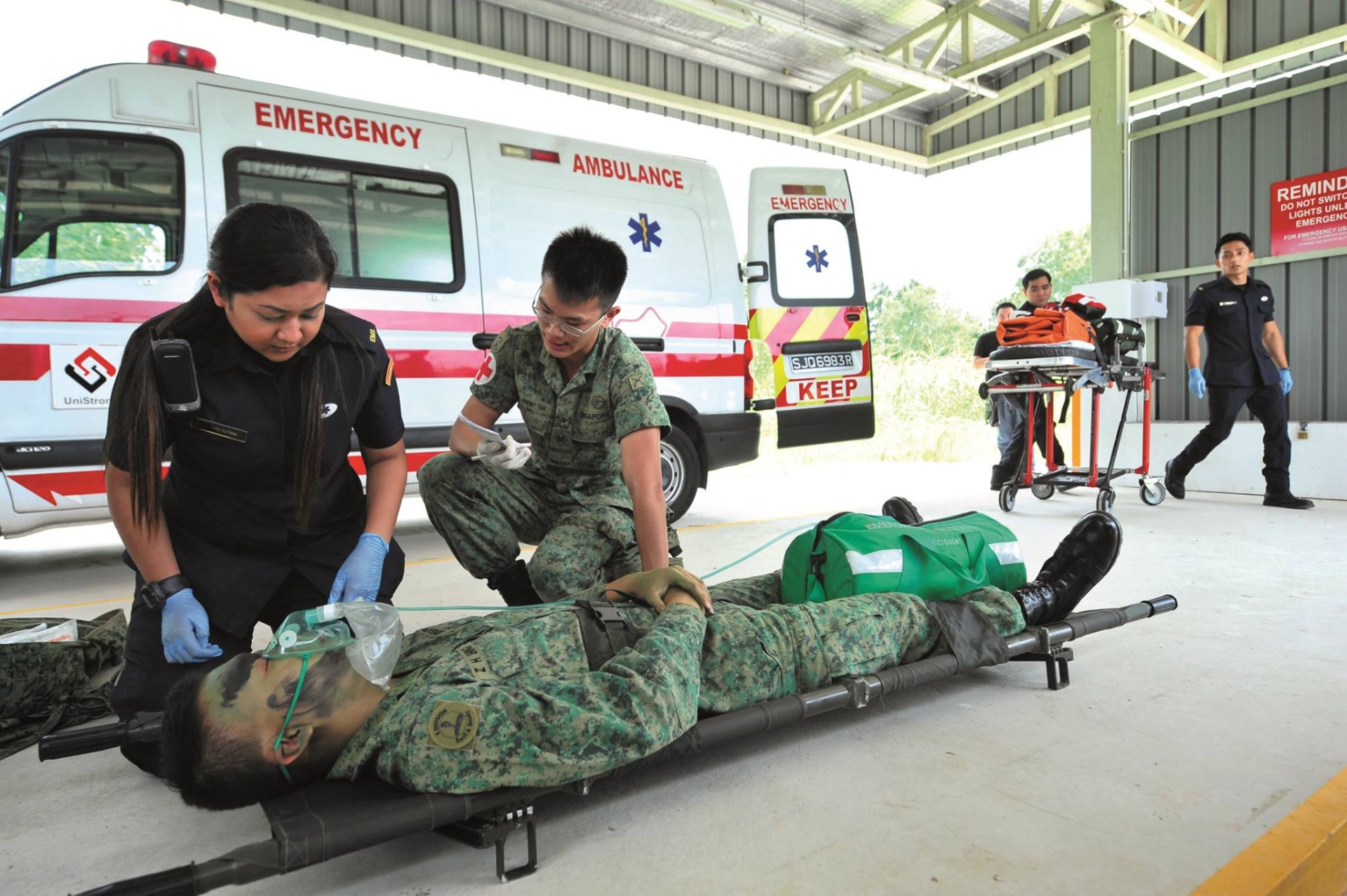
I was part of Project Serve for six months – it’s a programme where SAF medics are attached to the Singapore Civil Defence Force (SCDF) and deployed on emergency ambulances.
From my attachment, I learnt a lot about emergency medical services, such as managing casualties safely and quickly.
What are some of your most memorable NS experiences?
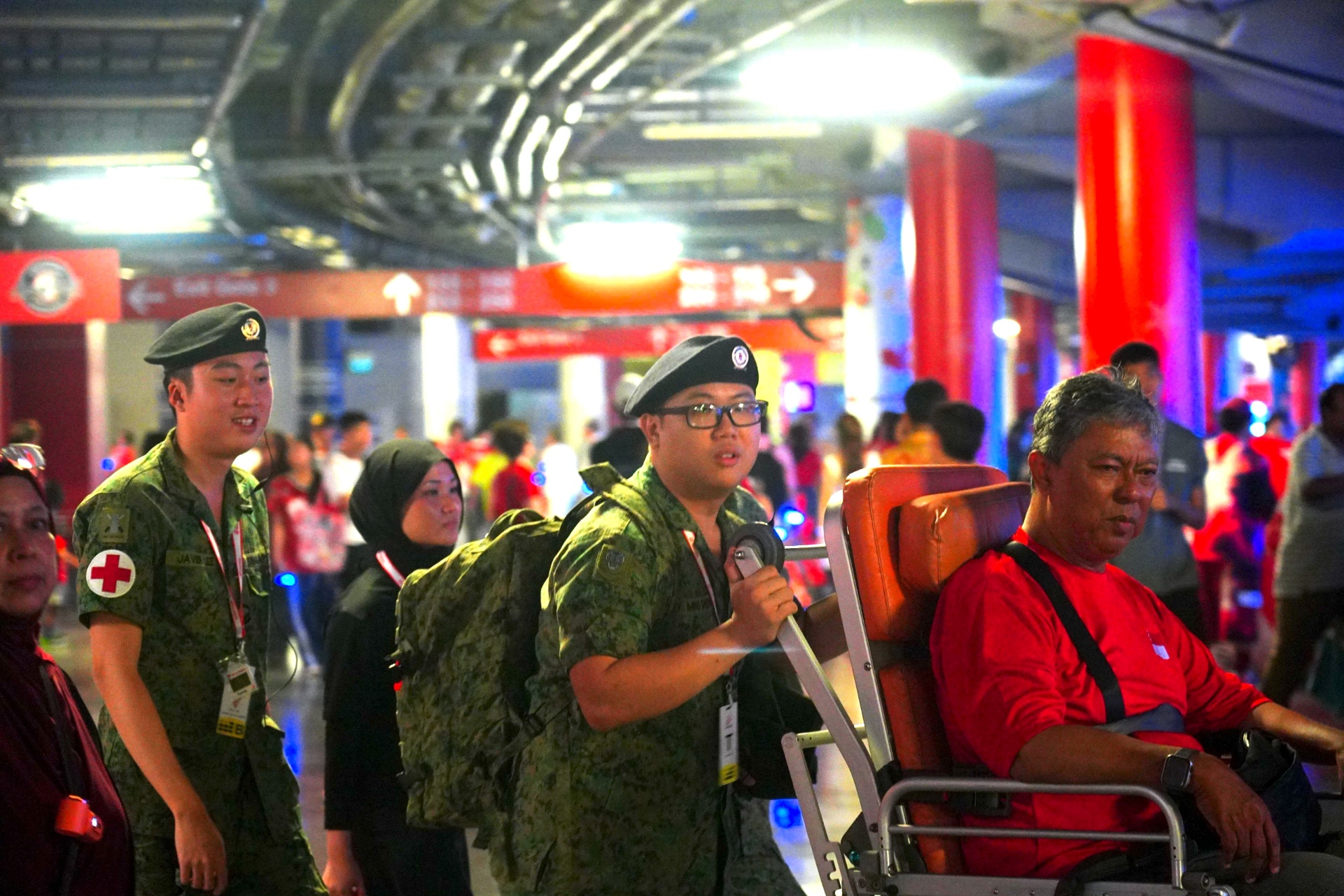
Apart from my attachment, I also had the privilege of contributing to NDP 2026 as a medic in the Stretcher Bearer Team (SBT).
It was my first time participating in NDP, and I was tasked to command a team of non-medical personnel and lead them during an emergency activation.
I vividly remember one incident where a member of public informed me that someone had fainted. I immediately moved in to assess the casualty and check his level of consciousness, airway, breathing, and circulation.
The casualty could only open his eyes to verbal stimuli, complained of giddiness, and was unable to stand or walk.
I knew that I had to activate the SBT to evacuate him to the nearest medical post, because what appeared to be a simple fainting spell may be a warning sign for a more serious condition. At the medical post, an electrocardiogram indicated a possible heart attack.
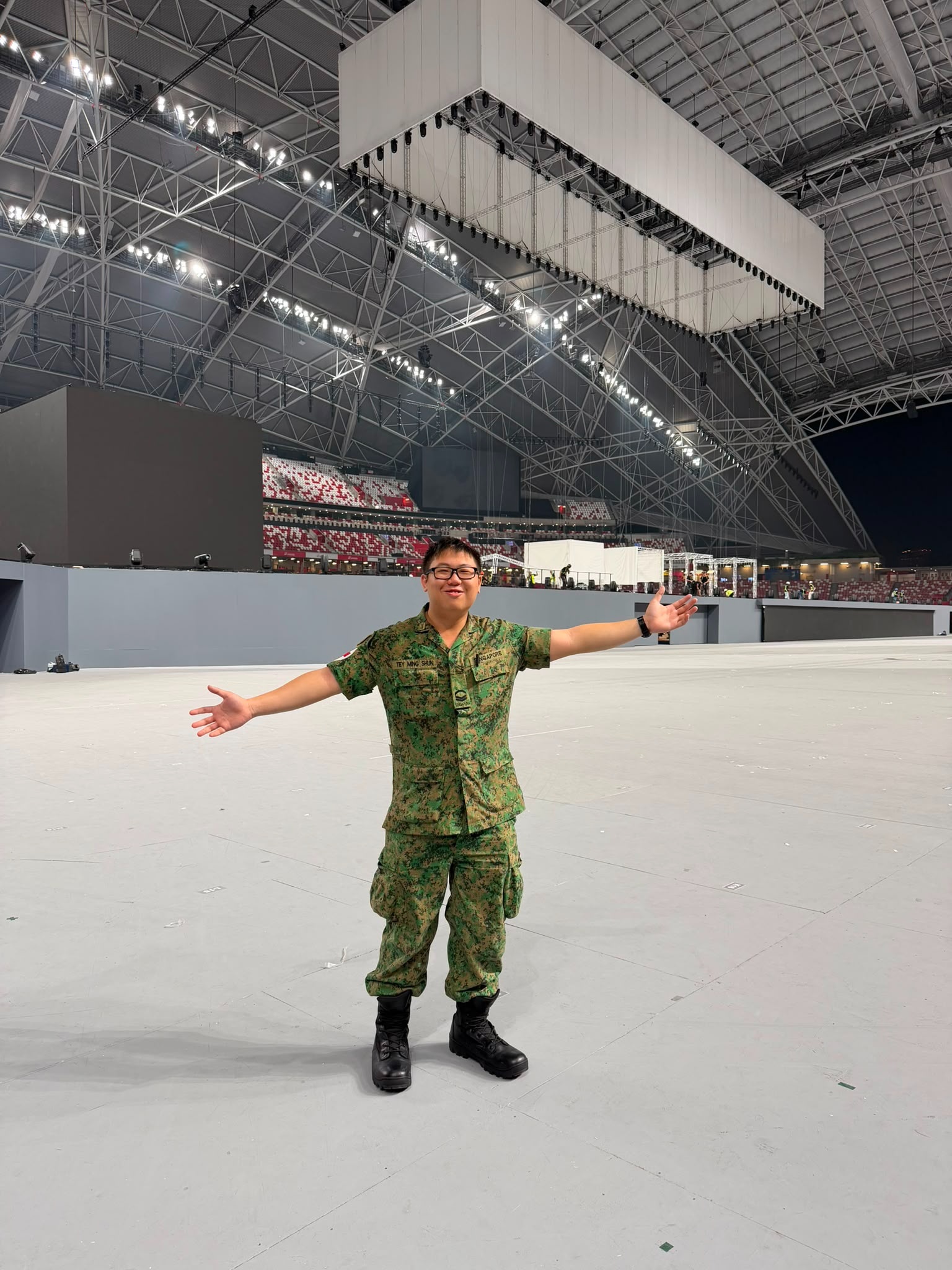
Such incidents remind me of why my role matters, because my assessment of a casualty's condition can directly affect their wellbeing, especially when spotting the problem early and escalating it quickly gets them the right treatment in time.
Any words of encouragement for your fellow NSFs?
To my fellow medics, continue to maintain the high standards of care so that every single soldier can return home safely.
And to my fellow NSFs, training may be hard, but remember there is always a medic who has your back. Look after yourselves, look after your buddy, push through together, and finish strong!

ALSO READ IN PEOPLE
Man behind the Navy’s unmanned vessel
16 Nov 2026
2SG Ajaykumar, an NSF Craft Specialist, shares his story of serving with the Navy’s USV Squadron.
She’s a sharp shooter
24 Oct 2026
Deadly aim is only a part of what it takes to become Singapore’s first female sniper. We speak to the woman behind the rifle, MSG Chin Shi Lee, about her journey in the SAF.
A major step for military doctors
23 Oct 2026
From undergoing emergency medicine training to planning joint operations, MAJ (Dr) Ivan Low now makes history as the Top Graduate of the inaugural Command and Staff Course (Medical).