
DIPLOMACY
ENHANCING INTERNATIONAL COOPERATION IN MILITARY MEDICINE
29 Jul 2011
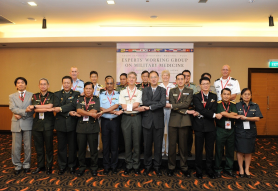
Common professional experiences, an action-oriented outlook and strong cooperative instincts - these qualities put the Military Medical Services in good stead to contribute towards disaster response and recovery in humanitarian missions, providing speedy relief to victims of a natural disaster.
Permanent Secretary for Defence Chiang Chie Foo said this at the opening of the first Experts' Working Group Meeting on Military Medicine (EWG-MM) on 28 Jul.
Mr Chiang was speaking to senior military medical officers from the ASEAN Defence Ministers' Meeting (ADMM)-Plus countries who were at the meeting.
He said there was a growing international dimension to the work of the Military Medical Services in recent years because of its contribution to peace support operations. "Given the high tempo at which the Military Medical Services is required to work with each other and interoperate in real time, there is a need for us to find means to enhance this coordination and cooperation, and develop a common understanding on the issues and challenges we face," Mr Chiang said.
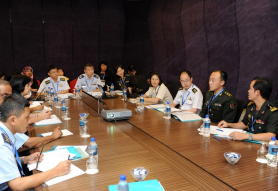
Led by BG (Dr) Benjamin Seet from the Singapore Armed Forces Medical Corps and Colonel (COL) Satoshi Suzuki from the Japan Self-Defense Force, delegates at the meeting shared policy considerations, best practices and processes, and potential areas of mutual collaboration from case studies of Humanitarian Assistance and Disaster Relief (HADR) operations like the 2010 Merapi eruption and 2011 Japan earthquake and tsunami.
Through presentations and syndicate discussions, members discussed tangible ways in which the 10 ASEAN member countries and eight "Plus" countries could pool their experiences and expertise to build regional capacity in medical support operations during the two-day workshop.
Focusing on enhancing inter-operability among the Military Medical Services in the field, EWG-MM "is a precious opportunity for all participants to share and learn, and establish good relationships and effective networks," said COL Suzuki.
"It is our goal to enhance capacity building and to actualise practical cooperation to address shared medical challenges in this region," BG (Dr) Seet said of the EWG-MM framework.
Following this year's meeting, members will participate in a scenario-based table-top exercise in 2012 and 2013, as well as joint training and an exercise on medical support operations in HADR - all these before the 2nd ADMM-Plus Meeting convenes in 2013.
The EWG-MM provides a platform for the Military Medical Services of the 18 ADMM-Plus countries to network and build up strong working relationships through professional exchanges, information exchange and exercises.
Military medicine is one of the five areas of shared interest in which the Defence Ministers had agreed to enhance practical cooperation at the inaugural ADMM-Plus meeting held in Hanoi last October. The other four areas are maritime security, peacekeeping, HADR and counter-terrorism.
Singapore and Japan will co-chair the EWG-MM for three years, from 2011 to 2013.


ALSO READ IN DIPLOMACY
Going alone is not the answer to insecurity – Mr Chan
01 Jun 2025
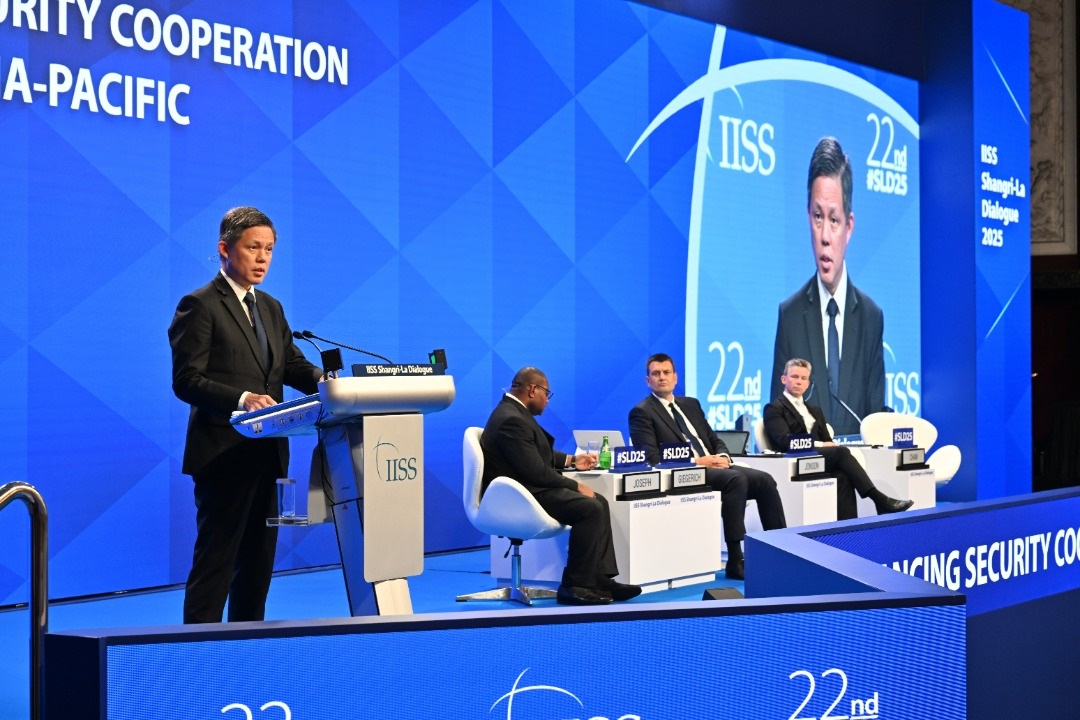
“Going alone is not the answer to insecurity”, emphasised Minister for Defence Mr Chan Chun Sing at the Shangri-La Dialogue (SLD), held from 30 May to 1 Jun. This was one of his main points at his speech at the sixth plenary session on 1 Jun.
A call for peace at Shangri La Dialogue
02 Jun 2024
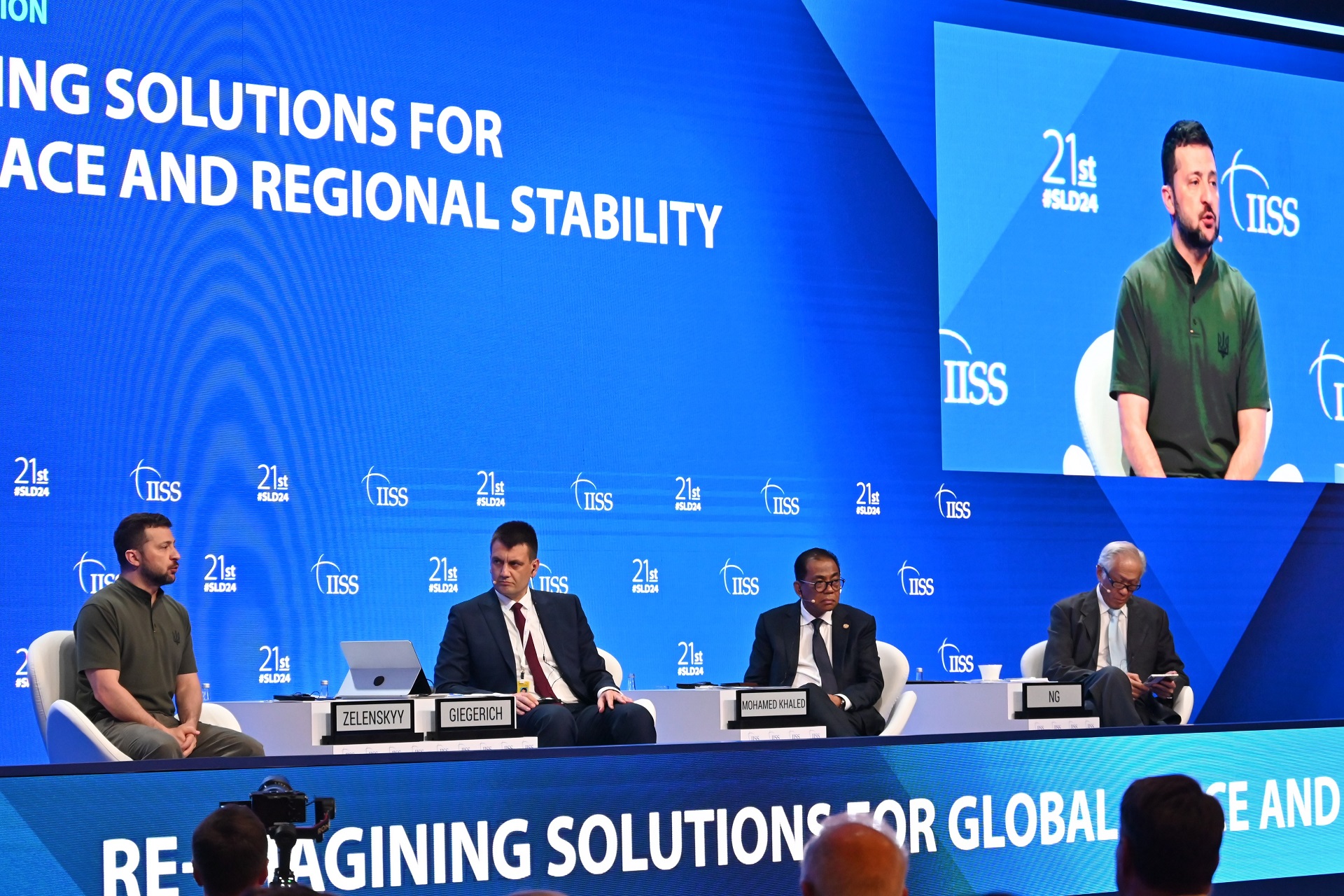
A repeated call for peace, especially in Asia. This was Minister for Defence Dr Ng Eng Hen's central message at the 21st Shangri La Dialogue (SLD), held from 31 May to 2 Jun.
Shangri-La Dialogue sees frank discussion of security issues
04 Jun 2023
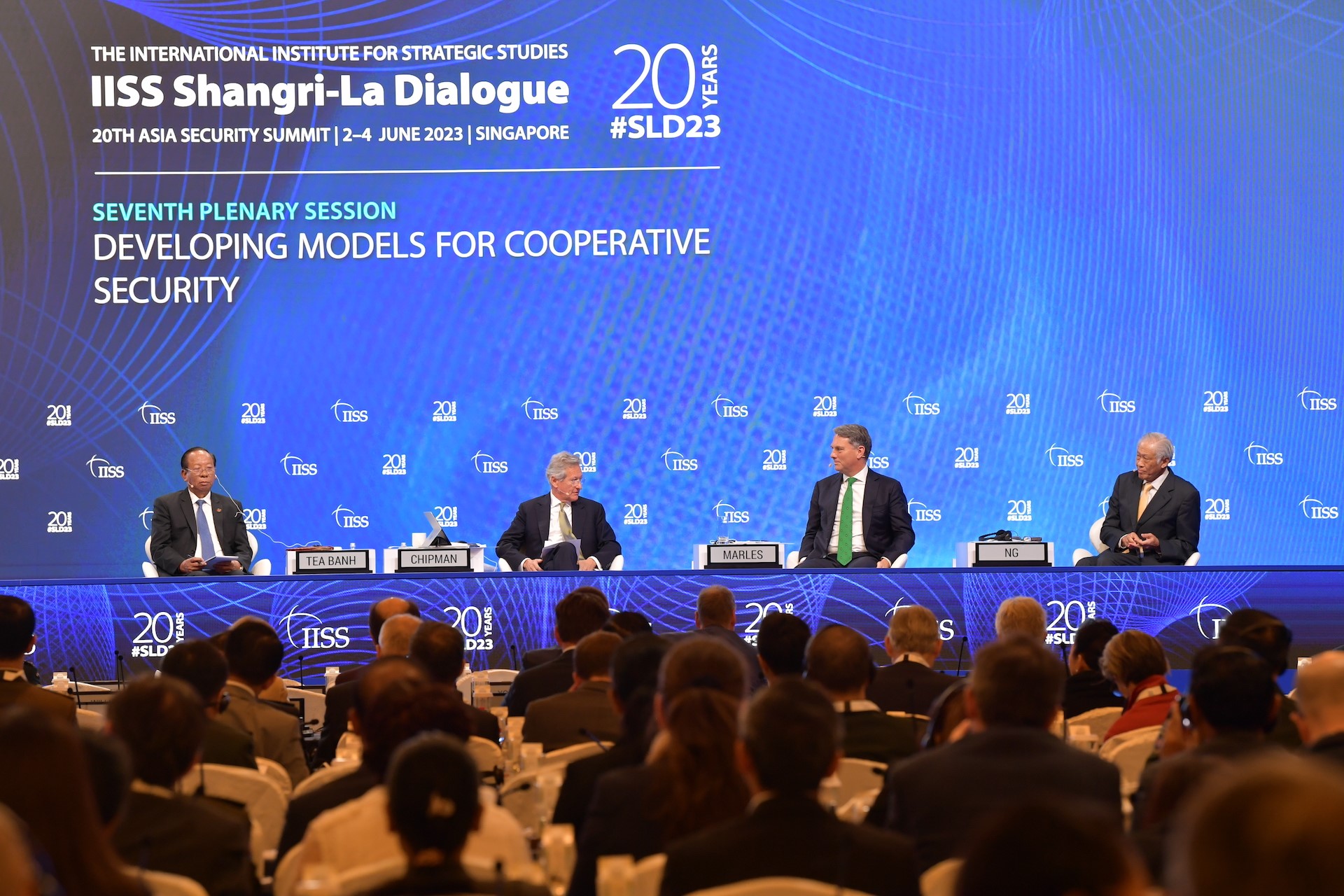
The 20th Shangri-La Dialogue, held from 2 to 4 Jun, saw ministers from around the world meet in Singapore to discuss key defence and security issues.